Ethiopia Sets New Record with $2.65 Billion in Coffee Export Revenue

Ethiopia has reported a record-breaking revenue of 2.65 billion U.S. dollars from coffee exports during the 2024/2025 fiscal year, marking the highest annual earnings in the country’s coffee trade history, according to the Ethiopian Coffee and Tea Authority (ECTA).

The country exported 468,967 tonnes of coffee during the fiscal year that ended on July 7, surpassing the previous year’s volume by over 170,000 tonnes, the authority confirmed in a statement released on Tuesday.

“This is a remarkable achievement, but there remains significant untapped potential ahead,” said Dr. Adugna Debela, Director General of the ECTA. He emphasized that the newly formed National Coffee Platform Steering Committee is expected to play a key role in further strengthening the industry.

The export performance significantly exceeded initial targets, which were set at 326,000 tonnes and 2 billion U.S. dollars in revenue. The final figures not only highlight Ethiopia’s growing competitiveness in the global market but also reflect sweeping reforms and modernization efforts within the sector.

Growth Drivers Behind the Record

Several key initiatives contributed to the growth:

  • Direct export rights were granted to coffee farmers and cooperatives, allowing them to sell more competitively on global markets.

  • Nationwide training programs improved farming and processing techniques.

  • Old coffee trees were replaced with high-yield, disease-resistant varieties.

  • Quality control systems were upgraded to meet the standards of premium international buyers.

  • The Green Legacy Initiative, which has planted over 8.5 billion seedlings, supported sustainable cultivation and environmental resilience.

Ethiopia is widely recognized as the birthplace of Arabica coffee and remains the top coffee exporter in Africa, while also ranking among the top three coffee exporters globally.

Ethiopian coffee is renowned for its unique and diverse flavor profiles, ranging from wine-like and fruity to chocolatey notes. Demand for these distinctive coffees continues to grow, particularly in specialty markets across Europe, North America, and Asia.

In comparison, Ethiopia earned 1.4 billion U.S. dollars from coffee exports during the 2023/2024 fiscal year, indicating a nearly 90% increase in export earnings year-on-year.

A Vision Beyond Exports

Officials stress that this achievement is not merely a financial milestone, but part of a larger national vision to elevate the role of coffee in Ethiopia’s economy, environment, and identity.

“The coffee sector is at the heart of our agriculture-led economy,” Dr. Debela added. “This is not just about revenue—it’s about sustainability, empowerment, and global leadership in quality.”

The ECTA has expressed its commitment to further improve traceability, transparency, and inclusion within the coffee value chain, ensuring that benefits reach producers across all regions.

As the global coffee landscape evolves amid shifting climate and trade dynamics, Ethiopia’s approach—rooted in heritage, reform, and innovation—continues to position the nation as a key player shaping the future of coffee.
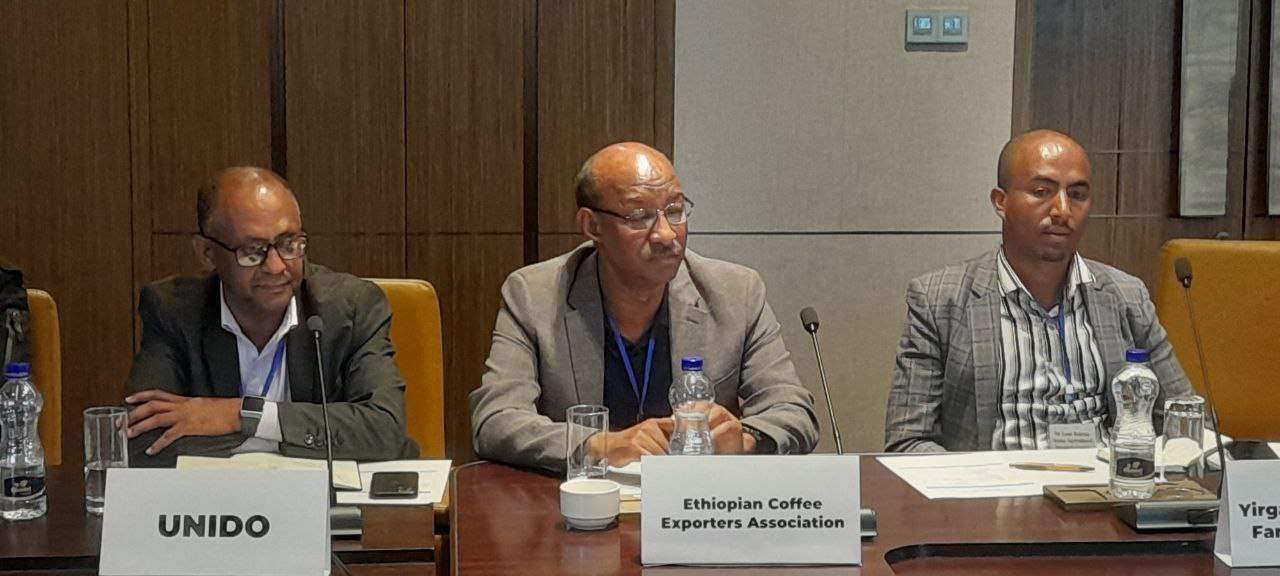
Ethiopia Launches National Coffee Stakeholder Platform to Drive Sector Transformation

Ethiopia has inaugurated a National Coffee Stakeholder Engagement Platform, a landmark initiative designed to unify efforts across the coffee industry and bolster the country’s global standing as a premier coffee origin. The official launch, held at the Skylight Hotel in Addis Ababa, marks the formation of the platform’s Steering Committee, bringing together farmers, exporters, government agencies, development partners, and private sector actors.

The initiative aims to streamline coordination across the coffee value chain, enhance productivity and quality, address persistent challenges, and improve transparency and efficiency at all levels—from farm to export.

Dr. Adugna Debela, Director-General of the Ethiopian Coffee and Tea Authority (ECTA), emphasized the platform’s critical role in mobilizing resources and aligning efforts. “This platform will not only address sectoral challenges and harness opportunities, but also ensure that progress is monitored, bottlenecks are identified early, and no region or actor is left behind,” he stated. “The Steering Committee is not just an administrative body—it is pivotal to shaping the future of Ethiopian coffee.”

Dr. Adugna added that the platform represents a shared national commitment to unlocking the full value of Ethiopia’s coffee, ensuring that its unique heritage and quality are translated into global competitiveness and sustainable income for producers.

H.E. Semereta Sewasew, State Minister of Finance and Chairperson of the Steering Committee, acknowledged the progress made in recent years, including record-breaking export figures, but noted that the sector continues to face serious headwinds. “Climate change, global market volatility, and regulatory challenges remain real threats,” she said, while praising the resilience of Ethiopian producers and the efforts of the ECTA.

UNDP Resident Representative Samuel G. Doe also addressed the gathering, stressing the significance of the platform in strengthening the sector and creating more equitable and sustainable opportunities. “The establishment of the Steering Committee is crucial for fostering collaboration, innovation, and resilience in Ethiopia’s coffee sector,” he said.

The National Coffee Stakeholder Engagement Platform is expected to provide a coordinated framework for aligning national policies, investments, and initiatives with the needs of stakeholders at every level of the value chain. By doing so, it seeks to elevate Ethiopia’s position in the global coffee market while ensuring inclusive growth and long-term sustainability.

Brazil Challenges Vietnam’s Lead in Robusta Coffee Production

Brazil is making significant strides in robusta coffee production, narrowing the long-standing gap with Vietnam, the global leader in this coffee variety. According to recent forecasts by the U.S. Department of Agriculture (USDA), Brazil’s robusta output for the 2025/2026 season is expected to reach 24.1 million 60-kg bags—a dramatic increase from 10.5 million bags in 2016/2017, effectively more than doubling in less than a decade.

This robust growth has sparked discussions about whether Brazil might eventually overtake Vietnam as the top global producer of robusta. The topic was a focal point at the Coffee Dinner & Summit held by Brazil’s coffee exporters association, Cecafé, in São Paulo from July 2 to 4.

While Brazil dominates arabica production—supplying about 45% of the world’s arabica coffee—Vietnam has held a comfortable lead in robusta. In 2016/2017, the gap between the two countries exceeded 15 million bags. However, based on current projections, that lead may shrink to just 6 million bags by the end of the upcoming harvest.

The USDA also forecasts that Brazil’s total coffee output will rise slightly in 2025/2026, thanks to a 3.1 million bag increase in robusta, which will offset a 2.8 million bag decline in arabica.

Speaking to Reuters, David Neumann, CEO of Neumann Kaffee Gruppe—one of the world’s largest coffee trading companies—acknowledged that the pace and scale of Brazil’s robusta expansion has surprised many in the industry. While optimistic about the outlook, he also cautioned that forecasts made 14 months in advance are still vulnerable to unexpected weather events, particularly as Brazil has yet to pass through its cold season.

Analysts point to several advantages that explain Brazil’s recent gains in robusta:

  • Greater drought tolerance, especially important after last year’s severe dry spell.

  • Higher resistance to diseases such as coffee leaf rust.

  • Higher yields per hectare compared to arabica.

  • Lower susceptibility to biennial bearing, a phenomenon that causes arabica yields to fluctuate between high and low years.

As global coffee demand continues to rise and climate change disrupts traditional growing patterns, Brazil’s increasing robusta supply could help stabilize global inventories. This development not only strengthens Brazil’s role in the global coffee market but also introduces new dynamics to the competitive landscape historically dominated by Vietnam.

Neumann Kaffee Gruppe Unveils Strategic Insights from Its Double Materiality Assessment

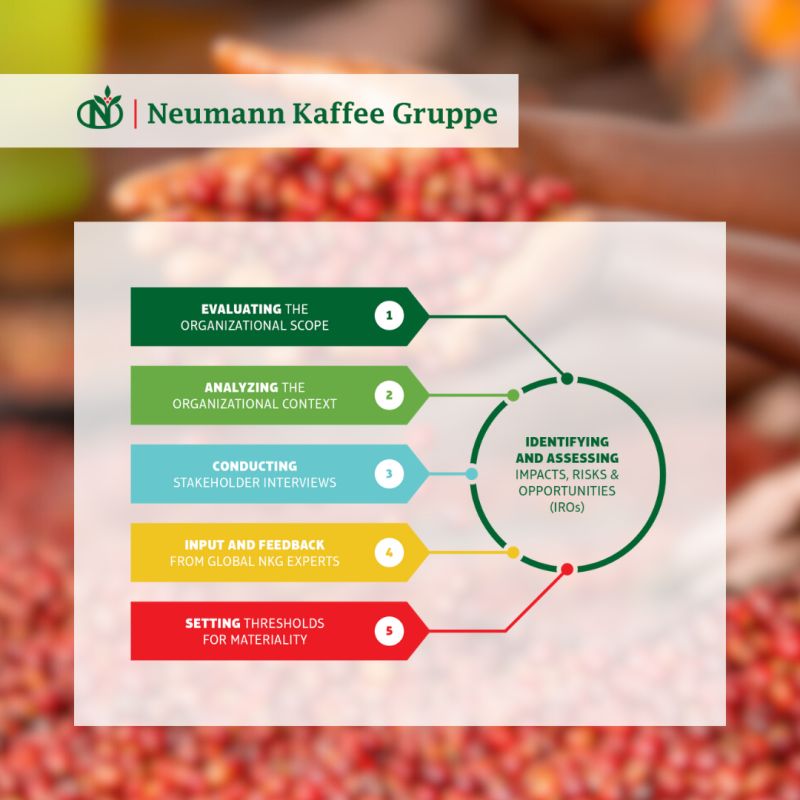
Neumann Kaffee Gruppe (NKG) has announced the completion of its Double Materiality Assessment (DMA), a critical milestone in refining the company’s sustainability strategy in alignment with the EU’s Corporate Sustainability Reporting Directive (CSRD). The assessment not only evaluates how sustainability topics impact NKG’s business, but also how its business affects people, communities, and ecosystems across the coffee value chain.

The assessment identified five key material topics that will shape NKG’s strategic sustainability priorities going forward:
Climate Change (E1), Biodiversity and Ecosystems (E4), Producers and Workers in the Value Chain (S2), Own Workforce (S1), and Business Conduct (G1).

Insights That Shape the Future

According to the Group Sustainability Department, the DMA reveals that NKG is already on a solid path in several areas: from climate adaptation and mitigation to improved livelihoods and robust governance. Yet, the findings also underscore growing challenges—climate change is already affecting supply chains and farmer livelihoods, and biodiversity loss is becoming increasingly urgent. At the same time, the company is recommitting to the well-being of its own workforce as a strategic priority.

“This DMA is more than regulatory compliance,” said a spokesperson from NKG. “It helps us identify where we can maximize our positive impact and understand where key sustainability risks lie—both for coffee producers and for our business resilience.”

Guiding Strategy for 2025 and Beyond

As NKG sharpens its sustainability strategy for 2025, the DMA will guide the development of targeted measures and quantifiable goals. The goal is clear: to drive real, measurable change and ensure transparent reporting in all areas that matter.

NKG’s strategic framework, the Responsible Business Program (RBP), continues to steer group-wide sustainability efforts. Structured around four focus areas and nine strategic objectives, the RBP ensures that the company’s actions—from farm to cup—are consistent, measurable, and aligned with long-term impact.

“A future-proof coffee industry begins with understanding where we are and where we need to go. This assessment gives us that clarity.”

More Than 300 Staff Driving Local Change

A cornerstone of NKG’s sustainability strategy lies in its people: over 300 employees across origin countries are actively working with producers to co-create local solutions. Beyond internal strategy, NKG partners with a range of stakeholders and industry bodies to contribute to a more equitable and sustainable coffee industry.

Among its notable initiatives:

  • NKG Bloom, which empowers smallholder farmers with resources and pathways out of poverty.

  • NKG Verified, a traceability and sustainability assurance program offering verified supply chain data for customers.

Transparency and Integrity at the Core

NKG emphasizes that data-driven transparency is central to its operations, especially under regulatory frameworks such as the EUDR (EU Deforestation Regulation) and CSRD. The company’s Grievance and Due Diligence systems help maintain integrity throughout the supply chain—ensuring ethical conduct, fair treatment, and environmental accountability.

Open Resources and Next Steps

NKG invites stakeholders to explore the full findings of the Double Materiality Assessment through its official portal, where users can also download the 2024 Sustainability Report, Code of Conduct documents, and learn more about NKG’s approaches to EU regulations and supply chain integrity.

In a statement underscoring its long-term commitment, NKG said:

“Sustainability is not a buzzword for us. It is our responsibility—today and tomorrow—so that everyone along the value chain can thrive, and generations to come can continue enjoying their daily cup of coffee.”

—

Explore NKG’s full Sustainability Report 2024 and the Double Materiality Assessment findings here.

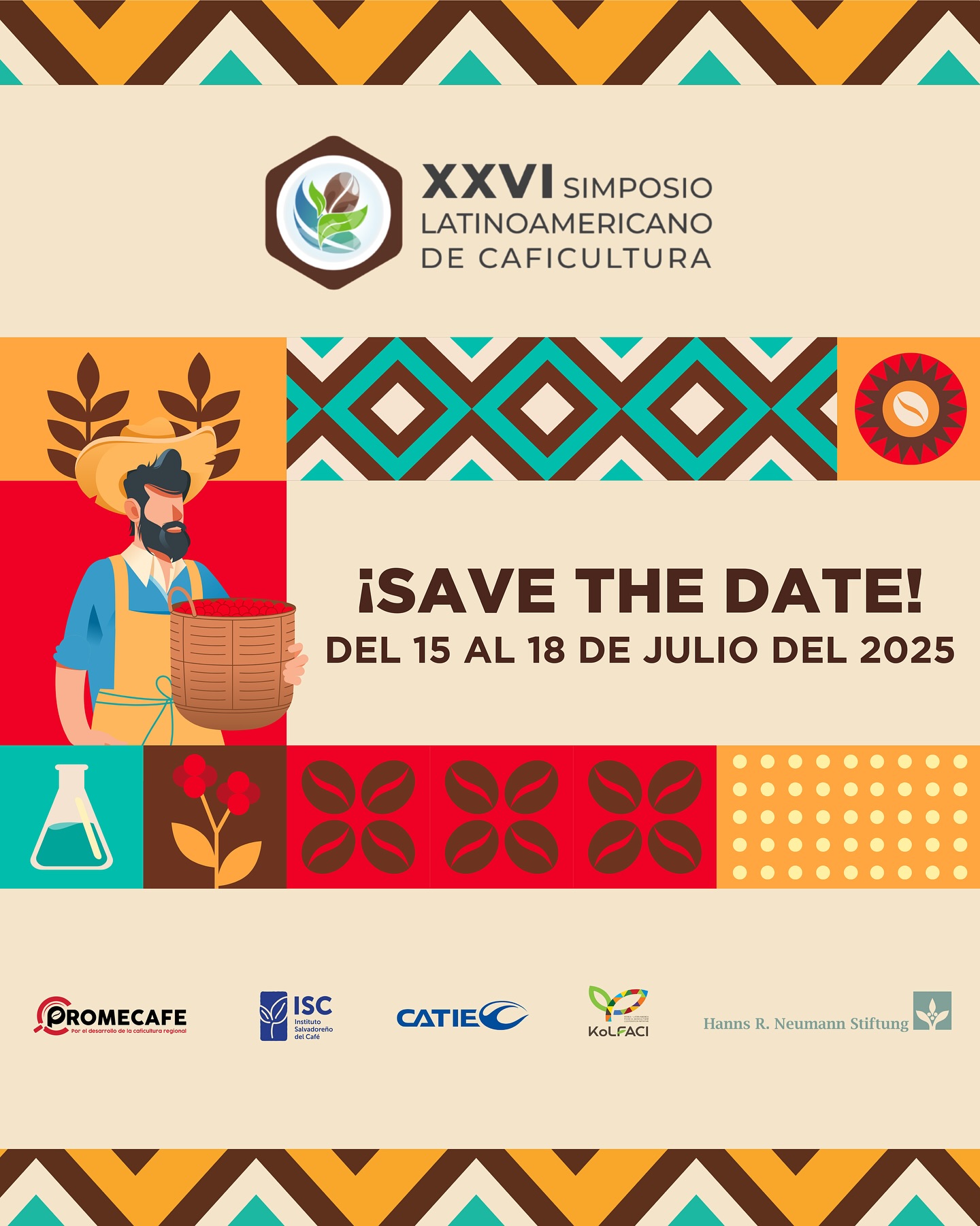
All Set for Latin America’s Premier Coffee Symposium in El Salvador

From Science to Sustainability, XXVI Simposio Latinoamericano de Caficultura Gathers the Region’s Coffee Leaders

The countdown has begun for one of the most anticipated events in the Latin American coffee calendar. From July 15 to 18, 2025, the XXVI Latin American Coffee Growing Symposium (Simposio Latinoamericano de Caficultura) will take place at the iconic Sheraton Presidente Hotel in El Salvador, bringing together producers, scientists, entrepreneurs, and coffee enthusiasts from across the region.

Organized under the auspices of PROMECAFE and supported by the Inter-American Institute for Cooperation on Agriculture (IICA), the four-day symposium is set to offer a dynamic program that blends cutting-edge research, technical exchange, and collaborative dialogue aimed at advancing sustainable coffee farming.

A Transformative Gathering for Coffee-Growing Communities

Positioned as more than just a conference, the event is described by organizers as a “technical-scientific high-level space” designed to empower coffee-growing territories through knowledge, innovation, and cross-sector collaboration. This year’s symposium theme emphasizes technological adoption and sustainability, reflecting the urgent need for adaptation in the face of climate change and global market pressures.

The program includes:

  • Access to keynote conferences by leading experts in agronomy, economics, and climate science.

  • Workshops and technical sessions addressing soil management, disease prevention, post-harvest processing, digital tools for traceability, and financing models.

  • A coffee exposition showcasing innovative products, tools, and services relevant to the coffee industry.

  • Networking opportunities with stakeholders from public institutions, private enterprises, academia, and civil society.

Attendees will also benefit from exclusive materials, including digital access to presentations, promotional kits, lunch and coffee breaks, and evening networking events such as the Welcome and Closing Cocktails.

Field Day and Specialized Access

In addition to the main conference, participants may opt into a Field Tour on Tuesday, July 15, which includes guided visits to model farms and research facilities—providing hands-on insight into sustainable practices and innovation at origin.

For those representing a brand or institution, there is also a dedicated pass for access to the Expo-Fair area, ideal for promoting products and establishing new partnerships.

Registration and Pricing

General Admission (Full Access) is priced at $380 USD, which includes:

  • Admission to all sessions and events

  • Digital access to presentations

  • Event materials and lunch/coffee breaks

  • Coffee tasting stations

  • Welcome and closing cocktails

  • Identification wristband for meals

Other ticket options include:

  • Field Tour: $75 USD

  • Cocktail Companion Pass: $90 USD

Participants are advised to register in advance via the official event website, where an electronic receipt is provided upon payment. As IICA is an international organization exempt from taxation, no formal invoice is issued.

A Crucial Event for Latin America’s Coffee Future

With the coffee sector facing numerous challenges—from climate threats to market volatility—the 2025 symposium arrives at a pivotal time. Organizers stress the importance of collective knowledge and innovation in protecting coffee-growing livelihoods and ensuring a resilient future.

The XXVI Simposio Latinoamericano de Caficultura is expected to draw a diverse mix of voices, bridging science and tradition, and fostering alliances that transcend borders.

For coffee professionals and enthusiasts alike, this is more than a symposium—it’s a movement for the future of coffee in Latin America.


For registration and additional information:
📩 Email: [email protected]
🌐 Website: simposiocaficultura.promecafe.net

New Global Tool Maps Sustainability Initiatives Across Coffee-Producing Countries

International Coffee Organization and ITC launch the Coffee Sustainability Support Database (C2SD)

The International Coffee Organization (ICO), in collaboration with the International Trade Centre (ITC) through its Alliances for Action initiative, has officially launched a powerful new digital resource: the Coffee Sustainability Support Database (C2SD).

Designed to enhance transparency, foster global collaboration, and align sustainability efforts across the coffee sector, the C2SD is an interactive platform that maps more than 440 sustainability projects in 49 coffee-producing countries, spanning both public and private initiatives.

💡 Explore the database here:
https://c2sd.ico.org/

A Centralized Platform for Collective Impact

The C2SD is an evolved version of the ICO’s original Coffee Sustainability Map and was co-created by the ICO’s Coffee Public-Private Task Force (CPPTF) – Technical Workstream 3 on Importing Countries – alongside ITC and its Coffee Guide Network, with co-funding from the European Commission and ITC Trust Fund donors.

This platform addresses a longstanding issue in the coffee sector: fragmentation of information. Despite the abundance of sustainability initiatives, the absence of a central reference tool has hindered global coordination, reduced investment efficiency, and limited collective impact.

By consolidating diverse sustainability efforts into one accessible digital map, the C2SD provides a clear overview of who is doing what, where, and how, enabling:

  • Identification of overlaps, gaps, and under-served regions

  • Collaboration and co-investment opportunities

  • Informed decision-making by governments, funders, NGOs, and industry players

  • Acceleration of impact through shared knowledge and strategic alignment

A Public Good for the Coffee Sector

The C2SD is more than a database — it’s a sector-wide resource designed to empower producers, policymakers, and private sector actors to align their efforts toward a fairer and more sustainable global coffee economy.

The platform is also deeply integrated with The Coffee Guide — the ITC’s flagship publication — where sustainability is a central theme of the fourth edition. The Coffee Guide Network helped shape the C2SD by recognizing a crucial need: a shared, up-to-date understanding of sustainability activities across producing countries.

Scope and Reliability of the Dataset

  • 440 sustainability projects

  • Covering 49 coffee-producing countries

  • Time horizon: 2017 to 2027

  • Initiatives from government bodies, multilateral institutions, development agencies, private companies, social investors, and NGOs

Although the data has been carefully reviewed, the C2SD is a living platform. Users are encouraged to submit updates or corrections to help maintain the accuracy and relevance of the map.

📍 Whether you’re a roaster, policymaker, trader, NGO, or researcher — the C2SD is your window into the sustainability landscape of the coffee world.

Strengthening Global Coordination for a Sustainable Coffee Future

As climate challenges intensify, farmer incomes stagnate, and the sector faces mounting social and environmental pressures, the launch of the Coffee Sustainability Support Database is a timely and strategic step forward.

It signals a renewed commitment by the ICO, ITC, and partners to build a coffee sector that is inclusive, transparent, and sustainable — for producers, for businesses, and for future generations.

Good News for Moms-to-Be: Coffee Doesn’t Harm Baby’s Brain Development

A new scientific study offers reassuring news to expecting mothers: drinking coffee during pregnancy does not negatively impact their child’s cognitive development.

Published in Scientific Reports as part of the China National Birth Cohort (CNBC), the study tracked over 1,400 pregnant women across all three trimesters and later assessed their children’s development at age three using the internationally recognized Bayley Scales of Infant and Toddler Development (BSID-III).

No Cognitive Risk from Coffee

Researchers found no significant association — positive or negative — between maternal coffee consumption and cognitive, language, or motor skill outcomes in toddlers. Whether the mothers drank coffee in the early months or continued into later stages of pregnancy, their children’s scores remained statistically comparable to those of non-coffee drinkers.

This result held true even after adjusting for factors such as maternal age, BMI, income, education level, smoking status, mental health, pregnancy complications, and breastfeeding practices.

Reassurance for Pregnant Coffee Lovers

This study supports previous findings from major cohorts in Norway and Japan, which also found no adverse impact of moderate caffeine intake — particularly from coffee — on child neurodevelopment. While high caffeine consumption is still discouraged, the evidence suggests that moderate coffee drinking (up to 200 mg of caffeine per day) is safe for most pregnancies.

Tea vs. Coffee: A Notable Difference

Interestingly, the same study observed a slight cognitive benefit in children whose mothers consistently drank tea — especially green tea — during the second and third trimesters. This may be due to the presence of antioxidant compounds like catechins in tea, though researchers caution that exact quantities were not measured.

In contrast, coffee showed no such positive or negative effect, leading scientists to conclude that coffee consumption is neutral in terms of early brain development — neither harmful nor beneficial.

Why It Matters

Pregnant women often receive mixed messages about what to avoid, and caffeine is high on that list. Yet this comprehensive analysis using Group-Based Trajectory Modeling (GBTM) — a method that tracks changes in consumption habits over time — adds depth to the conversation, showing that coffee need not be completely off-limits.

Limitations and Future Research

While the results are encouraging, the study was conducted in a single region of China, where coffee drinking is relatively uncommon. The amount of caffeine consumed wasn’t precisely measured, and the findings may not be universally applicable.

Still, the research team emphasized that this is one of the most detailed investigations to date examining the entire trajectory of coffee consumption across pregnancy and its effect on childhood cognitive development.

Final Thought

For moms-to-be who enjoy a daily cup of coffee, this study delivers welcome clarity: there’s no evidence that moderate coffee intake harms your baby’s brain development. As always, it’s best to stay within recommended caffeine limits — but if you’ve been wondering whether to give up your morning brew, science now says: you probably don’t have to.

Zurich Laboratory Detects Intestinal Bacteria in Coffee Machines

A recent investigation by the Zurich Cantonal Laboratory has revealed hygiene concerns in milk-based drinks dispensed from fully automatic coffee machines. The laboratory found that one in four samples tested contained excessive levels of intestinal bacteria.

The analysis, conducted last year, involved 15 samples collected from various machines located in restaurants, petrol stations, and public spaces. According to the canton’s press release, four of the samples exceeded the acceptable limits for Enterobacteria—microorganisms commonly found in the environment and in the intestines of humans and animals. Certain strains of these bacteria are known to cause gastrointestinal illnesses.

In one additional case, the machines showed elevated levels of aerobic mesophilic bacteria—a diverse group of microbes that also indicate hygiene deficiencies.

While most of these machines use pasteurized or UHT-treated milk, which is nearly sterile upon entry, the issue arises from internal contamination. Germs can thrive in milk residues that remain in the system if cleaning is neglected.

Machine operators were notified and instructed to investigate the causes and implement corrective measures. Follow-up inspections confirmed that no further hygiene limits were breached after these interventions.

This study underscores the importance of regular and thorough cleaning routines for fully automatic coffee machines, especially those that handle milk. Without proper maintenance, even advanced coffee equipment can become a breeding ground for bacteria.

Mokha 1450 Triumphs at Transform Awards MEA 2025 with Top Honors in Branding Excellence

In a moment of well-deserved recognition, Mokha 1450, the specialty coffee brand renowned for its heritage-driven philosophy and support for women coffee producers, has been celebrated at the 2025 Transform Awards MEA Gala with three major accolades for its outstanding brand development.

The Dubai-based coffee house earned Gold awards in both Best Brand Evolution and Best Creative Strategy, alongside a Bronze award for Best Visual Identity in the Food & Beverage category. The honors were presented by Transform Magazine, the global authority on brand strategy and rebranding, which recognizes excellence and innovation in branding across the Middle East and Africa.

These awards mark a significant milestone in Mokha 1450’s journey, spotlighting the brand’s ability to evolve while staying true to its origins. Over the past decade, Mokha 1450 has carved out a unique identity in the specialty coffee sector — one rooted in authenticity, traceability, and empowerment. Its recent brand evolution reflects a deeper alignment between visual storytelling and the brand’s core mission: honoring the legacy of Yemeni coffee and amplifying the voices of women coffee farmers from Yemen, Ethiopia, and beyond.

The creative strategy behind the rebrand, developed in collaboration with brand consultancy Rogue, was praised for its clarity, cohesion, and cultural relevance. Judges commended Mokha 1450’s ability to integrate tradition with modern design, resulting in a brand experience that is as refined as the coffee it serves.

“We are incredibly grateful for this recognition,” the team at Mokha 1450 shared. “It is a testament to our unwavering commitment to excellence, innovation, and purpose-driven storytelling. Our brand is not just about coffee — it is about people, places, and preserving legacy.”

The Transform Awards MEA, now in its 11th edition, has become the benchmark for celebrating the best in brand transformation. Mokha 1450’s success this year places it among the region’s top innovators in consumer branding — a remarkable feat in an increasingly competitive market.

As Mokha 1450 continues to expand its global footprint, these awards underscore its rising influence not only as a coffee brand but as a cultural ambassador for origin-based excellence.

From Oversupply to Strategic Shift: The Coffee Industry Between Challenge and Adaptation

As prices fall and Robusta exports surge, the world’s coffee market enters a delicate dance between abundance and anxiety. What’s really brewing behind the beans?

For the first time since December 2024, global coffee prices have dipped below the 300 US cents per pound threshold. The June 2025 ICO Composite Indicator Price (I-CIP) fell sharply to an average of 295.06 US cents/lb—an 11.8% drop from the previous month. But the price movement is just one piece of a much larger picture: a complex, shifting landscape where oversupply is challenging assumptions and rewriting strategies from São Paulo to Saigon.

Behind the falling prices lies a surprising culprit: abundance. According to the latest USDA estimates, the world is heading for a surplus of 9.32 million bags for the 2025/26 coffee year—on top of an already massive 7.88 million bag surplus from 2024/25. Meanwhile, certified stockpiles have climbed to multi-month highs before dipping slightly, feeding negative sentiment across trading floors.

Even traditionally resilient segments like Colombian Milds saw a drop, while Robusta prices fell dramatically—down 17.5% to 196.21 US cents/lb, breaking below the critical 200 mark for the first time since January 2024. But perhaps most telling is the global export behavior: Robusta shipments surged 20.1% year-over-year in May 2025, with Vietnam increasing its exports by a stunning 87.3%. Indonesia and Uganda followed suit with triple- and double-digit growth.

At first glance, it might appear that Robusta is finally claiming its place at the table—but this isn’t necessarily a triumph. The shift is partly due to Brazil’s normalization after an exceptional season and Vietnam’s recovery from prior drought-driven losses. It’s a short-term reshuffling of cards, not a redefinition of the game.

Meanwhile, Arabica exports, despite comprising 62.9% of total green coffee exports, saw more muted performance. The Colombian Milds group—long viewed as a beacon of quality and stability—suffered its first contraction after 19 months of steady growth. Colombia, the group’s anchor, experienced its second straight monthly downturn.

But the volatility goes beyond numbers. On June 23rd, frost fears in Brazil briefly reignited price spikes—only to quickly subside with improved weather reports. It was a stark reminder of how climate still wields enormous power over coffee’s fate, even in an age of data-driven markets.

The story of this month’s coffee market is not simply about decline—it’s about strategic adaptation. Roasted coffee exports, for example, rose by 46.8% year-over-year, and soluble coffee exports were up 15.4%, with Brazil leading the instant boom. Markets are clearly trying to adjust by adding value, diversifying offerings, and leaning into convenience.

So what does this all mean for the coffee industry?

Producers are under pressure to manage surpluses without collapsing prices. Exporters are pivoting toward soluble and roasted markets. Roasters are forced to navigate narrowing price gaps between specialty and commercial coffee, as consumers weigh quality against affordability. And climate still lingers as the great unknown.

In a world where more coffee is not always better, the real winners may be those who learn not just to grow or roast—but to read the market. As the lines between origin, quality, and pricing continue to blur, the ability to anticipate and adapt is becoming the industry’s most valuable currency.

International Coffee Organization: Sharp Decline in Global Coffee Prices and Rise in Robusta Exports

The global coffee market witnessed a notable downturn in June 2025, as the ICO Composite Indicator Price (I-CIP) dropped below the 300 US cents/lb threshold for the first time since December 2024. According to the latest Coffee Market Report by the International Coffee Organization (ICO), the average I-CIP in June fell to 295.06 US cents/lb, representing an 11.8% decrease from May.

This price decline was largely driven by increased supply pressures, including expectations of a surplus for the 2025/26 coffee year. The U.S. Department of Agriculture forecasts a surplus of 9.32 million bags, following another 7.88 million bag surplus in 2024/25. Additionally, certified stocks of Arabica coffee rose to a nine-month high of 1.85 million bags in May before slightly easing to 1.78 million by the end of June.

Market Breakdown by Variety

All major coffee groups saw price reductions:

  • Colombian Milds fell by 9.0% to 360.08 US cents/lb

  • Other Milds dropped 8.7% to 363.16 US cents/lb

  • Brazilian Naturals declined by 10.9% to 338.53 US cents/lb

  • Robustas experienced the sharpest fall, down 17.5% to 196.21 US cents/lb, dipping below 200 US cents/lb for the first time since January 2024.

On futures markets, London prices sank by 18.4% to 183.21 US cents/lb, while New York prices dropped 10.5% to 329.56 US cents/lb.

Differentials and Volatility

  • The Colombian Milds–Other Milds differential continued to shrink, reaching -3.08 US cents/lb, while the Colombian Milds–Robustas differential rose to 163.86 US cents/lb.

  • Arbitrage between New York and London widened to 146.35 US cents/lb, up 1.9% from May.

  • Volatility across the board declined. The I-CIP’s intra-day volatility averaged 10.2%, down from 11.1% in May. Robusta volatility also dropped, from 11.5% to 10.2%.

Brief Rally Triggered by Frost Concerns

Prices briefly rallied on 23 June due to reports of frost in Brazil’s main coffee-producing regions, São Paulo and Minas Gerais. The I-CIP surged by 3.6% to 288.8 US cents/lb. However, subsequent weather updates mitigated frost fears and halted the rally.

Green Coffee Exports: Robustas Lead the Growth

Global green bean exports in May 2025 reached 11.2 million bags, up 3.5% compared to the same month last year. However, total exports for the coffee year (October–May) were down 3.1% to 81.97 million bags.

  • Robusta exports soared 20.1% to 4.31 million bags, driven by Vietnam (+87.3%), Indonesia (+381.6%), and Uganda (+45.9%).

  • Brazilian Naturals dropped 11.2% to 3.29 million bags, mainly due to Brazil’s cyclical downturn.

  • Colombian Milds fell 3.0%, with Colombia’s exports dropping for the second consecutive month.

  • Other Milds rose 4.2%, supported by strong shipments from Ethiopia and Nicaragua.

Arabicas accounted for 62.9% of total green bean exports in the first eight months of 2024/25, up from 60.8% the previous year.

Regional Export Trends: Asia and Africa Expand, South America Contracts

In May 2025, total exports of all coffee forms rose 4.9% to 12.65 million bags, but year-to-date totals remained 2.3% lower than last year at 91.29 million bags.

  • Asia & Oceania: +48.9% to 4.11 million bags, led by Vietnam and Indonesia.

  • Africa: +33.3% to 2.33 million bags, with Ethiopia and Uganda as primary contributors.

  • Mexico & Central America: +3.8% to 2.13 million bags, boosted by Nicaragua’s 60.8% export rise.

  • South America: -25.7% to 4.08 million bags, driven by a sharp 31.8% drop in Brazil’s exports after a record 50.1 million bags shipped in 2023/24.

Soluble and Roasted Coffee Exports

  • Soluble coffee exports rose 15.4% to 1.33 million bags in May, with Brazil shipping 0.37 million of that total.

  • Roasted coffee exports jumped 46.8% to 0.12 million bags.

Soluble coffee’s share of total exports increased to 10.5% for October 2024–May 2025, up from 9.6% in the previous year.

Stocks and Storage

Certified stocks on the New York exchange declined slightly to 0.91 million 60-kg bags in June, while London stocks of Robusta coffee dropped 4.9% to 0.87 million bags.

Conclusion: Supply Pressures Dominate Outlook

June’s market retreat reinforces the dominance of supply-side factors in shaping global coffee prices. With high certified stocks, robust Robusta exports, and surplus forecasts from USDA, bearish pressure may continue unless major weather disruptions materialize. However, the brief spike triggered by frost concerns in Brazil signals that weather volatility still holds the power to jolt markets in the short term.

As the 2024/25 coffee year progresses, all eyes will remain on Brazil’s harvest, Vietnam’s shipping trends, and evolving consumer demand amid shifting price dynamics.

Rising Prices Blur the Lines Between Specialty and Commercial Coffee

As global coffee prices remain elevated, the distinction between specialty and commercial-grade coffee is becoming less clear. While specialty coffee has traditionally operated in a different space from commodity coffee, current market dynamics are bringing the two closer than ever before—raising new questions for consumers, producers, and roasters alike.

A Market in Flux

Over the past two years, coffee prices have surged due to a combination of poor harvests in Brazil and Vietnam, low global stockpiles, and increased speculation in commodities markets. In February 2025, green coffee prices hit a record $4.41 per pound, before stabilizing below $3 following improved weather conditions and better-than-expected forecasts.

Despite this slight correction, volatility remains high. Factors such as Middle East tensions affecting shipping routes and potential frost risks in Brazil continue to influence price movements. According to the UN Food and Agriculture Organization (FAO), consumers in the European Union and United States will feel the full effects of these spikes within the next 8 to 11 months, with the impact expected to last several years.

Consumer Behavior Shifts

Coffee brands, including major players like JM Smucker and JDE Peet’s, have already raised retail prices multiple times since 2024. Supermarkets are pushing back, but as brands aim to protect margins, further increases are anticipated. In Brazil, supermarket coffee prices have already risen by 40% this year alone.

Such developments are affecting consumer behavior. As prices rise, some consumers switch to cheaper options, reduce consumption, or stop buying coffee altogether—echoing trends seen in other markets, such as eggs in the U.S., where prices quadrupled and over a third of consumers stopped purchasing.

Specialty Coffee in the Spotlight

Although specialty coffee operates outside the C market, it cannot escape the ripple effects. The costs of logistics, green coffee, and financing affect all actors. As Albert Scalla of StoneX Group explains, “When the C market rises, everything goes up—including specialty.”

With commercial coffee prices approaching those of specialty, the value proposition of the latter is being reevaluated. Specialty has long justified its higher price through quality, transparency, and sustainability. But now, in a high-cost environment, many consumers may question: Why not pay a little more for significantly better coffee?

Sam Klein of Partners Coffee notes that for roasters relying on low-cost beans, rising input costs leave few options. “If your only value proposition is that your coffee is cheap, you’re in trouble when cheap isn’t cheap anymore,” he says.

However, not all producing regions are equally affected. Friso Miguel Spoor of Koffie Lente points out that countries like Ethiopia have set cherry prices that provide some insulation. Elsewhere, the pricing flexibility depends on the internal dynamics of cooperatives and exporters.

The Opportunity—and the Challenge

The narrowing price gap presents an opportunity for specialty roasters to attract new customers. By offering smaller package sizes or cost-effective blends, they can introduce quality to consumers who are used to commercial products. A $0.25 to $0.50 increase per cup may be tolerable for many customers if the product quality is noticeably superior.

But this strategy has limits. To cover rising costs, many specialty brands are also increasing prices—potentially discouraging price-sensitive buyers. Additionally, high C prices reduce the incentive for farmers to invest in high-quality lots, as commodity sales may offer easier profits with less effort.

Cash flow becomes another concern. Exporters face challenges in paying producers upfront without confirmed buyers, particularly when prices fluctuate rapidly.

Looking Ahead

Will consumers abandon coffee as prices rise? Not necessarily. But behavior will change. Some may shift to instant or supermarket brands. Others may embrace private labels, which are gaining ground in many markets. Yet, a segment might indeed upgrade to specialty coffee—especially if brands can clearly communicate the added value and experience they offer.

The specialty coffee sector, built on transparency, ethics, and craftsmanship, is at a turning point. Sam Klein sums it up: “It’s an interesting moment. We’ve always told consumers that they can get better coffee while also doing right by farmers. But when cheap coffee is no longer cheap, do we still believe in that mission?”