Level Up Your Cupping: SCA’s CVA Course Comes to Dubai This August

Dubai is set to host one of the most anticipated sensory training events in the coffee industry this summer—the Coffee Value Assessment (CVA) for Cuppers course by the Specialty Coffee Association (SCA). Taking place from August 2 to 3, 2025, this immersive two-day workshop will be held at the Victoria Arduino and Nuova Simonelli Experience Lab, located in Al Quoz Industrial Area 3.

Designed specifically for professional cuppers, Q Graders, roasters, and seasoned coffee tasters, the course introduces participants to the SCA’s updated Coffee Value Assessment methodology—an evolution that goes beyond traditional scoring systems by focusing on perception, consumer preferences, and contextual value.

Led by Authorized SCA Trainer Sitaram Napit, the course combines practical cupping sessions, expert-led lectures, and open discussions to help attendees master the newest CVA tools and techniques.

What You’ll Learn:

  • How to use the new CVA sensory references for cupping

  • Mastery of 15-point intensity scales, CATA (Check-All-That-Apply) lists, and hedonic scales

  • Practical use of Descriptive & Affective CVA Forms

  • Integration of descriptive, affective, and extrinsic evaluation into your cupping workflow

The CVA framework encourages coffee professionals to assess coffee holistically—not just in terms of flavor intensity but also in how it’s perceived, appreciated, and valued in real-world markets.

Course Details:

  • 📅 Dates: August 2–3, 2025

  • ⏰ Time: 10:00 AM – 5:00 PM (local time)

  • 📍 Location: Victoria Arduino and Nuova Simonelli Experience Lab, 139 Umm Suqeim Street, Al Quoz Industrial Area 3, Dubai, UAE

  • 🌐 Language: English

  • 🧑‍🏫 Trainer: Sitaram Napit

  • 📧 Contact: [email protected]

  • 📞 Phone: +971 56 598 9425

  • 🔗 Enrollment link: Click here to register

This course is an essential opportunity for any professional aiming to refine their sensory analysis and align with the SCA’s latest global standards. Participants will gain practical tools to elevate the quality and consistency of their evaluations—ensuring they stay competitive in a rapidly evolving coffee market.

Whether you’re cupping at origin or working in a specialty coffee bar, this course will transform the way you evaluate coffee—from the bean to the cup, and beyond.


Looking for a Midnight Blend? Yemeni-Inspired Ebreeq Coffee House Adds New Flavor to Cleveland Nights

Downtown Cleveland’s Public Square has welcomed a unique addition to its late-night scene with the arrival of Ebreeq Coffee House, a café that brings the rich flavors and traditions of Yemeni coffee culture to the city.

From the first step through its doors, visitors are met with the enticing aroma of cardamom and spices—a sensory invitation into a space that blends heritage, community, and craft. Co-founded by Dia al-Baadani, the coffee house is more than just a place to grab a cup—it’s a cultural experience rooted in centuries-old practices.

Honoring a Coffee Legacy

Ebreeq’s menu features traditional Yemeni beverages like mufawar, a smooth coffee infused with cream and cardamom, and qishr, made from coffee husks brewed with ginger and cinnamon. These specialty drinks are complemented by a curated selection of ornate pastries, offering a taste of Yemen’s rich culinary traditions.

“We wanted to give people a place to enjoy excellent coffee in a setting that reflects Yemeni hospitality—open late, welcoming, and full of character,” said al-Baadani.

The café sources its beans from Yemen’s Haraz region, known for its high-altitude terrain and ideal climate for coffee cultivation. Farmers in this area follow traditional, chemical-free growing practices. Cherries are handpicked only when ripe, sun-dried, and ground using age-old methods that preserve the beans’ distinct flavor.

Navigating Challenges from Afar

Despite Yemen’s ongoing political instability, Ebreeq continues to maintain its supply chain through trusted farming families. With limited access to export routes—primarily through the port of Aden—the business has had to adapt. “What used to take a month now takes three,” noted al-Baadani, referencing delays caused by port closures and trade restrictions.

While the well-known port city of Mokha—the namesake of the global mocha drink—remains in a conflict-prone zone, the Haraz region has so far been able to maintain production with minimal disruption, aside from logistical delays.

Late-Night Coffee Culture

Ebreeq’s extended evening hours have quickly made it a go-to destination for late-night visitors in downtown Cleveland. Currently open until 10 p.m., the café plans to stay open until midnight in the coming weeks.

“This is something we grew up with in the Middle East—gathering late at night over coffee, talking, relaxing. That’s what we’re bringing here,” said al-Baadani.

Weekend nights are especially lively, with increased foot traffic and a growing base of returning customers. “Once people try the coffee and feel the atmosphere, they come back. That’s what we aim for—one visit that turns into many,” he added.

With its deep cultural roots, handcrafted flavors, and commitment to community, Ebreeq Coffee House is quietly transforming Cleveland’s coffee scene—one cup at a time.

Trump’s Trade Threats Could Push Australian Coffee Prices to $8 a Cup

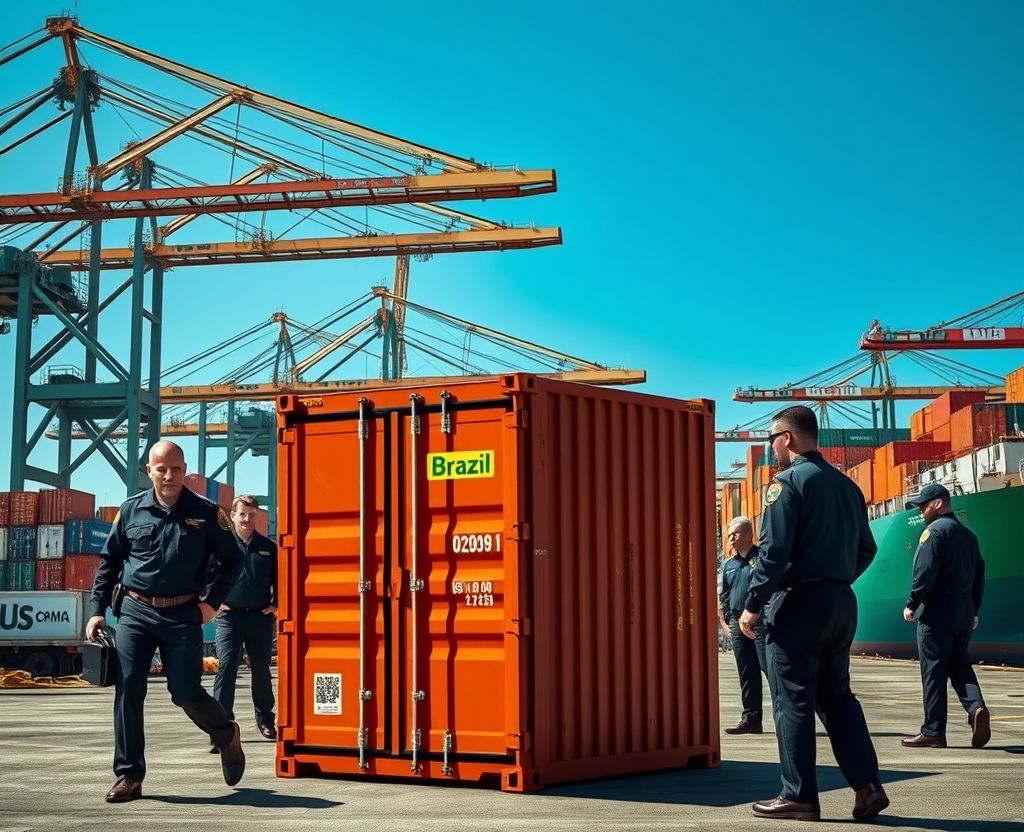
A proposed 50% tariff on Brazilian imports by former U.S. President Donald Trump has sent ripples through the global coffee market, already grappling with record-high prices. While the immediate political focus is on the U.S., the fallout could soon hit Australian consumers—potentially pushing the cost of a regular barista-made coffee to as much as $8 by year’s end.

A recent report by espresso machine manufacturer La Marzocco reveals that the average price of coffee in Australia has risen sharply since the pandemic—from about $4 pre-2020 to $5.50 in 2025. According to La Marzocco Australia managing director Barry Moore, Trump’s tariff threats, combined with extreme weather events in major coffee-producing regions, may drive prices even higher.

“If Trump proceeds with tariffs on Brazil—and possibly Vietnam—it will affect more than just U.S. prices. It’s likely to disrupt global supply chains. Many coffee growers are small-scale, and if they’re pushed out of business, the entire supply system could tighten,” Moore told The Australian Financial Review.

Coffee futures surged last Thursday following Trump’s announcement that the new tariffs would begin August 1. Experts say these trade measures, while politically motivated, could inadvertently pressure global supply, particularly in Australia where the market relies on diverse sources.

Brazil’s coffee sector has already been strained by severe weather, which, along with surging global demand—particularly from China—has driven up arabica prices. The benchmark price for arabica surpassed $US4 per pound earlier this year, a record high compared to its pre-pandemic average of under $US1.50. Prices have since retreated slightly, but remain elevated.

Trump’s tariffs are reportedly tied to political retaliation against what he calls a “witch hunt” into Brazil’s former president Jair Bolsonaro. As a result, the Australian dollar has weakened, dipping below US65.8¢ last Friday. Analysts at the Commonwealth Bank warn that additional tariffs could trigger further currency depreciation, exacerbating import costs for Australian businesses.

Professor Vinh Thai, a logistics and supply chain expert at RMIT, noted that while tariffs might seem like a U.S.-centric issue, the interconnected nature of coffee trading makes price inflation likely for Australia as well. “The supply chain is global. If producers lose margin in one market, they’ll try to recover it in another,” Thai said.

He also speculated that some growers could shift away from coffee to other more profitable crops, such as durian, further limiting global supply.

Meanwhile, operational costs continue to climb for local cafes. Melbourne Coffee Merchants founder Fleur Studd says cafes are preparing to raise prices by 50¢ to $1 per cup in 2025. “By year’s end, we expect to see coffees priced at $7 or $7.50, and in some cases, up to $8,” she said.

According to Wes Lambert, CEO of the Australian Restaurant and Cafe Association, coffee beans account for less than 15% of the total price of a cup, but rising costs for labor, rent, utilities, and milk alternatives are squeezing margins. “Alternative milks like oat and almond are more expensive, and wage increases from the Fair Work Commission have added nearly 20% to the industry’s labor costs over the past four decisions,” Lambert explained.

Despite inflation, many cafes have hesitated to raise prices amid fears of losing customers during the ongoing cost-of-living crisis. “If we keep seeing input costs rise while prices remain capped, closures will become inevitable,” Lambert warned.

Data from the Commonwealth Bank suggests Australians are already pulling back. Real household disposable income has dropped 8% since mid-2022, and spending at hospitality venues, including cafés, is on the decline.

Interestingly, La Marzocco reports a 40% increase in home espresso machine sales in the past year, indicating that more consumers are opting to brew coffee at home to cut costs.

Still, Professor Thai doesn’t foresee a cultural shift away from café culture. “Australia ranks among the world’s top 15 coffee-consuming nations. Coffee is deeply embedded in the lifestyle. Consumption habits may slow, but they won’t disappear overnight.”

As global geopolitics, climate, and market forces continue to collide, Australia’s cherished cup of coffee could soon become a luxury rather than a daily staple.

U.S. Tariff Threats Stir Tensions, But Global Coffee Prices Fall Amid Harvest Pressure

As the United States prepares to impose 50% tariffs on Brazilian coffee imports starting August 1, fears of supply disruptions briefly buoyed arabica prices. However, market momentum quickly reversed as Brazil’s harvest accelerated and global coffee supplies continued to build, driving prices downward.

The tariff move, announced by President Donald Trump, targets Brazilian coffee, orange juice, beef, and regional aircraft. The political backdrop centers on the Brazilian Supreme Court’s ongoing trial of former President Jair Bolsonaro—a close ally of Trump—and the prosecution of U.S.-based tech firms in Brazil.

While the coffee industry initially reacted with alarm, Friday’s trading session told a different story. September arabica coffee futures (KCU25) closed down 0.45%, while robusta futures (RMU25) plummeted by 3.13%, reaching a 14-month low.

Market Fundamentals Override Political Shock

The tariff announcement caused short-term volatility but failed to offset the pressure from Brazil’s ongoing harvest. According to Safras & Mercado, 69% of Brazil’s 2025/26 harvest was completed by July 9—well ahead of the 5-year average. Notably, 88% of robusta and 58% of arabica harvests were already in. Cooxupé, Brazil’s largest coffee cooperative, reported 40% completion as of July 4.

Despite tariff fears, analysts said that plentiful supply is outweighing geopolitical risk. The USDA forecasts Brazil’s 2025/26 coffee production will reach 65 million bags, with Vietnam, the top robusta producer, expected to hit 31 million bags—a four-year high.

Meanwhile, the USDA’s global outlook remains bearish:

  • World coffee production projected to grow 2.5% year-on-year to a record 178.68 million bags.

  • Robusta output is set to rise 7.9%, while arabica may decline by 1.7%.

  • Ending stocks expected to grow by 4.9% to 22.82 million bags.

At the same time, Volcafe anticipates a widening arabica deficit of 8.5 million bags for 2025/26—the fifth consecutive year of shortfalls. However, this structural shortage has yet to outweigh the immediate impact of harvest surpluses and rising inventories.

Coffee Tariffs May Hit U.S. Consumers, Brazilian Economy

While global markets are preoccupied with supply dynamics, the diplomatic fallout from Trump’s tariff plan is still developing.

Brazil’s Coffee Exporters Council (Cecafé) warned that the 50% tariff would hurt producers and U.S. consumers alike. “This will damage jobs, income, and competitiveness in Brazil and raise prices for American consumers,” said Marcos Matos, Executive Director of Cecafé.

Brazil currently accounts for 30% of U.S. coffee imports, making it the largest supplier. Any significant shift in this flow could force American roasters to source costlier alternatives, particularly amid low global stock levels and climate-driven supply volatility.

Brazilian President Luiz Inácio Lula da Silva has vowed reciprocal action but said his administration will prioritize diplomacy. Industry leaders are urging negotiations to continue until the last moment to avoid economic damage on both sides.

Outlook: Political Risk Meets Harvest Reality

Despite political noise, coffee prices are currently being driven more by fundamentals than foreign policy. Tariff threats may escalate diplomatic tensions and stir short-term concern, but analysts point to accelerated harvests, strong Vietnamese exports, and growing global inventories as the dominant price factors.

Still, if tariffs are implemented in August, the medium-term impact on U.S. retail coffee prices could be significant—especially for major importers reliant on Brazil’s arabica beans.

As markets brace for the next move, the coffee industry finds itself at the intersection of geopolitics and global supply pressure—where diplomacy, climate, and demand will ultimately shape the cup.

Ethiopia Sets New Record with $2.65 Billion in Coffee Export Revenue

Ethiopia has reported a record-breaking revenue of 2.65 billion U.S. dollars from coffee exports during the 2024/2025 fiscal year, marking the highest annual earnings in the country’s coffee trade history, according to the Ethiopian Coffee and Tea Authority (ECTA).

The country exported 468,967 tonnes of coffee during the fiscal year that ended on July 7, surpassing the previous year’s volume by over 170,000 tonnes, the authority confirmed in a statement released on Tuesday.

“This is a remarkable achievement, but there remains significant untapped potential ahead,” said Dr. Adugna Debela, Director General of the ECTA. He emphasized that the newly formed National Coffee Platform Steering Committee is expected to play a key role in further strengthening the industry.

The export performance significantly exceeded initial targets, which were set at 326,000 tonnes and 2 billion U.S. dollars in revenue. The final figures not only highlight Ethiopia’s growing competitiveness in the global market but also reflect sweeping reforms and modernization efforts within the sector.

Growth Drivers Behind the Record

Several key initiatives contributed to the growth:

  • Direct export rights were granted to coffee farmers and cooperatives, allowing them to sell more competitively on global markets.

  • Nationwide training programs improved farming and processing techniques.

  • Old coffee trees were replaced with high-yield, disease-resistant varieties.

  • Quality control systems were upgraded to meet the standards of premium international buyers.

  • The Green Legacy Initiative, which has planted over 8.5 billion seedlings, supported sustainable cultivation and environmental resilience.

Ethiopia is widely recognized as the birthplace of Arabica coffee and remains the top coffee exporter in Africa, while also ranking among the top three coffee exporters globally.

Ethiopian coffee is renowned for its unique and diverse flavor profiles, ranging from wine-like and fruity to chocolatey notes. Demand for these distinctive coffees continues to grow, particularly in specialty markets across Europe, North America, and Asia.

In comparison, Ethiopia earned 1.4 billion U.S. dollars from coffee exports during the 2023/2024 fiscal year, indicating a nearly 90% increase in export earnings year-on-year.

A Vision Beyond Exports

Officials stress that this achievement is not merely a financial milestone, but part of a larger national vision to elevate the role of coffee in Ethiopia’s economy, environment, and identity.

“The coffee sector is at the heart of our agriculture-led economy,” Dr. Debela added. “This is not just about revenue—it’s about sustainability, empowerment, and global leadership in quality.”

The ECTA has expressed its commitment to further improve traceability, transparency, and inclusion within the coffee value chain, ensuring that benefits reach producers across all regions.

As the global coffee landscape evolves amid shifting climate and trade dynamics, Ethiopia’s approach—rooted in heritage, reform, and innovation—continues to position the nation as a key player shaping the future of coffee.

Ethiopia Launches National Coffee Stakeholder Platform to Drive Sector Transformation

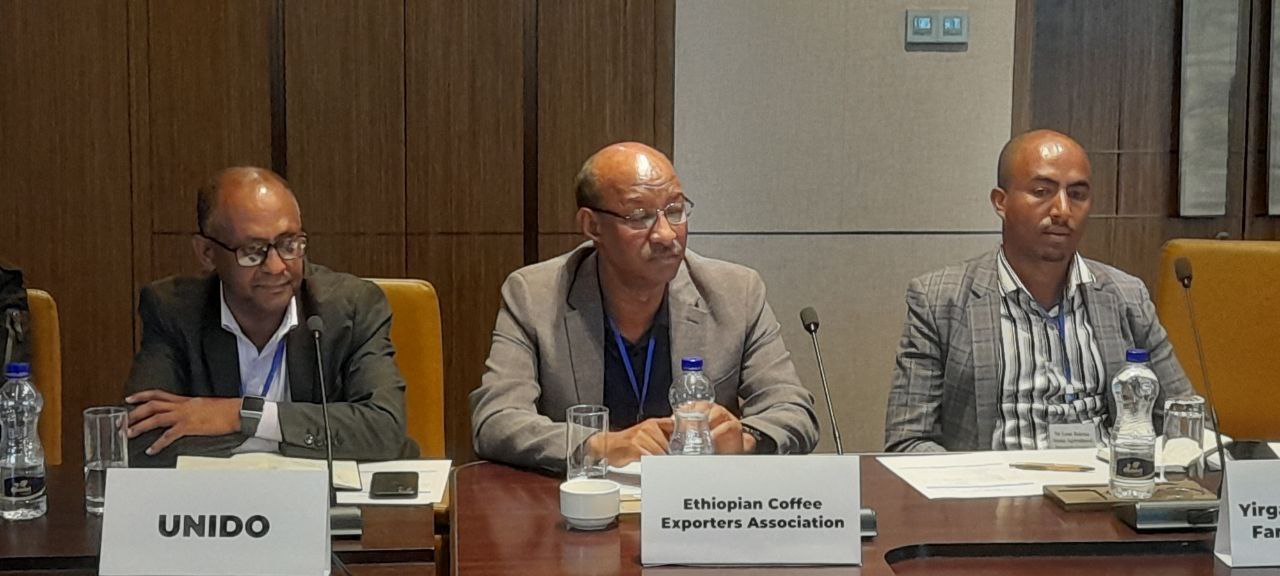
Ethiopia has inaugurated a National Coffee Stakeholder Engagement Platform, a landmark initiative designed to unify efforts across the coffee industry and bolster the country’s global standing as a premier coffee origin. The official launch, held at the Skylight Hotel in Addis Ababa, marks the formation of the platform’s Steering Committee, bringing together farmers, exporters, government agencies, development partners, and private sector actors.

The initiative aims to streamline coordination across the coffee value chain, enhance productivity and quality, address persistent challenges, and improve transparency and efficiency at all levels—from farm to export.

Dr. Adugna Debela, Director-General of the Ethiopian Coffee and Tea Authority (ECTA), emphasized the platform’s critical role in mobilizing resources and aligning efforts. “This platform will not only address sectoral challenges and harness opportunities, but also ensure that progress is monitored, bottlenecks are identified early, and no region or actor is left behind,” he stated. “The Steering Committee is not just an administrative body—it is pivotal to shaping the future of Ethiopian coffee.”

Dr. Adugna added that the platform represents a shared national commitment to unlocking the full value of Ethiopia’s coffee, ensuring that its unique heritage and quality are translated into global competitiveness and sustainable income for producers.

H.E. Semereta Sewasew, State Minister of Finance and Chairperson of the Steering Committee, acknowledged the progress made in recent years, including record-breaking export figures, but noted that the sector continues to face serious headwinds. “Climate change, global market volatility, and regulatory challenges remain real threats,” she said, while praising the resilience of Ethiopian producers and the efforts of the ECTA.

UNDP Resident Representative Samuel G. Doe also addressed the gathering, stressing the significance of the platform in strengthening the sector and creating more equitable and sustainable opportunities. “The establishment of the Steering Committee is crucial for fostering collaboration, innovation, and resilience in Ethiopia’s coffee sector,” he said.

The National Coffee Stakeholder Engagement Platform is expected to provide a coordinated framework for aligning national policies, investments, and initiatives with the needs of stakeholders at every level of the value chain. By doing so, it seeks to elevate Ethiopia’s position in the global coffee market while ensuring inclusive growth and long-term sustainability.

Brazil Challenges Vietnam’s Lead in Robusta Coffee Production

Brazil is making significant strides in robusta coffee production, narrowing the long-standing gap with Vietnam, the global leader in this coffee variety. According to recent forecasts by the U.S. Department of Agriculture (USDA), Brazil’s robusta output for the 2025/2026 season is expected to reach 24.1 million 60-kg bags—a dramatic increase from 10.5 million bags in 2016/2017, effectively more than doubling in less than a decade.

This robust growth has sparked discussions about whether Brazil might eventually overtake Vietnam as the top global producer of robusta. The topic was a focal point at the Coffee Dinner & Summit held by Brazil’s coffee exporters association, Cecafé, in São Paulo from July 2 to 4.

While Brazil dominates arabica production—supplying about 45% of the world’s arabica coffee—Vietnam has held a comfortable lead in robusta. In 2016/2017, the gap between the two countries exceeded 15 million bags. However, based on current projections, that lead may shrink to just 6 million bags by the end of the upcoming harvest.

The USDA also forecasts that Brazil’s total coffee output will rise slightly in 2025/2026, thanks to a 3.1 million bag increase in robusta, which will offset a 2.8 million bag decline in arabica.

Speaking to Reuters, David Neumann, CEO of Neumann Kaffee Gruppe—one of the world’s largest coffee trading companies—acknowledged that the pace and scale of Brazil’s robusta expansion has surprised many in the industry. While optimistic about the outlook, he also cautioned that forecasts made 14 months in advance are still vulnerable to unexpected weather events, particularly as Brazil has yet to pass through its cold season.

Analysts point to several advantages that explain Brazil’s recent gains in robusta:

  • Greater drought tolerance, especially important after last year’s severe dry spell.

  • Higher resistance to diseases such as coffee leaf rust.

  • Higher yields per hectare compared to arabica.

  • Lower susceptibility to biennial bearing, a phenomenon that causes arabica yields to fluctuate between high and low years.

As global coffee demand continues to rise and climate change disrupts traditional growing patterns, Brazil’s increasing robusta supply could help stabilize global inventories. This development not only strengthens Brazil’s role in the global coffee market but also introduces new dynamics to the competitive landscape historically dominated by Vietnam.

Neumann Kaffee Gruppe Unveils Strategic Insights from Its Double Materiality Assessment

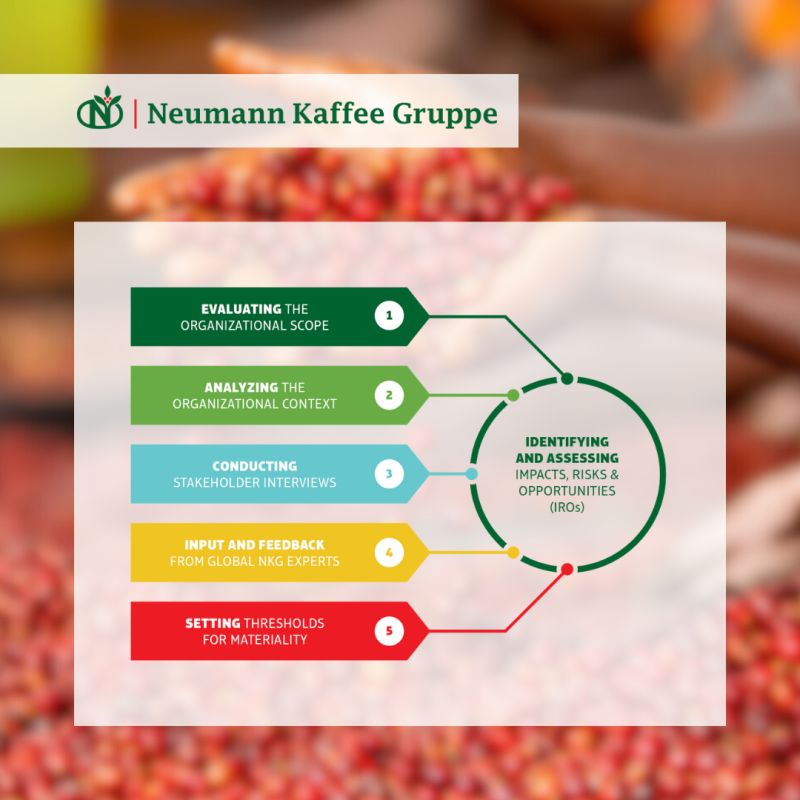
Neumann Kaffee Gruppe (NKG) has announced the completion of its Double Materiality Assessment (DMA), a critical milestone in refining the company’s sustainability strategy in alignment with the EU’s Corporate Sustainability Reporting Directive (CSRD). The assessment not only evaluates how sustainability topics impact NKG’s business, but also how its business affects people, communities, and ecosystems across the coffee value chain.

The assessment identified five key material topics that will shape NKG’s strategic sustainability priorities going forward:
Climate Change (E1), Biodiversity and Ecosystems (E4), Producers and Workers in the Value Chain (S2), Own Workforce (S1), and Business Conduct (G1).

Insights That Shape the Future

According to the Group Sustainability Department, the DMA reveals that NKG is already on a solid path in several areas: from climate adaptation and mitigation to improved livelihoods and robust governance. Yet, the findings also underscore growing challenges—climate change is already affecting supply chains and farmer livelihoods, and biodiversity loss is becoming increasingly urgent. At the same time, the company is recommitting to the well-being of its own workforce as a strategic priority.

“This DMA is more than regulatory compliance,” said a spokesperson from NKG. “It helps us identify where we can maximize our positive impact and understand where key sustainability risks lie—both for coffee producers and for our business resilience.”

Guiding Strategy for 2025 and Beyond

As NKG sharpens its sustainability strategy for 2025, the DMA will guide the development of targeted measures and quantifiable goals. The goal is clear: to drive real, measurable change and ensure transparent reporting in all areas that matter.

NKG’s strategic framework, the Responsible Business Program (RBP), continues to steer group-wide sustainability efforts. Structured around four focus areas and nine strategic objectives, the RBP ensures that the company’s actions—from farm to cup—are consistent, measurable, and aligned with long-term impact.

“A future-proof coffee industry begins with understanding where we are and where we need to go. This assessment gives us that clarity.”

More Than 300 Staff Driving Local Change

A cornerstone of NKG’s sustainability strategy lies in its people: over 300 employees across origin countries are actively working with producers to co-create local solutions. Beyond internal strategy, NKG partners with a range of stakeholders and industry bodies to contribute to a more equitable and sustainable coffee industry.

Among its notable initiatives:

  • NKG Bloom, which empowers smallholder farmers with resources and pathways out of poverty.

  • NKG Verified, a traceability and sustainability assurance program offering verified supply chain data for customers.

Transparency and Integrity at the Core

NKG emphasizes that data-driven transparency is central to its operations, especially under regulatory frameworks such as the EUDR (EU Deforestation Regulation) and CSRD. The company’s Grievance and Due Diligence systems help maintain integrity throughout the supply chain—ensuring ethical conduct, fair treatment, and environmental accountability.

Open Resources and Next Steps

NKG invites stakeholders to explore the full findings of the Double Materiality Assessment through its official portal, where users can also download the 2024 Sustainability Report, Code of Conduct documents, and learn more about NKG’s approaches to EU regulations and supply chain integrity.

In a statement underscoring its long-term commitment, NKG said:

“Sustainability is not a buzzword for us. It is our responsibility—today and tomorrow—so that everyone along the value chain can thrive, and generations to come can continue enjoying their daily cup of coffee.”

Explore NKG’s full Sustainability Report 2024 and the Double Materiality Assessment findings here.

All Set for Latin America’s Premier Coffee Symposium in El Salvador

From Science to Sustainability, XXVI Simposio Latinoamericano de Caficultura Gathers the Region’s Coffee Leaders

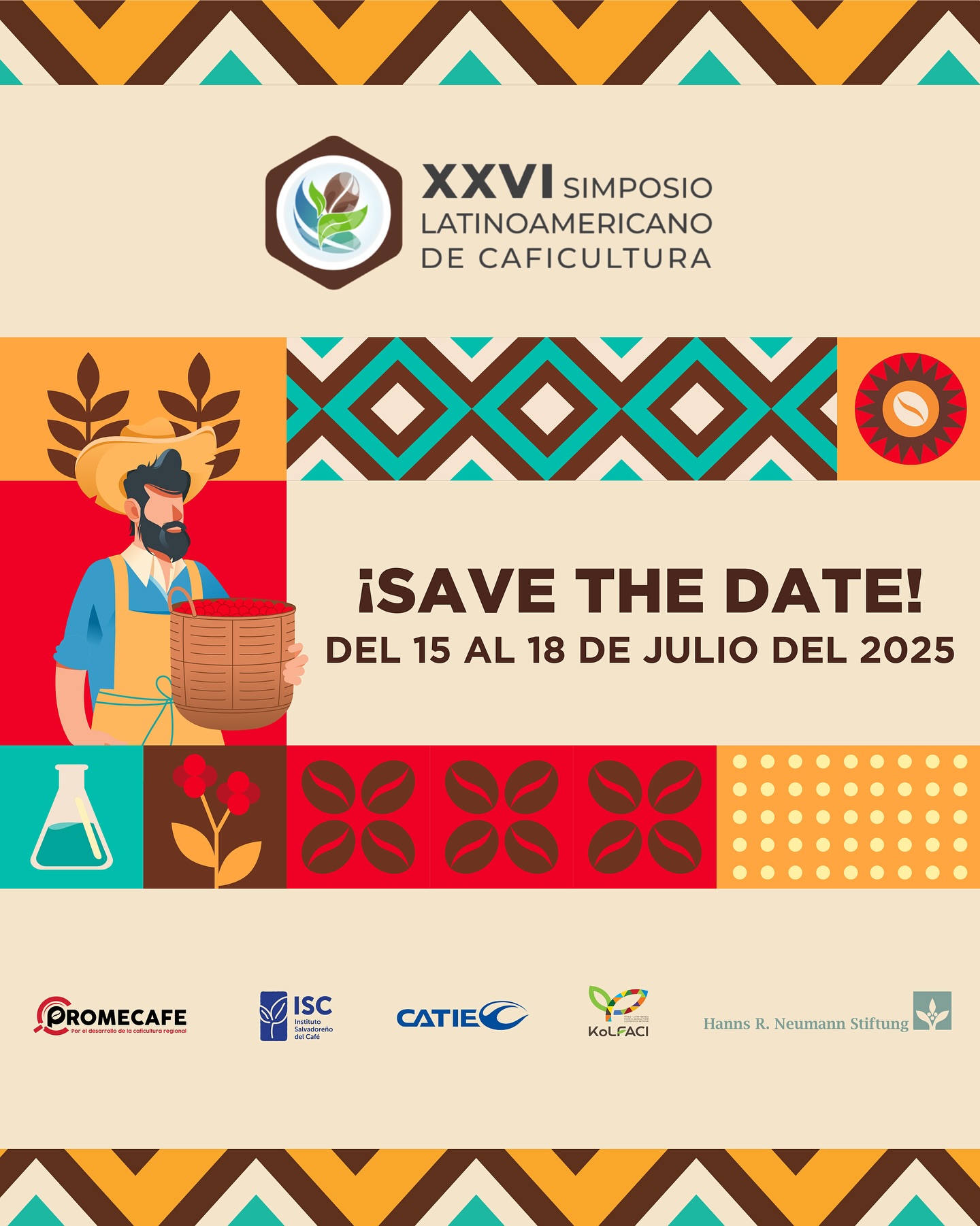
The countdown has begun for one of the most anticipated events in the Latin American coffee calendar. From July 15 to 18, 2025, the XXVI Latin American Coffee Growing Symposium (Simposio Latinoamericano de Caficultura) will take place at the iconic Sheraton Presidente Hotel in El Salvador, bringing together producers, scientists, entrepreneurs, and coffee enthusiasts from across the region.

Organized under the auspices of PROMECAFE and supported by the Inter-American Institute for Cooperation on Agriculture (IICA), the four-day symposium is set to offer a dynamic program that blends cutting-edge research, technical exchange, and collaborative dialogue aimed at advancing sustainable coffee farming.

A Transformative Gathering for Coffee-Growing Communities

Positioned as more than just a conference, the event is described by organizers as a “technical-scientific high-level space” designed to empower coffee-growing territories through knowledge, innovation, and cross-sector collaboration. This year’s symposium theme emphasizes technological adoption and sustainability, reflecting the urgent need for adaptation in the face of climate change and global market pressures.

The program includes:

  • Access to keynote conferences by leading experts in agronomy, economics, and climate science.

  • Workshops and technical sessions addressing soil management, disease prevention, post-harvest processing, digital tools for traceability, and financing models.

  • A coffee exposition showcasing innovative products, tools, and services relevant to the coffee industry.

  • Networking opportunities with stakeholders from public institutions, private enterprises, academia, and civil society.

Attendees will also benefit from exclusive materials, including digital access to presentations, promotional kits, lunch and coffee breaks, and evening networking events such as the Welcome and Closing Cocktails.

Field Day and Specialized Access

In addition to the main conference, participants may opt into a Field Tour on Tuesday, July 15, which includes guided visits to model farms and research facilities—providing hands-on insight into sustainable practices and innovation at origin.

For those representing a brand or institution, there is also a dedicated pass for access to the Expo-Fair area, ideal for promoting products and establishing new partnerships.

Registration and Pricing

General Admission (Full Access) is priced at $380 USD, which includes:

  • Admission to all sessions and events

  • Digital access to presentations

  • Event materials and lunch/coffee breaks

  • Coffee tasting stations

  • Welcome and closing cocktails

  • Identification wristband for meals

Other ticket options include:

  • Field Tour: $75 USD

  • Cocktail Companion Pass: $90 USD

Participants are advised to register in advance via the official event website, where an electronic receipt is provided upon payment. As IICA is an international organization exempt from taxation, no formal invoice is issued.

A Crucial Event for Latin America’s Coffee Future

With the coffee sector facing numerous challenges—from climate threats to market volatility—the 2025 symposium arrives at a pivotal time. Organizers stress the importance of collective knowledge and innovation in protecting coffee-growing livelihoods and ensuring a resilient future.

The XXVI Simposio Latinoamericano de Caficultura is expected to draw a diverse mix of voices, bridging science and tradition, and fostering alliances that transcend borders.

For coffee professionals and enthusiasts alike, this is more than a symposium—it’s a movement for the future of coffee in Latin America.


For registration and additional information:
📩 Email: [email protected]
🌐 Website: simposiocaficultura.promecafe.net

New Global Tool Maps Sustainability Initiatives Across Coffee-Producing Countries

International Coffee Organization and ITC launch the Coffee Sustainability Support Database (C2SD)

The International Coffee Organization (ICO), in collaboration with the International Trade Centre (ITC) through its Alliances for Action initiative, has officially launched a powerful new digital resource: the Coffee Sustainability Support Database (C2SD).

Designed to enhance transparency, foster global collaboration, and align sustainability efforts across the coffee sector, the C2SD is an interactive platform that maps more than 440 sustainability projects in 49 coffee-producing countries, spanning both public and private initiatives.

💡 Explore the database here:
https://c2sd.ico.org/

A Centralized Platform for Collective Impact

The C2SD is an evolved version of the ICO’s original Coffee Sustainability Map and was co-created by the ICO’s Coffee Public-Private Task Force (CPPTF) – Technical Workstream 3 on Importing Countries – alongside ITC and its Coffee Guide Network, with co-funding from the European Commission and ITC Trust Fund donors.

This platform addresses a longstanding issue in the coffee sector: fragmentation of information. Despite the abundance of sustainability initiatives, the absence of a central reference tool has hindered global coordination, reduced investment efficiency, and limited collective impact.

By consolidating diverse sustainability efforts into one accessible digital map, the C2SD provides a clear overview of who is doing what, where, and how, enabling:

  • Identification of overlaps, gaps, and under-served regions

  • Collaboration and co-investment opportunities

  • Informed decision-making by governments, funders, NGOs, and industry players

  • Acceleration of impact through shared knowledge and strategic alignment

A Public Good for the Coffee Sector

The C2SD is more than a database — it’s a sector-wide resource designed to empower producers, policymakers, and private sector actors to align their efforts toward a fairer and more sustainable global coffee economy.

The platform is also deeply integrated with The Coffee Guide — the ITC’s flagship publication — where sustainability is a central theme of the fourth edition. The Coffee Guide Network helped shape the C2SD by recognizing a crucial need: a shared, up-to-date understanding of sustainability activities across producing countries.

Scope and Reliability of the Dataset

  • 440 sustainability projects

  • Covering 49 coffee-producing countries

  • Time horizon: 2017 to 2027

  • Initiatives from government bodies, multilateral institutions, development agencies, private companies, social investors, and NGOs

Although the data has been carefully reviewed, the C2SD is a living platform. Users are encouraged to submit updates or corrections to help maintain the accuracy and relevance of the map.

📍 Whether you’re a roaster, policymaker, trader, NGO, or researcher — the C2SD is your window into the sustainability landscape of the coffee world.

Strengthening Global Coordination for a Sustainable Coffee Future

As climate challenges intensify, farmer incomes stagnate, and the sector faces mounting social and environmental pressures, the launch of the Coffee Sustainability Support Database is a timely and strategic step forward.

It signals a renewed commitment by the ICO, ITC, and partners to build a coffee sector that is inclusive, transparent, and sustainable — for producers, for businesses, and for future generations.

Good News for Moms-to-Be: Coffee Doesn’t Harm Baby’s Brain Development

A new scientific study offers reassuring news to expecting mothers: drinking coffee during pregnancy does not negatively impact their child’s cognitive development.

Published in Scientific Reports as part of the China National Birth Cohort (CNBC), the study tracked over 1,400 pregnant women across all three trimesters and later assessed their children’s development at age three using the internationally recognized Bayley Scales of Infant and Toddler Development (BSID-III).

No Cognitive Risk from Coffee

Researchers found no significant association — positive or negative — between maternal coffee consumption and cognitive, language, or motor skill outcomes in toddlers. Whether the mothers drank coffee in the early months or continued into later stages of pregnancy, their children’s scores remained statistically comparable to those of non-coffee drinkers.

This result held true even after adjusting for factors such as maternal age, BMI, income, education level, smoking status, mental health, pregnancy complications, and breastfeeding practices.

Reassurance for Pregnant Coffee Lovers

This study supports previous findings from major cohorts in Norway and Japan, which also found no adverse impact of moderate caffeine intake — particularly from coffee — on child neurodevelopment. While high caffeine consumption is still discouraged, the evidence suggests that moderate coffee drinking (up to 200 mg of caffeine per day) is safe for most pregnancies.

Tea vs. Coffee: A Notable Difference

Interestingly, the same study observed a slight cognitive benefit in children whose mothers consistently drank tea — especially green tea — during the second and third trimesters. This may be due to the presence of antioxidant compounds like catechins in tea, though researchers caution that exact quantities were not measured.

In contrast, coffee showed no such positive or negative effect, leading scientists to conclude that coffee consumption is neutral in terms of early brain development — neither harmful nor beneficial.

Why It Matters

Pregnant women often receive mixed messages about what to avoid, and caffeine is high on that list. Yet this comprehensive analysis using Group-Based Trajectory Modeling (GBTM) — a method that tracks changes in consumption habits over time — adds depth to the conversation, showing that coffee need not be completely off-limits.

Limitations and Future Research

While the results are encouraging, the study was conducted in a single region of China, where coffee drinking is relatively uncommon. The amount of caffeine consumed wasn’t precisely measured, and the findings may not be universally applicable.

Still, the research team emphasized that this is one of the most detailed investigations to date examining the entire trajectory of coffee consumption across pregnancy and its effect on childhood cognitive development.

Final Thought

For moms-to-be who enjoy a daily cup of coffee, this study delivers welcome clarity: there’s no evidence that moderate coffee intake harms your baby’s brain development. As always, it’s best to stay within recommended caffeine limits — but if you’ve been wondering whether to give up your morning brew, science now says: you probably don’t have to.

Zurich Laboratory Detects Intestinal Bacteria in Coffee Machines

A recent investigation by the Zurich Cantonal Laboratory has revealed hygiene concerns in milk-based drinks dispensed from fully automatic coffee machines. The laboratory found that one in four samples tested contained excessive levels of intestinal bacteria.

The analysis, conducted last year, involved 15 samples collected from various machines located in restaurants, petrol stations, and public spaces. According to the canton’s press release, four of the samples exceeded the acceptable limits for Enterobacteria—microorganisms commonly found in the environment and in the intestines of humans and animals. Certain strains of these bacteria are known to cause gastrointestinal illnesses.

In one additional case, the machines showed elevated levels of aerobic mesophilic bacteria—a diverse group of microbes that also indicate hygiene deficiencies.

While most of these machines use pasteurized or UHT-treated milk, which is nearly sterile upon entry, the issue arises from internal contamination. Germs can thrive in milk residues that remain in the system if cleaning is neglected.

Machine operators were notified and instructed to investigate the causes and implement corrective measures. Follow-up inspections confirmed that no further hygiene limits were breached after these interventions.

This study underscores the importance of regular and thorough cleaning routines for fully automatic coffee machines, especially those that handle milk. Without proper maintenance, even advanced coffee equipment can become a breeding ground for bacteria.