ELLE Café Expands its Horizons with Debut Boutique Store in Saudi Arabia

ELLE Café, a captivating new hospitality venture launched in collaboration between ELLE magazine and renowned design consultancy Whitney Robinson International, has marked its grand entrance into Saudi Arabia with the unveiling of its inaugural boutique store.

Nestled within the fashionable Via Riyadh shopping center, Café ELLE materializes as the maiden endeavor arising from the partnership between the esteemed French fashion publication and Whitney Robinson, former Editor-in-Chief of Elle Décor. Robinson, who holds the exclusive license for the boutique café brand through his design consultancy, previously collaborated with prominent US fashion house Ralph Lauren to introduce Ralph’s Coffee to the Middle East. According to Robinson, there has been an overwhelming surge of interest in Western brands within Saudi Arabia in recent times.

The enticing menu at Café ELLE presents a delightful array of espresso-based beverages, alongside an exclusive “specialty” range that showcases indulgent matcha, beetroot, and rose-infused lattes and cappuccinos. Additionally, patrons can relish a diverse selection of breakfast delights, freshly baked pastries, and innovative cocktail options. Notably, Via Riyadh is also home to renowned establishments such as LA-based café chain Joan’s on Third, French café and restaurant brand Les Deux Magots, and UK-based specialty coffee chain Over Under.

Reflecting on his ambitions while serving as Editor-in-Chief of ELLE Décor, Robinson expressed his long-standing dream of creating cafés and hotels under the esteemed ELLE Magazine brand. These would be spaces that empower interior designers, fashion designers, chefs, and artists, embodying the same spirit of discovery that has defined ELLE Magazine since its inception in 1945. Over the past three years, Robinson has been able to transform this dream into reality. He takes immense pride in introducing Café ELLE as the pioneer of a novel universe of fashion-inspired restaurants and co-working spaces that embrace a local approach, drawing inspiration for recipes, ingredients, uniforms, and decor from the cities they reside in while embracing a global mindset that taps into the editorial essence of ELLE’s expansive network spanning 80 editions in 80 countries.

Whitney Robinson International and ELLE Magazine are poised for further expansion, with plans to venture into premium café and hotel projects across the Middle East and the Americas. The second Café ELLE is set to grace the vibrant cityscape of Doha, Qatar, although no specific timeline has been divulged thus far.

The branded coffee shop market in Saudi Arabia has witnessed remarkable growth, bolstered by one of the world’s most rapidly developing economies. Research conducted by the World Coffee Portal reveals that the country’s market for branded coffee shops expanded by an impressive 18.5% last year, exceeding a staggering count of 3,550 outlets. This makes it the largest market of its kind within the Middle East.

The escalating demand for boutique coffee shops within the region is evident, as 63% of industry leaders surveyed in Saudi Arabia and the UAE regarded the growth of specialty coffee as the foremost consumer trend influencing the coffee shop market in the MENA region. Additionally, 24% of those surveyed recognized coffee connoisseurship as a key consumer trend.

Beyond Saudi Arabia, ELLE also operates four coffee shops under a separate ELLE Café brand, captivating the palates of discerning customers in Thailand, Japan, and Taiwan.

Bird’s Excrement Yields World’s Costliest Coffee: A Unique Tale of Nature’s Brew

One of the most highly-priced and coveted coffee varieties worldwide originates from the excrement of the jacu bird, a large, ebony avian resembling a turkey, which possesses a digestive system that enhances the aroma of the coffee beans.

When Henrique Sloper, proprietor of the Camocim coffee farm in Brazil’s Espirito Santo state, initially witnessed an invasion of jacu birds on his coffee plantation, he was stricken with anxiety, unaware that these birds would eventually become valuable business associates. He contacted environmental protection agencies, yet they were uncertain of a solution and proposed introducing natural predators to control the population of these sizeable birds. However, due to the difficulties associated with managing a bird as sizable as the jacu, Sloper decided to embrace the adage “if you can’t beat them, join them,” ultimately realizing that the bird invasion had fortuitously become a blessing in disguise.

For those with discerning palates in the realm of coffee, kopi luwak, the most exclusive and expensive coffee in the world, likely requires no introduction. This extraordinary coffee variety is harvested from the excrement of Asian palm civets and has gained international renown for its exquisite smoothness and captivating aroma. Sloper, being well aware of this, recognized the permanence of the jacu bird population on his farm and made the decision to create his own version of kopi luwak…

Persuading the farm workers to harvest bird feces instead of coffee beans was a challenging task, but after overcoming this obstacle and enduring two years of trial and error, Camocim Farm became the sole producer worldwide of coffee derived from the droppings of the jacu bird. And not just any coffee, but one of the most sought-after varieties on the planet.

Over time, Henrique Sloper uncovered the remarkable nature of the jacu bird’s digestive system. Although it consumed and expelled the coffee beans entirely intact, the bird’s digestion process effectively eliminated nearly all of the caffeine content in the beans, obviating the need for fermentation. Additionally, the bird exhibited an impeccable preference for coffee, exclusively consuming the ripest beans on the plantation, thereby ensuring that the coffee derived from its droppings was of unparalleled quality.

Although Brazil’s Espirito Santo state ranks as the fourth largest global producer of coffee, Camocim Farm stands alone in its utilization of jacu droppings. For nearly a decade, this unique coffee variety has been successfully marketed, now recognized as one of the most exorbitantly priced coffees available. It has gained significant popularity in countries such as France, Japan, and the United Kingdom, where prestigious retailers like Harrods sell it for 1,400 pounds ($1,700) per kilogram.

Black coffee benefits, nutrition, and side effects.

Black coffee is simply coffee that is prepared naturally without any additives such as sugar, milk, cream, or added flavors. Although it has a slightly bitter taste compared to flavoured coffee, many people enjoy a cup of strong black coffee. For some, it is part of their daily diet.

Nutritional Value of Black Coffee

If you’re looking for a low-calorie, low-fat, and low-carbohydrate beverage, black coffee is the way to go. Simply put, coffee is only a problem if you regularly drink it with milk, sugar, cream, etc. With these additions, even a cup of coffee can contain as many calories as a large slice of cake.

Typically, an 8-ounce cup of black coffee contains: Fat – 0% Cholesterol – 0% Sodium – 0% Carbohydrates – 0% Sugar – 0% Potassium – 4%

Black coffee has low nutritional value except for a small amount of potassium. It doesn’t add many calories.

So, in simple terms, black coffee is very low in calories, making it an ideal beverage for those looking for a regular drink that won’t harm their health.

If you want to get more nutrition from coffee, you can choose different types of coffee beverages, such as latte, mocha, cappuccino, etc.

Black coffee contains chlorogenic acid, which helps slow down the production of glucose in the body. This means that if you drink black coffee after a meal, your body will produce less glucose and fat cells. Black coffee also contains antioxidants that aid in weight loss.

Side Effects of Black Coffee

Excessive consumption of black coffee can lead to side effects:

Drinking too much black coffee can release high levels of stress hormones in the body, which can only lead to anxiety and tension. It’s easy to feel jittery after consuming large amounts of caffeine.

Drinking too much coffee can seriously disrupt your sleep patterns. If you’re trying to get a good night’s sleep, it’s advisable to avoid coffee a few hours before bedtime.

Black coffee contains a high amount of caffeine and acid, so excessive consumption can lead to stomach acidity. You’re likely to experience stomach cramps and spasms.

Consuming excessive amounts of coffee in the body can make it difficult for the body to absorb minerals such as iron, calcium, and zinc from your daily diet.

DXB Live to organise World of Coffee Dubai in January 2024 in partnership with SCA

The event achieved unprecedented success in its second edition earlier this year with over 10,000 trade visitors, and 1,500 exhibitors and brands from 44 countries, generating significant interest from coffee manufacturers and businesses across the globe

Lavazza tips to become a master barista this summer

As part of its commitment to building a better world, the Italian coffee company is revealing the secrets of the coffee bean this summer, to allow coffee lovers in the UAE to immerse themselves in an unparalleled world of freshness, intense flavor and experience.

Lavazza, the world-famous Italian coffee company, has revealed a set of tips for coffee drinkers to help them master its preparation in a way that gives more happiness and enjoys its aroma and taste. Everyone can discover the unique quality of the coffee beans and embark on a sensory journey that goes beyond the immediate taste. This means paying attention to details with the utmost care and focus, an approach that perfectly aligns with coffee lovers who love to immerse themselves in the rituals of its unique preparation.

Drawing on more than a hundred years of experience in making coffee, Lavazza experts have shared some inside tips that make their fans true experts in their preparation, and for a sensory experience that turns coffee into a true ritual.

Tip 1 – Prioritize freshness and aroma
Coffee is a delicate substance, when exposed to external substances (such as oxygen for example), its properties can be affected, and even altered.

Whole bean coffee gives a superior result in terms of aroma and freshness. The grinding process of the beans pulls out all the compounds that give coffee its delicious taste and aroma, for an immersive experience that conquers all the senses even before the first sip. If you grind your coffee right before brewing it will be one of the freshest cups of coffee you will ever make.

Tip 2 – Pay attention to the grinding method
To get an excellent result in a cup of coffee, the exact grind method must be selected based on the extraction system chosen, and the grind result will vary according to the amount of pressure used in each method.

In order we have the following:
• Very fine grind ideal for preparing Turkish coffee  Extraction does not include filtering.
• Fine grind ideal for preparing espresso  extraction at approximately 9 bar pressure, finally fine-tuned for perfect extraction in approximately 25/30 inch cup.
• Medium/Fine grind ideal for mocha pot preparation  Extraction at approximately 1 bar pressure.
• Medium/Coarse grind ideal for brewing filter coffee  extraction under ambient pressure.

Tip 3 – Storage is key
Once the package is opened, Lavazza experts recommend storing the coffee in an airtight container, in a cool, dry place away from sources of light and heat. These precautions will help keep your coffee beans fresh for a longer period.

Tip 4 – Make it a coffee ritual
Some people may prefer convenient ground coffee for faster and easier coffee making at home. But grinding the coffee beans gives it a completely different taste, producing not only a richer and more crunchy flavour, but the same method naturally imparts positive vibes to your morning, turning your daily coffee habit into a ritual that enhances the rest of the day, not only with caffeine, but also with focus. and happiness.


About the Lavazza Group
Founded in Turin, Italy, in 1895, Lavazza has been owned by the Lavazza family for four generations. Today, the group is one of the leaders in the global coffee scene, with a turnover of more than 2.3 billion euros and a group of major brands that lead its respective markets, such as Lavazza, Carte Noire, Merild and Cake Horse. The company is active in all business sectors with operations in 140 markets, 9 factories in 6 countries and more than 4,200 collaborators worldwide. The group’s global presence is the result of a growth journey that extends for more than 125 years and the production of more than 30 billion cups of “Lavazza” coffee annually, which is evidence of a remarkable success story, and the continuation of providing the best types of coffee in all its forms by focusing on all aspects of the supply chain. From the selection of raw materials all the way to the final product in the cup.

The Lavazza Group has revolutionized coffee culture through continuous investment in research and development: from the perceptual sense that marked the company’s first success in the selection of coffee blends, to the development of innovative packaging solutions; From sipping the first espresso in space to dozens of industrial patents. The group’s ability to foresee the future is also reflected in the focus on sustainability in its comprehensive concept, economic, social and environmental, which has always been a criterion for guiding corporate strategies. The slogan “Awaken to a better world every morning” represents the goal of the “Lavazza” group to create sustainable value for shareholders, collaborators, consumers and the communities in which it operates, combining competitiveness with social and environmental responsibility.

MOKHA 1450 ANNOUNCES NEW INNOVATIVE PROJECT AND FIRST BARISTA PROFIT-SHARE INITIATIVE IN THE UAE

In March of this year, award-winning luxury specialty coffee brand Mokha 1450 tasked its baristas with curating a coffee experience like no other, one that uniquely targets the flavour profile preferences of UAE coffee connoisseurs.

After an exciting internal competition, three finalists were selected, and their coffee creations will feature at all Mokha 1450 locations for a limited time. The baristas will also receive a percentage of the revenue from coffee bag sales and will feature as the cover story in Mokha 1450’s compendium Barista Craft Magazine that guests receive when they purchase a bag of the coffee.

Each of the three specially created coffees will feature at all Mokha 1450 locations for a limited time only, with emphasis only on the baristas, as no information on the origin of the coffees will be provided so as not to influence the guest’s palate or detract from the experience the barista has crafted. This is the first initiative of its kind in the UAE and, indeed, across the specialty coffee industry globally.

Garfield Kerr, CEO of Mokha 1450, explains, ‘Baristas in the UAE are some of the most talented in the world, as exemplified through their work in one of the world’s leading specialty coffee markets. Yet, because of inscrutable market conditions, baristas in the UAE are not paid a salary that is commensurate with their counterparts in other leading specialty coffee regions. To solve this dilemma, we offer an innovative and new approach. One that rewards our championship-winning baristas and, indeed, our customers through a unique speciality coffee experience available nowhere else in the world.

THE MINRAN COFFEE

The first coffee featured in the Barista Craft Series is from Mohammed Minran. One can expect tasting notes of cherries, honey, exceptional sweetness, and fruity flavours, with a milk chocolate finish and an added dose of innovation and luxury.

While numerous studies have shown that coffee preferences amongst countries can be identified and quantified, there are differences, of course, within any populace. Hence, each similar segment of the UAE coffee-consuming public represents a discrete circle in a Venn Diagram.

Therefore, the monumental task of the barista is identifying where those circles overlap and curating a coffee whose flavour profile highlights these unions. The result of this exploration is an experience like no other, a coffee entirely new that would not exist had the challenge not been presented and accepted in the first place, a coffee whose origin will not be shared to remove the limitations of expectations as well as to highlight the barista alone.
The outcome is a unique coffee that is a luxury to be shared with our clients, whom we recognize as the connoisseurs that they are and who will be the final arbiters of whether our baristas have truly hit the mark. The Minran coffee as an espresso, milk-based, or brewed coffee is priced from AED20 to AED88, and each bag costs AED245. The Minran Coffee will be available to the public as of Monday, 8th of May 2023.

THE MAGAZINE

Created, edited, and published entirely by the Mokha 1450 team, the Barista Craft Magazine is a conceptual and artistic method of communicating the innovations, creativity, and ethos of the Mokha 1450 brand, as well as a means to highlight the integral role the baristas play in crafting unforgettably unique and luxurious bespoke experiences for our connoisseurs.

The magazine is a limited edition run and will only be available with each bag of coffee within the Barista Craft Series.

First speakers announced for the European Coffee Symposium 2023

The European Coffee Symposium is the leading event for senior executives from across the vibrant European coffee shop and food-to-go sector, offering 400 key industry players a platform to gain the latest market insight, build new relationships and drive business performance.

Now in its thirteenth year, the European Coffee Symposium offers a combination of cutting-edge insights and unparalleled networking opportunities for top executives from across the coffee shop, food-to-go and foodservice landscape.

This year, the European Coffee Symposium takes place at The W Hotel in Barcelona, 27-29 November 2023. Top speakers already confirmed include:

Roland Horne
CEO and Founder WatchHouse

Ignacio Llado Alvarez-Salas
Managing Director Blank Street UK

Koral Ibrahim
Founder & Managing Director, The Ready House

Maxwell Colonna Dashwood
Coffee Entrepreneur and Author

Yassir Raïs
CEO and Founder Syra Coffee

Stay tuned for further speaker announcements, view the event programme.

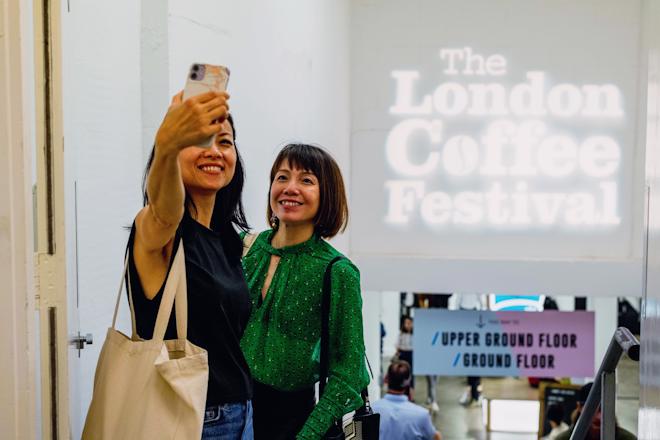
The London Coffee Festival is back 20-23 April 2023

Ever wondered how to create the perfect pour? The London Coffee Festival returns to The Truman Brewery for four days of sensory experiences, interactive sessions, competitions, coffee tasting, cocktails and more…

The 2023 London Coffee Festival sees the return of Latte Art Live showcasing the world’s best baristas in an interactive zone dedicated to the highly admired skill. Expect a series of throw downs, showcases and hands-on workshops at the legendary Modbar.

Then head over to the Smirnoff Cocktail Bar for freshly shaken Espresso Martinis and an exclusive LCF signature Coffee Cocktail created by coffee legend Will Pitts and top mixologist La’Mel Clarke.

The legendary Coffee Masters tournament will take place once again, judged by a panel of industry experts and hosted by coffee pros Celeste Wong and James Wise.

This fast-paced knockout battle format sees 16 baristas showcase their skills head-to-head across a broad range of disciplines to see who has the best pour and whose signature drink stands out amongst the rest.

With a prize of £5,000 on the bar, and prestigious title of Coffee Master, the pressure is on in this caffeine-fuelled event.

Get into the nitty gritty details of the coffee industry with exciting sessions at The Lab to stimulate thought, which have been hand-chosen for all baristas, café owners, hospitality professionals, entrepreneurs and straight up coffee fanatics.

From sustainability to inspiring women leaders to the data behind what makes the coffee consumer tick, the sessions will cover the emerging trends and important topics impacting the coffee industry.

The 2023 SCA Sustainability Award Winners

Ahead of its flagship North American event next month in Portland, Oregon, the Specialty Coffee Association (SCA) has announced the winners of its annual sustainability awards.

Awards are given in three categories:

  • business model
  • program
  • individual

Guatemala-focused green coffee trading company Primavera Green Coffee is the recipient of this year’s award in the business model category.

The RENACER Coffee Training School by Catholic Relief Services (CRS) is the winner in the program category.

Meanwhile, this year has two winners in the individual category following a score tie in the judging process: Sustainable Harvest Founder David Griswold; and Origin Coffee Lab (OCL) Founder and CEO José Rivera.

The winners will be formally recognized for the award at the Re:co Symposium, taking place April 19-20, ahead of the SCA 2023 Expo in Portland.

“The projects, business models and individuals receiving these awards are dedicated to rewiring mindsets and shaping behaviors to create a thriving coffee sector,” SCA Sustainability Director Andrés Montenegro said in an announcement from the group.

“This year’s Sustainability Award winners remind us that the coffee sector’s sustainability journey is collaborative, and also that sustainability is not a goal, but a way of thinking and behaving for the common good, to make coffee better, for all.”


Fairtrade International Makes Historic Raise to Coffee Prices

Responding to widespread poverty in the global coffee sector, Fairtrade International is raising its minimum prices for certified arabica and robusta coffee.

The new Fairtrade minimum price for washed arabica coffee, which represents more than 80% of the Fairtrade coffee sold, is $1.80 per pound, an increase of 40 cents over the current price.

The Fairtrade price for natural robusta is increasing by 19 cents to $1.20 per pound. Additionally, the guaranteed premium for coffee sold as both Fairtrade and USDA Organic (FTO) is increasing from 30 cents to 40 cents per pound.

Since its inception in the de-regulated market era, the Fairtrade price has existed, in part, to ensure a baseline price for certified coffee even when the “C price” — or the commodity futures price — fluctuates downward.

Despite the recent spikes in global coffee prices, coffee farmers are struggling with inflation, skyrocketing production costs, and crop loss due to the effects of climate change,” Senior Manager for Coffee at Fairtrade International said in an announcement from the international nonprofit today. “Coffee farmers are abandoning their farms in search of opportunities elsewhere and young people today in coffee-growing communities struggle to see a future in coffee. The fact that farmers cannot make a living in coffee is a tragic commentary for the industry and a huge risk for the future of the global coffee sector as a whole.”

The new Fairtrade prices are slated to come into effect for contracts on Aug. 1, 2023. Fairtrade last raised its prices in 2011, at a time when, like now, commodity coffee prices were relatively high. The previous increase moved washed arabica minimums from $1.25 to $1.40.

Coffee remains one of the largest products certified under the Fairtrade scheme, which also provides guaranteed premiums to producers that are assigned to community-level projects as determined by participating producers.

According to Fairtrade, there are nearly 900,000 coffee farmers in more than 650 producer organizations spanning 31 countries with Fairtrade certification. One of Fairtrade’s most challenging tasks, historically, has been to grow the demand for certified coffees so that they are sold as such, and the associated premiums can actually reach farming communities.

In today’s announcement, Fairtrade said that rapidly increasing costs of production and increasing pressures from climate change demand further action on global coffee prices.

“The future of coffee is one where fair pricing is the norm,” Firl stated. “It is not acceptable for coffee farmers to continue to subsidize the multi-billion dollar coffee industry, while also taking on the hard work of sustainable transition.”

As this breaking news is likely to bring dramatic reverberations to the green coffee market, DCN will be providing numerous follow-up reports.

Three quarters of European branded coffee shop markets grew over the last 12 months

Three quarters of European branded coffee shop markets grew over the last 12 months

  • Project Café Europe 2023 shows the total European branded coffee shop market grew 3.3% over the last 12 months to reach 42,804 outlets 
  • 31 out of the largest 40 European markets by outlets expanded by outlets over the past 12 months 
  • Europe’s 20 largest branded coffee chains continue to dominate the market, accounting for 48% of all stores 
  • 48% of European industry leaders surveyed believe trading conditions will improve over the next 12 months, down from 60% 12 months ago


Project Café Europe 2023, World Coffee Portal’s comprehensive analysis of the European branded coffee shop segment, reveals the total market grew 3.3% over the last 12 months to reach 42,804 outlets, with 76% of operators surveyed reporting sales growth.
With virtually all Covid-19 trading restrictions lifted, European industry leaders surveyed broadly discuss the market in post-pandemic terms and are now focused on navigating high inflation, the rising cost of living and economic fallout from the war in Ukraine.
Majority of European branded coffee shop markets achieve outlet growth
Thirty-one out of Europe’s 40 largest branded coffee shop markets added outlets over the last 12 months. The UK remains Europe’s largest market, growing 4.4% to reach 9,885 outlets, ahead of Germany, which experienced a 1.3% contraction to 6,798 stores, and Russia, which grew 2.2% to reach 4,479 outlets.
Collectively, the UK, Germany and Russia contain 49% of all European branded coffee shop outlets.

Romania is the fastest growing market in Europe by outlets, expanding 29% over the last 12 months, with domestic brand 5 to go the fastest growing coffee chain, with 181 net new stores. However, prominent Scandinavian markets, Sweden, Norway, and Finland, contracted by 1.7%, 0.8% and 1.6% respectively.

Major branded coffee chains still dominate Europe, with the 20 largest operators holding a 48% share of the total market and 62% of total outlets belonging to multi-national operators.


UK-based Costa Coffee remains Europe’s largest coffee chain with 3,122 outlets across 18 markets, opening its first stores in Georgia and Austria in 2022 – but exiting Russia and Slovakia. Starbucks opened 89 net new outlets over the last 12 months to become the region’s second largest operator with 3,075 stores, overtaking McCafé, which closed net 90 stores and now operates 2,923 outlets.

Alongside outlet growth, 76% of European operators surveyed reported increased sales over the last 12 months, with half achieving a sales uplift of over 5%.


War in Ukraine and cost of living crisis create difficult trading conditions following the pandemic


Following the profound disruption of the pandemic, European operators now face new headwinds, including high inflation, supply chain disruption and soaring energy costs exacerbated by the war in Ukraine.
Two-thirds of industry leaders surveyed by World Coffee Portal agree the rising cost of living has negatively impacted their business, with just 13% disagreeing.
Additionally, price consciousness and economic uncertainty were cited as the most important consumer trends facing Europe’s branded coffee shop markets.

Prior to Russia’s invasion, Ukraine had been the fastest growing branded coffee shop market in Europe. However, a remarkable number of Ukrainian branded coffee shops continue to trade, with the market contracting by net 24 stores over the last 12 months to stand at 257 outlets.

The Russian branded coffee shop market grew 2.2% over the last 12 months, despite the exit of 12 prominent coffee chains, including McCafé, Starbucks and Costa Coffee which closed 154, 130 and 26 stores respectively. However, domestic operators acquired the assets of the former two chains, launching the loosely branded Vkusno i Tochka and Stars Coffee.


Consumer surveys reveal Irish, Italian and Scandinavian coffee shop insights


World Coffee Portal surveyed over 6,000 coffee consumers across the Irish, Italian and Scandinavian branded coffee shop markets. In Italy, where there is a strong independent café culture, consumers were the most likely to drink hot coffee every day and favour engaging baristas in conversation.


Reflecting the Scandinavian concepts of hygge and fika, consumers across Denmark, Norway and Sweden predominantly order coffee after midday (72%) in contrast to those surveyed in Italy, where 72% of consumers surveyed order in the morning, and Ireland, where orders are split 50% before midday and 50% after.


European branded coffee shop market expected to grow despite economic uncertainty
Although 58% of industry leaders surveyed believe the current trading environment for coffee shops in their country is positive, sustained macro-economic pressures are beginning to take their toll.
Less than half of industry leaders surveyed expect trading conditions to improve over the next year, 12% fewer than in 2022. A further 17% expect trading to deteriorate.

World Coffee Portal forecasts the European branded coffee shop market will exceed 44,100 outlets by March 2024 and 49,600 outlets by March 2028, representing five-year growth of 3.0% CAGR. The coffee-focused segment is expected to lead growth and exceed 29,900 outlets, at 3.5% CAGR.

Commenting on the report findings, Allegra Group Founder and CEO, Jeffrey Young said:
“European coffee shop operators are facing a convergence of economic headwinds, including high inflation, energy, labour costs, instability generated by the war in Ukraine and the risk of a wider global downturn.

“Nevertheless, with most European branded coffee shop markets achieving outlet growth over the last 12 months, there is clearly strong demand for coffee shops across the continent, with consumers reluctant to give up their daily coffee ritual despite a tougher economic outlook.

“We expect most European branded coffee shop markets to weather the current instability and maintain steady growth in the years ahead.”


Starbucks Introduces Olive Oil-Infused Coffee in Italy

Starbucks has launched its Oleato range in Italy, blending Partanna extra virgin olive oil with espresso and milk to create a “velvety, buttery flavour” that lingers on the palate.

The concept was inspired by Starbucks CEO Howard Schultz’s visit to Sicily, where he developed a habit of adding a spoonful of olive oil to his morning coffee. Schultz, who often cites Italy’s coffee culture as a major influence on Starbucks, describes the Oleato drinks as a fusion of tradition and innovation.

The range includes three beverages featuring olive oil: an iced shaken espresso, an oat milk latte, and a cold brew.

Reactions from the coffee community have been mixed. Starbucks faced criticism when it entered Italy in 2018, with some seeing its presence as an attempt to alter the country’s deeply rooted coffee culture. The new olive oil-infused drinks are viewed by critics as another differentiation strategy, similar to Domino’s recent withdrawal from the Italian pizza market due to fierce competition.

Industry experts, however, see potential. Emanuel Krantz, senior director of Customer Experience & Innovation at Publicis Sapient, explains that the Oleato range aligns with the global trend of “good fats” in beverages, like bulletproof coffee, while also appealing to Italian tastes.

Partnering with Partanna, a century-old Sicilian olive oil company, adds authenticity and credibility, helping Starbucks reassure customers of the quality and nutritional value of the new drinks. Krantz notes that combining olive oil with coffee taps into an existing Italian wellness practice, creating a product that is both locally relevant and scalable to other markets.

Starbucks aims to expand the Oleato range beyond Italy, targeting markets including Japan, the US, the UK, and the Middle East later this year. Schultz has described the launch as the most exciting innovation of his four-decade career at Starbucks.

Still, not everyone is convinced. Matteo Pavoni, the current Italian Barista Champion, expressed skepticism, saying, “I’m sure when Starbucks does something new there will be discussion and maybe other companies will take inspiration, but I don’t think it’s my type of drink.”

Whether the Oleato range will become a staple in Italy or abroad remains uncertain, but Starbucks is clearly betting on a blend of tradition, innovation, and global trends to capture consumer interest.