Is Luckin Coffee’s ousted CEO plotting revenge?

Cotti Coffee launched its first store in October 2022 and plans to open 10,000 more by 2025
The chain’s owners oversaw the crash and burn of Luckin Coffee in 2020
Its low-priced coffees are more in competition with K Coffee than Luckin

OF ALL the adjectives that could be thrown at China’s coffee sector, boring isn’t one of them. While it may not enjoy the size or influence of America’s, its pace of change is lightning-quick. And it’s certainly not lacking in characters.

Two of the most well-known are former Luckin Coffee executives Charles Lu and Jenny Qian. After overseeing the explosive growth of the Chinese coffee chain and its humiliating Nasdaq delisting in 2020, they were finally ousted with Luckin facing a class action lawsuit and their reputations in tatters.

Now, the pair are back with a new coffee chain that already has echoes of their doomed Luckin venture. Cotti Coffee was launched last October in Fuzhou, a city in eastern China. Just five months later, the chain has expanded across the country with plans for a total of 2,500 branches by the end of the year.

Believed to be backed by a $100m war chest, Cotti Coffee has already sponsored the Argentinian national football team, which won the World Cup in December, and the 2022 Chengdu Marathon. In a bid to woo customers, its coffee is priced relatively low at around $1.4-2 per cup – the average at Starbucks is $4.30 – and food is also cheap, with hotdogs and small cakes priced at $1.30.

For many onlookers, the arrival of Cotti Coffee signals a direct challenge to the supremacy of Luckin in the Chinese coffee market, which is set to grow to a valuation of $30bn by 2025. “This new brand almost seems like a ‘revenge move’ in response to Lu and Qian not being involved with Luckin Coffee anymore,” says Felipe Cabrera, a coffee consultant based in Shanghai.

cotti coffee china, luckin coffee rival

Is this just Luckin Coffee 2.0?

Luckin Coffee’s turnaround since Qian and Lu left has been nothing short of miraculous. In 2020, it was delisted from Nasdaq and filed for bankruptcy in the US after fabricating its sales figures. In its attempts to win the battle for coffee shop dominance with Starbucks, it had burned through investor cash and failed to turn a profit in its four years since launch.

Now, under new CEO Jinyi Guo, Luckin is not only China’s largest coffee chain, but it is profitable too. In 2022, the coffee chain’s full-year profits reached 1.1bn yuan ($167m) despite intermittent lockdowns. It is once again looking to expand abroad, but this time with its sights set on the Southeast Asian market, including Indonesia, Singapore, and Thailand.

For ousted Luckin Coffee executives, Qian and Lu, this must sting. Although their tenor ended in acrimony, they are largely credited with kickstarting a serious challenge to the dominance of US coffee chains in China.

Cotti Coffee’s model of small locations with quick, convenient service and low-cost coffee served from automatic machines appears to be Luckin 2.0. Most of the stores are small – around 40 sq metres – and menus are littered with discounts and the chance to win prizes – hallmarks of Luckin’s initial launch.

However, while there are certainly similarities between the two, Cotti Coffee might not be the direct competition that it first seems. Not only does it have a strong focus on serving products outside of coffee, including Italian desserts, its drinks in general are also considerably cheaper than Luckin’s – the latter of which now prides itself on selling pricier single origin Yunnan coffees.

“Cotti’s coffee per cup prices are already low – you can’t really go much lower,” Felipe explains. “So at the moment, their range of prices is competing against K Coffee or Family Mart coffee prices, rather than Luckin. Current coffee economics also don’t favour Cotti to push for a price war.”

Whether this changes remains to be seen. For now, Luckin Coffee will undoubtedly be keeping a close eye on the movements of its former execs. If Cotti does hit its target of 10,000 stores in the next three years, then it won’t be the only coffee chain with something to worry about. Perhaps, behind closed doors, the big market players hope Luckin’s former owners will make the same mistakes they did in 2020.

Sojitz Royal Café acquires exclusive franchise rights for Costa Coffee in Japan

The newly-formed joint venture company will facilitate Costa Coffee’s ‘full-scale entry’ into the Japanese branded café market, starting with outlets in the Kanto region

Sojitz Royal Café has acquired the exclusive franchise rights to operate Costa Coffee across Japan.

The company, a newly launched joint venture between Japanese conglomerate Sojitz Corporation and restaurant group Royal Holdings Co., said it will facilitate Costa Coffee’s ‘full-scale entry into Japan’s café market’ with the aim of establishing the brand as one of Japan’s largest coffee chains.

Sojitz Royal Café will initially open Costa Coffee outlets in Japan’s Kanto region, which includes the greater Tokyo area, before scaling the coffee chain across the country via company-operated and franchised stores.

“Sojitz Royal Café will introduce Costa Coffee’s authentic, high-quality coffee hand-brewed by baristas and expand store locations in Japan to meet the diversifying needs of café customers, enrich people’s lives, and realise sustainable growth,” a statement by the company said.

Founded in 1971, UK-based Costa Coffee currently operates approximately 2,700 stores in the UK and more than 1,100 outlets in over 40 international markets.

Costa Coffee entered the Japanese market in 2020, utilising its relationship with parent company Coca-Cola to scale its Costa Express self-serve coffee machine network to 180 sites across the country and distributing its ready-to-drink bottled coffee products via vending machines and convenience stores.

The coffee chain has also trialled pop-up stores across Tokyo, most notably within the Ginza Loft department store and a take-away kiosk outside Harajuku Station, both of which launched in 2021.

Sojitz Corporation, one of Japan’s largest sogo shosha companies, formed a ‘capital and business tie-up’ with restaurant group Royal Holdings in February 2021.

Alongside six restaurant chains, Royal Holdings also operates two outlets of The 3rd Café by Standard Coffee in Tokyo.

Costa Coffee will likley face stiff competition in the Japanese branded coffee shop market, which is led by Starbucks’ 1,500-plus stores. Domestic coffee chains, Douter Coffee Shop and Komeda’s c
Coffee operate around 1,100 and 900 stores respectively.

World Coffee Portal research forecasts the total Japanese branded coffee shop market will exceed 9,180 stores by 2025.

Register to Volunteer at World of Coffee!

Volunteering is more than just lending a hand. It’s an opportunity to learn, grow, network, and give back to the community you feel most passionate about. Volunteering fosters relationships with people from around the world that share similar interests. It’s the perfect opportunity to help the coffee industry flourish. And not to mention, by committing a minimum of 3 shifts, you will earn a free 3-day World of Coffee Volunteer badge in exchange, which gives you full access to watch all four World Coffee Championships.

There are three different ways of getting involved:
(1) general volunteering
(2) applying for a lead volunteer or emcee role
(3) volunteering as a World of Coffee workshop or station instructor (registration opens soon)

All general volunteers committing to a minimum of 3 shifts (or being selected for a lead instructor role) will receive a 3-day ticket to World of Coffee. All volunteers must be above 18 years old.

Learn more by clicking the “Register Now” button below.

Book Your Accommodation

AFEA Travel & Congress Services SA, has secured a variety of hotels in Athens, ranging from luxurious to more standard accommodation options at preferential rates. As June is a high season in Athens, and rooms will be booked on a first come first served basis, we strongly encourage all delegates to proceed with their bookings well in advance.

ACCOMMODATION

SUBMIT A PROPOSAL:
SCA LECTURE SERIES

SCA lectures are educational presentations given by respected experts who inspire, educate, and motivate coffee professionals. Lecturers and panelists should strive to help audience members expand their coffee knowledge, as well as to set and reach goals for themselves and their businesses. Many of the most consistently popular lectures offer practical approaches to addressing challenges and opportunities faced by specialty coffee industry actors.

Deadline for Proposals:
Monday, March 20, 2022

Call for Proposals: 2023 World of Coffee Athens Lecture Series

Coffee marketplace Cofe raises $15m to fuel growth

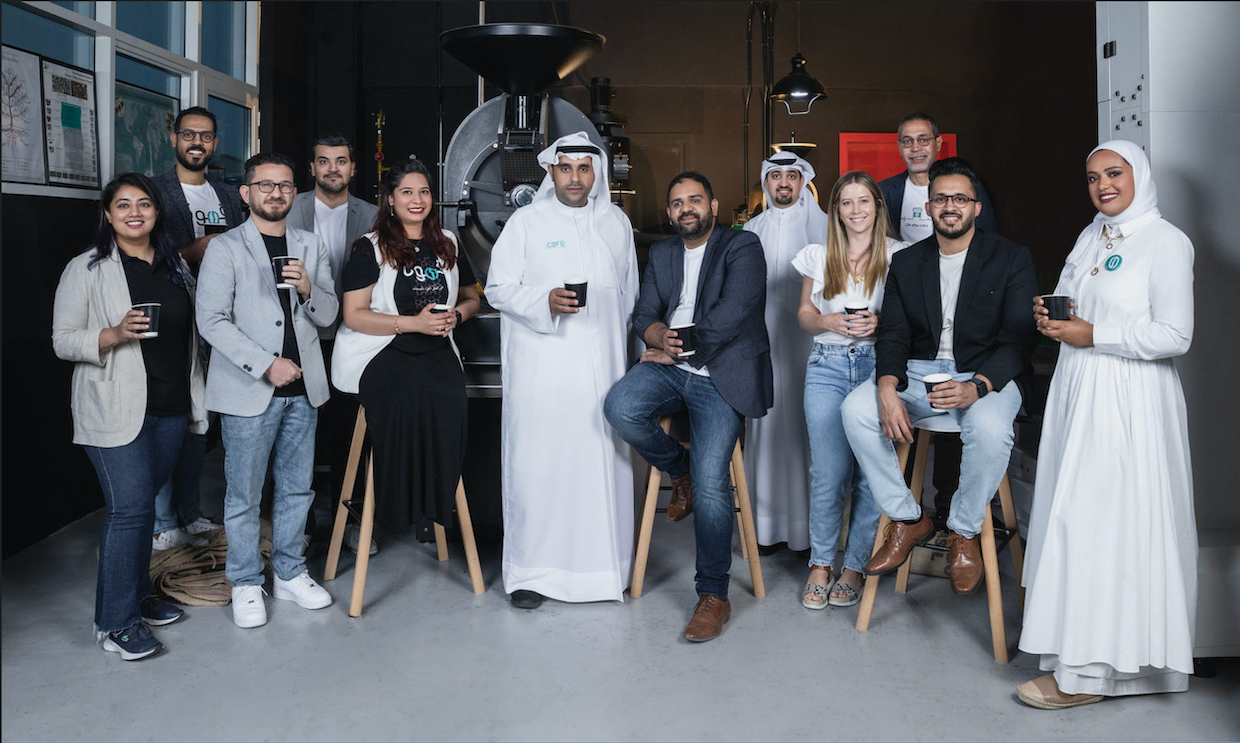
With global growth ambitions, Middle East-based coffee marketplace Cofe (styled as COFE by the company) has raised US$15 million in a Series B funding round.

Leading the investment is WAED Ventures, a Suadi Arabia (KSA)-focused fund worth approximately $500 million that is wholly owned by Saudi oil giant Aramco. The investment also includes an influx of money originating through the China-based Alibaba Group, through the firm eWTP Arabia Capital. eWTP has also received support from the KSA Public Investment Fund (PIF).

Also participating in the new funding round with $1 million was Al-Imtiaz Investment Group, a Kuwait-based fund that previously invested $10 million in a Series A round and is Cofe’s largest individual investor.

The new funding round comes just two months after Cofe announced a strategic partnership with the Saudi Coffee Company, which was established in 2022 with a 10-year, $320 million investment pledge through the PIF to help boost the Saudi coffee sector.
Now featuring an app and an online marketplace that includes roasted, packaged coffee products alongside home brewing equipment and subscription options, the Cofe platform was founded by Ali Al Ebrahim in Kuwait in 2018. The company entered the KSA market in 2020, while also entering the United Arab Emirates.

“COFE’s story has been one of resilience,” Ali Al Ebrahim said in announcement of the new funding round. “We have had some great opportunities, but not without its challenges that have needed innovative maneuvering. However, we have persevered in our ambition to create a fertile breeding ground for the growth of the entire coffee ecosystem, especially in the region.”

The Middle East and North Africa (MENA) consumer coffee market is expected to grow by approximately 7.5% annually from 2022-2028, according to a recent report from Mordor Intelligence. Saudi Arabia remains the largest economy and coffee market in the Middle East.


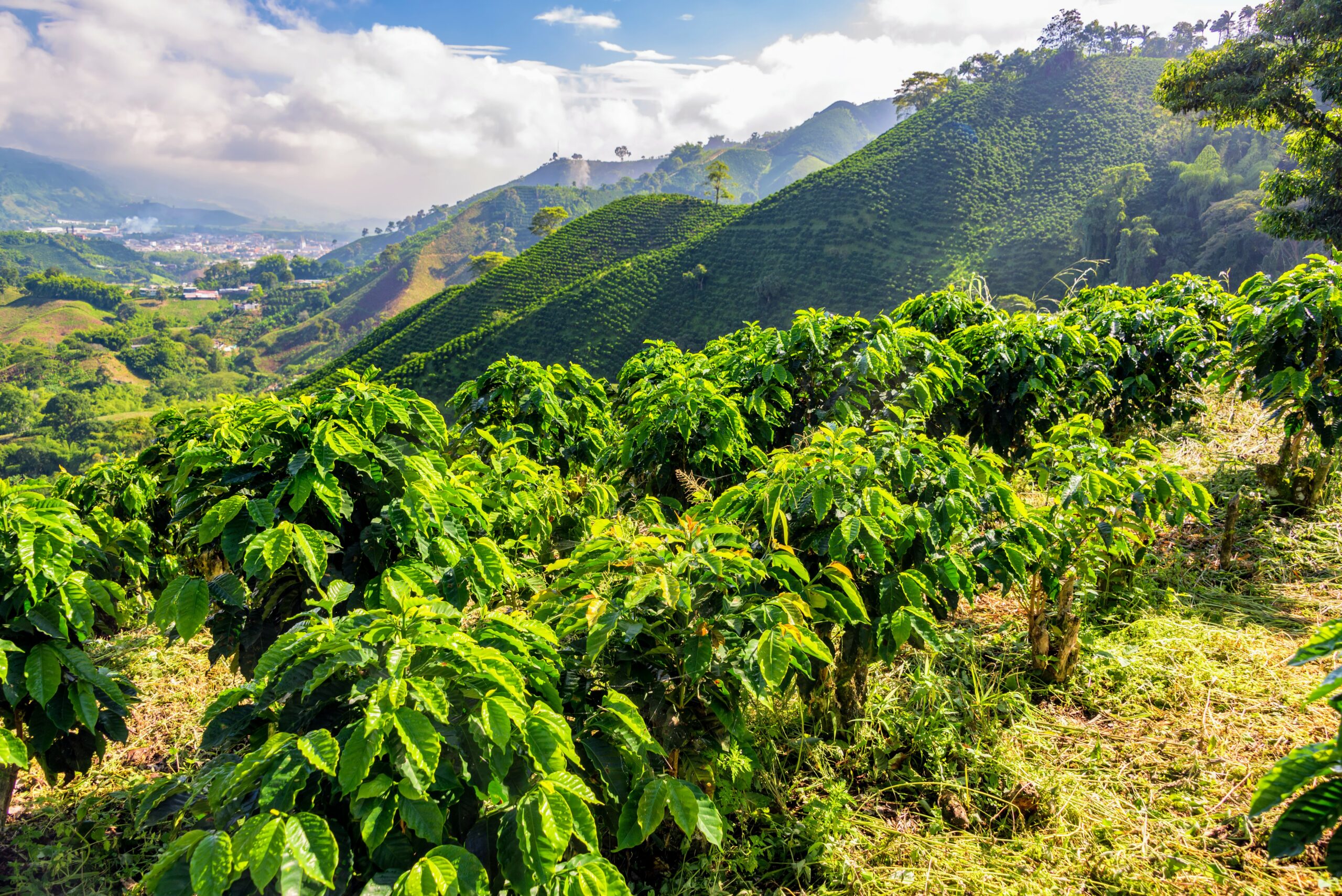
Colombian coffee production rises 10% in February

In the same month, exports decreased 6%, to 928,000 60-kg bags of green coffee, from 983,000 bags shipped abroad in the same month of 2022.

In February, registered coffee production in Colombia, the world’s largest producer of mild washed Arabica, reached 1,025,000 60-kg bags, 10% more than the 928,000 registered in the same month of 2022.

After the prolonged La Niña phenomenon, the figure begins to show recovery in the volume of the harvest.

Year-to-date (January-February 2023), production increased 5% to almost 1.9 million bags from 1.8 million in the same period last year.

In the last 12 months (March 2022-February 2023), production fell 8% to 11.2 million bags from 12.2 million a year ago.

And so far this coffee year (October 2022-February 2023), production exceeded 4.8 million bags, 9% less compared to the 5.3 million bags of the same previous period.

Exports fall 6% in the month

In February, exports decreased 6% to 928,000 60-kg bags of green coffee from 983,000 bags shipped abroad in the same month of 2022.

So far this year, exports reached 1.8 million bags, 13% less compared to the little more than 2 million bags exported in the same previous period.

In the last 12 months, exports fell 8% to almost 11.2 million bags versus the 12.1 million exported a year earlier.

And so far this coffee year, exports have reached 4.6 million bags, 13% less compared to the 5.3 million bags shipped abroad in the same previous period.

How technology is changing the business of coffee

From automation to app-based ordering and back-of-house efficiency software, World Coffee Portal explores new technologies changing the face of coffee shop interactions
The way coffee is consumed around the world is changing. According to the National Restaurant Association more than 50% of US coffee businesses dedicated more resources to consumer-facing technology during the pandemic, including app ordering, mobile payments and delivery services.

In the UK, 61% of more than 50,000 UK consumers surveyed by World Coffee Portal in 2021 indicated they had downloaded a coffee shop app, with 36% purchasing a beverage to collect from a coffee shop over the last 12 months.

In China’s burgeoning coffee shop market, World Coffee Portal data shows 86% of Chinese consumers surveyed have previously ordered coffee for delivery, with more than half doing so 2-3 times a week in 2020 alone.

With technology providing benefits across consistency, automation and seamless transactions, coffee shops are adopting new tools to stay competitive and provide new ways of transacting. 5THWAVE spoke to three coffee tech innovators to see what the future could hold.

The power of automation
Hospitality businesses around the world are grappling with severe staff shortages following the pandemic. For Keith Tan, CEO of Singapore-based Crown Digital, a historical lack of skilled barista staff prompted a radical solution to scaling his coffee shop business back in 2016.

After opening his first bricks-and-mortar coffee shop, Crown Coffee, Tan quickly found high staff turnover and training costs were stymying the business’ expansion.

“It’s crazy how hard recruitment is in Singapore. Many of the local university students will work for you for a couple of months and then leave,” he says.

Facing huge costs to train new staff, Tan decided to fully automate his coffee shop business by developing the ELLA robotic barista concept. “Building a system that is high throughput, high speed, without any humans, grew from there to solve my problems in order to scale,” he says.

“The experience gave me great insights into the coffee business – our customers ultimately demand consistency, speed and great quality.”

Developing ELLA took around three and-a-half years, with parent company Crown Digital developing its own POS system, custom app, and several iterations of ELLA before bringing the concept to market.

Utilising Eversys Cameo super automatic machines, artificial intelligence (AI) learning and an app-based user interface, ELLA can prepare up to 200 customised beverages every hour. The concept currently has several units in operation in Singapore and Tokyo and is in the process of being mass manufactured, with a further 30 units slated for Singapore’s MRT metro network by the end of 2022.

Tan says more than 95% of ELLA customers use Ella’s custom-built app to make to order and pay for purchases, access rewards and a coffee subscription.

“Our mission is to turn our customers into daily users and our subscription service has been able to keep them coming back daily.”

After securing additional investment in 2022, Crown Digital plans to go much further with ambitious plans to scale ELLA to locations across Asia, Europe, the GCC and Australia. Through its partnership with Singapore and Japan’s rail networks and attendance at technology exhibitions, Tan estimates ELLA has so far served around half-a-million cups of coffee. “Every cup was a learning curve for us,” he says.

ELLA is by no means the first robot barista concept to launch on the market, with other brands, such as US-based Café X and Russia’s Rozum yet to enjoy mass-market success.

“People tend to underestimate the challenges of building unmanned coffee shops,” says Tan, outlining Crown Digital’s franchised business structure that will enable proper maintenance and restocking of units around the world.

“The idea is to form joint ventures with large F&B companies and set up teams on the ground locally for restocking and cleaning. We have telemetry to remotely adjust things like grind calibration and predictive maintenance to show when parts need replacing,” he says.

Latte art is one aspect of the barista experience that, for now, ELLA’s sturdy limb can’t replicate. Nevertheless, Tan says full automation is enabling his business to achieve consistency, quality, speed and efficiency on an international scale, benefits which he says outweigh the expense of the human touch.

Facing huge costs to train new staff, Tan decided to fully automate his coffee shop business by developing the ELLA robotic barista concept. “Building a system that is high throughput, high speed, without any humans, grew from there to solve my problems in order to scale,” he says.

“The experience gave me great insights into the coffee business – our customers ultimately demand consistency, speed and great quality.”

Developing ELLA took around three and-a-half years, with parent company Crown Digital developing its own POS system, custom app, and several iterations of ELLA before bringing the concept to market.

Utilising Eversys Cameo super automatic machines, artificial intelligence (AI) learning and an app-based user interface, ELLA can prepare up to 200 customised beverages every hour. The concept currently has several units in operation in Singapore and Tokyo and is in the process of being mass manufactured, with a further 30 units slated for Singapore’s MRT metro network by the end of 2022.

Tan says more than 95% of ELLA customers use Ella’s custom-built app to make to order and pay for purchases, access rewards and a coffee subscription.

“Our mission is to turn our customers into daily users and our subscription service has been able to keep them coming back daily.”

After securing additional investment in 2022, Crown Digital plans to go much further with ambitious plans to scale ELLA to locations across Asia, Europe, the GCC and Australia. Through its partnership with Singapore and Japan’s rail networks and attendance at technology exhibitions, Tan estimates ELLA has so far served around half-a-million cups of coffee. “Every cup was a learning curve for us,” he says.

ELLA is by no means the first robot barista concept to launch on the market, with other brands, such as US-based Café X and Russia’s Rozum yet to enjoy mass-market success.

“People tend to underestimate the challenges of building unmanned coffee shops,” says Tan, outlining Crown Digital’s franchised business structure that will enable proper maintenance and restocking of units around the world.

“The idea is to form joint ventures with large F&B companies and set up teams on the ground locally for restocking and cleaning. We have telemetry to remotely adjust things like grind calibration and predictive maintenance to show when parts need replacing,” he says.

Latte art is one aspect of the barista experience that, for now, ELLA’s sturdy limb can’t replicate. Nevertheless, Tan says full automation is enabling his business to achieve consistency, quality, speed and efficiency on an international scale, benefits which he says outweigh the expense of the human touch.

That could be about to change with expansion of Kuwait-based COFE App. A digital ordering platform specialising in coffee shop delivery, pick-up and rewards, the app connects consumers to more than 750 coffee shop businesses, including Costa Coffee, Dunkin’ and Caribou Coffee, in addition to local independents across the MENA region.

Founded by Ali Al-Ebrahim and launched in Kuwait 2018, COFE App currently operates in Saudi Arabia, the UAE and Egypt, with a planned UK launch slated for 2023.

Al-Ebrahim says he was inspired to create the platform based on the strong history of coffee and hospitality in the Middle East and spotting a gap in the market for a dedicated digital ordering app for coffee shops.

“Coffee is a $100bn market globally and no one had scaled an app specifically for it,” he says.

As of June 2022, more than two million cups of coffee have been sold via the platform. According to Al-Ebrahim, around 10% of orders are for delivery, with the remainder comprised of order-ahead transactions and an e-commerce market specialising in packaged coffee and brewing equipment.

“The pandemic enabled us to grow and in turn provide a new revenue stream for many coffee shops that needed extra money to survive,” Ebrahim says.

“It is very difficult for smaller operators to build their own technology hub, but it is still vital for them to be present in the digital marketplace and gain brand exposure.

“We have our own inventory system, which we give to coffee shops along with a POS device. We also have the option to integrate with operators’ own POS systems and our in-house developer team can tailor integration to each coffee shop’s needs.”

In the Middle East, Al-Ebrahim highlights Saudi Arabia as holding vast untapped potential for growth. With a vibrant scene of international hospitality brands setting up in the kingdom, not to mention a $320m Public Investment Fund (PIF) investment to boost domestic coffee production, Al-Ebrahim says COFE App’s has found remarkable success in the Saudi market.

“Within less than a year of launching in Saudi we had over three million downloads and over 1.5 million users, who are increasingly active. This is where I think the coffee scene will grow even more in the Middle East,” he says.

The holy grail of quality at scale
A central tenet of operating a 5th Wave coffee business is scaling quality and consistency across multiple outlets. While analogue communication is often sufficient for a single store, opening further outlets can prove challenging when standardising a coffee offer.

In May 2022 coffee software developer Cropster launched Cropster Cafe in partnership with La Marzocco. The idea behind the platform is to use data to solve challenges facing commercially orientated specialty coffee shops, such as optimising retail operations or consulting connected wholesale customers using data.

Developed directly with specialty operators, the web-based app captures and aggregates data from internet of things-enabled (IoT) coffee machines to generate reports on brew consistency, output volumes, and equipment maintenance issues across stores.

“In an analogue café environment, there is a lot of information crossing various sites and operators often tell us they don’t know how consistent their beverage offer is,” says Andy Benedikter, Global Sales Lead at Cropster Cafe.

“We want to make it easier to manage stores by enabling operators to make decisions based on data rather than anecdotes. This means operators can focus on the real art of running a café – on the coffee, customers, or passion for creating the next exciting brunch dish.”

On a day-to-day level Benedikter says Cropster Cafe eliminates the need for inefficient tools such as laminated checklists, spreadsheets or post-it notes behind the bar, providing greater flexibility to make operational adjustments that can immediately be viewed by all team members.

“Owners and staff can see processes crystal clear on one screen, which is more efficient for everybody. Overall, it tilts the conversation away from what needs to be done to getting those workflows right every time.”

Consistent communication between staff and bench-marking also generates efficiencies, with Cropster Cafe helping to reduce waste by providing real-time consumption data and decreasing the need for managers to check-in on different stores.

Benedikter says the number of outlets using Cropster Cafe is currently in the hundreds, with the platform focusing on growth in the US, European and Australian markets.

“Our vision doesn’t end with espresso machines. Cropster Cafe can integrate into any equipment that produces data, including grinders, scales, or point of sale systems,” he says, adding that Cropster is actively seeking collaboration with manufacturers who share a similar vision for integrated coffee equipment that can help make café operations more efficient and consistent.

From small steps for operators to giant leaps for customer interactions, the global coffee shop industry has consistently been able to innovate in the face of adversity. Time will tell which technologies can deliver the best results in increasingly competitive markets globally.

With digital tools becoming increasingly ubiquitous in coffee shops, operators must ensure they keep pace with consumer expectations on speed, quality, choice and service – and take advantage of the benefits that technology can bring.

The world is facing coffee crop failures due to climate change

Global coffee trade is increasingly threatened by climate change

Coffee crops are an important source of income for millions of people around the world, but with the climate changes anticipated, coffee plantations may be in danger of dying or failing to thrive. Coffee plants are sensitive to climate variability and change, and have fairly narrow ranges of tolerance to temperature and precipitation. It is already considered that climate change will reduce the currently suitable areas for coffee cultivation by as much as 50 percent, which would have serious economic consequences.

However, a recent study has highlighted another way in which climate change is set to affect coffee cultivation. Annual yields are susceptible to certain climate hazards, such as heat waves, droughts, frosts and floods, all of which are likely to become more frequent in future. In addition, when these hazards occur simultaneously over coffee-producing regions, they can cause large-scale crop failures that threaten the global coffee trade.

In order to better understand how large-scale climate modes such as El Niño Southern Oscillation (ENSO) may lead to simultaneous coffee crop failures in multiple countries, the researchers conducted a systematic analysis of literature on climate hazards and compound events in coffee producing regions between 1980 and 2020. They identified 12 climate hazards that threaten coffee crops in the top 12 coffee-producing countries, for example, when temperatures are too cold during the flowering season, or too warm during the growing time.

They found that the annual number of hazards globally has increased since 1980. In fact, most of the regions considered (excluding Uganda and India) have experienced a greater number of hazards in the past decade alone. Since 2010, there have been five years during which at least 20 hazards occurred across all regions, compared to just once in the years before this. This implies that large-scale coffee supply is at risk, globally, from compounding climate hazards.

The researchers state: “In 2016, for example, every region experienced at least one hazard, with most of the top growing-regions (northern and southern Brazil, Colombia and Indonesia) experiencing multiple hazards simultaneously.”

The analysis, published in PLOS Climate, also reveals that the type of climate hazards have changed over the past 40 years from those associated with overly cool conditions to those occurring in overly warm or dry circumstances. The scientists say more research is needed, however, to understand what kind of adaptations might mitigate global coffee crop failures under these new conditions.

“Our results suggest that El Niño is the primary mode in explaining compound climate event variability, both globally and regionally. Region-level hazards are therefore indicative of systemic risk to coffee production, rather than local risk. As with other crops, a systemic risk to the global coffee trade is posed by synchronized crop failures. With climate change projections showing a continued rise in temperatures in the tropics is likely, we posit that coffee production can expect ongoing systemic shocks in response to spatially compounding climate hazards,” wrote the study authors.

“Since 1980, global coffee production has become increasingly at risk of synchronized crop failures, which can be driven by climate hazards that affect multiple key coffee-producing areas simultaneously.”


Should coffee shops charge US $150 for a cup of coffee?

For some coffee enthusiasts and professionals, spending anywhere up to US $10 on a cup of filter coffee might not be unthinkable. But what about US $150?

In late January earlier this year, Australian and US roaster Proud Mary Coffee announced it would sell a natural processed Panamanian Gesha for US $150 per cup. To add to its already high level of exclusivity, only 22 cups of the coffee were available between the roaster’s Portland, Oregon and Austin, Texas locations.

There’s no denying that coffees like these draws plenty of interest from industry professionals and consumers alike. Moreover, they also help to drive innovation and highlight excellence in the specialty coffee sector. Essentially, they make the coffee industry more exciting.

However, we also have to question the value that these exclusive, high-end coffees add to the supply chain. Although a very small handful of individuals may be able to spend US $150 per cup, does anyone truly benefit from spending this much money on one cup of coffee?
WHAT MAKES THIS GESHA COFFEE SO UNIQUE?
Since the early 2000s, the highly-prized Gesha (or Geisha) variety has caused a stir in specialty coffee.

Boasting complex floral-heavy flavour profiles and a tea-like body, Gesha coffees often fetch high prices at auctions:

In 2004, Hacienda La Esmerelda sold one of its Geshas for US $21/lb at the Best of Panama (BoP) auction that year. At the time, this was a world record for the highest price ever paid for a coffee.
At the Lamastus Family Estates auction held last year, a honey processed Gesha produced by Elida Estate sold for an eye watering US $6,034/lb – by far the most expensive coffee in the world.
At the 2022 BoP auction, the highest-scoring coffee also received a staggering bid of US $2,000.49/lb. This coffee – a natural processed Gesha from Hartmann Estate in Panama – scored 96.5 points.
Grown at 1,750 m.a.s.l. on the Hartmann-owned Guarumo Coffee Farm in Santa Clara, Renacimiento, the “Black Jaguar” Gesha was processed using a “classic” natural process method. However, the drying phase was extended for “about 20 days in [a] dark room”, which most likely helped to enhance its unique sensory profile.

Only 100lbs of the coffee were available to purchase. And among the bidders for this coffee was Proud Mary. The roaster publicly stated it paid US $2,000/lb, which it says is the highest price it has ever paid for one coffee – leading it to charge US $150 for one cup of this coffee.

While Proud Mary is known for selling more exclusive and high-end coffees – including two other Geshas from Hartmann Estates on its current offerings – the roaster also has more affordable options from a range of origins.
WHAT IS THE MARKET FOR THESE COFFEES?
For many years, Gesha has been one of the most sought-after varieties in the specialty coffee sector. Generally speaking, Gesha plants only yield small quantities of coffee, which contributes to the variety’s exclusivity.

As Gesha became more and more revered, it was only natural that more World Coffee Championship competitors started to use the variety as part of their routines. Of the nine World Brewers Cup (WBrC) champions from 2011 to 2019, seven of them used Gesha – almost making it the norm. Undoubtedly, this helped to spur its popularity in the specialty coffee industry.

The variety has become somewhat of a unique selling point over the past two decades, with more high-end roasters and coffee shops stocking it more frequently than ever before. In the case of more prestigious brands like Proud Mary, for example, it’s not uncommon for the roaster to have several Geshas from a number of different origins on its menu at one time – notably at a range of price points.

However, in recent years, we have also seen the rise of other more exclusive varieties, and even lesser-known coffee species.

At the 2021 World Barista Championship, the top three competitors all used Coffea eugenioides: a parent species of arabica with a distinctively sweet flavour profile. At last year’s World Barista Championship, winner Anthony Douglas used the Sidra variety, which some industry professionals compare with Gesha in terms of its physical characteristics and cup quality.

And while Gesha is still used by some World Coffee Championship competitors, its presence has certainly dwindled at these high-level competitions over the past few years. Ultimately, this leads us to question whether the variety is still as attention-grabbing as it once was.

What’s the value of serving US $150 cups of coffee?
Although there were only 22 cups of the natural processed Hartmann Gesha available in the US, very few people can actually afford these kinds of coffee in the first place.

In most specialty coffee shops in the US, consumers pay around US $4 for a cup of filter coffee. To the average consumer, paying US $150 for one coffee is not only absurd, but also far beyond their budget.

However, that’s not to say that these kinds of exclusive coffees don’t serve an important purpose. Whether people can afford them or not, they are exciting and unique selling points for coffee shops and roasters. Moreover, they also encourage more people to talk about specialty coffee – especially those who are new to or still learning about the industry.

Perspectives from the industry
Spencer Turer is the Vice President of Coffee Enterprises.

“This is a very exciting time for the specialty coffee industry,” he says. “We’re expanding into super-premium categories, similar to other craft beverage industries like wine, bourbon and whiskey, and other spirits.

“For Proud Mary Coffee, selling the Black Jaguar Gesha coffee for US $150 per cup takes courage and confidence,” he adds. “I hope the 22 lucky consumers of this special coffee found value [in experiencing] its aroma and complex and sweet fruity floral flavours.”
There’s no denying that paying US $150 for one cup of coffee is beyond excessive. But that’s the point – these aren’t the kinds of coffee you should be drinking on a regular basis. They are unique and exclusive, and thereby come with a hefty price tag.
Whether or not these coffees are worth this amount of money is a matter of opinion. However, it’s clear that these ultra-high quality lots do have an important part to play in specialty coffee.
Since the early 21st century, we’ve seen trends at BoP and other auctions trickle down to the WBC stage – and ultimately influence the future of the industry.


Taiwan’s HWC Coffee to open 40 stores across Malaysia this year

After making its international debut in April 2022, HWC is planning further expansion in Malaysia and its first store in Brunei

Taiwan’s HWC Coffee is seeking to open 40 stores across Malaysia this year and has announced plans to launch in Brunei in April 2023.

The specialty coffee chain, which operates 70 stores across Taiwan, made its international debut in April 2022 with a store at Malaysia’s 1 Utama Shopping Centre.

HWC Coffee, which partnered with e-commerce platform Subplace to launch in Malaysia, now operates 18 outlets across the Southeast Asian country.

It is also planning to open a flagship store and coffee academy in Klang Valley in May 2023.

HWC Coffee Malaysia CEO Zenda Ng said the flagship store will provide a more premium range of coffee compared with its other outlets, while the coffee academy will offer barista training programmes and specialty coffee experiences.

World Coffee Portal research forecasts the Malaysian branded coffee shop market will exceed 2,750 outlets by 2025, led by the expansion of coffee-focused chains.

HWC Coffee will also utilise its growing presence in Malaysia to open its first store in neighbouring Brunei in April 2023.

With a population of approximately 445,000, Brunei has a small branded coffee shop market.

US chains Starbucks, The Coffee Bean & Tea Leaf and Gloria Jean’s all operate outlets in the country, alongside a small contingent of domestic independent cafés, such as Kopifix and Roasted Sip Coffee Roasters.

Costa Coffee voted ‘The Nation’s Favourite’ for 13th consecutive year

Costa Coffee has been voted the UK’s favourite coffee shop for the 13th consecutive year, according to a survey of more than 5,000 UK consumers.

Costa Coffee has been voted as the UK public’s favourite coffee shop for a 13th consecutive year.

In a World Coffee Portal survey of more than 5,000 UK consumers, 51% cited Costa Coffee as their favourite branded coffee shop chain.

“I’m delighted to announce Costa Coffee as The Nation’s Favourite coffee shop. Costa is a home-grown brand with a strong Italian heritage and has become a true mainstay of the British coffee landscape in a nation that is continuing to embrace coffee culture. Congratulations again to Costa Coffee on their recognition by the Great British public,” said Jeffrey Young, CEO & Founder, Allegra Group.

Founded in London in 1971, Costa Coffee is the largest coffee chain in the UK with approximately 2,700 stores. The Bedfordshire-based chain also manages a 12,700-strong coffee machine network across the country.

Costa Coffee also operates approximately 1,200 outlets and 1,600 coffee machines across more than 40 international markets.

“The number 13 may be unlucky for some, but we are thrilled to have been voted the Nation’s Favourite coffee shop for the thirteenth consecutive year. Over the last twelve months we have continued to invest in our UK business, including our store propositions, installing the first Costa Express’s Hot and Iced Drinks self-serve machines as well as launching innovative new food and drink menus,” added Nick Orrin, Interim UK&I Managing Director, Costa Coffee.

World Coffee Portal research forecasts the 9,885-strong UK branded coffee shop market will exceed 11,600 outlets by January 2028.

Coffee protects against liver disease

The Journal of Clinical and Experimental Liver Diseases published a report on researchers at Indraprastha Apollo Hospital in India, who said they highlighted the health benefits of coffee. The authors noted in 2016 that “coffee consumption is beneficial for health in general, and liver health in particular.”

“Coffee consumption is associated with improved liver enzymes, particularly in individuals at risk of developing liver disease,” they said. Participants with previous liver disease appeared to benefit from coffee consumption. Participants who drank more than two cups of coffee per day were less likely to develop cirrhosis and cirrhosis.

“The incidence of advanced fibrosis and liver cirrhosis is lower among coffee drinkers,” the researchers explained. The British Liver Trust warned: “Although drinking coffee may protect you against liver disease, there are other underlying factors.” Although drinking coffee can be beneficial for those “who already have some degree of liver damage, it is only one preventive measure.” Good liver health still depends on eating a good diet, drinking plenty of water, and getting regular exercise.”

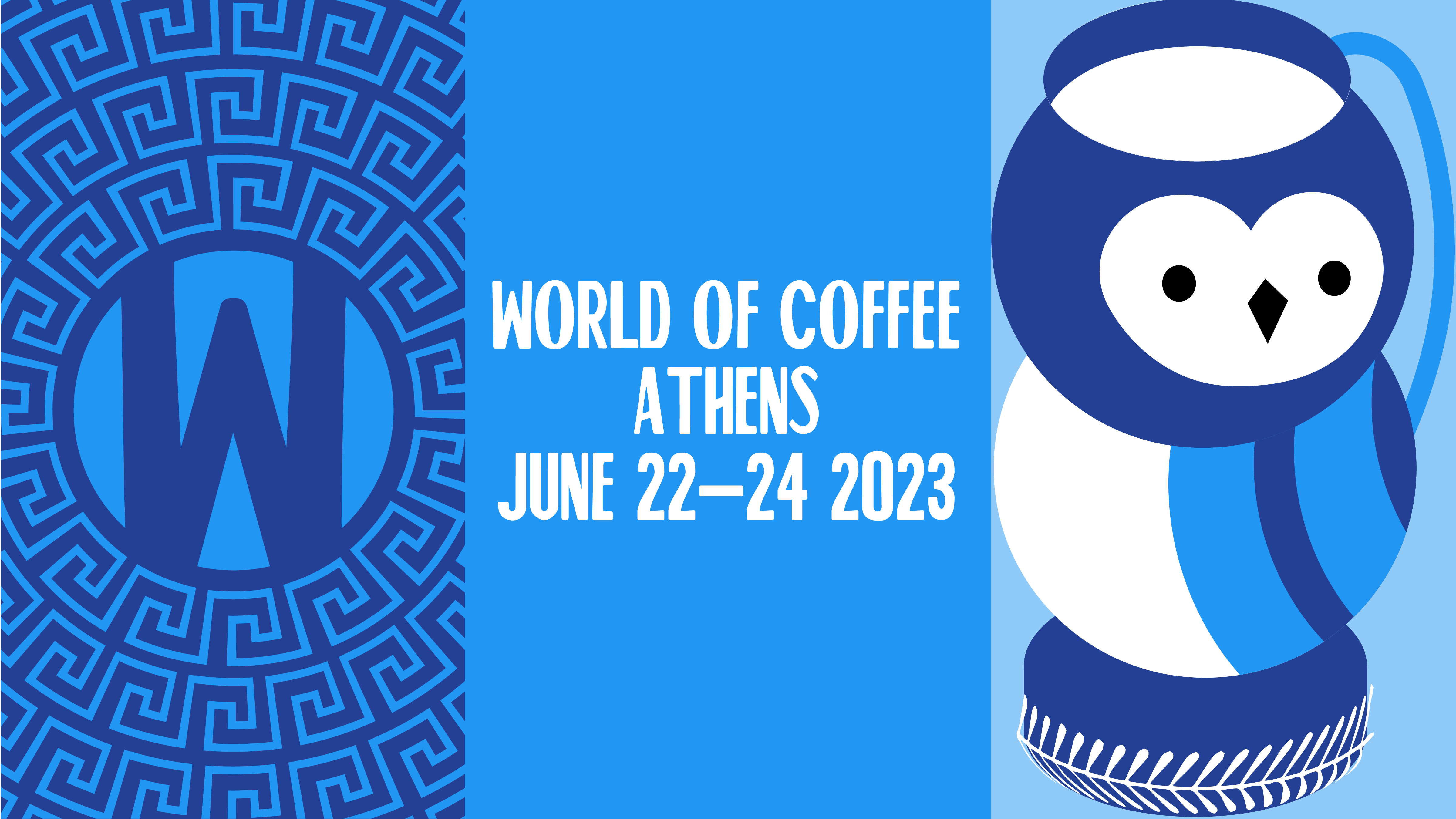
Announcing the 2023 Athens WCC Rules & Regulations

Announcing the 2023 Athens WCC Rules & Regulations

The Specialty Coffee Association (SCA) has just released updated Rules & Regulations for the 2023 World Barista Championship (WBC), World Brewers Cup (WBrC), World Cup Tasters Championship, and Cezve/Ibrik Championship. These updates represent the most significant changes to the competitions since before the pandemic and offer new service possibilities for competitors and significant changes in how judges score and evaluate performances.

The SCA’s Competitions Strategic Committee (CSC), a volunteer leadership group focused on evolving the World Coffee Championships (WCCs) in line with strategic goals, oversees all WCCs rules & regulations updates. Many of these changes were planned or in progress prior to the COVID-19 pandemic. Learn more about the CSC’s work here.

The WBrC criteria for evaluation have undergone significant changes to refocus the competition on evaluating a competitor’s coffee brewing skills. These changes include expanded categories for barista evaluation as well as the decoupling of the competition’s structure from the existing SCA Cupping Form and Protocol. The introduction of a new coffee evaluation scale is more clearly aligned with the SCA’s ongoing work to evolve the existing cupping protocol and form into a coffee value assessment system, informed by research and sensory science best practice.

In 2023, the WBrC competition format will have major updates, including the introduction of a Semi-Finals round. Competitors will give their open service presentation in Round One (with no compulsory). From there, 12 competitors will progress to Semi-Finals to present a provided coffee through compulsory service. Six competitors will then present open service in Finals, with compulsory scores carrying through from Semi-Finals.

The 2023 WBC updates introduce two new types of scoring scales, alongside the traditional 6-point scores. These scores will help our competitions better align with where our coffee value assessment systems are headed. There have also been efforts to adjust the weighting of different categories, to better reflect the skills and areas of focus for the competitions. In addition, two exciting new updates are being introduced to the WBC. The milk beverage course can now be prepared using plant-based or other animals’ milk. Additionally, world competitors will have the option of brewing their espresso using a range of group head temperatures. Details on the WBC Teams Competition and WBC Team Bar have been memorialized in the rules document, and the nine station layout options return in 2023.

Scoresheets for both the WBC and WBrC have been re-designed for clarity and ease of use. The World Cup Tasters & Cezve/Ibrik Championships updates focus on small language changes for clarity and consistency across the WCCs.

The SCA is also expanding the espresso machine sponsorship criteria to include allowing fully-automatic machines to bid for the 2024 World Latte Art & World Coffee in Good Spirits Championships, alongside traditional machines.

“We are delighted to see the competitions changing with the release of the rules & regulations for the Athens World Coffee Championships,” said Bart Deprez, Competitions Strategic Committee Chair. “These updates are rooted in the strategic objectives that the CSC envisioned to keep the competitions moving forward, and have been in place for many years. We look forward to seeing more innovation on stage in Athens and continuing the pace of competitions evolution in the future.”

Full rule sets, summary of change documents, and scoresheets are available at the links below. The SCA recognizes that these are significant changes for the competitions community and will be hosting a number of webinars to support and answer questions. If you have any questions about these changes, please email [email protected].