Coffee Traders Race Against Time to Avoid Strict European Legislation Threatening Supply

Europe is witnessing a frantic surge in coffee shipments as traders scramble to stockpile vast quantities of beans before new environmental regulations take effect at the end of this year.

The new European Union Deforestation Regulation (EUDR) will require importers to prove that their products, such as coffee, do not contribute to deforestation. With the implementation details still unclear, companies are facing significant risks of supply chain disruptions.

Coffee crops, which millions of small-scale farmers around the world rely on, are under immense pressure to comply with the new rules. As a result, traders are rushing to ship as much coffee as possible to Europe before December 30 to avoid falling under the purview of this law.

Brazil, the world’s largest coffee producer, has seen its exports to the European Union soar by a staggering 65% in the seven months leading up to July compared to the same period last year. Uganda, which is becoming increasingly important in supplying Europe with Robusta coffee, also recorded a historic high in exports last month, with the majority headed to Europe.

“The Last Harvest Before the Clampdown” Ted Marley, a coffee trader in Uganda, confirmed, “This is the last harvest we can ship before Europe closes its doors to uncertified beans,” noting that “the next Robusta harvest will arrive in October, and given the long shipping and processing times, it will be crucial that all upcoming shipments fully comply with the new law.”

In this context, Ricardo dos Santos, Managing Director of European coffee supplier Riccoffee, stated that roasters are working to cover any potential shortages in the first quarter of 2025. He added that traders are becoming more cautious, with only a few daring to ship beans after October to avoid missing the opportunity to ship uncertified beans.

Under these pressures, the market is seeing sharp price increases. Robusta prices, used in instant coffee, have soared to levels not seen since the 1970s, while high-quality Arabica beans have risen by more than 30% this year. The situation is further complicated by rising borrowing costs, container shortages, and longer transportation times.

Uncertain Future and Upcoming Challenges Holger Prebisch, CEO of the German Coffee Association, stated, “We lack the financial resources and space to store a year’s worth of reserves in Europe.” He added that despite the frantic efforts to stockpile as much as possible before the new law is enforced, the future remains uncertain, as the European Commission has yet to release all the implementation details, which could lead to reduced supplies and higher prices.

China May Gain In a telling comment, Job Kankiruh, a coffee broker at Wakanda Coffee Brokerage Services in Uganda, pointed out that “Uganda is lagging in complying with the EU law, as sustainability was not a priority for many exporters until this law became an inescapable reality.”

Despite the pressure on the European Union to reconsider these regulations, shipments are expected to slow significantly, as no one wants to bear the cost of shipments that might be rejected later for non-compliance.

However, what could be a loss for Europe might become a gain for China. Kankiruh explained, “We have noticed increased interest from Chinese buyers, and it seems the time has come to explore alternative markets, even though the European Union used to account for about 90% of our exports.”
The World’s Coffee Crisis: Overdependence on Brazil and Vietnam in a Warming World

Coffee has long been more than just a drink—it’s a global ritual that fuels millions of people daily. But the industry is facing a significant challenge: its overreliance on Brazil and Vietnam for the majority of global coffee production. In a rapidly warming world, this concentration poses severe risks, prompting a shift toward smaller, more diverse producers in regions like Cuba, Peru, and Thailand.

Despite the fact that approximately 40 countries produce coffee, more than half of the world’s supply comes from just two nations. This heavy dependence creates a precarious situation where any disruption—such as the severe droughts that recently hit both Brazil and Vietnam—can send global coffee prices soaring. The impact is immediate and felt by consumers, with the price of a latte reaching $9 this year due to these climate-induced challenges.

The vulnerability of the coffee industry to climate change has sparked a wave of investments in smaller, emerging coffee-producing regions. From Cuba to Rwanda, there’s a growing recognition that diversifying the global coffee supply chain is not just desirable, but essential. Consumers are increasingly seeking out coffee from unique origins, and the industry is responding to this demand by exploring new sources of high-quality beans.

Andrea Illy, CEO of Illycaffe SpA, emphasizes the urgency of this diversification, stating, “This year proves that the impact of climate change cannot be underestimated. It is starting to change the market itself.”

Brazil, the world’s largest coffee producer, accounts for 39.7% of the global supply, with Vietnam contributing another 16.5%. The rest of the world’s coffee comes from a mix of smaller producers, including Colombia, Indonesia, Ethiopia, Uganda, India, and Honduras, among others. These smaller origins are becoming increasingly important in maintaining a stable and resilient global supply chain.

In response to these challenges, companies like Illycaffe are expanding their sourcing beyond Brazil and Vietnam, re-entering markets in eastern and southern Africa where they once purchased beans. Similarly, coffee trader Volcafe Ltd. has secured $60 million in financing to boost its operations in East Africa, while Starbucks Corp. has been investing in tree distribution and loans to producers in Peru, Rwanda, and Tanzania.

Efforts to revive coffee production in historically significant regions are also underway. European coffee roaster Lavazza SpA is involved in a 20-year project to rejuvenate Cuba’s coffee industry, which has struggled since the Cuban Revolution. Nestle SA’s Nespresso has committed $20 million to develop the coffee sector in the Democratic Republic of the Congo, part of its broader $71 million Reviving Origins program that aims to restore coffee production in conflict- and disaster-affected regions like Uganda, Zimbabwe, and Cuba.

“Preserving exquisite coffees from adverse circumstances such as conflict, economic or environmental disaster, and ensuring a future for the farmers who produce them is a critical part of our business,” said a Nespresso spokesperson.

However, the road ahead is not without challenges. Smaller producers often lack the economies of scale that Brazil and Vietnam enjoy, relying instead on labor-intensive family farms. These inefficiencies keep production costs high, making it unlikely that consumers will see lower prices at their local cafes anytime soon.

Yet, there is a silver lining. Since the COVID-19 pandemic, coffee consumption has shifted dramatically, with consumers becoming more discerning and willing to pay a premium for quality, variety, and traceability. This trend has driven the growth of specialty coffee, which now surpasses mass-market options in popularity. Nearly half of American adults drink specialty coffee daily, according to a June report by the National Coffee Association.

This shift in consumer preferences benefits smaller producers, who are traditionally associated with high-quality, specialty beans. Countries like Honduras and Thailand have seen a steady increase in coffee production as a result. For example, Honduras has boosted its output significantly, though rising production costs have squeezed margins for farmers.

In places like Colombia, Indonesia, Ethiopia, Uganda, India, and Honduras, coffee production has seen a consistent upward trend over the decades. These countries have capitalized on the growing demand for diverse coffee origins, offering consumers a richer, more varied experience.

To sustain this momentum, coffee companies must continue to prioritize direct sourcing and sustainability while also emphasizing the unique, personalized experience that traditional coffee shops provide. As Matthew Barry, an insight manager at Euromonitor International, warns, failing to do so could lead to a shift toward more affordable, convenient options like canned coffee.

Higher prices are likely to persist across the supply chain. Should they decrease, small farmers might find it less profitable to grow coffee, leading to tighter supplies and, eventually, another spike in prices. Jay Kling, director of coffee at Irving Farm New York, expressed hope that prices remain high in the long term, stating, “That’s what the industry needs right now.”

The global coffee industry is at a pivotal moment. Overdependence on Brazil and Vietnam, coupled with the growing impact of climate change, underscores the urgent need for diversification. Investing in smaller producers is not just a strategy for growth but a necessity for the industry’s resilience. Maintaining high prices, supporting small farmers, and embracing new origins are essential steps in securing the future of coffee for generations to come.


$60.5 Billion Instant Coffee Market by 2030

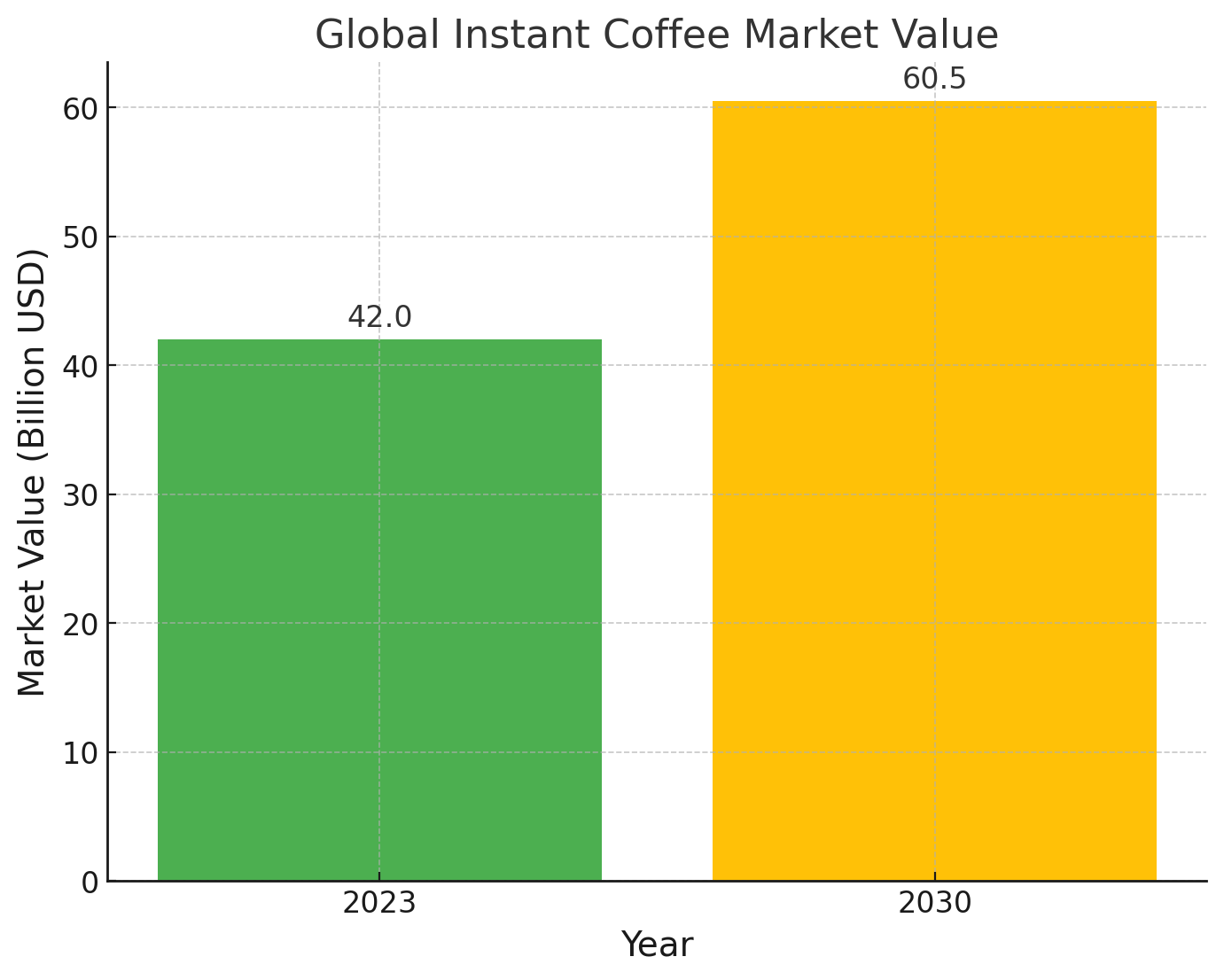
A recent global report predicts that the global instant coffee market will reach $60.5 billion by 2030.

According to the “Global Instant Coffee Market Strategic Report” issued by a market research firm, the value of the instant coffee market, which stood at $42.0 billion in 2023, is expected to rise to $60.5 billion by 2030, with a compound annual growth rate (CAGR) of 5.3%.

The report indicates that this growth will be driven by technological advancements, changing consumer preferences, and the expansion of distribution channels, making instant coffee a dynamic sector within the global coffee industry.

Resurgence of Instant Coffee Popularity

Despite previous perceptions, instant coffee, once considered a convenient but unappealing product, is now experiencing a revival as consumers increasingly favor quick and easy beverage solutions without sacrificing flavor. The fast-paced lifestyle of modern consumers is a key factor in this shift, as instant coffee offers the advantage of quick preparation and long shelf life, making it an attractive option for those seeking a hassle-free coffee experience.

Technological Innovations

Technological advancements have played a significant role in transforming the instant coffee market. The introduction of freeze-drying technology has greatly improved the quality of instant coffee, enabling manufacturers to better preserve the natural flavors and aroma of coffee beans compared to traditional methods. This has led to the emergence of premium instant coffee products that cater to consumers willing to pay extra for better taste. Additionally, innovations in packaging technologies, such as single-serve sachets and recyclable containers, have enhanced the consumer experience and addressed growing environmental concerns.

Consumer Behavior and Market Growth

Consumer behavior is a critical factor driving the growth of the instant coffee market. The increasing demand for coffee on the go and the rise in single-person households have contributed to the growing popularity of convenient, single-use coffee options. The trend towards premiumization has also extended to the instant coffee market, with a growing number of consumers seeking higher-quality products that offer a more authentic coffee experience. The expansion of e-commerce platforms has further fueled market growth by making it easier for consumers to access a wide variety of instant coffee products globally.

Key Market Growth Drivers

The report highlights several key factors contributing to the growth of the instant coffee market. Demand for convenience remains a primary driver, as consumers continue to seek quick and easy solutions in their daily routines. Technological innovations, such as freeze-drying and improved packaging techniques, have been crucial in enhancing the quality and appeal of instant coffee, expanding its consumer base. Additionally, the trend towards premiumization and the growing interest in specialty coffee have broadened the market for high-quality instant coffee products. The increasing role of e-commerce has also provided consumers with greater access to a variety of brands and products, further boosting market growth.

Regional Analysis

The report provides a detailed regional analysis highlighting key growth trends in major markets. The U.S. market, valued at $11.0 billion in 2023, remains a key player, while the Chinese market is expected to grow at an impressive CAGR of 8.3%, reaching $13.9 billion by 2030. Other key regions, such as Japan, Canada, Germany, and the Asia-Pacific region, are also expected to contribute to market expansion.

As the global instant coffee market continues to evolve, driven by technological advancements, changing consumer preferences, and expanding distribution channels, sustained growth is expected through 2030. The market’s trajectory underscores the importance of convenience, quality, and diversity in coffee consumption, making instant coffee a significant and increasingly important sector within the overall coffee industry.

About the Report

The “Global Instant Coffee Market Strategic Report” provides a comprehensive analysis of market trends, drivers, and forecasts, offering valuable insights for companies operating in the instant coffee market. The report includes profiles of major companies such as Jacobs Douwe Egberts, Nestlé, Starbucks, J.M. Smucker, and Kraft Heinz. It also offers regional analysis and detailed forecasts, making it an essential resource for understanding the future of the global instant coffee market.

Global Coffee Price Surge Forces Roasters into Tough Choices, Leaving Consumers as the Victims

In the wake of an unprecedented surge in global coffee prices, coffee roasters find themselves forced to make difficult decisions that directly affect the quality of their products, leaving consumers in a challenging position. This growing crisis highlights the complex interplay of economic factors that have led to inflated prices and altered the dynamics of the global coffee market.

In recent months, the prices of both Robusta and Arabica beans have soared. Robusta futures on the London exchange reached a record $4,971 per ton, an all-time high. Meanwhile, Arabica futures on the New York exchange climbed to $2.49 per pound, putting additional pressure on coffee roasters worldwide.

Faced with these rising costs, many roasters have turned to cost-cutting measures, such as incorporating cheaper beans into their traditional blends, directly impacting the quality of coffee that reaches consumers. According to Steve Butler, co-founder of ChAI, a company that uses AI to predict commodity prices, these prices may continue to rise, especially with speculators entering the market, further increasing economic pressure on everyone.

Weather conditions have not been kind to the industry recently. In Brazil, the world’s largest coffee producer, a cold snap has devastated a significant portion of the crop, raising concerns about supply shortages. In Vietnam, persistent drought has significantly reduced production, adding further strain to global markets.

Additionally, rising shipping costs due to security tensions in the Red Sea have further complicated the situation. Commercial ships have been forced to alter their routes, taking longer and more expensive paths, which has driven up the cost of transporting coffee to global markets.

These harsh conditions have left roasters with no easy choices. In Italy, for instance, the average price of an espresso has risen by 15% since 2021, reaching €1.20 this year. This price increase is not just a change in numbers; it has also affected the quality of the coffee consumers taste, as cheaper beans become a more prominent part of everyday blends.

According to Charles Hart, a senior commodity analyst at BMI, this trend towards using cheaper beans could lead to decreased stockpiles in key producing countries like Vietnam and Brazil, setting the stage for further price hikes in the near future.

As roasters continue to search for ways to adapt to these mounting pressures, consumers remain the primary victims of these changes. On one hand, they face a continuous rise in prices, and on the other, they find themselves having to accept a decline in the quality of their daily cup of coffee.

Italy’s Role in Supporting the African Coffee Sector.. Challenges and Opportunities

Coffee is one of the most important export commodities in Uganda, accounting for 30% of the country’s foreign exchange revenues. At the Rimini 2024 Forum, Fred Bwino Kyakulaga, Uganda’s Minister of State for Agriculture, stated that his country earned $1.14 billion from coffee exports last year, making it the world’s fifth-largest coffee producer.
Despite the fact that 75% of Uganda’s coffee production is exported, coffee farmers receive only a small portion of the revenues from their production. While espresso coffee sellers earn $107.4 per kilogram of green coffee, farmers receive only $3.3 for the same amount.

One of the main challenges facing the coffee sector in Africa is the impact of climate change and the low resilience of coffee plantations. Kyakulaga expressed his concern over Uganda’s limited research on the types of coffee cultivated, which has weakened the value chain. With the worsening effects of climate change and a lack of research, Kyakulaga highlighted the urgent need to diversify production and increase its value.

Andrea Illy, Chairman of Illy Coffee, emphasized the importance of supporting producing countries to improve agricultural practices and urgently renew coffee plantations. Solomon S. Rutega, Secretary General of the Inter-African Coffee Organization, reiterated the organization’s commitment to addressing challenges and leveraging the opportunities available to the African continent through an innovative vision aimed at adding value across the supply chain.

Italy, as one of the largest donors, renews its commitment to supporting the African coffee sector in collaboration with UNIDO. Gunther Beger, Director of the Department of Economic Transformation and Innovation at UNIDO, affirmed that Africa represents a significant opportunity for Italy, expressing his satisfaction with the close cooperation between the two countries to improve the value chain and support local production.

Edmondo Cirielli, Deputy Minister of Foreign Affairs and International Cooperation, pointed out that the Italian Climate Fund could be an effective tool to support this vital sector. The forum also witnessed the signing of a joint declaration between UNIDO and the Inter-African Coffee Organization, pledging to collaborate to achieve sustainable development goals in the coffee sector.

It is noteworthy that the Rimini Forum this year was held from August 20 to 25, 2024, in the city of Rimini, Italy, at the Rimini Exhibition Center. The forum featured a wide range of prominent figures from various fields, including political leaders, business professionals, and intellectuals. The forum discussed a variety of global issues, with a particular focus on the challenges and opportunities related to the coffee sector in Africa and Italy’s role in supporting this sector through international cooperation and developmental initiatives.

Saudi Coffee Chain ‘Barn’s’ Opens Its First Branch in Egypt

The Saudi coffee chain Barn’s has opened its first branch in North Africa at the vibrant City Stars Mall in Cairo, Egypt. This opening marks the chain’s second international location, following the beginning of its international expansion in Bahrain last year.

Founded in 1992 by the Al Amjaad Group, Barn’s now operates over 700 branches in Saudi Arabia and is increasingly establishing its presence internationally. The new Cairo branch is part of an ambitious plan to reach 1,000 outlets worldwide by 2030, demonstrating the brand’s commitment to spreading coffee culture globally.

Mohamed Alzain, CEO of Barn’s, expressed his enthusiasm for the opening, stating, “The launch in Egypt is a significant milestone in Barn’s journey of growth and innovation. With Cairo’s active coffee market as a springboard, we are excited to further expand our reach in the Middle East and North Africa and beyond.”

The chain’s strategic expansion plans include signing Memorandums of Understanding to open stores in Oman and the USA, partnerships in Malaysia with Premier Fine Foods, and exploratory projects in the UAE and the UK.

City Stars Mall, a major shopping center in Egypt featuring over 750 retail units, hosts a mix of local and international coffee brands such as Cilantro, La Poire Café, Starbucks, Caribou Coffee, Dunkin’, Costa Coffee, and Espresso Lab. Barn’s entry into this competitive landscape underlines its intention to be a significant player in fostering the region’s flourishing coffee culture.

BEANZ App Revolutionizes Coffee Culture in the UAE with Seamless Ordering Experience

BEANZ, a UAE-based mobile app, is transforming the way coffee lovers enjoy their daily brew. The app offers a personalized, one-stop solution for discovering specialty coffee shops, placing orders ahead of time, and skipping in-store lines, all while enjoying exclusive rewards.

Launched in 2021, BEANZ was created with a deep understanding of the UAE’s unique coffee culture. The app was first introduced in Al Ain and has since expanded its operations across the UAE, Oman, and Qatar, with plans for further expansion in the GCC region. BEANZ addresses the needs of coffee enthusiasts who prefer the experience of visiting coffee shops with friends and family, offering a seamless ordering process that enhances convenience without adding to the crowded delivery market.

The app provides users with complete control over their coffee experience, allowing them to customize every aspect of their order—from selecting coffee beans to choosing milk and add-ons. BEANZ also offers non-coffee menu items from partner cafés, ensuring a comprehensive experience for all users.

One of the app’s standout features is its unified digital stamp card, which allows customers to earn free coffee by collecting stamps from various brands. The app also includes a popular gifting feature, enabling users to send and receive gifts from friends and family. With over 600 diverse coffee shops featured on the platform, customers have plenty of options to explore and enjoy.

After placing an order through BEANZ, customers can pick up their orders curbside or directly from the store, bypassing long queues. For dine-in customers, the app simplifies the process by enabling them to scan a QR code, browse the menu, place an order, pay, and earn stamps—all within the app.

BEANZ not only enhances the customer experience but also helps coffee shops better understand their customers, ultimately boosting sales. The app’s digital stamp card and gifting features play a crucial role in driving customer engagement and fostering loyalty. Additionally, BEANZ ensures efficient service by keeping customers informed throughout the process and providing 24/7 customer support.

In partnership with a carefully curated list of coffee shops in the UAE, BEANZ also supports independent local brands by providing them with a platform to reach a wider audience. The app is committed to delivering an exceptional coffee experience, offering a simplified and efficient way to order from cafés across the UAE.

For more information, visit beanz.ae or contact [email protected].

About BEANZ
Launched in 2021, BEANZ is a coffee pick-up mobile application that provides a personalized one-stop shop for coffee lovers to order ahead from their favorite specialty coffee stores, skip the line, and enjoy unlimited rewards. BEANZ currently operates across the UAE, Oman, and Qatar, with plans for further expansion in the GCC. The app simplifies coffee shop ordering for customers and cafés with options for in-store pick-up, curbside pick-up, or dine-in orders. It enhances customer retention by offering customized rewards and a comprehensive loyalty solution for app users and coffee shops.

A Multisensory Journey Through Arab Art and Specialty Coffee

Kutubna Cultural Center, Dubai’s newest independent bookstore and cultural hub, is set to host a unique event that blends the worlds of contemporary Arab art and specialty coffee. On Sunday, August 25, at 5 pm, attendees will be treated to an immersive experience that combines a guided art tour, curated coffee tasting, and a creative writing workshop.

The event takes place within Kutubna’s current exhibition, “One Hundred Years of Painting: Art from 1916 to 2017,” showcasing works by award-winning artists. Participants will explore six paintings by renowned artists Khaled Ben Slimane, Najat Makki, and Ali Hassan, each paired with a selection of nine specialty coffees sourced from Colombia, Uganda, El Salvador, Ethiopia, and Brazil. The coffee, roasted by Cazador Specialty Coffee Roasters, will be presented in a tasting session where representatives from Cazador will guide participants through the flavors and notes of each brew, connecting these to the colors and emotions conveyed in the artworks.

The concept behind this event is to offer a multisensory experience where sight, smell, and taste converge. The coffee tasting is designed to reflect the “flavor wheel” used by coffee aficionados, which categorizes tastes by color. This creates a unique interaction between the visual elements of the paintings and the corresponding coffee flavors, enhancing the overall sensory impact on participants.

Following the art tour and coffee tasting, attendees are invited to a creative writing workshop. This segment of the event provides a space for reflection, allowing participants to channel the emotions and thoughts evoked by the art and coffee into written form. Whether through poetry, prose, fiction, or nonfiction, participants are encouraged to express their creativity, with writing prompts provided to inspire their work. The workshop is open to all levels of writing experience, making it an inclusive opportunity for everyone to explore their creative side.

The event is designed to foster deeper connections between the art on display and the coffee that complements it, while also building a sense of community among attendees. Kutubna aims to create an inclusive environment where cultural exchange and creative expression are encouraged.

The registration fee for the workshop is 50 AED. Interested participants can register through the Events section on the Kutubna website at www.kutubna.ae.

About the Artists:

  • Khaled Ben Slimane: A Tunisian ceramicist, sculptor, and painter, Ben Slimane is known for his use of letters, words, and Qur’anic verses to create spiritually infused art. His works often incorporate the four primary elements—earth, fire, wind, and water—through bold black brushstrokes and intricate spirals that invite contemplation.
  • Ali Hassan: One of Qatar’s most celebrated artists, Hassan is recognized for his semi-abstract compositions that utilize a mix of watercolor, pencil, and ceramics. His work often features vibrant colors and melancholic undertones, reflecting his deep connection to Egypt.
  • Najat Makki: A pioneering Emirati visual artist, Makki has received numerous accolades, including the Order of Arts and Letters from France and the Emirates Appreciation Award. Her work has been exhibited internationally, with notable appearances at the Venice Biennial, Beijing International Biennial, and more.

About Kutubna Cultural Center:

Established in 2023, Kutubna Cultural Center is an independent bookstore and literary hub in Dubai, dedicated to promoting literary and cultural enrichment in the Gulf region. Kutubna celebrates the voices and achievements of Khaleeji, Arab, Middle Eastern, North African, and Muslim creators through a variety of cultural events, making these experiences accessible to a diverse audience.

About Cazador Specialty Coffee Roastery:

Founded in 2022, Cazador Specialty Coffee Roastery is a Dubai-based micro roastery dedicated to discovering and roasting premium coffee beans from around the world. Cazador is committed to delivering high-quality coffee, emphasizing that quality is a habit, not an option.

For more information, please visit www.kutubna.ae.

Saudi Coffee Company Launches Innovative Training Program to Enhance Coffee Cultivation in Asir

In a strategic move to boost the local coffee industry, the Saudi Coffee Academy, the educational arm of the Saudi Coffee Company, announced the launch of its “Best Agricultural Practices” program in the Asir region, renowned for its rich heritage in coffee cultivation. This pioneering program aims to empower farmers, entrepreneurs, and coffee enthusiasts with advanced skills for sustainable and effective cultivation and drying of coffee, under the guidance of internationally recognized experts.

The program, which lasts for six days, includes theoretical and practical workshops that cover diverse aspects from managing coffee nurseries, field preparation, shade tree management, to the latest fertilization techniques and crop care. These workshops are designed to provide a rich educational experience that enhances the technical capabilities of the participants and raises awareness of the importance of knowledge exchange in this field.

Asir was chosen for this program due to its long history of distinctive coffee cultivation and an environment suitable for growing unique coffee varieties. This program is the third in a series after achieving great success in Jazan and Al Baha, benefiting over 800 farmers.

The Saudi Coffee Company, operating under the Public Investment Fund, plays a pivotal role in diversifying the national economy and promoting sustainable agriculture. Through these initiatives, the company aims to create job opportunities and develop the skills of the national workforce in the coffee sector, in line with Saudi Vision 2030, which seeks to develop a diverse range of vital sectors.

The Saudi Coffee Academy was established with the goal of elevating the coffee industry in Saudi Arabia through comprehensive training programs covering all aspects of cultivation and production. It also offers specialized courses in coffee tasting, cafe management, and entrepreneurship in the field. Furthermore, the academy aims to issue certified credentials that enhance the employability of the trainees in the labor market, contributing to the sustainable growth of the coffee sector and transferring knowledge across generations.

Educator Summit Expands to 5 Cities Worldwide

The Specialty Coffee Association (SCA) has announced the launch of the 2024 Educator Summit series, following the great success of the 2023 events. This year, the summit will see significant expansion, covering five major cities in the United States and Asia, bringing together top coffee educators from around the world.

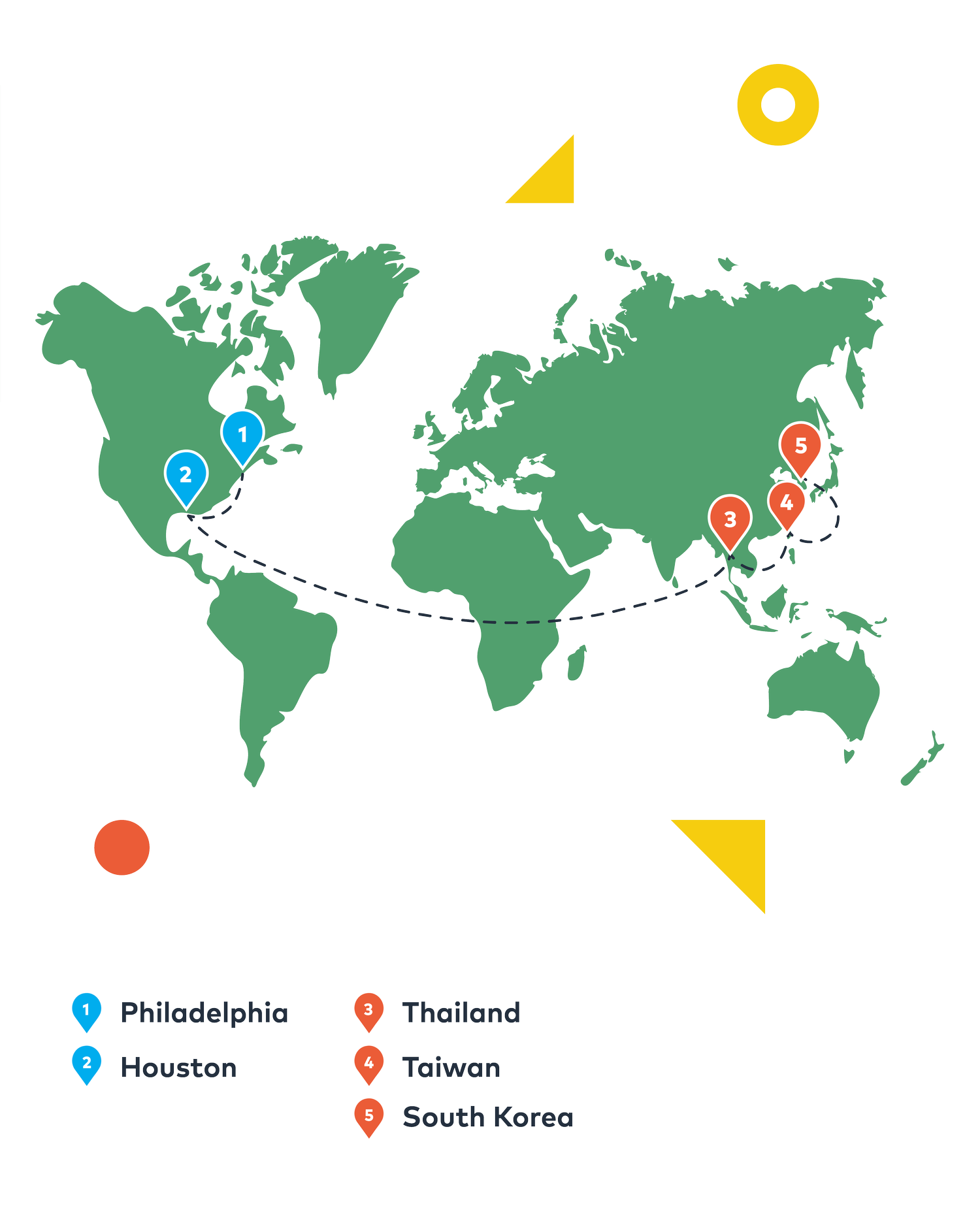
The 2024 Educator Summit series will begin in the United States on October 1st at the Lavazza Training Center in Philadelphia, Pennsylvania, followed by a second event on October 12th in Houston, Texas, hosted by Katz Coffee. The summit will then move to Asia in December, with events scheduled in South Korea, Thailand, and Taiwan.

This one-day conference aims to equip coffee trainers with the latest knowledge and advanced training techniques. This event is an integral part of the SCA’s efforts to support trainers in the specialty coffee community, who play a crucial role in disseminating knowledge throughout the coffee value chain. The summit will focus on enhancing their expertise through the latest research, in-depth exploration of the SCA’s new Coffee Value Assessment, and innovative teaching strategies.

Participants will have the opportunity to develop their teaching skills by simplifying complex concepts and analyzing the SCA’s evolved cupping system. They will also gain a deeper understanding of the sensory science and economics behind coffee assessment.

If you’re a coffee trainer looking to enhance your skills and knowledge, the 2024 Educator Summit is an opportunity not to be missed. Whether you’re in the United States or Asia, this event will serve as a gathering place for professionals dedicated to advancing coffee education, offering you the chance to build a global professional network that will continue long after the summit ends.

National Coffee Month.. Celebrating a Beloved Beverage and Its Impact on Health and Industry

August marks National Coffee Month, a time for coffee lovers across the United States to celebrate one of the world’s most cherished beverages. For millions, coffee is not just a drink; it’s a ritual, a comfort, and a necessary start to the day. But beyond personal enjoyment, National Coffee Month serves as a critical period for the coffee industry, highlighting its economic importance, cultural significance, and the intricate journey from bean to cup.

The Origins and Purpose of National Coffee Month

National Coffee Month was established in the early 2000s by the coffee industry, with support from associations like the National Coffee Association (NCA) and leading coffee brands. The initiative was designed to honor coffee’s place in American culture and to boost awareness of the industry’s economic impact. The choice of August might seem unconventional given the summer heat, but it coincides with the harvest season in several coffee-growing regions, making it an appropriate time to celebrate the global coffee journey.

This month-long celebration was also strategically positioned to stimulate interest during a typically slow sales period. The purpose extends beyond marketing, aiming to educate consumers about coffee’s origins, promote sustainable practices, and encourage the exploration of different coffee types and brewing methods. Coffee shops, roasters, and industry professionals come together to offer promotions, tastings, and events, engaging both seasoned enthusiasts and newcomers alike.

The Health Benefits of Coffee: More Than Just a Morning Pick-Me-Up

As a staple in many American households, coffee is revered not only for its rich flavor and energizing effects but also for its potential health benefits. While coffee is often appreciated for its ability to boost energy and enhance focus due to its caffeine content, research has shown that it offers numerous other health advantages, primarily attributed to its antioxidant properties.

Studies have associated regular coffee consumption with a reduced risk of several diseases, including Type 2 diabetes, Alzheimer’s disease, fatty liver disease, and certain cancers, such as breast cancer. When compared to tea, which also boasts health benefits, coffee often delivers a stronger caffeine punch, resulting in more immediate energizing effects. Both beverages, however, offer impressive antioxidant activity, making them valuable additions to a healthy diet.

Moderation and Mindful Consumption

Despite the positive aspects of coffee, moderation remains key. Overconsumption can lead to negative side effects such as anxiety, digestive issues, and disrupted sleep patterns. For those sensitive to caffeine, even small amounts can cause jitters or an increased heart rate. It’s also important to be mindful of the added sugars and creams often used in coffee, which can negate some of its health benefits and contribute to weight gain if consumed in excess.

Recent studies, such as one from Zydus Medical College in India, have suggested that consuming more than 400 mg of caffeine per day—equivalent to about four cups of brewed coffee—may increase the risk of heart disease in otherwise healthy individuals. This study highlights the need for individuals to monitor their caffeine intake and recognize the signs of overconsumption, such as elevated heart rates and blood pressure.

While these findings might seem concerning, it’s essential to remember that coffee, when consumed in moderation, can still be part of a healthy lifestyle. The FDA recommends limiting daily caffeine intake to no more than 400 mg, which is roughly four cups of brewed coffee. It’s also worth noting that the effects of caffeine can vary greatly depending on individual tolerance and metabolism.

How to Get the Most Out of Your Coffee Fix

To maximize the health benefits of coffee while minimizing potential negative effects, consider the following practices:

  1. Limit Your Intake: Aim to consume no more than three to four cups of coffee daily, depending on your caffeine tolerance. Excessive consumption can lead to anxiety, jitters, and disrupted sleep patterns.
  2. Be Cautious with Additives: Avoid high-calorie sweeteners and unhealthy fats. Opt for natural choices like plain dairy milk or plant-based alternatives, and consider using natural sweeteners like stevia in moderation.
  3. Give Yourself a Brew Curfew: To avoid disrupting your sleep, limit coffee consumption to the morning and early afternoon. Caffeine has a half-life of 3 to 10 hours, meaning even an afternoon cup can affect your ability to fall asleep.
  4. Brew at Home: Brewing coffee at home gives you control over ingredient quality and portion sizes. It’s also more cost-effective over time and allows you to explore organic or specialty beans that cater to your taste.
  5. Savor Your Coffee Ritual: Whether at home or on the go, take time to enjoy your coffee mindfully. Focus on its aroma and flavor, and pay attention to how your body responds to it.

The Cultural and Economic Significance of National Coffee Month

Beyond health, National Coffee Month is a time to celebrate coffee’s cultural impact. The way coffee is consumed varies widely across the globe, from the fast-paced espresso culture of Italy to the leisurely coffee houses of Vienna. In the United States, coffee culture is diverse and dynamic, with a growing emphasis on specialty coffee and innovative brewing methods.

For the coffee industry, National Coffee Month provides a platform to address critical issues such as fair trade, sustainability, and the economic challenges faced by coffee producers, particularly in developing countries. As consumers become more conscious of where their coffee comes from, there is increasing demand for transparency and ethical sourcing. This month offers an opportunity for brands to highlight their commitments to these values and showcase initiatives that support farmers and protect the environment.

The Future of Coffee: Challenges and Opportunities

As we celebrate National Coffee Month, it’s also important to consider the future of coffee. The industry faces significant challenges, including climate change, economic instability, and evolving consumer preferences. However, it is also a sector characterized by resilience and innovation. Efforts to reduce the environmental impact of coffee production and promote sustainable farming practices are gaining momentum, while the rise of specialty coffee is driving interest in single-origin beans and new processing methods.

Conclusion

National Coffee Month is a celebration of more than just a beloved beverage. It’s a recognition of the global journey that coffee undertakes from farm to cup, the cultural traditions it fosters, and the economic importance it holds. As we enjoy our favorite brew this August, let’s also reflect on the history of this celebration, the health benefits of coffee, and the challenges and opportunities that lie ahead for this industry. From its humble beginnings as a strategic initiative to its current status as a cultural phenomenon, National Coffee Month serves as a reminder of the enduring power of coffee to connect us all.

The Economic and Social Context in Britain and Its Impact on the Coffee Industry

In recent years, the British economy has undergone significant changes that have affected the labor market in general and the coffee industry in particular. Brexit and its associated economic repercussions, such as increased import costs and changes in labor and immigration policies, have had a substantial impact on the hospitality sector. These changes have placed increasing pressure on businesses in the coffee industry, especially those that rely on foreign labor.

Challenges Facing the Coffee Industry in Britain

The coffee industry in Britain faces a range of challenges that go beyond labor unions. Among these challenges are the rising rental costs in major cities like London, which place immense financial pressure on small and medium-sized coffee shops. Additionally, there are significant fluctuations in global coffee prices due to climatic and political factors, adding further burden to production costs.

The Growing Role of Specialty Coffee in Britain

In recent years, Britain has seen a marked increase in the popularity of specialty coffee, with consumers becoming more aware of the quality of the coffee they drink. This shift towards specialty coffee has not only changed market dynamics but has also affected labor relations within coffee shops. The skills and knowledge required to prepare specialty coffee have become essential, leading workers to seek greater recognition for their work and improved working conditions.

The Impact of Old Legislation on Unionization in the Coffee Sector

Labor unions in Britain are hindered by legal restrictions dating back to the Thatcher era, making it extremely difficult to organize workers in large companies like Starbucks and Costa. The current law requires that a majority of the entire workforce of a company vote in favor of unionization, meaning that unions must recruit thousands of members to achieve this. This requirement makes unionization a significant challenge, especially given the low awareness among workers of their union rights.

The Role of Technological Advancements in Empowering Workers

Technology is playing an increasingly important role in empowering workers in the coffee sector, providing social media platforms and digital communication channels as a means for workers to connect and organize themselves away from management’s scrutiny. These tools have become vital in unionization efforts, allowing workers to share information and coordinate activities quickly and effectively.

The Future of Unions in the British Coffee Industry

Despite the numerous challenges facing labor unions in Britain’s coffee industry, there are genuine opportunities for positive change. The shift towards specialty coffee and the growing awareness among workers of their rights could form the basis for a stronger union movement in the future. Additionally, Britain may witness changes in labor legislation under pressure from unions and advocacy groups, which could facilitate unionization efforts in the future.

Conclusion

While the coffee industry in Britain faces significant challenges regarding union organization, there are opportunities to improve working conditions and strengthen unions in this sector. By raising awareness of the importance of union organization and effectively utilizing technology, workers can make tangible progress toward better rights and a more sustainable future.