Redefining Vietnamese Coffee: Catherine Phan’s Global Mission

From the verdant hills of Vietnam’s Central Highlands to the bustling coffee culture of Dubai, Catherine Phan’s journey is a testament to the transformative power of passion and purpose. Rooted in the soil of a country renowned for its coffee heritage, Catherine’s story weaves together childhood memories, cultural pride, and an unwavering commitment to showcasing the unique richness of Vietnamese coffee. Her dedication transcends borders, bringing Fine Robusta and other specialty Vietnamese brews into the spotlight on the global stage.

In this captivating dialogue, Catherine shares her experiences, insights, and vision for the future of Vietnamese coffee. With a spirit fueled by her heritage and a keen eye for innovation, she reveals how a cup of coffee can tell the story of a nation.

Join us as we dive into an inspiring conversation with Catherine Phan—a coffee specialist, cultural ambassador, and advocate for the unsung flavors of Vietnam. Sit back, savor the aroma of her words, and enjoy this fascinating dialogue!

Catherine, your journey into the world of specialty coffee began when you were just five years old in the Central Highlands of Vietnam. Can you tell us more about how those early experiences shaped your passion for coffee?
I was born in the North of Vietnam, but my family moved to the Central Highlands when I was five years old. At that time, the region was surrounded by forests, hills, and vast lands. The fruits we knew best were coffee cherries and cashews. Back then, coffee was just another fruit to me; I didn’t realize its potential to energize or its value as a commodity. We used to eat coffee cherries and cashew fruits as snacks, but I never had the chance to drink coffee. In 1994, coffee was priced at $2—a high value that drew people to the Highlands to cultivate it. These early years planted the seeds of my connection with coffee, even if I didn’t understand it yet.

You’ve described Vietnamese coffee culture as “unique and diverse.” In your opinion, what makes it stand out compared to coffee cultures in other parts of the world?
Vietnamese coffee culture stands out for its unique combination of natural conditions, diversity in coffee varieties and processes, and its distinct brewing traditions. Vietnam’s Bazan soil, favorable climate, and optimal altitudes create the perfect environment for cultivating high-quality coffee. Vietnam is home to a wide range of coffee, including Robusta, Arabica, and specialty Fine Robusta varieties, which boast premium quality. The traditional phin filter is a hallmark of Vietnamese coffee culture, often paired with condensed milk to create our iconic cà phê sữa đá (iced coffee). Variations like egg coffee and modern twists further highlight the creativity and adaptability of Vietnamese coffee culture.

What inspired you to leave a career in the banking sector and dedicate yourself entirely to coffee? Was it a difficult decision?
For the people of the Central Highlands, coffee is more than a crop—it’s a livelihood, a memory, and a legacy. Growing up, I witnessed the hard work of farmers and the deep connection they shared with coffee. When I moved to Dubai, I realized that Vietnamese coffee—despite our status as the second-largest coffee exporter globally—was largely unknown. Our high-quality Fine Robusta remained unnoticed. This realization was a turning point. I felt a responsibility to share our story, elevate the perception of Vietnamese coffee, and support farmers back home. The decision wasn’t easy, but my passion for coffee and my belief in its potential made it the right choice.

How has your experience as a specialty coffee specialist allowed you to contribute to spreading Vietnamese coffee culture globally?
Being a specialty coffee specialist has enabled me to introduce the world to the unique aspects of Vietnamese coffee. Whether it’s showcasing Fine Robusta’s fruity notes or demonstrating traditional brewing methods like the phin filter, I’ve shared the richness of our coffee culture. Through events, collaborations, and education, I’ve worked to build recognition for Vietnamese coffee and its incredible quality. My mission remains to support our farmers and demonstrate why Vietnam deserves a prominent place in the global specialty coffee market.

Vietnam is one of the largest coffee producers in the world. Can you shed light on the current state of the coffee sector in Vietnam? What are its strengths and challenges?
Vietnam is renowned as the second-largest coffee producer globally, primarily known for its robust Robusta beans. Recently, there’s been a significant push towards specialty coffee, with younger farmers taking the lead in innovation and quality improvement. However, challenges remain, such as volatile market prices, intense competition, and limited global recognition for our specialty coffee. Despite this, the energy and creativity of young farmers are helping Vietnam gain attention for its unique flavors and high standards.

How do you see Vietnamese coffee positioning itself in the global specialty coffee market, particularly in comparison to other major coffee-producing countries like Brazil, Colombia, or Ethiopia?
Vietnamese specialty coffee, particularly Fine Robusta, is carving a niche in the global market. Unlike Brazil or Colombia, which are known for Arabica, Vietnam’s Fine Robusta stands out for its distinct fruity aroma and balanced flavor profile. It offers a light yet strong sensation with a moderate body, setting it apart from other varieties. This uniqueness is helping Vietnam gain recognition on the global coffee map.

Coffee plays a significant role in Vietnam’s economy and culture. Can you share your perspective on what coffee means to Vietnamese people, both as a product and as a tradition?
Coffee is deeply ingrained in Vietnamese life. Economically, it transforms lives, providing farmers with sustainable livelihoods and supporting education. Culturally, coffee is a tradition that fosters community and connection. The phrase, “Đi uống cà phê không” (“Shall we grab a coffee?”), is an invitation to bond and converse, reflecting its role in our daily lives.

What efforts are being made to support coffee farmers and promote sustainability in Vietnam’s coffee sector?
Efforts include sustainable farming training, fair trade initiatives, and eco-friendly processing methods to reduce environmental impact. By improving crop quality and promoting fair practices, we aim to uplift farmers and ensure the long-term success of our coffee sector.

How do you see the future of Vietnamese coffee evolving, especially in terms of specialty coffee? What opportunities or threats do you foresee?
The future is bright for Vietnamese coffee, especially as global appreciation for Fine Robusta grows. Opportunities lie in premium markets and sustainable practices. However, challenges like climate change, fluctuating prices, and competition demand innovation and resilience.

What inspired your decision to move to Dubai?
Dubai’s vibrant business environment and international market align perfectly with my goal of promoting Vietnamese coffee globally. It offers incredible opportunities to connect with a wide audience and introduce them to our unique products.

How do you find the coffee market in Dubai? What are your thoughts on its growth and the level of appreciation for specialty coffee?
Dubai’s coffee market is highly developed but competitive. While specialty coffee is appreciated here, Vietnamese coffee remains relatively unknown—an exciting opportunity for us to introduce something entirely unique.

How do you see yourself contributing to and engaging with Dubai’s dynamic coffee community?
I actively participate in fairs, provide business solutions for coffee sellers, and share Vietnamese brewing techniques and recipes. By promoting Fine Robusta, I’m offering the community a fresh perspective on specialty coffee.

Do you believe there is an opportunity for Vietnamese coffee to gain more recognition in Dubai and the Middle East?
Absolutely. With its distinct flavor profiles and rich culture, Vietnamese coffee has great potential. By educating consumers and engaging with the market, we can create a strong presence in the region.

What advice would you give to aspiring coffee professionals, particularly those from Vietnam?
Focus on quality, embrace innovation, and share your culture. Understanding global trends and building connections are crucial. Passion and storytelling will set you apart and make a lasting impact.

Finally, what message would you like to share with coffee lovers around the world about Vietnamese coffee and its rich heritage?
Vietnamese coffee is a journey of bold flavors and deep traditions. It’s a connection to our heritage and a source of joy. I invite everyone to explore and appreciate the unique story of our coffee.
Coffee Classified as Healthy: What’s Behind the FDA’s New Rules?

Coffee lovers have a new reason to celebrate. In late 2024, the U.S. Food and Drug Administration (FDA) updated its criteria for labeling foods and beverages as “healthy,” officially including coffee in the list. But what does this really mean for the beverage we’ve cherished for centuries? And in an industry already filled with bold health and ethical claims, how might this new designation reshape the way we view coffee?

What’s Behind the FDA’s Decision?

The FDA’s updated guidelines aim to reflect current nutritional science, which has evolved significantly since the previous standards were set in 1994. Foods like salmon, eggs, and now coffee have been added to the “healthy” category, provided they meet certain criteria. For coffee, this means it must contain fewer than five calories per serving, aligning it with other calorie-free beverages like water and tea.

This move by the FDA acknowledges the growing body of research exploring coffee’s potential health benefits. Numerous studies suggest that coffee drinkers may enjoy longer, healthier lives. However, the science behind these claims is complex, and the conversation about coffee’s health implications has been ongoing for decades.

Coffee’s Longstanding Dance with Health and Ethics

Coffee has always existed at the crossroads of health, culture, and commerce. For years, brands have marketed coffee with terms like “organic,” “mold-free,” or “direct-trade,” words often left undefined and unregulated. The same ambiguity extends to health claims, where buzzwords like “clean energy” and “bulletproof” tap into trends but don’t always hold up to scrutiny.

Now, with the FDA’s “healthy” label in play, the question arises: will this term be yet another marketing tool in the coffee industry’s already vast lexicon? Will we see more packaging touting health benefits without addressing the deeper issues that plague the coffee supply chain, such as fair wages for farmers or environmental sustainability?

The Complexities of Labeling Coffee as “Healthy”

The term “healthy” is federally regulated in the U.S., requiring products to meet specific nutritional standards. While this might seem straightforward, the process of defining such terms is often influenced by powerful industry players. Reports have shown that experts shaping dietary guidelines may have financial ties to food and beverage companies, raising concerns about objectivity.

Although the FDA’s updated guidelines aim to focus on nutrient-dense foods, the coffee industry has been quick to embrace this change. Organizations like the National Coffee Association, representing some of the largest players in the market, have celebrated the move, seeing it as a win for one of the nation’s favorite beverages.

But the debate doesn’t stop there. Beyond health, the coffee industry frequently leans on moral claims to market its products. Words like “ethical,” “fair trade,” and “sustainable” are often used without clear definitions or accountability. Even certifications like Fair Trade are subject to interpretation, making it challenging for consumers to discern the real impact behind these labels.

What Does the Future Hold?

The FDA’s new labeling rules could set the stage for a wave of marketing campaigns positioning coffee as a health-conscious choice. While this might make consumers feel better about their daily cup, it risks overshadowing critical issues like climate change, farmer exploitation, and supply chain inequalities.

Additionally, the FDA plans to introduce a symbol for products that meet the “healthy” criteria. This could spark competition among coffee brands to claim their products as superior health options, adding yet another layer of complexity for consumers navigating the coffee aisle.

Why It Matters

Coffee’s newfound “healthy” status might seem like a win for fans of the beverage, but it also highlights the broader challenges of labeling and marketing. Terms like “healthy,” “ethical,” and “sustainable” can often feel hollow without transparency and accountability. To truly support a better coffee industry, it’s essential to look beyond the buzzwords and ask tough questions: Where is this coffee sourced? How does it impact farmers and the environment? Is the health claim grounded in evidence, or is it just another marketing gimmick?

As the industry continues to evolve, consumers must remain vigilant. Labels can be powerful tools, but they’re only as meaningful as the practices behind them. Coffee has the potential to be more than just a healthy beverage—it can also be a force for good in the world. Let’s ensure we keep that in focus.

Mellody Hobson Steps Down After Two Decades on Starbucks’ Board of Directors

Mellody Hobson, who has been instrumental in shaping Starbucks’ global expansion and resilience for nearly 20 years, is stepping down from the company’s Board of Directors. Having joined in 2005, her tenure spanned pivotal moments in the company’s history, including navigating financial challenges, the pandemic, and a dramatic scaling of operations.

During Hobson’s time on the board, Starbucks grew from operating 10,200 stores across 34 markets to over 40,200 outlets in 88 countries, with ambitious plans to reach 55,000 locations by 2030. Her strategic insights and leadership were crucial in steering the company through critical periods of transformation and adversity.

Reflecting on her decision to step away, Hobson expressed confidence in the company’s current leadership and the future direction it is taking. She emphasized the importance of providing continuity for the company by allowing a new Lead Director to guide Starbucks through its next phase of growth. Despite her departure, Hobson remains deeply connected to the company as an investor, noting her commitment by retaining all her shares since she first joined the board.

In addition to her contributions to Starbucks, Hobson has made a significant impact in the financial world. She serves as Co-CEO and President of Ariel Investments, an investment management firm based in Chicago, where she has held leadership roles for over two decades.

Hobson’s departure marks the end of an era for Starbucks, but her legacy of steady leadership and vision continues to resonate as the company moves forward with ambitious goals in the global coffee industry.

Navigating Brexit’s Impact on the UK Coffee and Hospitality Industry

The UK’s decision to leave the European Union (EU) marked a significant turning point for many industries, including coffee and hospitality. Years after Brexit, businesses in these sectors continue to adapt to new trade realities, workforce challenges, and economic shifts brought on by this historic change. For some, Brexit symbolized a reclaiming of sovereignty and control. For others, it has been seen as a step backward economically. While opinions remain divided, the practical effects of Brexit are now clearer: businesses face increased bureaucracy, trade barriers, and staffing shortages due to the end of free movement and single-market access. These changes came alongside global challenges such as the Covid-19 pandemic and inflationary pressures, complicating the landscape further. Industry experts note that the overlapping crises have made it difficult to pinpoint the unique impacts of Brexit on the economy.

The departure from the EU has placed added strain on consumer spending power, with rising costs and limited disposable income affecting businesses across the board. Analysts have reported that economic growth in the UK has been slower than expected, and some studies suggest households are bearing the financial burden of this shift. The coffee and hospitality sectors, in particular, have been forced to adjust pricing strategies to account for higher operational costs, including imports and energy.

The coffee and hospitality industries have long relied on a diverse workforce, including many employees from EU countries. Since Brexit, staffing shortages have become a pressing issue. The reduction in EU workers has been especially pronounced in urban centers like London, where they once formed a significant portion of the hospitality workforce. Although businesses initially faced challenges replacing these workers, some industry leaders believe the broader decline in interest in hospitality jobs has also contributed to ongoing recruitment struggles.

New trade regulations have introduced complexities for businesses importing coffee, equipment, and supplies. Customs paperwork, tariffs, and compliance measures have driven up costs and increased the risk of delays. Some companies report needing to hold larger stock inventories to avoid disruptions. Exports to the EU have also become more complicated, with smaller businesses struggling to navigate the added administrative burdens. Many have shifted their focus to domestic markets or non-EU trading partners.

Despite these obstacles, UK coffee and hospitality businesses have demonstrated resilience and adaptability. Companies have streamlined operations, invested in training programs, and explored new strategies to remain competitive. Initiatives such as community-focused training academies and partnerships with local talent have helped address staffing challenges while fostering innovation.

While the UK has signed new trade agreements with countries like Australia and New Zealand, the EU remains its most significant trade partner. Businesses must now navigate a more complex and regulated trading environment, making efficiency and planning more critical than ever. Some industry voices are calling for simplified customs processes to mitigate delays and reduce costs. Others emphasize the importance of reducing bureaucratic hurdles to allow businesses to thrive in a global market.

Brexit’s full impact on the coffee and hospitality industries continues to unfold. While external factors such as global conflicts and pandemics have amplified challenges, Brexit-specific issues like trade barriers and workforce shortages remain key concerns. Still, the resilience of UK businesses is evident. With a focus on innovation, community engagement, and adaptability, the coffee and hospitality sectors are finding ways to navigate these turbulent times and lay the groundwork for future growth.

Coffee Industry Commits $10 Million to Secure Sustainable Supplies

Investment in coffee breeding and seed systems to drive origin diversity, sector growth, and climate resilience

World Coffee Research (WCR) announced today that the global coffee industry has renewed its $10 million commitment to bolster coffee breeding and seed sector programs worldwide. With over 190 member companies spanning 29 countries, WCR is calling on governments to partner with the industry in agricultural R&D investments. This collaboration aims to enhance farmers’ productivity, reduce coffee agriculture’s environmental footprint, and preserve consumer choice.

A Growing Need for Innovation Amid Challenges

Global coffee commodity prices have surged to nearly 50-year highs, driven by production challenges such as extreme weather, pests, and disease. These pressures underscore the urgent need for innovative technologies to help farmers overcome these obstacles. Yet, many farmers lack access to improved plant varieties, leaving them ill-equipped to adapt. According to WCR, the global coffee sector faces a staggering $452 million annual gap in agricultural R&D funding.

Recognizing the critical role of innovation, WCR’s multi-year commitments have enabled the launch of two global coffee breeding networks for arabica and robusta. These networks involve 11 producing countries, collectively responsible for 43% of global coffee exports. By 2030, these initiatives are expected to deliver 100 improved arabica varieties, with robusta advancements to follow, ensuring stable supplies from diverse origins.

Industry Leaders Advocate for Public-Private Collaboration

“As a family-owned American company for over 105 years, Community Coffee understands the critical importance of investing in agricultural innovation to protect the future of our business, advance prosperity for farmers, and deliver sustainability and quality for our customers,” said Matt Saurage, Chairman of Community Coffee. “We’re proud to stand with over 200 fellow WCR member companies to invest in the future of coffee. We also look forward to partnering with governments worldwide to make this vision a reality.”

Coffee companies emphasize that government co-investment in agricultural R&D and seed systems is vital to scale agricultural innovation. Public-private partnerships can address the long-standing funding gap and drive transformational benefits for farmers, industries, and economies.

“For decades, we’ve invested in pre-competitive research and development to help coffee farmers build resilience to climate challenges,” said Monique Oxender, Chief Corporate Affairs Officer at Keurig Dr Pepper and a WCR board member. “There’s still more to be done. Public-private partnerships can close coffee’s innovation gap, scale solutions, and protect millions of livelihoods.”

Momentum Builds for Global Support

The call for action comes amid a wave of public commitments to support coffee R&D. In 2024, G7 countries highlighted the importance of public sector involvement in agricultural innovation, endorsing investments in research, policy reforms, and smallholder farmer support. That same year, USAID committed $5.4 million to a partnership between Cornell University and WCR to enhance coffee breeding efforts, while Germany’s GIZ allocated €1.2 million to strengthen Ethiopia’s national coffee breeding program.

William “Bill” Murray, President and CEO of the National Coffee Association (NCA), reinforced the importance of these investments: “There is no coffee without thriving coffee farmers and healthy coffee plants. Investments like these are essential for the 63% of American adults who enjoy coffee daily and the 2.2 million U.S. jobs created by the coffee sector.”

Driving the Future of Coffee Innovation

In 2025, WCR’s 190+ member companies reaffirmed their commitment to a sustainable coffee future, collectively pledging over $10 million to the organization through 2027. This includes three-year commitments from leading companies such as Coffein Compagnie, Counter Culture Coffee, Intelligentsia Coffee, JDE Peet’s, Keurig Dr Pepper, Starbucks Coffee, and Tchibo.

These investments are driving WCR’s collaborative R&D agenda, which is on track to reshape the global coffee landscape. The next generation of coffee varieties promises to ensure resilient farming systems, enhanced productivity, and a diverse origin portfolio.

“Together, the coffee industry and governments can deliver the solutions needed to secure coffee’s future for farmers, businesses, and consumers alike,” said Oxender.

Brewing Excellence: A Conversation with Elena Hess

What drives a philology graduate to transition from the world of literature to the vibrant and fast-paced coffee industry? Meet Elena Hess, a passionate trailblazer redefining training and quality in the coffee world. As the Head of Learning and Development at Drinkit in the UAE, Elena brings a unique perspective shaped by her experiences in Russia, Kazakhstan, and Dubai. Her journey from a barista assistant to an industry leader is a story of curiosity, resilience, and a deep commitment to building communities and cultures within the global coffee scene.

In this exclusive interview, Elena shares her insights into her journey, the challenges of creating a training system across cultures, and her vision for empowering teams to achieve excellence.

Who is Elena Hess? What can you tell our readers about yourself?

My name is Elena Hess, and I am the Head of Learning and Development at Drinkit in the UAE region. Drinkit is a coffee shop chain with locations in Russia, Kazakhstan, and the UAE, currently totaling 59 coffee shops (as of January 2025).

I joined the coffee industry four years ago, coming from a background in philology and literature. Starting as a barista assistant, I quickly developed my skills and became a trainer within the network just a year later. I led training sessions and workshops, which deepened my understanding of the industry’s needs and taught me how to connect with people effectively.

In Russia, I trained over 150 people in cities like Samara and Moscow, participated in industry events such as championships and SCA courses, and volunteered at Q-cupping competitions. A year ago, I moved to Dubai, eager to contribute my expertise to the local coffee community.

Throughout my career, I’ve worked across various coffee shop formats, from specialty coffee chains to “to-go” networks with over 650 locations. My experiences taught me that principles and values are the foundation of any successful company, even as standards and trends evolve.

Why did you decide to get into training and quality control in the coffee industry?

In Russia, many young people see jobs in the coffee industry as temporary but often stay long-term. I joined at 21, a bit later than most, but it was a conscious decision. I wanted to understand the Horeca sector and was fortunate to start with Korzh, a chain that valued training and employee satisfaction.

As I delved deeper into the complexities of coffee—its cultivation, processing, and transportation—I developed a profound respect for the industry. I felt a responsibility to honor the efforts of everyone in the supply chain and pass that dedication to our guests.

Attending events like the Coffee Tea Cacao Expo and watching barista championships inspired me further. I saw how discipline, passion, and support combined behind the scenes and realized I wanted to play a role in nurturing talent in the industry.

Six months into my journey, I began setting quality standards by example. I shared my knowledge enthusiastically, conducted masterclasses, and eventually became a trainer. It was clear to me that passing on knowledge was just as important as gaining it.

How did your work in Russia help you in your current role in Dubai?

In my current role, I focus on preparing trainers who, in turn, teach teams, monitor quality, and conduct training sessions. My experience working with diverse students in Russia helps me guide trainers to adapt their methods to different learning needs.

For example, interns eager to learn require gradual support to avoid burnout. Experienced employees, on the other hand, may need help aligning with company standards while respecting their expertise. In cases where trainees surpass their trainers in skills, it’s essential to remind both parties of the value of shared learning and the trainer’s role in upholding corporate standards.

These experiences have taught me the importance of fostering confidence, mutual respect, and a collaborative approach to learning.

What challenges did you face while creating the training and quality control system at Drinkit?

When I joined Drinkit Dubai, the training system was underdeveloped due to limited resources and the small team size. My goal was to adapt the comprehensive system from Russia to suit the Dubai market and prepare the team for growth.

The main challenge was the language barrier. Many employees spoke English as a second or third language, which doubled the time needed for training. Written materials were less effective, so we shifted to video and photo instructions with concise checklists.

We also introduced mentoring basics for trainers, guiding them on how to identify mistakes, explain standards, and teach techniques effectively. Over time, we implemented an online training platform with courses and in-person sessions.

Today, the system supports employees at all levels, from trainees to coffee shop leaders. Out of 20 team members, 8 are now certified trainers, and 5 are coffee shop leaders. These results demonstrate the system’s success.

How do you work with different cultures and nationalities within the team?

In Dubai, multiculturalism is a daily part of work. To foster harmony, we build our team around shared principles and values, such as respect, kindness, and trust.

At Drinkit, we value each team member’s unique background and experiences. Mistakes are treated as opportunities for growth, creating a safe environment where everyone feels valued and inspired.

This approach turns cultural diversity into a source of strength. Our baristas learn from one another’s traditions and even show interest in learning Russian culture and language.

What are the key skills needed by baristas and managers to be successful?

Success in the coffee industry requires several key qualities:

  • Curiosity: A genuine interest in learning and exploring new ideas.
  • Willingness to make mistakes: Mistakes are essential for growth.
  • Focus and perseverance: Long-term goals require consistent effort.
  • Prioritization: The ability to manage multiple tasks effectively.
  • Empathy and kindness: Building positive experiences for guests and colleagues.

What are your plans to improve training and quality at Drinkit Coffee?

We have an internal Wikipedia for training materials, and I plan to make it more user-friendly. I also aim to create a YouTube channel featuring training videos and content about coffee shops, coffee processing, and roasteries.

In 2025, we will launch an internal brewing championship with rules, regulations, and prizes. Additionally, I plan to visit coffee farms to create educational videos for our platform.

My ultimate goal is to strengthen our team of leaders and trainers so they can independently manage and grow successful coffee shops.

Conclusion:
Elena Hess’s journey from literature to coffee is a testament to the power of passion and dedication. Her commitment to quality, training, and fostering a collaborative culture shines through every aspect of her work at Drinkit. As she continues to innovate and inspire, Elena is undoubtedly brewing a brighter future for the coffee industry.

illycaffè preIllycaffè Unveils Regenerative Agriculture Coffee at Sigep 2025sents at Sigep 2025 the first coffee produced 100% with regenerative agriculture, certified by regenagri®

Sustainability and innovation take center stage at the illy stand, featuring a schedule of events with special guests, including Andrea Aprea, illy Chef Ambassador

illycaffè, a global leader in sustainable, high-quality coffee, will participate in the 46th edition of Sigep World – The World Expo for Foodservice Excellence, scheduled from January 18 to 22, 2025, at the Rimini Exhibition Centre, with a dedicated space and a series of events showcasing the company’s ongoing commitment to sustainability and innovation.

As part of its efforts to mitigate the effects of climate change, illycaffè has long championed regenerative agriculture – a set of agronomic practices aimed at reducing environmental impact, restoring soil fertility, and increasing biodiversity, all while ensuring stable income for producers. This vision has become reality with Arabica Selection Brazil Cerrado Mineiro. At Sigep World, the new 1.5 kg whole bean can for the Horeca channel will be unveiled, offering consumers who value sustainability and coffee origin the opportunity to enjoy coffee produced 100% through regenerative agriculture, certified by regenagri®.

Sustainability meets innovation with Illetta, the iconic professional coffee machine designed by Antonio Citterio and launched in the Italian market in 2024. Illetta reinvents the bar coffee experience thanks to its revolutionary technology, enhancing the coffee quality and ensuring exclusive customization, while adhering to the highest standards of design and sustainability.

Visitors to the stand can also explore the company’s sustainable portioned offerings for the out-of-home sector, including the professional machine illy X2.2 designed for use with E.S.E. pods. Attendees will gain insight into how illycaffè, the first Italian coffee company to obtain B-Corp certification, concretely applies the principles of environmental and social responsibility.

The stand will also feature a dedicated Bar Area, hosting a program of events led by the Università del Caffè, involving special guests from the worlds of coffee, pastry, and haute cuisine.

Full event schedule:

Sunday, January 19

h 11 AM – Andrea Aprea: the value of innovation in gastronomic philosophy of the Chef Ambassador

h 3 PM – Carmen Vecchione: the sustainable tiramisu bridging ethics and tradition

Monday, January 20

h 10 AM – Luigi Biasetto: time as an ingredient in pairing pastry and coffee

h 3 PM – Denis Buosi: Coffee Ice Cream or Ice Cream Coffee? A sweet exploration of flavors

Tuesday, January 21

h 11 AM – Regenerative Agriculture: a journey with an illy agronomist through sustainability and innovation

h 3 PM – The Gran Crema with illy coffee by Gelato Vivoli in Florence: a classic of excellence

Three Experts Identify the Top 10 Trends Shaping the Coffee Industry in 2025

  • Coffee value to go up by as much as 20% in 2025

  • Growth of Cold Brew, Nitro Coffee and Customized Drink Orders

  • The MENA coffee market is projected to reach $11.5 billion

The value of coffee globally, is predicted to go up by up to 20% in 2025, fueled by ongoing climate change, increasing production costs, and a need to innovate the supply chain, according to three coffee industry experts – Shouq Bin Redha, Exhibition Director, World of Coffee Dubai; Ahmed Bin Sulayem, Executive Chairman and CEO of DMCC, and Khalid Al Mulla, CEO of the SCA’s UAE Chapter.

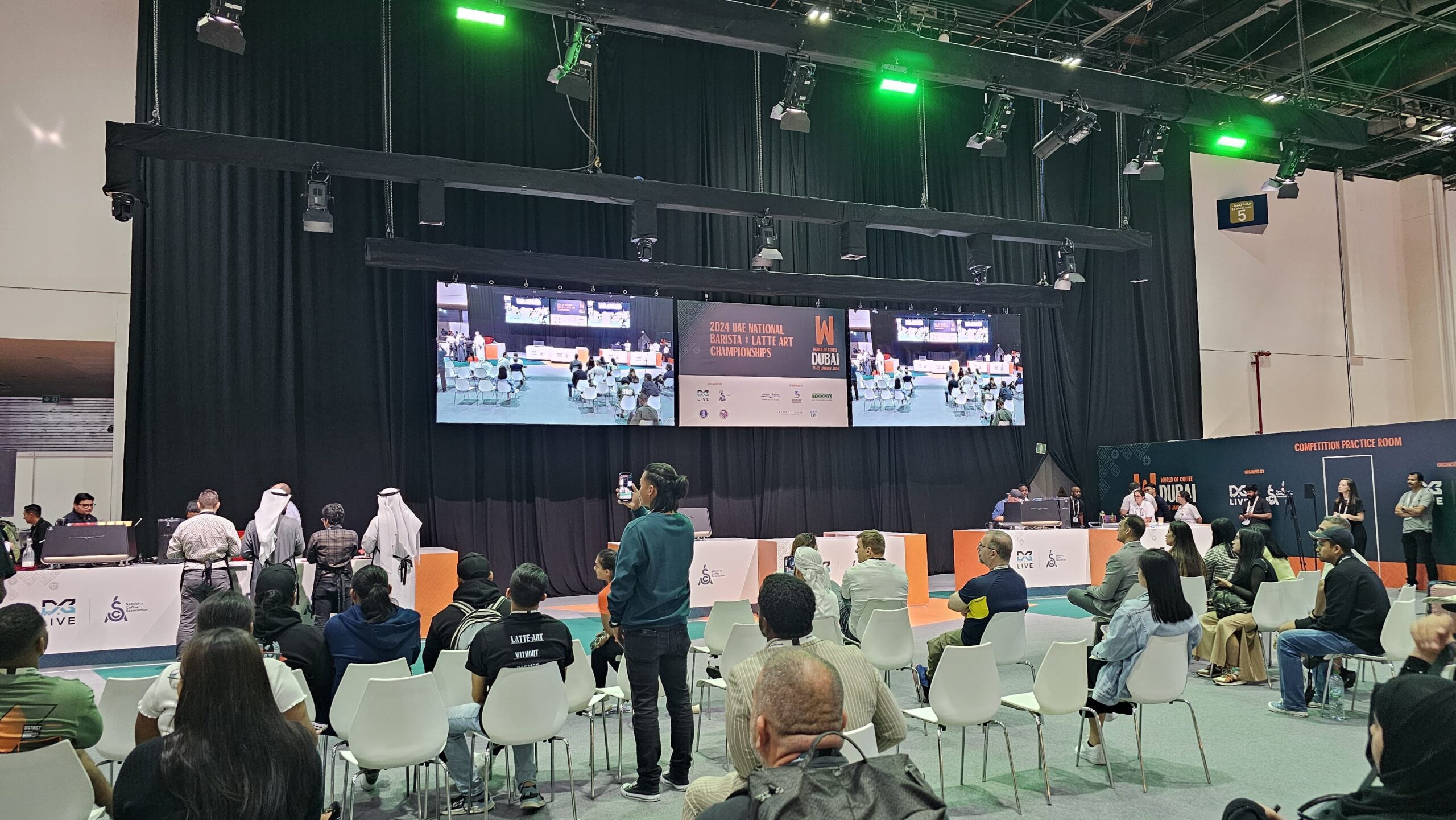
Against this backdrop, World of Coffee Dubai 2025 returns from February 10-12 at the Dubai World Trade Centre, promising to be the most consequential edition yet with the MENA coffee market projected to reach US $11.5 billion in 2025, underscoring the region’s importance to the global coffee landscape. This year’s event will showcase the latest trends, innovations, and the inaugural DMCC Specialty Coffee Auction – a landmark event where the world’s rarest coffee beans will be up for bidding.

Coffee prices have already dramatically increased, with December marking a record high for Arabica beans on the global commodities market. Robusta prices nearly doubled in 2024, reaching $5,694 per metric tonne by late November. Notably, prices for higher-quality Arabica coffee beans have surged by over 80% in just a year, underscoring the pressures on both producers and consumers.

But it’s not just the price that will have a noticeable impact. The three industry experts weighed in on the Top 10 trends for the coffee industry this year.

 Rising Value of Coffee

The value of coffee is expected to increase by up to 20% in 2025 due to climate change, tempered supply chains, and rising production costs. An increase in demand for coffee, particularly in emerging markets like Asia, will drastically influence supply. Shouq Bin Redha, Exhibition Director, World of Coffee Dubai, said: “We are entering an unprecedented time in the coffee industry and everyone will be impacted from farmers to baristas to consumers drinking their morning coffee – the value of coffee will soar.”

  1. Supply Chain Transformation

The high demand for coffee will lead to a transformation in the supply chain, which currently includes slow shipping, labor shortages, and rising transportation costs. These effects have not only raised the value of coffee but also created demand, forcing producers to seek innovative solutions to stabilize supply and maintain quality. Bin Redha said, “The industry must innovate and adapt to build a supply chain that can withstand future demand while meeting growing consumer needs – it’s getting there, and an impact is being felt.”

  1. Sustainability and Ethical Sourcing

As consumers demand more eco-friendly, ethically sourced coffee, brands are adopting sustainable practices such as compostable packaging and third-party certifications. Transparency in these efforts is key to building customer loyalty. Bin Redha stated, “Sustainability is no longer optional – it’s an expectation. Brands that adapt will lead the future of coffee.”

  1. Single-Origin and Specialty Coffees

Consumers are increasingly drawn to high-quality, single-origin coffees with unique flavors. As interest in sustainability and authenticity grows, specialty coffees continue to rise, offering distinct experiences tied to the origins and craftsmanship of each brew. Bin Redha added, “As consumers evolve, they’re not just seeking coffee – they’re seeking stories, flavors, and experiences that connect them to the origin of their brew.”

  1. Growing Coffee Chains

The rise of “coffee culture” is driving the expansion of the coffee franchise market. Growing from $96.6 billion in 2023 to $105.83 billion, the market shows a CAGR of 9.5%. This upward trend is projected to continue, reaching $152.97 billion by 2028 at a CAGR of 9.7%. Ahmed Bin Sulayem, Executive Chairman and Chief Executive Officer of DMCC, commented: “This growth highlights how coffee chains are becoming cultural hubs, shaping communities and redefining the way people connect globally.”

  1. MENA Rising

The MENA region is becoming a key focus in the global coffee trade, with events like World of Coffee Dubai driving the promotion of specialty coffee. The branded coffee shop market in the region grew by 11% last year, led by Saudi Arabia, which accounts for 46% of all outlets. Bin Sulayem, added, “The MENA region is redefining the global coffee landscape, merging its rich cultural heritage with a bold vision for specialty coffee innovation.”

  1. Technological Innovations

Advancements in technology are transforming the coffee industry, with automation in brewing, real-time crop monitoring, and blockchain for bean traceability becoming more widespread. These innovations improve efficiency and transparency, addressing consumer demands for quality and ethical sourcing. Bin Sulayem added, “Technology is bridging the gap between farmers and consumers, ensuring every cup of coffee tells a story of quality, sustainability, and innovation. The advent of AI, in particular, holds vast potential to drive efficiencies and facilitate greater quality control across the coffee supply chain.”

  1. Health-Conscious and Functional Ingredients

The demand for health-oriented coffee is on the rise as consumers increasingly seek functional ingredients like adaptogens, collagen, antioxidants, and nootropics. These products cater to wellness-focused individuals looking to boost overall health. Khalid Al Mulla, CEO of SCA UAE Chapter, commented, “According to the latest research, almost half of coffee drinkers want options with antioxidants, brain-health boosters, and anti-inflammatory benefits or probiotics – we can expect to see this trend grow and spread.”

 Cold Brew and Nitro Coffee Popularity

Cold brew and nitro coffee are on the rise, set to become staples in coffee shops by 2025. In the US, cold drinks made up 75% of Starbucks’ drink sales in its fiscal 2024 third quarter, a significant jump from 37% in 2013. The trend will almost certainly be reflected globally. “The growing demand for cold coffee reflects a shift in consumer preferences toward refreshing flavors and innovative coffee experiences. In addition, the number of specialty cafes in this region is increasing yearly to meet consumer demand driven by a rise in incomes,” explained Al Mulla. “There is a growing demand for the café and coffee shop culture in countries like the UAE, Saudi Arabia, Bahrain, Kuwait, etc.”

  1. Coffee Customization

Consumers are increasingly seeking personalized coffee experiences, prompting brands to offer customizable options that cater to individual tastes and dietary needs. This trend boosts customer satisfaction, with coffee becoming a “little treat” for many, especially Gen Z. Also, 51% of coffee drinkers are interested in syrups and additives. Al Mulla commented, “As coffee becomes more personal, consumers are empowered to create their perfect cup, transforming everyday moments into indulgent experiences.”

About World of Coffee Dubai

World of Coffee Dubai is the premier coffee trade show for exhibitors and visitors looking to break into the Middle East’s burgeoning coffee industry. The event showcases popular features like the Roaster Village, engaging lectures, the Cupping Room, the SCA UAE National Championships, the Coffee Design Awards, the Best New Display Product Competition, Brew Bar, and the SCA Community Lounge, where buyers and sellers come together to reconnect and establish new business relationships. The exhibition welcomes local, regional, and global professionals in the coffee industry including producers, manufacturers, traders, farmers, international experts, distributors, small and medium companies, coffee shops, roasters, hotels, and coffee enthusiasts from around the world.

About DXB LIVE

DXB LIVE, the premier event management and experiential agency of Dubai World Trade Centre (DWTC) offers a comprehensive range of services, providing innovative solutions for all types of events and experiences both within the UAE and internationally. Over the years, DXB LIVE has successfully created a fully integrated and globally recognized experiential environment, driven by its state-of-the-art in-house production facilities and advanced technical expertise. The team covers strategic concept planning, design, and marketing that blends perfectly into a holistic experience for businesses and consumers from around the globe. DXB LIVE, with its global vision, has emerged as a transformative force in Dubai’s event landscape.

Vanúsia Nogueira Predicts Key Trends Shaping the Coffee Industry in 2025

Vanúsia Nogueira, Executive Director of the International Coffee Organization, shared her insights into the future of the coffee sector during an interview with Global Coffee Report.

Nogueira foresees a promising year for coffee production, with harvests expected to stabilize and recover from the impacts of recent climate events. This optimistic outlook is encouraging for producers worldwide.

On the consumer front, demand continues to grow, particularly in the Middle East and Asia. Meanwhile, Generation Z is emerging as a significant force in the coffee market. Known for their commitment to authenticity and transparency, this demographic is reshaping the industry by demanding ethical practices and accountability from businesses across the value chain.

Sustainability remains a cornerstone of innovation in the sector, with regenerative agriculture and circular economy practices gaining traction. These approaches, including water reuse, sustainable energy initiatives, and carbon credit programs, are providing producers with the tools to build a more resilient and sustainable future while diversifying their income streams.

As these trends converge, 2025 is poised to mark a turning point for the coffee industry, emphasizing sustainability, innovation, and deeper connections between producers and consumers.

Nordic Coffee Fest Returns to Gothenburg for Its Second Year in 2025

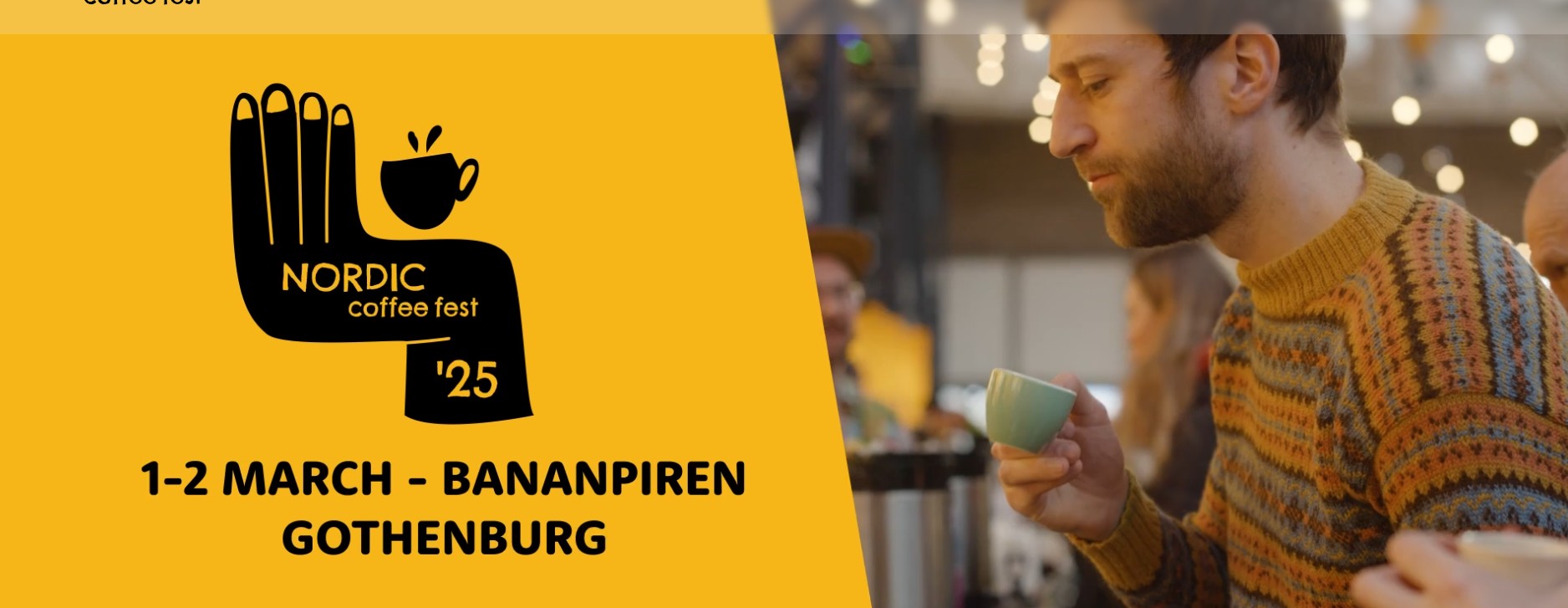
The Nordics’ biggest coffee festival is back for its second edition! After a highly successful debut in February 2024, the Nordic Coffee Fest is set to return on March 1-2, 2025, at the iconic Bananpiren in Gothenburg. This year’s event promises to double in size and place an even stronger emphasis on sustainability, offering a rich experience for coffee lovers of all levels.

Building on last year’s achievements, the festival will feature:

  • Exhibitors from around the globe
  • The popular Roasters Village
  • Interactive workshops, lectures, and cupping sessions
  • The 2nd annual Nordics Best Roaster Competition, with 27 top roasters competing for the prestigious title

Two Stages of Coffee Expertise
Attendees can look forward to educational content from renowned industry figures, including:

  • Coffee YouTuber Lance Hedrick (USA)
  • Coffee Tasting World Finalist Freda Yuan (UK)
  • Brewing demonstrations and tutorials by Amanda Geld, Swedish AeroPress Champion Elin Karlsson, and the team from Brew Journal

Introducing the Barista School
New for 2025, the Barista School offers free 15-minute masterclasses, providing hands-on learning in latte art, espresso techniques, filter coffee, and manual brewing.

Sustainability at the Forefront
Nordic Coffee Fest is striving to become the world’s most sustainable coffee festival. Following the production of just over 400 kg of non-recyclable waste in 2024, organizers aim to reduce this figure further. Initiatives include:

  • Tracking waste and recycling
  • Implementing a carbon budget and waste reduction incentives
  • Measuring electricity usage by exhibitors
  • Continuing to be a vegetarian festival free of single-use items

Tickets and Details
Tickets start at 200 SEK and can be purchased on the festival website.

  • What: Nordic Coffee Fest
  • Where: Bananpiren, Gothenburg
  • When: March 1-2, 2025
  • Tickets: Early bird starting at 200 SEK

For media inquiries, interviews, or general information, please contact:
Emil Eriksson
PR Coordinator, Nordic Coffee Fest
Email: [email protected]
Phone: +46 705 55 31 03
Website: www.nordiccoffeefest.com
Social Media: @NordicCoffeeFest

Victoria Arduino PureBrew+ Named Official Brewer for Nordic Best Roaster 2025

The Nordic Best Roaster 2025 competition, a highly anticipated event celebrating the art of specialty coffee roasting, has officially named the Victoria Arduino PureBrew+ as its brewing partner. This partnership underscores the competition’s dedication to precision, innovation, and excellence in coffee preparation.

The PureBrew+ is lauded for its advanced brewing technology, designed to extract the full spectrum of flavors from specialty coffee. Its inclusion as the official brewer highlights the role of cutting-edge equipment in showcasing the roasters’ artistry and elevating the sensory experience for judges and coffee enthusiasts alike.

Meet the Finalists Competing for Nordic’s Best Roaster

The competition has unveiled three exceptional roasters who will vie for the coveted title, each bringing a unique approach to the craft:

Pala Kaffebrenneri (Trondheim, Norway)
Founded in 2018 by Idar Ellingsen and now co-led by Roy Davidsen, Pala Kaffebrenneri emphasizes quality, ethical trade, and traceability. With over 40 years of combined experience, the duo works closely with like-minded importers to ensure fair and sustainable production. The roastery’s name, derived from the Latin word for “to stick in the ground,” reflects its commitment to honoring farmers and crafting coffees that capture the essence of their origins.

Lehmus Roastery (Lappeenranta, Finland)
Situated in southeast Finland, Lehmus Roastery has been a transformative force in the country’s coffee culture. Known for making specialty coffee widely accessible, their products are available in supermarkets, cafes, and restaurants nationwide. With multiple accolades, including Finland’s Best Roastery (2017, 2018, and 2020) and the Best Café award for their Satamatie 6 café (2018, 2020), Lehmus continues to set benchmarks in quality and innovation.

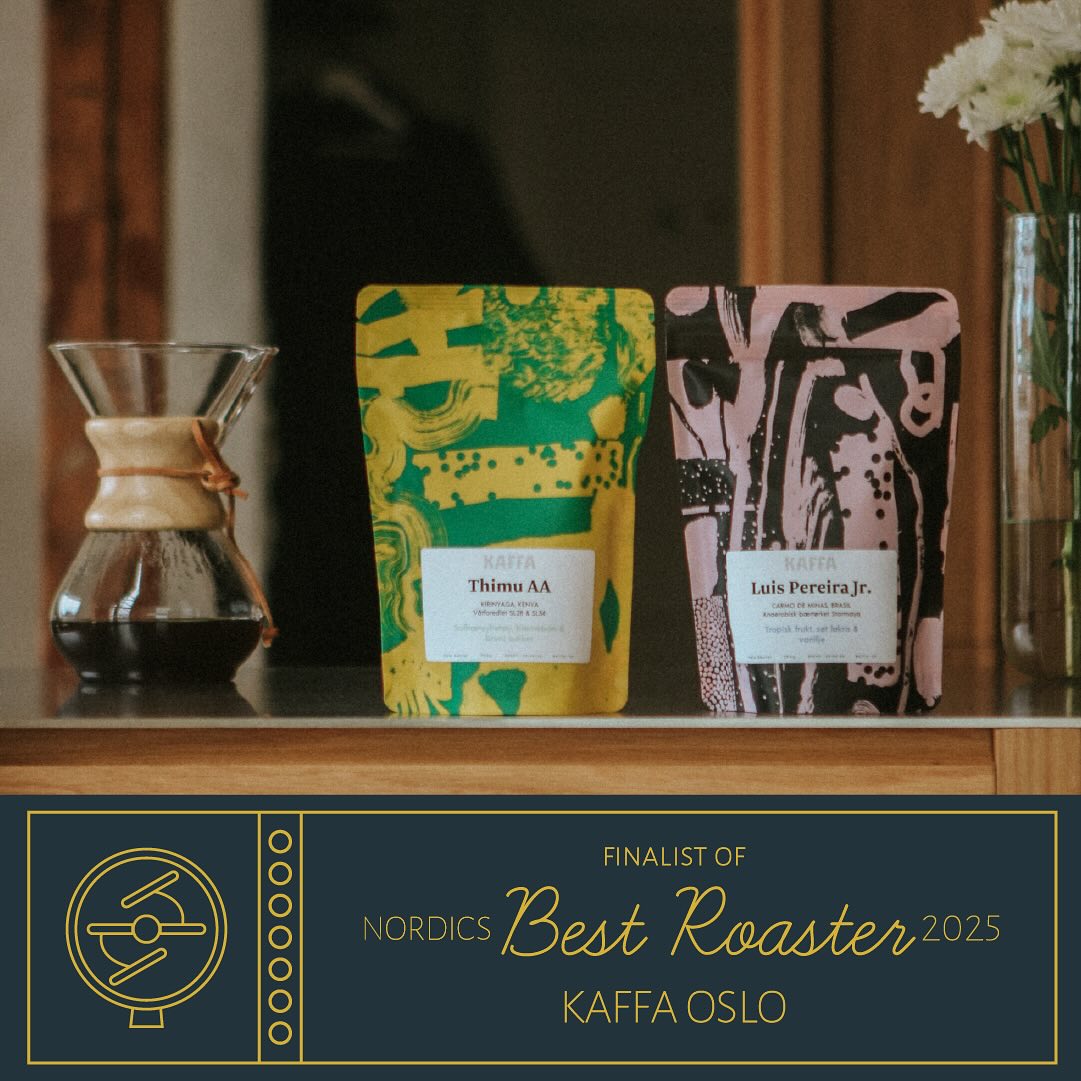
KAFFA Oslo (Oslo, Norway)
Established in 2005 by Robert W. Thoresen, the first-ever World Barista Champion, KAFFA Oslo has been a pioneer in the specialty coffee scene. Thoresen, a former architect turned coffee visionary, has leveraged his expertise to create a roastery that prioritizes precision and quality. KAFFA Oslo stands as a testament to his enduring impact on the global coffee community.

Partners Powering the Nordic Best Roaster 2025

The competition would not be possible without its esteemed partners, whose contributions ensure a seamless and impactful event:

  • Roaster Partner: @roestcoffee
  • Green Coffee Partner: @sucafina_europe
  • Brewer Partner: @victoriaarduinoofficial
  • Grinder Partner: @ceado
  • Water Partner: @thirdwavewater
  • Tasting Box Partner: @kaffebox

The Nordic Best Roaster 2025 promises to be an extraordinary celebration of craftsmanship, innovation, and collaboration, as these roasters compete to push the boundaries of specialty coffee. Stay tuned for updates and witness how the Victoria Arduino PureBrew+ helps bring out the best in every cup.

Harvesting Coffee and Carbon: A New Chapter in Sustainable Coffee Production

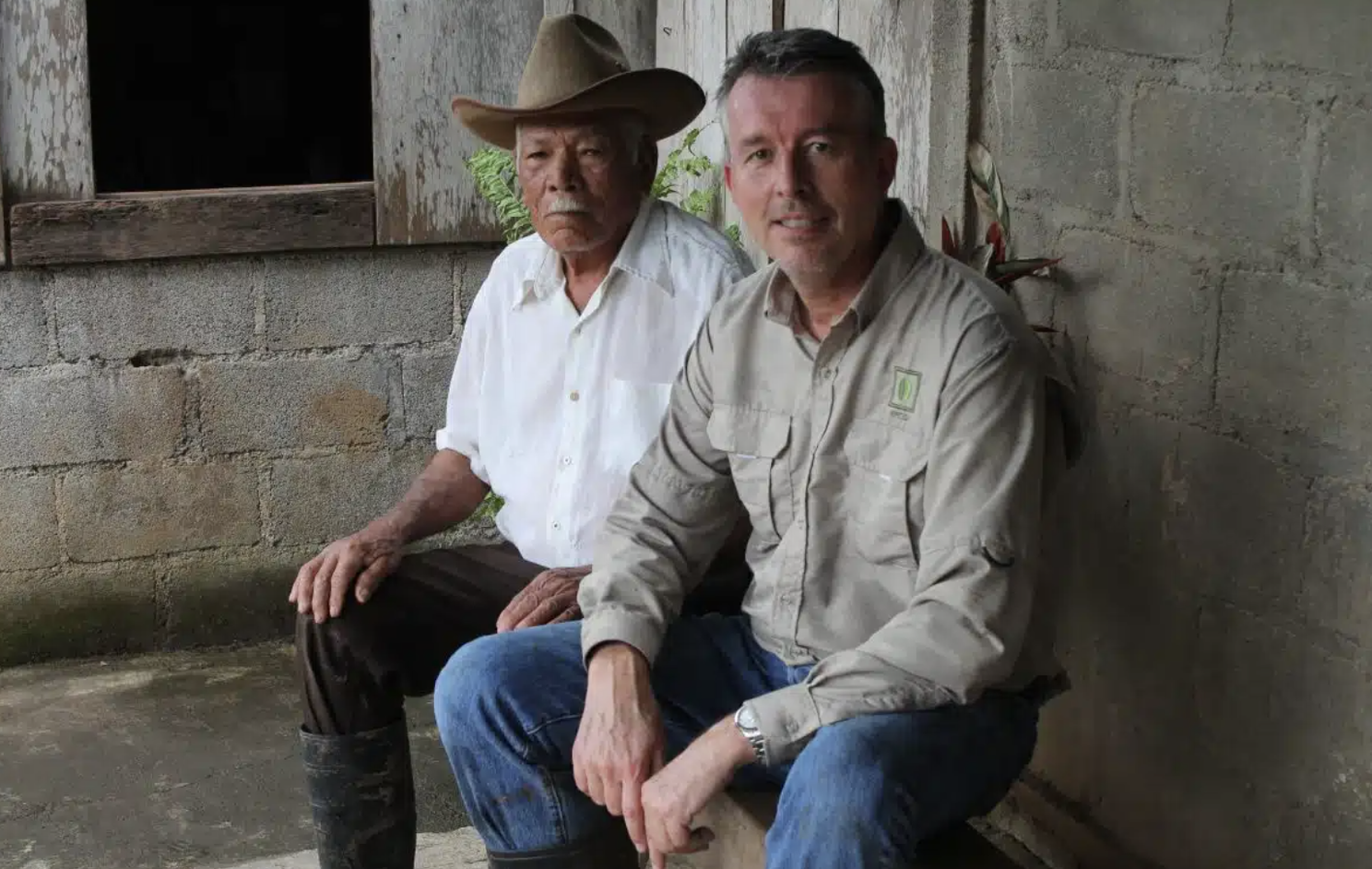
In an inspiring move toward sustainability, EFICO, in partnership with Aldea Coffee and Acorn/Rabobank, has introduced an innovative agroforestry initiative in Nicaragua, empowering smallholder coffee farmers to combine coffee cultivation with carbon sequestration. This program not only enhances environmental resilience but also creates new economic opportunities through the voluntary carbon market.

Agroforestry: A Path to Resilience and Biodiversity

Agroforestry, the practice of integrating tree planting into agricultural systems, has become a cornerstone for sustainable coffee production. In regions like Jinotega and Matagalpa, Nicaragua, Aldea Coffee’s smallholder farmers are transforming their traditional practices. By adopting agroforestry systems, these farmers boost soil health, enhance biodiversity, and improve their crop productivity while mitigating the impacts of climate change.

This approach does more than protect the environment; it creates a diversified income stream for farmers. Trees act as carbon sinks, capturing greenhouse gases and enabling farmers to earn carbon credits, which are then sold in the voluntary carbon market.

Voluntary Carbon Markets: Economic Opportunities for Farmers

The voluntary carbon market (VCM) serves as a decentralized platform where entities can trade carbon credits, representing measurable greenhouse gas reductions. Certified under stringent standards like Plan Vivo, Verra’s Verified Carbon Standard, and The Gold Standard, these credits ensure transparency and accountability.

For smallholder coffee farmers, participating in VCMs means transforming environmental stewardship into financial gain. Aldea Coffee, supported by EFICO and Acorn/Rabobank, provides the infrastructure and resources needed for farmers to generate and sell these credits, creating a win-win scenario that supports livelihoods and global climate action.

EFICO’s Commitment to Sustainable Coffee

EFICO’s partnership with Aldea Coffee spans decades, focusing on responsibly sourced green coffee and farmer empowerment. Together, with Acorn/Rabobank, they’ve initiated the “Nicaragua Forest Positive Coffee” project, which integrates coffee cultivation with tree planting. This initiative directly supports smallholder farmers, ensuring that 80% of carbon credit sales revenue goes back to the farming communities, fostering economic stability.

For every four bags of this sustainably produced coffee sold, EFICO commits to purchasing one Plan Vivo-certified carbon credit, further supporting regenerative practices and carbon neutrality efforts. Orders exceeding 20 bags come with additional credits donated to buyers, enabling them to claim direct contributions to sustainability.

The Nicaragua Forest Positive Coffee

Grown in the volcanic soils of Jinotega and Matagalpa, this exceptional Arabica coffee features varieties such as Caturra, Catimor, and Catuai. Handpicked over multiple rounds, traditionally washed, and sun-dried, the coffee boasts a vibrant acidity, subtle flavors, and a delightful sweetness, making it a sought-after choice for connoisseurs.

Driving Change, One Cup at a Time

This agroforestry initiative reflects EFICO’s vision of going “beyond offsetting.” By focusing on carbon insetting—improving emissions reductions within the coffee value chain—they set a benchmark for corporate sustainability.

This project not only addresses carbon neutrality goals but also uplifts coffee communities, aligning ecological preservation with economic development. As EFICO aptly puts it, “Together, we can help smallholder farmers thrive, protect the environment, and work toward a carbon-neutral future—one cup at a time.”

For those committed to sustainable coffee practices, this initiative offers a unique opportunity to support smallholder farmers while contributing to a greener planet.