Unveiling Creativity: 2025 Coffee Design Awards Now Open for Submissions

Coffee enthusiasts and creative minds in the industry, this is your moment to shine. The Specialty Coffee Expo invites innovators and trailblazers to participate in the highly anticipated 2025 Coffee Design Awards. Whether you’re redefining coffee branding, packaging, or spaces, this is your chance to make your mark in the specialty coffee world.

What Are the Coffee Design Awards?

Celebrating innovation, sustainability, and artistry, the Coffee Design Awards recognize excellence in three categories:

  • Branding: Show off your unique brand identity with logos, style guides, and promotional assets that set you apart in the competitive coffee market.
  • Packaging: Highlight your inventive designs that push beyond brand conformity, focusing on functionality and creativity. Entries must showcase designs introduced after April 25, 2024.
  • Spaces: Share your architectural or interior design projects that elevate the coffee experience. Entries are welcomed for spaces completed after April 25, 2024.

Why Enter?

Winning a Coffee Design Award is more than just recognition—it’s a platform to propel your brand to international acclaim. Past winners, like Stereoscope Coffee and Speckled Ax Wood Roasted Coffee, have transformed their local appeal into global prestige.

Key Judging Criteria

Submissions will be evaluated by a panel of experts from the coffee and design industries. Key metrics include:

  • Innovation: Does your design stand out with unique form, material, or function?
  • Sustainability: How does your design contribute to ecological and social responsibility?
  • Attention to Detail: Is every element thoughtfully crafted to enhance the overall concept?
  • Long-Lasting Impact: Does your design transcend trends to meet enduring consumer needs?

Important Dates and Details

  • Submission Deadline: March 3, 2025.
  • Event Date: April 25–27, 2025, at the Specialty Coffee Expo in Houston, Texas.
  • Eligibility: Open to all, whether exhibiting at the Expo or not. Designs must be new and introduced to the market within one year of the event.

How to Participate

Submit your entry via the official Coffee Design Awards platform. Ensure your application includes:

  • High-resolution images (minimum 3MB) for digital and physical displays.
  • Detailed descriptions of your design’s concept, materials, and impact.
  • For packaging, a sample must be shipped to the organizers for evaluation.

Get Inspired

The Specialty Coffee Expo attracts over 17,000 professionals annually, offering unparalleled networking, inspiration, and exposure. Don’t miss the opportunity to be celebrated alongside the best in the industry.

For more details, competition guidelines, or to submit your design, visit the Specialty Coffee Expo website.

This is your time to showcase your creativity and leave a lasting impact on the coffee industry. Will your design lead the way in 2025?

Join the Coffee Value Revolution: The CVA Patron Program Returns with Cutting-Edge Innovations

The Specialty Coffee Association (SCA) has reintroduced its transformative Coffee Value Assessment (CVA) Patron Program, offering businesses and organizations a chance to redefine coffee quality standards and contribute to a fairer, more sustainable coffee industry. This initiative invites SCA member companies to support the ongoing development of a groundbreaking system designed to revolutionize how coffee value is assessed globally.

A System Rooted in Innovation and Equity

Driven by the SCA’s sustainability agenda, the Coffee Value Assessment aspires to create equitable value distribution across the coffee supply chain. By integrating the latest advancements in sensory and coffee science, the CVA offers compatibility with cutting-edge research while incorporating insights from a user-perception survey involving 1,600 cuppers worldwide.

The CVA marks a significant evolution from the 2004 SCA cupping system, which, despite its widespread use, had not undergone thorough investigation or updates since its inception. Recognizing the need for improved tools, the SCA tested the new Coffee Value Assessment with cuppers in Latin America, Europe, and the United States in 2022 and 2023. This rigorous testing ensures the system’s practicality, inclusivity, and ability to foster greater equity across the specialty coffee sector.

Exclusive Benefits for CVA Patrons

Becoming a CVA Patron is more than a contribution—it’s an opportunity to gain recognition as an industry leader. Participating companies and organizations will enjoy:

  • Two-Year Recognition: Formal acknowledgment as a Patron, spotlighting your commitment to innovation in the coffee industry.
  • Enhanced Visibility: Position your brand as a champion of transparency, equity, and sustainability.
  • Insider Access: Stay informed with exclusive updates and developments in the Coffee Value Assessment.
  • Collaborative Engagement: Partner with coffee scientists, industry leaders, and fellow Patrons in shaping the future of coffee evaluation.

Why Support the Coffee Value Assessment?

The CVA is not just a grading system; it’s a comprehensive framework designed to:

  • Foster Transparency: Standardize quality assessments and value distribution across the supply chain.
  • Promote Fairness: Ensure equitable opportunities for coffee producers, traders, and buyers.
  • Advance Sustainability: Address pressing challenges such as climate change and market volatility with science-backed solutions.

How to Join the CVA Patron Program

Expressing interest in the CVA Patron Program is straightforward. Complete the registration form on the SCA website, and a representative will guide you through the process.

By joining, your organization becomes an integral part of the effort to revolutionize the coffee industry through science, equity, and innovation. Whether you’re a producer, trader, roaster, or retailer, this is your chance to leave a lasting impact.

A Call to Action

The Specialty Coffee Association and the Coffee Science Foundation invite industry leaders to join the CVA Patron Program and contribute to the evolution of coffee quality assessment. Together, we can create a more transparent, sustainable, and equitable coffee industry for generations to come.

Express your interest today and join the forefront of coffee innovation.

For more details, visit the SCA’s official website or reach out to their team directly.

Circular Economy: Is the Coffee Industry Ready for a Sustainable Shift?

The global coffee industry stands at a pivotal moment as it grapples with the challenge of aligning growth with sustainability. The International Coffee Organization’s (ICO) December 2024 report provides a detailed examination of the coffee sector’s readiness for a transition to a circular economy, a model that emphasizes reducing waste, reusing resources, and creating regenerative systems.

Why Circular Economy Matters for Coffee

As one of the most consumed beverages globally, coffee production generates a significant environmental footprint. From deforestation and water use to the disposal of coffee by-products, the traditional linear model of production and consumption has considerable ecological costs. A circular economy offers a promising pathway to address these issues by:

  • Minimizing Waste: Transforming coffee husks, grounds, and pulp into valuable products such as biofuels, fertilizers, and packaging materials.
  • Optimizing Resource Use: Enhancing efficiency in water and energy use throughout the coffee supply chain.
  • Creating Economic Opportunities: Developing innovative uses for coffee by-products, fostering entrepreneurship and job creation.

The Current State of Circular Practices in Coffee

The ICO report highlights both progress and gaps in the adoption of circular practices across the coffee industry:

  • Innovations in Recycling: Many coffee companies have initiated programs to recycle coffee capsules and repurpose spent grounds for energy generation or agricultural use.
  • Sustainable Farming Practices: A growing number of coffee producers are adopting agroforestry systems, which integrate coffee cultivation with trees and other crops, improving biodiversity and carbon sequestration.
  • Collaborative Efforts: Partnerships between coffee companies, non-profits, and governments have led to pilot projects in waste-to-energy conversion and sustainable packaging.

However, the report also underscores significant barriers:

  • Infrastructure Gaps: Inadequate facilities for processing coffee waste in many coffee-producing regions.
  • Financial Constraints: High costs associated with implementing circular technologies.
  • Lack of Awareness: Limited understanding among stakeholders about the economic and environmental benefits of a circular economy.

Key Recommendations for a Circular Transition

The ICO outlines several actionable steps to accelerate the adoption of circular practices:

  1. Invest in Infrastructure:
    • Establish regional hubs for processing coffee waste and developing biomass solutions.
    • Develop technologies to scale the production of sustainable coffee by-products.
  2. Policy Support:
    • Governments should incentivize circular practices through tax breaks, grants, and subsidies.
    • Establish regulatory frameworks that encourage waste reduction and resource efficiency.
  3. Capacity Building:
    • Provide training programs for coffee producers, processors, and retailers to adopt circular practices.
    • Launch awareness campaigns to educate consumers on the value of sustainable coffee choices.
  4. Strengthen Partnerships:
    • Foster collaboration among industry stakeholders to share knowledge and resources.
    • Create platforms for exchanging best practices and successful case studies.

Looking Ahead: Can the Coffee Industry Lead the Way?

As the coffee industry confronts the dual challenges of climate change and resource scarcity, a transition to a circular economy is no longer optional but imperative. By embracing innovative practices, leveraging technology, and fostering collaboration, the sector has the potential to set a benchmark for sustainability across global industries.

The ICO’s December 2024 report calls for bold action, emphasizing that the journey toward a circular economy is a shared responsibility. With the right investments, policies, and partnerships, the coffee industry can not only reduce its environmental footprint but also drive economic growth and resilience in coffee-producing communities worldwide.


Barriers to Circular Coffee: How the Industry Can Overcome Financial and Regulatory Challenges?

As the global coffee industry strives for sustainability, the adoption of circular economy principles faces significant barriers. The International Coffee Organization’s (ICO) December 2024 report sheds light on the financial and regulatory challenges impeding progress while offering insights into solutions that could pave the way for a more sustainable future.

Understanding Circular Coffee

A circular economy in the coffee sector aims to minimize waste, maximize resource efficiency, and reduce environmental impact by reusing and recycling coffee by-products. From coffee grounds being transformed into biofuels and fertilizers to utilizing coffee husks for energy, circular coffee presents a blueprint for sustainable production and consumption.

However, transitioning to a circular economy is not without its hurdles.

Financial Challenges

1. High Initial Costs: Implementing circular systems, such as biomass processing plants or advanced recycling facilities, requires substantial upfront investment. For small and medium-sized coffee producers, these costs can be prohibitive.

2. Lack of Access to Funding: Smallholder farmers and cooperatives often struggle to secure financing for sustainable initiatives due to limited credit access or high-interest rates on loans.

3. Uneven Distribution of Benefits: The economic advantages of circular systems, such as cost savings from waste repurposing, are often concentrated among larger, well-capitalized producers, leaving smaller players at a disadvantage.

Regulatory Hurdles

1. Complex Compliance Requirements: Navigating the regulatory landscape for waste management and bioenergy production can be daunting. Differing regulations across countries and regions create additional complexity for global coffee producers.

2. Lack of Incentives: Inadequate government policies to incentivize sustainable practices, such as tax breaks or subsidies for circular initiatives, hinder adoption.

3. Limited Standardization: The absence of standardized guidelines for circular practices in the coffee industry creates ambiguity, making it harder for stakeholders to adopt consistent and effective approaches.

Solutions for Overcoming Barriers

The ICO’s report highlights several strategies to address these challenges:

1. Financial Mechanisms:

  • Governments and development agencies can establish green financing programs tailored to the coffee industry.
  • Public-private partnerships can facilitate investment in circular infrastructure, such as waste-to-energy plants.
  • Microfinance initiatives can provide smallholder farmers with affordable loans to adopt circular practices.

2. Policy Interventions:

  • Governments can introduce tax incentives and subsidies to lower the financial burden of implementing circular systems.
  • Simplifying and harmonizing regulations across borders can reduce compliance complexity for global producers.

3. Capacity Building:

  • Training programs can equip producers with the knowledge and skills needed to adopt circular practices effectively.
  • Industry-wide campaigns can raise awareness of the economic and environmental benefits of circular coffee.

4. Collaborative Approaches:

  • Stakeholders, including governments, industry leaders, and non-governmental organizations, can collaborate to establish standardized guidelines for circular practices.
  • Shared knowledge platforms can enable producers to learn from successful case studies and best practices.

The Path Forward

The journey toward a circular coffee industry requires collective action, innovation, and robust support mechanisms. While financial and regulatory challenges persist, the potential benefits of circular coffee—from reduced environmental impact to enhanced economic resilience—underscore the urgency of overcoming these barriers.

By addressing these challenges head-on, the coffee industry can transform its approach to sustainability, paving the way for a future where coffee production and consumption are in harmony with the planet.

Unlocking the Hidden Potential of Coffee: Biomass as a Game Changer for Sustainability

The global coffee industry is at the forefront of a new sustainability revolution, as coffee biomass emerges as a transformative solution to some of the sector’s most pressing environmental challenges. The International Coffee Organization’s (ICO) December 2024 report highlights the untapped potential of coffee waste in advancing sustainable practices, reducing emissions, and fostering a circular economy.

From Waste to Wealth: The Coffee Biomass Opportunity

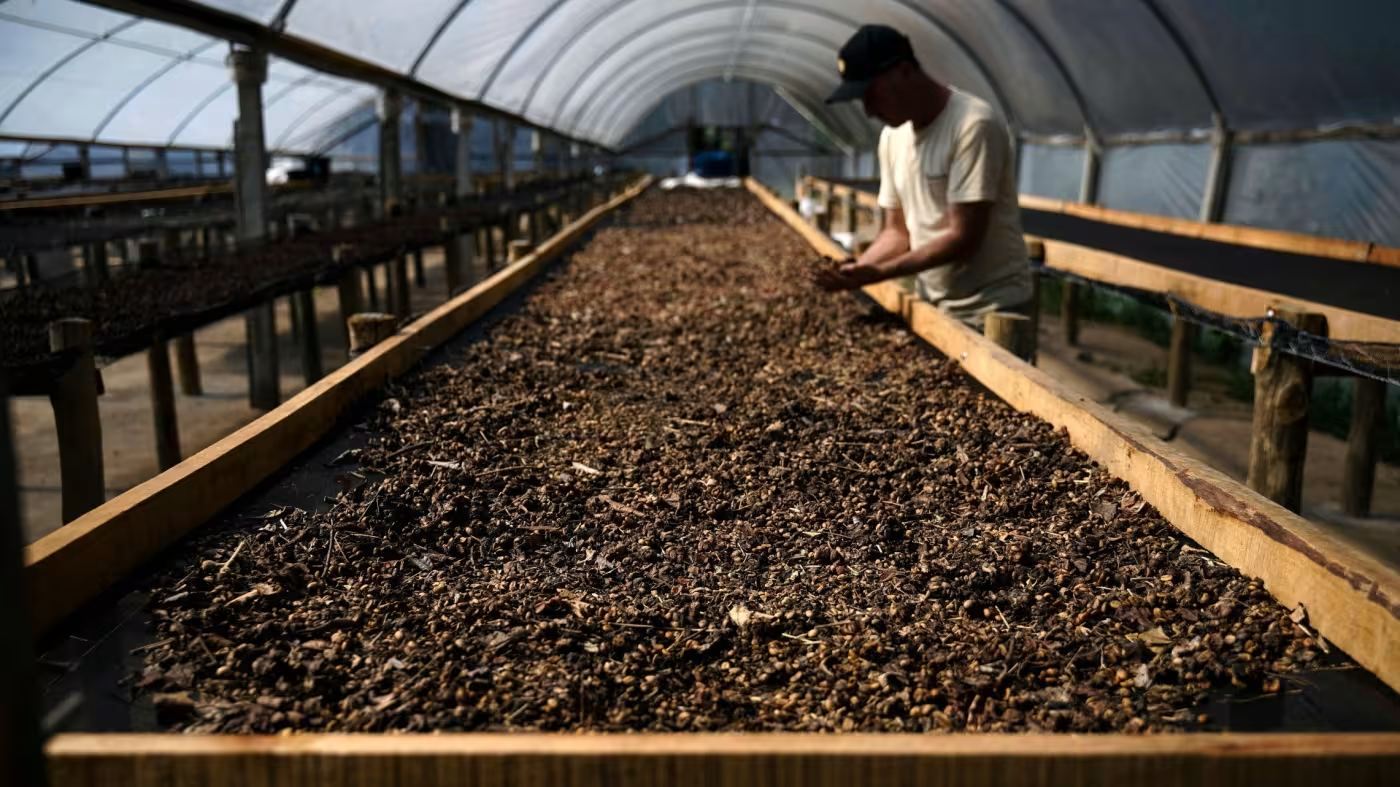
The production of coffee generates significant amounts of waste, with an estimated 50% of the coffee cherry discarded as by-products such as pulp, husk, and spent grounds. Traditionally considered waste, these by-products are now being repurposed into valuable biomass resources that can drive sustainability initiatives.

  • Energy Generation: Coffee biomass is increasingly being utilized as a renewable energy source. Husks and spent grounds are being transformed into biofuels, which are used to power coffee processing facilities and even entire communities in coffee-growing regions.
  • Organic Fertilizers: The nutrient-rich pulp and husks are being composted into organic fertilizers, reducing the reliance on synthetic alternatives and promoting healthier soil ecosystems.
  • Innovative Products: Spent coffee grounds are finding their way into a variety of products, from biodegradable packaging to cosmetics and even building materials, showcasing the versatility of coffee biomass.

Regional Leaders in Coffee Biomass Utilization

While the adoption of biomass solutions varies globally, certain regions are leading the charge:

  • Latin America: Countries like Colombia and Brazil are pioneering the use of coffee biomass for energy and agriculture. In Brazil, coffee waste is being transformed into biogas, which powers entire processing plants.
  • Africa: Ethiopia and Kenya are leveraging coffee pulp for organic fertilizers, significantly reducing the carbon footprint of coffee farms.
  • Asia: Vietnam and Indonesia are exploring large-scale biomass projects, including the conversion of coffee waste into biochar for soil enrichment.

Barriers to Widespread Adoption

Despite its potential, the transition to coffee biomass solutions faces several challenges:

  • Financial Constraints: The initial investment in biomass processing technology remains a barrier for smallholder farmers.
  • Lack of Awareness: Many producers and processors are unaware of the economic and environmental benefits of utilizing coffee waste.
  • Logistical Issues: Collecting and transporting coffee waste from farms to processing facilities poses logistical hurdles in remote regions.

Looking Ahead: Scaling Sustainability

The ICO report emphasizes the need for collaborative efforts to overcome these challenges and scale the adoption of coffee biomass solutions. Key recommendations include:

  • Government Support: Policies and subsidies to encourage investment in biomass technologies.
  • Public-Private Partnerships: Collaboration between industry stakeholders to develop efficient biomass supply chains.
  • Education and Training: Initiatives to raise awareness and build capacity among coffee producers and processors.

A Circular Future for Coffee

As the coffee industry seeks to align with global sustainability goals, coffee biomass represents a game-changing opportunity to turn waste into value. By embracing these innovative solutions, the sector can reduce its environmental footprint, support local economies, and contribute to a more sustainable future. The ICO’s December 2024 report highlights this transformative potential, urging stakeholders to act now to unlock the hidden power of coffee biomass.

Ethiopia and Brazil Lead Coffee Export Growth in 2024 Amid Mixed Global Trends

The global coffee export landscape in 2024 showcased a mix of growth and challenges, as highlighted in the International Coffee Organization’s (ICO) December 2024 report. While some regions like Africa and South America experienced notable growth, others, including Asia & Oceania, faced significant declines.

African Coffee Exports: Ethiopia Steals the Spotlight

Africa emerged as a strong performer in 2024, with coffee exports increasing by 24.5% to 1.28 million bags in November compared to 1.03 million bags in November 2023. Ethiopia spearheaded this growth with an impressive 86.24% increase, exporting 0.54 million bags in November, up from 0.29 million bags during the same period in 2023. This marks 12 consecutive months of growth for Ethiopia, largely attributed to the resolution of logistical and contractual challenges from previous years.

Other African countries also contributed to this robust performance:

  • Kenya: Exports surged by 70.0% to 0.05 million bags.
  • Tanzania: Recorded a 50.3% increase to 0.12 million bags.

South America: Brazil Leads the Charge

South America’s coffee exports grew by 6.0% to 6.43 million bags in November 2024, with Brazil playing a pivotal role. The region’s largest exporter increased its shipments by 7.8%, reaching 4.68 million bags, up from 4.34 million bags in November 2023. This growth was driven primarily by Arabica exports, which rose by 12.2% to 3.77 million bags.

However, not all countries in the region fared equally well. While Colombia saw an 8.6% increase in exports, reaching 1.21 million bags, Peru faced a 13.4% decline, with exports dropping to 0.49 million bags due to depleted stocks and supply pressures.

Asia & Oceania: Declining Exports Led by Vietnam

Asia & Oceania’s coffee exports fell by 12.0% to 2.76 million bags in November 2024, with Vietnam’s sharp 47.1% decrease being a major contributing factor. Vietnam’s exports dropped to 1.08 million bags, marking the lowest November volume since 2010. Falling domestic green bean prices and near-zero stock availability contributed to this decline.

Conversely, India and Indonesia offset some of the regional downturn:

  • India: Exports rose by 70.5% to 0.74 million bags.
  • Indonesia: Recorded a 59.3% increase, shipping 0.77 million bags.

Mixed Global Dynamics

The report underscores the complex and varied trends in coffee exports:

  • Robusta Decline: Global Robusta exports fell by 17.3%, influenced heavily by Vietnam’s downturn.
  • Arabica Growth: Arabica exports now account for 67.9% of global green bean exports, up from 61.4% in 2023.

Looking Forward

As the global coffee market navigates a landscape of mixed growth, key players like Ethiopia and Brazil are setting the pace for recovery and expansion. Meanwhile, regions facing challenges, such as Vietnam, will need strategic adjustments to stabilize their export volumes. The ICO’s December 2024 report highlights a dynamic year for coffee exports, reflecting both resilience and volatility in the global market.

Global Coffee Prices Soar to Highest Levels Since 1977: What’s Driving the Surge?

The global coffee market has ended 2024 on a historic note, with the International Coffee Organization’s (ICO) Composite Indicator Price (I-CIP) reaching an average of 299.61 US cents per pound in December. This marks a significant 10.7% increase from November and a staggering 70.5% rise compared to December 2023. Not only does this surge represent a new high for the decade, but it’s also the highest monthly average recorded since April 1977.

Key Drivers Behind the Price Surge

1. Strong US Dollar: The robust performance of the US dollar has been a key factor in driving coffee prices higher. As the strongest year for the dollar in a decade unfolded, costs at coffee-producing origins increased significantly. Exporters faced heightened operational expenses, putting upward pressure on prices. The situation was exacerbated by financial strains on producers, with several major Brazilian exporters seeking court protection to negotiate with creditors and avoid bankruptcy.

2. Logistical Bottlenecks: Global supply chains continued to suffer in 2024, adding to market tensions. Prolonged shipping times, particularly through the Suez Canal, restricted coffee shipments to Europe. Coupled with a shortage of containers and increased port fees, these disruptions led to delays and higher costs. As a result, European markets faced relative undersupply, which further boosted coffee prices.

3. Market Dynamics and Speculation: The arbitrage between the London and New York futures markets expanded by an astonishing 44.9%, reaching 90.72 US cents per pound in December. This represents the highest level in 27 months, driven by faster growth in Arabica prices compared to Robusta. The increasing differential reflects shifting preferences in the market, with roasters adapting their blends to balance cost efficiency and quality.

Implications for the Coffee Industry

The surge in prices has far-reaching consequences across the coffee supply chain:

  • Producers: While higher prices can be beneficial, they also come with increased risks. The financial strain on exporters highlights the challenges of maintaining stability in volatile markets.
  • Roasters and Retailers: The sharp rise in prices is forcing roasters to pass on costs to consumers. This is likely to result in higher retail coffee prices globally, which may impact demand, particularly in price-sensitive markets.
  • Consumers: End-users are already experiencing the effects of rising costs, with many coffee drinkers facing higher prices for their daily brew. The impact is more pronounced in regions dependent on imports, where currency fluctuations add an extra layer of cost.

Looking Ahead

As the coffee industry enters 2025, stakeholders are bracing for continued volatility. The delayed implementation of the European Union’s Deforestation Regulation (EUDR), now set to take effect in late 2025, adds another layer of uncertainty to an already complex market landscape.

Moreover, with global consumption showing modest growth of 2.2% to 177 million 60-kg bags, the balance between supply and demand will remain a critical factor. Coffee producers and traders will need to navigate these dynamics carefully to maintain stability in the face of ongoing challenges.

The ICO’s December 2024 report paints a picture of a resilient yet turbulent market, where record-high prices underscore the complex interplay of economic forces, logistical challenges, and evolving consumer preferences.

Global Coffee Market Ends 2024 on a High Note: Price Surges, Export Dynamics, and Emerging Trends

The International Coffee Organization’s (ICO) December 2024 Coffee Market Report revealed significant developments in the global coffee market. From historic price increases to evolving export patterns, the coffee industry closed the year with remarkable changes that are shaping its future.

Historic Price Surges Highlight 2024

The ICO Composite Indicator Price (I-CIP) averaged 299.61 US cents per pound in December, marking a 10.7% rise from November and a staggering 70.5% increase year-over-year. This surge set the highest monthly average since April 1977, driven by multiple factors:

  • Strong performance of the US dollar, increasing operational costs at origins.
  • Supply chain disruptions, including prolonged shipping times and port inefficiencies.
  • Regulatory uncertainties tied to the European Union’s delayed deforestation regulation (EUDR).

Arabica varieties led the charge, with Colombian Milds and Other Milds rising by 11.4% and 12.6%, respectively. Brazilian Naturals climbed 14.5%, while Robusta saw a modest 4.7% increase.

Export Dynamics: Mixed Performance Across Regions

Despite price hikes, global green bean exports in November 2024 totaled 9.7 million bags, a slight 0.4% decline year-over-year. Key trends included:

  • Robusta exports declined by 17.3%, driven by Vietnam’s 47.1% drop in shipments.
  • Colombian Milds surged 13.1%, marking the fourteenth consecutive month of growth, with Tanzania’s exports more than doubling.
  • Brazilian Naturals increased by 12.1%, supported by Brazil’s robust performance.
  • Africa’s exports grew 24.5%, with Ethiopia leading at an 86.24% increase.

Regional Highlights: Winners and Challenges

  1. Asia & Oceania: Exports declined by 12%, mainly due to Vietnam’s poor performance, but growth in India and Indonesia offset some losses.
  2. South America: Exports rose 6%, with Brazil and Colombia showing strong gains, while Peru faced supply shortages.
  3. Africa: Double-digit growth dominated, driven by Ethiopia, Kenya, and Tanzania.
  4. Central America & Mexico: Exports increased by 5.2%, led by Costa Rica and Mexico, despite declines in Honduras and Nicaragua.

Supply Chain Struggles and Consumer Implications

Logistical bottlenecks continued to stress the global supply chain:

  • Shipping delays, particularly through the Suez Canal, slowed European imports.
  • Low certified stock levels (42.5% of the five-year average) exacerbated supply constraints.

These challenges increased costs for roasters and processors, ultimately driving up consumer prices.

Coffee Consumption and Production Balance

Global coffee consumption grew modestly by 2.2% to 177 million 60-kg bags, while production rose by 5.8% to 178 million bags, creating a slight supply surplus. However, the dynamics of Arabica (up 8.8%) and Robusta (up 2.1%) production varied significantly across regions.

Key Insights for 2025

As the coffee market heads into 2025, several trends stand out:

  • Regulatory shifts like the EUDR will play a crucial role in shaping trade and sustainability practices.
  • The growing Arabica-Robusta price differential could prompt roasters to blend more Robusta into their products.
  • Continued investment in logistics and infrastructure will be critical to address persistent supply chain issues.

The ICO’s December 2024 report underscores the resilience and complexity of the global coffee market. With price surges, shifting trade patterns, and evolving regulatory landscapes, stakeholders must navigate a challenging but opportunity-rich environment in the year ahead.

Victoria Arduino Unveils Black Eagle Maverick and PureBrew+ Innovations at Sigep 2025

Victoria Arduino is set to showcase its groundbreaking coffee technologies at Sigep 2025, held from 18 to 22 January in Rimini. The event, a global benchmark for the foodservice industry, highlights excellence in ice cream, pastry, coffee, bakery, and pizza. Visitors can find Victoria Arduino at Hall B1, Stand 154, where they will present cutting-edge solutions for espresso extraction, coffee grinding, and beverage innovation with their signature blend of performance and design.

Black Eagle Maverick: Revolutionizing Espresso Extraction

Attendees will experience the Black Eagle Maverick, Victoria Arduino’s flagship espresso machine, designed for high performance and sustainability. This machine integrates two innovative technologies:

  • T3 Genius Technology: An evolution of T3 technology, offering baristas precise control over temperature, infusion, and steam with a 37% reduction in energy consumption. This innovation provides unmatched precision, ensuring extraordinary results and efficiency.
  • PBtech Technology: A unique on/off espresso extraction system using water pulses to enhance coffee puck expansion, delivering balanced aroma and flavor profiles.

The Mythos grinder, a specialty coffee icon, complements the Black Eagle Maverick. Featuring technologies like Clima Pro and Gravitech, Mythos ensures consistent temperature stability and dose accuracy, reducing waste while achieving excellence in every cup.

Eagle Tempo: Efficiency Meets Sustainability

Also on display is the Eagle Tempo, a professional espresso machine tailored for cafes, restaurants, bakeries, and chains. It integrates the NEO (New Engine Optimization) technology, offering:

  • Temperature stability and high productivity, ideal for milk-based drinks and plant-based alternatives.
  • Energy savings of up to 29% compared to previous models, thanks to innovative heating systems and insulated boilers.

PureBrew+: Redefining Beverage Creativity

To address the rising demand for low or no-alcohol beverages and natural ingredients, Victoria Arduino introduces PureBrew+ at Sigep. This versatile brewing technology prepares PureBrewCoffee, tea, and infusions, offering a completely new flavor profile.

Features include:

  • Precise control over dose, volume, and temperature, with customizable water pulse profiles (light, medium, dark).
  • The ability to store up to 12 recipes for coffee, tea, and infusions, ensuring consistency and personalisation up to 500 ml.

Visitors can enjoy interactive tasting sessions with PureBrew+ in collaboration with leading figures in coffee, tea, and mixology.

Explore the Future of Coffee with Victoria Arduino

Victoria Arduino’s participation in Sigep 2025 underscores its commitment to innovation, sustainability, and creativity in the coffee industry. Visit Hall B1, Stand 154, to discover the cutting-edge solutions that are reshaping the way coffee is brewed and enjoyed worldwide.

Don’t miss the opportunity to experience Victoria Arduino’s latest advancements at Sigep 2025!

Master in Coffee Economics and Science – Ernesto Illy: The Fourteenth Edition Begins

The highly anticipated fourteenth edition of the inter-university Master in Coffee Economics and Science – Ernesto Illy, an initiative by illycaffè and the Ernesto Illy Foundation, officially commences today. This pioneering program provides an all-encompassing educational journey, encompassing the biological, agronomic, technological, and economic facets of coffee, charting the path from coffee cultivation to the final cup.

This year, 25 students representing 18 countries—spanning continents from Argentina and Tanzania to India and Mexico—will participate. The program targets young graduates in fields like economics, engineering, and agricultural sciences, offering a robust academic foundation.

The curriculum features over 430 hours of instruction delivered by 60 distinguished instructors in a hybrid format. Remote classes initiate the program, transitioning to in-person sessions in Trieste by May 2025. A practical project work assignment culminates the course, enabling students to apply their learnings effectively.

Collaborative Support
The program thrives on the collaboration of illycaffè, the Ernesto Illy Foundation, the University of Trieste, the University of Udine, SISSA, and the Area Science Park. This year, additional support comes from the Fondazione Friuli and Fondazione CRTrieste. Sixteen participants benefit from financial aid, including 10 full scholarships and 6 partial ones, provided by the Ernesto Illy Foundation.

Anna Illy, President of the Fondazione Ernesto Illy, highlighted the Foundation’s dedication:
“We are proud to support 16 aspiring professionals in their educational journey. This master’s program epitomizes our commitment to scientific research, education, and sustainability, nurturing talent that will uphold illycaffè’s legacy of quality and innovation. We wish our students great success and envision them as future ambassadors of sustainable coffee.”

Legacy of Excellence
Since its inception, the Master in Coffee Economics and Science has equipped over 272 graduates from more than 30 countries with specialized knowledge, enabling them to contribute to ethical and sustainable coffee practices. These professionals continue to uphold the values of illycaffè, safeguarding the brand’s commitment to sustainable quality coffee.

Coffee Board of India to Introduce National Certifications for Coffee Producers

The Coffee Board of India is set to revolutionize the nation’s coffee industry with the launch of new national coffee standards and certification processes. This initiative is designed to help Indian coffee farmers embrace state-backed quality and sustainability standards, positioning Indian coffee as a distinct global brand in international markets.

Addressing Certification Challenges

Currently, approximately 85% of Indian coffee lacks certification due to the prohibitive costs associated with international accreditations like Fair Trade, USDA Organic, and Rainforest Alliance. The absence of such certifications has hindered the global competitiveness of Indian coffee. To address this, the Coffee Board will provide a new quality certification seal free of charge, making it accessible to all Indian coffee farmers.

“Until now, most coffee varieties were certified under international standards that fail to account for the unique growing conditions of Indian coffee,” said Dr. K.G. Jagadeesha, Secretary and CEO of the Coffee Board of India. “Our new certification process will highlight these unique conditions, helping Indian coffee stand out and achieve global recognition.”

Recognizing India’s Unique Coffee Identity

Indian coffee is primarily grown under dense tree shade, a practice that preserves biodiversity and enhances coffee quality. The new certification standards will reflect these unique growing practices, allowing Indian coffee to carve a niche in international markets. The move is also expected to provide Indian farmers with better access to global opportunities, elevating the profile of Indian-grown coffee.

Coffee Production in India

India is the eighth-largest coffee producer globally, with robusta accounting for 72% of the country’s production. Over 70% of this coffee is grown in Karnataka, followed by Kerala at 20%. While up to 80% of Indian coffee is typically exported as a commodity, domestic specialty brands like Blue Tokai Coffee Roasters, abCoffee, and Subko Coffee Roasters are championing single estate and specialty Indian arabica coffee, both domestically and abroad.

Boosting Export Potential

The Coffee Board of India’s new standards aim to increase the export potential of Indian coffee, especially in niche markets where specialty and high-quality coffees are in demand. The certification will not only enhance consistency but also ensure that Indian coffee is grown, processed, and sold to meet international expectations.

Timeline and Next Steps

The Coffee Board has announced that the implementation modules for the new certification processes will be completed by June 2025. Following this, consultations with stakeholders will be held to ensure the procedures are feasible and beneficial for farmers.

The Role of the Coffee Board of India

Established in 1942 under the Ministry of Commerce and Industry, the Coffee Board of India has long been a key player in promoting Indian coffee both domestically and internationally. In addition to its promotional activities, the board conducts research and provides financial assistance to small coffee growers, supporting the industry’s growth and sustainability.

This ambitious initiative by the Coffee Board of India is expected to significantly enhance the global recognition of Indian coffee. By introducing a unique certification process that emphasizes India’s distinctive coffee-growing conditions, the country aims to elevate its coffee industry, empowering farmers to compete in lucrative global markets while preserving the rich heritage and biodiversity of Indian coffee farming.

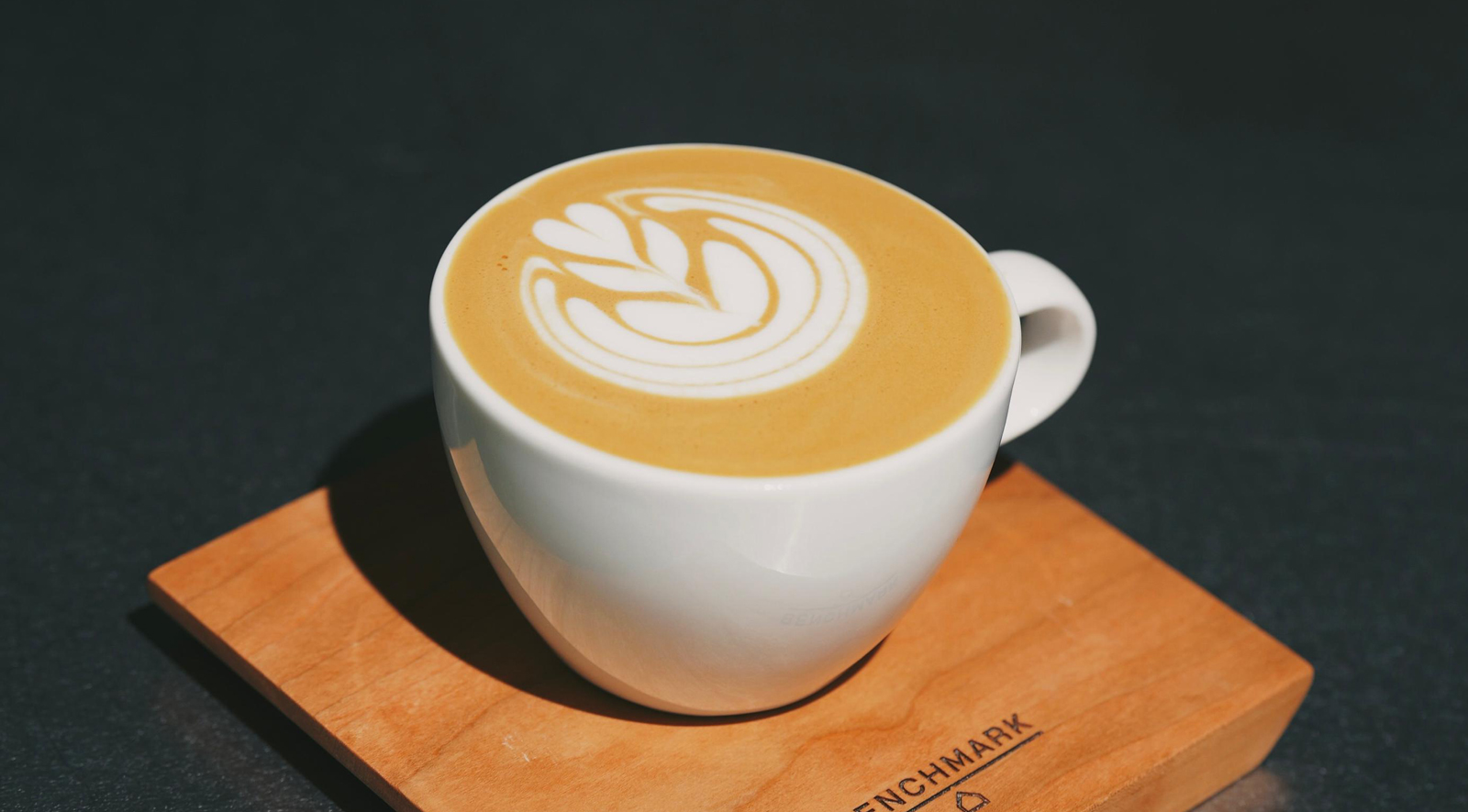
The Forgotten Element in Specialty Coffee: Rethinking Milk’s Role

In the intricate world of specialty coffee, where every detail matters, one critical component remains consistently overlooked: milk. Despite its integral role in countless coffee beverages, milk rarely receives the same scrutiny as beans, origins, or brewing methods. This oversight, highlighted by coffee expert and entrepreneur Enea Muskaj, has sparked a crucial conversation about the standards surrounding milk in specialty coffee.

Muskaj’s thought-provoking Instagram post addressed this gap in the industry, arguing that milk should be treated with the same care and precision as single-origin coffee beans. “The Forgotten Element of Specialty Coffee: Milk,” Muskaj wrote. “Having spent a year in the UAE, I’ve noticed an important conversation missing from the specialty coffee scene: milk. Locally sourced, farm-fresh milk isn’t just a nice addition—it’s essential.” His call to action urged coffee professionals to prioritize milk quality, not as an afterthought, but as a defining feature of an exceptional cup.

This sentiment struck a chord, drawing responses from experts and enthusiasts alike, all of whom contributed nuanced perspectives to the discussion.

A Shift in Cultural Perception

Claudia, from Keep Calm and Drink Coffee in Italy, shared her personal evolution in coffee preferences, moving from milk-based drinks to black coffee. Yet, she acknowledged the significant impact milk quality has on beverages like cappuccinos, underscoring the importance of this often-ignored element.

Milk in the UAE: Quality and Awareness

Coffee expert Sayed Naveed provided a deeper look at milk quality in the UAE, where standardized products dominate the market. “For years, I never gave much thought to the quality of milk,” he admitted. However, a recent conversation with Muskaj led him to reflect on factors that influence milk’s taste and nutritional value, from the breed and care of cows to the processes of homogenization and pasteurization. He also raised concerns about how industrial treatments might exacerbate lactose intolerance, emphasizing the need for greater awareness about the milk we consume.

Crafting the Perfect Texture

From Al Ain, UAE, coffee expert Khaled Al Dhaheri shifted the focus to how milk is handled in cafés. “The issue isn’t just about milk quality,” he argued. “It’s about steaming it correctly.” According to Al Dhaheri, improper steaming often results in textures that fail to meet the standards of specialty coffee. “The froth process for cappuccinos, lattes, and flat whites is frequently mishandled, even in high-end cafés,” he noted, calling for a renewed emphasis on technique to ensure each drink achieves its intended texture and flavor profile.

The Larger Problem: A Need for Standards

Al Dhaheri’s observations resonated with Naveed, sparking a candid exchange about the lack of consistency in milk preparation across the industry. “Many cafés, especially in the West, prioritize speed over quality,” Al Dhaheri lamented. “This is not Starbucks. Specialty coffee deserves better.” Both experts agreed that the industry must uphold higher standards, not only in milk sourcing but also in preparation techniques.

The Chemistry of Milk: Insights from Rony Baz

SCA-certified coffee expert Rony Baz added a scientific dimension to the conversation, emphasizing the role milk plays in achieving a balanced cup. With over 60% of a cappuccino’s composition consisting of milk, Baz explained how its fat content, proteins, and lactose contribute to the drink’s texture, foam, and sweetness. He criticized the use of UHT milk in specialty coffee, calling it “pure laziness” and stressing the importance of fresh, whole milk to enhance the coffee experience. Baz also acknowledged the growing demand for alternative milks, such as oat and soy, while noting that they often fail to replicate the results achieved with fresh dairy milk.

Elevating Milk: A New Standard for Specialty Coffee

This dialogue has underscored a fundamental truth: milk is far more than a complement to coffee—it is a key ingredient that shapes the overall experience. The conversation revealed several critical insights:

  1. Milk Quality is Non-Negotiable: Locally sourced, farm-fresh milk enhances flavor and texture, while industrial processes may compromise both.
  2. Steaming Techniques Matter: Proper handling of milk is crucial to achieving the desired consistency and flavor balance in milk-based beverages.
  3. Awareness is Essential: Just as specialty coffee educates consumers about beans, it must also highlight the importance of milk in creating exceptional coffee experiences.

At QahwaWorld, we recognize the need to redefine standards in specialty coffee by giving milk the attention it deserves. This conversation is only the beginning of a broader movement to ensure that every element of coffee, from bean to cup, reflects the highest quality and care.

We invite you, our readers, to contribute to this vital dialogue. Share your thoughts with us at [email protected], and join us in reshaping the future of specialty coffee. Together, let’s elevate every cup.