JDE Peet’s Launches €250 Million Share Buyback Programme

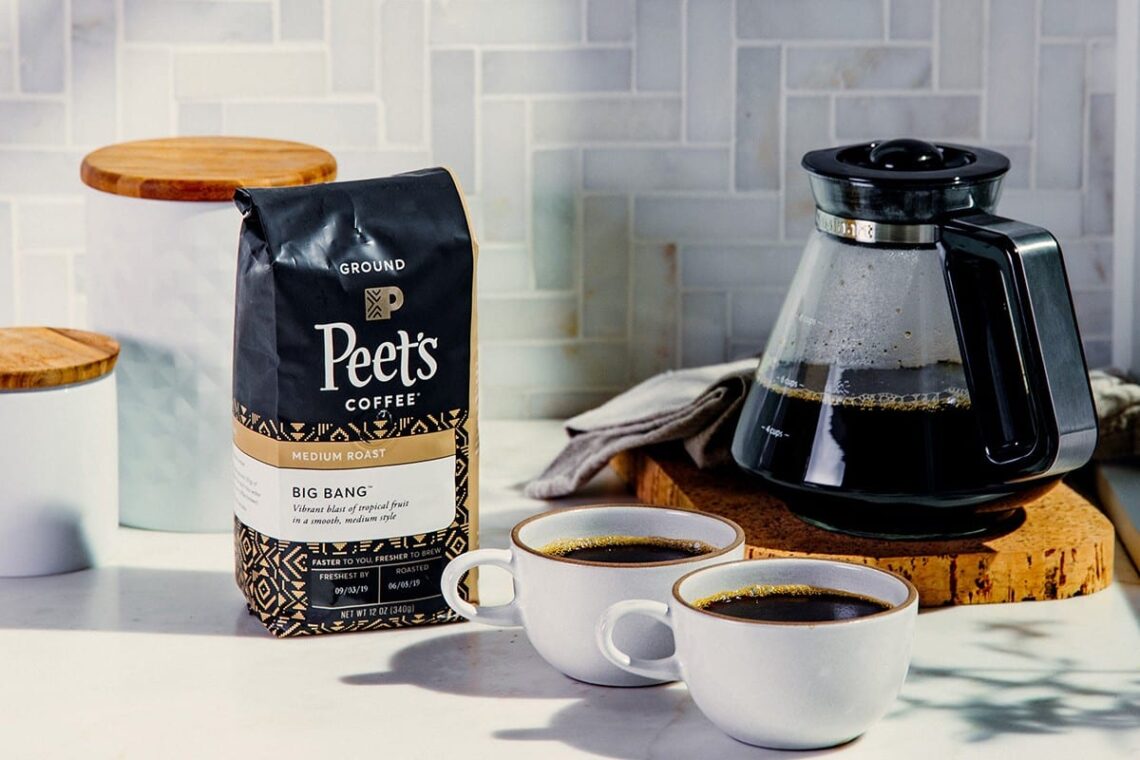
JDE Peet’s (EURONEXT: JDEP), the world’s leading pure-play coffee and tea company by revenue, has initiated a share buyback programme worth up to €250 million in 2025. The programme, announced on February 26, 2025, begins on March 3, 2025, and will run until the end of the year, barring unforeseen circumstances.

The primary objective is to reduce JDE Peet’s capital by cancelling nearly all the repurchased ordinary shares. A small portion of the shares will be allocated to cover share-based remuneration obligations. At the current share price, the buyback could involve approximately 13.9 million shares, representing 2.8% of the company’s total outstanding shares.

The programme will be carried out within the framework of relevant laws and regulations, as well as the authorization granted at JDE Peet’s 2024 Annual General Meeting (AGM) on May 30, 2024, and the authority (if granted) by the AGM on June 19, 2025. An intermediary will oversee the execution of the buyback, ensuring compliance with the EU Market Abuse Regulation and predefined execution parameters.

JDE Peet’s will provide regular updates on the programme’s progress through press releases and a dedicated section on its website.

Kazakhstan’s Coffee Preferences: What They Drink and How Much They Pay

The cafe and restaurant automation company Poster conducted a study to determine which coffee beverages are most popular in Kazakhstan.

Top 7 Most Popular Coffee Beverages

In 2024, latte became the most popular coffee beverage in Kazakh establishments. For every cup of espresso sold, there were 68 cups of latte and 66 cups of cappuccino. Americano ranked third. Interestingly, in 2023, cappuccino held the top position, but latte has now overtaken it.

Espresso Index: Growth in Sales and Prices

Over the past year, the cost of a cup of espresso in Kazakhstan increased by 16%, while its consumption grew by 10%. In 2024, the average price of espresso was 800 tenge, which is 110 tenge more than in 2023, when it was 690 tenge.

How Much Do the Most Popular Coffee Drinks Cost?

The price of a latte increased by 13.3% over the year, with its average price in 2024 reaching 1,190 tenge. Other drinks also saw price hikes: Americano by 11.3%, flat white by 8.9%, mocha by 7.2%, cappuccino by 5%, and espresso saw the highest increase at 15.9%.

Top 3 Alternative Coffee Brewing Methods

The most popular alternative coffee brewing method in Kazakhstan in 2024 was pour-over. The average price for this manual brewing method reached 1,900 tenge. In comparison, it was 1,500 tenge in 2023.

Aeropress ranked second in popularity. However, in 2024, it was sold half as much as pour-over in coffee shops. The average price for an Aeropress coffee in 2024 was also 1,900 tenge. Over the year, coffee brewed using pour-over or Aeropress increased in price by nearly 30%.

Chemex ranked third, with an average price of 2,000 tenge.

“Coffee consumption in Kazakhstan is growing actively. Coffee is becoming not just a beverage but a part of culture and daily life, especially among the youth. Milk-based drinks like cappuccino and latte remain a priority. However, Kazakhstanis are rediscovering classic coffee options as well,” says Poster CEO and co-owner Rodion Eroshek.

How and Why the Study Was Conducted

The study is based on aggregated, non-personalized sales data from a sample of 150 establishments across the country that operated continuously from 2023 to 2024.

“Alternative” brewing methods refer to manual coffee preparation techniques, such as Chemex, Aeropress, pour-over, siphon, V60, and others.

The goal of the study is to provide a general understanding of the market situation and help business owners make more informed management decisions.


CQI Skills at Work: Assessing Lot Ripeness in Coffee Production

This year, the Coffee Quality Institute (CQI) is shining a light on the essential skills that drive coffee quality. Whether in Quality Evaluation or Post-Harvest Processing, expertise and hands-on techniques play a crucial role in ensuring that coffee meets the highest standards. One of the most critical competencies in this field is Assessing Lot Ripeness—a skill that goes far beyond simple visual inspections.

The Importance of Lot Ripeness

Assessing Lot Ripeness is a crucial step in post-harvest processing, where producers must make informed decisions about their coffee harvest. This process is far from straightforward, as it requires the integration of multiple assessment techniques to determine the optimal condition of the cherries. Proper ripeness assessment directly impacts the quality of the final coffee product, influencing taste, consistency, and market value.

How It Works: Key Assessment Techniques

Determining lot ripeness involves a combination of observational and scientific methods. Some of the most widely used techniques include:

  • Visual Cues: Producers assess the color and uniformity of cherries to distinguish ripe from underripe or overripe fruit.
  • Texture and Firmness: A gentle squeeze test helps determine the maturity of cherries, ensuring they have reached the right stage for processing.
  • Floating Tests: This method involves submerging cherries in water to separate underdeveloped, low-density cherries from the fully mature ones.
  • Brix Measurements: The sugar content of the cherry mucilage is measured using a refractometer to gauge the ripeness level accurately.

CQI in Action: A Field Perspective

CQI Q Processing Professional and Robusta Instructor Sunil Pinto from India takes this skill beyond the classroom into the field. By applying these techniques, farmers and processors can optimize their harvest, ensuring that only the best cherries make it to the next stages of production. This hands-on approach leads to higher-quality coffee and better financial returns for producers.

CQI Education Pathways: Building Expertise

CQI offers two structured education programs designed to develop and validate coffee professionals’ skills:

  1. Quality Evaluation: This program enhances the ability to assess coffee quality at every stage of the supply chain. Through a shared language of quality, specialty coffee producers gain better access to premium markets and higher financial rewards.
  2. Post-Harvest Processing (PHP): PHP focuses on transforming the coffee fruit into a dry seed ready for roasting. This program equips coffee professionals with critical knowledge to improve processing techniques and enhance overall coffee quality.

Certification and Skill Progression

CQI education follows a structured progression, allowing learners to advance through different levels of expertise:

  • 100 Level – Novice
  • 200 Level – Practitioner
  • 300 Level – Experienced
  • 400 Level – Advanced

Both Quality Evaluation and Post-Harvest Processing programs offer internationally recognized certifications, ensuring that coffee professionals gain valuable, verifiable skills applicable from farm to consumer.

The Future of Coffee Quality

As the coffee industry evolves, skills like Assessing Lot Ripeness continue to play a pivotal role in maintaining quality and consistency. By equipping professionals with practical, data-driven methods, CQI is empowering producers to maximize the potential of every coffee harvest. With proper education and application, coffee professionals worldwide can enhance their processes, improve quality outcomes, and create a sustainable and profitable future for coffee production.

To learn more about CQI education and certification programs, visit CQI’s official website.


Matcha Latte Art Battle Returns to The Amsterdam Coffee Festival 2025

The Amsterdam Coffee Festival (ACF) 2025 is set to bring back one of its most exciting competitions—the Matcha Latte Art Battle—for the second consecutive year. Organized by the European Specialty Tea Association (ESTA), the competition will take place on Saturday, April 5, at the Latte Art Live stage, drawing top baristas and matcha enthusiasts to showcase their skills in an exhilarating green latte showdown.

An Unmissable Event for Specialty Tea and Coffee Lovers

Following its resounding success in 2024, the Matcha Latte Art Battle is making a grand return, promising an electrifying display of technique, precision, and creativity. More than 10 talented baristas will compete in a knockout-style tournament, progressing through quarter-finals, semi-finals, and the grand finale.

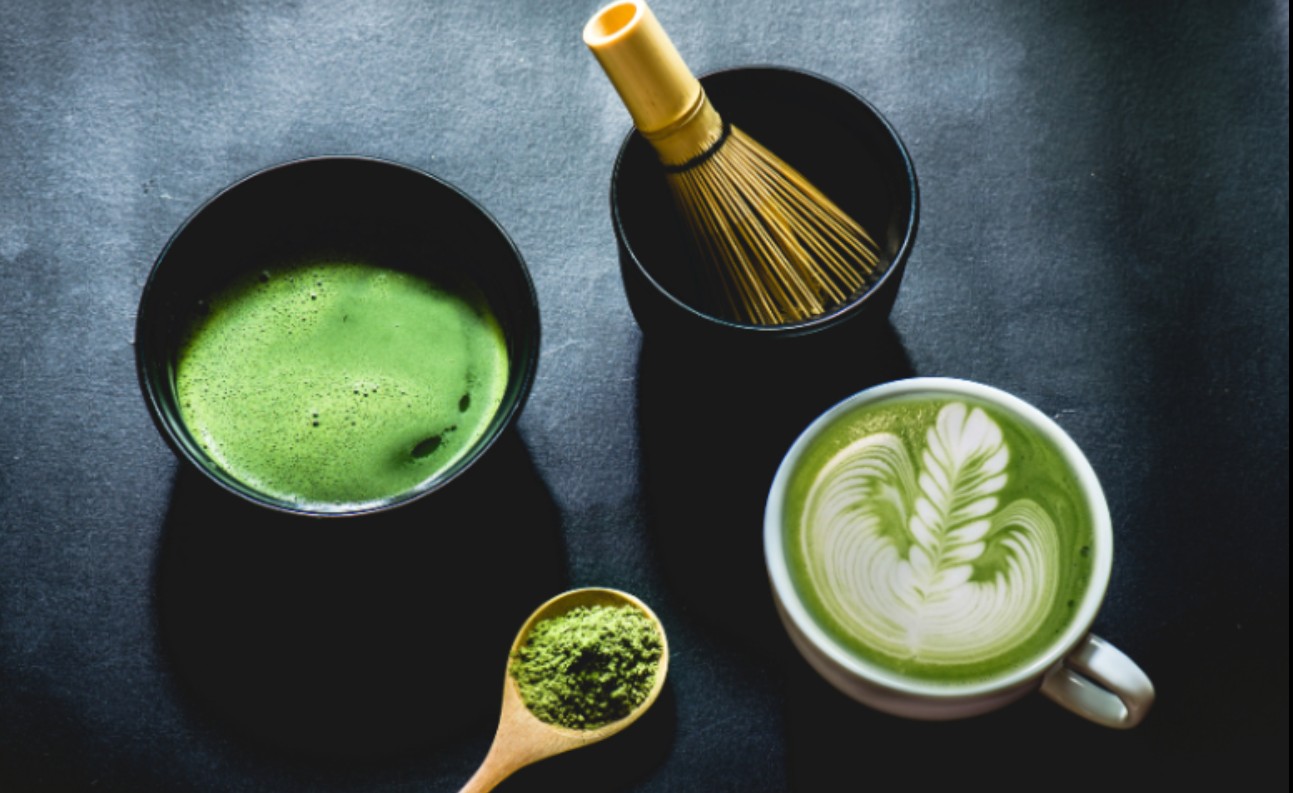
Unlike traditional latte art competitions, this battle requires participants to go beyond visual artistry—each competitor must whisk their own matcha before pouring intricate latte art designs, combining flavor, skill, and aesthetics in a single cup.

“This competition is a celebration of both craftsmanship and creativity,” said an ESTA representative. “Matcha has firmly established itself in the specialty coffee scene, and we are thrilled to see it take center stage once again at ACF.”

How to Watch or Compete

The Matcha Latte Art Battle will take place from 3:00 PM to 5:00 PM on the Latte Art Live stage at The Amsterdam Coffee Festival. Baristas interested in competing can apply via ESTA Benelux on Instagram, where competition details and registration information are available.

For those eager to witness the action, ACF 2025 is offering an early bird ticket discount of 30%, but time is running out—the offer expires tomorrow.

With matcha’s growing presence in the specialty beverage sector, this year’s competition is expected to be a major highlight of the festival. Whether you’re a tea enthusiast, coffee aficionado, or simply a fan of high-level barista artistry, the Matcha Latte Art Battle promises a spectacle of skill, color, and innovation.

🔹 Tickets and accreditation details available at The Amsterdam Coffee Festival website.

🔹 To register as a competitor, visit ESTA Benelux on Instagram.

Arabica Coffee Falls to Three-Week Low as Cocoa Prices Surge

Arabica coffee prices fell to a three-week low on Wednesday, extending their retreat from a record high earlier this month, while cocoa prices surged amid volatile market conditions.

Arabica coffee futures settled down 0.7 cents, or 0.2%, at $3.752 per pound, after hitting a three-week low of $3.6630. Traders attributed the decline to a market correction following the sharp rally in early 2025, which saw prices reach a record high of $4.2995 per pound.

“The technical indicators suggest further downside pressure in the near term,” brokerage firm Sucden Financial noted in a report.

Robusta coffee futures were little changed at $5,410 per metric ton.

Meanwhile, coffee and tea giant JDE Peet’s exceeded market expectations for its 2024 operating profit, but warned of a slight decline in 2025, citing rising coffee bean costs as a key challenge.

Cocoa futures in New York surged $425, or 4.8%, to $9,230 per ton, recovering from Monday’s three-month low of $8,308.

Despite the rally, prices remain down 16% in 2025 amid ongoing market fluctuations.

Investor sentiment was buoyed by strong earnings from Guan Chong Bhd, Asia’s largest cocoa processor, which reported a near-doubling of revenue in 2024 to 10.44 billion ringgit ($2.36 billion). The company stated that it has successfully passed higher raw material costs onto consumers.

In London, cocoa futures gained 4.9% to 7,451 pounds per ton.

Raw sugar futures fell 0.82 cents, or 3.8%, to 20.64 cents per pound, reversing part of the gains made in the previous session, when prices reached a two-month high of 21.57 cents.

Traders noted weakness in the March contract ahead of its expiry on Friday, with the premium to the May contract <SB-1=R> falling to 1.19 cents from 1.43 cents on Tuesday.

Market analysts cited dry weather in Brazil and lower-than-expected sugar output in India as key drivers of recent price volatility.

“Weather conditions in Brazil are expected to remain dry and hot over the next two weeks, which could further impact production,” Rabobank said in a report.

White sugar futures declined 1.6% to $554.70 per ton.

($1 = 4.4260 ringgit)

Ukraine’s Thriving Specialty Coffee Scene: A Journey Through Kyiv, Lviv, Odessa, and Kharkiv

An unrecoverable coffee addict, I’ve been traveling to Ukraine since 2009 when I moved to Kyiv for work with the European Commission

Anybody who’s been there once knows it’s unlikely to be a one-off trip, and I certainly got the bug to make it a regular destination for work and pleasure over the years. My last trip was specifically to look more closely into the specialty coffee movement and to visit what may be the heart of the Ukrainian specialty coffee movement from an entrepreneurial standpoint.

At least four cities have thriving specialty coffee communities: Odessa, in the southeast, has award-winning coffee entrepreneurs thriving in and around the beautiful and historic port city, but it’s Lviv, to the west, that’s known as the coffee and chocolate cultural capital. Lviv’s coffee history reaches further back than the others – a legend links Lviv nobleman Yuriy Frants Kulchytsky with the founding of one of Vienna’s first coffee houses, the Blue Bottle, playing an important role in the European history of coffee as a part of the Austro-Hungarian Empire. Kyiv, the capital, and where I’ve spent the most time, plays host to two major coffee events, each drawing suppliers from around Europe and Turkey. Attended by thousands, it’s certainly worth a trip to explore the dedicated roaster’s exhibition at Kyiv Coffee Fest. You’d be hard-pressed to keep track of the cafés and roasteries blossoming around Kyiv, so leave plenty of extra time to explore.

While Kyiv undoubtedly has the largest café and roastery offering available in Ukraine, I’d argue that Kharkov – a smaller but major city to the northeast – is the commercial heart of the specialty coffee movement in Ukraine, if not a very close second to Kyiv. It was on my most recent trip that I went there to meet Tatyana Paramzina, an incredible female entrepreneur who has built a specialty coffee empire of sorts under the brands of Dom Kofe (“House of Coffee”) and Coffee Laktika, both of which function as cafés as well as coffee equipment showrooms.

Her headquarters for both businesses are nothing short of a coffee ecosystem, housing an interactive coffee educational center for children, several roasting machines, a bakery, fondue bar, and corporate offices for their 200- plus ventures and franchises. The children’s area, located above the main entrance, is filled with interactive exhibits about coffee to promote sustainability and awareness of coffee as a special treat from nature not to be abused.This headquarters oversees nearly 200 locations, a full online e-commerce platform, proprietary software for managing specialty coffee shops, an import office for green and roasted coffees, and a large range (upwards of 50!) European and Asian coffee machines, which they service from three certified repair centers. To top it off, they even make a home roaster and their own cleaning products, given the large number of clients they service!

So, if you’re looking for a new coffee scene to explore, don’t leave Ukraine off your list! Kyiv, Lviv, Odessa, and Kharkov all have plenty to offer coffee lovers and – if you’re in Europe – they’re within easy reach for a weekend coffee getaway.

by TOM RUDDY is the CEO and Founder of Kava-Zone Ltd., a start-up focused on the development of new coffee micro-roasting equipment and services.

H&C: A Yemeni Innovation Redefining Coffee and Adding a New Dimension to the Tasting Experience

When coffee is mentioned, Yemen’s name shines as its original homeland. It was from the ports of Mokha that the first coffee beans set sail, carrying with them the secrets of flavor that shaped its history. As the global specialty coffee industry becomes increasingly competitive, the search for techniques that enhance flavor while preserving the integrity and authenticity of the beans continues.

In this context, a groundbreaking Yemeni innovation has emerged, signed by Bakr Al-Nasiri and Rashid Shaja’a, in collaboration with Durrar Specialty Coffee Company. This innovation has introduced a major shift in coffee processing through the H&C (Hot & Cold) method, which involves precise temperature control during anaerobic fermentation. This method enhances the natural flavors of coffee beans, giving Yemeni coffee an unparalleled depth and complexity.

Yemeni Coffee: A Legacy That Defies Imitation

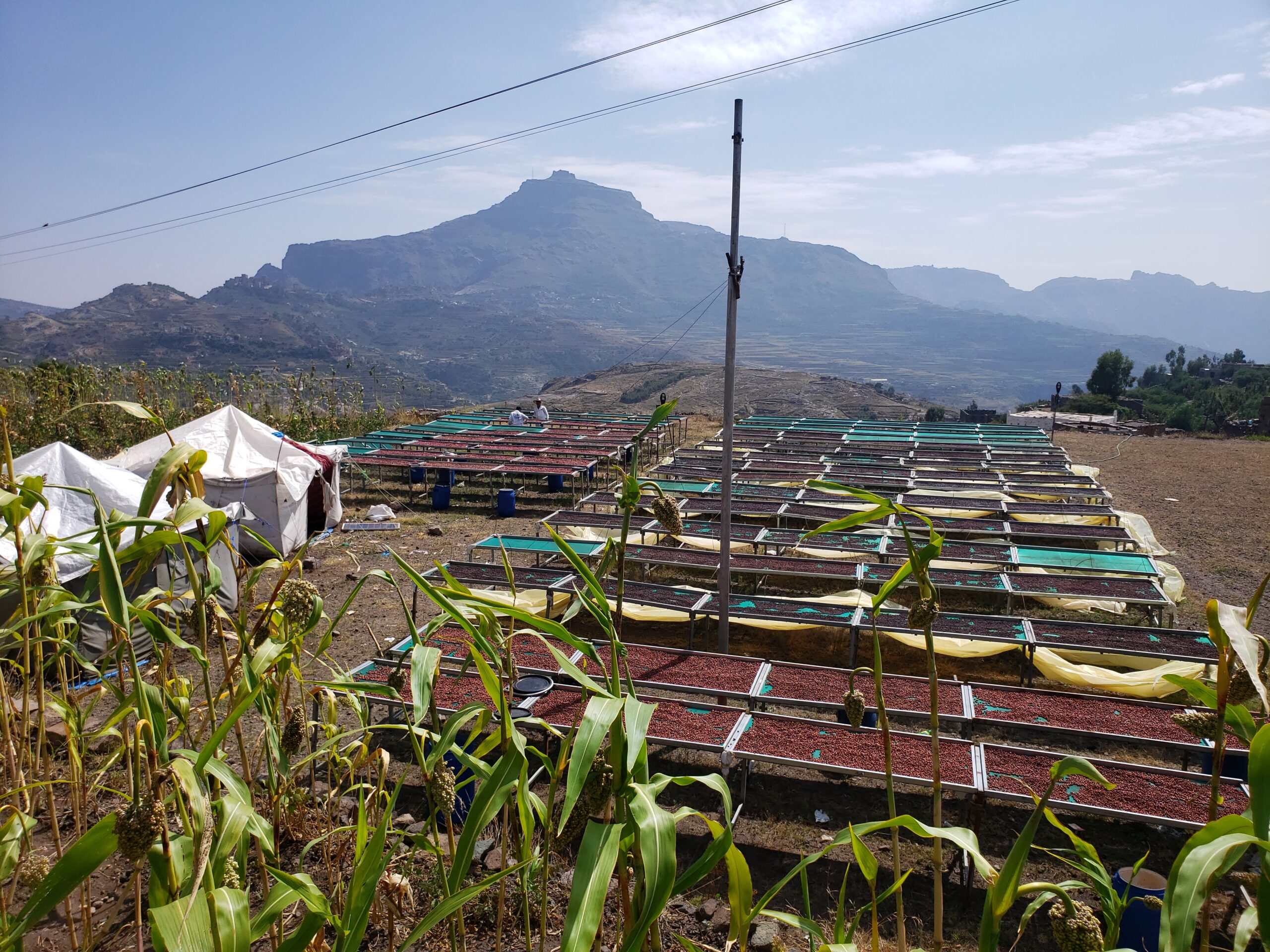
Yemeni coffee has a unique character, not only because of its exceptional quality but also because it is cultivated in rugged terrain at high altitudes. Farmers rely on ancestral agricultural methods, giving the beans flavor profiles that are difficult to replicate elsewhere.

Today, with the shift toward specialty coffee and increasing global interest in advanced processing techniques, this innovation has placed Yemeni coffee at the forefront of this evolution, drawing upon precise scientific research and a deep understanding of the beans’ characteristics and requirements.

What Makes H&C Different?

While traditional anaerobic processing has become common in the specialty coffee industry, the H&C method introduces a new dimension by incorporating carefully controlled thermal changes during fermentation. This enhances chemical reactions within the beans, highlighting flavors that might not be as pronounced through conventional processing methods.

The technique relies on intelligent temperature control during anaerobic fermentation, where the beans undergo alternating cycles of heat and cold, stimulating beneficial microbial activity and producing aromatic compounds that enrich the flavor. The result? A perfectly balanced cup of coffee with a harmonious blend of acidity and sweetness, coupled with an intricate depth of flavor that opens new horizons in the coffee tasting experience.

How is the H&C Method Applied?

The process consists of several stages to maximize the benefits of controlled anaerobic fermentation:

  1. Initial Warm Fermentation:

    • Whole coffee cherries are placed inside tightly sealed plastic bags within specialized barrels without depulping.
    • These barrels are exposed to sunlight for 10 hours daily, with temperatures ranging between 18 and 25°C.
  2. Cold Fermentation Stage:

    • The sealed bags are transferred to cold fermentation chambers where temperatures drop below 10°C for 14 hours.
    • This thermal shock slows down fermentation, allowing for deeper flavor complexity and a balanced acidity profile.
  3. Continued Fermentation and Flavor Development:

    • The process lasts between 7 and 12 days, depending on the specific processing conditions.
    • After fermentation, the beans are moved to sun-dried raised beds to complete the natural drying phase.

Experimental Applications of the Method

Durrar Specialty Coffee Company has applied the H&C method to two distinct varieties of Yemeni coffee grown in multiple farms across two different production regions:

  1. Samara – Ibb Governorate

    • Variety: Udaini
    • Altitude: 1,900–2,100 meters above sea level
  2. Haraz – Sanaa Governorate

    • Variety: Jaadi
    • Altitude: 2,000–2,300 meters above sea level

Evaluation Results: The trials demonstrated a remarkable improvement in the quality of the coffee, particularly in aromatic clarity and fruit complexity, further solidifying its reputation among specialty coffee enthusiasts.

How Does H&C Impact Flavor?

The power of this technique lies in its ability to stimulate chemical reactions within the coffee bean itself. The controlled alternation between warm and cold temperatures releases more complex aromatic compounds, resulting in a clearer and more balanced flavor profile.

  • Enhanced Aroma Clarity: Fruity and floral notes become more pronounced.
  • Perfect Balance Between Acidity and Sweetness: Precise microbial activity regulation ensures a smooth and well-rounded cup.
  • Greater Flavor Complexity: The coffee evolves dynamically on the palate, offering a multi-layered sensory experience.

Impact on the Specialty Coffee Market

This technique has not gone unnoticed—it has had a significant impact on global markets, increasing the value of Yemeni coffee processed with this method. It has become a focal point for international buyers in high-end coffee auctions.

At the First Yemeni National Coffee Auction in 2022, coffee processed using the H&C method received exceptional ratings, showcasing the success of this approach in achieving an unprecedented level of quality.

Does H&C Represent the Future of Yemeni Coffee?

Coffee is not just a beverage—it is a sensory experience intertwined with place, history, and the meticulous journey from cultivation to processing. With the H&C method, Yemeni farmers now have a powerful tool to elevate their coffee’s competitiveness, not only by preserving its authenticity but by pushing its quality to new frontiers.

This innovation marks a transformative milestone in Yemeni coffee processing. It is not merely an enhancement but a complete redefinition of how specialty coffee flavors can be accentuated.

As demand for unique and innovative coffee processing techniques grows, the H&C method could be the key to unlocking new opportunities for Yemeni coffee, securing its place among the world’s most prestigious and sought-after coffee origins.

Conclusion

In the world of specialty coffee, where connoisseurs seek exclusivity and excellence, H&C is a testament to the fact that Yemeni coffee is not just a historical legacy—it is a future in the making.

Thanks to this technique, coffee processing is no longer a routine step—it has evolved into an art and a science, where heat and cold, microbiology, and chemistry come together to craft a cup that carries the signature of Yemen’s rich heritage, infused with the essence of its towering mountains and unbreakable spirit.
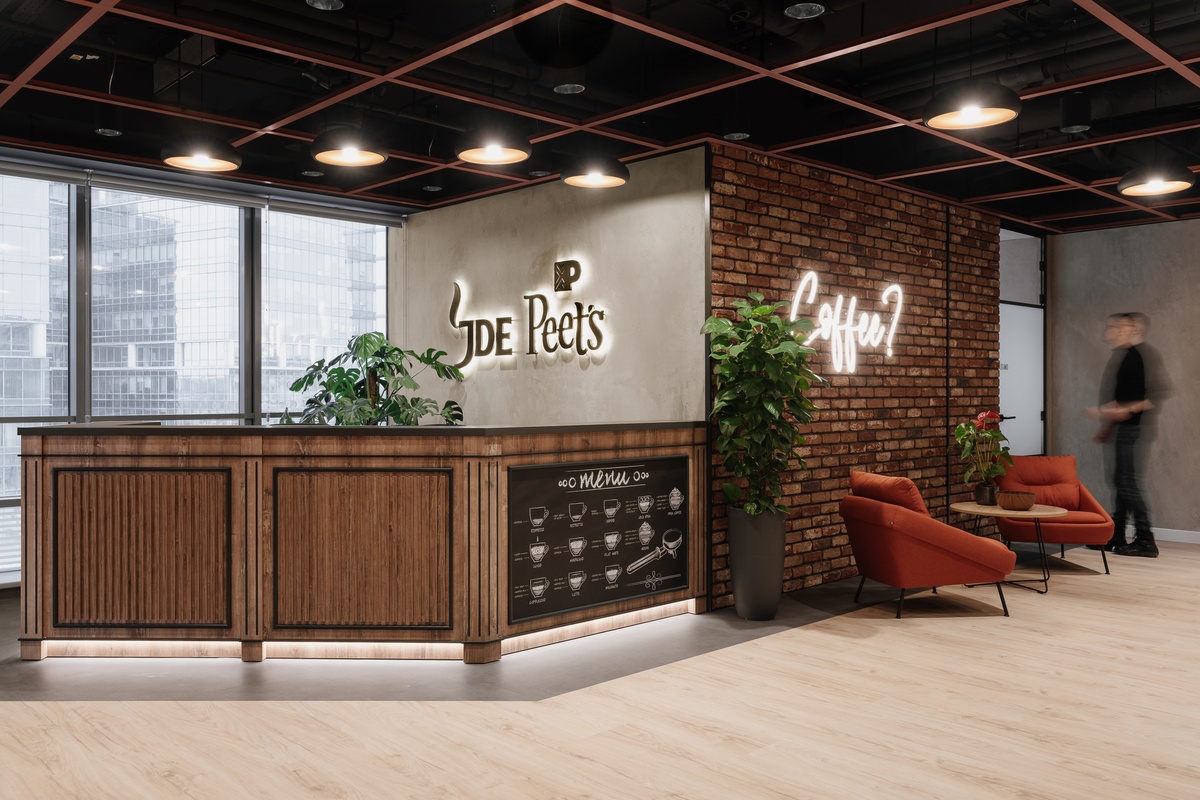

JDE Peet’s Posts Strong 2024 Results, Boosts Shareholder Returns Amid Coffee Inflation Challenges

JDE Peet’s, the global coffee and tea giant, reported robust financial performance for 2024, surpassing its mid-year guidance and announcing enhanced returns to shareholders through a dividend hike and a multi-year share buyback program.

The company achieved organic sales growth of 5.3%, driven by strategic pricing and innovation, with reported sales rising 7.9% to €8.8 billion. Adjusted earnings before interest and taxes (EBIT) climbed 10.4% organically to €1.3 billion, while free cash flow reached €1.04 billion. Net leverage remained stable at 2.7x.

Shareholder Returns
JDE Peet’s proposed a 4.3% dividend increase to €0.73 per share for 2024, payable in two instalments in July 2025 and January 2026. Additionally, the company plans to launch a €1 billion share buyback program, with €250 million allocated for 2025, citing confidence in its long-term cash generation.

CEO Highlights Strategy Amid Inflation Pressures
CEO Rafa Oliveira credited the results to disciplined pricing and innovation, despite “unprecedented” green coffee inflation, which saw costs more than double due to supply chain disruptions and adverse weather. “Our focus on consumer relevance allowed us to launch products like L’OR Iced Coffee and Peet’s Ultra Coffee Concentrate, which strengthened our market position,” he said.

Oliveira outlined five priorities for 2025, including cost efficiencies, selective capital allocation, and fostering organic growth. Details will be shared at the Capital Markets Day on 1 July 2025.

Segment Performance

  • Europe: Organic sales edged up 0.5%, with strong showings in the UK and Nordics offsetting retailer pricing disputes.
  • LARMEA: A standout 21.2% organic sales surge, fueled by Brazil’s Pilão and Jacobs brands and the integration of Maratá.
  • Peet’s: 5.7% organic growth, led by U.S. in-home sales and double-digit growth in China.
  • APAC: Mixed results, with 1.5% organic sales growth despite soft demand in away-from-home segments.

Leadership Transition
CFO Scott Gray will step down in May 2025, succeeded by Yang Xu, former CFO of Straumann Group. Xu brings over two decades of experience, including roles at Kraft Heinz.

Sustainability Progress
The company reduced Scope 1 and 2 emissions by 30% since 2020 and sourced 92.4% of its coffee responsibly. Nearly 80% of packaging is now reusable, recyclable, or compostable.

2025 Outlook
JDE Peet’s anticipates high single-digit organic sales growth but expects a low single-digit decline in adjusted EBIT, citing persistent cost pressures. Free cash flow is projected at €1 billion, weighted toward the second half.

About JDE Peet’s
The world’s largest pure-play coffee and tea company, JDE Peet’s serves 4,400 cups per second across 100 markets. Its portfolio includes L’OR, Peet’s, Jacobs, and Douwe Egberts.


Ditta Artigianale Magenta Milano and Victoria Arduino: A Dialogue Between History, Design, and Innovation

In the heart of Milan’s Corso Magenta, amid elegant Art Nouveau architecture featuring mosaic facades, ceramic decorations, and refined wrought iron, a new café concept is taking shape. Just steps away from the historic Bar Magenta, a symbol of the city’s social life, Ditta Artigianale Magenta Milano emerges as a Specialty Coffee Shop that seamlessly blends tradition with modernity, drawing inspiration from the convivial atmosphere of Italian cafés in the 1950s.

An Aesthetic Tribute to Art Nouveau Heritage

The design of the café harmonizes with the architectural essence of the neighborhood, paying homage to the Liberty style with floral decorations and fixtures inspired by the fluid geometries of wrought iron. Many original furnishing elements have been carefully restored, creating a dynamic dialogue between past and present. The result is a space meticulously crafted to evoke the ambiance of historic cafés while embracing contemporary sensibilities.

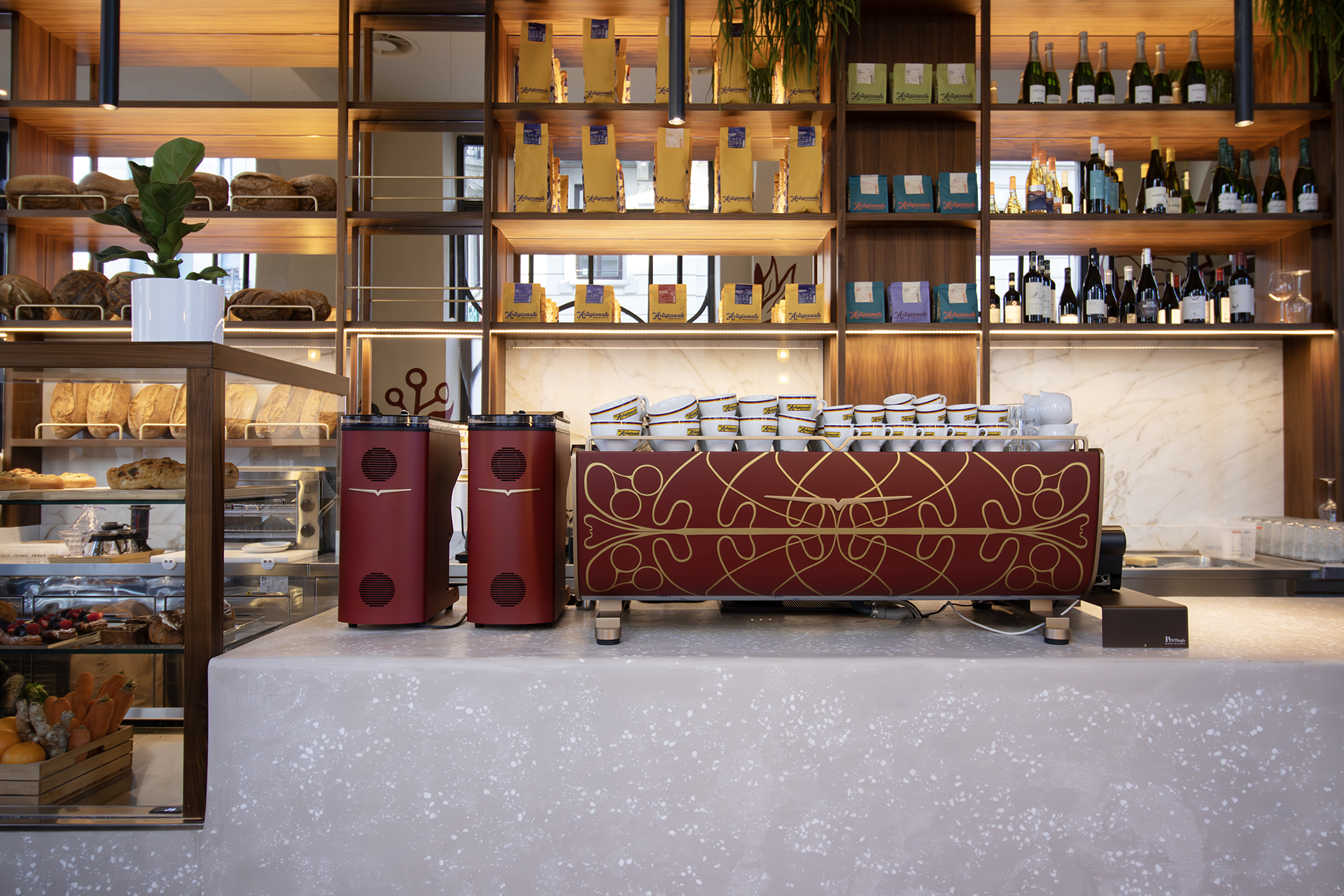
Materials and textures intertwine in a sophisticated balance: concrete merges with the warm elegance of walnut paneling, while Venetian granite countertops add depth and refinement. The presence of the Black Eagle Maverick espresso machine, the Mythos grinder, and Victoria Arduino’s PureBrew+ not only enhances the café’s functional design but also contributes to its visual narrative. These elements are customized with floral details and ironwork, reinforcing the specialty coffee shop’s identity as both a sensory and architectural experience. The goal is clear: to create a space that seamlessly integrates into the city’s fabric, with a strong yet historically respectful character.

A Perfect Balance Between History and Modernity

Ditta Artigianale, much like Victoria Arduino, is dedicated to blending heritage with innovation. Since 1905, Victoria Arduino has continuously evolved, transforming the demands of each era into cutting-edge technological solutions and refined material designs.

At Ditta Artigianale Magenta Milano, the Black Eagle Maverick, Mythos, and PureBrew+ machines embody the café’s commitment to excellence:

  • Superior Extraction Quality – Enabled by PBtech and Pure Brew technologies, enhancing the flavors of every coffee.
  • Sustainability – Featuring the advanced T3 Genius motor, which optimizes performance while minimizing energy consumption.
  • Distinctive Aesthetics – A seamless blend of essential shapes, floral embellishments, and premium materials that define a timeless visual language.

Milan: From the “Milan to Drink” Era to a Specialty Coffee City

Milan’s historic cafés—such as Bar Magenta on Corso Magenta, Jamaica in Via Brera, Camparino in Piazza Duomo, and Gattullo in Porta Lodovica—have long been at the heart of the city’s cultural fabric. In the 1950s and 1960s, these establishments served as gathering places for artists, writers, and intellectuals, even sparking early student movements. Today, they remain iconic meeting points, embodying the authentic spirit of Milanese life.

Ditta Artigianale Magenta Milano carries this legacy forward, reinterpreting it for the modern era. Its welcoming ambiance and thoughtfully designed interior serve as the perfect backdrop for a specialty coffee experience that bridges tradition and innovation. From expertly crafted espresso blends to single-origin selections from around the world, the café offers a diverse range of brewing methods—both classic, such as with the Black Eagle Maverick, and cutting-edge, like PureBrew Coffee, an innovative filter brewing system enabled by Victoria Arduino’s PureBrew+ technology.

In this way, Victoria Arduino continues to support pioneers in the coffee industry, enabling them to provide their customers with an immersive, deep, and authentic sensory journey.

Black Eagle Maverick, Mythos, and PureBrew+: Where Design Meets Technology

Victoria Arduino’s coffee machines are more than just tools—they are integral design elements that enhance the ambiance of any space.

  • Black Eagle Maverick – Defined by its sleek, bold lines and adorned with gold floral accents on a magenta top, this machine features Victoria Arduino’s iconic stylized eagle at its center.
  • Mythos Grinder – With its monolithic shape, the Mythos grinder exudes precision and reliability. Its matte magenta surface harmonizes with the Black Eagle Maverick, making it a striking feature on the bar counter.
  • PureBrew+ – Positioned at the back of the bar, this machine embodies minimalist sophistication, offering a versatile and innovative brewing experience. Its streamlined silhouette and balance of technological advancement and aesthetic purity establish it as an icon in the evolving café landscape.

With Ditta Artigianale Magenta Milano, Milan welcomes a new chapter in its storied café culture—one that respects the past while embracing the future, setting new standards in design, quality, and innovation.

Private Equity Giants KKR, Fountainvest, PAG Explore Stake in Starbucks China Amid Strategic Revamp

  • China Resources, Meituan Also Approached as Potential Partners; Franchise Deal Could Value Unit Over $1 Billion

Global private equity giants KKR & Co, Fountainvest Partners, and PAG are among firms exploring bids for a stake in Starbucks’ China operations, four sources told Reuters, as the U.S. coffee chain seeks to reignite growth in its second-largest market amid mounting challenges.

Chinese state-owned conglomerate China Resources Holdings and food delivery leader Meituan have also been approached as potential strategic partners, one source familiar with the discussions said.

Starbucks CFO Rachel Ruggeri and other top executives plan to visit China in the coming weeks to advance sale talks, two sources added. The size of the stake remains undetermined and hinges on negotiations, though a franchise agreement could value Starbucks China at over $1 billion, two sources noted.

All parties spoke anonymously due to the confidential nature of the discussions. KKR, PAG, and China Resources declined to comment, while Fountainvest and Meituan did not respond to requests. Starbucks deferred to CEO Brian Niccol’s January remarks about exploring partnerships in China.

The move comes as Niccol, who became CEO in August, navigates sluggish U.S. and Chinese demand, a slumping stock price, and fierce competition in China from local rival Luckin Coffee. On Monday, Starbucks announced 1,100 corporate job cuts as part of its “Back to Starbucks” overhaul.

China, home to over 6,000 Starbucks stores (20% of its global footprint), has seen sales falter due to economic headwinds and Luckin’s aggressive expansion into lower-tier cities with cheaper offerings. Starbucks began informal talks with potential investors in late 2022, sources said.

Niccol, after visiting China in January, hinted at “near-term changes” to stabilize the business while pursuing partnerships. In November, Starbucks confirmed it was evaluating options for its China unit following reports of a potential stake sale.

A franchise deal would mark a strategic pivot for Starbucks, which has long operated company-owned stores in China. Such a partnership could unlock capital and local expertise to counter domestic rivals.

Analysts caution that balancing control with local collaboration will be critical. “The right partner could accelerate growth, but Starbucks must protect its brand equity,” said Shanghai-based retail analyst Ming Lu.


Arabica Coffee Prices Decline Amid Rising ICE Inventories and Supply Concerns

Arabica coffee futures declined on Friday, with May arabica (KCK25) dropping 0.17% (-0.65), while March robusta coffee (RMH25) gained 1.26% (+71). The drop in arabica prices was largely driven by a rebound in ICE-monitored arabica inventories, which increased by 3.9% over three sessions to 787,999 bags, recovering from a nine-month low of 758,514 bags recorded earlier in the week.

Meanwhile, robusta coffee inventories have been fluctuating. After reaching a 4.75-month high of 4,603 lots on January 31, robusta stockpiles declined to a 1.75-month low of 4,297 lots by Tuesday before slightly rebounding to 4,322 lots on Friday.

Despite the rising inventories, supply concerns continue to support coffee prices. Brazilian coffee sales are progressing faster than in previous years, with 88% of the 2024/25 harvest already sold as of February 11, surpassing last year’s 79% and the five-year average of 82%. However, sales of the 2025/26 crop remain slow at just 13%, compared to a four-year average of 22%, indicating potential supply constraints ahead.

Further tightening supply, Brazil’s January green coffee exports fell 1.6% year-over-year to 3.98 million bags, according to Cecafé. Additionally, Brazil’s government crop agency Conab has projected a 4.4% year-over-year decline in the country’s 2025/26 coffee production, with an expected output of 51.81 million bags, marking a three-year low. Conab also revised its 2024 production estimate downward by 1.1% to 54.2 million bags, reflecting ongoing concerns over weather conditions.

Weather patterns remain a key factor impacting the global coffee market. Below-average rainfall in Brazil has raised concerns about crop yields, particularly in Minas Gerais, the country’s largest arabica-producing region, which received just 12.4 mm of rain last week, only 20% of the historical average. Brazil is facing its driest conditions since 1981, according to Cemaden, the country’s disaster monitoring agency. Similarly, Colombia, the world’s second-largest arabica producer, is still recovering from last year’s El Niño-driven drought, which significantly impacted yields.

Robusta prices remain supported by tight supply from Vietnam, the world’s largest robusta producer. Vietnam’s 2023/24 coffee production fell by 20% to 1.472 million metric tons, marking the smallest crop in four years due to drought conditions. The USDA Foreign Agricultural Service (FAS) has projected a slight decline in Vietnam’s 2024/25 robusta production to 27.9 million bags, down from 28 million bags in the previous season. Additionally, Vietnam’s coffee exports dropped 17.1% year-over-year to 1.35 million metric tons in early 2024.

On the other hand, increased global exports present a bearish factor for coffee prices. Brazil’s 2024 coffee exports surged by 28.8% year-over-year to a record 50.5 million bags, according to Conab, while Vietnam’s January coffee exports rose 6.3% month-over-month to 134,000 metric tons, reinforcing supply availability. However, global coffee exports declined by 12.4% year-over-year in December, and cumulative exports from October to December fell by 0.8% year-over-year to 32.25 million bags, as reported by the International Coffee Organization (ICO).

The USDA’s latest biannual report delivered a mixed outlook for coffee prices. While world coffee production is expected to rise by 4.0% year-over-year to 174.85 million bags in 2024/25, arabica production is projected to increase by only 1.5% to 97.85 million bags, whereas robusta production is set to grow by 7.5% to 77.01 million bags. Meanwhile, global coffee ending stocks are forecasted to fall by 6.6% to a 25-year low of 20.87 million bags, reflecting ongoing supply constraints.

Looking further ahead, coffee supply concerns persist. Volcafe recently cut its 2025/26 Brazil arabica coffee production estimate to 34.4 million bags, a sharp decline of 11 million bags from its previous forecast. The firm also projects a global arabica coffee deficit of 8.5 million bags for 2025/26, widening from the 5.5 million bag deficit expected in 2024/25. If realized, this would mark the fifth consecutive year of global arabica supply deficits.

With supply constraints and climate-related risks looming, the coffee market remains volatile, with weather conditions in key producing regions expected to play a critical role in shaping future price movements.

Kudymkar Unveils Centennial Coffee Sensation: A Taste of Komi-Permyak Heritage

Kudymkar has introduced a unique addition to its centennial celebrations with the launch of “Чöд Льöм раф” (Chöd Löm Raf), a specialty coffee infused with blackberry and bird cherry. Developed to honor the cultural heritage of the Komi-Permyak Okrug, the coffee was presented at the Basok Parma Tourist Information Center as part of a broader effort to highlight local flavors and traditions.

Bird cherry, a staple of Komi-Permyak cuisine, has been used for generations in pastries and preserves. Now, it is reimagined in a coffee blend that combines ethically sourced Arabica beans with locally foraged blackberries and freeze-dried bird cherry. The result is a smooth, aromatic brew with a subtly tart finish, evoking the essence of the region’s forests. The drink’s name, which translates to Morning Forest Dew in the Komi-Permyak language, reflects the misty woodlands that define the area’s natural landscape.

According to Maxim Chugainov, director of the Basok Parma Tourist Center, the choice of ingredients was intentional, connecting the drink to the region’s culinary identity. “Bird cherry isn’t just an ingredient—it’s a symbol of our heritage. With this coffee, we’re inviting the world to experience the essence of our land,” he stated.

Starting February 24, visitors to Kudymkar will be able to sample the new blend at the Basok Parma center, with plans for wider distribution in cafés across Perm Krai. The launch is part of an extensive centennial program featuring over 160 events, including folk festivals, artisan markets, and a documentary series on Komi-Permyak history.

The celebration also marks the opening of TÖB (Wind), a high-end Komi-Permyak restaurant in Perm’s Hampton by Hilton Hotel. Led by chefs specializing in regional cuisine, the restaurant will showcase traditional dishes such as venison stew with juniper, nettle-infused bread, and desserts featuring the distinct flavor of bird cherry. A spokesperson for the regional tourism ministry emphasized the initiative’s role in preserving local traditions, stating, “Our ancestors lived off these forests—now we’re sharing their legacy with every sip and bite.”

As Perm Krai prepares for its centennial, Kudymkar is positioning itself as a destination for culinary tourism by blending time-honored traditions with contemporary trends. By infusing specialty coffee with native flavors, the town is contributing to Russia’s growing interest in gastro-tourism while reinforcing pride in Komi-Permyak heritage. Visitors eager to experience the festivities will find Kudymkar’s cafés, cultural sites, and scenic trails offering an immersive journey into the history and flavors of the region. “This isn’t just about coffee,” Chugainov added. “It’s about celebrating our roots—and inviting others to discover them too.”

  • Kudymkar is a town in Perm Krai, Russia, serving as the administrative center of the Komi-Permyak Okrug, a region historically inhabited by the Komi-Permyak people, one of Russia’s indigenous Finno-Ugric communities. Located approximately 200 km northwest of Perm, Kudymkar is a cultural and economic hub known for preserving Komi-Permyak traditions, language, and cuisine. The town plays a significant role in regional tourism, showcasing local crafts, folklore, and gastronomy. With a population of around 30,000, Kudymkar continues to blend its historical heritage with modern development, making it a key destination for cultural and eco-tourism in Perm Krai.