The Titans of Coffee: The 20 Most Influential Coffee Companies in the World 2025

The story of coffee is not merely one of a beverage but a saga of power, ambition, and cultural transformation. From the misty highlands of Ethiopia, where legend speaks of Kaldi’s dancing goats, to the grand coffee houses of Vienna, where revolutions were whispered over steaming cups, coffee has shaped civilizations.

Behind this cherished drink stands a constellation of corporate giants—companies that have forged empires, pioneered innovations, and dictated the tides of the global coffee trade. These are the titans who control the plantations, the roasting houses, and the retail empires, ensuring that every morning, in every corner of the world, coffee lovers awaken to the aroma of freshly brewed ambition.

This list of the 20 most influential coffee companies in 2025 is not merely a ranking; it is a testament to history, a reflection of economic might, and an exploration of the forces shaping the future of coffee.

  1. Nestlé S.A. – The Emperor of Instant and Capsule Coffee
  • Annual Revenue: $99.3 billion (total company revenue)
  • Headquarters: Vevey, Switzerland
  • Founded: 1866
  • Key Brands: Nescafé, Nespresso, Blue Bottle Coffee

Nestlé is the undisputed global leader in coffee, with a legacy spanning over 150 years. The introduction of Nescafé in 1938 revolutionized instant coffee, while Nespresso (1986) transformed capsule brewing into an art form. With a presence in over 180 countries, Nestlé’s influence is unparalleled, ensuring that no matter where you are, a cup of its coffee is never too far away.

  1. Starbucks – The Empire That Redefined Café Culture
  • Annual Revenue: $36.18 billion
  • Headquarters: Seattle, Washington, USA
  • Founded: 1971
  • Number of Locations: Over 35,000 stores in 80+ countries

From a single store in Seattle’s Pike Place Market, Starbucks has grown into the largest coffeehouse chain in the world. More than just a brand, Starbucks is a cultural movement, pioneering trends like third-wave coffee, sustainable sourcing, and specialty beverages.

  1. JDE Peet’s – The European Coffee Powerhouse
  • Annual Revenue: $8.7 billion
  • Headquarters: Amsterdam, Netherlands
  • Founded: 2015 (merger of Jacobs Douwe Egberts & Peet’s Coffee)
  • Key Brands: Jacobs, Senseo, Tassimo, L’OR, Peet’s Coffee

With roots tracing back to Douwe Egberts’ founding in 1753, JDE Peet’s commands a rich history in European coffee culture. The company is a leading force in coffee capsules, roasted coffee, and espresso systems, with a strong presence across Europe, North America, and Asia.

  1. Keurig Dr Pepper (KDP) – The King of Single-Serve Coffee
  • Annual Revenue: $14.1 billion
  • Headquarters: Burlington, Massachusetts, USA
  • Founded: 2018 (merger of Keurig Green Mountain & Dr Pepper Snapple Group)
  • Key Innovations: K-Cup single-serve brewing system

Keurig revolutionized single-serve coffee with the launch of K-Cups in 1998, making home brewing faster and more convenient. Despite criticism for its environmental impact, Keurig remains the dominant player in the home coffee market in North America.

  1. Lavazza – Italy’s Espresso Royalty
  • Annual Revenue: €2.24 billion
  • Headquarters: Turin, Italy
  • Founded: 1895
  • Global Presence: Operations in over 90 countries

Lavazza embodies the soul of Italian coffee culture. For over a century, it has perfected espresso blending, making it one of the most revered brands in premium coffee worldwide.

  1. Strauss Coffee
  • Annual Revenue: Part of Strauss Group’s $2.2 billion revenue
  • Headquarters: Petah Tikva, Israel
  • Founded: 1933
  • Key Brands: Elite Coffee, Fort, Pedro’s

Strauss Coffee is one of the largest roasted and instant coffee producers in Eastern Europe, Brazil, and Israel. It has strategically expanded into emerging markets, making high-quality coffee accessible to millions.

  1. Tata Consumer Products – India’s Coffee Mogul
  • Annual Revenue: $1.2 billion
  • Headquarters: Mumbai, India
  • Founded: 2020
  • Key Brands: Tata Coffee, Eight O’Clock Coffee

India, long known for its tea dominance, has rapidly embraced coffee, with Tata leading the charge. The company owns some of the largest coffee plantations in the world, supplying high-quality beans to global markets.

  1. UCC Ueshima Coffee Co. – Japan’s Coffee Authority
  • Annual Revenue: $2.5 billion
  • Headquarters: Kobe, Japan
  • Founded: 1933
  • Key Innovations: Pioneering canned coffee

UCC pioneered canned coffee, a staple of Japanese vending machines. With a legacy of craftsmanship, innovation, and precision roasting, UCC has become a dominant force across Asia and the Pacific.

  1. Massimo Zanetti Beverage Group – The Italian Coffee Conglomerate
  • Annual Revenue: Approximately $1.2 billion
  • Headquarters: Bologna, Italy
  • Founded: 1973
  • Key Brands: Segafredo Zanetti, Chock full o’Nuts, Kauai Coffee

Massimo Zanetti Beverage Group is a global coffee company that owns a diverse portfolio of over 20 consumer brands worldwide. The company operates 11 roasting plants globally and has a distribution network spanning 100 countries.

  1. Dunkin’ – America’s Coffee-on-the-Go Leader
  • Annual Revenue: $1.4 billion
  • Headquarters: Canton, Massachusetts, USA
  • Founded: 1950
  • Number of Locations: Over 12,000 stores in 40+ countries

Dunkin’ has become synonymous with coffee and donuts in the United States. Its focus on speed, convenience, and affordability has made it a staple for millions of daily commuters.

  1. Tim Hortons – Canada’s Coffee Legacy
  • Annual Revenue: $3.8 billion
  • Headquarters: Toronto, Canada
  • Founded: 1964
  • Number of Locations: Over 5,600 stores worldwide

With its legendary double-double coffee, Tim Hortons is deeply ingrained in Canadian culture, serving over 5,600 locations worldwide.

  1. Panera Bread – The Bakery-Café Hybrid
  • Annual Revenue: Approximately $6 billion
  • Headquarters: St. Louis, Missouri, USA
  • Founded: 1987
  • Key Brands: Panera Bread

Panera Bread, originally founded as St. Louis Bread Company, revolutionized the fast-casual dining experience by combining artisanal bakery offerings with specialty coffee. While primarily known for its breads and pastries, Panera’s coffee program emphasizes sustainably sourced beans and seasonal blends. With over 2,000 locations across North America, Panera has integrated digital innovations, such as rapid pick-up and delivery services, enhancing customer convenience and solidifying its position in the competitive café market.

  1. The Coffee Bean & Tea Leaf – The Californian Pioneer
  • Annual Revenue: Approximately $500 million
  • Headquarters: Los Angeles, California, USA
  • Founded: 1963
  • Key Brands: The Coffee Bean & Tea Leaf

Established in Southern California, The Coffee Bean & Tea Leaf is one of the oldest and largest privately-held specialty coffee and tea retailers in the United States. It introduced the concept of “Ice Blended” drinks, a precursor to the now-ubiquitous blended coffee beverages. With a strong presence in Asia and the Middle East, the brand emphasizes sourcing the top 1% of Arabica beans and the finest hand-plucked, whole-leaf teas, ensuring a premium experience for its global clientele.

  1. Gloria Jean’s Coffees – Australia’s Coffee Culture Ambassador
  • Annual Revenue: Approximately $202.9 million
  • Headquarters: Castle Hill, New South Wales, Australia
  • Founded: 1979
  • Key Brands: Gloria Jean’s Coffees

Historical and Geographical Insights:

Originating in Chicago, USA, Gloria Jean’s Coffees found its stride after being introduced to Australia in 1996. The brand played a pivotal role in shaping Australia’s vibrant coffee culture, known for its emphasis on espresso-based beverages. With over 1,000 coffee houses in 39 countries, Gloria Jean’s focuses on flavored coffees and specialty beverages, catering to diverse palates while maintaining a cozy café environment that encourages community gatherings.

  1. Peet’s Coffee – The Artisan’s Legacy
  • Annual Revenue: Approximately $800 million
  • Headquarters: Emeryville, California, USA
  • Founded: 1966
  • Key Brands: Peet’s Coffee

Peet’s Coffee, founded by Alfred Peet, is often credited with kickstarting the specialty coffee movement in the United States. Peet introduced darker, more flavorful roasts, influencing many future coffee entrepreneurs, including the founders of Starbucks. Concentrated primarily on the West Coast, Peet’s has expanded its reach through retail outlets and grocery store distributions. Their commitment to direct trade and meticulous roasting processes ensures a loyal customer base that appreciates high-quality, robust coffee.

  1. Caribou Coffee – The Northwoods Experience
  • Annual Revenue: Approximately $262 million
  • Headquarters: Minneapolis, Minnesota, USA
  • Founded: 1992
  • Key Brands: Caribou Coffee

Inspired by an Alaskan adventure, Caribou Coffee aims to provide an authentic coffeehouse experience reminiscent of the Northwoods. Emphasizing sustainability, Caribou was the first major U.S. coffeehouse to source 100% Rainforest Alliance Certified beans. With over 600 locations, primarily in the Midwest, Caribou offers a cozy atmosphere, complete with cabin-like décor, appealing to those seeking both quality coffee and a comfortable retreat.

  1. Dutch Bros Coffee – The West Coast’s Drive-Thru Darling
  • Annual Revenue: Approximately $739 million
  • Headquarters: Grants Pass, Oregon, USA
  • Founded: 1992
  • Key Brands: Dutch Bros Coffee

Dutch Bros Coffee began as a single pushcart by two brothers, both former dairy farmers, in Oregon. Focusing on drive-thru coffee stands, Dutch Bros has cultivated a cult-like following with its energetic staff, unique beverage names, and sweet concoctions. With over 400 locations across the western United States, the company emphasizes community involvement and philanthropy, hosting annual “Drink One for Dane” events to support ALS research, reflecting its deep-rooted commitment to social responsibility.

  1. Illycaffè – The Epitome of Italian Elegance
  • Annual Revenue: Approximately $650 million
  • Headquarters: Trieste, Italy
  • Founded: 1933
  • Key Brands: Illy

Illycaffè, founded by Francesco Illy, is renowned for its singular blend of nine pure Arabica beans, sourced from four continents. The company introduced the modern espresso machine in 1935 and continues to innovate in coffee preparation and sustainability. With a presence in over 140 countries, Illy maintains a reputation for quality and artistry, often collaborating with contemporary artists to design their iconic espresso cups, merging the worlds of coffee and art seamlessly.

  1. Death Wish Coffee – The Boldest Brew in the World
  • Annual Revenue: Approximately $42.8 million
  • Headquarters: Saratoga Springs, New York, USA
  • Founded: 2012
  • Key Brands: Death Wish Coffee

Death Wish Coffee is a modern disruptor in the coffee industry, setting itself apart with its extreme caffeine content and bold branding. Founded in 2012 by Mike Brown, the company started in a small coffee shop in Saratoga Springs, New York, with a singular goal—to create the strongest coffee in the world.

Final Thoughts

The Top 20 Coffee Companies of 2025 represent a rich tapestry of history, innovation, and global influence. From centuries-old coffee empires like Lavazza and Illy to modern disruptors like Dutch Bros and Death Wish Coffee, these companies shape the way coffee is produced, consumed, and celebrated worldwide.

Each company has left its mark on the industry—whether by pioneering new brewing techniques, expanding coffee culture globally, or championing sustainability and ethical sourcing.

One thing remains certain: coffee is not just a drink—it is a revolution in a cup.

Which of these coffee giants do you rely on for your daily brew? Let us know!
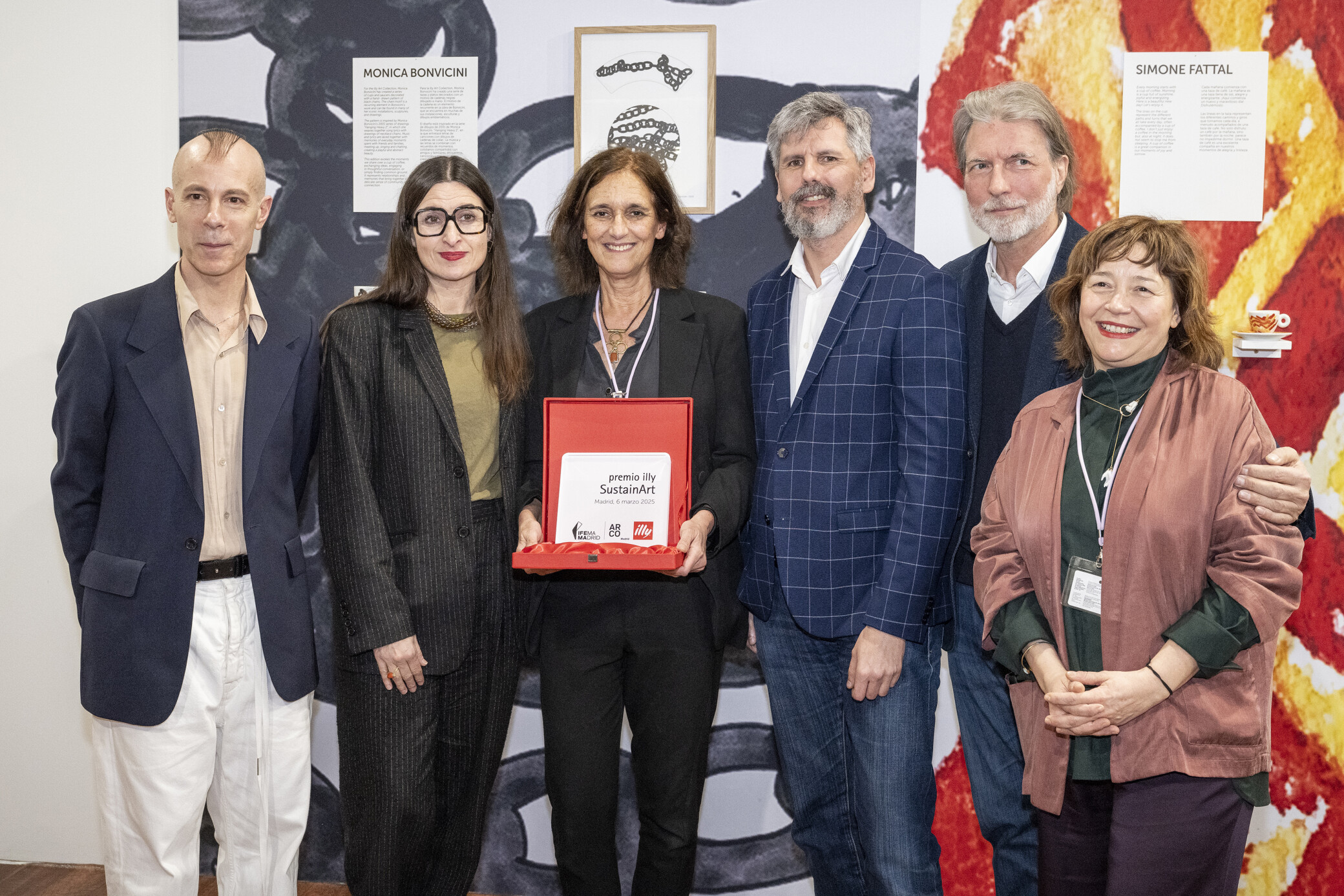
 

Claudia Pagès Wins XVIII illy SustainArt Award at ARCOmadrid 2024

Barcelona-born artist Claudia Pagès has been awarded the XVIII illy SustainArt Prize at the 44th edition of ARCOmadrid, recognizing her innovative approach to contemporary art.

The prestigious award, dedicated to supporting young artists in contemporary art, was decided by a jury of art world experts after an intense deliberation process among 93 submitted works. Represented by Àngels Barcelona Gallery, the 35-year-old Catalan artist captivated the jury with her winning work, consisting of two pieces deeply inspired by history and memory.

Pagès’ creation is built upon the exploration of space, time, and historical inscriptions found on ancient walls. Inspired by the cisterns of Xàtiva, her work intertwines themes of water, memory, and protective structures like walls and castles. Her signature technique involves the use of handmade sheets of paper to form intricate constructions resembling historical filigree labyrinths. The two award-winning pieces, Muro de dos caras and Xàtiva, reflect this approach, utilizing historical references and architectural elements to narrate stories of the past.

Light plays a crucial role in her work, emanating from within a box to reveal hidden layers of memory, emphasizing the delicate balance between remembering and forgetting. Pagès views this interplay as a way to illuminate history and prevent it from fading into obscurity, symbolizing the fragility of both paper and memory itself.

A Rising Voice in Contemporary Art

Claudia Pagès holds a Fine Arts degree from the University of Barcelona and an MFA from the Sandberg Instituut in Amsterdam. Her works have been featured in prominent institutions and exhibitions worldwide, including:

  • Manifesta 15, Barcelona (2024)
  • IVAM, Valencia (2024)
  • Sculpture Center, New York (2024)
  • CA2M, Madrid (2023)
  • Fundació Joan Miró, Barcelona (2023)
  • Tabakalera, Donostia (2022)
  • MACBA, Barcelona (2022)
  • Sharjah Art Foundation, UAE (2018)

Additionally, Pagès has received multiple accolades, including the Ojo Crítico Visual Arts Award in 2022, and has participated in prestigious artist residency programs at Gasworks, London (2017) and Triangle France, Marseille (2020). In March and April 2025, she will embark on a residency at EMPAC in Troy, United States. Her upcoming exhibitions in 2025 will include Chisenhale Gallery (London), INDEX (Stockholm), and Mumok (Vienna), along with a group exhibition at Art Sonje Center in Seoul, curated by Chus Martínez.

The Jury and illy’s Commitment to Art

The illy SustainArt Prize jury included notable art and culture figures: Imma Prieto (Director of the Fundació Tàpies), Javier Díaz-Guardiola (art critic at ABC and coordinator of ABC Cultural‘s art section), and Mariano Mayer (independent art curator), alongside Carlo Bach, artistic director of illycaffè.

With this award, illycaffè reaffirms its commitment to fostering emerging contemporary artists, supporting creativity, and strengthening the link between art and coffee culture.

Coffee and Health: Can It Really Help You Live Longer?

The BBC website recently published an illustrated article titled “Why Drinking Coffee Can Benefit Your Health,” in which presenter and writer Melissa Hogenboom explores the many health benefits of coffee, backed by scientific research.

Hogenboom argues that coffee is no longer just a morning ritual to kickstart the day—it may actually be a key to better health and longevity. She highlights recent studies that have shifted the perception of coffee from being potentially harmful to a beverage with protective effects on the body. Research now suggests that drinking coffee is linked to a reduced risk of several types of cancer, including colon, rectal, and breast cancer.

Citing a large-scale study of half a million people over 16 years, Hogenboom points out that those who consumed coffee regularly had a lower risk of dying from heart disease and cancer. The study found that drinking three cups a day offered the most significant health benefits. While these findings are correlational and do not prove a direct cause-and-effect relationship, researchers believe that bioactive compounds in coffee play a crucial role in improving overall health.

Hogenboom explains that coffee is rich in polyphenols, natural antioxidants that help reduce inflammation and support bodily functions. Among these, chlorogenic acid has been linked to reducing anxiety and depression. Coffee also contains fiber and prebiotic compounds that nourish the gut microbiome, contributing to better digestion and overall well-being.

As for caffeine, Hogenboom acknowledges its well-known benefits in boosting alertness, stimulating metabolism, and enhancing mood. However, she also cautions that excessive consumption may lead to side effects such as dizziness and sleep disturbances. For those who prefer to avoid caffeine, she reassures that decaffeinated coffee still retains its antioxidants, offering similar health benefits.

Hogenboom concludes that coffee is no longer just a simple beverage—it could be an ally for better health and a longer life. So, the next time you sip your morning coffee, know that you might be doing more than just fueling your day—you could be investing in your well-being.


View this post on Instagram


A post shared by عالم القهوة (@qahwaworld)

Coffee Prices Soar Globally as Trade Faces Sharp Slowdown

Reuters has confirmed that the global coffee industry is experiencing a sharp slowdown, as traders and roasters reduce their purchases to the lowest levels due to a significant surge in prices. The agency reported that Arabica coffee futures on the exchange have jumped by 70% since November, making it difficult for suppliers to convince retailers to accept these increases.

The agency quoted Renan Chueiri, General Manager of ELCAFE in Ecuador, as saying that 2025 is the first year in which the instant coffee producer has been unable to sell its entire annual production by March.

“Usually, by this time, we would have sold all our production, but so far, we have only sold 30%,” Chueiri said. “The significant price increase affects clients’ cash flow, as they do not have enough liquidity to buy what they need.”

In the United States, a senior coffee roaster, who requested anonymity, said that some of his clients are unsure whether they will be able to stay in business.

“Some will not be able to survive,” the CEO said. “Retailers are delaying negotiations, and some stores are already facing coffee shortages on their shelves.”

According to Reuters, fears over continued high prices have led traders to adopt a more cautious approach to purchasing.

“No one wants to take risks, and no one is buying for future delivery—everyone is purchasing only the necessary quantities,” said a coffee broker who requested anonymity.

In Brazil, the world’s largest coffee producer, purchasing has become more cautious than ever before.

“Deals are being completed with seven-day payment terms. Buyers go to farms or warehouses, check the quality, and if it meets their standards, they pay immediately and take the coffee with them,” the broker explained.

Reuters confirmed that the impact of reduced trade volumes has started to appear in U.S. warehouses near major ports, where inventory levels have dropped to half their usual levels.

A senior official from one of the largest storage companies revealed that some firms have begun returning silos to their owners and terminating lease contracts early due to decreased demand.

Despite the crisis, Reuters’ latest poll predicts that Arabica coffee prices could drop by up to 30% by the end of the year, as high prices lead to lower demand, while projections indicate a strong harvest in Brazil next year, which could help ease market pressures.

During the Houston conference, Louis Dreyfus presented data showing that coffee cultivation areas are expanding in response to higher prices, particularly in India, Uganda, Ethiopia, and Brazil. If Brazil manages to produce a large crop, it could lead to a sharp decline in prices.

With continued uncertainty, the global coffee industry faces major challenges. With buyers hesitant, retailers resisting price hikes, and financial pressures mounting on all parties, the coming months are expected to be difficult for traders, roasters, and consumers alike.

Coffee Prices Remain Stable in Saudi Arabia Despite Global Surges

Despite record-breaking increases in global coffee prices, data from the General Authority for Statistics in Saudi Arabia indicates relative stability in the local market, supported by steady supply availability and continued imports from major producing countries.

According to official data reported by the Saudi economic magazine “Maal”, the average price of whole bean/hari coffee in Saudi Arabia during January 2025 stood at SAR 45.6 per kilogram, compared to SAR 44.9 at the end of 2023, reflecting a slight increase of only 1.6% over the year. Meanwhile, whole bean/laqmati coffee was priced at SAR 31.9 per kilogram in January 2025, down from SAR 32.3 at the end of 2023, a 1.2% decrease. This local price stability persists despite sharp global price hikes over the past 18 months.

Saudi Arabia imported 188,000 tons of coffee beans in 2024, with Ethiopia as the leading supplier, accounting for 58% of total imports, followed by Brazil at 15% and India at 3%. The diversification of import sources helps ensure a stable coffee supply in the local market.

According to “Maal” magazine, Saudi Arabia’s balanced trade policies and diverse import channels have played a key role in maintaining market stability despite global disruptions. With ongoing government initiatives to support coffee farming in the Kingdom, increased local production is expected to enhance food security and mitigate future price volatility.

On the production front, the Saudi Reef Program – affiliated with the Ministry of Environment, Water, and Agriculture – reported that Saudi Arabia’s coffee production reached 1,485 tons in 2023, marking a 37% increase compared to the previous year. The Kingdom aims to boost production to 7,000 tons by 2026 through support and development programs, with total financial aid to the sector reaching SAR 61 million, benefiting 3,718 farmers to date.

Meanwhile, global coffee prices continue to skyrocket, rising 21% in January and February 2025, bringing the total increase since October 2023 to 168%, according to a report by “Maal” magazine.

Arabica coffee prices – which account for 75% of global production – have surged significantly, with the price per ton increasing from $3,287 in October 2023 to $8,818 in February 2025, a rise of $5,531 or 168%. Robusta coffee prices also climbed from $2,481 per ton to $5,817 per ton during the same period, marking an increase of $3,336 or 134%, setting a new all-time high.

This sharp increase in global coffee prices is largely attributed to climate-related crises affecting Brazil, where Minas Gerais State – responsible for 30% of Brazil’s arabica production – is facing its worst drought since 1981 due to declining rainfall throughout 2024. This situation raises concerns about Brazil’s coffee output, as the country remains the world’s leading supplier of sweet arabica beans, accounting for more than a third of global coffee supply.

At the same time, China’s coffee consumption continues to surge, growing by 150% over the past decade, reaching 6.3 million tons in 2024, while its domestic production remains at just 2 million tons. This supply gap has led to a significant increase in Chinese coffee imports, adding further pressure to global coffee prices in recent months.

Pu’er: China’s Coffee Capital Blends Agriculture and Tourism into a Unique Experience

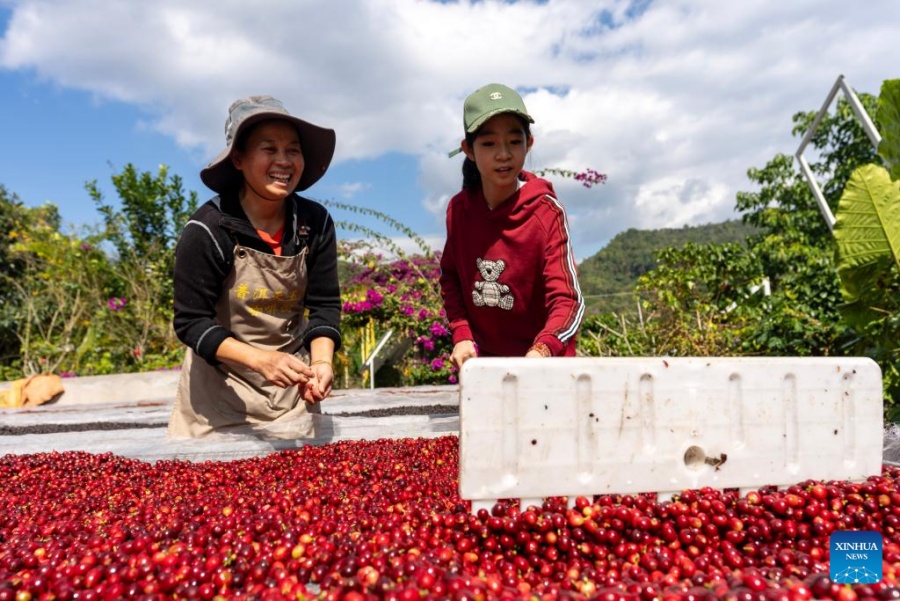
As the coffee harvest season begins, Pu’er City in Yunnan Province, known as China’s coffee capital, comes alive with the aroma of freshly brewed coffee. With its growing coffee farms, cultural exhibitions, and specialty cafés, the city has become a hotspot for both coffee enthusiasts and tourists.

According to China’s “Central Document No. 1” for 2025, released in late February, the country aims to enhance the integration of rural culture and tourism, launching pilot projects to revitalize rural areas through cultural industries.

Pu’er: Leading Coffee Production in China

Located along the Tropic of Cancer, a key coffee-growing belt, Pu’er is China’s top coffee-producing region, with a harvest of 58,000 tons of raw coffee beans in the 2023-2024 season. The city is actively expanding its coffee industry by blending it with tourism and cultural experiences, helping shape China’s growing coffee market.

Elephant Coffee Farm: A Unique Experience in Nature

Amid Pu’er’s lush green hills, “Elephant Coffee Farm” stands out as a remarkable attraction, offering visitors the rare opportunity to enjoy their coffee while watching wild Asian elephants roam freely in their natural habitat.

Huang Da Xiang, an investor and coffee lover, describes the experience:
“It’s amazing to sit here with a cup of coffee and see elephants foraging on the hillside. It’s truly unforgettable.”

The farm also provides interactive activities such as coffee picking, learning about the roasting process, making handcrafted coffee products, and even crafting coffee soap, offering visitors a deeper dive into coffee culture.

Coffee Tourism & Events: A New Dimension for Pu’er’s Coffee Industry

Pu’er is home to over 20 high-end coffee farms, including five officially recognized provincial-level coffee farms, where coffee culture is intertwined with tourism to create immersive visitor experiences. The city also hosts coffee-themed exhibitions and events, showcasing both local and national coffee brands while providing a platform for coffee enthusiasts worldwide to connect.

Tourist Zhang Xuan Yu attended a coffee exhibition held alongside an international coffee brewing competition in Menglian Dai, Lahu, and Wa Autonomous County.
“I got to taste different coffee flavors and meet coffee lovers from around the world. It was a fantastic educational experience,” he said.

The Rise of Coffee Tourism in Pu’er

During the 2025 Spring Festival holiday (January 28 – February 4), Pu’er welcomed 3.25 million tourists, marking a 13.71% year-on-year increase. The city’s tourism revenue also surged by 13.21%, reaching 3.44 billion yuan (approximately USD 480 million).

According to Zhang Qi Ying, Deputy Director of the City’s Culture and Tourism Office,
“The integration of coffee and tourism has become a defining feature of Pu’er’s tourism industry, making it an essential destination for coffee enthusiasts and experience-seekers alike.”

Pu’er: The Ultimate Destination for Coffee Lovers

As China’s coffee industry continues to evolve, Pu’er solidifies its status as a premier hub for coffee innovation and tourism, offering visitors an extraordinary blend of premium coffee, breathtaking nature, and rich cultural heritage.


4o

Qahwa World Celebrates Top 30 Ranking Among Global Coffee Blogs

Qahwa World, a dedicated platform for coffee enthusiasts, is proud to announce its inclusion in Feedspot’s “100 Best Coffee Blogs and Websites in 2025,” securing the 28th position. ​bloggers.feedspot.com

This recognition is particularly significant for Qahwa World, given its relatively recent entry into the coffee blogging scene. Established to explore the rich tapestry of coffee’s history, culture, and industry insights, the platform has rapidly gained traction among readers worldwide.​

Feedspot’s annual list evaluates blogs based on relevancy, authority, social media followers, and content freshness. Qahwa World’s commitment to delivering in-depth news, historical perspectives, and engaging content has resonated with a global audience, reflecting its dedication to quality and authenticity.​bloggers.feedspot.com

The journey of coffee, from its origins with a Yemeni hermit in 1450 to its status as a global cultural icon, mirrors Qahwa World’s mission to connect and inform the coffee community. This accolade not only acknowledges the platform’s efforts but also inspires continued exploration and celebration of the coffee world.​

For more insights and stories about the multifaceted world of coffee, visit Qahwa World.

“Candiano”: From a Simple Joke to a National Debate on Identity and More

On February 6, 2025, Kicking Horse Coffee in British Columbia called for renaming the popular Americano coffee to Candiano. While some initially dismissed it as a joke, others saw it as an expression of national pride in response to new U.S. policies.

However, what started as a lighthearted suggestion soon gained momentum, and cafés across Canada began replacing “Americano” with “Candiano.” According to Forbes, this was not just a seasonal menu update or a marketing stunt—it was cultural. What began as an inside joke at one café quickly turned into a national conversation about identity.

From Idea to a Growing Movement

For 16 years, Kicking Horse Coffee had been quietly referring to Americanos as “Candianos”. But now, the brand has made it official, calling on cafés across Canada to adopt the name change, stating:

“Today, we’re making it official and asking cafés across the country to make the change. Join us. Call them Candianos.”

At first, it was a playful nod to national branding. But after Kicking Horse Coffee’s post, the term “Candiano” began trending online, sparking discussions about identity, food culture, and how something as simple as ordering a coffee can carry deeper meaning. Some cafés embraced the idea, while others saw it as a tongue-in-cheek critique of food trends.

Coffee as a Symbol of Identity and History

Renaming the Americano to Candiano is more than just a menu change—it fits into a long history of renaming foods during political tensions.

  • During World War I, the U.S. renamed sauerkraut to “liberty cabbage” to distance the dish from its German origins, according to a study published in PLoS One.
  • More recently, in 2003, some American restaurants rebranded French fries as “freedom fries” to protest France’s opposition to the Iraq War.

Now, Canada is flipping the script. By renaming the Americano—which originally got its name from American soldiers in Italy during World War II—Canadian cafés are transforming an everyday menu item into a quiet symbol of national identity.

“Candiano” in a Broader Context

What makes this change interesting is that it’s not just a marketing move—it reflects a larger cultural and political pattern:

  1. A national branding act – A small yet symbolic way to assert Canadian identity.
  2. Playful but pointed – Unlike economic retaliation, it’s a subtle, everyday gesture.
  3. Sparking conversation – Whether people see it as meaningful or just clever food marketing, it’s getting them talking.

Politics in a Coffee Cup

This phenomenon emerged amid rising tensions between the U.S. and Canada, particularly after a proposed 25% tariff on Canadian imports and renewed debates over economic relations. While the name change started as a lighthearted move, it soon became a reflection of a moment when national branding—and even a simple cup of coffee—became part of a broader conversation.

A Trend or a Quiet Protest?

Kicking Horse Coffee likely didn’t anticipate how quickly this would spread, as the original post has since been deleted. Some cafés have embraced the change, while others remain neutral. But one thing is clear: renaming the drink has turned into a national discussion about identity and culture.

Will people actually start ordering “Candiano”, or is this just another short-lived food trend?

Whether this is a genuine protest or a passing fad, one thing is certain: coffee is now political.

National Coffee Association Recognizes Industry Leaders and Organizations at 2025 Awards

The National Coffee Association (NCA) has announced the recipients of its prestigious annual awards, set to be presented during its upcoming convention in Houston on March 7, 2025. These awards honor individuals and organizations making significant contributions to the coffee industry.

Allan Colley, a key figure in the coffee warehousing and logistics sector, will receive the 2025 NCA Distinguished Leadership Award. With a career spanning over five decades, Colley played a crucial role in shaping modern coffee storage solutions. Under his leadership, Dupuy Group introduced the first U.S. green coffee silo in 1992, among other innovations that advanced warehousing and logistics in the coffee industry. His dedication to the sector, including past leadership roles with the Southern Coffee Association and the Green Coffee Association, has left a lasting impact.

Kyle Bawot, senior director at Ofi, has been named Volunteer of the Year. His contributions to the NCA’s Next Gen Council, where he has served since 2019 and chaired for the past two years, have helped strengthen initiatives aimed at supporting the next generation of coffee professionals. Bawot also played a key role in launching the NCA Mentorship Program, fostering leadership development within the coffee sector.

Additionally, Root Capital, an organization dedicated to financing and supporting agricultural enterprises, has been honored as the NCA Origin Charity of the Year. Root Capital has provided over $2 billion in loans to more than 800 agricultural businesses, many of which are tied to coffee farming. Their work focuses on empowering farming communities through financial services that promote gender equity, climate resilience, and economic opportunities.

NCA President and CEO Bill Murray emphasized the importance of these contributions, stating, “These awards celebrate leaders and organizations that are making a real difference in the coffee industry, whether through innovation, mentorship, or sustainable development. Their work continues to shape a better future for coffee professionals and producers worldwide.”

The NCA’s annual convention will bring together key players from across the coffee supply chain to discuss trends, challenges, and the future of the industry, making it an ideal setting to recognize these outstanding contributions.

Coffee Faces an Innovation Crisis… World Coffee Research Takes Action

As agricultural innovation accelerates globally, data from the International Union for the Protection of New Varieties of Plants (UPOV) reveals a significant gap in coffee variety development compared to other crops. While the number of registered apple varieties stands at 5,342, coffee lags far behind with only 121 registered varieties, reflecting a 48-fold delay in coffee breeding progress.

The coffee sector faces increasing challenges, including climate change, pests, and agricultural diseases, all of which threaten global production sustainability. Unlike crops such as apples, which have benefited from continuous breeding programs, coffee production still relies on a limited number of traditional varieties, making it more vulnerable to environmental and economic risks.

In response to this stagnation, World Coffee Research (WCR) has announced a strategic plan to double the number of coffee varieties over the next decade by adopting modern breeding techniques to develop more resilient and efficient varieties. These efforts aim to produce new coffee varieties with enhanced traits, including greater climate resilience, higher yields, improved resistance to diseases and pests, and superior cup quality.

As part of this initiative, pre-commercial field trials for first-generation hybrid (F1) coffee varieties will be launched in 2024 in Costa Rica, Guatemala, and Peru, in collaboration with specialized partners to evaluate their real-world performance.

To further accelerate innovation in the coffee sector, World Coffee Research has partnered with Cornell University, backed by $5 million in funding from the United States Agency for International Development (USAID). This collaboration, under the “Coffee Improvement Program,” aims to speed up the development of new climate-resilient coffee varieties, ensuring the sustainability of coffee production and helping farmers adapt to increasing challenges.

With growing environmental and economic pressures on the coffee industry, developing new, more adaptable coffee varieties has become an urgent necessity. Through the efforts led by World Coffee Research, the industry may witness a transformative shift in coffee farming that enhances productivity, improves quality, and secures the future of coffee as one of the world’s most significant agricultural commodities.

Brazil’s Coffee Stockpiles Plummet as Prices Reach Record Highs

Brazil’s coffee reserves have hit historic lows as farmers sell off nearly all of their 2024 crop amid soaring global prices and prolonged drought. The depletion of stockpiles is raising concerns for roasters, who are struggling to secure supply while coffee prices continue to surge.

The coffee warehouses of Brazil, once packed with millions of bags of beans, are now largely empty. In what experts describe as an unprecedented situation, farmers have already sold most of their 2024 crop, months before the next harvest, as coffee prices skyrocket to all-time highs.

A severe drought and high international demand have driven prices to historic levels, nearly doubling over the past 14 months. Arabica coffee, the dominant variety used in ground-roasted blends, surged by 70% in 2024 and another 20% in early 2025, reaching $4.30 per pound in mid-February. Robusta, often used in instant coffee, climbed 72% last year and peaked at $5,847 per metric ton in February.

With global coffee consumption expected to exceed production for the fourth time in six years, the market remains under pressure.

Supply Crisis Looms as Stockpiles Run Dry

In Brazil, the world’s largest coffee producer, the impact of tight supplies is being felt across the industry. Many of the country’s top cooperatives report record-low stock levels.

“We have never seen inventories this low at this time of the year,” said Willian Cesar Freiria, sales manager at Cocapec, one of Brazil’s largest coffee cooperatives. The organization, based in Franca, São Paulo state, received only 1.1 million bags from associated farmers in 2024, down from 1.5 million bags in 2023. “Until the next harvest begins, there won’t be much coffee left to sell—and it’s the same situation everywhere,” Freiria added.

Even at Cooxupe, Brazil’s largest coffee cooperative, where warehouses still appear full, nearly all the stored coffee has already been sold. “Most of the beans in storage are awaiting shipment,” said Andre Silva Pinto, Cooxupe’s storage coordinator.

According to Cooxupe sales superintendent Luiz Fernando dos Reis, coffee farmers have already sold 90% of their 2024 crop, leaving the lowest inventory levels on record. Industry data supports this claim, with consultancy Safras & Mercado estimating that 88% of the crop has been sold, while brokerage firm Pine Agronegocios reports only 8% remains.

Market Uncertainty as New Harvest Approaches

With exports reducing stockpiles, warehouses are expected to be nearly empty by May, while the next harvest is not expected to begin until late May or June. The first shipments of new-crop coffee will likely not be available until July, further straining the supply chain.

Some farmers, however, have chosen to hold onto part of their 2024 harvest as a precaution. Paulo Armelin, a grower in the Cerrado Mineiro region, kept 40% of his crop as a reserve. “I anticipate a smaller yield this year, so I decided to hold on to some of last year’s beans,” he said.

Meanwhile, negotiations between farmers and international buyers reflect the impact of rising prices. Armelin is currently in talks with a San Francisco-based roaster, seeking $4.50 per pound for his beans—significantly higher than the $3.05 he charged last year.

However, some industry leaders caution that maintaining such high prices may prove challenging. Luis Norberto Pascoal, owner of Daterra Coffees, a prominent arabica producer, believes many roasters will struggle to afford current rates. “Many will be forced to cut costs, which could ultimately impact quality,” he said.

With global demand remaining strong and supply constraints intensifying, the coffee market faces a period of continued volatility.

A Rare Coffee Resisting Climate Change Gains Attention

In a recent video report, the Associated Press highlighted Excelsa coffee, a rare and resilient coffee species with unique drought-resistant properties. Given the significance of this discovery, we at Qahwa World are sharing this report to explore the future potential of Excelsa in the specialty coffee industry.

A Coffee That Could Withstand the Future

As global warming increasingly threatens coffee crops worldwide, researchers and farmers are turning their attention to alternative species that can survive in extreme conditions. Excelsa, native to South Sudan and a few other African nations, has emerged as a promising solution. With deep roots, thick leaves, and natural resistance to pests, this variety has the potential to thrive where traditional Arabica and Robusta struggle.

In the lush fields of Nzara County, South Sudan, farmer Catherine Bashiama carefully inspects the branches of her Excelsa coffee trees, eagerly searching for the first signs of fruit. Three years after planting the seedlings, her efforts are finally paying off. “This coffee gives me hope,” she says, smiling as she examines the ripening cherries. “I want to provide a better future for my children.”

The Global Coffee Industry Eyes Excelsa

Discovered over a century ago, Excelsa remained largely overlooked due to the dominance of Arabica and Robusta. However, with climate change driving coffee prices to record highs and threatening traditional growing regions, Excelsa is now drawing international attention. Experts estimate that Brazil, the world’s top coffee producer, could see a 12% drop in its harvest this year due to droughts.

“Farmers worldwide are facing tough choices,” says Aaron Davis, head of coffee research at the Royal Botanic Gardens, Kew. “Excelsa might be a key part of the solution.”

A New Chapter for South Sudan’s Coffee Industry

Unlike Ethiopia or Uganda, South Sudan has not been known as a coffee-producing nation. Historical coffee cultivation declined due to decades of conflict, forcing farmers to abandon their crops. Now, companies such as Equatoria Teak are working to revive the coffee industry, distributing Excelsa seedlings to local farmers and training them in sustainable cultivation practices.

“We have been testing Excelsa for years, and it is showing strong resilience to heat,” says Ian Paterson, managing director of Equatoria Teak. “We hope to scale up production and introduce this coffee to specialty markets.”

The first commercial batches are expected to be exported to Europe this year, with major buyers expressing interest. Industry experts predict that by 2027, Excelsa could contribute millions of dollars to the local economy. However, challenges remain, including poor infrastructure and high transportation costs.

Overcoming Challenges for a Sustainable Future

Despite its potential, South Sudan’s coffee industry faces logistical hurdles. Transporting coffee to international markets requires long and expensive journeys, with shipment costs significantly higher than in neighboring countries. Additionally, political instability and a lack of investor confidence pose barriers to large-scale growth.

Nonetheless, local farmers see Excelsa as an opportunity to break free from economic hardship. “With coffee, we can be independent,” says farmer Taban John. “I want to use my earnings to buy a bicycle and send my children to school.”

Excelsa represents more than just a coffee crop—it is a chance for South Sudanese farmers to rebuild their livelihoods and for the global coffee industry to adapt to a changing climate.


View this post on Instagram


A post shared by عالم القهوة (@qahwaworld)