$6,000 Prize Up for Grabs in Supersized Coffee Quiz

Coffee lovers and trivia buffs, get ready! The Supersized Coffee Quiz is heating up, and the prize has now climbed to an impressive $6,000.

The stakes were raised on Friday morning when Mark from Madison became the 8th caller but failed to answer the question correctly: “What car company was the first to put a turntable in the dashboard?” The correct answer? Chrysler. Since Mark missed it, the prize continues to grow.

How the Supersized Coffee Quiz Works

The contest began with a $500 prize, which rolls over each day if the 8th caller does not answer correctly. The cash accumulates until a lucky participant not only calls in at the right moment but also gets the trivia question right.

This system has resulted in some record-breaking payouts, including an $8,000 jackpot in May 2024. Now, with the total climbing toward that record, excitement is brewing!

Next Chance to Win: Monday, February 24

The next round of the Supersized Coffee Quiz will take place on Monday, February 24, when the jackpot sits at $6,000.

To participate, watch FOX 8 News in the Morning for the cue to call during the 6 a.m. hour. When the cue is given, dial 216-578-0888 and aim to be the 8th caller. If you answer the trivia question correctly, you walk away with the cash prize!

Supersized Coffee Quiz Rules and Participation Details

  • The contest runs each weekday at 6:45 a.m. on FOX 8 News in the Morning.
  • Callers must be within WJW’s viewing area and at least 18 years old.
  • Each weekday, the 8th caller gets a chance to answer a general trivia question.
  • If answered correctly, the caller wins the total prize amount. If incorrect, the prize rolls over and increases by $500 the next day.
  • Participants can win only once every six months if the prize is $600 or more.

Join the Excitement!

Don’t miss your chance to win big money while enjoying your morning coffee. Tune in, call in, and test your trivia knowledge—your morning brew could come with a cash bonus!

For more details and official contest rules, visit FOX8.COM.


Cafés Richard Opens First Showroom and Training Center in Dubai

Established in the UAE since 2011, Cafés Richard is strengthening its presence with the opening of its first showroom and training center in Dubai. As the leading coffee roaster in France, the company has been passing down its unique expertise since 1955, serving as an ambassador of French art de vivre worldwide.

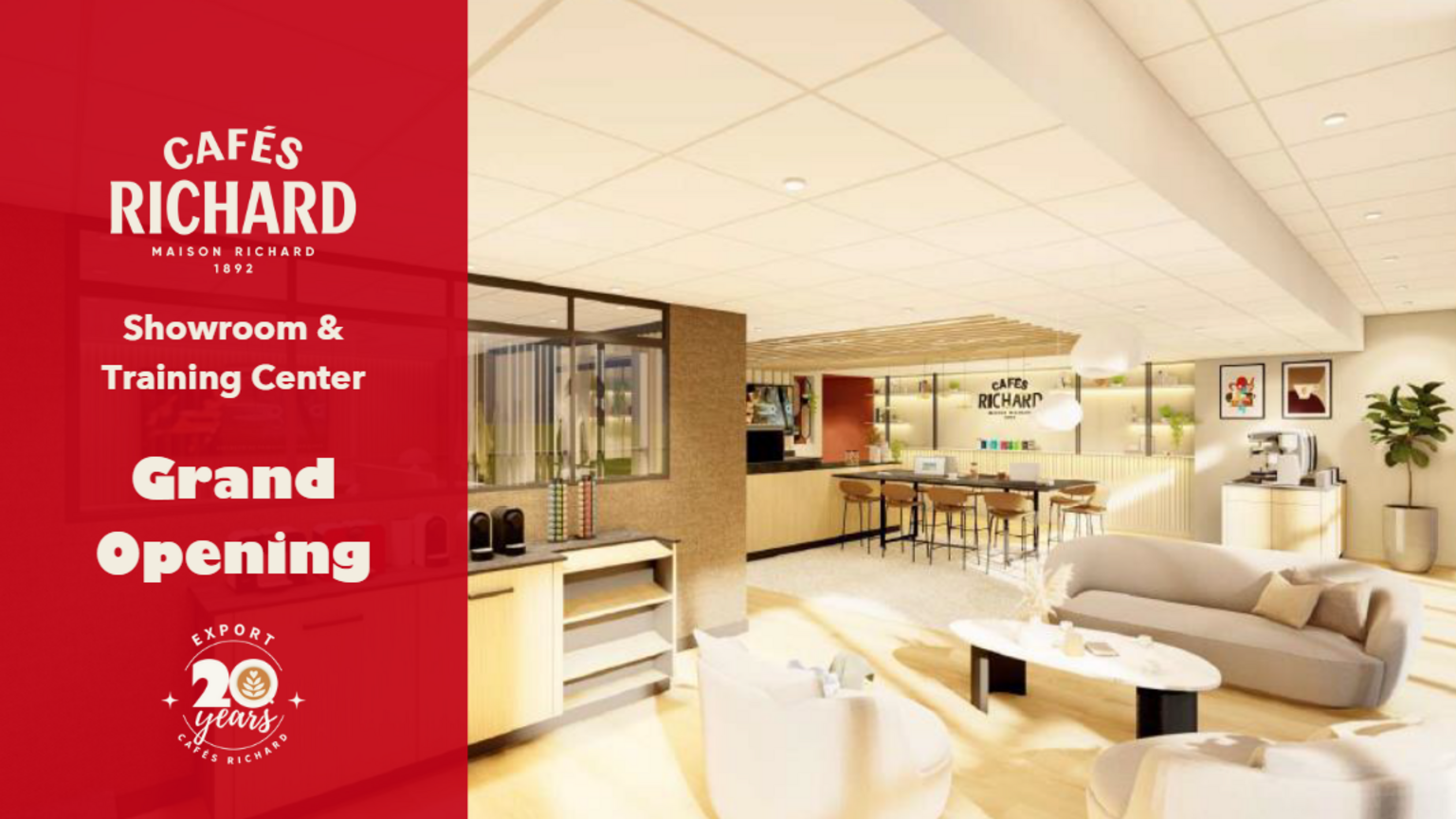
Located in Jumeirah Lakes Towers (JLT), this new space represents a major step in Cafés Richard’s development in the Middle East. It will host exclusive events and hands-on training sessions dedicated to the art of French coffee. Professionals will have the opportunity to discover a wide range of Signature Blends, Specialty Coffees, and Premium Teas, all embodying the essence of French gastronomy.

To inaugurate this showroom, Cafés Richard MEA is hosting a special two-day event, featuring Coffee Experts and SCA International Judges Michael McCauley and Branislav Beronja, along with Special Guests and Key Partners in the UAE.

This launch is particularly significant as it coincides with the 20th anniversary of Cafés Richard’s International Department, marking another milestone in the brand’s expansion across more than 40 countries. With this new facility, Cafés Richard continues to cultivate its international presence, sharing the rich heritage and craftsmanship of French coffee with a global audience.

Cafés Richard is a historic French coffee roaster that has upheld the art of French coffee-making for three generations. Every day, in its workshops located in the heart of Greater Paris, Cafés Richard carefully roasts green coffee beans sourced from meticulously selected terroirs. This process results in its signature blends and exceptional Grand Cru coffees, reflecting the brand’s dedication to quality and excellence.

As a long-standing partner of cafes, restaurants, and hotels, Cafés Richard is the leading coffee supplier for out-of-home dining in France, serving over 40,000 clients across the country. The company also operates the Cafés Richard Academy, a certified training center where more than 1,000 individuals, including clients, hospitality students, and employees, receive expert training in coffee preparation each year.

Beyond France, Cafés Richard shares its passion for French coffee culture through its retail boutiques, Comptoirs Richard, and its coffee shops in travel hubs worldwide. The company’s export division further promotes its brand globally, allowing international consumers to experience the essence of French coffee.

Cafés Richard is the first French coffee roaster to achieve the Engagé RSE (Confirmed Level) and Responsibility Europe certifications, awarded by Afnor Certification. These accolades reflect the company’s dedication to sustainable growth, ethical sourcing, and social responsibility. Every step of the coffee journey, from cultivation to distribution, is driven by a community of passionate professionals committed to preserving the integrity of both the coffee and the people behind it.

Now, coffee lovers can enjoy a cup of Cafés Richard in numerous locations across Dubai, bringing a taste of the Parisian café experience to the heart of the Emirates. With the opening of its Dubai showroom and training center, Cafés Richard continues to build on its legacy, offering a refined and authentic coffee experience that embodies the soul of French coffee culture.

Russian Report: Yemeni Farmers Enhance Coffee Flavor Through Special Preparation

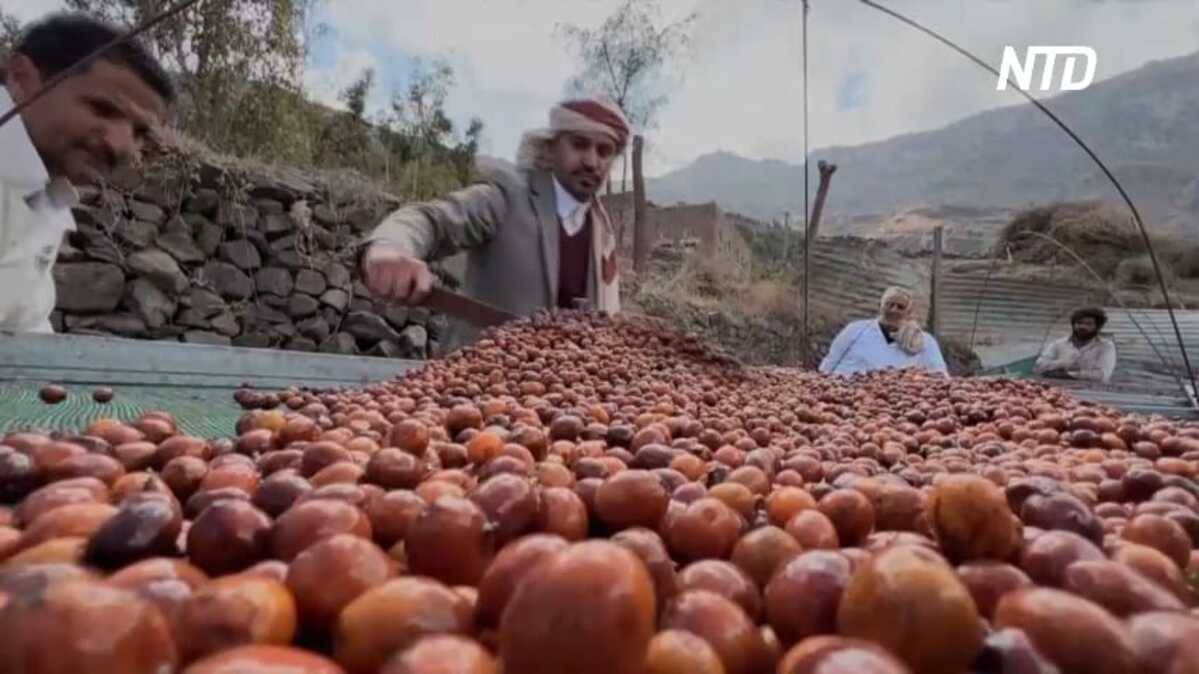
The Russian TV channel “NTD” has published a report on coffee cultivation in Yemen and the new processing methods that farmers are using to enhance flavor profiles.

The report states: “Among the mountains of Haraz, between Sana’a and Hodeidah, Yemeni farmers cultivate coffee, known for its high quality, complex flavor, and rich aroma.”

It adds: “Currently, local producers have begun experimenting with new processing methods, adopting controlled anaerobic preparation, which takes place in an oxygen-free environment.”

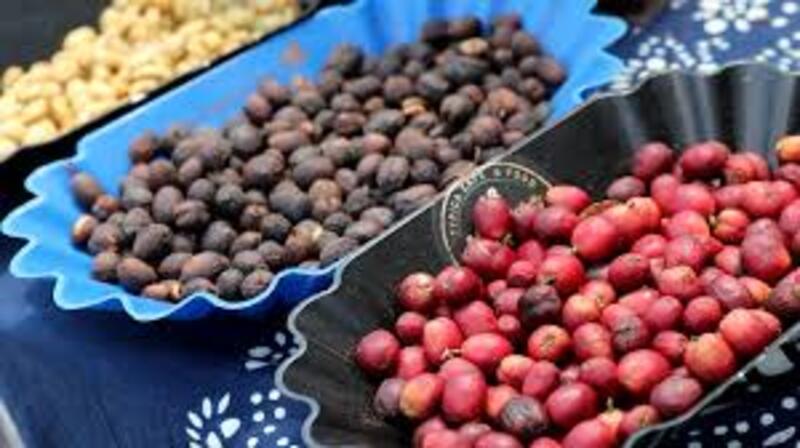
According to the report, coffee cherries are placed in airtight plastic bags inside barrels, where the preparation process begins. This can last up to 120 hours, compared to traditional preparation in water, which usually takes 10 to 20 hours. The extended process allows the coffee’s flavor to become richer and more balanced.

A representative of the Yemeni Chamber of Commerce and Industry mentioned that this method does not alter the fundamental taste of coffee but rather highlights the natural notes and aromas of the coffee beans, helping to create a well-balanced flavor profile, including a harmonized acidity level.

A Yemeni farmer also noted that this method has increased the demand for Yemeni coffee in international markets. He and other farmers have started experimenting with various techniques to improve coffee quality, enhance its flavor, and boost sales.

Professional coffee tasters confirm that after the application of anaerobic preparation, Yemeni coffee has gained greater recognition, and demand has significantly increased.

The report concludes: “It is known that over 98% of all coffee varieties in the world originate from Yemen. The country’s signature coffee is the Mocha variety. Five years ago, a new type of Arabica was discovered in Yemen, named ‘Yemenia,’ adding a new chapter to the country’s rich coffee history.”


View this post on Instagram


A post shared by عالم القهوة (@qahwaworld)

EU Bans Caffeine as a Pesticide, Sparking Controversy and Political Backlash

The European Union has issued a new regulation banning the use of caffeine as a pesticide, citing concerns over its potential harm to human health. The decision, published in Commission Implementing Regulation (EU) 2024/2766, states that caffeine poses potential risks when swallowed and lacks sufficient safety data to be approved for agricultural use. However, this ruling has ignited a political and cultural debate, with critics arguing that it may be a step toward excessive regulation on coffee itself.

Why Ban Caffeine as a Pesticide?

The European Commission justified its decision by pointing to scientific research suggesting that caffeine, when ingested in high concentrations, could negatively impact human health. The report raised concerns over its effects on the heart, hydration, body temperature, and its potential to cause anxiety and sleep disturbances.

The ban primarily targets the agricultural use of caffeine-based pesticides, which have been employed as a natural method to control snails and slugs in crops like cabbage and potatoes. Farmers have used caffeine solutions to deter pests, arguing that it is a more environmentally friendly alternative to synthetic chemicals. However, EU regulators determined that the potential risks to human health and the environment outweigh the benefits.

The regulation states:

“There is scientific evidence that caffeine is harmful to humans if swallowed. The data is insufficient to assess the risks for individuals who work with caffeine or live near areas where it is processed.”

The Science Behind Caffeine’s Risks

Caffeine, a naturally occurring stimulant found in coffee, tea, and energy drinks, is one of the most widely consumed psychoactive substances in the world. While moderate consumption is generally considered safe, high doses can cause adverse effects, including:

  • Increased heart rate and blood pressure, potentially leading to cardiovascular issues.
  • Dehydration due to caffeine’s diuretic properties.
  • Disruptions in body temperature regulation.
  • Anxiety and sleep disturbances.

According to the U.S. Food and Drug Administration (FDA), consuming large quantities—around 1,200 mg in a short time—can cause severe side effects such as seizures and cardiac dysrhythmias. However, the amount typically found in coffee and other beverages is far lower than this threshold.

The EU’s ruling focuses on caffeine in concentrated agricultural applications, rather than in beverages. However, critics fear this could be the first step toward broader restrictions on caffeine use.

Political and Industry Backlash

The EU’s decision has sparked outrage among European politicians, coffee industry leaders, and consumers, who see it as unnecessary interference by regulators in Brussels.

Danish MEP Anders Vistisen, a prominent critic of EU overreach, condemned the ruling:

“More unwelcome and needless interference from meddling bureaucrats in Brussels! What is this all leading to? Are they seriously going to eventually force us to drink decaffeinated coffee? It’s becoming ridiculous.”

Vistisen also compared this to a past EU attempt to regulate cinnamon levels in Danish pastries, which nearly led to a ban on traditional cinnamon rolls before local bakers successfully lobbied for an exemption.

“A few years ago, the EU wished to ban cinnamon on Danish pastries, and the bakers union had to fight to keep our traditions alive. It would suit everyone much better if many of these matters were left to national competence and personal choice.”

This sentiment is echoed by farmers and agricultural researchers, who argue that caffeine-based pesticides provided an alternative to synthetic chemicals and that banning them could limit eco-friendly pest control options.

What Does This Mean for Coffee?

Despite fears that the regulation could eventually lead to stricter controls on coffee, the EU has not proposed banning caffeine in food or beverages. However, coffee industry leaders remain cautious, fearing that increased scrutiny on caffeine’s health effects could lead to further restrictions in the future.

For now, coffee drinkers can still enjoy their daily brew without concern. However, the debate highlights growing tensions between scientific regulation and cultural traditions, raising broader questions about how the EU balances public health, agricultural sustainability, and personal freedoms.

Conclusion

The EU’s decision to ban caffeine as a pesticide is framed as a precautionary move to protect human health. However, the ruling has fueled concerns about regulatory overreach, with critics warning that it could set a dangerous precedent for further restrictions on caffeine consumption.

As debates continue, coffee remains a staple of European life, but the question lingers: Could future regulations tighten control over how it is consumed? For now, coffee lovers can sip their espresso in peace—but the discussion over caffeine’s role in society is far from over.

Colombian Coffee Exports to the U.S. Surge in 2024 Amidst Growing Global Demand

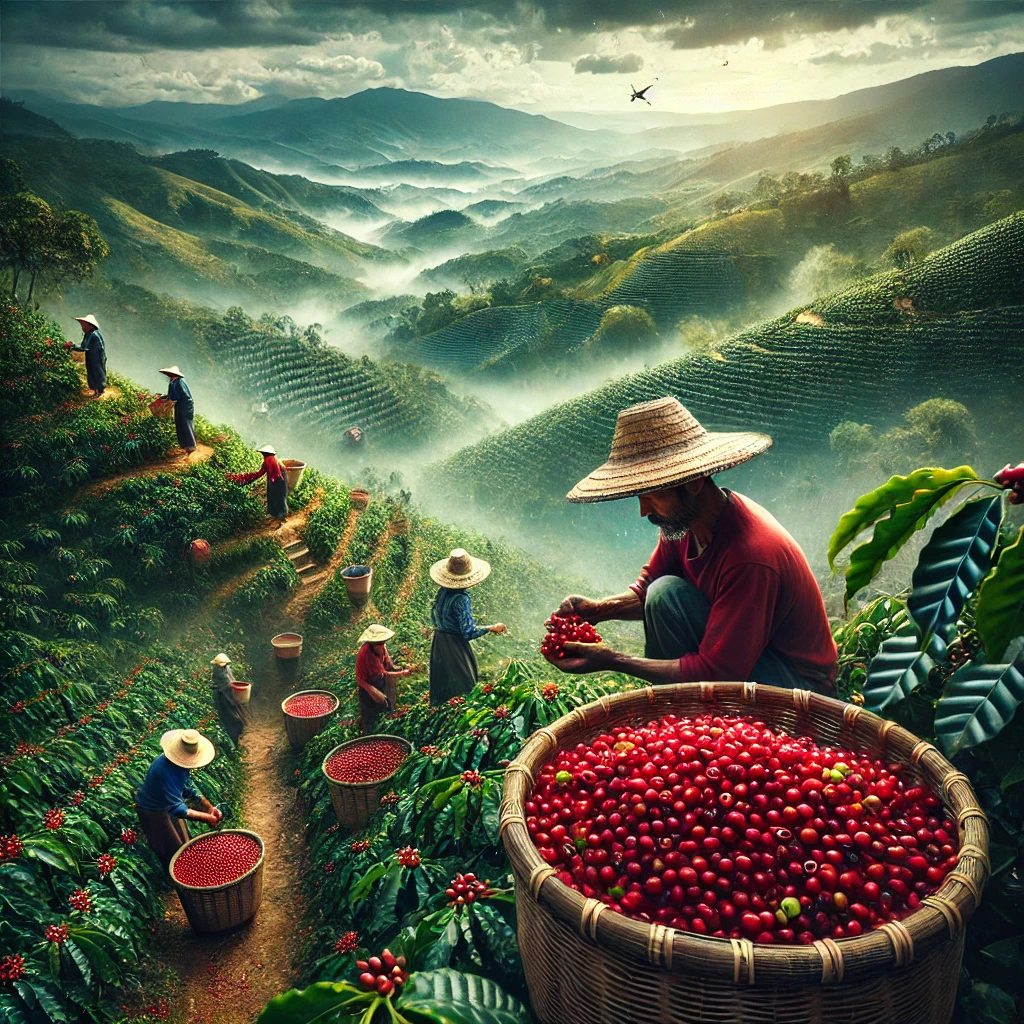
The Colombian coffee industry witnessed significant growth in 2024, with unroasted coffee exports to the United States increasing by 8%, reaching a total value of $1.4 billion. This surge was largely driven by rising coffee prices and a slight recovery in global coffee demand, according to a new report by the USDA Foreign Agricultural Service (FAS).

Colombia continues to hold its position as the second-largest supplier of unroasted coffee to the U.S., following Brazil. Coffee, along with cut flowers, accounted for nearly 65% of total Colombian agricultural exports to the United States. The report also highlighted that roasted and instant coffee exports from Colombia to the U.S. declined by 22%, amounting to $186 million.

Despite fluctuations in global coffee markets, the United States remains Colombia’s top export destination for coffee, consuming 40% of the country’s total agricultural exports. The European Union ranked second, with 25%, while Latin American countries accounted for 16%.

Beyond coffee, other major Colombian agricultural exports to the U.S. included fresh bananas ($286 million, up 9%), processed fruit and vegetables ($139 million, down 1%), and fresh avocados ($91 million, up 221%), positioning Colombia as the third-largest supplier of fresh avocados to the U.S. market.

While coffee remains Colombia’s flagship export, the industry faces ongoing challenges, including climate-related risks, supply chain disruptions, and price volatility. However, rising global demand for specialty and sustainably sourced coffee presents new opportunities for Colombian farmers to enhance their market presence.

With coffee prices rebounding and consumer preferences shifting toward higher-quality and ethically sourced beans, experts predict continued strength in Colombia’s coffee exports in the coming years. The latest data underscores the vital role Colombian coffee plays in the global coffee trade, solidifying its position as a key supplier to the world’s largest coffee-consuming nation.

Yunnan’s Coffee Industry: A New Era of High-Quality Production

China’s coffee market is expanding rapidly, with Yunnan Province emerging as the heart of the nation’s coffee production. Once primarily an exporter of raw coffee beans, Yunnan has transformed into a center for premium specialty coffee. This shift has been driven by a combination of improved farming techniques, government support, and a focus on quality, positioning Yunnan as a key player in the international coffee industry.

Yunnan’s high-altitude landscapes and fertile soil make it an ideal location for growing Arabica coffee, a crop introduced to the region in the late 19th century. The province, part of the “Coffee Belt”, benefits from a climate that enhances bean quality, allowing it to account for more than 98% of China’s total coffee production.

Recent data indicates that coffee harvests in Yunnan reached 146,000 tons in 2023, yet for many years, most of its coffee was exported as low-cost raw material. Now, a growing number of producers are shifting toward value-added processing and specialty coffee production, enhancing the province’s global reputation.

Historically, unprocessed coffee cherries from Yunnan were sold for as little as 3–4 yuan per kilogram, with peak prices rarely exceeding 30 yuan. However, with advancements in cultivation, processing, and branding, coffee prices have surged.

One local producer explains: “This year, we’re selling coffee cherries at 400 yuan per kilogram. This particular variety, ‘Geisha,’ has gained international recognition for its exceptional quality.”

This price increase reflects a broader industry shift toward higher-value, premium coffee, a transformation supported by new processing techniques, innovative farming practices, and direct market access for local growers.

Producers in Yunnan are experimenting with diverse processing methods to enhance flavor profiles. A leading example is sun-drying techniques, where freshly harvested coffee cherries are washed and dried naturally for weeks, resulting in complex and unique flavor notes.

Beyond production, coffee entrepreneurs in Yunnan are also fostering coffee tourism. Visitors can now explore coffee farms, witness processing techniques, and taste locally grown coffee. This approach not only boosts sales but also enhances global recognition of Yunnan coffee.

“We welcome tourists from across the world, and they’re often surprised by the quality of our coffee,” shares a café owner in Baoshan, where visitors can sample specialty brews and purchase locally roasted beans.

To further develop Yunnan’s coffee sector, local authorities have launched an initiative aimed at expanding production, supporting farmers, and promoting coffee-related businesses. A regional development project seeks to establish 100 leading coffee enterprises, connect 1,000 coffee shops, and engage 10,000 coffee farmers, ensuring a strong and sustainable supply chain.

A government official from Baoshan explains: “By strengthening every link in the coffee supply chain, we can create a resilient and competitive industry.”

Companies in Yunnan are moving beyond traditional coffee exports and investing in value-added products such as roasted beans, drip coffee, and instant coffee solutions.

One company, initially established in 2000 as a raw bean processor, has since evolved into a full-scale coffee production hub, offering a range of consumer-ready coffee products. In 2023, its total revenue reached 85 million yuan, reflecting the increasing demand for Chinese specialty coffee.

Beyond production, the company offers barista training programs, coffee brewing workshops, and educational tours where visitors can learn about the history of coffee in Yunnan and traditional processing methods.

“Our museum showcases how coffee was historically grown, processed, and enjoyed in this region,” shares a company representative.

Despite significant growth, Yunnan’s coffee industry faces ongoing challenges, including soil preservation, sustainable farming, and technological advancements. Experts emphasize the need for environmentally friendly agricultural practices to maintain the long-term viability of coffee production.

A researcher from the Yunnan Academy of Agricultural Sciences notes: “If we can integrate 30–40% of sustainable agricultural practices, we will be able to expand coffee-growing areas while preserving soil quality.”

With its strategic shift toward high-quality coffee production, enhanced branding, and sustainable farming, Yunnan is solidifying its place as a global coffee destination. Industry leaders believe this is just the beginning of an exciting new chapter for Chinese coffee.

Coffee Prices Surge to 310 Cents as Global Exports Decline – ICO Report

The global coffee market is facing significant turbulence as prices hit a historic high, while exports decline sharply, according to the latest report from the International Coffee Organization (ICO).

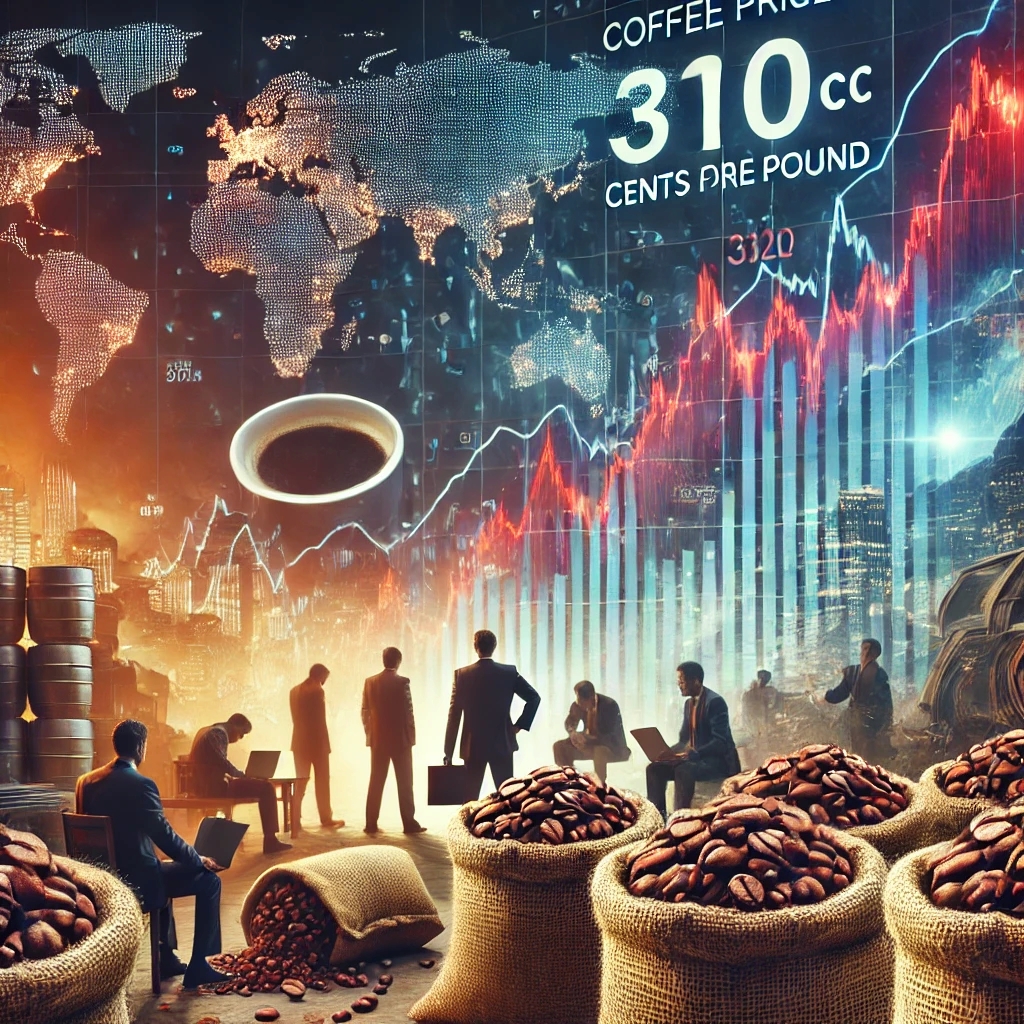
The ICO’s Composite Indicator Price (I-CIP) surged to 310.12 US cents per pound in January 2025, marking a 3.5% increase from December 2024 and a staggering 75.8% jump compared to January 2024. This makes it the highest recorded monthly average since April 1977.

The price rally is being fueled by tightening supplies from major coffee-producing countries, particularly Brazil, where both Arabica and Robusta prices spiked by 15.2% and 6.2%, respectively, by the end of January. The price surge has also been linked to shrinking global stocks, with certified Arabica reserves in New York plunging 11.7% compared to December.

Global Coffee Exports Drop by 10.5%

Amid rising prices, global coffee exports are showing signs of strain. Green coffee bean shipments fell by 10.5% in December 2024 compared to the same month in 2023, marking the second decline in the past 14 months.

The sharpest drop came from Robusta exports, which plummeted by 19%, driven largely by Vietnam’s steep 39.5% decrease. This decline is particularly concerning as Robusta is a key ingredient in instant coffee and espresso blends, raising concerns over supply shortages.

Similarly, Brazilian Naturals—a category dominated by Brazil—saw an 11.3% drop, while Other Milds, which include coffees from Honduras, Papua New Guinea, and Peru, recorded a 12.3% decline.

Colombian Milds, however, defied the trend, surging 32% in exports, largely due to strong production gains in Colombia, Kenya, and Tanzania. Colombia’s coffee output in December alone rose 47%, reflecting a robust recovery.

Regional Export Trends Show Contrasting Fortunes

Export patterns varied significantly across regions:

  • Asia & Oceania: The hardest hit, with shipments plummeting 31.2%, mainly due to Vietnam’s supply crunch.
  • Africa: A rare bright spot, with exports climbing 8%, led by Ethiopia, Kenya, and Tanzania.
  • South America: Down 2.1%, marking the first decline in 16 months, despite Colombia’s strong performance.
  • Mexico & Central America: Barely positive, rising just 0.9%, as Honduras suffered a staggering 59.5% drop in exports.

The decline in Vietnam’s exports is particularly alarming, as it suggests tight domestic supply and potential production setbacks. Analysts warn that if supply shortages persist, global Robusta prices could continue to soar, pushing costs higher for coffee roasters and manufacturers.

Economic and Trade Uncertainties Weigh on the Market

Beyond supply issues, the ICO report also points to geopolitical and economic factors influencing the coffee market.

  • Uncertainty in U.S. trade policies has cast doubt on export conditions for Brazil, India, and Indonesia, key coffee-producing nations.
  • European Central Bank signals of possible interest rate cuts could stimulate demand, further pushing prices upward.

Meanwhile, the price gap (arbitrage) between Arabica and Robusta widened to 94.6 cents per pound, its highest level since October 2022, reflecting growing market instability.

Outlook: Coffee Market Faces an Uncertain Future

With Arabica prices at historic highs and Robusta supply shrinking, the coffee industry is entering a period of extreme volatility. Much will depend on Brazil’s upcoming harvest and how global economic conditions unfold.

For now, roasters and coffee buyers face mounting pressure, as rising costs may soon be passed on to consumers. If the current supply and demand imbalances persist, coffee lovers could see higher prices at cafés and supermarkets worldwide.

Final Thoughts

The ICO’s January 2025 report paints a picture of a coffee market in transition, driven by supply constraints, economic uncertainty, and shifting trade patterns. The coming months will be crucial in determining whether the current price surge is a temporary spike or the start of a prolonged high-cost cycle for the coffee industry.

The World’s 100 Best Coffee Shops of 2024: A Definitive Guide to Global Coffee Excellence

The global coffee community has its newest compass for exceptional brews: The World’s 100 Best Coffee Shops of 2024, unveiled recently  by The World’s 100 Best Coffee Shops. This prestigious ranking, the first of its kind, spotlights cafés redefining coffee culture through innovation, sustainability, and an unwavering commitment to quality. From Sydney’s specialty coffee pioneers to Kyoto’s minimalist masters, the list is a passport to the planet’s most extraordinary coffee experiences.

A Global Journey Through Coffee

The 2024 ranking spans six continents, celebrating cafés that excel in bean sourcing, roasting artistry, brewing precision, and customer-centric ethos. Judges evaluated over 1,000 nominees, weighing factors like sustainability practices, creative menus, and the ability to foster community. The result? A mosaic of coffee excellence that mirrors the diversity of the global coffee scene.

Toby’s Estate Claims the Crown

Topping this year’s list is Toby’s Estate Coffee Roasters (Sydney, Australia), a titan of the third-wave coffee movement. Praised for its farm-to-cup transparency and velvety flat whites, Toby’s Estate has long been a pilgrimage site for coffee connoisseurs. Founder Toby Smith attributes the win to “honoring the farmer’s craft while pushing boundaries in roasting technology.”

Close behind is Arkansas-based Onyx Coffee Lab (#2, USA), lauded for its experimental processing methods and seasonal single-origin offerings. Europe’s highest entry, Gota Coffee Experts (#3, Austria), wowed judges with its zero-waste ethos and avant-garde coffee cocktails.

Regional Standouts & Rising Stars

The list reveals fascinating trends:

  • Asia-Pacific dominance: Australia alone claims 10 spots, including Proud Mary Coffee (#4) and Calere Coffee (#28). Singapore’s Apartment Coffee (#6) shines with its intimate omakase-style tastings.
  • Latin America’s rise: Colombia’s Tropicalia Coffee (#10) and Peru’s Coffee Busters Roastery (#54) highlight the region’s shift from bean exporter to specialty coffee innovator.
  • Sustainability champions: Hola Coffee Lagasca (#12, Spain) and Connect Coffee Roasters (#68, Kenya) earned acclaim for empowering local farmers through direct trade.

Notable Entries & Hidden Gems

  • Tim Wendelboe (#5, Norway): The Oslo micro-roastery continues to set the gold standard for Nordic light roasts.
  • Koffee Mameya Kakeru (#24, Japan): Tokyo’s cult-favorite, where baristas prescribe bespoke blends like coffee sommeliers.
  • Endiro Coffee (#93, Uganda): A social enterprise uplifting women farmers while serving bold African single-origins.

The New Coffee Frontiers

Emerging markets made bold statements:

  • Africa: South Africa’s Espressolab (#11) and Ethiopia’s Galani Coffee (#46) spotlight the continent’s untapped potential.
  • Middle East: Dubai’s One Life Kitchen & Café (#23) blends specialty coffee with Levantine-inspired pairings.
  • Eastern Europe: Slovenia’s Crno Zrno (#31) and Romania’s Bob Coffee Lab (#47) prove innovation thrives beyond traditional hubs.

Sustainability & Social Impact

Nearly 40% of ranked cafés prioritize eco-conscious practices, from Seven Seeds (#80, Australia)’s carbon-neutral roasts to Café Nativo (#43, Honduras)’s reforestation initiatives. Guatemala’s Entre Volcanes (#77) even partners with volcanologists to grow beans in mineral-rich volcanic soil.

The Full List: A Call to Explore

While the top 10 dominate headlines, the ranking’s true value lies in its diversity. From the steampunk vibes of Stumptown Coffee Roasters (#53, USA) to the serene minimalism of Kawa (#7, France), each café tells a unique story.

Coffee lovers, take note: This list isn’t just about caffeine—it’s about connection. As judge and Q-grader María Fernández notes, “These shops are bridges between cultures, turning a daily ritual into a global dialogue.”

Full List of the Top 100 Coffee Shops in 2024

  1. Toby’s Estate Coffee Roasters – Australia
  2. Onyx Coffee LAB – USA
  3. Gota Coffee Experts – Austria
  4. Proud Mary Coffee – Australia
  5. Tim Wendelboe – Norway
  6. Apartment Coffee – Singapore
  7. Kawa – France
  8. Coffee Anthology – Australia
  9. Story of Ono – Malaysia
  10. Tropicalia Coffee – Colombia
  11. Espressolab – South Africa
  12. Hola Coffee Lagasca – Spain
  13. Casa Canela – Venezuela
  14. Alquimia Coffee – El Salvador
  15. Kross Coffee Roasters – Greece
  16. MOK Coffee – Belgium
  17. Prevail Coffee – USA
  18. Yardstick – The Philippines
  19. Veneziano Coffee Roasters – Australia
  20. Puku Puku – Peru
  21. Savaya Coffee Market – USA
  22. Three Monkeys Coffee – Peru
  23. One Life Kitchen & Café – United Arab Emirates
  24. Koffee Mameya Kakeru – Japan
  25. Nomad Frutas Selectas – Spain
  26. Faro – Italy
  27. Coffea Guatemala – Guatemala
  28. Calere Coffee – Australia
  29. 7g Roaster – Portugal
  30. Panther Coffee – USA
  31. Crno Zrno – Slovenia
  32. Workshop – UK
  33. La Cabra – Denmark
  34. Push x Pull – USA
  35. Meet LAB Coffee – Turkey
  36. Fuku – Netherlands
  37. Exchange Coffee – Australia
  38. Strut Coffee – Korea
  39. Coffeewerk + Press – Ireland
  40. The Miners Coffee – Czech Republic
  41. DeLafinca Specialty Coffee – Nicaragua
  42. Café Nativo – Honduras
  43. Espresso Alchemy – China
  44. Presta Coffee Roasters – USA
  45. 43.12 Coffee – Bulgaria
  46. Bob Coffee Lab – Romania
  47. Domestique – USA
  48. Bouche – Belgium
  49. The Golden Pig – Honduras
  50. Galani Coffee – Ethiopia
  51. El Terrible Juan Café – Mexico
  52. Stumptown Coffee Roasters – USA
  53. Thirty5ive Marrakech – Morocco
  54. Oh Martine – Switzerland
  55. D·Origen Coffee Roasters Barcelona – Spain
  56. Ome by Spacebar Coffee – Malaysia
  57. Café Grumpy – USA
  58. Barista Coffee House – Argentina
  59. Coffee Busters Roastery – Peru
  60. Holaste! Specialty Coffee – Chile
  61. El Unión Coffee – The Philippines
  62. Rocket Coffee – New Zealand
  63. The Dude Specialty Coffee – Macedonia
  64. Ninina – Argentina
  65. Café de Reyes – Guatemala
  66. Seeds Coffee Company – USA
  67. Silk City Coffee – USA
  68. Cafetano Coffee Roasters – Honduras
  69. Origen Tostadores de Café – Peru
  70. Fonzie Abbott – Australia
  71. Vacation Coffee – Australia
  72. Turbo Coffee – USA
  73. Sin See Tai – Malaysia
  74. The Folks – Portugal
  75. Yorks Café – UK
  76. Cafeoteca – Costa Rica
  77. Entre Volcanes – Guatemala
  78. Anomali Coffee – Indonesia
  79. Silo Coffee – Germany
  80. Kima Coffee – Spain
  81. Connect Coffee Roasters – Kenya
  82. Negro – Argentina
  83. Single Origin – The Philippines
  84. Café San Rafael – Honduras
  85. Rufous Coffee Roasters – Taiwan
  86. Crema & Cream Coffee Roasters – The Philippines
  87. Seven Seeds – Australia
  88. Story and Soil Coffee – USA
  89. The Whippet – South Africa
  90. Typica Café – Bolivia
  91. All Saints Café – Argentina
  92. Cupping Café – Brazil
  93. Populus Coffee – Germany
  94. Surry Hills Coffee – Argentina
  95. LAB – Argentina
  96. Camino a Comala – Mexico
  97. Amanecer Coffee Store – Venezuela
  98. Tinta y Café – USA
  99. Endiro Coffee – Uganda
  100. Florencia y Fortunata – Peru

China’s Coffee Consumption Surges 150%, Reshaping Global Coffee Markets

China’s coffee consumption has skyrocketed by nearly 150% over the past decade, transforming the nation into a pivotal player in global coffee markets, according to a new report by the USDA Foreign Agricultural Service. Forecasts indicate China will consume 6.3 million 60-kilogram bags in 2024/25, up from just 2.5 million bags a decade ago. This surge, driven by urban professionals and a booming café culture, is reshaping trade flows and production strategies worldwide.

Once a tea-dominated market, China’s younger, urban population is increasingly opting for coffee, particularly premium varieties. Domestic production, concentrated in Yunnan Province’s high-altitude regions, remains limited at 1.9 million bags, forcing China to rely on imports to meet 70% of demand. Notably, imports of green (unroasted) coffee have surged from 900,000 bags in 2014/15 to a forecast 3.6 million bags in 2024/25, with Brazil and Colombia now overtaking Vietnam and Indonesia as top suppliers.

“Consumers are moving beyond instant coffee to specialty brews, often sourced from local roasters using imported or domestic beans,” the report states. Retail chains, bolstered by online delivery platforms, are expanding beyond megacities like Beijing and Shanghai into smaller hubs such as Chengdu and Hangzhou, making coffee more accessible and affordable.

World coffee production is projected to rise 6.9 million bags to 174.9 million in 2024/25, driven by recoveries in Vietnam (+2.6 million bags) and Indonesia (+2.8 million bags). However, ending stocks are expected to drop to 20.9 million bags, the lowest in years, signaling tighter global supplies.

  • Brazil, the top producer, faces stagnant output (66.4 million bags) due to drought, pushing exports down 2.6 million bags.
  • Vietnam’s rebound to 30.1 million bags comes as farmers prioritize harvesting amid higher prices, despite erratic weather.
  • Indonesia’s Robusta production is set to jump 2.7 million bags to 9.5 million, recovering from last year’s rain-hit crop.

China’s import growth mirrors broader trends. The European Union remains the largest importer (45 million bags), while U.S. imports are forecast to rise 800,000 bags to 22.3 million. Global consumption is projected to hit 168.1 million bags, with the EU, U.S., and China accounting for the largest gains.

However, challenges persist. Roasted coffee imports remain low due to freshness concerns, and soluble coffee demand has plateaued. Meanwhile, climate disruptions and pest outbreaks—like Colombia’s coffee cherry borer scare—highlight vulnerabilities in supply chains.

“China’s coffee boom is no longer a niche trend—it’s a structural shift,” said Tony Halstead, a USDA analyst. “Producers must adapt to higher quality demands and volatile weather, while traders eye tightening stocks.”

As global coffee culture evolves, China’s blend of domestic ambition and import dependency will continue to stir the pot in markets from São Paulo to Sumatra.

ROR Coffee Solutions Expands to Saudi Arabia and Announces Key Industry Partnerships at World of Coffee Dubai

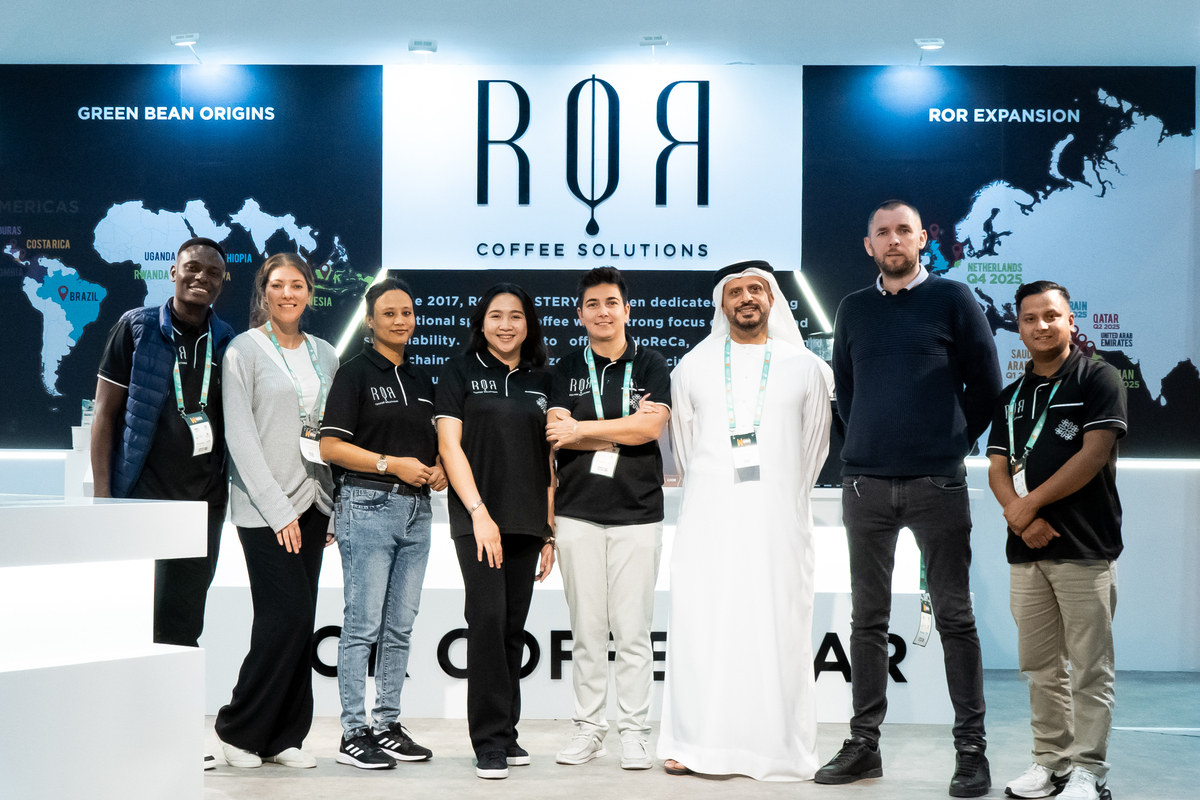
At World Of Coffee 2025 Dubai, ROR Coffee Solutions, an Emirati-owned specialty coffee provider, has made a significant impact with a series of major announcements that are set to shape the future of the industry. The company unveiled three pivotal partnerships, including an expansion into Saudi Arabia with Qadr Financial, an exclusive collaboration with Dalla Espresso, and a strategic alliance with Giesen Coffee Roasters. These partnerships reinforce ROR Coffee Solutions’s commitment to innovation, sustainability, and expanding their footprint in the specialty coffee sector within the GCC.

As a brand dedicated to elevating the coffee experience, ROR Coffee Solutions continues to expand its influence within the GCC, ensuring that high-quality, ethically sourced coffee is accessible to businesses and consumers alike. With a strong emphasis on innovation, sustainability, and industry growth, these latest partnerships mark an exciting new chapter in the company’s expansion.

Starting with the announcement of an exclusive partnership with Dalla Espresso on 10th February 2025 at World of Coffee Dubai 2025, this collaboration is set to make premium coffee more accessible than ever. Dalla Espresso is a brand that is renowned for its high-quality, affordable coffee capsules and has earned a strong reputation for producing rich, flavorful coffee in capsule form, offering a wide variety of blends that appeal to different tastes. With capsules compatible with both Nespresso and Dulce Gusto machines, this collaboration makes specialty-grade coffee more accessible than ever, allowing coffee lovers to enjoy a premium brew effortlessly, whether at home, in the office, or on the go.

Additionally, a major milestone for ROR Coffee Solutions is its expansion into Saudi Arabia through a strategic partnership with Qadr Financial. This pivotal collaboration marks a significant step in bringing exceptional coffee solutions to new markets and reinforces ROR Coffee Solutions’ long-term vision for growth within the GCC. By joining forces with Qadr Financial, a highly esteemed partner, ROR Coffee Solutions is strengthening its regional presence and commitment to elevating the coffee experience across the region.

Saudi Arabia’s coffee industry is experiencing rapid growth, fueled by a deep cultural appreciation for coffee and an expanding specialty coffee scene. With increasing demand for high-quality, ethically sourced coffee and advanced brewing solutions, ROR Coffee Solutions sees this as the perfect opportunity to establish a strong presence in the Kingdom. This expansion will introduce turnkey coffee solutions, expertly designed coffee bars, and state-of-the-art brewing technologies, transforming the local industry while emphasizing sustainability, barista training, and quality control services. By elevating the café scene, hospitality sector, and corporate coffee culture, ROR Coffee Solutions is committed to providing businesses and consumers with world-class coffee experiences, from sourcing the finest beans to delivering cutting-edge equipment and expert support.

ROR Coffee Solutions is also elevating specialty coffee roasting through an exclusive partnership with Giesen Coffee Roasters, a globally recognized leader in the industry. Announced at World of Coffee 2025, this collaboration ensures that all future ROR Coffee Solutions expansions will feature Giesen’s state-of-the-art roasting systems, reinforcing its dedication to quality and innovation. Giesen is renowned for its precision, craftsmanship, and advanced technology, enhancing coffee consistency, flavor development, and sustainability. More than just a technological upgrade, this partnership represents a shared commitment to excellence and industry advancement, equipping coffee professionals with the tools, knowledge, and support needed to push the boundaries of specialty coffee.

At ROR Coffee Solutions, we are always looking for ways to push boundaries, foster innovation, and bring exceptional coffee experiences to more people. These partnerships mark an exciting step forward in our journey, allowing us to expand our presence, introduce ground breaking technology, and enhance accessibility to high-quality coffee across the region. Whether through new market entries, exclusive collaborations, or advancements in roasting capabilities, our goal remains the same-elevate the coffee industry while staying true to our commitment to quality, sustainability, and expertise,” said Aaron Marshall.

Through strategic partnerships and expansions, ROR Coffee Solutions is redefining how coffee is sourced, brewed, and enjoyed across the region while reinforcing its commitment to excellence and sustainability. By making premium coffee capsules more accessible, expanding into fast-growing markets, and enhancing coffee roasting capabilities, the company continues to set new industry standards. With a strong focus on innovation and accessibility, ROR Coffee Solutions is not just keeping pace with industry trends but actively shaping the future of specialty coffee for businesses, professionals, and consumers alike.

Coffeedesk Strengthens GCC Presence with Exclusive Industry Partnerships at World of Coffee Dubai

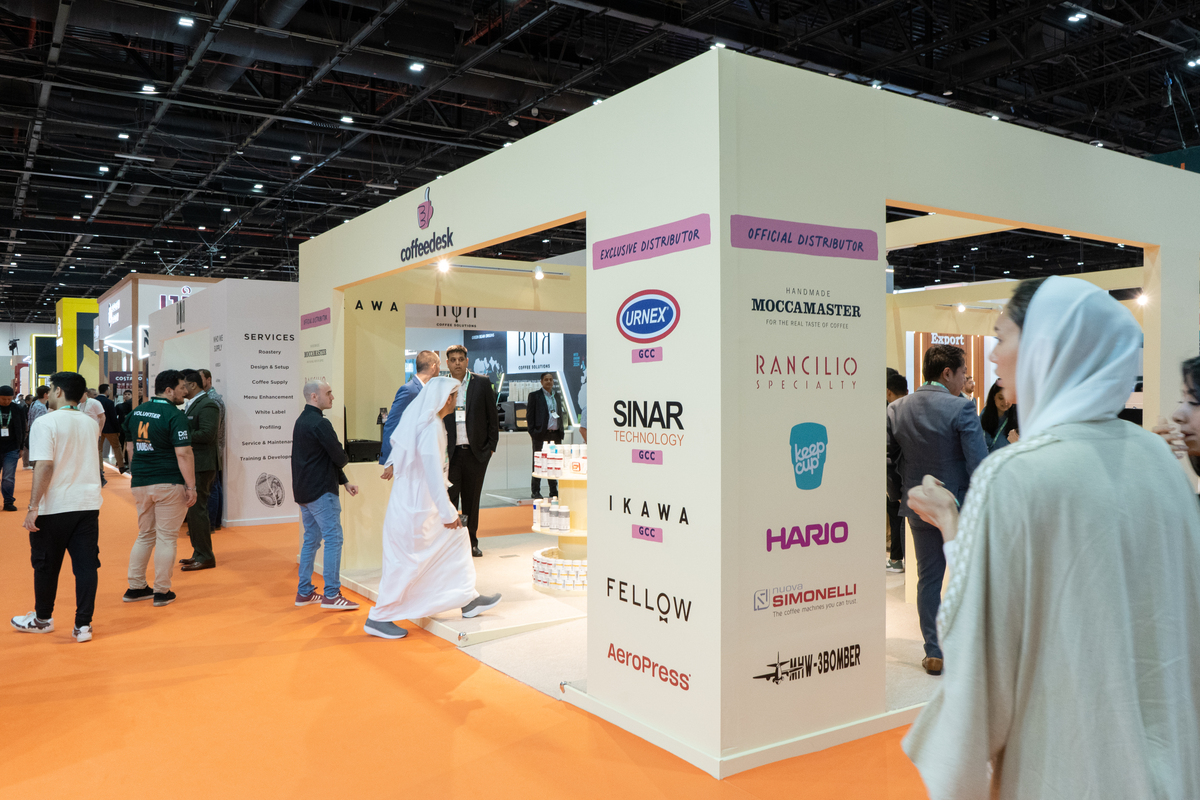
At World of Coffee 2025 Dubai, Coffeedesk, a leading provider of premium coffee equipment and solutions, made a significant impact with a series of major partnership announcements designed to elevate coffee quality and accessibility across the region. The company unveiled two pivotal collaborations,  securing exclusive distribution rights for Sinar’s moisture and density analysis technology in the GCC and becoming the exclusive distributor of IKAWA sample roasters across the MENA region. These partnerships reaffirm Coffeedesk’s commitment to driving innovation, quality, and sustainability in the specialty coffee industry.

As a brand dedicated to empowering coffee professionals, Coffeedesk continues to expand its reach, ensuring businesses have access to state-of-the-art coffee technology that enhances consistency and efficiency. With a strong emphasis on cutting-edge solutions, industry education, and quality control, these strategic partnerships mark a bold step forward in the company’s vision to redefine coffee craftsmanship in the region.

On February 10, Coffeedesk announced its exclusive partnership with Sinar, a global leader in moisture and density analysis technology. This collaboration brings world-class quality control solutions to roasters, traders, and coffee producers in the GCC, ensuring they have access to advanced tools that optimize coffee freshness, roasting precision, and overall quality. With Sinar’s expertise in delivering highly accurate readings, this partnership is set to enhance quality control processes across the industry, enabling coffee businesses to maintain superior consistency and reduce waste. By offering localized technical support and training, Coffeedesk ensures that coffee professionals in the region can fully leverage this technology to refine their craft.

Building on this momentum, Coffeedesk revealed on February 11 that it has secured exclusive distribution rights for IKAWA sample roasters in the MENA region, marking a game-changing development for coffee professionals. IKAWA is globally recognized for its smart, app-controlled roasting technology, providing unmatched precision and consistency. This partnership equips roasters, green coffee buyers, and quality control experts with innovative tools that enhance control over roasting profiles and improve efficiency. With Coffeedesk serving as the exclusive service center for IKAWA products in the GCC, businesses will benefit from expert training, maintenance support, and tailored industry insights, making it easier to integrate this groundbreaking technology into their operations.

“Our mission at Coffeedesk is to bring the most advanced coffee technology to professionals across the region, ensuring they have access to the tools and expertise needed to elevate their craft,” said Aaron Marshall, General Manager. “These partnerships with Sinar and IKAWA represent a significant step in enhancing quality control, precision roasting, and accessibility to cutting-edge innovations that shape the future of specialty coffee.”

Through these exclusive partnerships, Coffeedesk is reinforcing its role as a leading provider of advanced coffee solutions in the GCC and beyond. By offering best-in-class equipment, technical expertise, and industry-leading training programs, the company continues to set new benchmarks for innovation and excellence in the coffee sector.

illycaffè Unveils New Art Collection at Frieze Los Angeles

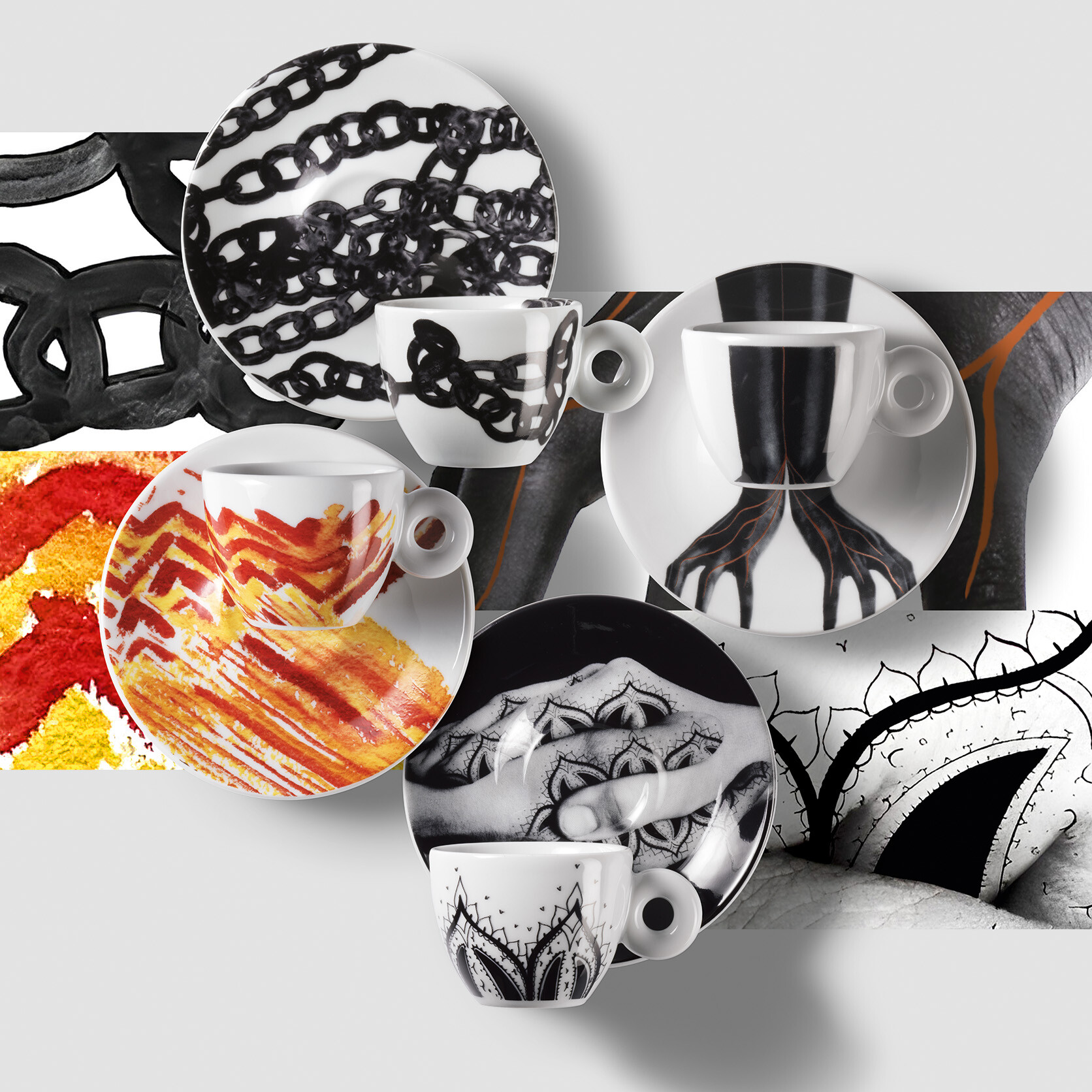
illycaffè, the globally recognized coffee brand renowned for its commitment to sustainable quality and deep-rooted connection with contemporary art, reaffirms its partnership with Frieze Los Angeles as the official global coffee partner. At the sixth edition of this prestigious international contemporary art fair, illycaffè introduces its latest illy Art Collection to the American market, featuring exclusive designs by four distinguished artists: Simone Fattal (Syria), Shirin Neshat (Iran), Monica Bonvicini (Italy), and Binta Diaw (Milanese artist of Senegalese origin).

Each artist has transformed the iconic illy cup into a canvas, reflecting on critical cultural, environmental, and social themes while sharing their perspectives as women from diverse backgrounds. Through this initiative, illycaffè continues to champion human rights and social responsibility, integrating these fundamental values into both its business model and artistic collaborations.

“Our presence at Frieze Los Angeles is a testament to the enduring connection between art and coffee, as well as our ongoing commitment to social issues. This mission takes on even greater significance as the Los Angeles community grapples with the impact of recent devastating wildfires. At illycaffè, we believe that art has the power to bridge cultures and inspire change, serving as a universal language that fosters awareness and dialogue,” said Cristina Scocchia, CEO of illycaffè.

The artistic vision of the illy Art Collection is also reflected in the illycaffè space, located in the external exhibition area near the entrance. Here, visitors, artists, and exhibitors can immerse themselves in the fusion of artistic expression and the excellence of illy’s signature coffee blend, crafted from the finest 1% of Arabica beans selected worldwide.

The new illy Art Collection, available in sets of two and four cups for both espresso and cappuccino, will be offered at Frieze bookshops, the illy e-shop, illy Caffè and illy Shop locations, leading retail distributors, and various e-commerce platforms.

With this latest collaboration, illycaffè continues to reinforce its position at the intersection of art, culture, and sustainability, demonstrating how coffee can serve as both a sensory and intellectual experience.