Victoria Arduino presents E1 Prima at Milan Design Week 2025

Victoria Arduino, the iconic brand in the world of professional coffee machines, presents the E1 Prima Special Edition during Milan Design Week 2025. The event, entitled ‘The Design Blend’, celebrates the encounter between innovation and tradition with an exclusive installation at Starbucks Reserve™ Roastery in Piazza Cordusio, from 7 to 13 April.

With the E1 Prima Special Edition, the Victoria Arduino brand redefines the customisation of coffee machines, responding to the growing demand for bold aesthetics and distinctive identities.

The E1 Prima Special Edition stands out as a design icon, offering three unique finishes – vegan leather, textured and raffia – that merge premium materials, refined colour palettes and functionality into an object designed to redefine spaces and inspire through innovative visual narratives. Every detail represents a style manifesto, combining premium materials and functionality to create perfect harmony and inspire through visual narratives that redefine spaces.

The iconic coffee machine will be the centrepiece of an installation that combines aesthetics and function, exploring the link between past and future. Art Deco details blend with modern, brutalist elements, creating a visual and sensory experience that celebrates the beauty of design and a passion for coffee.

A distinctive element of the installation will be the reinterpretation of some of the brand’s historical images through Artificial Intelligence, which will come to life in a fascinating animation that spans time, combining art and technology.

To further enrich this celebration of design, a refined coffee table book will be presented in a limited edition that collects the evocative images of the photo shoot carried out at an exclusive experience hotel that celebrates Made in Italy design in every room. Signed by Victoria Arduino, the book will interweave the history of design and brand values with the timeless elegance of the rooms, narrating the link between architecture and the design of the machine.

The coffee table book will be displayed next to the machines, offering visitors an even more immersive experience in Victoria Arduino’s aesthetic universe.

During Milan Design Week, Starbucks® Roastery will become a meeting point for designers, fashion influencers and important figures from the lifestyle world. It will offer an ideal opportunity to explore coffee culture through an innovative perspective, in a context that celebrates Italian excellence and creativity.


About. Victoria Arduino, founded in 1905 by Pier Teresio Arduino, is an Italian brand renowned for the production of professional espresso coffee machines and coffee grinders. With over a century of experience, the company combines technological innovation, refined design and environmental sustainability to offer high quality products. Since 2001, Victoria Arduino has been part of the Simonelli Group, continuing to represent Italian excellence in the coffee sector at an international level.

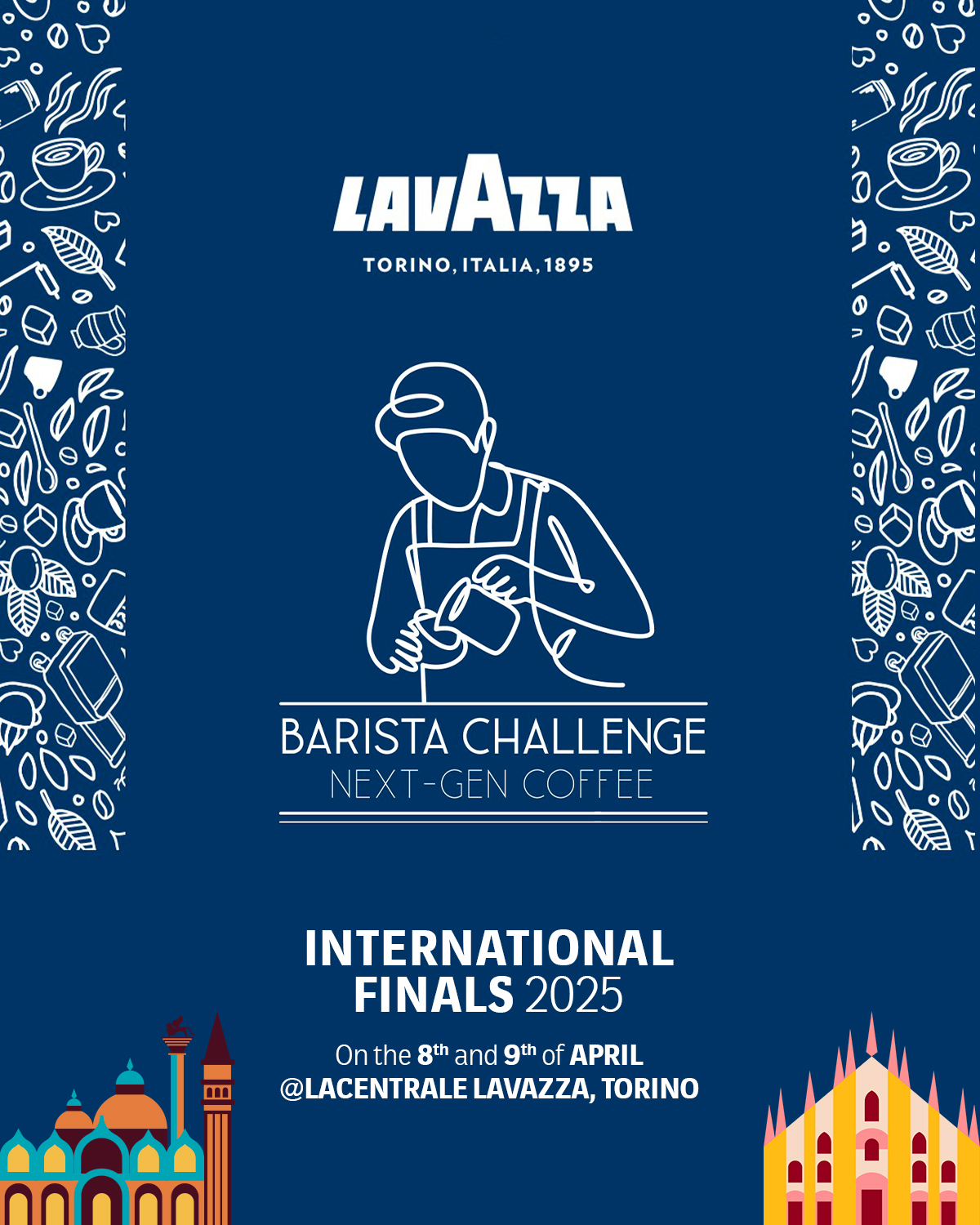
Lavazza Barista Challenge 2025 Finals to Take Place in Turin This April

Lavazza is preparing to host the International Finals of the Lavazza Barista Challenge 2025, set to take place from April 8 to 10 at La Centrale, within the Nuvola Lavazza headquarters in Turin. This major event will bring together top baristas from across the globe who qualified through local and regional competitions, culminating in a celebration of talent, storytelling, and innovation in coffee preparation.

This year’s edition goes beyond showcasing espresso skills. Finalists will be challenged to create signature drinks that reflect their personality, technique, and cultural background. In a bold new addition to the competition, Lavazza has introduced a global Cold Coffee Challenge, inviting participants to craft cold coffee recipes using the brand’s Tales of Italy blends—a tribute to both tradition and innovation in modern coffee consumption.

Lavazza emphasizes that the event is “more than a competition; it’s a platform to honor creativity, commitment, and the passion baristas bring to every cup.” The 2025 challenge underlines Lavazza’s mission to nurture global coffee culture and support the next generation of coffee professionals.

A distinguished international panel of judges will evaluate the finalists based on creativity, technical execution, flavor harmony, and the narrative behind each recipe. The judging panel includes:

  • Fabrizio Fiorani – Pastry Chef – Zucchero x Fabrizio Fiorani, Rome

  • Lauro Fioretti – Coffee Expert – Simonelli Group

  • Dario Tortorella – Mixologist – L’Antiquario, Naples

  • Federico Zanasi – Chef – Condividere, Turin

The event will also feature live presentations, workshops, and interactive experiences for attendees, all set within Nuvola Lavazza—a cultural and innovation hub that symbolizes Lavazza’s commitment to combining Italian heritage with forward-thinking coffee excellence.

A Global Tribute to Women in Coffee: Vanusia Nogueira Named One of Brazil’s Most Powerful Women by Forbes

As Women’s History Month came to a close this March, Forbes Brazil honored Vanusia Nogueira, Executive Director of the International Coffee Organization (ICO), by including her in its prestigious list of Brazil’s Most Powerful Women of 2025. The recognition celebrates her leadership and tireless efforts to champion women across the coffee value chain.

Women’s History Month, officially recognized by the U.S. Congress in 1987, has since become an international moment of reflection and celebration, highlighting women’s contributions in politics, science, economics—and agriculture. This year, the International Coffee Organization marked the occasion with a remarkable digital campaign that illuminated the vital yet often overlooked role of women in the coffee industry throughout history.

ICO’s “Women in Coffee History” Series

To honor the month, the ICO launched a dedicated Instagram series titled “Women in Coffee History,” which traced the legacy of influential women who have shaped coffee culture across the ages. The series began with the discovery of coffee and its journey from Yemen to the rest of the world, following its trade through major historical ports like Mokha and its expansion into Africa, the Ottoman Empire, Europe, and beyond.

Each post in the series spotlighted a specific woman who made a meaningful impact in her era—whether in farming, trade, science, entrepreneurship, or social reform. The ICO’s goal was to rebalance a narrative that has historically favored male figures, by restoring visibility to the many women who helped shape the global coffee landscape.

A Well-Deserved Honor for Vanusia Nogueira

Vanusia Nogueira’s inclusion in the Forbes list reflects her groundbreaking role as the first woman to lead the ICO, an intergovernmental organization that plays a central role in shaping global coffee policies. At the Forbes Power Lunch event held on March 28 at Fasano Jardins in São Paulo, Vanusia delivered a powerful message:

“My work today is to amplify the challenges women in agriculture face and to ensure that young people take pride in working in the fields—while also earning a prosperous income.”

The International Coffee Organization responded to the announcement with a heartfelt message: “We couldn’t think of a better way to conclude our Women’s History Month special series than with this incredible news: our Executive Director has been named one of Brazil’s Most Powerful Women by Forbes. We extend our heartfelt congratulations to Vanusia and all the inspiring women recognized with this prestigious award!”

A Celebration of Female Leaders Across Industries

The Forbes Brazil event honored 13 women leading in fields ranging from energy and finance to education and digital innovation. Notable names on the list included Magda Chambriard, President of Petrobras; Patricia Muratori, YouTube’s Director for Latin America; and Geyze Diniz, Chair of the Pact Against Hunger.

Vanusia’s recognition is especially significant for the global coffee sector, where millions of women—from farmers to cuppers to exporters—play essential roles but rarely receive the spotlight. Her leadership represents a broader shift in the industry: a move toward equity, inclusion, and sustainability that puts people—especially women—at the center.

Qahwa World’s Perspective: A Message for the Future

At Qahwa World, we view this recognition not simply as a personal achievement, but as a symbolic moment for all women in coffee. Vanusia Nogueira stands not only as a leader, but as a representative of countless women who have worked in the background of the global coffee story—often without recognition.

This award affirms that there can be no truly sustainable future for coffee without empowering women, acknowledging their labor, and granting them the voice and visibility they have long deserved.

Brazilian Coffee Farmers Embrace Expensive Irrigation to Tackle Climate Pressure

Brazil’s coffee producers are increasingly relying on costly irrigation systems to safeguard yields and meet rising global demand, according to a detailed report by Reuters published on March 31, 2025. The shift comes in response to erratic rainfall and prolonged droughts that have significantly impacted the country’s coffee-growing regions over recent years.

Citing interviews with over 20 farmers, agronomists, and industry stakeholders, Reuters noted that irrigation is becoming a crucial factor in coffee production, especially in emerging areas like western Bahia—Brazil’s new agricultural frontier. Large farms equipped with advanced irrigation systems, such as central pivot and drip technologies, are now playing a central role in maintaining Brazil’s position as the world’s top coffee supplier.

One such example is the Joha farm in Bahia, operated by Rodrigo Brondani and owned by agricultural holding AFB&IOB. The farm spans 900 hectares of irrigated coffee fields and is projected to yield up to 80 bags per hectare—twice the national average. At current prices, the farm’s last harvest alone could be worth approximately $17 million, Reuters reported.

Brondani told Reuters that irrigation was key to the farm’s resilience amid Brazil’s changing climate conditions. His comments echo a broader trend, as many producers are now moving away from traditional rain-fed coffee farming and investing heavily in water infrastructure to ensure stable output.

Coffee Deficit, Soaring Prices

Brazil accounts for roughly 35% of global coffee consumption. Yet, prolonged droughts and declining yields have caused significant supply deficits. According to the Reuters report, 2025 is expected to mark the fourth time in six years that global coffee consumption has outpaced production. Data from the International Coffee Organization (ICO) shows a cumulative deficit of 12.5 million bags since 2022—equivalent to about 7% of the global annual supply.

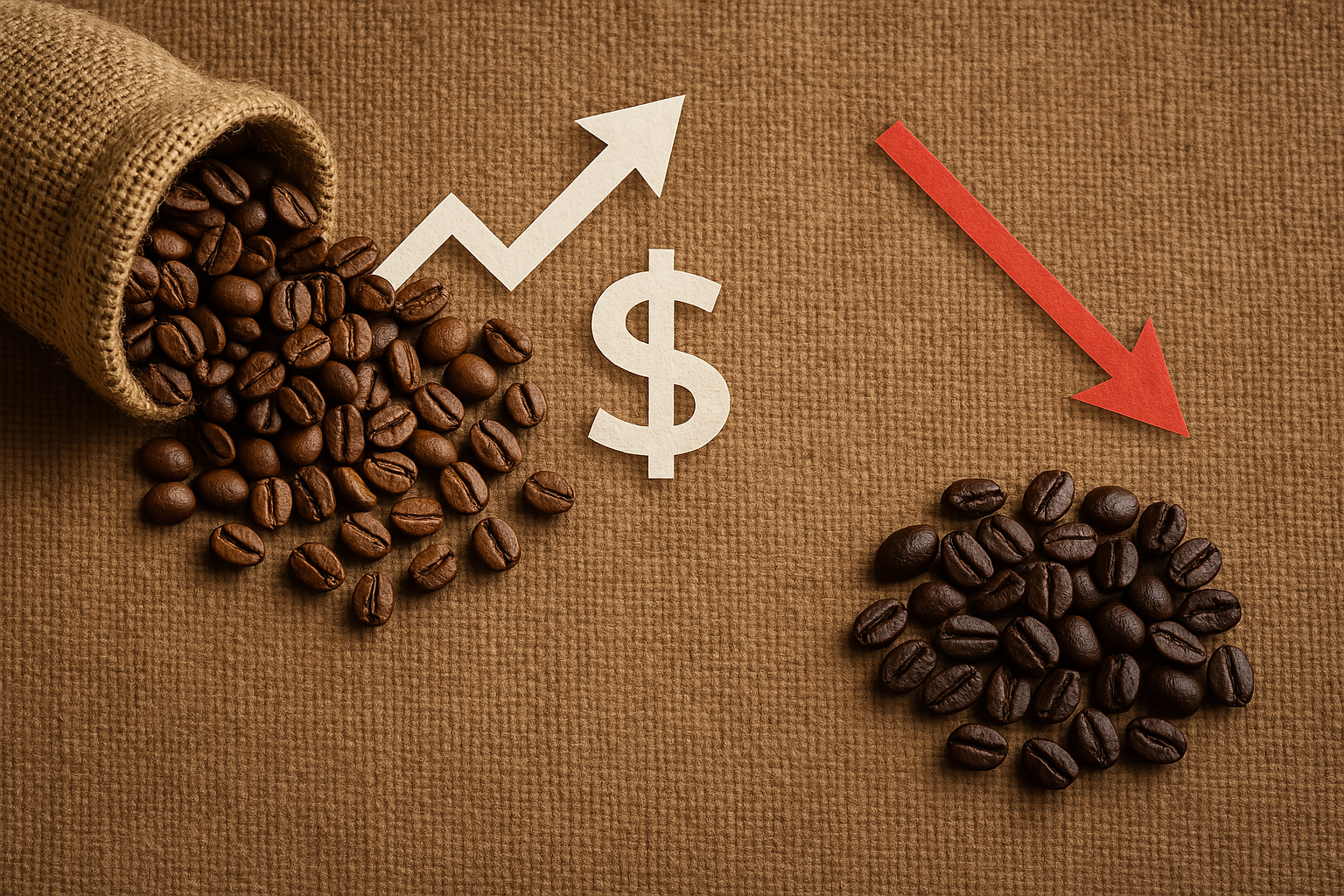
These imbalances have pushed Arabica futures to record highs. Reuters cited market data showing a 70% surge in 2024 followed by another 25% increase so far in 2025. The benchmark price reached $4.40 per pound in February, prompting major brands such as Starbucks, Nespresso, and JDE Peet to raise consumer prices—with more hikes expected.

Water Access: A Dividing Line in Production

While water is relatively abundant in Bahia, where the Urucuia aquifer lies just 20 meters below the surface, regions like Minas Gerais face mounting challenges. Reuters noted that in some areas, farmers must drill as deep as 300 meters to access groundwater—an expensive and sometimes unreliable endeavor.

In 2024, several municipalities in Minas Gerais imposed restrictions on irrigation due to falling water levels. One farmer, Mario Alvarenga, told Reuters that despite owning an irrigation system, he was unable to use it because of water scarcity.

Data from Fundação Procafé, a Brazilian coffee research institute cited in the report, revealed a severe soil moisture deficit of 300 mm in Minas Gerais in October 2024—far above the long-term average.

High Costs and Technological Shifts

According to Reuters, the cost of installing a central pivot irrigation system can exceed 1.5 million reais (approximately $263,000). Drip irrigation systems, though more efficient, can cost around 40,000 reais ($7,000) per hectare. These costs are significant for small and mid-sized farmers, many of whom are still recovering from years of low coffee prices.

To address this, Cooxupé, the world’s largest coffee cooperative, has partnered with Israeli firm Netafim to facilitate irrigation access through payment plans involving future coffee deliveries. Cooxupé President Carlos Augusto Rodrigues de Melo told Reuters he expects the proportion of irrigated farms within the co-op’s network to double in the next three to five years.

Agronomists quoted in the report also emphasized the importance of regenerative practices—such as soil enrichment and tree renewal—to enhance moisture retention and productivity in tandem with irrigation.

Environmental Concerns and Regulation Gaps

While irrigation has helped stabilize production, it raises sustainability concerns. The Reuters investigation highlighted the risks of over-extracting groundwater, particularly in western Bahia. A study conducted by non-profit Imaterra and the Federal University of Bahia found that local authorities have relaxed water-use regulations, potentially leading to unsustainable practices.

The study reported that agriculture in Bahia uses around 17 billion liters of water per day—enough to supply nine times the population of São Paulo. Between 2002 and 2021, the Urucuia aquifer lost 31 cubic kilometers of water, according to Brazil’s Geological Service, largely due to agricultural use.

Experts interviewed by Reuters urged the government to enhance water monitoring systems, particularly in areas of rapid agricultural expansion.

Conclusion
The Reuters report paints a clear picture: Brazil’s coffee sector is undergoing a structural transformation. While large-scale irrigated farms in regions like Bahia are thriving, traditional producers in drought-affected areas face mounting challenges. As global coffee demand continues to rise, the country’s ability to sustainably manage its water resources may determine its future as a coffee powerhouse.

JDE Peet’s Continues Share Buyback Programme, Reaches €63.2 Million in Repurchases

JDE Peet’s (EURONEXT: JDEP), the world’s largest pure-play coffee and tea company, has repurchased an additional 39,679 shares between March 24 and March 28, 2025, as part of its ongoing €250 million share buyback programme. The shares were bought at an average price of €19.80 per share, representing a total consideration of €0.8 million.

With this latest tranche, the total number of shares repurchased under the programme, launched on March 3, 2025, has reached 3,416,760 ordinary shares, amounting to a cumulative value of €63.2 million.

This move reflects JDE Peet’s continued efforts to enhance shareholder value and demonstrates the company’s robust financial health. The buyback programme is part of the company’s broader capital allocation strategy, aligning with its long-term commitment to sustainable growth and responsible corporate governance.

The announcement follows recent recognition of JDE Peet’s commitment to workplace equity, having earned the Fair Pay Leader certification for gender pay equity earlier in March. As the company continues to advance both financial and social responsibility initiatives, it remains a benchmark for industry leadership.

Further updates and detailed progress on the buyback programme are made publicly available in accordance with Article 2(3) of the EU Regulation 2016/1052, which governs technical standards for such programmes.

Explore the full update and past announcements on JDE Peet’s initiatives here.

A New Chapter in Coffee Processing: Are Additives Redefining Post-Harvest Identity?

As innovation surges in the specialty coffee sector, a critical debate is emerging around the use of additives and ingredients in post-harvest processes (PHP). What once was a straightforward path from cherry to green bean has become a complex web of microbial interventions, fermentation styles, and flavor engineering—raising questions about transparency, classification, and consumer expectations.

Ennio Cantergiani, Owner and Managing Director of l’Académie du Café – Switzerland, sheds light on this transformation, revealing that a dedicated meeting by the Specialty Coffee Association (SCA) is scheduled to take place in Houston at the end of April. The topic on the table: the evolving identity of green coffee and the role additives play in shaping its future.

Processing Aids or Flavor Modifiers?

At the heart of the discussion is the distinction between “processing aids” and “intentional flavor modifiers.” Processing aids are substances used to enhance efficiency and consistency in production—yet they are not meant to remain in the final product. Examples include yeasts and bacteria used to break down mucilage, enzymes that support fermentation, or antifoaming agents that prevent mechanical clogging during washing.

“If the primary intent behind using yeasts or bacteria is to increase batch consistency or improve machine performance, then these remain classified as processing aids,” Cantergiani explains. “But the moment the goal shifts toward influencing flavor, the nature of the process—and its classification—must change.”

This distinction is more than semantic. It affects traceability, labeling, and the ethical standards of the specialty coffee industry.

Fermentation Without Additives: Still a Grey Zone?

Processes like anaerobic fermentation and carbonic maceration add further complexity. Though they do not rely on external ingredients (except the controlled use of CO₂ in carbonic maceration), their primary goal is flavor modulation.

“These methods cannot be categorized under processing aids,” notes Cantergiani. “They represent deliberate fermentation strategies and must be clearly identified as such—whether anaerobic or carbonic.”

In essence, what defines the process is not the presence of microorganisms alone, but the intention behind their use.

A Need for Clearer Standards

As producers experiment with infused coffees, co-fermentation, and gas-solid interactions to create distinct flavor profiles, the need for a unified industry lexicon has become urgent. The SCA’s upcoming meeting is expected to address these ambiguities and push toward clearer definitions that separate traditional PHPs from modern, ingredient-based innovations.

Cantergiani emphasizes that further categories—such as “infused coffees,” “mosto-infused,” “co-fermented,” and “flavored coffees”—require their own criteria and discussions, which he plans to explore in future publications.

What’s at Stake?

With the specialty coffee sector striving to uphold transparency, traceability, and ethical standards, the increasing use of additives in PHPs may challenge the very identity of “natural” or “clean” coffee. At the same time, the potential to enhance flavor, value, and consistency remains an attractive prospect for producers navigating climate change, market volatility, and shifting consumer demands.

The path forward, it seems, lies not in restricting innovation—but in clarifying it.

NASA Astronaut Enjoys Coffee in Space With His Own Zero-Gravity Cup Design

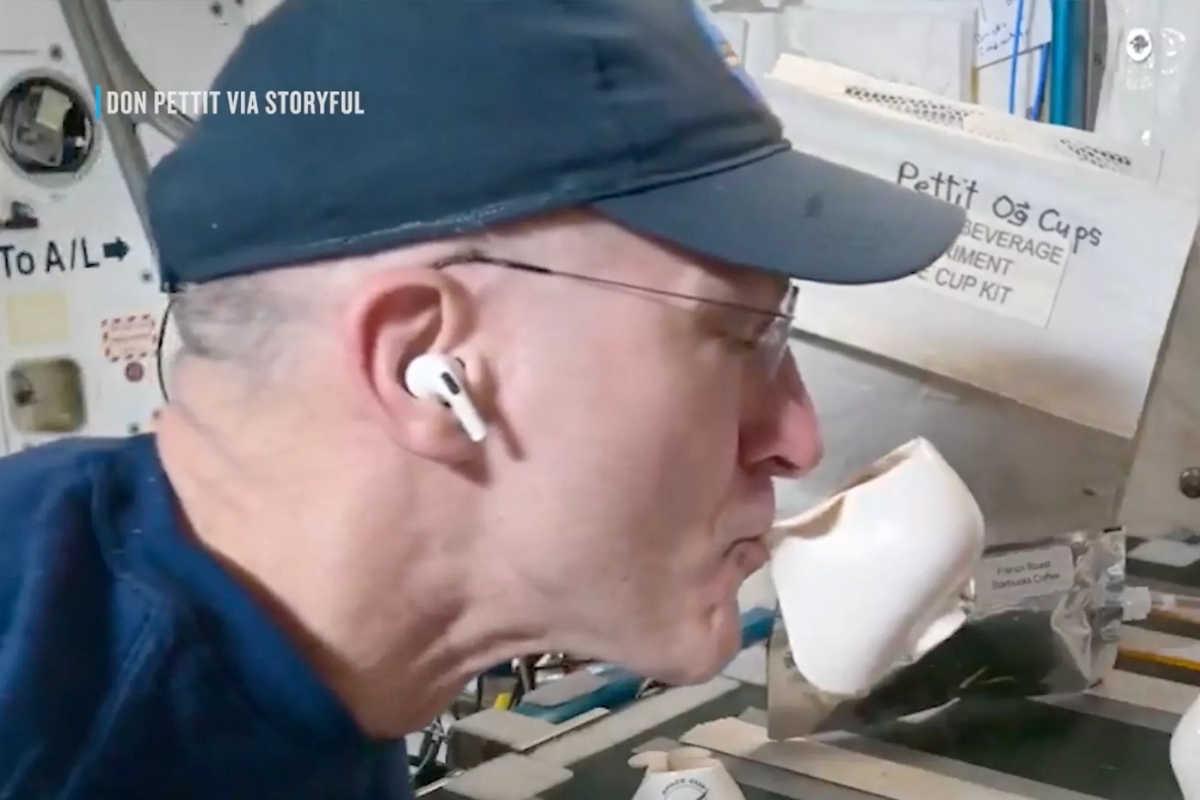
NASA astronaut Don Pettit missed the familiar aroma of his morning coffee so much while aboard the International Space Station (ISS) that he designed a solution: the Capillary Cup, a zero-gravity cup that allows astronauts to sip coffee more naturally—no bag, no straw required.

Developed to work in microgravity conditions, the Capillary Cup uses fluid dynamics to guide liquid to the mouth, mimicking how one would drink on Earth. According to the Rochester Institute of Technology, the cup also enables astronauts to experience one of the most essential aspects of coffee—its smell.

“The zero-g cup allows one to smell your coffee, something you can’t do when sipping through [a] straw from a bag,” Pettit wrote on X (formerly Twitter), responding to a follower curious about how coffee tastes and smells in space. “Smell is probably 70% of the coffee pleasure,” he added.

Pettit demonstrated the invention in a video, casually sipping from the floating cup as it hovered midair—an everyday ritual made extraordinary in orbit. “Having a sip o’ joe in the morning; nothing beats the zero-g cup for morning coffee,” he captioned the clip.

The invention not only reintroduces comfort and routine to astronauts’ lives in space but also provides a glimpse into the playful side of science. Responding to a comment that astronauts shouldn’t “play with their food,” Pettit quipped: “In space, you can play with your food and call it science.”

Despite the innovation, space coffee still faces its limitations. On March 22, Pettit noted on X that the ISS espresso machine had been returned to Earth. Until a replacement arrives, astronauts are back to drinking instant coffee.

Don Pettit continues to share insights from the ISS and updates on his space-brewed coffee experiences with his followers, blending curiosity, creativity, and caffeine—one zero-gravity sip at a time.


View this post on Instagram


A post shared by عالم القهوة (@qahwaworld)

Coffee Prices: Dollar Pushes Arabica Up, Robusta Under Pressure

Arabica coffee prices closed higher on Friday, supported by a weaker U.S. dollar, while robusta coffee dipped on expectations of rising production from key origins. According to a market update published by Nasdaq, May arabica coffee futures (KCK25) rose by 0.30% (+1.15), while May ICE robusta coffee (RMK25) slipped 0.26% (-14).

The dollar’s decline provided momentum for arabica, making commodities priced in dollars more attractive to global buyers. In contrast, robusta faced downward pressure after Marex Solutions projected a significant increase in 2025/26 crop volumes: Vietnam’s robusta production is expected to reach 28.8 million bags, up 7.9% year-over-year, while Brazil’s output is forecast to grow by 13.6% to 25 million bags.

Mixed Signals from Weather and Inventory Data

Earlier in the week, both coffee types came under pressure. Arabica touched a one-month low, while robusta fell to a two-month low amid forecasts for widespread rain in Brazil, easing previous dryness concerns. Meteorologists at Climatempo and Somar noted that Minas Gerais, Brazil’s top arabica region, received 31.2 mm of rain last week, or 102% of the historical average.

Yet, weather-driven price support emerged mid-week, as arabica hit a three-week high. Cooxupé, Brazil’s largest arabica cooperative, warned that recent high temperatures and scarce rainfall could negatively impact yields in 2025. Similar concerns were reported in Vietnam’s Central Highlands, where the local weather office warned of hotter, drier conditions through late March.

Inventories & Exports Paint a Complex Picture

Inventory data remains mixed. ICE-monitored arabica stocks fell to a five-week low of 771,576 bags, while robusta inventories climbed to a seven-week high of 4,414 lots, according to Nasdaq.

Brazil’s February green coffee exports declined 12% year-over-year to 3 million bags, as reported by Cecafe. Conab, Brazil’s crop forecasting agency, expects the country’s 2025/26 coffee output to fall 4.4% to 51.81 million bags, its lowest level in three years. Meanwhile, Vietnam’s 2024 coffee exports fell 17.1% y/y to 1.35 million metric tons, and production dropped by 20% in 2023/24 due to drought, marking the smallest harvest in four years.

However, recent increases in global exports are seen as bearish. Brazil’s coffee exports in 2024 rose 28.8% y/y to a record 50.5 million bags, and Vietnam’s February shipments rose 6.6% y/y.

Supply Outlook: Surpluses and Deficits Clash

Marex Solutions recently projected a global surplus of 1.2 million bags for 2025/26, compared to just 200,000 bags in 2024/25. Yet, long-term supply risks remain due to lingering effects of last year’s El Niño, which caused widespread drought in South and Central America. Brazil, in particular, is experiencing its driest weather since 1981, according to Cemaden, affecting the flowering phase of arabica trees.

The USDA’s December report highlighted that global coffee production for 2024/25 is expected to rise 4% to 174.86 million bags, with arabica and robusta up by 1.5% and 7.5%, respectively. Yet, ending stocks are projected to fall 6.6% to a 25-year low of 20.87 million bags.

The USDA also revised Brazil’s 2024/25 production forecast down to 66.4 million metric tons, and projected a 26% decline in ending stocks to 1.2 million bags.

Additionally, Volcafe sharply reduced its forecast for Brazil’s 2025/26 arabica crop to 34.4 million bags, citing prolonged drought. The firm expects a global arabica deficit of 8.5 million bags, compared to a 5.5 million bag shortfall in 2024/25—marking the fifth consecutive year of arabica deficits.

All You Need to Know About the Paris Coffee Festival 2025

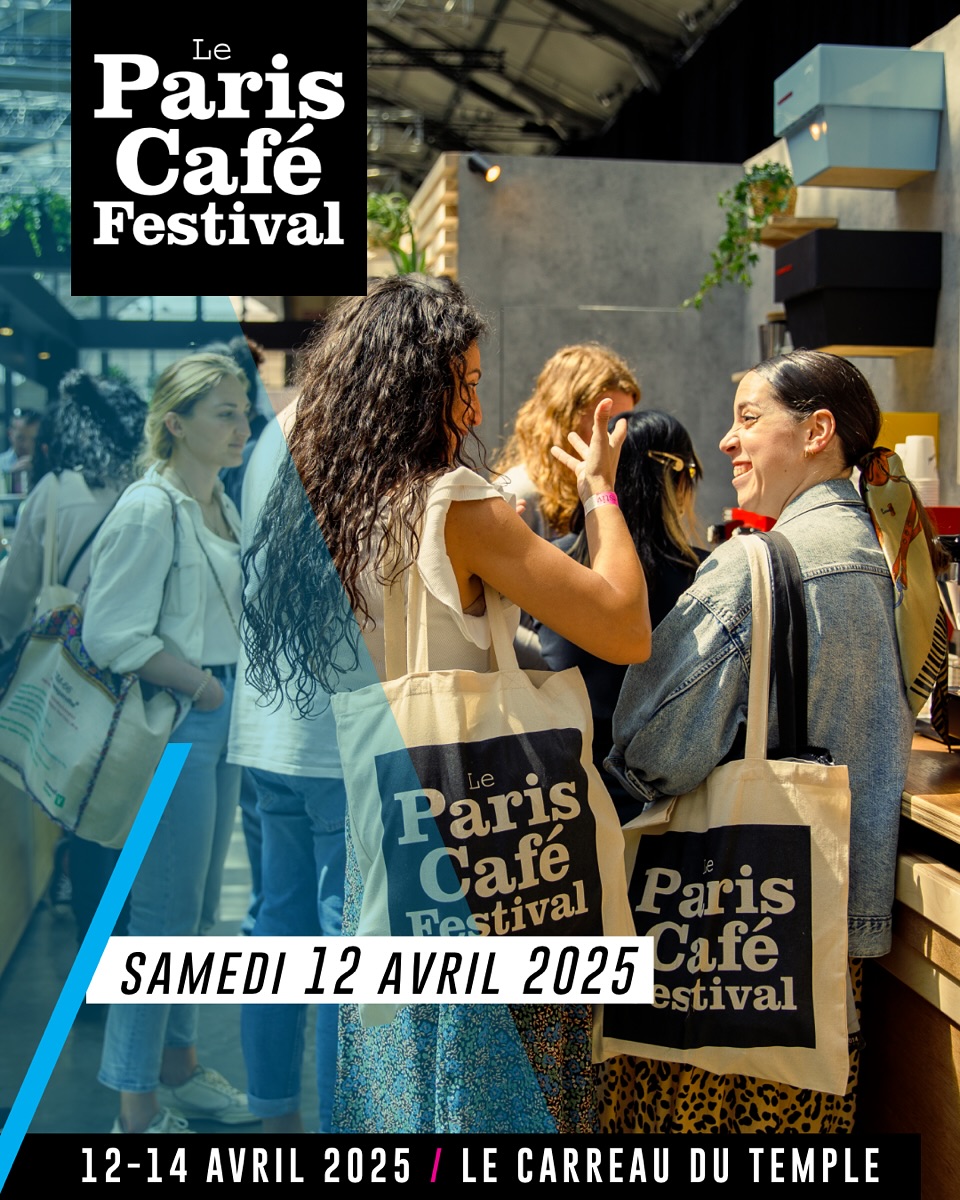
The Paris Coffee Festival is back for its sixth edition, transforming the Carreau du Temple into a buzzing hub of specialty coffee culture from April 12 to 14, 2025.

This annual event, which has quickly become France’s leading celebration of coffee, invites thousands of enthusiasts, professionals, and curious newcomers to immerse themselves in the rich and dynamic world of specialty coffee — through tastings, competitions, workshops, music, and more.

What to Expect in 2025

Venue: Carreau du Temple, 4 Rue Eugène Spuller, 75003 Paris
Dates:

  • April 12–13: Open to the general public

  • April 14: Reserved for industry professionals

Opening Hours: 9 AM to 6 PM daily

Tickets: Early Bird tickets available on pariscafefestival.com, with up to 30% discount until March 1, 2025. No on-site ticket sales.

Festival Features and Highlights

  • Over 100 Exhibitors: Discover top-tier roasters, brewing equipment manufacturers, and artisan coffee brands from across Europe and beyond.

  • Coffee Tasting Galore: Unlimited samples of specialty brews — including rare origins and experimental lots.

  • Roasters Village by La Marzocco: Meet the top French roasters and experience their best brews.

  • True Artisan Café: Watch baristas collaborate with coffee brands to craft signature drinks in real time.

The Coffee Trail Experience

New for 2025, the Coffee Trail offers a curated journey through various sensory experiences, including:

  • De’Longhi’s Home Barista Workshop – Learn how to master espresso and milk techniques at home.

  • Brita Comparative Tasting – Explore the influence of water quality on flavor profiles.

  • Panama Baru Experience by Brûlerie des Gobelins – Discover the aromas of one of the world’s most sought-after coffee origins.

Competitions and Live Shows

  • Roast Masters Tournament: A thrilling head-to-head roasting contest featuring the best in the game.

  • Latte Art Live: A crowd favorite where latte artists battle it out for foam supremacy.

  • Coffee Mixology: Sip espresso martinis and coffee cocktails from some of Paris’s trendiest bartenders.

Masterclasses & Experts

Attendees can participate in exclusive masterclasses led by champions and certified trainers. Sessions will focus on:

  • Advanced brewing techniques

  • Flavor mapping and sensory science

  • Sustainability in coffee production

  • Café entrepreneurship and innovation

More Than Just Coffee

The event also offers:

  • Food court and cocktail bars: Enjoy pastries, brunch bites, and café-inspired cocktails

  • DJ Lounge – “La Symphonie du Café”: A vinyl-only set creating an atmospheric blend of music and aroma

  • Sustainability Initiatives: A portion of proceeds goes to Project Waterfall, supporting clean water projects in coffee-producing regions.

A Word from the Organizers

“We’re not just celebrating coffee; we’re celebrating the people, cultures, and craftsmanship behind it,” said the organizers at Paris Coffee Ventures. “This festival reflects a fast-growing specialty coffee scene in France that is deeply rooted in passion, innovation, and community.”

Final Notes

From seasoned baristas to coffee newcomers, the Paris Coffee Festival promises something for everyone — from sipping exquisite brews to learning from world champions. As the event continues to grow, it reinforces Paris’s status as a rising capital of café culture.

For tickets, schedules, and more details, visit the official website.

Exploring Oman, One Coffee Shop at a Time

Every time my friend Syed Naveed publishes a new post on his blog “The Need for Coffee,” I’m struck by how effortlessly he turns personal journeys into stories worth sharing. His choice of words, his eye for detail, and the emotions he captures in his writing always leave an impression. He doesn’t just write about coffee — he tells stories that make you feel like you’re right there, cup in hand.

In this piece, he takes us on a journey through Oman, visiting specialty coffee shops during multiple work trips. But this isn’t just about the cafés — it’s about the people, the spaces, and the experiences that define a growing coffee scene.

Here is the story, as told by Syed Naveed:

“This year,” says Naveed, “I’ve traveled to Oman several times for work, and with every trip, it’s become harder to leave. In the evenings, I’d wander the city, visiting different coffee shops and soaking in a culture that reminded me of Dubai, yet had its own quiet charm.”

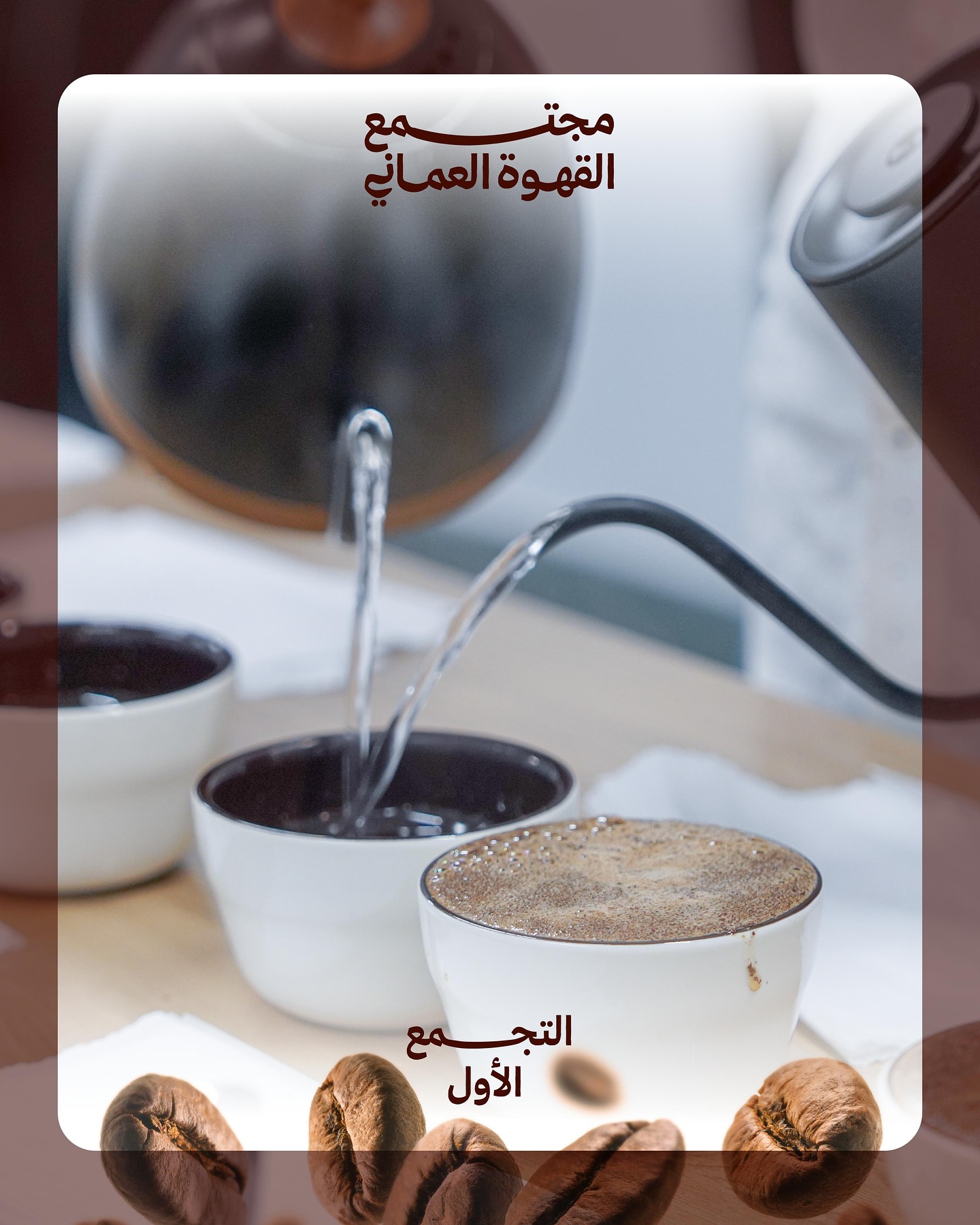
“My most recent visit — just before Ramadan — lined up with a special moment. Thanks to Andrew, I was invited to attend the very first gathering of the Oman Coffee Community.”

“It brought together baristas, roasters, coffee lovers, and industry professionals to taste coffees from various roasteries. Even more significant, the event also marked the election of the country’s first official board for the specialty coffee community — a major step toward a more organized and promising coffee future in Oman.”

Azura Coffee

“When asking around for recommendations, one name always came up — Azura, The Coffee Company. Naturally, it became my first stop.”

“Shoutout to Leo for brewing me a beautiful Rwandan coffee from Rwacof growers. With its floral notes, passion fruit brightness, and a touch of citrus, it went beyond anything I expected.”

La Cabra

“My last experience with La Cabra was in House of Wisdom — though without their signature bakery items, something felt incomplete.”

“So when someone recommended their location in Oman, my expectations were sky-high — maybe unfairly so. But this time, the experience not only met but exceeded them.”

“The olive lemon cake paired with the Cerro Azul filter coffee created the perfect harmony. Add to that the minimalist interior and elegantly understated exterior — every detail contributed to a well-rounded and memorable experience.”

Sector Seventeen

“One café in particular really stood out — Sector Seventeen. It’s a space born from childhood memories.”

“The founders grew up in Sector 17 of Chandigarh, India — once a visionary urban hub designed by Le Corbusier. The café reflects that legacy through design: clean lines, rounded corners, and a logo inspired by the number 17 in Punjabi.”

“Subtle grid patterns are integrated into the furniture, walls, and even the manhole cover at the entrance — a quiet tribute to the city’s architectural soul.”

“And the coffee? I had The Secretariat, their take on an espresso martini, using washed Ethiopian beans. Balanced, floral, fruity — an excellent cup.”

“Even the food menu had a story. Everything was curated under Simran’s Kitchen, led by a local culinary expert known for food blogging and workshops. And what amazed me most was that everything — the design, branding, menu, and social media — is managed by the Dhanju family. A complete family-run concept executed with passion.”

Black Haze

“For something different, I turned to Reddit, where one café came up repeatedly — Black Haze. Its moody atmosphere intrigued me.”

“The space felt more like a nightclub — dim lighting, neon yellow around the bar, a bold ambiance.”

“Behind the bar was Ahyad — a modest but skilled coffee mixologist. He served me the Black Pearl, a dark and creamy coffee mocktail that looked as mysterious as it tasted.”

“Then came a washed coffee from Los Pirineos, roasted by Tim Wendelboe. A perfect finale to what had been an otherwise ordinary day.”

Kaleem

“Kaleem was another name that kept surfacing in local recommendations. From the outside, it looked like a concrete block on the edge of a park. But once inside, I discovered a beautiful blend of nature and modernism.”

“The triangular entrance, asymmetrical pathways, and perfectly arranged brewing station all pointed to thoughtful design.”

“Although I usually lean toward washed coffees, I couldn’t ignore their natural anaerobic offerings. I ended up with a Guatemalan — tropical, clean, with a hint of unripe berries and a candy-like sweetness that lingered.”

“Brewed by @donquixotedudeee and @_lvcifxr, who also gave me a quick tip on coffee-to-water ratios — the kind of exchange you’d expect in a café in Dubai. A true coffee conversation.”

La Cava

“La Cava was the perfect place to unwind after a long workday. Thanks again to Andrew for the tip — this one delivered.”

“Minimalist interiors made the space easy on the eyes, while quirky wall accents gave it personality. It’s the kind of café you unintentionally spend more time in than planned.”

“Oman’s specialty scene keeps impressing me. The quality is consistent, and each new spot feels like a win.”

Aram

“Walking into Aram reminded me of my favorite local cafés back in Dubai. Nestled in a vibrant, artsy neighborhood, the café overlooks the House of Musical Arts — so beautiful that it kept stealing my attention away from the people I was with.”

“Inside, the calm and cozy interiors perfectly matched the peaceful exterior.”

“I ordered a Panama Geisha on filter — superb. The Yemeni coffee, however, cost twice as much and didn’t quite live up to the price.”

“But the Tiramisu? Probably the best I’ve ever had. Especially alongside the Geisha.”

“This is the kind of café I’ll keep coming back to every time I’m in Muscat.”

What’s Next?

Naveed concludes: “My visits to Oman aren’t over, and I’m already looking forward to the next one. I know there are so many amazing cafés — both in and outside Muscat — that I haven’t yet explored.”

“So I need your help. Which specialty coffee shops should I visit next? Whose story deserves to be told in a follow-up post? Send me your suggestions — I’ll be sure to check them out on my next trip.”

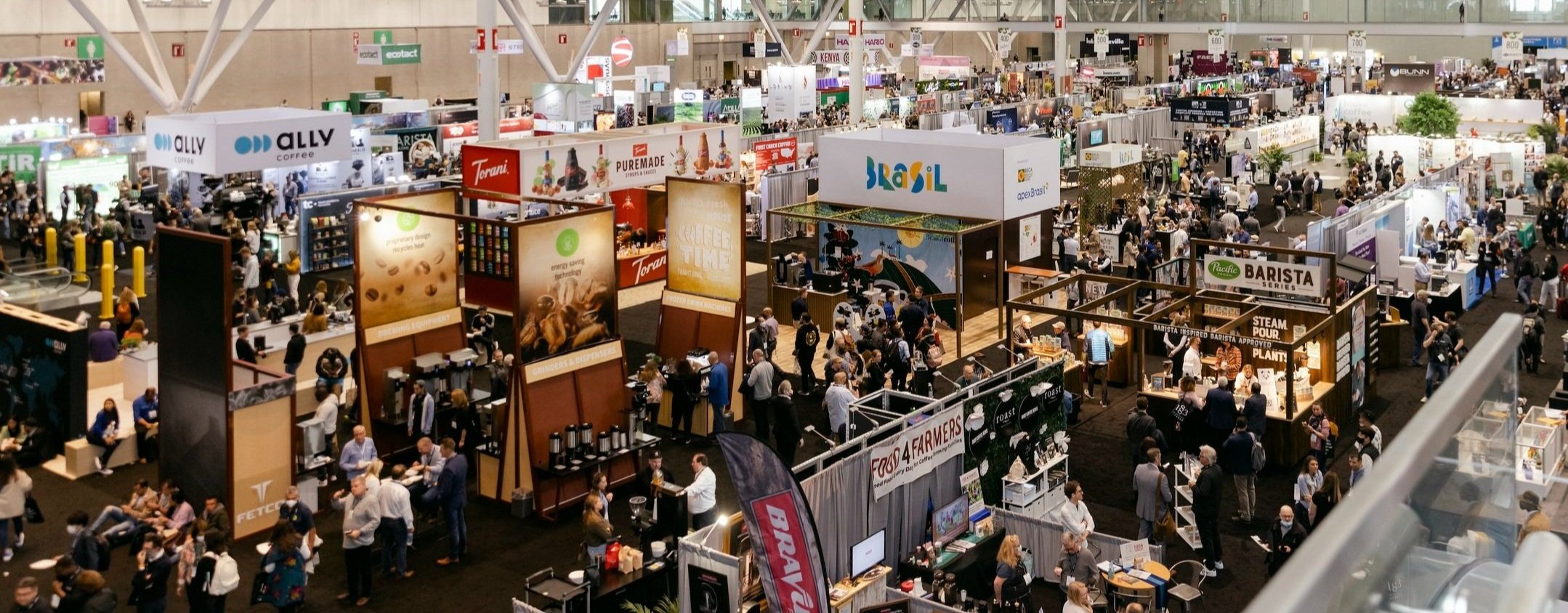
Specialty Coffee Expo 2025: The Ultimate Gathering for the Global Coffee Community Returns to Houston

The Specialty Coffee Expo 2025, the most influential B2B event in North America’s specialty coffee industry, is set to take place this April in Houston, Texas. Organized by the Specialty Coffee Association (SCA), the event has become the premier global destination for coffee professionals, food and beverage innovators, and passionate enthusiasts from across the world.

Billed as “the ultimate event for the global coffee community,” this year’s Expo promises unparalleled opportunities for connection, growth, and inspiration across every link in the coffee value chain. From the vibrant show floor to immersive workshops and thrilling coffee competitions, the event is a comprehensive platform for those who make coffee their business, career, or calling.

A One-Stop Shop for Coffee Professionals

For roasters and retailers, the Expo offers access to the latest equipment, top-tier beans, and groundbreaking innovations. It’s a space to refine techniques, discover tools to scale operations, and stay ahead in an industry that’s constantly evolving. The event’s expert-led lectures and hands-on workshops provide actionable insights to sharpen expertise and unlock business-transforming opportunities.

For food and beverage professionals, the Expo is the ideal place to integrate specialty coffee into existing operations. Through face-to-face interactions with suppliers and innovators, decision-makers can discover cutting-edge solutions that align with market trends and customer expectations. Whether you’re enhancing a café menu, revamping hotel offerings, or launching a new coffee concept, this is where ideas turn into execution.

A Celebration for Enthusiasts and Experts Alike

More than just a trade show, the Expo is a celebration of coffee culture, welcoming attendees from all walks of life. From professional baristas and sensory judges to curious consumers, the event fosters a deep appreciation for coffee’s craft, science, and community. Visitors can immerse themselves in the art of cupping, brewing, and roasting through dynamic educational experiences tailored to every skill level.

A central highlight of the Expo is the World Coffee Championships, where top competitors in barista, roasting, and brewing categories showcase the height of coffee craftsmanship. These competitions are not just a spectacle—they’re a testament to the global talent and creativity that fuel the specialty coffee movement.

What to Expect at the 2025 Edition

This year’s event brings together an unmatched lineup of experiences, making it a must-attend for anyone in the coffee world. Key features include:

  • Expert-Led Lectures: Actionable strategies and insights from leaders shaping the future of coffee.

  • Hands-On Workshops: Deep dives into roasting, brewing, tasting, and more—designed to elevate skills and knowledge.

  • World Coffee Championships: A thrilling showcase of the best in global coffee competition.

  • Networking Opportunities: Connect with suppliers, buyers, and peers in a collaborative and inspiring atmosphere.

  • Cutting-Edge Solutions: Explore innovations in equipment, brewing technology, and sustainable practices.

  • Research and Trends: Stay ahead with access to data, insights, and thought leadership on coffee’s evolving landscape.

  • Interactive Panel Discussions: Engage directly with experts tackling the industry’s most critical challenges and opportunities.

  • Product & Design Awards: Celebrate excellence and innovation in coffee-related products and packaging.

  • Coffee Cupping Sessions: Refine sensory skills with guided tastings led by top professionals.

  • Career-Boosting Insights: Gain practical tools and ideas to grow your role or business in the coffee sector.

A Global Moment for Specialty Coffee

As the specialty coffee industry continues to grow and diversify, the 2025 Expo stands out as a crucial moment for reflection, collaboration, and progress. Whether you’re a seasoned business owner, a startup founder, a coffee farmer, or simply someone passionate about the drink in your cup, this is where new ideas flourish and lasting connections are made.

The Specialty Coffee Expo 2025 isn’t just an event—it’s the beating heart of a global movement.

Honduras Signs the International Coffee Agreement 2022 and to Host the 140th Session of the International Coffee Council

The Republic of Honduras has reaffirmed its leadership in the global coffee sector by signing the International Coffee Agreement 2022 (ICA 2022) at the headquarters of the International Coffee Organization (ICO) in London.

As a founding Member of the ICO, Honduras has played a pivotal role in shaping the global coffee landscape over the past six decades. The signing ceremony was led by His Excellency Eduardo Enrique Reina, Secretary of Foreign Affairs and International Cooperation of Honduras, accompanied by His Excellency Ambassador Iván Romero-Martínez, Permanent Representative of Honduras to the ICO. Ambassador Romero, who served as Chair of the International Coffee Council during 2021–2022, played a central role in the negotiations that resulted in the adoption of the ICA 2022.

By signing the Agreement, Honduras joins other Member countries in reaffirming their commitment to inclusive dialogue between coffee-exporting and importing nations, as well as with private-sector partners. This united effort aims to build a more sustainable, resilient, and equitable coffee value chain that benefits producers, consumers, and all stakeholders.

The ICA 2022 is particularly significant for Honduras, where coffee is a cornerstone of cultural identity, rural development, and economic progress. Through forward-looking policies and public-private investment, Honduras has emerged as the fourth-largest Arabica coffee producer in the world and the top exporter in the Central American and Mexican region. In 2023, the country exported more than $1.5 billion worth of coffee to over 65 destinations, accounting for nearly 12% of its total merchandise exports.

In a further demonstration of its active role in the international coffee community, Honduras also announced its intention to host the 140th Session of the International Coffee Council, to be held in San Pedro Sula from 22 to 26 September 2025. The event will bring together global coffee leaders, policymakers, and industry stakeholders to discuss pressing issues and opportunities for the sector. Attendees will also have the chance to experience Honduran hospitality, explore the country’s rich natural and cultural heritage, and visit world-class coffee farms.

Gerardo Patacconi, Head of Operations at the ICO, welcomed the announcement, stating:

“We are deeply privileged to welcome Honduras as a signatory of the ICA 2022. In the spirit of international cooperation, we celebrate the diversity of coffee traditions and commit ourselves to safeguarding and promoting the sector’s sustainability. We are confident that collaboration through the ICO will help mobilize resources, support Honduran producers, and engage global consumers in recognizing the quality, environmental stewardship, and innovation of Honduran coffee.”

In his official remarks, Secretary Eduardo Enrique Reina emphasized the importance of Honduras’s participation in the new Agreement and its upcoming role as host of the 140th ICC Session:

“I am profoundly honoured to be in London today, personally signing this historic agreement at the ICO headquarters. This milestone reaffirms Honduras’s place in the global coffee community and our dedication to advancing coffee diplomacy. We are equally proud to confirm our intention to host the 140th Session of the International Coffee Council. We warmly invite ICO Member governments, industry leaders, and development partners to join us in Honduras for this important gathering. We view the ICO and the ICA 2022 as essential frameworks for achieving our vision for the coffee industry—both nationally and globally—and we look forward to building a bright, inclusive future for coffee together.”