The Specialty Coffee Industry at a Crossroads: Between Natural and Flavored Coffee

The specialty coffee industry is currently embroiled in a heated debate between proponents of natural coffee and those who support flavored or processed varieties prepared with other substances. This divide was especially noticeable at this year’s World of Coffee and Expo events, where participants expressed their strong preferences through stickers, t-shirts, and discussions at cupping tables.

The Debate Between Natural and Flavored Coffee

The prestigious “Best of Panama” competition, an important event in the coffee industry, excluded flavored coffee entries this year, highlighting the ongoing conflict. The organizers of the competition aimed to maintain the integrity of showcasing the distinctive characteristics of coffee origins without external flavor influences. This decision was met with mixed reactions, reflecting a broader industry debate about authenticity, flavor manipulation, and market competitiveness.

Karl Wienhold, a researcher and PhD candidate at the University of Lisbon, commented: “When a group of people runs their own organization and sets their own rules, they can include or exclude whatever they want. Those who disagree can stop engaging with the organization. It’s not as if flavored coffee has become illegal.”

Opinions on Flavored Coffee

Supporters of flavored coffee argue that these innovations offer exciting and unique flavor profiles, giving lower-scoring coffees a chance to compete better. However, critics see it as an additional processing step that can make the coffee taste artificial and compromise the purity of traditional coffee profiles.

Alberto Berchmans Perangin Angin, General Manager of Opal Coffee Indonesia, said: “Flavored coffee is a derivative product of coffee itself. It can elevate the value of coffee but also affects the originality and authenticity of coffee beans.”

Miguel Hoyos Uribe, CEO and Founder of Flor a Fruto in Colombia, added: “Allowing food to be prepared alongside coffee beans can create unique flavor profiles, but this requires full transparency from producers to inform customers about the methods used.”

Market Transparency and Added Value

A major point of contention is the transparency of the methods used to create flavored coffee. Critics argue that co-preparation with other substances or the addition of artificial flavors could pose health risks and undermine the natural essence of the coffee bean. Calls for market transparency and consumer accountability have been raised to ensure that information regarding production processes and ingredients is available to buyers and consumers.

The market value implications of flavored coffee have also stirred debate, with concerns that the increasing demand for these products could overshadow traditional varieties based on natural or heritage characteristics, potentially devaluing premium single-origin coffees.

Karl Wienhold noted: “Using the concept of ‘heritage’ sounds to me like a unique claim to authenticity based on generational wealth and the authority to decide what real specialty coffee is, regardless of consumer preferences.”

Broader Challenges in the Industry

While the debate over natural versus flavored coffee is important, there are more pressing issues facing the coffee sector today, such as sustainability, climate resilience, supply chain transparency, and farmer livelihoods. Excessive focus on this debate risks overshadowing critical issues that affect the entire coffee value chain.

Karl Wienhold emphasized: “Not allowing flavored coffee into your private club because it kills the vibe you like is one thing, but creating a whole campaign against it seems kind of petty. Almost half of the world’s coffee farmers live in poverty, and here we are arguing about whether mixing stuff with coffee to make it taste different is good or not.”

Miguel Hoyos Uribe pointed out another pressing issue: “The generational shift is not helping farmers stay in agriculture. People prefer to be Instagram influencers, YouTubers, or engage in any other activity rather than doing hard work for low pay.”

Conclusion

While the debate between natural and flavored coffee continues to spark dialogue within the specialty coffee industry, it is essential to consider both sides of the argument and address the broader challenges facing the sector. Ensuring sustainability, supporting producers, and promoting ethical sourcing practices are vital for the long-term viability and prosperity of the specialty coffee industry.

5 Dripper Hario: Which One is Your Favorite?

In the world of specialty coffee, the brewing method can make all the difference between a good cup and an extraordinary one. Among the plethora of options available, Hario drippers stand out for their quality, innovation, and the unique brewing experiences they offer. Let’s delve into the stories behind the Hario V60, Switch, Mugen, Pegasus, and Suiren, and explore how to master each one to elevate your coffee game.

Hario V60: The Classic Conical Masterpiece

The Hario V60 is a staple in the coffee brewing community, revered for its simple yet effective design. Introduced in 2004, the V60 features a conical shape with spiral ridges, which promote optimal water flow and even extraction.

How to Brew with Hario V60:

  1. Place a V60 paper filter in the dripper and rinse it with hot water to eliminate any paper taste.
  2. Add freshly ground coffee to the filter (a medium-fine grind is recommended).
  3. Pour hot water (around 93-96°C) in a circular motion to bloom the coffee, allowing it to degas for about 30 seconds.
  4. Continue pouring water in a steady, circular motion until you reach the desired volume.
  5. Let the coffee drip through and enjoy a clean, vibrant cup with distinct flavors.

Hario Switch: The Hybrid Innovator

The Hario Switch combines the best of both pour-over and immersion brewing methods. Launched in 2019, it offers the flexibility to switch between the two, making it a versatile addition to any coffee lover’s toolkit.

How to Brew with Hario Switch:

  1. Set the Switch to the closed position and add a paper filter.
  2. Rinse the filter with hot water and add your ground coffee (medium grind).
  3. Pour hot water over the coffee, fully immersing it, and let it steep for about 2 minutes.
  4. Open the switch to allow the coffee to drip through, creating a balanced cup with rich flavors.

Hario Mugen: The Simplified Brewer

The Hario Mugen, introduced in 2020, is designed for simplicity and consistency. Its unique pattern ensures even water flow, making it an excellent choice for those who prefer a straightforward brewing process.

How to Brew with Hario Mugen:

  1. Place a Mugen paper filter in the dripper and rinse it with hot water.
  2. Add medium-fine ground coffee to the filter.
  3. Pour hot water in a continuous, circular motion, ensuring all grounds are evenly saturated.
  4. Allow the coffee to drip through, resulting in a smooth and consistent brew.

Hario Pegasus: The Flat-Bottom Pioneer

The Hario Pegasus is a flat-bottom dripper, offering a different extraction process compared to the conical V60. It provides a balanced and consistent cup, making it ideal for those who appreciate a harmonious flavor profile.

How to Brew with Hario Pegasus:

  1. Place a flat-bottom filter in the dripper and rinse it with hot water.
  2. Add medium-ground coffee to the filter.
  3. Pour hot water over the coffee in a circular motion, ensuring even saturation.
  4. Let the coffee drip through, producing a well-rounded and balanced cup.

Hario Suiren: The Aesthetic Artisan

The Hario Suiren, known for its beautiful design, offers a unique brewing experience. It combines functionality with aesthetics, making it a prized possession for any coffee enthusiast.

How to Brew with Hario Suiren:

  1. Place a Suiren paper filter in the dripper and rinse it with hot water.
  2. Add medium-fine ground coffee to the filter.
  3. Pour hot water in a circular motion, ensuring even saturation and allowing the coffee to bloom.
  4. Continue pouring in a steady stream, letting the coffee drip through for a flavorful and aromatic cup.

Conclusion: Finding Your Perfect Dripper

Each Hario dripper brings its own story and unique brewing method, catering to different tastes and preferences. Whether you prefer the classic V60, the hybrid Switch, the simplified Mugen, the balanced Pegasus, or the artistic Suiren, mastering these drippers can transform your coffee experience. Experiment with each one, discover your favorite, and share your journey with fellow coffee lovers.

So, which Hario dripper resonates with you? Share your thoughts and favorite brewing tips in the comments below!

Mokha Revival Project: Revitalizing Coffee-Producing Communities in Yemen

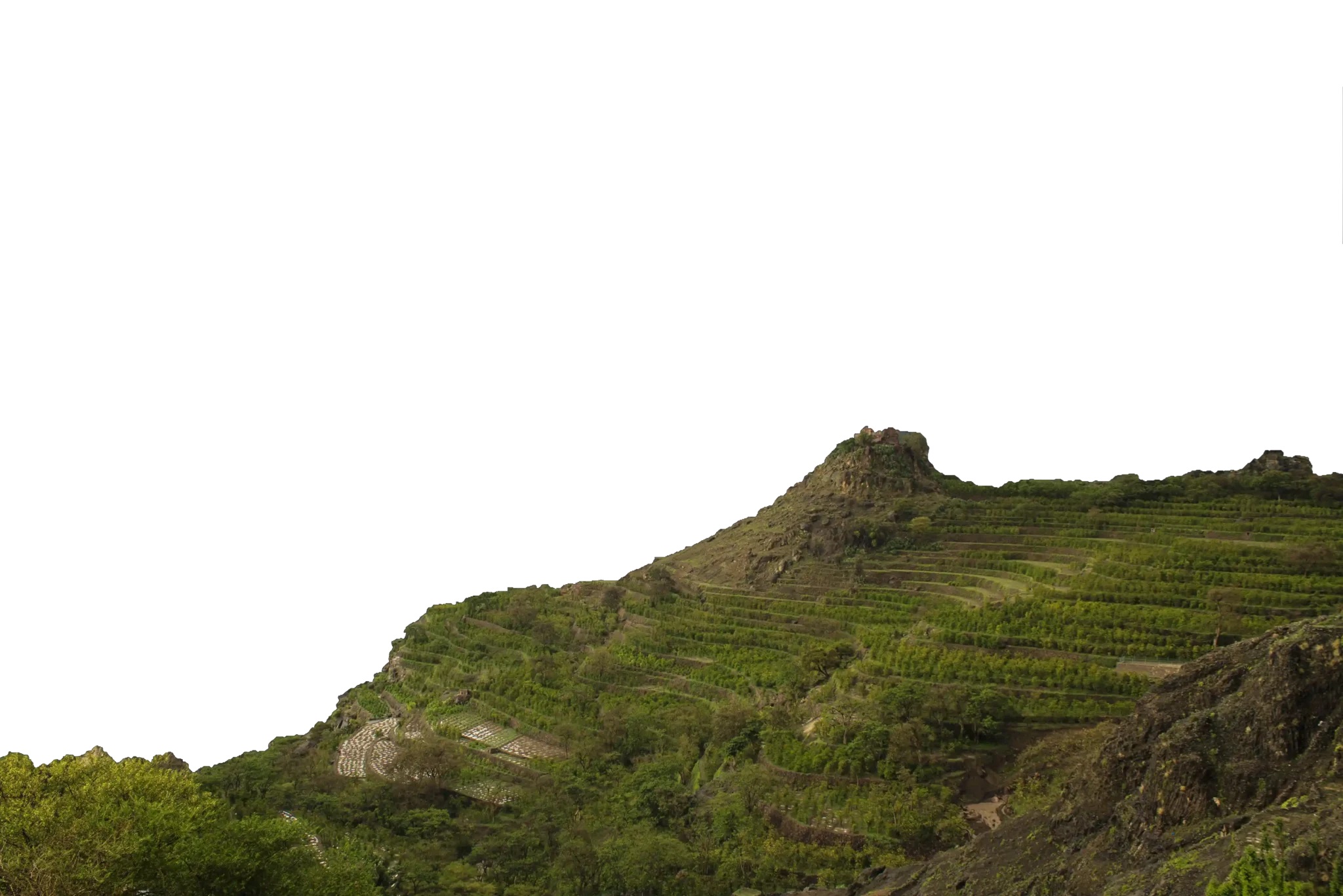
Under the banner of “Mokha Revival,” an ambitious project in Yemen aims to address social and economic challenges in the coffee sector. Led by the Lavazza Foundation in collaboration with the Qima Foundation and GIZ, the project began in 2023 and will run until 2025, focusing on the Yemeni provinces of Taiz and Yafa’a. The initiative seeks to rejuvenate and transform the coffee industry from the ground up, from improving agricultural practices to promoting and enhancing the final product.

Project Objectives

The “Mokha Revival” project aims to achieve several key objectives:

  1. Improving Farm-Level Practices: This includes implementing modern, sustainable agricultural practices to increase the productivity and quality of coffee.
  2. Promoting the Final Product: Enhancing and marketing Yemeni coffee globally to increase its economic value.
  3. Data Collection: Gathering comprehensive information on coffee cultivation through a national survey of 145 households to understand the dynamics of agricultural and household economies.

Key Achievements

Some of the significant achievements of the project so far include:

  • Signing a Memorandum of Agreement (MoA): A MoA was signed with the Yemeni Minister of Agriculture to foster development and research in the coffee industry through comprehensive training programs.
  • Involving Women: 65 women have actively participated in training programs aimed at enhancing their role in the coffee industry.
  • Training Youth: More than 1,160 hours have been dedicated to training young people in essential skills for coffee cultivation and production improvement.

Details and Partnerships

Technical Details of the Project

  1. Geographical Focus: The project concentrates on the provinces of Taiz and Yafa’a, which are significant coffee-growing areas in Yemen.
  2. Project Duration: The project spans from 2023 to 2025.
  3. Beneficiaries: The project targets over 265 farmers and their families.

Partnerships

  1. Qima Foundation: Provides field support and expertise necessary for project implementation.
  2. GIZ: The German international cooperation agency contributes funding and technical expertise.
  3. Yemeni Ministry of Agriculture: Offers government support and oversight for the implementation of training programs.

Project Components

  1. Sustainable Agriculture: Implementing modern and sustainable agricultural techniques.
  2. Training and Education: Providing training programs for farmers and youth to enhance their agricultural skills.
  3. Marketing and Promotion: Elevating the profile of Yemeni coffee in global markets.

Community Impact

The “Mokha Revival” project aims to achieve sustainable economic and social benefits for local communities by:

  1. Increasing Productivity: Improving agricultural practices to boost farm productivity.
  2. Empowering Women: Enhancing women’s roles in the coffee industry through active participation in training programs.
  3. Youth Development: Providing educational and training opportunities to empower the youth economically.

Future Expectations

The “Mokha Revival” project serves as a model that can be replicated in other regions of Yemen and possibly in other coffee-producing countries. The project is expected to:

  • Ensure Sustainable Production: Provide sustainable agricultural practices that enhance coffee productivity and quality.
  • Empower Communities: Empower women and youth through training programs that improve their skills and economic opportunities.
  • Boost Local Economy: Increase the value of Yemeni coffee in global markets, contributing to local economic growth.

Conclusion

The “Mokha Revival” project represents a significant step towards revitalizing the coffee industry in Yemen and enhancing the local economy by focusing on improving agricultural practices, promoting the product, and empowering local communities. Through the collaboration between the Lavazza Foundation and local and international partners, the project provides a model for sustainable development that can serve as a valuable reference for researchers and policymakers.

Sources

This report provides a comprehensive overview of the “Mokha Revival” project, serving as a valuable reference for anyone researching this field and contributing to a broader understanding of the project’s positive impact on Yemeni communities.

The 12 Most Exquisite and Expensive Coffees in the World

Most people prefer to start their day with a cup of hot, aromatic coffee. This non-essential product has become a significant expense. The culture of grabbing coffee to go, inspired by American celebrities, further adds to the cost. Reasonable questions arise: why is coffee so expensive, and which are the most expensive varieties? Let’s delve into this with experts.

Coffee as a Commodity

Coffee is a commodity traded on the stock market, with Arabica setting the tone for trade. Its price has remained relatively low and stable. In 2014, a kilogram of Arabica was priced at $4.4, and in 2023, it maintained the same average price. However, history has seen price spikes, such as in 2022 when it rose to $5.63 per kilogram. Robusta is cheaper, trading at $2.4 per kilogram in 2024. Yet, some varieties command prices exponentially higher than the average market rates. The most expensive can fetch $600, $1000, or even $1500 per pound (about 450 grams). Why is this the case?

“The most expensive varieties are usually the rarest. This is similar to precious gemstones: the more unique the gem, the higher its price. These coffee varieties include Rume Sudan, Laurina, Wush Wush, Purpurascens, Maragogipe, Pacamara, Villa Sarchi, and others. They have vivid and distinguishable descriptors, meaning taste and aroma. Their balanced qualities earn high scores from the Specialty Coffee Association (SCA). Prices for these lots start at $20 per kilogram of green beans and can reach up to $2000.”

Rare varieties are sold at special auctions, making it difficult to predict their prices. Farmers bring their best beans to auctions, usually held near plantations. The most famous auctions are Cup of Excellence (COE) and Best of Panama.

There’s no definitive ranking of the most expensive coffee varieties, as prices fluctuate and new varieties emerge. However, annual statistics can be compiled. Insider Monkey journalists created a consolidated ranking for 2023, featuring the 12 most expensive coffee varieties. The ranking was based on information from major publications (CNBC, Times, Luxe Digital, and Ventured) and official producer websites. Prices are listed per pound (lb), equivalent to 454 grams. Here are the top favorites of 2023, from the least to the most expensive.

  1. Molokai Coffee — $45/lb Named after Molokai (Hawaii), where it is grown and produced. This small island with a population of 7500 has a 150-acre plantation and a mill in the village of Kualapuu. It’s the only place that produces this variety. Molokai Coffee primarily comes from the red Catuai tree, a Brazilian hybrid known for its flavorful beans. Its appeal lies in its rarity and unmatched taste, with a blend of strong nutty notes, blackberry aroma, and dark chocolate.
  2. Greenwell Jeni K Premier Roast Coffee — $65/lb This Kona variety (a type of Arabica) comes from Greenwell Farms. While it’s grown in Kenya and other regions, the Hawaiian variety is the most expensive due to the complexity of harvesting. Plantations are located between two volcanoes, complicating logistics, and only red coffee beans are suitable for picking, which must be done by hand, increasing the cost. Grown at over 2000 feet, these trees are subjected to cooler temperatures, frequent rains, and cloud cover, allowing the beans to develop unique flavors.
  3. Kona Extra Fancy — $65/lb Another Kona variety from Hawaii, known for its complex flavor, rich chocolate notes, and vibrant aroma.
  4. Fazenda Santa Ines Coffee This Brazilian variety is renowned for its sweet taste and rich aroma, grown on a small farm, making it rare and expensive.
  5. El Injerto Mocca — $60/lb This rare Arabica variety from Guatemala is meticulously washed, removing the skin and pulp before drying, enhancing its qualities. It boasts a rich, creamy aroma with a sweet, smooth taste reminiscent of dark chocolate, with notes of tea, rose, tamarind, coconut, and sweet fruits.
  6. Jamaican Blue Mountain Peaberry Coffee — $92/lb Jamaican Blue Mountain is a registered trademark, monitored by the Jamaican Coffee Industry Board. It is celebrated in festivals and special events in Jamaica. Grown in a single location on plantations at varying altitudes, its price ranges from $50 to $120 per pound. Known for its smooth flavor and lack of bitterness.
  7. Hacienda el Roble Coffee — $225/lb One of the rarest coffees in the world, with an annual yield of just 22 kg. Produced in Colombia, the owner originally thought the trees were of the Geisha variety, but they turned out to be different, resulting in a completely unique coffee. It is only available from one roasting company in Australia, and its flavor profile is kept secret. Described as tasting of peach, mango, and cream, with a delicate floral aroma reminiscent of lilies and roses.
  8. Hacienda La Esmeralda Emerald Geisha — $250/lb Made from the Geisha variety of Arabica, this Panamanian coffee sold for $10005 per kilogram at a 2023 auction. Known for its delicate, floral profile with berry or tropical fruit notes, Geisha is challenging to grow, with a small yield, driving up its price. Grown at optimal altitudes of 500 meters above sea level, only a few farms can produce it.

    Tatiana Kramchenkova, an SCA trainer and Q-grader, explains: “Geisha (whether Panamanian, Ethiopian, or Colombian) is expensive primarily because of its outstanding flavor quality. It has a floral, delicate profile, often with berry or tropical fruit notes. It’s a worthy choice for expanding one’s coffee horizons. Geisha is difficult to grow, with a smaller yield compared to other coffee varieties, contributing to its high price.”

  9. Kaya Kopi Luwak Coffee — $300/lb A Guinness World Record holder, this coffee was long among the most expensive. In 2001, Kopi Luwak set a record at $300 per pound of beans. Produced in Indonesia, mainly on Java and Sumatra, its unique fermentation process involves the Asian palm civet, which eats ripe coffee cherries. The beans are partially digested and excreted by the civet, then collected, washed, roasted, and sold as one of the world’s most expensive coffees. This fermentation process is believed to enrich the beans with amino acids, making them less bitter and more aromatic.

    However, there is controversy surrounding this coffee. Animal rights activists argue that civets are subjected to cruelty, being kept in cages and force-fed cherries to increase production.

    Tatiana Kramchenkova comments: “Coffee professionals don’t drink Luwak; you won’t find it at major international exhibitions like World of Coffee. This isn’t due to its rarity but because its flavor doesn’t justify its high price. Fermentation of green coffee beans can now be done more effectively and humanely, using methods like aerobic, anaerobic, lactic, and hot fermentations. Kopi Luwak is a thing of the past, appealing only to tourists in Indonesia. The Specialty Coffee Organization does not support using animals for coffee fermentation.”

  10. Saint Helena Coffee — $330/lb Popularized by Napoleon Bonaparte, this variety has been grown on Saint Helena since the early 18th century. Today, production remains small, making it expensive. For instance, Starbucks sold it for $145 per pound. Annual production is just 660 pounds.
  11. Black Ivory Coffee — $1500/lb Named after its production process, Black Ivory involves elephants eating Arabica beans, which are then collected from their waste, washed, roasted, and sold. The rarity comes from only one sanctuary’s elephants producing these beans. It is sold exclusively through the Golden Triangle Asian Elephant Foundation in Thailand, ensuring ethical production.
  12. Ospina Gran Café — $1700/lb Grown in the high Andes, this coffee benefits from volcanic soil, abundant rainfall, and sunlight, giving it a unique flavor. Handpicked at peak ripeness, the beans undergo special wet milling. Ospina uses the rare Typica variety of Arabica, known as the “Champagne of Coffee” for its refined taste and smoothness. These beans make up less than 1% of global Arabica production, making them extremely valuable. Each batch undergoes over 20 quality checks to meet Ospina’s uncompromising standards.

Café Barbera Opens in Riyadh, Saudi Arabia

Café Barbera has proudly opened its first location in Saudi Arabia, marking a significant milestone in the brand’s expansion within the Kingdom. Situated in the bustling Al Rabwa Mall in Riyadh, this new café is set to play a pivotal role in Café Barbera’s growth strategy across the region.

This Riyadh location features the Café Barbera Kiosk format, offering a large seating area to accommodate the mall’s visitors. The format is designed to provide a comfortable and inviting atmosphere for coffee enthusiasts, making it an ideal spot for socializing, working, or simply enjoying a cup of finely brewed coffee.

The opening of Café Barbera in Saudi Arabia aligns with the growing interest in the specialty coffee market within the Gulf Cooperation Council (GCC) countries. The GCC region, particularly Saudi Arabia, has seen a surge in coffee consumption and the popularity of specialty coffee in recent years. This trend is part of a broader movement towards premium and artisanal coffee experiences.

In 2023, Saudi Arabia made headlines by renaming Arabic coffee to Saudi coffee and designating a specific year as the Year of Coffee, highlighting the country’s deep-rooted cultural and historical connection to coffee. The opening of Café Barbera in Riyadh is a testament to the vibrant coffee culture in Saudi Arabia and the increasing demand for high-quality coffee establishments.

For those interested in exploring franchising opportunities with Café Barbera in their respective countries, additional information is available by contacting Elio. The expansion of Café Barbera through franchise models offers a promising avenue for entrepreneurs looking to tap into the lucrative coffee market.

Black Sheep Coffee Announces Its 100th Location at Yas Mall

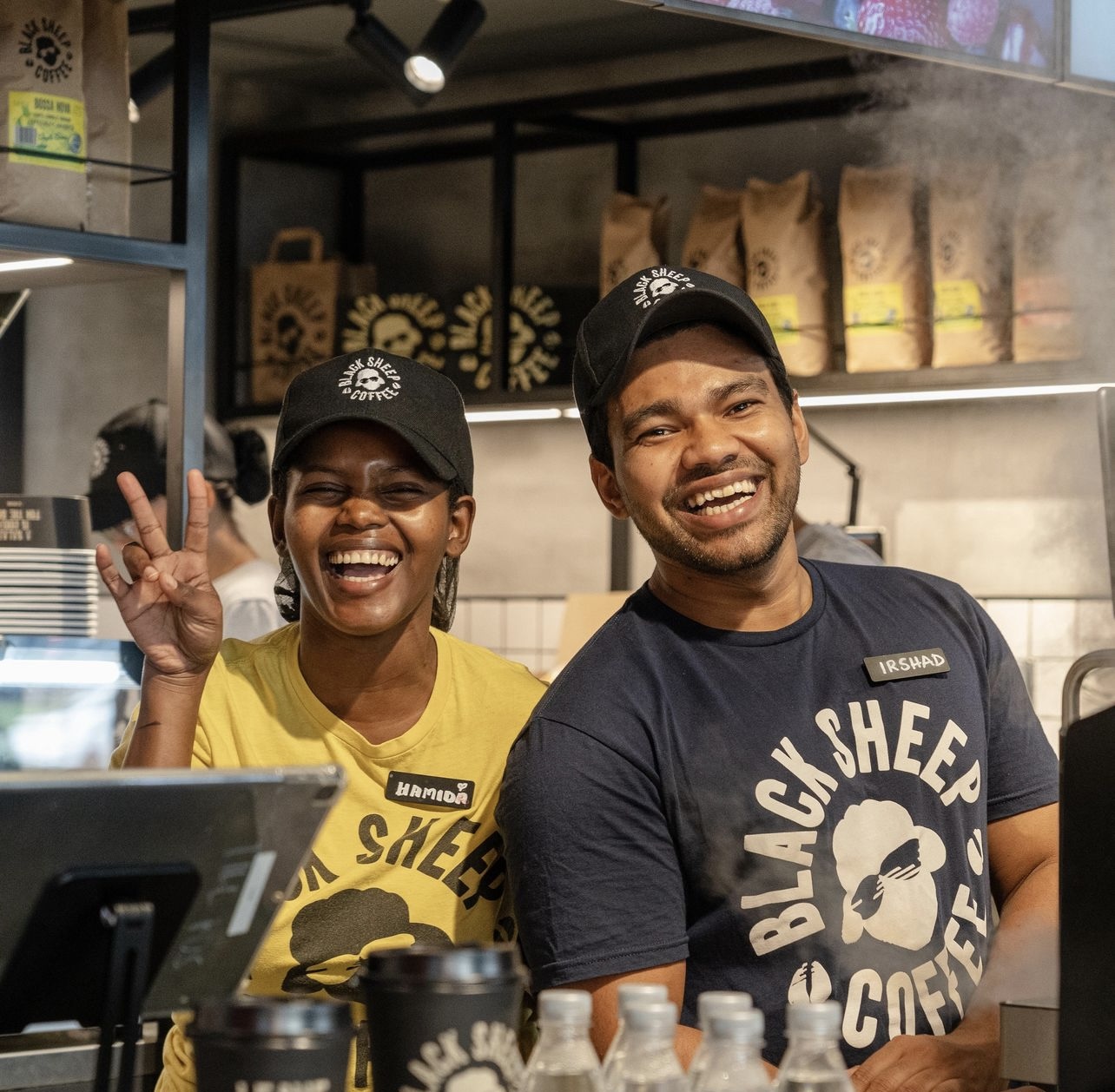
Black Sheep Coffee, the rulers in Robusta, are brewing up a storm in the world of coffee with the opening of their 100th location worldwide at Yas Mall, marking a significant milestone in the brand’s global expansion.

Adding Abu Dhabi to its thriving roster, the brand continues to bring its unique offering to the Middle East and beyond. Black Sheep Coffee stands out as the only coffee chain in the MEA serving 100% Robusta coffee, hand-selected at the source with full traceability. Offering double the caffeine in every cup, it sets itself apart from the competition. To further change the status quo in the Middle East, the regional menu includes exclusive sandwiches and salads made fresh to order with quality ingredients, offering guests a premium experience without the high price tag.

Along with its new location, Black Sheep Coffee proudly announces the launch of its Perfected Matcha range with all-new flavors: Strawberry & Cream, Passion Fruit Lemonade, Blueberry Matcha with Spirulina, Matcha Green Tea, and Vanilla Matcha.

“We’re proud to be launching Black Sheep Coffee’s 100th location worldwide in the capital of the UAE, further expanding our footprint in the UAE on our mission to change the traditional coffee chain experience across the globe,” said Mohamad Al Faran, MEA Developer for Black Sheep Coffee.

Founded by university flatmates Gabriel Shohet and Eirik Holth, Black Sheep Coffee has quickly gained popularity for its rebellious spirit and commitment to quality. With their daring-to-be-different mindset, Shohet and Holth have risen to success on a mission to rid the world of boring, average-tasting coffee. Spearheading the change with their 100% specialty Robusta, the founders still personally visit the farms to source the best beans for all their chains across the globe. They also offer five different types of specialty coffee beans from five different origins.

Inspired by his time studying in the UK and his frequent, unforgettable visits to Black Sheep Coffee, Mohamad Al Faran has spearheaded the brand’s expansion into the Middle East with ambitious plans. The Black Sheep Coffee stores ooze a blend of warm and inviting décor, teamed with a bold and urban atmosphere characterized by graffiti artwork and earthy wooden interiors, designed to evoke a sense of creativity and comfort. Join the movement and “Leave The Herd Behind” with Black Sheep Coffee.

About Black Sheep Coffee

Black Sheep Coffee is a UK-born specialty coffee shop founded by university flatmates Gabriel Shohet and Eirik Holth, who “left the herd behind” to embark on a coffee journey together. Their mission: to “rid the world of boring, average-tasting coffee.” Black Sheep Coffee is famous for its 100% specialty-grade Robusta coffee (currently the only one in the global coffee retail market). The brand expanded to the Middle East under the leadership of Mohamad Al Faran, a 26-year-old Chemical Engineer and Entrepreneur who discovered the brand while studying in the UK. It quickly became his home away from home, and today, Mohamad is heading the brand’s expansion across the MENA region. Step into Black Sheep Coffee’s warm and eclectic atmosphere, with its graffiti artwork and earthy wooden interiors designed to evoke a sense of creativity and home-like comfort. Join the movement and “Leave The Herd Behind” with Black Sheep Coffee.

Locations:

  • Black Sheep Coffee, Yas Mall, Abu Dhabi
    • Operational Hours: Sun – Thurs 8 AM – 11 PM, Fri – Sat 8 AM – 12:30 AM
    • Parking: Green Parking
  • Black Sheep Coffee, Boulevard Plaza Towers, Burj Khalifa District – Downtown Dubai
    • Operational Hours: Mon – Fri 6:30 AM – 11:30 PM
    • Parking: Green Parking
  • Black Sheep Coffee, Act Two Tower, Opera District – Downtown Dubai
    • Operational Hours: Mon – Fri 6:30 AM – 11:30 PM
  • Black Sheep Coffee, Dubai Mall – Downtown Dubai
    • Operational Hours: Mon – Thurs 8 AM – 11 PM, Fri – Sun 8 AM – 1 AM


When Cafés Serving Specialty Coffee Can Rely on Prestige Alone and When They Can’t?

Specialty coffee shops often cannot afford to trade on prestige alone due to several key factors such as market dynamics, consumer expectations, and intense competition. According to the 2024 National Coffee Data Trends report by the National Coffee Association, modern consumers demand more than just a prestigious brand; they seek quality, value for money, and a compelling overall experience. However, certain conditions allow coffee shops to leverage their prestige effectively. Here’s a detailed breakdown:

When Specialty Coffee Shops Can’t Afford to Trade on Prestige Alone

  1. Consumer Expectations: Modern consumers are more informed and have higher expectations. They look for quality, consistency, and value for money. The 2024 report by Mintel indicates that 87% of consumers still prefer in-person coffee shop experiences, but they expect exceptional service and quality that justifies the cost.
  2. Price Sensitivity: Not all consumers are willing to pay a premium solely for prestige. Many customers are price-sensitive and seek a balance between quality and cost. The 2024 National Coffee Data Trends report highlights that the financial situation of consumers heavily influences their coffee consumption patterns, with many opting for more affordable alternatives during economic downturns.
  3. Competition: The specialty coffee market is highly competitive. Many coffee shops offer high-quality products, creating a saturated market. Relying on prestige without differentiating through unique offerings, excellent customer service, or a distinctive brand experience can make it difficult to stand out. According to Mintel’s 2024 coffee market analysis, coffee shops face increasing competition from at-home coffee options and cheaper alternatives like McCafé.
  4. Sustainability: Operating a business based solely on prestige can be unsustainable in the long run. Trends and consumer preferences change, and what is considered prestigious today may not be so tomorrow. Specialty coffee shops need to innovate and adapt to remain relevant. Mintel’s Future of Coffee report for 2024 emphasizes the importance of linking sustainability to positive consumer experiences to maintain relevance.
  5. Customer Loyalty: Building a loyal customer base requires more than just a prestigious image. It involves creating a community, offering personalized experiences, and engaging with customers. A coffee shop that focuses solely on prestige might struggle to build genuine connections with its customers. The National Coffee Data Trends report notes that 77% of coffee consumers prefer their coffee with milk or creamer, highlighting the need for customization and personalization.

When Specialty Coffee Shops Can Leverage Prestige Effectively

  1. Niche Market: If a specialty coffee shop caters to a niche market that values exclusivity and is willing to pay a premium for it, trading on prestige can be effective. For instance, a shop offering rare or limited-edition coffee beans can attract connoisseurs who appreciate the uniqueness. The 2024 coffee survey data indicates that specific consumer segments are willing to pay more for unique and high-quality coffee experiences.
  2. High-Quality Experience: When prestige is backed by a consistently high-quality product and experience, it can be a powerful tool. This includes exceptional coffee, skilled baristas, a unique ambiance, and superior customer service. If the overall experience justifies the premium, customers may be willing to pay for the prestige. The 2024 National Coffee Data Trends report suggests that consumers are increasingly looking for a holistic experience when they visit coffee shops.
  3. Brand Story: A compelling brand story can enhance prestige. If a coffee shop has a unique history, supports sustainable practices, or has a strong community impact, it can build a prestigious image that resonates with customers. This narrative can differentiate the shop in a crowded market. Mintel’s 2024 report highlights the importance of social enterprise and sustainability in building a strong brand image.
  4. Exclusive Offerings: Offering exclusive or hard-to-find products can bolster a shop’s prestige. Limited edition coffees, collaborations with renowned roasters, or unique brewing methods can create a sense of exclusivity that appeals to certain customers. The rise in popularity of coffee enhancements and flavored variations, as noted in the 2024 coffee survey, supports the demand for unique offerings.
  5. Location and Demographics: In affluent areas where customers are less price-sensitive and more focused on luxury and status, trading on prestige can be more viable. Understanding the local market and demographics is crucial to determining if this strategy will work. Mintel’s 2024 analysis indicates that premium coffee shops in high-income neighborhoods can effectively leverage their prestige to attract and retain customers.

Conclusion

While prestige can be a valuable asset for specialty coffee shops, relying solely on it is often not sustainable. Balancing prestige with quality, customer experience, innovation, and genuine engagement is key to long-term success. However, in specific markets and contexts, leveraging prestige effectively can set a specialty coffee shop apart and attract a dedicated customer base.

For more detailed insights, you can refer to the 2024 National Coffee Data Trends report by the National Coffee Association and Mintel’s Future of Coffee 2024 report.

We value your opinion! How do you see the future of cafés serving specialty coffee? Do you think relying solely on prestige is enough to attract and retain customers? We would love to hear your thoughts and experiences on this topic.

Please share your ideas and suggestions at the following email: [email protected].

Your input will help enrich the discussion and shed light on various aspects of this important issue. We look forward to your participation!

International Coffee Partners: Empowering Smallholder Coffee Farmers

International Coffee Partners (ICP) is a unique collaboration of seven prominent family-owned coffee companies: Delta Cafés, Franck, Joh. Johannson, Lavazza, Löfbergs, Neumann Kaffee Gruppe, and Tchibo. Established in 2001, ICP is dedicated to supporting smallholder coffee farming families around the world.

Vision and Goals:
ICP envisions a world where smallholder coffee farmers thrive in a competitive and sustainable coffee sector. Their main objectives are to improve farmers’ livelihoods, enhance economic stability, and promote environmental sustainability. ICP is committed to tackling challenges such as climate change, economic instability, gender inequality, and rural youth migration.

Work and Impact:
ICP has positively impacted over 118,582 smallholder families through various projects. These initiatives focus on sustainable farming practices, community development, and resilience against market and environmental pressures. ICP’s work is aligned with the United Nations Sustainable Development Goals (SDGs), contributing to global efforts in poverty reduction, gender equality, and environmental sustainability.

Projects and Initiatives:
ICP’s projects, implemented by Hanns R. Neumann Stiftung (HRNS), span multiple countries and address local needs. They engage directly with smallholder families, providing them with resources, training, and support to improve their agricultural practices and livelihoods. Key project areas include climate adaptation, economic diversification, and strengthening community structures.

Learning and Adaptation:
ICP considers itself a learning organization, constantly evaluating its interventions to ensure maximum effectiveness. By learning from both positive and critical experiences, ICP continually refines its approaches to better serve coffee farming communities.

Future Endeavors:
ICP is dedicated to creating a prosperous future for coffee farming families. They aim to expand their reach, enhance their impact, and continue fostering sustainable development within the coffee industry.

For more information, you can visit the International Coffee Partners website.

Top 50 Coffee Shops in Europe

Europe is home to some of the world’s finest coffee shops, each offering unique experiences, exceptional brews, and a cozy ambiance. From historic cafes that have stood the test of time to modern, innovative spots that push the boundaries of coffee culture, this list highlights the top 50 coffee shops across Europe. Whether you’re a coffee connoisseur or just someone who enjoys a good cup of coffee, these destinations promise to deliver a memorable experience. Explore the diverse coffee scenes in cities like Berlin, Paris, London, and beyond, each with its distinct charm and specialty offerings.

Top 10 Coffee Shops in Europe (Detailed Story)

1. Coffee Collective – Copenhagen, Denmark

  • Known for its pioneering approach to direct trade and sustainability, Coffee Collective has become a benchmark in specialty coffee with its commitment to quality and ethical sourcing.

2. The Barn – Berlin, Germany

  • The Barn is celebrated for its uncompromising standards and dedication to brewing excellence, offering a minimalist yet cozy environment for coffee aficionados.

3. Tim Wendelboe – Oslo, Norway

  • Owned by the renowned barista Tim Wendelboe, this café is a mecca for coffee lovers, known for its meticulous roasting process and educational approach to coffee.

4. Drop Coffee – Stockholm, Sweden

  • Drop Coffee stands out for its exceptional quality and focus on sustainability, consistently winning accolades for its beautifully crafted coffee.

5. Kaffeine – London, UK

  • A favorite in London, Kaffeine is known for its Australian-inspired menu, expertly brewed coffee, and vibrant, friendly atmosphere.

6. Café Central – Vienna, Austria

  • This historic café is not only famous for its grandiose setting and rich history but also for its excellent coffee and pastries, offering a quintessential Viennese experience.

7. Toma Café – Madrid, Spain

  • Toma Café is praised for its laid-back vibe and expertly brewed coffee, making it a go-to spot for coffee enthusiasts in Madrid.

8. Café de Flore – Paris, France

  • One of the oldest and most prestigious cafés in Paris, Café de Flore is a landmark known for its intellectual clientele and classic French ambiance.

9. Prufrock Coffee – London, UK

  • Founded by a World Barista Champion, Prufrock Coffee is renowned for its high-quality coffee and educational workshops.

10. Coffeeangel – Dublin, Ireland

  • Coffeeangel is known for its dedication to quality, sourcing the best beans and serving expertly brewed coffee in a welcoming environment.

Top 50 Coffee Shops in Europe (Brief Overview)

  1. Coffee Collective – Copenhagen, Denmark: Direct trade and sustainability.
  2. The Barn – Berlin, Germany: High standards and brewing excellence.
  3. Tim Wendelboe – Oslo, Norway: Educational approach to coffee.
  4. Drop Coffee – Stockholm, Sweden: Exceptional quality and sustainability.
  5. Kaffeine – London, UK: Australian-inspired menu and friendly atmosphere.
  6. Café Central – Vienna, Austria: Historic setting and excellent coffee.
  7. Toma Café – Madrid, Spain: Laid-back vibe and expertly brewed coffee.
  8. Café de Flore – Paris, France: Prestigious with a classic French ambiance.
  9. Prufrock Coffee – London, UK: High-quality coffee and workshops.
  10. Coffeeangel – Dublin, Ireland: Quality beans and welcoming environment.
  11. Café New York – Budapest, Hungary: Opulent décor and rich history.
  12. Café Sperl – Vienna, Austria: Traditional Viennese café experience.
  13. Café A Brasileira – Lisbon, Portugal: Historic café with artistic heritage.
  14. Workshop Coffee – London, UK: Modern design and quality coffee.
  15. La Fontaine de Belleville – Paris, France: Classic Parisian café.
  16. Stumptown Coffee Roasters – Amsterdam, Netherlands: Renowned US brand in Europe.
  17. Kaffee Alchemie – Salzburg, Austria: Cozy spot with excellent brews.
  18. Bocca Coffee Roasters – Amsterdam, Netherlands: Specialty coffee roasters.
  19. Café Slavia – Prague, Czech Republic: Historic café with cultural significance.
  20. Tailor Made – Athens, Greece: Innovative coffee and cocktails.
  21. Julius Meinl am Graben – Vienna, Austria: Luxury coffee experience.
  22. Sant’Eustachio Il Caffè – Rome, Italy: Traditional Italian espresso.
  23. Café Hawelka – Vienna, Austria: Historic and cultural landmark.
  24. Dose – Paris, France: Cozy spot with excellent coffee.
  25. Café Central – Bratislava, Slovakia: Blend of history and modernity.
  26. Coffee Branch – Adelaide, Australia: Specialty coffee in Europe.
  27. Café de la Paix – Paris, France: Historic café with luxurious ambiance.
  28. KaffeeOase – Leipzig, Germany: Friendly atmosphere and great coffee.
  29. Kapital Café – Bratislava, Slovakia: Modern design and excellent brews.
  30. Kaffee 9 – Berlin, Germany: Hip spot with specialty coffee.
  31. Dose – Paris, France: Modern café with quality coffee.
  32. Verve Coffee Roasters – Berlin, Germany: Renowned US brand in Berlin.
  33. Five Elephant – Berlin, Germany: Excellent coffee and cakes.
  34. Café Gerbeaud – Budapest, Hungary: Historic café with exquisite pastries.
  35. Ten Belles – Paris, France: Charming spot with quality coffee.
  36. Café Montmartre – Prague, Czech Republic: Artistic and historic.
  37. Café de Jaren – Amsterdam, Netherlands: Spacious and scenic.
  38. Man versus Machine – Munich, Germany: Trendy with top-notch coffee.
  39. Timeless – Budapest, Hungary: Blend of tradition and innovation.
  40. Café Kofe – Kyiv, Ukraine: Modern spot with excellent brews.
  41. Nude Espresso – London, UK: Quality coffee with a laid-back vibe.
  42. MOK Specialty Coffee – Amsterdam, Netherlands: Focus on quality and sustainability.
  43. Bar Italia – Rome, Italy: Classic Italian espresso bar.
  44. Supersonic Coffee – San Francisco, USA: Innovative US brand in Europe.
  45. Café Central – Luxembourg City, Luxembourg: Blend of history and modernity.
  46. Café Tomaselli – Salzburg, Austria: Historic café with traditional charm.
  47. Café Savoy – Prague, Czech Republic: Grandiose setting with excellent coffee.
  48. Café Kandinsky – Munich, Germany: Artistic spot with quality brews.
  49. Telescope – Paris, France: Minimalist design with great coffee.
  50. Kafeelini – Warsaw, Poland: Modern café with excellent coffee.

For more details, you can visit Enjoy Travel’s article.

Tradition Meets Innovation in Turkey’s Booming Coffee Market

Amid economic challenges, Turkey’s branded coffee shop market demonstrated remarkable resilience in 2023, positioning itself as one of Europe’s fastest-growing markets by outlets. This success, rooted in a blend of tradition and modern trends, reflects Turkey’s unique position in the global coffee culture. qahwaworld delves into the reasons behind this thriving market, where old traditions harmoniously coexist with new trends.

A Historical Foundation

The journey of coffee in Turkey began nearly 500 years ago when Özdemir Pasha, the Ottoman governor of Yemen, introduced the first coffee beans to Istanbul. Özdemir Pasha, a Mamluk Circassian and the father of Grand Vizier Özdemiroğlu Osman Pasha, was captivated by the taste of Yemeni coffee. He brought it to Istanbul, where a new preparation method involving cooking coffee in jugs and coffee pots led to the creation of what is now known as Turkish coffee. The establishment of coffeehouses, starting from Tahtakale and spreading throughout the city, helped popularize coffee among the populace.

Traditional Turkish coffee, brewed in an ibrik and served with sediment, remains a staple of daily life, with a small cup still costing as little as TRY 7 ($0.22). However, the landscape has evolved significantly. International coffee chains like Starbucks, Caffè Nero, and McCafé have found a firm foothold alongside domestic chains such as Kahve Dünyası and Espressolab. In major cities, Turkish consumers are as familiar with a caffè latte as they are with traditional Turkish coffee.

Economic Resilience and Market Growth

Despite inflation soaring above 65% in February 2024 and average beverage prices rising by 25% over the last year, Turkey’s branded coffee shop market grew by 9% in 2022-2023 and 7.3% over the last 12 months, surpassing 3,100 stores. This growth is fueled by both domestic and international investments.

Starbucks leads the market with over 700 stores, making Turkey its second-largest European market after the UK. Yet, domestic brands hold more than half of the market share, showcasing the strong presence and growth of local operators.

Blending Tradition with Modern Trends

The Turkish coffee market has aligned with the global demand for premium and specialty coffee. Data from the Turkish Statistical Institute (TÜİK) shows a quadrupling of overall coffee consumption since 2012, with coffee imports jumping 193% between 2008 and 2019. This surge has paved the way for both international and domestic brands to flourish.

Espressolab, a prominent Istanbul-based brand, operates around 160 stores in Turkey, offering a mix of traditional Turkish coffee and modern beverages like flat whites and lattes. The brand’s international expansion, with plans to open 100 new stores in Morocco and agreements in 13 other countries, highlights the global appeal of Turkish coffee culture.

Innovation Anchored in Heritage

Distinct demographics are shaping Turkey’s evolving coffee landscape, with age, locale, and even class underpinning consumption patterns. Major city centers, popular with young and educated Turks with a global outlook, have seen specialty coffee shops thrive. Conversely, traditional Turkish coffee maintains a stronghold in the more conservative Anatolian regions and smaller cities, where its cultural significance, strong flavor, and affordability remain popular.

From my observation, Turkish coffee consumption is very low among young people between the ages of 18-25. However, the gap is narrower in less affluent urban areas,” says, Old Java Coffee’s Bulut.

Cenk Giringol echoes this sentiment and observes that beyond the urban hubs in Anatolia, local chains are experiencing stronger growth in comparison to the international brands. “These [consumption] changes take place faster in large cities where there is generally more money. That said, outside of the big cities, especially in Anatolia, the rate of Turkish coffee consumption is very high and it remains the most popular coffee consumed in Turkey – around 70% of all coffee consumed.”

While traditional local coffee shops maintain strongholds in smaller Turkish cities for now, Murat Kolbaşı believes younger consumers will lead a gradual shift towards more contemporary Western-style coffee shops.

“Coffee chains based abroad or in Turkey can expand their business as they maintain a certain standard of taste and service. However, smaller cities still prefer the taste of their local coffee. We predict this situation will change in the coming years with the population becoming increasingly younger on average, the influence of modern culture and the urge of young people to feel they belong to a class.”

The Role of Domestic Brands

Domestic chains have leveraged the growing popularity of premium and specialty coffee introduced by overseas brands to carve out a share of the evolving coffee culture. Brands like Kahve Dünyası, Arabica Coffee, Espressolab, and MOC have stood out by blending local coffee traditions with international trends. For instance, Espressolab offers traditional Turkish coffee alongside single-origin and milk-based beverages, such as flat whites and lattes.

The international appeal of Turkish coffee brands is evident in Espressolab’s expansion plans. The brand has signed agreements to open 100 new stores in Morocco and expand into 13 other countries, including Libya, Tunisia, Algeria, and Sudan, with investments projected to reach $10 million by 2027.

Cultural Significance and Future Prospects

Turkish coffee remains deeply ingrained in the country’s culture. Murat Kolbaşı, Chairman of the Board of Directors at Arzum, emphasizes that Turkish coffee plays a significant role in social and personal rituals. The annual per capita coffee consumption in Turkey has increased fourfold over the past decade, reaching 1.5 kg today, with Turkish coffee accounting for 70% of this consumption.

However, the younger generation, particularly those aged 18-25, is driving a shift towards espresso-based, milk, and flavored coffee. This trend is more pronounced in major cities, while traditional Turkish coffee maintains its stronghold in conservative regions like Anatolia.

A Balanced Market

The rise of international coffee chains has not diminished the popularity of traditional Turkish coffee. Instead, it has complemented it. International players, by including Turkish coffee in their menus, have helped boost its consumption and global recognition. TÜİK data shows that Turkish coffee exports rose to $400 million in 2023, reflecting the positive impact of both local and international cafés.

Moreover, international chains like Starbucks have played a pivotal role in shaping consumer perceptions and market dynamics in Turkey. They have enabled coffee knowledge and expertise to spread widely, influencing both the growth of the market and the quality standards upheld by domestic brands.

Conclusion

Turkey’s coffee market, rooted in centuries-old traditions and embracing modern trends, continues to thrive despite economic challenges. This unique blend of heritage and innovation positions Turkey as a compelling market for coffee businesses looking to scale both domestically and globally. As the market evolves, it is clear that Turkish coffee will remain a beloved staple, enriched by the diverse offerings of modern coffee culture. The interplay between traditional Turkish coffee and the rise of specialty coffee shops creates a vibrant and dynamic coffee scene, promising sustained growth and continued cultural significance.

Dubai: The Coffee Capital of the Middle East – Essential Tips for Coffee Lovers

Dubai has become a global destination for coffee lovers, where cafes compete to offer the best services and the finest coffee from around the world. These cafes vary in their styles and atmospheres, making the coffee experience in Dubai unique and special. Among the standout cafes worth visiting are Mokha1450, Coffee Desk, Espresso Lab, and Boon Coffee, not just for the quality of coffee they offer but also for the special ambiance they provide.

Despite the presence of renowned international cafes such as Juan Valdez from Colombia, bringing authentic Colombian coffee flavors to Dubai, and Step Jamel from Saudi Arabia, promoting Saudi coffee culture, our selection of these cafes is due to their unique and comprehensive coffee experience. For instance, Mokha1450 is known for offering rare Yemeni and Ethiopian coffee varieties, while Coffee Desk combines a wide variety of coffee options with an ideal environment for meetings and remote work. Espresso Lab is renowned for its innovative coffee experience focusing on manual brewing methods, whereas Boon Coffee offers excellent Ethiopian coffee in a relaxing atmosphere.

Additionally, Dubai hosts the Coffee Museum, a fantastic destination for coffee enthusiasts to explore the history and culture of coffee across ages. The museum offers a variety of coffee-related tools and artifacts, enhancing visitors’ understanding of the evolution of this beloved beverage.

Tips for Coffee Lovers in Dubai:

1. Explore Local Cafes:

  • Mokha1450: One of the best cafes in Dubai, specializing in high-quality coffee from Yemen and Ethiopia. Coffee lovers can try exclusive coffee varieties here, such as Yemeni Mocha and Ethiopian Sidamo, known for their deep and complex flavors.
  • Coffee Desk: A great place to enjoy a variety of coffee types, perfect for meetings and remote work. The café offers multiple coffee options like espresso, cappuccino, and latte, along with iced coffee choices.
  • Espresso Lab: Known for its innovative coffee experience focusing on manual brewing methods. Here, coffee enthusiasts can try flat white and cold brew coffee made using slow drip techniques. This café is ideal for those seeking a specialized and unique coffee experience.
  • Boon Coffee: Offers excellent Ethiopian coffee in a comfortable setting. You can taste various Ethiopian coffee types like Yirgacheffe and Harrar, characterized by their fruity and floral notes.

2. Diverse Experiences:

  • Specialty Coffee: Dubai is home to numerous cafes offering specialized coffee types, such as cold brew and hand-brewed coffee. Specialty coffee allows enthusiasts to enjoy unique flavors and textures not found in traditional coffee.
  • Explore Different Areas: Visit cafes in different areas like Downtown Dubai, Dubai Marina, and the Financial District. Each area has its own unique atmosphere and a variety of cafes worth exploring. For example, Dubai Marina has many cafes with stunning views of the marina and surrounding skyscrapers.

3. Engage with the Local Community:

  • Attend Coffee Events: Participate in coffee-related events and workshops. This is a great opportunity to meet coffee experts and expand your knowledge. Many cafes in Dubai organize workshops to teach different coffee brewing methods and tasting sessions. Notable centers include the Victoria Arduino and Nuova Simonelli Experience Lab and the Dubai Coffee Center under DMCC, which offer a range of workshops and important events for coffee enthusiasts and professionals​ (Simonelli Group)​​ (Qahwa World)​​ (Qahwa World)​.
  • Join Coffee Clubs: Some cafes offer coffee clubs where members can try new coffee types monthly. Joining such clubs can be a great way to expand your knowledge and taste new coffee varieties from around the world. Notable coffee clubs in Dubai include:
    • Coffee Club at Alserkal Avenue: Located in Al Quoz, this club is a cultural and creative hub, hosting regular events and workshops about coffee.
    • Dubai Coffee Culture: A community group of coffee enthusiasts in Dubai that organizes meetups and workshops to exchange knowledge about different types of coffee and brewing methods.
    • RAW Coffee Company: Offers workshops and training courses about coffee, and hosts events for coffee tasting and sharing experiences among coffee lovers.
    • The Sum of Us: Provides workshops on coffee preparation and tasting, along with training courses for coffee enthusiasts and professionals.
    • Nightjar Coffee Roasters: Offers regular workshops and events focusing on specialty coffee and brewing methods, in addition to tasting various coffee types.
    • Encounter Coffee: Organizes coffee tasting events and workshops focusing on specialty coffee preparation.

4. Enjoy the Atmosphere:

  • Choose Relaxing Cafes: Some cafes in Dubai offer relaxing and unique atmospheres, allowing you to unwind and enjoy your coffee. Look for cafes with beautiful views or soothing music. You can find cafes with comfortable outdoor seating or indoor spaces filled with art and beautiful decor.
  • Seek Excellent Service: The coffee experience is also influenced by the service provided, so look for cafes known for their friendly staff and quick service. Cafes that offer excellent customer service make the coffee experience more enjoyable and comfortable.

5. Try Global Coffee Brands:

  • Visit International Cafes: Dubai hosts many international cafes known for their quality, such as Starbucks and Costa Coffee. You can compare these experiences with local cafes. Enjoying coffee at these global brands allows you to savor the flavors and varieties you know and love.

6. Use Apps and Websites:

  • Use Coffee Rating Apps: Apps like Zomato and TripAdvisor can help you find the best cafes and their ratings in Dubai. Reading reviews from others can give you an idea of the quality of coffee and service offered by different cafes.
  • Follow Social Media Accounts: Following cafes’ social media accounts can provide you with information about new offers and special events. Cafes often announce promotions and events through their social platforms, allowing you to take advantage of them.

7. Visit the Coffee Museum:

  • Explore Coffee History: Don’t miss the chance to visit the Coffee Museum in Dubai, which offers a comprehensive look at the history of coffee and its evolution over the ages. You can view a variety of tools and artifacts related to coffee preparation from different cultures.

By following these tips, you can enjoy the best coffee experience in Dubai and expand your knowledge and culture in the world of coffee. Remember, the coffee experience is a continuous journey of discovery and enjoyment, and Dubai offers numerous opportunities to experience the best of the coffee world.

Specialty Coffee in the UAE: From Tradition to Innovation

Although the United Arab Emirates boasts a rich coffee culture deeply rooted in its traditions and cultural heritage, the country has witnessed a significant shift towards specialty coffee over the past decade. This blend of ancient customs with advanced innovation has transformed the UAE, especially Dubai, into a thriving hub for coffee enthusiasts and connoisseurs. Let’s explore how this evolution has unfolded and what it means for the future of coffee in the region.

Coffee holds a special place in the history and culture of the Arab world. Yemen, the cradle of coffee cultivation, played a pivotal role in spreading coffee throughout the Arabian Peninsula. In the UAE, Arabic coffee has long been a symbol of hospitality and tradition and remains so to this day. This spiced coffee, often served with dates, is a staple at social gatherings and reflects the deeply rooted customs of the country.

In recent years, the UAE has witnessed a remarkable transformation in its coffee scene. The rise of specialty coffee marks a shift from traditional practices to a more sophisticated, quality-focused approach. This movement has been influenced by global coffee trends and the UAE’s unique ability to adapt and innovate. Specialty coffee shops have sprouted across Dubai and other emirates, offering meticulously brewed cups that cater to discerning customers.

The specialty coffee landscape in the UAE is rich with diversity and talent. Prominent cafés such as Archers, The Espresso Lab, Grandmother Coffee Roastery, Mokha1450, RoR Coffee Solutions, and Three Coffee, among others, have set the standards for excellence. These establishments not only serve exceptional coffee but also create spaces for community and culture. Conversations with local baristas, roasters, and café owners reveal their passion for coffee and their vision for the future. Each cup served is a testament to their dedication to quality and innovation. Notably, there is a significant rise in home roasters and micro roasters emerging in the market.

The Coffee Vial, LMTD Specialty Coffee Roasters, Gram Specialty Coffee Roasters, Kam Kam Coffee, The QC, among many others

The UAE hosts several major coffee events and competitions that play a crucial role in shaping the coffee scene, not only locally but also regionally and globally. Events like the World of Coffee Dubai, and UAE National Coffee Championships, among others, serve as important platforms for showcasing talent and fostering a sense of community among coffee professionals. These events highlight the skills of baristas and roasters and educate the public about the nuances of specialty coffee.

Innovation is at the heart of the UAE’s coffee industry. From the use of advanced brewing and roasting technologies to sustainable practices and unique flavor profiles, the specialty coffee scene is constantly evolving. Trends such as cold brew, nitro coffee, and specialty coffee subscriptions are captivating the market, meeting the growing demand for unique and high-quality coffee experiences.

The specialty coffee industry has a significant economic impact on the UAE. It has created numerous job opportunities and supported the growth of local businesses. Furthermore, the UAE’s coffee sector has the potential for exporting and re-exporting locally branded coffee, enhancing its economic contribution. The rise of specialty coffee shops has also boosted related industries, including food service, equipment supply, and training services.

According to recent statistics, the coffee market in Dubai and the UAE has experienced substantial growth, driven by increasing consumer demand and a robust café culture. The UAE’s coffee market is projected to grow at a CAGR of 8.3% from 2021 to 2026, reflecting the rising popularity of specialty coffee and the expanding number of coffee shops.

The government in Dubai strongly supports the coffee industry, with leadership exemplified by His Highness Sheikh Mohammed bin Rashid Al Maktoum, Vice President and Prime Minister of the UAE and Ruler of Dubai, attending major coffee events. His visit to the World of Coffee Dubai 2024 served as a strong boost for the industry and a significant message of support for this vital sector.

Dubai’s government has recognized the importance of supporting the coffee sector. In this context, the Dubai Multi Commodities Centre (DMCC) has played a pivotal role in shaping the coffee industry in the UAE by establishing the Dubai Coffee Center (DCC). The DCC provides world-class infrastructure and services for the coffee industry, supporting the entire coffee supply chain, from crop to cup, and enhancing Dubai’s position as a key global coffee trading hub. The DCC offers facilities for coffee storage, processing, and quality control, significantly impacting the industry by ensuring high standards and facilitating international trade.

Looking ahead, the future of specialty coffee in the UAE appears promising. However, the industry faces challenges such as climate change, which affects coffee sourcing, and the need for ethically sourced coffee. Opportunities abound in the form of continued innovation, increased consumer education, and the expansion of coffee-related events and competitions. The UAE’s specialty coffee scene is set to grow, driven by a passion for quality and a commitment to sustainability.

In conclusion, the specialty coffee movement in the UAE represents a fascinating blend of tradition and modernity. As the industry continues to evolve, it offers new and exciting opportunities for coffee lovers and entrepreneurs alike. By exploring the diverse coffee offerings and participating in the vibrant coffee culture, readers can experience firsthand the evolution of coffee in the UAE.