The Lamastus Family Reigns Supreme at the Best of Panama 2024 and Global Auctions

The Lamastus family, a powerhouse in the specialty coffee industry, has once again proven their unmatched excellence, setting new records in 2024 and winning the highly coveted Best of Panama (BoP) title in the Geisha Natural category. Their long-standing legacy of producing some of the world’s most sought-after coffees continues to flourish as they break auction records and solidify their place as leaders in the coffee world.

A Legacy of Success and Excellence

The Lamastus family’s deep roots in coffee date back to the early 1900s when the family’s patriarch, Robert Lamastus, planted coffee in Panama’s Boquete region. Over the decades, the family has become synonymous with quality coffee production, particularly excelling with the Geisha variety—a coffee known for its complex and refined flavors.

With their win in 2024, the Lamastus family has secured their seventh Best of Panama title, the second-highest number of wins in the competition’s history. This latest victory comes in the Geisha Natural category, reaffirming their expertise in producing exceptional Geisha coffee. Their success doesn’t stop there; they have also won the prestigious Panama Cup, awarded to the overall best coffee producer, four times—the most any producer has achieved.

Record-Breaking Auction Achievements

In addition to their competition victories, the Lamastus family shattered two major auction records in 2024. They set a new Best of Panama auction record with a staggering $10,013 per kilogram paid for their coffee lot, demonstrating the growing demand and appreciation for their exceptional beans. But that wasn’t all—this same lot also broke the world record for the most paid for a single lot of coffee in the family’s own private auction.

The Lamastus Family Estates Private Auction, now in its fourth edition, has become a highly anticipated event in the specialty coffee world. Buyers from across the globe compete for the chance to acquire some of the rarest and finest coffees produced on their estates. Their innovative approach to direct auctions has helped establish new benchmarks for coffee pricing and brought global attention to Panama’s specialty coffee scene.

This year’s auction will feature another exclusive lot from their famous Elida Geisha Aguacatillo Honey, grown in the Aguacatillo area of Elida Estate, which sits at over 2,000 meters above sea level. This particular lot, processed using the honey method, offers a unique and complex flavor profile that reflects the terroir of the high-altitude region. In 2022, the same lot set the highest price ever paid for coffee, fetching an astonishing $13,286 per kilogram ($6,034 per pound).

Coffee Pioneers in Panama’s High-Altitude Farms

The Lamastus Family Estates consists of three highly regarded coffee farms in Boquete, Panama: El Burro Estate, Luito Geisha Estates, and Elida Estate. These farms, nestled on the slopes of Volcan Baru, one of Central America’s highest volcanoes, benefit from a unique microclimate, volcanic soil, and high elevations, which all contribute to the distinctive qualities of their coffees.

The family’s farms are located at altitudes ranging from 1,700 to 2,000 meters above sea level, making them some of the highest coffee farms in Panama. This altitude allows for slow coffee cherry maturation, which produces beans with intense and complex flavors. The Geisha variety, in particular, thrives in these conditions, producing floral and fruity notes that are revered by coffee aficionados around the world.

Innovation and Global Recognition

Beyond their mastery of coffee cultivation, the Lamastus family has embraced innovative approaches to coffee processing and marketing. Their private auctions, which allow buyers to bid directly on exclusive lots, have transformed the way high-end coffee is sold, setting new standards for transparency and premium pricing. Their influence extends beyond Panama, with their coffees being sought after by top roasters, baristas, and specialty coffee shops across the U.S., Europe, Asia, and beyond.

The Lamastus family’s dedication to sustainability also plays a key role in their success. They practice environmentally friendly farming methods, including organic farming, water conservation, and reforestation efforts, ensuring that their coffee production remains both sustainable and socially responsible. They are committed to the well-being of their workers and local communities, supporting education, healthcare, and fair wages for farmworkers.

Looking Forward to 2024’s Auction

As the 2024 Lamastus Family Estates Private Auction approaches, anticipation is high for the results. With their record-breaking prices and global recognition, the family is expected to achieve even greater heights this year.

Reflecting on their recent success, the family shared, “It has been a great few years for us, achieving the highest price ever paid for coffee and recently setting the BoP record price. We are eager and excited for the results of the 2024 Lamastus Family Estates Auction.”

The Lamastus family’s achievements are a testament to their enduring passion, commitment to excellence, and innovative spirit. As they continue to push the boundaries of what’s possible in the coffee industry, they inspire coffee producers and enthusiasts worldwide. Their story is not just about winning awards or setting records, but about a deep love for coffee and a desire to share its finest expressions with the world.

The Future of Lamastus Family Estates

As leaders in the specialty coffee industry, the Lamastus family’s influence will undoubtedly continue to grow. With each new generation, they bring fresh ideas, greater innovation, and a deeper understanding of the land they cultivate. Their success in 2024 is a clear indicator that the Lamastus Family Estates will remain at the forefront of the global coffee scene for years to come.

From their record-breaking auction prices to their unmatched quality in Geisha coffee, the Lamastus family has set the standard for excellence. As they look ahead to the results of this year’s private auction, one thing is certain: the world will be watching.

The Coffee Club Celebrates 10 Remarkable Years in the UAE

The Coffee Club is proud to announce its 10th Anniversary in the UAE with a month-long celebration throughout October, filled with exciting offers, prizes, and community events. For the past decade, The Coffee Club has become more than just a dining destination; it has evolved into a community hub where cherished moments are shared over every cup of coffee.

From October 1st to 31st, The Coffee Club invites customers to join in celebrating “10 ‘Bean’ Years” in the UAE. This special campaign is dedicated to thanking the community that has grown with The Coffee Club over the years.

One of the highlights of the celebration is the interactive “Spin the Bean” in-app game, where customers who spend a minimum of 150 AED in-store will have the chance to win exciting prizes. Every spin gives participants the opportunity to win instant gifts, while also entering them into a grand raffle to win a luxurious 10-day trip to Bali, including flights and accommodation at the Anantara Vacation Club Legian resort. The lucky winners will be announced on October 31, 2024.

In addition to prizes, The Coffee Club will be hosting unique in-store workshops throughout October at select locations, including the Succulent Plant Station and the Coffee Scrub Making Station. These hands-on activities are designed to foster a sense of growth and appreciation. Adding to the excitement, the beloved coffee cup character, Cuppa, will make appearances in stores across the UAE, inviting customers to take part in the “Find Cuppa Challenge” on social media.

To further engage the community, The Coffee Club is launching a Social Media Competition under the hashtag #10BeanYears. Customers can share their experiences in-store and tag @thecoffeeclubme for a chance to win weekly flights to exciting destinations.

In celebration of its deep-rooted presence in the UAE, The Coffee Club is also launching the exclusive “Bean Here” Collection. This special anniversary collection includes beautifully crafted ceramic mugs and tote bags designed by Emirati artist Khaled Al Jaberi. Each item is a tribute to the local culture, blending artistic craftsmanship with an appreciation for coffee.

In a meaningful addition to the celebrations, The Coffee Club is also marking Breast Cancer Awareness Month by launching a limited-edition Pink Beet Latte, with 10 AED from every sale donated to the Al Jalila Foundation. This initiative reflects the brand’s ongoing commitment to social responsibility and its dedication to supporting community wellbeing.

“The past 10 years have been an incredible journey, and we owe it all to our loyal customers and passionate team,” said Charl Badenhorst, CEO of Liwa Minor Food & Beverages LLC. “This month-long celebration is our way of expressing gratitude for the love and support that has made The Coffee Club a success in the UAE. We’re excited to celebrate this milestone with everyone who has been part of our journey.”

Opening of “Qahwa Lab” Roastery in Sana’a to Boost Yemeni Coffee’s Global Presence

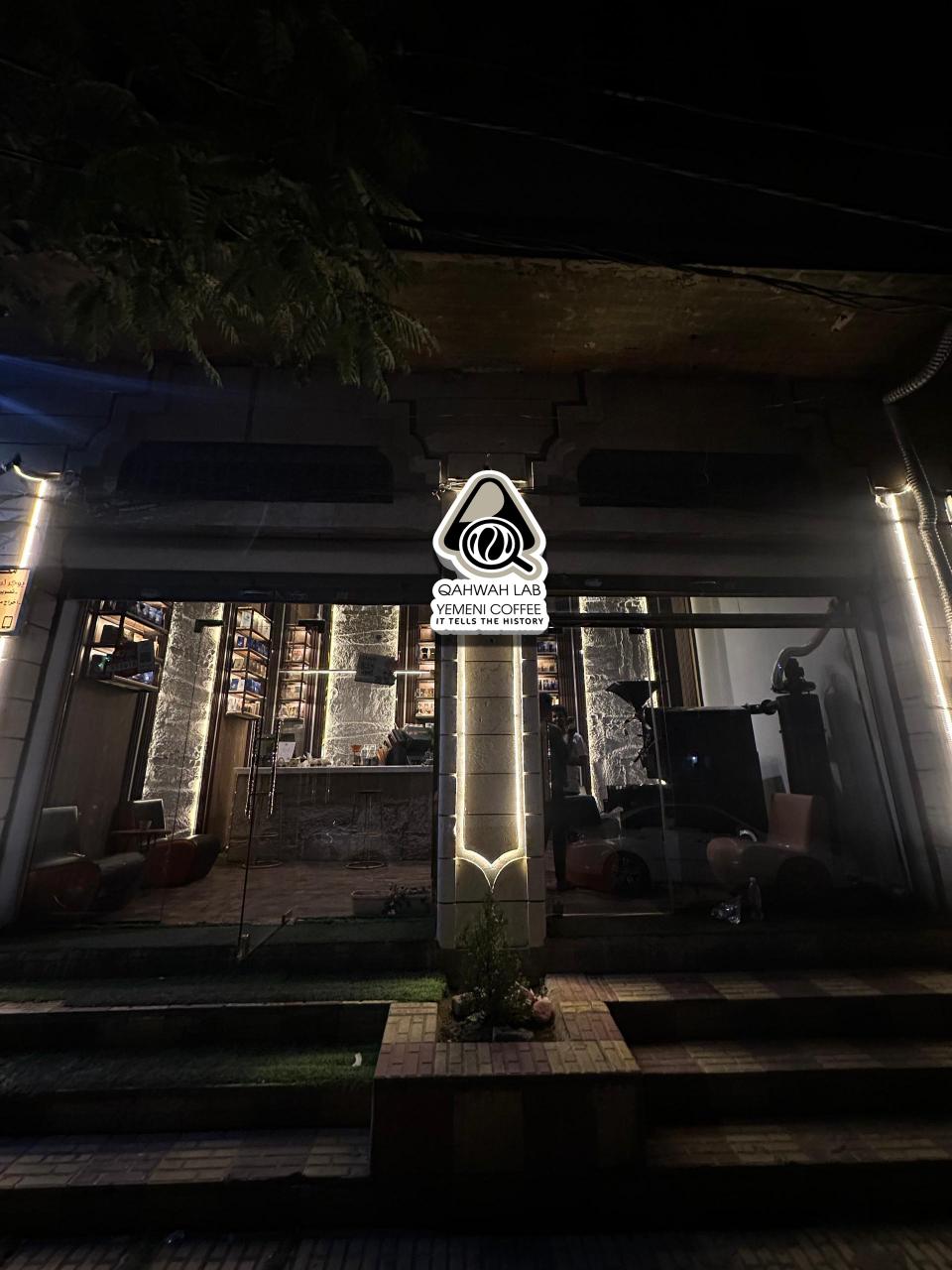
Yemeni entrepreneur and coffee industry specialist Abdul Latif Al-Jaradi has opened a new specialty coffee roastery and tasting room in the capital city of Sana’a. This new venture, named “Qahwa Lab,” aims to strengthen the presence of Yemeni coffee in both local and global markets.

The project focuses on producing innovative blends and unique processing techniques for Yemeni coffee, all while adhering to scientific standards during the processing phase. Al-Jaradi explained that the roastery measures sugar content and pH levels for each processing method to achieve optimal quality and cost efficiency.

The project is set to pioneer new experiments in processing non-dried Yemeni coffee and features the creation of special blends for espresso and drip coffee using advanced processing techniques, including natural drying and the innovative “Mocha Story” method. This initiative is part of Al-Jaradi’s broader effort to introduce innovation in the Yemeni specialty coffee sector by offering high-quality products that reflect Yemen’s long-standing reputation as one of the oldest and most important coffee-producing countries in the world.

One of the standout features of “Qahwa Lab” is the direct partnership with Yemeni farmers. They are not only suppliers but are also integrated as true partners in the production process, sharing profits with the business. This model strengthens the relationship between producers and entrepreneurs and lays the foundation for a sustainable business that supports farmers and enhances the quality of Yemeni coffee.

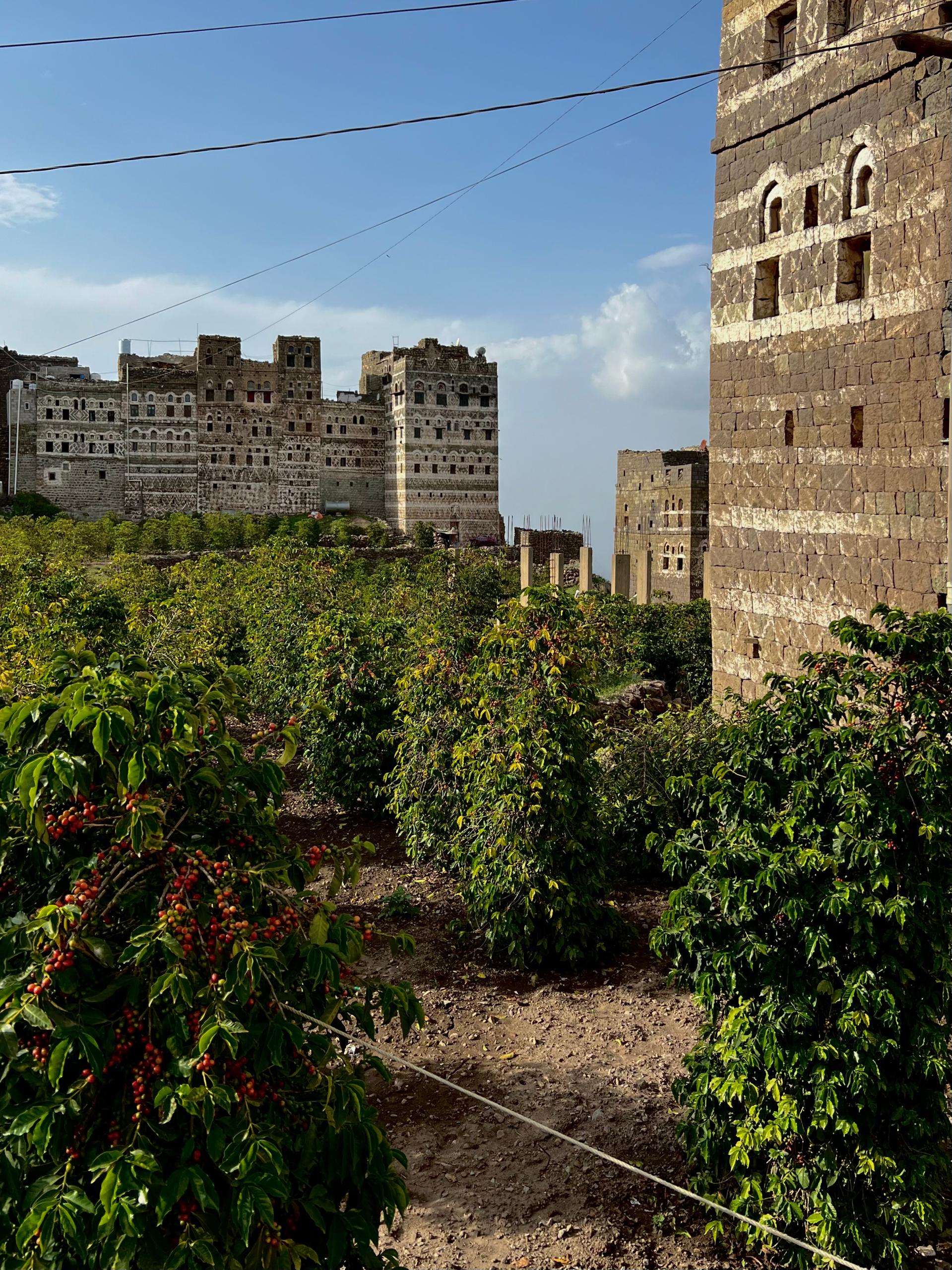
Yemeni coffee boasts a rich history that dates back to the 15th century when Yemen was one of the first countries to export coffee to the world through the port of Mocha. This rich legacy made Yemeni coffee, particularly “Mocha,” famous globally for its high quality and unique flavors. Despite Yemen’s current economic and political challenges, Yemeni coffee maintains its status in global markets thanks to the hard work of local farmers who use traditional farming techniques to ensure high-quality beans, as well as entrepreneurial initiatives like Al-Jaradi’s that aim to modernize the sector.

Al-Jaradi emphasized that his primary goal is to market Yemeni roasted coffee, ready for use, starting in Gulf countries and eventually expanding to global markets. The “Qahwa Lab” project is just the beginning of this ambitious vision, with the ultimate aim of making Yemeni coffee a well-recognized brand worldwide.

This project enhances Yemen’s position as a major player in the specialty coffee industry, highlighting ongoing efforts to support farmers and improve the coffee sector in the country. “Qahwa Lab” represents a key step toward a larger vision of making Yemeni coffee a strong competitor in the global specialty coffee market—a vision fueled by sustainable practices and direct collaboration with local farmers.

With this endeavor, Yemen continues to write new chapters in the history of global coffee, supported by its rich heritage and a forward-looking vision that strives for global excellence.

Mohammed bin Rashid Library Celebrates International Coffee Day in an Artistic and Unconventional Way

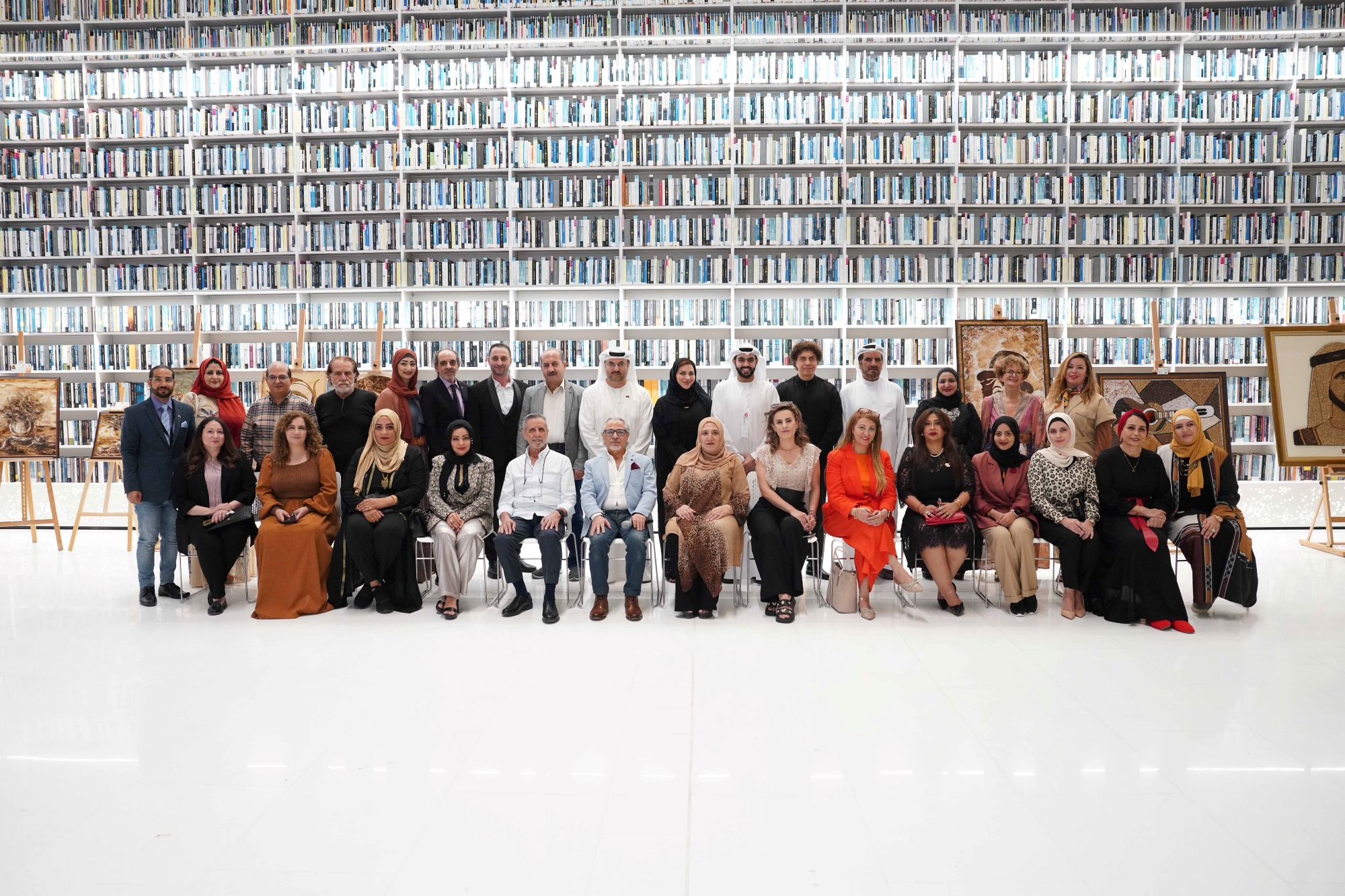
The Mohammed bin Rashid Library celebrated International Coffee Day in a unique atmosphere filled with the delightful aroma of coffee. Colors blended with melodies to offer attendees an extraordinary experience that embodied the magic of this authentic beverage.

The event began with an exhibition of coffee tools, organized in collaboration with the Coffee Museum, where visitors had the opportunity to explore the diversity of coffee cultures from around the world. Guests could taste Arabic, Saudi, and Ethiopian coffee while also browsing a collection of books, newspapers, and magazines that explored the culture of coffee cultivation, preparation, and consumption, highlighting the rich heritage associated with this beverage.

The event also featured a workshop titled “How to Become a Barista,” where participants learned how to prepare Rwandan and Colombian coffee, immersing themselves in new worlds of flavors and techniques. The joy was not limited to the taste; the artistic horizons expanded to include a coffee painting session led by artist Majda Nasr El-Din, who lit up the venue with her creativity. This was followed by a special coffee bean painting workshop by artist George Sobhi, completing the artistic scene with exceptional touches.

Additionally, an art exhibition featuring more than fifty artworks was inaugurated, where artists created pieces using coffee materials. These works were dedicated to celebrating International Coffee Day at the Mohammed bin Rashid Library. The piano performance by Fadi Fawzi and flutist Jessica Diaz added a magical ambiance, allowing the audience to enjoy delightful moments combining art and joy.

As part of the “A World Reads” initiative, the library offered visitors the opportunity to receive a free copy of their favorite book, adding another cultural dimension to the event. At the conclusion of the event, certificates of appreciation were presented to the artists and participating entities.

This celebration highlighted the importance of coffee not only as a beverage but as a fundamental part of societal culture. It also emphasized the role of the Mohammed bin Rashid Library in promoting knowledge and art, making this day an unforgettable moment in the visitors’ memory.

International Coffee Day: A Beverage’s Journey from Yemen to the World

Every year on October 1st, the world celebrates International Coffee Day. This occasion is not just an opportunity to enjoy a cup of coffee, but a global event that brings together different cultures and generations. It highlights coffee’s role as a unifying element and celebrates its long journey from its mysterious origins to becoming a beloved drink enjoyed by millions worldwide.

The Origins of Coffee – A Debate and a New Perspective

There is much debate about the origins of the coffee tree, but experts agree that this tree has coexisted with humans on Earth for millennia. It is difficult to pinpoint whether the oldest coffee tree was in Ethiopia or Yemen. The beginnings of coffee trace back to ages long before it was first discovered in Yemen by the Yemeni mystic and alchemist Jamal al-Din al-Shadhili. Coffee wasn’t cultivated by humans in its early days, but it grew naturally by divine creation.

Yemen is regarded as the birthplace of coffee, where its global recognition began. The country still nurtures some of the oldest coffee trees in the world, which continue to produce beans of historical value, shaped by the passage of time. The port of Mocha in Yemen played a key role in the global spread of coffee. Thanks to the high quality and unique flavors of Yemeni coffee, it became a sought-after commodity worldwide, especially the famous “Mocha” variety.

International Coffee Day – Honoring the Coffee Industry and its Farmers

International Coffee Day was officially established by the International Coffee Organization (ICO) in 2015 during the Milan Expo. This event highlights the challenges facing coffee farmers, including economic and environmental difficulties, and calls for the promotion of fair trade practices to ensure farmers receive fair compensation for their efforts.

Coffee is not just a beverage; it is a livelihood for millions of people around the world, from farmers in the fields to baristas in coffee shops. This day reflects recognition of the significant contributions made by these individuals to make coffee an essential part of our daily lives.

Between Tradition and Modernity 

In the UAE and the Gulf countries, coffee symbolizes hospitality and tradition. Arabic coffee is an integral part of daily life and social gatherings, carefully prepared and often infused with spices such as cardamom and saffron. In recent years, the UAE, particularly Dubai, has become a hub for modern coffee culture through workshops, tasting sessions, and celebrations that blend tradition with innovation.

In Saudi Arabia, coffee holds a special place in the national identity. It is an essential part of Saudi hospitality, and the country has recently launched efforts to enhance local coffee farming, particularly in regions like Jazan, further promoting the global presence of Arabic coffee.

Yemen: The True Homeland of Coffee

Although there is debate about the origin of the coffee tree, Yemen is the land where coffee was first introduced to the world. In the 17th century, the export of coffee began from the port of Mocha, spreading across the globe and becoming part of global culture. Yemeni coffee is celebrated for its unique quality and flavor, and despite the economic and political challenges facing the country, coffee remains a symbol of authenticity and resilience.

Coffee Around the World  

International Coffee Day is celebrated differently across countries. In Brazil, local festivals honor coffee farmers and their contributions to the industry, while in Europe, coffee shops host tasting events and workshops. In the Netherlands, known for having the highest coffee consumption per capita, coffee enthusiasts gather for tasting events, while in Indonesia and Vietnam, where coffee plays a key economic role, events focus on supporting farmers and promoting sustainable agriculture.

In the United States, International Coffee Day is often linked to supporting fair trade initiatives to ensure farmers are paid fairly. Coffee shops draw consumers’ attention to the importance of sustainability and ethical production, linking the love of coffee to responsible consumption.

Challenges and the Future  

While the world celebrates coffee, the industry faces significant challenges such as climate change, which is expected to reduce the land suitable for coffee cultivation by mid-century. This pushes the industry to develop new practices to maintain quality production under changing environmental conditions.

In addition to climate change, the coffee industry suffers from economic fluctuations that directly impact farmers’ income, especially in developing countries. International Coffee Day emphasizes the importance of promoting fair trade practices and supporting small farmers to ensure the sustainability of coffee in a competitive global market.

 A Beverage That Unites the World

As the world celebrates International Coffee Day, it becomes clear that coffee is more than just a drink—it is a cultural bridge, an economic driver, and a symbol of global unity. Whether you’re enjoying a traditional Arabic coffee in a majlis or sipping a cold brew in a trendy café, coffee remains a beverage that brings together people from diverse cultures and backgrounds.

On this special day, we celebrate coffee not only for its rich flavors and rituals but also for the people and stories behind every cup. From the farmers who grow the beans to the baristas who serve our favorite drinks, coffee is the result of collaboration, passion, and hard work. As we raise our cups in celebration, we must also commit to ensuring the sustainability of the coffee industry so that future generations can continue to enjoy this beloved beverage for many years to come.

Coffee Industry on International Coffee Day: Production, Consumption, and Future Challenges

As International Coffee Day approaches on October 1, 2024, coffee remains one of the most important global agricultural commodities. Coffee plays a vital role in the lives of millions of people, both in terms of production and consumption. It provides livelihoods for millions of farmers in many developing countries and plays a significant role in the global economy. In this report, we will examine the latest data on coffee production, the top producing and consuming countries, as well as the global production value and future projections.

First: Global Coffee Production (September 2024)

Global Coffee Production

  • Quantity: According to the latest reports, global coffee production in 2024 reached approximately 10.5 million tons, equivalent to about 175 million bags (each bag weighing 60 kg).
  • Value: The global coffee industry’s total value is estimated at approximately $102 billion USD in 2024, with prices continuing to rise due to climate changes and agricultural challenges in some key production regions.

Factors Affecting Production

  1. Climate Change: Climate change has significantly impacted coffee production in recent years. Rising temperatures and unpredictable weather patterns have reduced arable land in key growing areas, leading to reduced yields and higher prices.
  2. Technology and Sustainable Farming: Innovations in smart agriculture are improving productivity despite challenges. Technologies like smart irrigation and the use of disease-resistant coffee strains are becoming increasingly common in countries such as Brazil and Colombia.

Second: Top Ten Coffee Producing Countries (2024)

Here is a list of the top ten coffee-producing countries in the world for 2024, based on production quantities (in tons):

  1. Brazil: 3.7 million tons – Brazil remains the world’s leading coffee producer, primarily producing Arabica coffee.
  2. Vietnam: 1.9 million tons – Vietnam focuses on producing Robusta coffee and is the second-largest exporter globally.
  3. Colombia: 900,000 tons – Known for producing high-quality Arabica coffee.
  4. Indonesia: 740,000 tons – Primarily produces Robusta, along with some Arabica production.
  5. India: 375,000 tons – Produces both Arabica and Robusta coffee.
  6. Ethiopia: 360,000 tons – The birthplace of coffee, primarily producing Arabica.
  7. Honduras: 355,000 tons – The largest coffee producer in Central America.
  8. Uganda: 345,000 tons – Grows both Robusta and Arabica coffee.
  9. Peru: 280,000 tons – Known for its high-quality organic coffee production.
  10. Mexico: 270,000 tons – Primarily produces Arabica coffee.

Third: Top Ten Coffee Consuming Countries (2024)

Below is a list of the top ten coffee-consuming countries for 2024:

  1. United States: 25 million bags – The largest coffee-consuming market globally.
  2. Brazil: 23 million bags – Domestic demand for coffee is high, fueled by a deep-rooted coffee culture.
  3. Germany: 9.5 million bags – Coffee is an integral part of German culture.
  4. Japan: 8.5 million bags – Coffee consumption is growing rapidly in Japan.
  5. Italy: 7.9 million bags – Italy is famous for its specialized coffee culture, especially espresso.
  6. France: 7.8 million bags – Coffee is a key part of daily life in France.
  7. Russia: 7.3 million bags – Coffee is gaining increasing popularity, especially specialty coffee.
  8. Canada: 6.5 million bags – Among the largest coffee consumers in the world.
  9. United Kingdom: 6.3 million bags – Despite a strong tea tradition, coffee consumption is on the rise.
  10. Spain: 5.9 million bags – Coffee is a fundamental part of Spanish culture.

Fourth: Future Projections for the Coffee Industry

Global Demand Growth

Global coffee demand is expected to continue growing at an average rate of 3-4% annually until 2030, driven by the increasing consumption of specialty coffee and the entry of new markets in developing countries, particularly in Asia and Africa.

Future Challenges

  1. Climate Change: Climate change remains one of the biggest challenges facing the coffee industry. It is projected that coffee-growing areas will shrink by 2050, leading to higher prices due to reduced supply.
  2. Sustainability and Innovation: The future of the coffee industry depends on innovations in sustainable farming practices. Technology will help tackle climate challenges and improve productivity.

Global Prices

Coffee prices are expected to remain volatile due to climate and market fluctuations. In 2024, the average price of a pound of coffee reached approximately $2.25 USD, and prices are likely to remain high in the coming years due to supply pressures.

Conclusion

The coffee industry remains a significant global economic force and a source of livelihood for millions of people. Despite challenges such as climate change and economic fluctuations, innovations in sustainability and smart agriculture can support the future of coffee and ensure its sustainability. With increasing demand for specialty coffee and emerging markets, the coffee industry is poised to continue growing and evolving in the coming years.

Top 100 Coffee and Hospitality Brands in Europe

As COHO celebrates its 15th anniversary, they have introduced the highly anticipated COHO’s Top 100 – a revamped awards format spotlighting Europe’s top 100 most influential brands in coffee and hospitality. Curated across 10 categories, each featuring 10 exceptional nominees, this prestigious list recognizes brands and individuals who have set new benchmarks in innovation, quality, and leadership within the industry.

As a news portal, we are excited to share that voting for the European Coffee & Hospitality Awards 2024 will officially open on 1st October 2024, allowing industry professionals across Europe to vote for the brands that have shaped the sector. The voting period will remain open until 25th October 2024, and the winners will be revealed at the much-anticipated gala dinner on 12th November 2024, held at the InterContinental Hotel, Berlin, as part of the European Coffee Symposium and Coffee & Hospitality Expo 2024.

A New Chapter in European Hospitality Recognition

This year marks a significant transformation for the awards, as Allegra’s European Coffee Awards evolves into the European Coffee & Hospitality Awards, in partnership with 5thwave. This evolution reflects the growing importance of coffee within the wider hospitality sector and aims to celebrate excellence across a broader range of operators and suppliers across Europe.

The COHO’s Top 100 shortlist is composed of nominees selected by over 3,000 industry peers. These brands and individuals have been recognized for their contributions to the coffee and hospitality industries, where they have demonstrated leadership, quality, and innovation.

The COHO’s Top 100 Categories and Nominees

1. Europe’s Best Coffee Shop Chain

  • 200 Degrees, % Arabica, Blank Street, Caffè Nero, Coffee Island, Costa Coffee, Espresso House, Joe & The Juice, Starbucks, WatchHouse
    (Recognizing café chains that have set benchmarks in quality, service, and brand innovation.)

2. Europe’s Best Bakery/Food Chain

  • Cornish Bakery, Emmerys, GAIL’s, Greggs, Kamps, Lagekagehuset / Ole & Steen, PAUL, Paris Baguette, Pret A Manger, Zeit Für Brot
    (Celebrating food chains excelling in taste, quality, and customer experience.)

3. Europe’s Best Coffee Experience – Hotel Operator

  • Accor, CitizenM, Dorchester Collection, Firmdale Hotels, Four Seasons, Hilton, Hoxton, Marriott International, Soho House, Van der Valk
    (Recognizing hotels offering exceptional coffee experiences that elevate the guest journey.)

4. Europe’s Best Independent Coffee Shop

  • 3fe Coffee (Dublin), Bonanza Coffee (Berlin), Colonna & Small’s (Bath), Coutume (Paris), Kawa Coffee (Paris), La Cabra (Denmark), Nostos Coffee (London), Ozone Coffee (London), Rosslyn (London), Single Estate (The Hague)
    (Celebrating independent cafés that provide unique and memorable coffee experiences.)

5. Europe’s Best Commercial Coffee Roaster

  • Caffè Vergnano, Illy, JDE Peet’s, Lavazza, Lincoln & York, Löfbergs, Matthew Algie, Segafredo Zanetti, Tchibo, UCC Coffee
    (Recognizing the best commercial roasters excelling in consistency and global reach.)

6. Europe’s Best Specialty Coffee Roaster

  • Caravan Coffee Roasters, Kawa Coffee, L’Arbre à Café, Mabo Coffee Roasters, Manhattan Coffee Roasters, Origin Coffee, Ozone Coffee Roasters, Square Mile Coffee Roasters, The Barn, Tim Wendelboe
    (Highlighting specialty roasters leading in innovation, quality, and sustainability.)

7. Europe’s Best Espresso Equipment Manufacturer – Traditional

  • Astoria, Cimbali, Dalla Corte, Faema, La Marzocco, Rancilio, Sanremo, Slayer, Synesso, Victoria Arduino
    (Recognizing craftsmanship and innovation in traditional espresso machines.)

8. Europe’s Best Espresso Equipment Manufacturer – Fully Automatic

  • Cimbali, Cup & Cino, Egro, Eversys, Franke Coffee Systems, Melitta, Schaerer, Scanomat, Thermoplan, WMF
    (Celebrating fully automatic machine manufacturers for innovation and quality.)

9. Europe’s Best Food/Beverage Supplier

  • Alpro, Beyond The Bean, Bakerman, Chalo, DaVinci Gourmet, Easyfoods, Market Grounds, Monin, Oatly, Sproud
    (Recognizing innovative suppliers enhancing the coffee and hospitality experience.)

10. Europe’s Most Sustainable Brand

  • Anne&Max, Change Please, Decent Packaging, Löfbergs, Origin Coffee, Ozone Coffee, Project Waterfall, Union Hand-Roasted Coffee, Vegware, Well Grounded
    (Celebrating brands leading the way in sustainability and ethical practices.)

Attend the Awards and Celebrate Excellence

The European Coffee & Hospitality Expo, taking place from 13-14 November 2024, will bring together 2,500 key decision-makers from across Europe. This influential event will showcase cutting-edge innovations and pioneering products that are reshaping the coffee and hospitality industry.


Top Tips for Better Coffee at Home

In celebration of World Coffee Day on October 1st, it’s the perfect time to improve your home coffee brewing skills. Whether you’re a beginner or looking to refine your techniques, these expert tips will help you make better coffee at home.

1. Keep it Fresh

Freshly roasted coffee delivers the best flavor. Ideally, you should use coffee roasted one to two weeks before brewing, allowing it to properly degas, which releases the carbon dioxide produced during roasting. To maintain freshness, store your beans in a vacuum-sealed, airtight container to limit exposure to oxygen and moisture.

2. Grind Your Own Beans

Always opt for whole beans and grind them just before brewing. Grinding on-demand helps preserve the coffee’s freshness and flavor by preventing oxidation. Use the right grind size for your brewing method: a coarser grind for methods like French press or cold brew, and a finer grind for espresso. Too fine a grind can cause over-extraction and bitterness, while too coarse can lead to under-extracted, weak coffee.

3. Get the Ratio Right

The strength and flavor of your coffee depend on the coffee-to-water ratio. Using a scale to measure your coffee grounds ensures consistency, avoiding the guesswork of scoops or eyeballing. If your coffee tastes off, try adjusting variables like the amount of coffee, grind size, or water temperature until you find the right balance. For espresso lovers, a scale with a timer can help ensure the perfect shot, making your home-brewed espresso taste professional.

4. Mind the Water Quality

Since coffee is mostly water, using high-quality water is essential. Filtered water is usually the best option, as it removes impurities that can negatively impact flavor. Avoid distilled water, as it lacks the necessary minerals to bring out the best in your coffee. Aim for water with balanced mineral content for a better-tasting cup.

5. Control the Water Temperature

The temperature of the water during brewing plays a critical role in extraction. Ideally, use water that is between 195°F and 205°F (90°C to 96°C) for most brewing methods. If the water is too hot, it will over-extract the coffee, resulting in bitterness. Too cold, and it will under-extract, leaving your coffee flat and underwhelming.

6. Clean Your Equipment Regularly

Cleanliness is key to maintaining a great-tasting coffee. Coffee oils and particles build up in your grinder, coffee maker, and brewing devices over time, leading to bitter or rancid flavors. Regularly clean your equipment, including your grinder’s burrs and brewing devices, to ensure that every cup tastes fresh and pure.

7. Experiment with Different Brewing Methods

If you’re looking to explore new flavors, try experimenting with various brewing methods, such as pour-over, French press, AeroPress, or espresso. Each method brings out different aspects of the coffee, giving you the chance to discover what suits your taste best. By trying new techniques, you can refine your preferences and improve your brewing skills.

8. Pre-Infusion or Bloom

For brewing methods like pour-over or French press, pre-infusing the coffee grounds (also called blooming) is a simple yet effective technique. Wet the grounds with a small amount of water and let it sit for about 30 seconds before brewing. This allows the coffee to release trapped gases and leads to a more even extraction and fuller flavor.

9. Use Fresh, Filtered Air in Grinders

When using electric grinders, a pro tip is to wipe the grinder’s hopper with a damp cloth or give the beans a quick blast of filtered air. This helps reduce static electricity that can cause grounds to stick to the grinder, ensuring consistent particle size and an even extraction.

Korea’s Coffee Craze: The Rise of an Unstoppable Trend

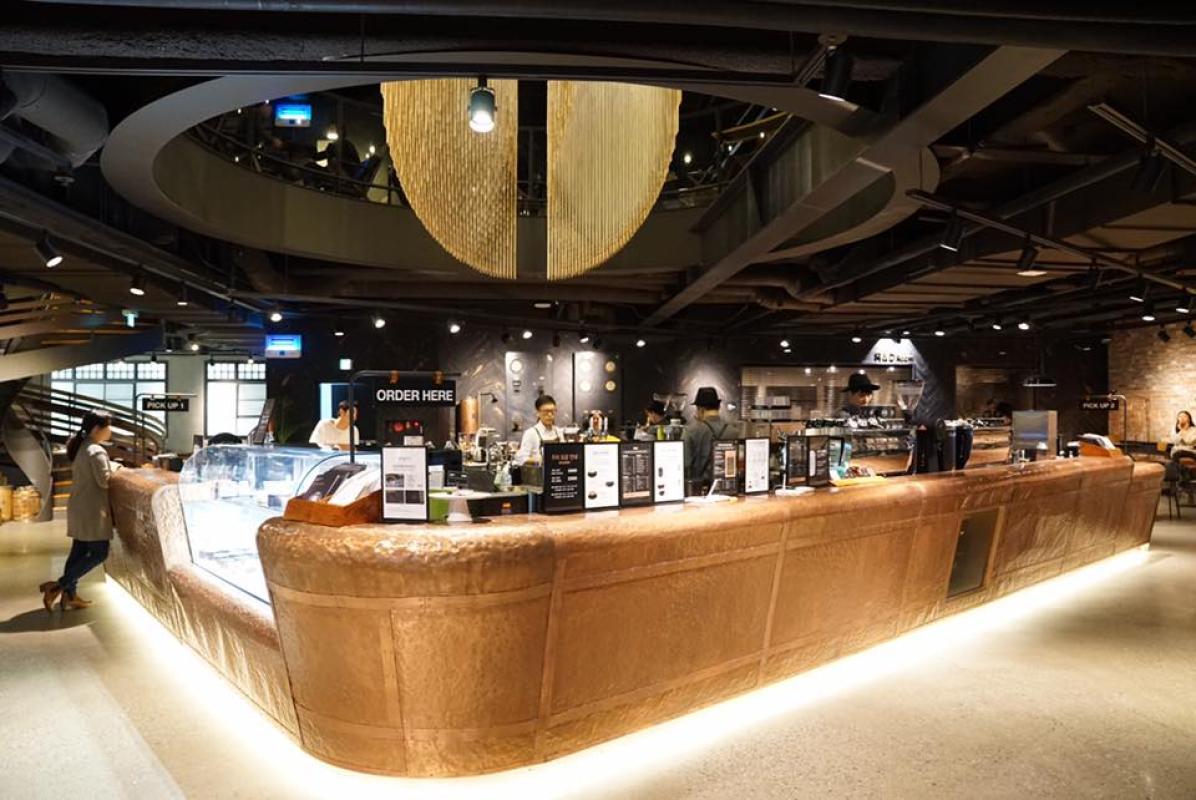
South Korea boasts one of the most dynamic and trend-setting coffee cultures in the world. With an expansive network of coffee shops, both independent and branded, the country has embraced coffee as more than just a beverage – it’s become a cultural and social staple. But what fuels this widespread coffee obsession, and how can operators sustain this rapid growth in such a competitive market?

According to government reports, by the end of 2023, South Korea had over 100,000 coffee shops generating an impressive ₩15.5 trillion ($11.2 billion) in sales and employing 270,000 people. With a population of 52 million, that’s approximately one coffee shop for every 520 people. One-third of these shops belong to branded chains like Ediya Coffee, Mega Coffee, and Compose Coffee, all of which have rapidly expanded in recent years. Starbucks, with 1,900 stores in Korea, ranks as the country’s third-largest market worldwide.

The roots of this coffee obsession trace back to 1976 when Dongsuh Foods introduced instant ‘mixed coffee’ sachets, which combined coffee, sugar, and milk powder. This product became a staple for many, helping cement coffee as a daily habit. The fascination with coffee evolved alongside South Korea’s economic boom, with the café culture becoming a beloved part of daily life.

Not only are coffee shops ubiquitous, but the country is also home to a thriving specialty coffee market. Homegrown brands like Coffee Libre, Terarosa, and Bean Brothers coexist with international names such as Blue Bottle Coffee and Japan’s % Arabica. Despite the competitive nature of the market, South Korea has developed a reputation for excellence in the coffee world, driven by a deep-seated cultural ethos of competition and achievement.

In the post-war years, South Korea’s industrious nature saw it rise from being one of the world’s poorest nations to a global economic powerhouse. This relentless drive for success is mirrored in the coffee industry, with consumers seeking out quality and prestige in every cup. Koreans’ long working hours have also contributed to the booming coffee culture, as cafés serve as essential spaces for relaxation, socializing, and even conducting business.

Coffee education plays a significant role in maintaining the country’s high standards. The Specialty Coffee Association (SCA) has a strong presence in Korea, where coffee enthusiasts and professionals alike strive to perfect their craft. With around 400 authorized SCA trainers in the country, Korea has become a leader in coffee education, consistently producing world-class baristas and coffee experts.

One of the most unique aspects of Korea’s coffee industry is its fusion with popular culture. The influence of Western trends, particularly from the US, has shaped the café scene. Blue Bottle Coffee, for instance, became an instant hit when it opened its first Korean store in 2019. K-pop culture also plays a major role, with coffee chains collaborating with major K-pop groups, further driving the coffee craze among younger generations.

The appeal of coffee in Korea extends beyond trends. Historically, Koreans haven’t had as many public spaces to gather, making cafés the perfect “third place” for meetings, socializing, or simply taking a break from daily life. As a result, coffee consumption has become a routine part of life for many.

Even in the face of economic challenges, the coffee industry continues to thrive. The rise of budget-friendly coffee chains like Mega Coffee and Compose Coffee ensures that everyone can enjoy a good cup of coffee, regardless of their budget. These chains have expanded rapidly, with thousands of new stores opening in the last few years.

The future of Korea’s coffee industry looks bright, as innovation continues to drive growth. From unique beverage offerings like infused coffee to the ever-popular iced drinks, the country’s coffee scene is constantly evolving to meet the demands of its discerning customers. While the market may seem saturated, the pursuit of better quality and new experiences keeps the industry booming.

In conclusion, Korea’s coffee obsession reflects its broader cultural values of hard work, innovation, and a desire for excellence. From specialty coffee shops to global chains, the coffee industry has become an integral part of Korean society, creating a thriving market that shows no signs of slowing down. Whether it’s a simple americano or a trendy latte, coffee in Korea is more than just a drink – it’s a way of life.

Mamma Mia! The Future of Coffee is Here

Mamma Mia!
There was no need to ask if the coffee is ready anymore!

An Italian coffee machine manufacturer has created a device and software.
Now, you can follow the start of the coffee-making process from your mobile phone with the help of an application.

The ratio of coffee beans and the temperature of the water are all monitored on your mobile phone.

“Inspired by your passion,” he says.
That’s right!
For coffee lovers, Victoria Arduino’s coffee machines and coffee grinders are designed and created with respect for the region and the environment.

Victoria Arduino was born in the early 1900s, during a period of great cultural, social, and industrial transformation, when the main goals were to break tradition and promote progress.

In 2024, design sheds established forms and traditions, embracing a new eclectic environment. It invites you to boldly combine styles and patterns, defying predefined rules.

Victoria Arduino is a professional brand of coffee machines and coffee grinders with more than 100 years of history in the coffee industry.
I met with the Middle East team.
I see the passion for coffee in their eyes.
He’s a CBC expert.
Dear Antonio Orria from Italy told me that this is the future of coffee machines, making life easier by integrating our mobile technology world.

Serkan Oral

Growing Concern in Italy: Will Our Coffee Become a Luxury?

Italians are increasingly worried about the rising cost of coffee, driven by crop shortages and soaring global coffee bean prices, which threatens the tradition of affordable espresso, a key part of their daily life.

Italy, a country that consumes 6 billion cups of coffee annually, is now facing a significant price hike. Italians, who are used to paying as little as €1.20 for an espresso, are now adjusting to the possibility of paying up to €2 per cup. While such an increase may seem normal in cities like London or New York, it comes as a major shock to the residents of Rome, where coffee has long been a daily affordable staple.

Luigi Murillo, president of the Italian Espresso Institute, noted that “everyone is feeling nervous and anxious about these price increases.” With rising energy costs and raw material prices, Italian cafés—where espresso makes up 30% of sales—are facing major challenges. The AssoUtenti consumer association expressed concerns that continued price increases may drive more people to drink coffee at home instead of in cafés.

The price hikes are largely attributed to global supply chain disruptions, which have been affected by unfavorable climate conditions and Houthi attacks on ships in the Red Sea. Global coffee prices have surged to record highs, prompting many coffee roasting companies to raise their prices.

However, Gabriele Miloso, president of AssoUtenti, believes that the cost of producing a cup of coffee is still significantly lower than its selling price, insisting that cafés are still enjoying strong profit margins. Many cafés, however, disagree, struggling to stay afloat amid economic and social pressures to keep espresso prices low.

In an attempt to maintain customer loyalty, some café owners in regions like Liguria have offered creative solutions, such as one owner who sells espresso at a reduced price on the condition that customers bring their own cups and spoons.

Cuba Signs International Coffee Agreement 2022, Reinforcing Commitment to Global Coffee Sector

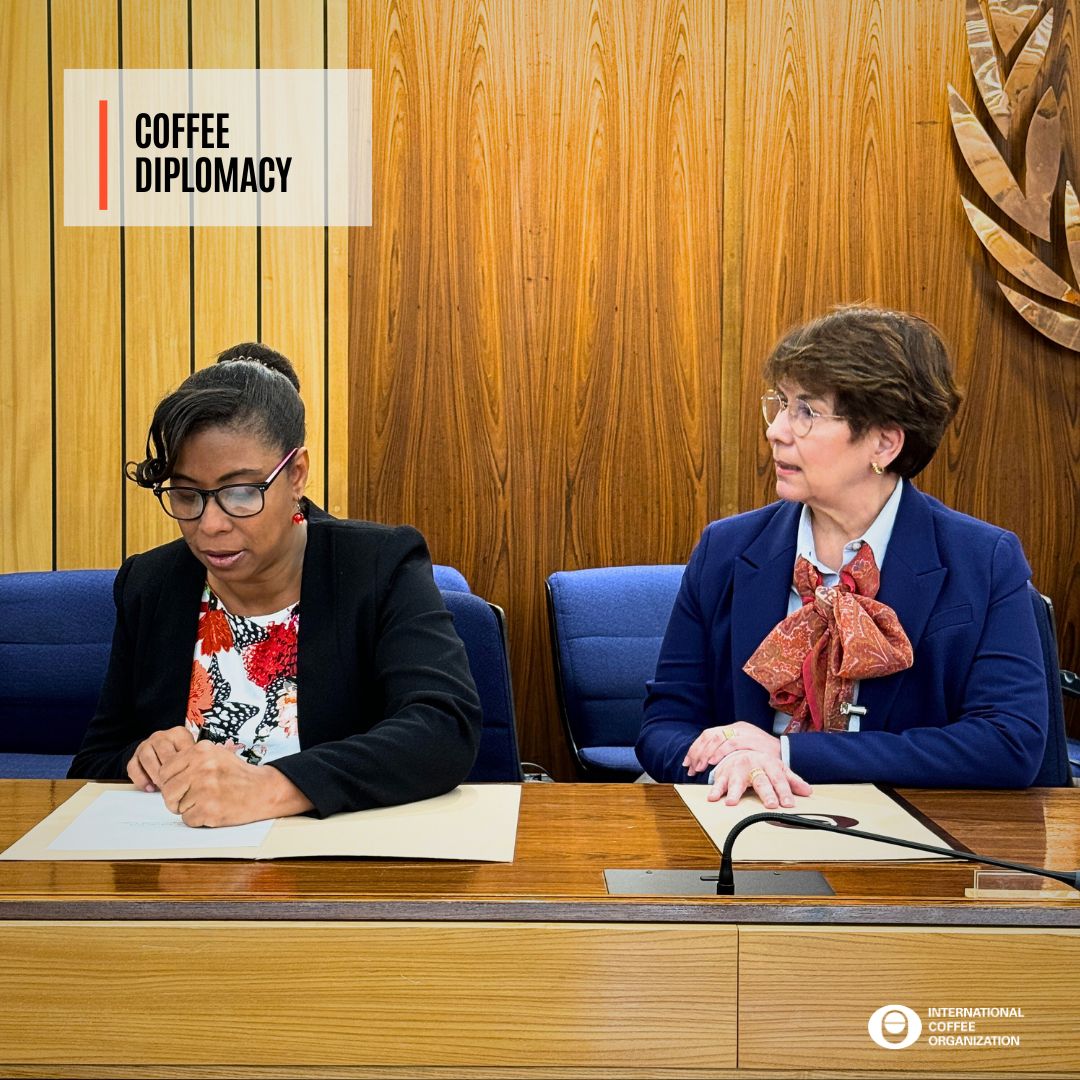
The Republic of Cuba signed the International Coffee Agreement 2022 (ICA) yesterday, Thursday, 12 September, as announced by the International Coffee Organization (ICO) through its official Instagram account.

According to the ICO, Ismara M. Vargas Walter, Cuban Ambassador to the United Kingdom, signed the ICA 2022 during the 138th session of the International Coffee Council in London. This signature reflects Cuba’s commitment to maintaining ongoing dialogue with the international coffee community and contributing to the development of the global coffee sector.

The International Coffee Agreement 2022 is the latest version in a long series of agreements aimed at enhancing cooperation in the global coffee sector. It is overseen by the ICO and is designed to address key challenges facing the coffee industry, promoting sustainability, development, and fair trade practices.

Among the main objectives of the International Coffee Agreement 2022 are:

  • Sustainability and Development: Promoting sustainable practices in coffee-producing countries to ensure that production benefits the environment and local communities.
  • Market Transparency: Improving transparency in the global coffee market by gathering and analyzing data that help stakeholders make informed decisions.
  • Fair Trade Practices: Supporting the fair distribution of value across the coffee supply chain, with a focus on benefiting smallholder farmers.
  • Partnership and Collaboration: Strengthening ties between coffee-producing and consuming countries to create a more balanced and equitable market.
  • Resilience to Climate Change: Emphasizing the importance of building resilience within the coffee sector to cope with climate change, which poses a significant threat to production.

The ICA 2022 builds on the legacy of previous agreements, adapting to contemporary challenges such as price volatility, social responsibility, and environmental sustainability. By joining this agreement, Cuba joins other coffee-producing and consuming countries in committing to a more sustainable and equitable coffee industry, further enhancing international cooperation in this vital sector.

This move underscores the crucial role of cooperative efforts in addressing the challenges faced by the coffee sector today, with Cuba emerging as a key supporter in this ongoing dialogue.