Will Rising Middle East Tensions Disrupt the Global Coffee Supply Chain?

Ongoing military tensions in the Middle East—particularly involving Iran, Israel, and the United States—are raising new concerns across global supply chains, including the coffee industry. On 21 June, U.S. military action targeted Iran’s nuclear facilities, followed by a retaliatory missile attack by Iran on the U.S. Al Udeid Air Base in Qatar just days later.

Although neither Iran nor Israel are major coffee producers, the region plays a critical role in global logistics. Maritime shipping, the primary mode of transporting green coffee beans worldwide, has already been impacted by instability in the area.

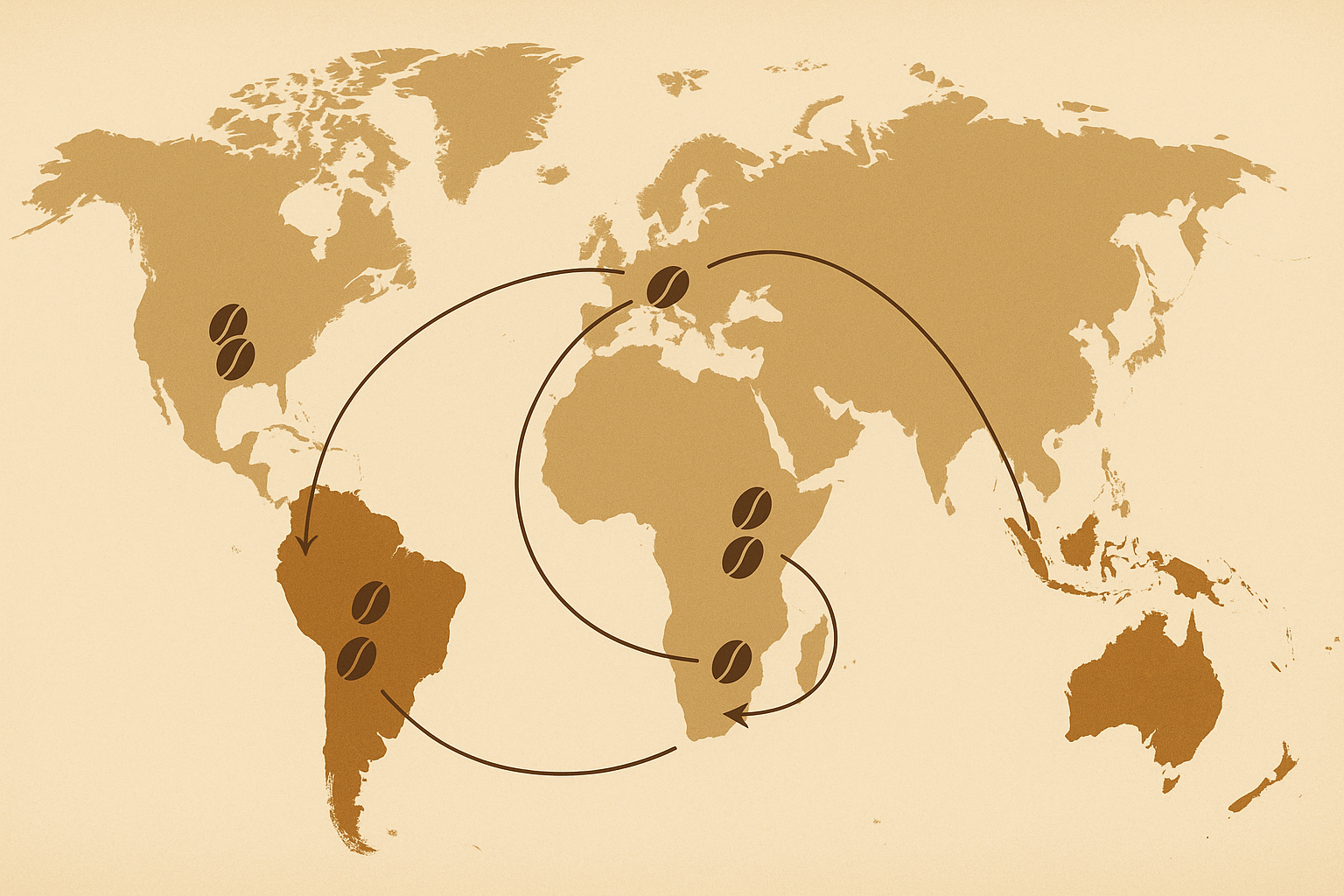
Shipping analyst Dominic Enthoven, Principal Advisor at MPC International, notes that disruptions to traditional routes, particularly the Suez Canal, are reshaping coffee logistics. “After attacks by Houthi forces on vessels transiting the Red Sea began in late 2023, many shipping companies rerouted their fleets around the Cape of Good Hope,” he says. “This added approximately ten days to shipping timelines and increased freight costs significantly.”

This diversion has particularly affected coffee exports from East African countries like Ethiopia, Kenya, Rwanda, and Uganda—regions that rely heavily on Suez-linked routes to access European and North American markets. The disruption has also rippled out to affect exports from major Asian producers such as Vietnam and Indonesia, with port congestion, container shortages, and tighter shipping schedules becoming widespread.

Earlier this year, some carriers—including CMA CGM—had cautiously resumed partial use of the Suez Canal, buoyed by statements from Houthi groups indicating they would not target vessels unaffiliated with Israeli ports. However, the latest escalation in hostilities has cast doubt on these fragile improvements.

“With the conflict now intensifying, the likelihood of a broader return to the Suez Canal appears slim,” says Enthoven. “Heightened risk is driving up insurance premiums, making the route economically unviable for many shippers.”

There is also the looming threat of a possible Iranian embargo on the Strait of Hormuz, a strategic chokepoint through which nearly 30% of the world’s crude oil passes. Any disruption here could sharply raise fuel prices, further impacting freight rates.

“If the Strait were blocked, oil prices would spike,” Enthoven explains. “This would trigger higher Bunker Adjustment Factors (BAFs), leading to increased shipping costs for all importers, including those in the coffee sector.”

While the International Chamber of Shipping estimates that maritime transport accounts for only about four cents of the cost of a US$3.40 cup of coffee, larger-scale importers and roasters could face significant financial strain under prolonged shipping volatility.

At the time of publishing, unconfirmed reports suggested discussions toward a ceasefire between Iran and Israel may be underway. However, given the rapidly changing nature of the situation, the global coffee industry—and indeed the broader trade community—will need to monitor developments closely.

Source: Adapted from an original report by Kathryn Lewis, published June 24, 2025.

Global Coffee Production Reaches Historic High in 2025/26: Uganda, Ethiopia, and Vietnam Lead the Surge

Global coffee production is forecast to reach a record 178.7 million 60-kg bags in the 2025/26 season, driven by impressive growth in countries like Uganda, Ethiopia, and Vietnam. The USDA’s latest report highlights key regional trends, shifting trade dynamics, and the implications of rising prices and tight inventories for the global coffee economy.
Explore the top trends shaping the global coffee sector here.

In a year marked by climatic recovery and strategic agricultural investment, global coffee production is set to hit an all-time high of 178.7 million 60-kilogram bags, according to the USDA’s Foreign Agricultural Service (FAS) June 2025 Coffee: World Markets and Trade report. This 4.3-million-bag increase over the 2024/25 season comes amid record output in Ethiopia, continued recovery in Vietnam and Indonesia, and resilient production in Uganda.

With global consumption forecast at 169.4 million bags, the highest ever recorded, and global exports projected to rise to 122.3 million bags, the coffee industry is navigating a period of high demand, constrained inventories, and sustained price increases.

Uganda’s Output to Continue Expanding

Uganda remains a standout in Africa’s coffee landscape, forecast to produce 6.875 million bags in 2025/26—5.815 million Robusta and 1.06 million Arabica. This positions Uganda as the fourth-largest Robusta producer globally, after Vietnam, Brazil, and Indonesia.

Coffee is a pillar of Uganda’s economy, contributing nearly 20% of foreign exchange earnings, with 2024 export revenues reaching $1.1 billion. The sector supports 1.8 million smallholder farmers, who typically farm less than 2.5 hectares and often intercrop coffee with bananas, beans, and vanilla—a strategy that improves soil health and income diversity but may impact yield per hectare.

In recent years, Uganda’s government, through the now-dissolved Uganda Coffee Development Authority (UCDA), launched national initiatives to strengthen the sector’s resilience and competitiveness. These include:

  • The Coffee Production Campaign and the National Coffee Policy, focusing on increasing productivity and expanding global market access.

  • Direct support for fertilizer and pesticide distribution, as well as seed research to combat counterfeit inputs.

  • Development of marketing strategies and international partnerships to reduce trade barriers and promote Ugandan coffee abroad.

Although the UCDA was integrated into the Ministry of Agriculture in November 2024, its legacy continues through programs aimed at achieving the ambitious target of 20 million bags by 2030. Uganda nearly doubled its coffee output in the past decade—an exceptional feat compared to more modest growth elsewhere.

Ethiopia Sets New Production Record

Ethiopia, the birthplace of Arabica coffee, is projected to harvest 11.6 million bags, an all-time high, thanks to strategic replanting of aging trees with higher-yielding varieties. This effort, alongside improved pruning practices and better training, has boosted productivity in recent years.

Coffee remains central to Ethiopia’s export economy. The country is expected to ship 7.8 million bags, up 800,000 from the previous year, as the sector benefits from strong global demand and improved supply chains.

Vietnam’s Rebound Lifts Global Output

Vietnam, the world’s leading Robusta exporter, is forecast to produce 31.0 million bags in 2025/26, up 2 million bags from the previous year. This recovery follows better weather conditions and a renewed investment in farming inputs—enabled by higher market prices.

Vietnam’s bean exports are expected to rise to 24.6 million bags, as supply levels normalize following recent droughts. The country’s nearly unchanged harvest area reflects increasing efficiency and yield optimization rather than expansion.

Indonesia Gains Momentum

Indonesia, another major Robusta player, is projected to produce 11.3 million bags, supported by favorable weather in the Robusta-growing regions of Southern Sumatra and Java. Robusta will account for approximately 9.8 million bags, while Arabica production is expected to rise slightly to 1.5 million bags.

Exports are forecast to grow to 6.5 million bags, thanks to ample supply and rising international interest in Indonesian beans.

Brazil Faces Arabica Setbacks Despite Robusta Gains

Brazil, the world’s largest coffee producer, is forecast to produce 65.0 million bags in 2025/26—a marginal increase of 300,000 bags over the previous year. However, the numbers reveal a split trend:

  • Robusta production is expected to reach a record 24.1 million bags, supported by optimal rainfall in Espirito Santo and Bahia.

  • In contrast, Arabica production is forecast to fall by 2.8 million bags to 40.9 million, as drought and heat in Minas Gerais and São Paulo affected flowering and fruit development.

Brazilian coffee exports are expected to decline to 41.75 million bags, as elevated prices discourage buyers from rebuilding inventories.

Colombia Hit by Excess Rainfall

Colombian output is projected to decrease to 12.5 million bags, down 700,000, due to excessive rainfall and cloud cover disrupting flowering stages. While these conditions favored the spread of coffee leaf rust, the widespread use of resistant varieties helped mitigate its impact.

Exports are forecast to fall to 10.7 million bags, primarily to the U.S. and European Union.

Trade and Consumption Dynamics

Global bean exports are forecast to rise to 122.3 million bags, with gains in Vietnam, Ethiopia, and Indonesia offsetting reductions from Brazil and Colombia. Notably:

  • The European Union remains the largest importer with 45.2 million bags.

  • The United States follows with 25.5 million bags.

  • China’s coffee imports continue to grow, reaching 5.4 million bags, driven by booming café culture and e-commerce.

On the consumption side, global intake is projected at 169.4 million bags, reinforcing concerns over tight inventories, with ending stocks forecast at just 22.8 million bags—well below historical averages.

Price Trends and Market Implications

The ICO composite price index has surged by over 90% in the past two years, fueled by tight supply-demand balances and production risks. This price surge has prompted some producing countries to reinvest in quality and yield, while others face challenges in securing affordable inputs.

Looking Ahead

As the global coffee industry prepares for another year of transformation, the USDA’s forecast underscores the importance of strategic investment, climate resilience, and trade partnerships. Countries like Uganda and Ethiopia are proving that with the right support, even smallholder-based systems can thrive on the world stage.

The next USDA report on global coffee markets is due for release on December 18, 2025, and is expected to provide deeper insight into post-harvest outcomes, market corrections, and longer-term supply forecasts.

Dubai-Based Brand Anthology Honey Raises Awareness About Adulterated Honey in the World

The Honey You’re Eating Might Not Be Real: A UAE Brand Reveals What’s Really in the Jar

Amid a growing appetite for wellness products and clean-label foods, one thing is becoming increasingly clear: not all honeys are what they claim to be. Anthology Honey, a UAE-based luxury brand committed to raw, authentic honey, is sounding the alarm on the global crisis of honey adulteration—and urging consumers to demand better.

According to industry experts, honey is currently the third most adulterated foods globally. “In the wake of COVID-19 pandemic, the demand for honey skyrocketed, but the global supply of high-quality, pure honey couldn’t keep up. That’s when large-scale fraud started taking hold across supply chains in the US, Europe and sadly, even the GCC,” explains Alexandra Timotheadi, CEO and Founder of Anthology Honey.

She revealed that much of the honey on sale in supermarkets today is mixed with low quality sweeteners, such as high fructose corn syrup, rice syrup, glucose syrup or it is so overly processed to the point of losing the majority of its natural benefits.

Even more alarming, adulteration can happen in subtle ways—such as feeding bees syrups during blossom season to artificially increase yield. Commercial honey processing employs hyperfiltration in order to remove all traces of pollen, in an effort to inhibit traceability. Another major issue is the mixing of good quality honey with cheaper honeys of inferior quality, which contain pesticide or antibiotic residues and are strictly banned in both the UAE and in Europe because they are harmful to humans.

The health risks are of major concern. Adulterated, low quality mixed honey loses its antioxidant, anti-inflammatory and antibacterial properties, turning it into a common sweetener with no added benefits. “Research has revealed that it can spike blood sugar levels, contribute to obesity and over time, even cause liver and pancreatic damage, which in turn can lead to chronic illnesses such as diabetes and hypertension,” says Timotheadi.

But there’s more at stake than consumer health. “As cheap, low-grade honey floods the market, it exerts enormous pressure to honest beekeepers because they can’t compete economically. Therefore, many are abandoning their precious craft,” she explains.

When honeybees are left unattended in extreme weather conditions or the presence of pesticides, they cannot survive for long. This has devastating consequences for biodiversity, food security and our ecosystems,” adds Thimotheadi.

Anthology Honey also criticises the rise of “vegan honey,” which Timotheadi stresses is misleading. “By definition, honey is a natural product created solely by bees, through a complex biochemical process perfected over millions of years. What some US, German and Israeli companies are selling is essentially sugar syrup in disguise—lab-manufactured and marketed with false claims of health benefits and of ‘saving bees.’”

These claims mislead consumers and undermine the sacred, symbiotic relationship between bees and responsible beekeepers. “Honeybees need their beekeepers to survive—and they know it. It’s a profound relationship rooted in mutual respect and I’ve witnessed it first-hand over the years. Bees are intelligent, intuitive beings,” adds Timotheadi.

Anthology Honey works only with multi-generational beekeepers who harvest with ecological consciousness. The brand applies standards more rigorous than most national food safety bodies, including advanced lab testing, low-temperature storage and a zero-plastic contact policy. “Our honey is always unheated, always raw and always bottled in glass. That’s the only way to preserve its living enzymes, its medicinal value and its soul,” she points out.

With a loyal following which commenced in Greece, Anthology Honey is taking its mission further. “We educate through tasting sessions, Instagram, media presence and talks in Dubai schools,” she adds. “Honey is deeply appreciated in this region, and we believe consumers want to know the truth.”

So next time you drizzle honey on your laban or stir it into your morning tea, ask yourself: Is this nature’s medicine—or just sugar in disguise?

For more information and upcoming event details, please follow the buzz on their Instagram @anthologyhoney.

About Anthology Honey:
Anthology Honey is a premium brand offering rare, pure Greek honeys with medicinal properties, ethical and natural skincare products as well as artisanal olive oil and honey soaps. Sourced from pristine Greek landscapes and handcrafted with sustainable ingredients, Anthology is dedicated to purity and authenticity. Each jar of honey is a gift from Gaia, embodying the magic of nature and the richness of ancient beekeeping traditions. With a commitment to sustainability and ethical sourcing, Anthology Honey seeks to bring an unparalleled experience of wellness, indulgence and mindfulness to honey lovers around the world.

U.S. Café Market Projected to Grow to $165 Billion by 2033

The United States cafés and bars market is forecasted to grow significantly, from $81.34 billion in 2024 to $165.33 billion by 2033, with a compound annual growth rate (CAGR) of 8.2%, according to a new report from Research and Markets. This growth is fueled by the rise of specialty coffee, dynamic dining experiences, and evolving urban lifestyles.

Cafés and bars have increasingly become central to U.S. urban social life. These venues offer more than just food and beverages—they serve as gathering places, workspaces, and entertainment hubs. Cafés typically provide coffee, tea, and light snacks, while bars focus on alcoholic drinks such as beer, wine, and cocktails, often paired with live music or themed events.

Key Growth Drivers

1. Rising Coffee Culture & Specialty Beverages
The U.S. has seen a significant expansion in specialty coffee consumption. Popular chains such as Starbucks, Dunkin’, and Panera Bread are catering to consumer demand for premium coffee experiences. Independent coffee houses offering unique blends, brewing methods, and artisanal menus continue to flourish. Nearly 80% of Americans consume at least one cup of coffee daily, many seeking to replicate the café experience at home with premium machines and beans.

2. Experiential Dining & Socializing
Bars are transforming into immersive social spaces, especially among younger demographics. By combining dining with entertainment—such as trivia nights, live music, and pop culture themes—venues create memorable experiences. A recent example includes the launch of the first-ever real-life Central Perk café in Boston, inspired by the sitcom Friends.

3. Health-Conscious and Alcohol-Free Alternatives
The market is also adapting to wellness trends. Menus increasingly feature organic food, plant-based drinks, and non-alcoholic beverages. Juice bars and smoothie cafés, like Smoothie King and PlantPub, have expanded, meeting demand from consumers prioritizing healthy lifestyles.

Market Challenges

1. Evolving Consumer Preferences
As more consumers become health-conscious, many prefer cooking at home over dining out. This trend challenges cafés and bars to innovate with healthier offerings and to provide compelling reasons for patrons to visit.

2. Operational Costs and Economic Pressure
Rising costs of labor, ingredients, and rent continue to strain businesses. Even well-known chains like Red Lobster and TGI Fridays have faced financial difficulties. To remain viable, cafés and bars are focusing on operational efficiency and adapting business models to remain flexible under economic pressure.

Leading Market Players

The report highlights key players influencing the market, including:

  • Starbucks Corporation

  • McDonald’s Corporation

  • Dutch Bros Inc.

  • Smoothie King Franchises Inc.

  • Tropical Smoothie Café LLC

  • Focus Brands LLC

  • International Dairy Queen, Inc.

  • Inspire Brands Inc.

  • Restaurant Brands International Inc.

These companies are leveraging data, technology, and brand loyalty to stay ahead in a competitive market, often introducing loyalty programs, digital ordering systems, and eco-conscious practices.

Market Segmentation

The report also provides detailed segmentation by:

  • Cuisine: Bars & pubs, cafés, juice/smoothie/dessert bars, specialist coffee & tea shops

  • Outlet Type: Chained vs. independent

  • Location: Leisure, lodging, retail, standalone, travel hubs

  • Region: West, South, Midwest, Northeast

Outlook

The U.S. cafés and bars market is poised for dynamic expansion through 2033. As consumer demand evolves, success will hinge on the ability of businesses to combine innovation, experience, and wellness in their offerings.

For full details, visit ResearchAndMarkets.com.

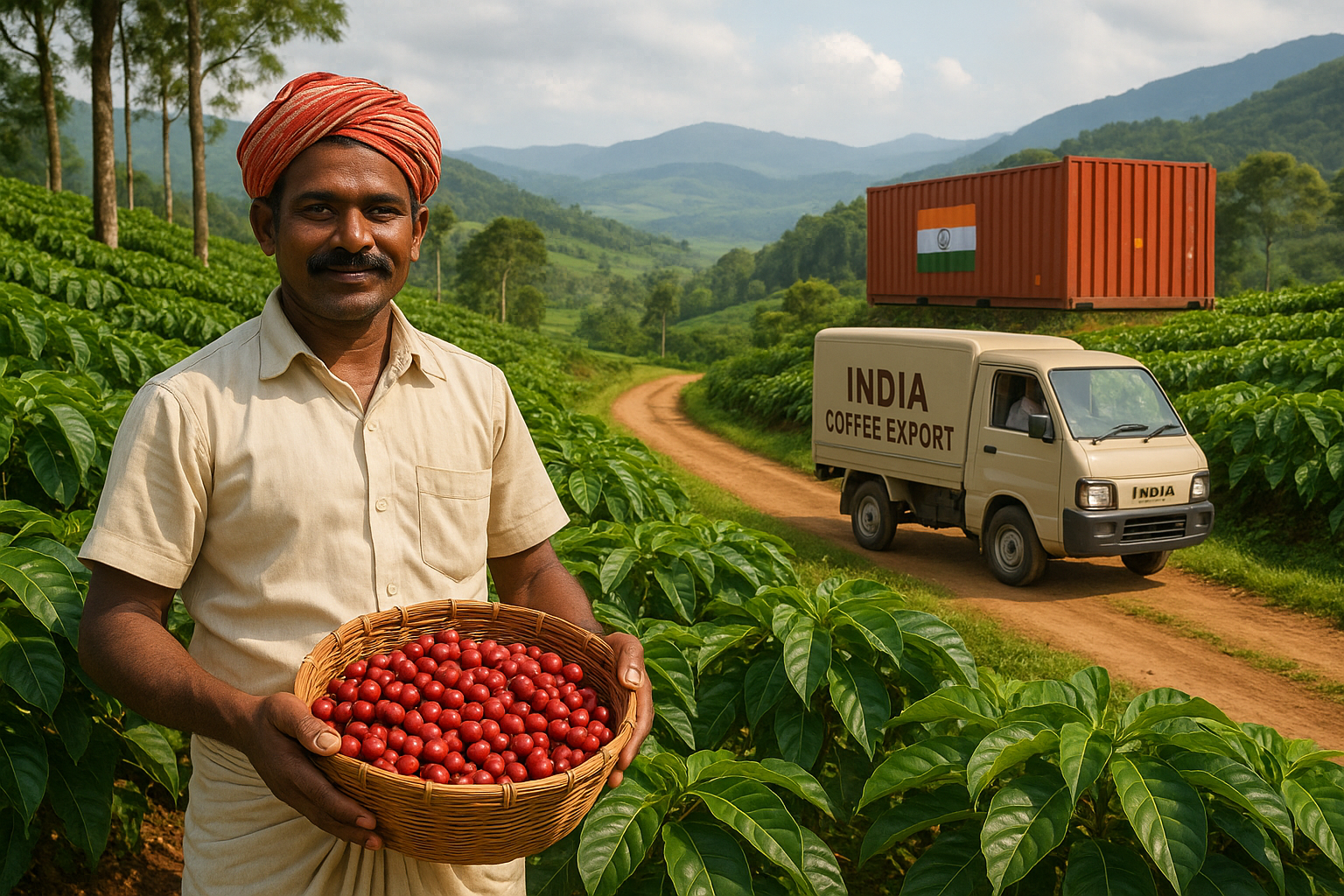
India’s Coffee Exports Jump Over 25% in 2025–2026

India’s coffee export industry continues to show impressive momentum, with the Coffee Board of India reporting a surge of more than 25% in coffee exports so far in the fiscal year 2025–26, compared to the same period the previous year. This growth follows a record-breaking fiscal year 2024–25, when total coffee export earnings rose by 40.2% to reach US$1.803 billion, up from US$1.286 billion in FY2023–24.

Over the past decade, India’s coffee exports have seen a consistent upward trend, with a reported 125% growth since FY2014–15, when exports stood at just US$800 million. The sustained rise underscores the growing global demand for Indian coffee and the effectiveness of policies supporting the sector.

Strategic Promotion Driving Growth

The Coffee Board attributes this success to a series of focused initiatives aimed at enhancing the global visibility and value of Indian coffee. These include:

  • Organizing buyer-seller meets and business matchmaking events.

  • Conducting targeted promotional campaigns in key international markets.

  • Promoting Geographical Indication (GI) status for India’s distinctive coffee varieties—currently awarded to five regional and two specialty coffees, with 13 regional and three specialty coffees being promoted in new campaigns.

  • Launching digital media outreach to showcase the origin, flavor, and farming stories behind Indian coffee.

In addition, India is investing in infrastructure and innovation. The AIC-CCRI-CED incubation center in Bengaluru has supported over 63 startups and trained more than 3,000 individuals in the coffee value chain, promoting entrepreneurship and skill development.

Position in Global Coffee Trade

India is currently the seventh-largest coffee producer globally, contributing approximately 3.5% to world coffee production. According to ICO data, India’s total coffee output in 2023–24 was estimated at around 374,000 metric tonnes. It also ranks as the fifth-largest exporter, accounting for 5% of global coffee exports.

Major export destinations include Italy, Germany, Belgium, the United States, Russia, and Middle Eastern and East Asian countries such as South Korea and Japan.

Sustainability and Value-Addition Focus

The Coffee Board has emphasized sustainability through the promotion of shade-grown coffee, biodiversity-preserving practices, and traceability systems aligned with emerging European deforestation regulations.

To further boost value-added exports, the Board offers:

  • ₹3/kg incentives for roasted/ground/value-added coffee exports.

  • ₹2/kg support for premium green coffee exports.

  • Up to 40% subsidy (maximum ₹15 lakh) for coffee roasting, grinding, and packaging machinery purchases.

Additionally, the Board has digitized its export support systems, enabling online issuance of Registration-cum-Membership Certificates (RCMCs), export permits, and certificates of origin, making the export process more efficient and accessible.

Challenges Ahead

Despite the current momentum, India’s coffee sector faces emerging challenges. According to a January 2025 Reuters report, exports may decline by up to 10% in 2025 due to lower production forecasts and tight stockpiles following last year’s high shipment volumes.

India’s robusta crop, in particular, has suffered from erratic rainfall and heatwaves in major growing regions like Karnataka and Kerala. These climate-linked impacts, combined with higher international bean prices, are putting pressure on domestic supply and operating costs for exporters.

Conclusion

India’s coffee export success in FY2025–26 reflects a decade of strategic development, international promotion, and value addition. With continued investment in sustainable practices, infrastructure, and branding, India is well-positioned to strengthen its role in the global coffee value chain. However, climate volatility and shifting global trade dynamics will require adaptive strategies to maintain this upward trajectory.

UAE Coffee Innovation Summit Charts the Future of the Sector and Launches a Professional Dialogue on Education and Training

On Monday, June 23, 2025, Dubai hosted the UAE Coffee Innovation Summit, held at the Simonelli and Victoria Arduino Experience Lab. The event brought together a wide range of industry stakeholders—including café owners, roasters, baristas, coffee professionals, and other key players in the UAE coffee ecosystem—for a first-of-its-kind, open-format gathering designed to discuss innovation, development, and the future of the coffee industry both locally and globally.

Unlike traditional conferences, the summit featured no speeches or panel discussions. Instead, it fostered an open, interactive environment where attendees were encouraged to exchange ideas and experiences freely. Organizers emphasized that the event was non-political, created to bring the community together around one core question: How can we become better as a coffee community?

Throughout the summit, a wide range of ideas and viewpoints were shared, particularly around innovation and the challenges facing the industry—most notably in the area of education and training. Participants widely agreed that improving education and professional development is essential to the long-term sustainability and growth of the sector. Several practical proposals were raised, many of which will be explored further in upcoming features on Qahwa World.

Garfield Kerr: Dubai Has Rewritten the Global Coffee Playbook

The summit was opened by Garfield Kerr, President of the Specialty Coffee Association (SCA) and founder of Mokha 1450 café. Kerr emphasized that the UAE, and Dubai in particular, now stands as one of the world’s premier specialty coffee destinations. “I believe the UAE is leading the global specialty coffee industry,” he stated. “You can find the rarest beans and all brewing methods here—something not easily available even in markets once considered global leaders like Australia or the UK.”

Kerr highlighted the pivotal role the UAE has played in unifying the SCA globally. “Had it not been for a country like the UAE,” he noted, “there would be no unified global association. It would still be a collection of regional entities in the U.S. and Europe.” He also revealed that World of Coffee, once limited to Europe and America, was first held outside those regions in Dubai—an event so successful it helped globalize the show.

He added that the current global branding of the World of Coffee show was actually developed in Dubai, which has since become the official identity of the global exhibition—further cementing Dubai’s position as a driver of innovation in the industry.

Discussing the UAE’s current coffee community, Kerr said: “We enjoy great diversity in brewing methods. In UAE cafés, you’ll find Chemex, syphon, ibrik, and other rare tools. You won’t see that in most other markets.” He concluded: “More importantly, we must act as a community—with mutual trust, clear rules, and a shared ethical framework.”

Mohammed Essa Al Ghurair: Competition Must Be Fair, Not Destructive

Mohammed Essa Al Ghurair, CEO of Karam Foods Industries, stressed the importance of fair and constructive competition within the coffee sector. “Yes, we need competition—barista vs. barista, roaster vs. roaster—but not to eliminate one another. Healthy competition creates better products, but only when it’s rooted in respect and integrity,” he said.

Al Ghurair reflected on his personal journey, entering the coffee industry in 2013 after working in commodity trading. “I used to trade odorless, colorless, tasteless cooking oil,” he said. “Today, I work with a product rich in flavor, aroma, and color—and the community around it should be just as vibrant and diverse.”

He emphasized the value of collective engagement: “Even if you’re not Emirati, if your business was born here, you’re an unofficial representative of the UAE when you go abroad.” He called for open, honest dialogue across the sector: “Let’s sit together and speak frankly. If you don’t like my coffee, tell me. I’ll improve. That’s how we grow together.”

Kim Thompson: No Future Without Training and Empowerment

Ms. Kim, Co-founder at RAW Coffee Company, delivered a candid reflection on her beginnings in coffee. “There wasn’t any specialty coffee or business plan when we started—I didn’t even know what an entrepreneur was,” she said. “Maybe my naivety was my strength at the time. It pushed me to learn and evolve.”

Kim identified one of the sector’s key challenges as the disconnect many café workers have with the profession. “A large portion of the workforce is here simply to earn and send money home,” she explained. “Without real training and empowerment, no company can succeed—regardless of how great the coffee is.”

She highlighted the UAE’s geographic advantage in sourcing green beans and expressed concern about the long-term future of producing countries. “Supporting origin countries must be a top priority for everyone in the industry,” she said.

Kim also voiced skepticism toward competitions: “They don’t address the real challenges. What matters to me is whether we’ll be able to keep buying coffee from origin countries in the future.”

She concluded with a call to action: “What counted as success 15 years ago doesn’t cut it today. We need real innovation. We can’t keep repeating the past if we want to evolve.”

Summit Takeaway:

The UAE Coffee Innovation Summit exposed both the pressing challenges and the tremendous potential for collaboration and creativity within the sector. Discussions underscored a growing awareness of the need to invest in education, empower professionals, and create ethical frameworks for engagement.

Qahwa World will continue to explore the summit’s key takeaways and proposals in a series of in-depth articles—ensuring the summit marks not just a milestone, but a turning point in shaping the future of coffee in the UAE.

Bialetti Unveils ‘Pump My Moka’ Innovation at World of Coffee Geneva 2025

At the heart of the world’s most influential specialty coffee event, Bialetti, the legendary name in Italian coffee culture, is set to unveil a groundbreaking innovation at World of Coffee Geneva: Pump My Moka. The technology, created by inventors Simone Previati and Stefano Ceverini, ushers in a new era of moka brewing and will be showcased at booth no. 2171 from June 26 to 28 at Palexpo, Geneva.

Pump My Moka introduces a patented external pump system connected to the classic Moka Express via a quick-release valve. This innovation allows users to control pressure independently of temperature—an unprecedented leap in moka pot brewing. Paired with a thermometer strip that monitors water temperature, the system ensures total extraction control and a truly personalized coffee experience.

With this technology, every cup can be adjusted to individual taste preferences, enhancing the unique qualities of different coffee blends. From subtle floral notes to deep, rich aromas, Pump My Moka opens a world of sensory exploration, even for the most discerning coffee aficionados.

Visitors to Bialetti’s booth will experience an engaging and interactive program that includes live demos, expert-led tastings, and thought-provoking sessions. Highlights include:

  • “Coffee Mixology” – where Italian coffee tradition meets cocktail artistry.

  • “From Moka Express to Pump My Moka” – tracing the evolution of the iconic moka pot.

  • “Coffee from Plant to Cup” – a deep dive into the sustainability of the coffee supply chain.

  • “How the Perfect Aroma is Born” – exploring the art and science of sensory profiling for custom extraction.

Marzio Buttarelli, Chief Business and Development Officer of Bialetti, stated:

“Our mission is to safeguard the tradition of Italian coffee while embracing innovation that elevates its authenticity and quality. This collaboration with Pump My Moka is a major milestone, blending our rich heritage with forward-looking creativity.”

World of Coffee Geneva is Europe’s flagship event for the specialty coffee sector, organized by the Specialty Coffee Association (SCA). The 2025 edition will feature global competitions including the World Latte Art Championship, World Coffee in Good Spirits Championship, World Cup Tasters Championship, and the Cezve/Ibrik Championship, drawing thousands of coffee professionals from around the world.

To explore the next evolution in moka brewing and connect with Bialetti’s team of experts, visit booth no. 2171 at World of Coffee Geneva.

Geneva Set to Host World of Coffee 2025, Welcoming Thousands of Coffee Professionals and Enthusiasts

Global Trade Show to Feature 4 World Championships, Educational Programs, Business Opportunities, and Industry Recognition

Geneva, Switzerland, will host World of Coffee from June 26 to 28, 2025, at Palexpo, organized by the Specialty Coffee Association (SCA). As Europe’s leading specialty coffee event, the show promises a packed agenda with global competitions, workshops, and networking, attracting leaders and innovators from across the coffee industry.

Yannis Apostolopoulos, CEO of the SCA, stated, “We’re thrilled to welcome the global coffee community to Geneva, one of the most active European hubs in the specialty coffee value chain. We anticipate 3 days of learning, collaboration, and celebration.”

Key Highlights of the Event:

  1. CEO Roundtable:
    A 75-minute session on Friday, June 27 at 10:30 AM, featuring industry experts discussing global challenges such as changing consumer behavior, compliance demands, climate risks, and market volatility.

  2. 4 World Coffee Championships:

  • World Latte Art Championship: Competitors will craft 6 beverages in 10 minutes, including live performances and an “Art Bar” for close-up viewing.

  • World Coffee in Good Spirits Championship: Participants will prepare hot and cold coffee cocktails, including Irish Coffees and original recipes.

  • World Cup Tasters Championship: A fast-paced sensory challenge where participants identify different coffees from 8 sets over 4 knockout rounds.

  • Cezve/Ibrik Championship: A celebration of traditional brewing methods from Eastern Europe, the Middle East, and North Africa.

  1. Awards and Recognition:

  • Coffee Design Awards: Honoring excellence in branding, packaging, and space design.

  • Best New Product Awards: Highlighting innovations in brewing tools, preparation equipment, and beverages, with finalists featured on-site and online.

  1. Education and Engagement:

  • Over 20 free lectures and 20 hands-on workshops on sustainability, science, leadership, and business.

  • Cupping Rooms: Guided tastings from producers, importers, and exporters.

  • Roaster Villages: Meet micro-roasters and taste unique blends.

  • SCA Community Lounge: Learn about SCA research, education, membership, and how it supports your career.

  • Q Info Sessions: Daily talks on updates to the Q-grader program.

  1. Business and Networking Opportunities:

  • Coffee Business Lounge: A dedicated space for buyers, exhibitors, and professionals to meet and recharge.

  • Green Coffee Connect: Deep dives into supply chain discussions.

  • CEO Roundtable: Returns Friday, June 27 at 10:30 AM to discuss innovation, sustainability, and global industry trends.

  1. Event Sponsors:

  • Host Sponsor: BWT water+more

  • Platinum Sponsor: Barista Attitude

  • Diamond Sponsor: Nestlé Professional

  • Gold Sponsor: Alpro

  • Portrait Country: Colombia – featuring a cultural experience and pop-up café.

Registration & Access:
Registration is now open. One-day and three-day passes are available, with special discounts for SCA members. Visit the official World of Coffee website for details.

Press Access:
The press room is located in Secretariat 2 on the Internal Boulevard. Attendees are encouraged to download the World of Coffee 2025 app. For interviews and media coordination, contact the SCA’s communications team.

About the Specialty Coffee Association (SCA):
The SCA is the world’s largest coffee trade association, dedicated to supporting a thriving, equitable, and sustainable coffee industry through events, education, research, and global collaboration. Learn more at sca.coffee.

Does Coffee Raise Blood Pressure? What Science Really Says

With millions around the world starting their day with a cup of coffee, questions about its impact on heart health—particularly blood pressure—continue to draw attention. For coffee lovers and health-conscious readers alike, understanding the relationship between caffeine and blood pressure is essential. Here’s what recent scientific evidence reveals.

Temporary Spikes—Not Long-Term Damage

Coffee contains caffeine, a natural stimulant known for enhancing alertness. One of its side effects, however, is a temporary rise in blood pressure, spiceblocking adenosine receptors—which normally help blood vessels relax—and releasing adrenaline, a hormone that can cause blood vessel constriction.

But for regular coffee drinkers, this spike tends to diminish over time. Research shows that most healthy adults develop tolerance to caffeine, and moderate daily consumption does not appear to increase long-term blood pressure levels.

The Other Side of Coffee: Antioxidant Power

Beyond caffeine, coffee is rich in polyphenols and other antioxidants. These compounds can reduce inflammation and support vascular health by helping blood vessels function properly.

Studies suggest that these antioxidants might counterbalance the temporary rise in blood pressure caused by caffeine. In fact, some evidence shows that people who consume coffee regularly may experience better vascular function compared to non-coffee drinkers.

How Preparation Affects Heart Health

The way you prepare your coffee can also influence its health impact. Specifically, unfiltered coffee—like that made with a French press or Turkish pot—contains diterpene, compounds known to raise LDL (bad) cholesterol. While this doesn’t directly affect blood pressure, high cholesterol is another risk factor for heart disease.

On the other hand, filtered coffee—such as drip or pour-over—removes most of these diterpenes and is considered a safer daily option.

Safe Coffee Intake: What the Experts Recommend

Health authorities such as the U.S. Food and Drug Administration (FDA) suggest that consuming up to 400 mg of caffeine per day—roughly 4 to 5 cups of brewed coffee—is safe for healthy adults. However, this recommendation may change for people with hypertension or cardiovascular conditions.

For those managing high blood pressure, many cardiologists advise limiting intake to 1–2 cups daily and monitoring individual responses. Keep in mind that caffeine content can vary:

  • Brewed coffee (8 oz): ~95 mg caffeine

  • Espresso (1 shot): ~63 mg caffeine

  • Cold brew: Can exceed 200 mg depending on preparation

  • Decaf: ~3 mg caffeine per cup

If you’re sensitive to caffeine or on blood pressure medication, it’s best to consult a healthcare provider.

Practical Tips for Coffee Drinkers with Blood Pressure Concerns

  • Measure your blood pressure before and after drinking coffeeto and

  • Limit other sources of caffeine like tea, energy drinks, and chocolate to stay within safe daily limits.

  • Try half-caff or decaf blends to reduce caffeine intake without giving up your coffee ritual.

  • Opt for felt to minimize intake of compounds linked to cholesterol.

  • Stay hydrated, as caffeine

  • Consult your doctor, especially if you have existing heart or blood pressure conditions.

Bottom Line

For most people, moderate coffee consumption is safe and unlikely to cause long-term increases in blood pressure. While caffeine can cause a short-term rise, the body usually adapts—and the antioxidants in coffee may offer protective cardiovascular benefits. With the right balance, coffee can remain part of a healthy lifestyle—even for those managing blood pressure.

Circular Economy in Coffee to Lead Key Discussions at World of Coffee Geneva 2025

The International Trade Centre (ITC), in collaboration with the Center for Circular Economy in Coffee (C4CEC), is set to spotlight circular economy innovations at World of Coffee Geneva 2025, held from June 26 to 28 at Palexpo. The program will feature a series of curated sessions, expert panels, and networking opportunities focused on transforming coffee waste into value and promoting regenerative practices across the coffee value chain.

Driving the Circular Conversation

The agenda begins with an informal Circular Economy Meetup on Thursday, June 26, from 12:00 to 13:00, at ITC Stand #1359. The meetup offers an open space for professionals, innovators, and curious newcomers to connect and share ideas for a more circular coffee sector.

Immediately following, an Innovation Exhibition focused on Spent Coffee Grounds (SCGs) will take place from 13:30 to 14:45, near booth 1600. Co-organized by ITC, C4CEC, and the Specialty Coffee Association (SCA), this session highlights practical applications for coffee waste, from cosmetics to compostable materials.

Later in the day, a high-level panel titled “Circular Economy and Regenerative Agriculture: Toward Living and Prosperous Incomes” will run from 15:15 to 16:15 in Room W, Hall 3. Co-hosted by ITC, C4CEC, and the International Coffee Organization (ICO), the discussion will explore how regenerative practices and circular systems can drive equity and sustainability in coffee-producing regions.

More to Discover at Geneva

Several additional sessions will further expand on circular economy themes:

  • June 27: A panel on durable carbon removal credits through engineered biochar, hosted by Terraton.ai (13:30–15:00, near booth 1600),

  • June 28: A presentation on Cascara innovation, with researchers from ZHAW (11:30–12:15, near booth 1600),

  • June 28: ITC will lead a session titled “Toward Equitable Compliance and Risk Management”, focusing on human rights and environmental due diligence (14:00–15:00, Room W, Hall 3).

Attendees can also enjoy cupping sessions organized through ITC’s MarkUp programme, with coffees from Uganda, Rwanda, Kenya, Tanzania, and Burundi.

Research, Surveys, and the Road Ahead

C4CEC is actively compiling a white paper on SCG valorization, collecting insight via two open surveys:

  • One targeting circular economy practitioners already reusing SCGs,

  • Another engaging coffee industry actors to understand current waste practices and identify gaps in SCG reuse.

These contributions aim to inform industry recommendations and support wider adoption of circular models. Case studies, such as Rfine Biomass Solutions, were recently shared during the May 2025 Circular Economy Working Group meeting, offering practical models for SCG reuse at scale.

Mark Your Calendar: Upcoming Webinar

The conversation continues beyond Geneva with the webinar:
“Circular Economy in Africa: Innovations Creating New Value from Coffee Waste”
🗓 Wednesday, July 2, 2025
🕒 3:00–4:30 PM EAT / 8:00–9:30 AM EST
Part of the AFCA Sustainability Series, the session will highlight African-led innovations and is organized by AFCA, ITC, and C4CEC under the ENABEL-funded initiative “Unlocking the Potential of African Coffee.”


📍 All circular economy sessions will take place at Palexpo, with key events hosted at ITC Stand #1359.
🔗 To learn more or join the ongoing initiatives, visit: www.circulareconomyincoffee.org

Arabica or Robusta? A Coffee Expert Shares How to Choose the Perfect Brew

From bitter espresso to caramel lattes — here’s how to find the coffee that truly suits you

For millions around the world, coffee isn’t just a beverage — it’s a daily ritual. Yet with so many styles, flavors, and roast profiles on the market, choosing the right coffee can be overwhelming. Should you reach for a rich Robusta blend or a smooth Arabica? Ground coffee or whole beans? And why does café-brewed coffee always taste better than homemade?

To help navigate these questions, coffee expert and café owner Irina Fedorova shares her insights into the nuances of flavor, brewing, and coffee culture.

Arabica vs. Robusta: What’s the Difference?

Arabica and Robusta are the two dominant coffee species used globally, but they differ significantly in taste and caffeine content. Arabica is known for its delicate acidity and subtle flavor notes, while Robusta offers a stronger, more bitter profile with twice as much caffeine.

Most store-bought ground coffee is a blend of 80% Arabica and 20% Robusta — a balanced choice for everyday drinking. Specialty cafés, however, typically serve 100% Arabica beans to highlight the origin’s unique taste characteristics. In contrast, many Western European consumers lean toward Robusta blends for their bold, chocolatey bitterness.

Buying Coffee at Home: What to Look For

When shopping for coffee beans, freshness matters. The ideal roast date is between one and two months prior to purchase. Coffee that is too freshly roasted may taste overly sharp, while beans roasted over six months ago lose aroma and complexity.

Fedorova recommends buying small portions — around 100 to 200 grams — and storing them in airtight containers. Once the package is opened, the beans begin to oxidize and absorb surrounding odors, diminishing quality.

Why Café Coffee Often Tastes Better

Even if you own a decent home espresso machine, you may find the taste lacking compared to professional baristas. That’s because most home machines don’t produce the pressure needed for full extraction of the coffee’s flavor compounds.

Still, there are great alternatives for home brewing: pour-over, Chemex, AeroPress, and even classic instant coffee — depending on your preference. Fedorova emphasizes that the roast level should match your brewing method:

  • Dark roast is best suited for espresso machines.

  • Light roast pairs well with pour-over and AeroPress.

  • Medium roast is a versatile choice for most methods.

Sweet, Trendy, or Surprising?

While cappuccino remains the world’s most popular coffee drink, preferences are increasingly diverse. Some café customers go for mint-infused espresso, while others follow trends like matcha lattes or decaf cold brews.

Fedorova’s café once served a “Dubai Chocolate Raf” made with pistachio cream and kataifi dough, and this year introduced a “beetle coffee” — a blend of chocolate espresso, cranberry-grape juice, and peach purée.

Rare Beans and Bold Experiments

Fedorova enjoys exploring beans from different regions. Some experiments are more memorable than impressive — such as Hawaiian coffee costing €360 per kilogram, which turned out to be underwhelming despite its rarity.

One of her most unusual tastings was Kopi Luwak — coffee made from beans eaten and excreted by civets. Produced in countries like Indonesia and Vietnam, this coffee is known for its nutty, earthy flavor. While not part of her daily routine, she considers it a once-in-a-lifetime experience.

Coffee-Producing Powerhouses

Brazil leads the world in coffee exports, followed closely by Ethiopia, which is famed for producing some of the highest-quality Arabica beans. Other major producers include Colombia, Ecuador, and Bolivia, whose tropical climates and rich soils contribute to ideal growing conditions. At the other end of the scale, countries like Yemen, Togo, and Bolivia produce much smaller quantities — but often with exceptional quality.

How Many Calories Are in Your Favorite Coffee Drink?

  • Cappuccino — 140 kcal

  • Latte — 180 kcal

  • Flat White — 140 kcal

  • Raf — 230 kcal

  • Mocha — 330 kcal

  • Caramel Macchiato — 430 kcal

Final Word

Whether you prefer a bitter espresso or a sweet latte with syrup, there’s no wrong way to enjoy coffee — only the way that makes you feel good. With a bit of knowledge and experimentation, anyone can find their ideal brew.

Protein Coffee: The Smart Morning Upgrade for Coffee Lovers and Fitness Enthusiasts

In the evolving landscape of coffee innovation and wellness trends, one drink has emerged as a notable hybrid of function and flavor: protein coffee, also known as proffee. By blending brewed coffee with protein powder, this beverage offers an efficient way to combine alertness with nutrition—making it increasingly popular among athletes, busy professionals, and health-conscious consumers.

What Is Protein Coffee?

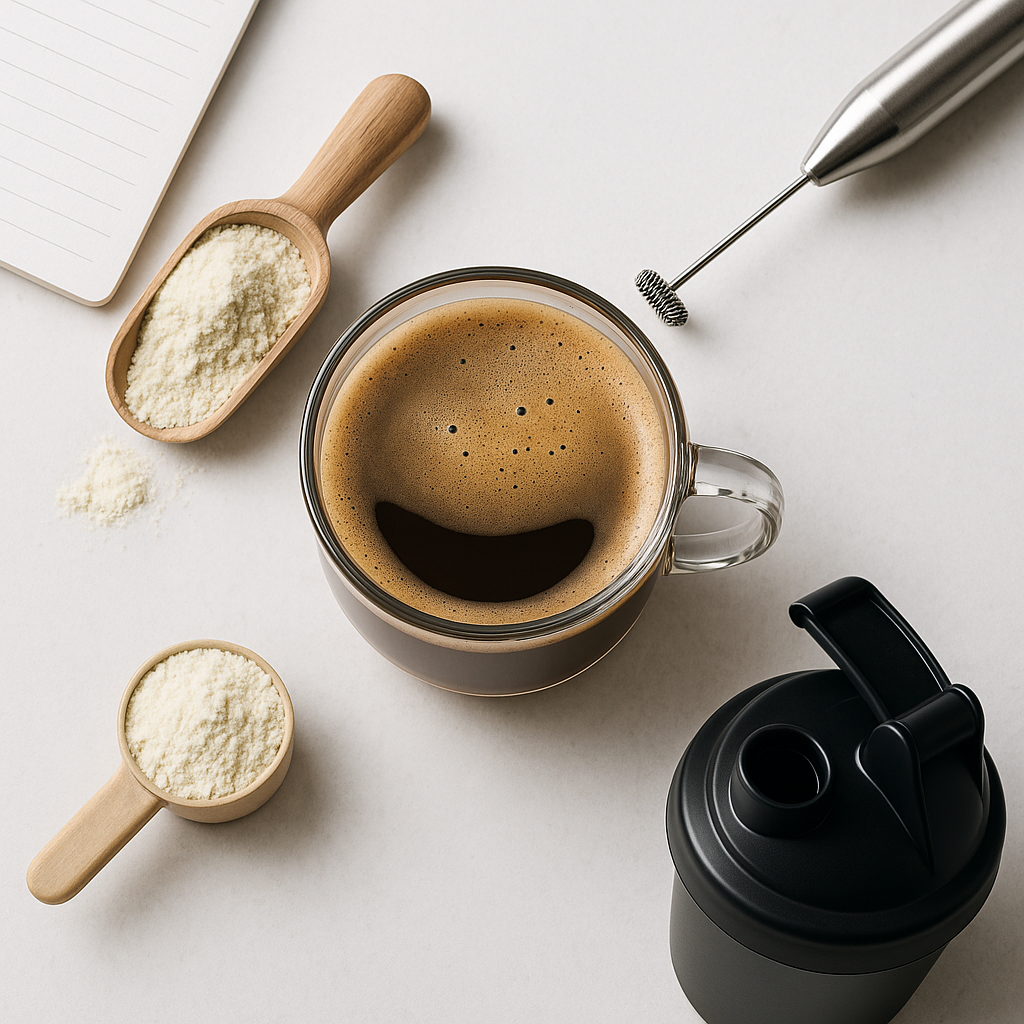
Protein coffee is a simple concept: a cup of coffee combined with a scoop of protein powder or a pre-made protein shake. This combination delivers two essential benefits—caffeine for energy and protein for satiety and muscle support.

According to Beth Linder-Moss, a certified sports nutritionist, this drink is especially useful for individuals who skip traditional breakfasts. “It provides a quick and effective way to get 25 to 30 grams of protein in the morning,” she explains. This makes it a practical option for anyone looking to streamline their morning routine without compromising nutritional intake.

Is It a Meal Replacement?

While convenient and nutritionally valuable, protein coffee should not be viewed as a complete substitute for a balanced meal. Registered dietitian Valerie Agyeman, host of the Flourish Heights podcast, advises that whole foods such as eggs, yogurt, or oats are still essential. However, for those who struggle with eating early in the day, protein coffee can serve as a bridge that provides energy and satiety until the first meal.

Why Is Protein Coffee Gaining Popularity?

1. Pre-Workout Utility

Protein coffee serves as an ideal pre-exercise beverage. The caffeine component enhances focus and energy, while the protein supports muscle maintenance and recovery. For early-morning workouts, it offers a convenient and light alternative to heavier meals.

2. Enhanced Flavor without Empty Calories

Using flavored protein powders such as vanilla, mocha, or chocolate can replace traditional creamers and syrups, adding taste without excess sugar or fat. Personal trainer and nutritionist Cara Carmichael notes that flavored protein powders offer a dual advantage: nutritional value and improved taste.

3. Better Digestive Experience

Some people find that black coffee alone causes jitteriness or digestive discomfort. Combining it with protein and a small amount of milk can reduce the harsh effects of caffeine, resulting in a smoother and more balanced beverage.

4. Supports Weight Management

A high-protein breakfast can stabilize blood sugar levels and reduce hunger throughout the day. Agyeman points out that proffee may help individuals maintain consistent energy levels and avoid unnecessary snacking, particularly during sedentary workdays.

How to Make Protein Coffee That Tastes Good

Proper preparation is key to a smooth and enjoyable result. Experts recommend the following steps:

Tools

  • Handheld frother

  • Blender

  • Shaker bottle with mixing ball

Ingredients

  • One cup of brewed coffee (hot or iced)

  • One scoop of high-quality protein powder (whey or plant-based)

  • Milk or plant-based milk (optional)

Method

  1. Mix the protein powder with a small amount of milk or water.

  2. Use a frother, blender, or shaker bottle to eliminate clumps.

  3. Combine with the brewed coffee and stir well.

For those seeking an extra caffeine boost, caffeinated protein powders are also available and can replace a second shot of espresso.

Recommended Products

  • Promix Madagascar Vanilla Whey Protein

  • Orgain Chocolate Plant Protein

  • Ka’Chava Nutrition Shake

  • Momentous 100% Plant Protein

  • Zulay Handheld Milk Frother

Final Thoughts

Protein coffee is more than a fleeting trend—it represents a practical, adaptable, and health-conscious evolution in coffee culture. It provides a means of combining daily caffeine consumption with nutritional goals, particularly for those leading fast-paced or fitness-focused lifestyles.

While not a replacement for balanced meals, protein coffee is a strong addition to a thoughtful daily routine. With the right ingredients and preparation, it delivers both taste and functionality in a single cup.