Novikov Café Dubai Unveils Tropical Summer Delights: Mango Crazy and Amalfi Lemon Take Center Stage

Dubai, 22-07-2025 (QW):- Novikov Café Dubai is turning up the heat this summer with the launch of two limited-edition desserts that blend tropical inspiration with culinary artistry. The newly introduced Mango Crazy and Amalfi Lemon promise a refreshing retreat from the summer sun—inviting guests to savour seasonal flavours in spectacular style.

Designed to delight both the eyes and palate, these innovative creations are a celebration of summer fruits, crafted with precision and a touch of playfulness.

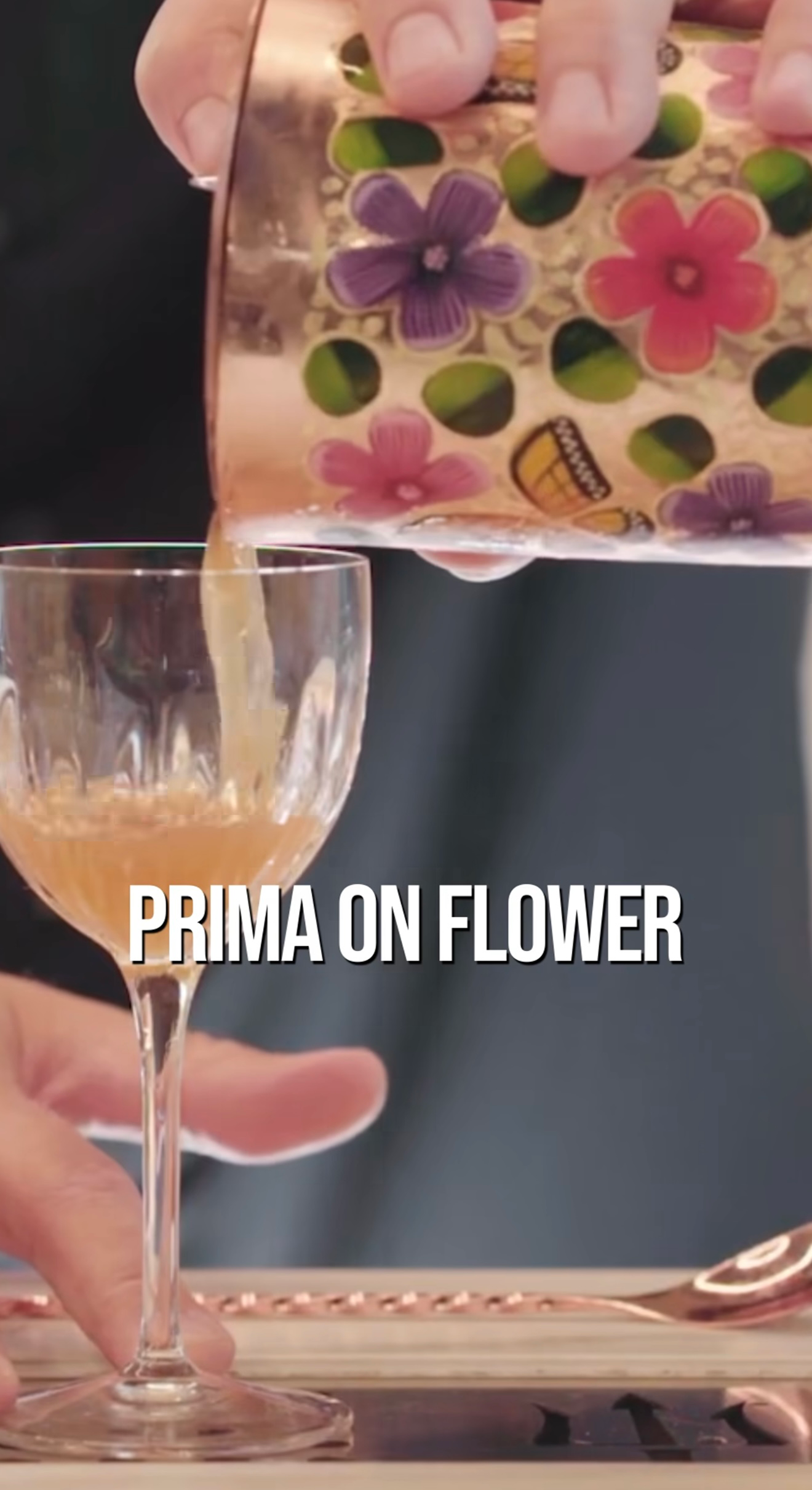
Mango Crazy pays homage to the mango—often hailed as the king of fruits. This tropical indulgence features a smooth mango mousse layered with tangy passionfruit compote and a light biscuit base, all enveloped in a glossy mango-shaped glaze. The result is a dessert that’s as elegant as it is exuberant.

For those craving citrusy freshness, Amalfi Lemon delivers a Mediterranean escape in every bite. Sculpted to mimic a real lemon, the dessert combines a creamy yuzu monte ganache with lemon and mint jam, complemented by white chocolate and served atop a bed of white chocolate crumble and fizzy candy. It’s a vibrant, zesty experience layered with texture and brightness.

Presented with artistic finesse and served daily at Novikov Café Dubai, located in the heart of Fashion Avenue, both desserts offer a perfect summer indulgence—whether as a midday treat or a stylish finish to a meal.

Available for a limited time only, these tropical creations are not to be missed as the summer season reaches its peak.

Is Coffee Helping or Hurting Your Heart? New Study Reveals Its Complicated Relationship with Blood Lipids

Dubai, 22-07-2025 (QW):- For many, coffee is more than just a morning ritual—it’s a daily lifeline. But a new comprehensive study spanning 15 years and over 12,000 participants raises important questions about whether this beloved beverage is quietly altering our cardiovascular health, for better or worse.

Researchers from the Chengdu University of Traditional Chinese Medicine have published one of the most detailed investigations to date into the relationship between coffee consumption and serum lipid profiles, using data from the U.S. National Health and Nutrition Examination Survey (NHANES) from 2005 to 2020. The findings, published in Frontiers in Nutrition, reveal a nuanced, gender-sensitive, and dose-dependent picture of how coffee interacts with key markers of cardiovascular health.

A Double-Edged Sword in a Cup

At the heart of the study lies a central paradox: coffee appears to both harm and help aspects of our lipid profile—a key determinant of heart disease risk.

On one hand, increased coffee consumption was associated with elevated levels of total cholesterol (TC) and low-density lipoprotein cholesterol (LDL-C), both well-established contributors to atherosclerosis and cardiovascular disease. Specifically, each additional cup of coffee per day was linked to a 1.23 mg/dL increase in TC and a 1.22 mg/dL rise in LDL-C. Among heavy drinkers (≥3 cups/day), the effect was more pronounced—up to 8.45 mg/dL higher in TC and 7.86 mg/dL higher in LDL-C compared to non-drinkers.

On the other hand, the beverage seemed to benefit levels of high-density lipoprotein cholesterol (HDL-C)—commonly known as “good” cholesterol—and triglycerides (TG), but only under certain conditions and primarily in specific gender groups. In women, HDL-C rose with coffee intake up to 2.6 cups/day before declining—a phenomenon the authors describe as an “inverted U-shaped curve.” In men, a similar non-linear relationship was found with triglycerides, which peaked at 3 cups/day before trending downward.

A Gendered Effect: Why Men and Women Respond Differently

This study is particularly valuable for highlighting gender differences in how coffee consumption affects lipid profiles—an area often underrepresented in nutritional research.

In men, the relationship between coffee and both total cholesterol and LDL-C followed a nonlinear curve: lipid levels increased steadily up to a threshold (5.3 cups/day for TC, 6.4 cups/day for LDL-C), after which the trend plateaued. The authors suggest that testosterone’s anti-inflammatory properties may play a protective role, counteracting the cholesterol-raising effects of coffee compounds like cafestol and kahweol.

In contrast, women did not exhibit such plateauing trends. However, they showed clear sensitivity in HDL-C levels, which improved with modest consumption (peaking at 2.6 cups/day) but declined at higher intake levels.

The Mechanism Behind the Brew

So why does coffee have these effects?

The researchers point to diterpenes—compounds found in unfiltered coffee like cafestol and kahweol—as the likely culprits for increasing LDL-C and total cholesterol. These compounds are known to interfere with liver enzymes that regulate cholesterol metabolism and bile acid production. On the beneficial side, moderate coffee consumption may stimulate HDL-C production, though this effect appears to be offset at higher doses, possibly due to inflammation.

Indeed, the study discusses inflammation as a key mechanism. Elevated coffee consumption has been associated with increases in inflammatory markers like C-reactive protein and IL-6, which in turn can suppress HDL-C levels. This suggests that moderate intake may offer anti-inflammatory benefits, while overconsumption may reverse them.

Filtered vs. Unfiltered, Additives, and Caffeine: What’s Missing

While the study provides rich insights, it also acknowledges key limitations. It does not differentiate between brewing methods (filtered vs. unfiltered), which significantly affect diterpene content. Nor does it control for additives like sugar, milk, or cream—common accompaniments that could also influence lipid levels. Additionally, the role of caffeine versus decaf remains unclear due to a limited sample of decaffeinated coffee drinkers.

A Call for Balanced Consumption

The study concludes with a cautionary yet balanced message: while coffee may offer some cardiovascular benefits, especially in moderation, excessive consumption poses measurable risks, particularly in raising LDL-C and total cholesterol.

Clinicians, nutritionists, and public health policymakers should consider these nuanced findings when issuing dietary advice. Importantly, recommendations should account for individual cardiovascular risk profiles, gender differences, and consumption patterns.

Why This Study Matters

This research is among the most comprehensive of its kind, using nationally representative U.S. data over 15 years and robust statistical methods including restricted cubic spline regression and sensitivity analyses. With cardiovascular disease still a leading cause of death globally, understanding the subtle ways in which dietary habits like coffee consumption shape our health is crucial.

For coffee lovers, the takeaway is not to quit the habit—but to drink wisely. For healthcare professionals, it offers fresh insights into how one of the world’s most consumed beverages could be a tool—or a trap—depending on how it’s used.

Summary: Coffee consumption influences blood lipid levels in complex, gender-specific ways. While moderate intake may boost “good” cholesterol and offer some protection, heavy consumption appears to raise “bad” cholesterol and total cholesterol. The balance of benefit versus risk may depend on how much—and how—you drink.

Explore the full study here.

Barista Terminology | Episode 9: Sensory Evaluation

We’re thrilled to continue our “Barista Terminology” series on QahwaWorld.com—your go-to resource for mastering the craft of coffee. In Episode 9, we delve into the art of Sensory Evaluation, the professional practice of tasting coffee with intention and precision. From aroma and acidity to mouthfeel and aftertaste, this episode introduces the essential language baristas use to evaluate quality and uncover the unique character of every cup. Whether you’re developing your palate or deepening your sensory skills, these terms are key to truly understanding coffee.

Tasting coffee is more than just a sip — it’s a professional process of assessing aroma, flavor, texture, and aftertaste. Sensory evaluation allows baristas to identify quality, detect defects, and appreciate the depth of a coffee’s profile. In this episode, we explore the essential sensory terms used to describe and evaluate coffee in the most refined way.

1. Aroma

The smell of brewed coffee. It includes notes like floral, fruity, nutty, spicy, caramel, and chocolate. Aroma gives the first impression of a coffee’s character.

2. Flavor

The overall combination of taste and aroma. A complete flavor profile considers acidity, sweetness, bitterness, and balance.

3. Acidity

Often misunderstood — acidity is a positive trait when it brings brightness and vibrancy to the cup. It can be described as crisp, lively, or juicy.

4. Sweetness

A natural taste that softens acidity and bitterness. Sweetness suggests proper ripening and careful processing.

5. Bitterness

A basic taste that can add depth when balanced but becomes unpleasant if overpowering. Often linked to dark roasts or over-extraction.

6. Balance

The harmony between acidity, sweetness, and bitterness. A balanced cup has no single dominant trait.

7. Complexity

Describes a coffee with multiple, distinct flavors that unfold over time — for example, a mix of berries, spices, and floral notes.

8. Body

The physical weight or texture of coffee in the mouth. It can be light, medium, or full-bodied.

9. Mouthfeel

The tactile experience of coffee on the palate — creamy, smooth, gritty, or watery.

10. Aftertaste

The flavor that remains after swallowing. Can be pleasant (sweet, clean) or undesirable (bitter, ashy).

11. Clarity

How distinctly the coffee’s flavors are perceived. High clarity reveals the true nature of the bean and origin.

12. Clean Aftertaste

A lingering finish that leaves no off-flavors. Indicates proper processing and brewing.

13. Intensity

Refers to the strength or vividness of the flavor. A high-intensity coffee is bold and expressive; low intensity may feel flat or muted.

14. Uniformity

Consistency across multiple cups or sips of the same brew. Important in cupping and quality control.

15. Defects

Unpleasant flavors like moldy, fermented, or rubbery notes. Usually caused by poor processing, storage, or roasting.


Related Stories:

Barista Terminology | Episode 8: Customer Service Language in the Café

Barista Terminology | Episode 7: Water & Temperature Control

Barista Terminology | Episode 6: Grind & Extraction Variables

Barista Terminology | Episode 5: Milk Texturing & Latte Art

Barista Terminology | Episode 4: Brew Methods Explained

Barista Terminology | Episode 1: The Coffee Bean – From Seed to Roast

Barista Terminology | Episode 2: Barista Tools & Equipment

Barista Terminology | Episode 3: Espresso Basics

Arabica Coffee Prices Decline Amid Harvest Pressure in Brazil

Dubai, 20-07-2025 (QW):- Arabica coffee futures fell on Friday, weighed down by accelerated harvest activity in Brazil. September Arabica contracts (KCU25) closed down 1.17% at -3.60, while September Robusta futures (RMU25) rose 1.09%, gaining +36.

Brazil’s 2025/26 coffee harvest is progressing rapidly. As of July 16, the harvest was 77% complete—ahead of last year’s 74% and the 5-year average of 69%—according to Safras & Mercado. Robusta harvesting reached 93%, while arabica was at 67% as of July 9. Cooxupé, Brazil’s largest coffee cooperative and exporter, reported that its members had completed 49.3% of their harvest by July 11.

Earlier in the week, arabica prices saw gains on weather concerns. Somar Meteorologia reported that Minas Gerais, Brazil’s largest arabica-producing region, received no rainfall during the week ending July 12, raising fears of drought stress.

Meanwhile, robusta futures received support from short covering. ICE Futures Europe reported that speculative short positions in robusta increased by 1,163 contracts to 1,294—marking the highest level in two years.

Inventory changes also influenced market sentiment. Robusta inventories monitored by ICE rose to a 10-month high of 5,995 lots on Friday. In contrast, arabica stocks dropped to a 2.5-month low of 814,055 bags, down from a 5.5-month high of 892,468 bags recorded in late May.

Exports data offered mixed signals. Brazil’s green coffee exports for June declined 31% year-over-year to 2.3 million bags. Arabica exports dropped 27% to 1.8 million bags, while robusta exports plunged 42% to 476,334 bags, according to Cecafé.

Geopolitical developments also affected arabica prices. Last week, U.S. President Donald Trump announced a 50% tariff on U.S. imports from Brazil, effective August 1, sparking concerns over supply disruptions from the world’s largest arabica producer.

Looking ahead, expectations of abundant global supply continue to exert downward pressure. On June 25, the USDA’s Foreign Agricultural Service projected Brazil’s 2025/26 coffee production to rise by 0.5% to 65 million bags. Vietnam’s output is forecasted to increase by 6.9% to a 4-year high of 31 million bags. Brazil leads global arabica production, while Vietnam dominates robusta output.

Vietnam’s recent drought significantly impacted yields. The country’s 2023/24 crop shrank 20% year-over-year to 1.472 million metric tons (MMT), the smallest in four years. Coffee exports in 2024 dropped 17.1% to 1.35 MMT. The Vietnam Coffee and Cocoa Association cut its 2024/25 production estimate to 26.5 million bags, down from 28 million. However, the country’s coffee exports rose 4.1% year-over-year to 943,000 MT in the first half of 2025.

The USDA’s global outlook for 2025/26 is also bearish. World coffee production is expected to grow by 2.5% to a record 178.68 million bags. While arabica output is forecasted to decline by 1.7% to 97.02 million bags, robusta is expected to rise 7.9% to 81.66 million bags. Ending stocks are projected to climb 4.9% to 22.82 million bags.

Despite the broader outlook, Volcafe projects a global arabica deficit of 8.5 million bags for 2025/26—wider than the previous year’s 5.5 million bag shortfall and marking the fifth consecutive year of arabica deficits.

backend.qahwaworld.com

From Bean to Pond: Coffee Parchment Emerges as Sustainable Feed for Tilapia Farming

A new scientific breakthrough has uncovered a novel use for one of coffee’s most overlooked by-products. Researchers from Chiang Mai University have demonstrated that coffee parchment, the papery husk surrounding coffee beans, can serve as a functional feed additive in aquaculture — with significant benefits for Nile tilapia.

Published in the peer-reviewed journal Scientific Reports, the study shows that incorporating modest amounts of coffee parchment into fish feed not only improves growth and feed efficiency but also strengthens the immune system and enhances gut microbiota. The findings align with broader sustainability goals by transforming coffee waste into a valuable asset for the aquaculture sector.

Turning Coffee Waste into Aquafeed

Coffee parchment, a fibrous layer removed during the post-harvest process, makes up around 12% of the coffee cherry’s weight and is typically discarded. Despite its rich content of fiber and bioactive compounds such as polyphenols, caffeine, and flavonoids, its potential applications have remained largely untapped — until now.

In this eight-week feeding trial, scientists evaluated the effects of varying levels of parchment (0, 5, 10, 20, and 40 grams per kilogram of feed) on 300 Nile tilapia fingerlings reared in a biofloc system, an environmentally friendly aquaculture method that recycles organic matter through microbial activity.

Growth and Immunity Enhanced at Optimal Doses

The results were striking. Fish that received 5 g/kg of coffee parchment (CP5 group) exhibited:

  • Significant increases in weight gain and feed conversion efficiency

  • Higher survival rates

  • Upregulation of genes linked to growth, such as ghrelin and galanin

Importantly, the CP5 group also showed marked improvement in immune responses:

  • Elevated lysozyme and peroxidase activity in both skin mucus and blood serum

  • Enhanced expression of immune-related genes including IL-1β, TNF-α, NFkB, and MHC II-α

Regression analysis identified an optimal dosage range of 15.06–19.86 g/kg, beyond which the benefits declined, likely due to the high fiber content limiting nutrient absorption.

A Healthier Gut Microbiome

The study also revealed profound effects on the fish gut microbiome. Notably:

  • The CP10 group displayed the highest microbial diversity

  • A significant reduction in Proteobacteria, a phylum associated with inflammation

  • An increase in Cetobacterium, a beneficial genus linked to vitamin B12 production and improved digestion

These changes suggest that coffee parchment may act as a prebiotic, supporting a healthier intestinal environment — a key determinant of fish health and performance.

Environmental and Economic Implications

With global coffee production expected to exceed 172 million 60-kg bags in 2024–25, the industry generates an estimated 6 million tons of organic waste each year. The majority of this by-product ends up in landfills or is incinerated.

By repurposing parchment for aquaculture feed, this research offers a scalable solution that:

  • Reduces environmental waste

  • Cuts feed costs in fish farming

  • Supports a circular economy by reintegrating agro-industrial by-products

The Role of Biofloc Systems

The integration of coffee parchment was especially effective in the biofloc system, which is gaining popularity for its ability to minimize environmental impact while improving nutrient cycling.

In this study, coffee parchment not only served as a feed additive but also contributed carbon to the floc environment, stimulating microbial activity and reducing nitrogen waste — reinforcing its role as a dual-function input.

Next Steps for Validation

While the results are promising, the authors note that further studies are needed:

  • In commercial aquaculture settings

  • Over longer production cycles

  • Including pathogen challenge tests to confirm disease resistance benefits

They also recommend exploring higher dosage thresholds and metabolomic analyses to better understand how coffee parchment modulates fish physiology.

Conclusion

This pioneering research opens the door to a sustainable, science-backed application of coffee waste — one that benefits aquaculture, reduces environmental burden, and adds value to the global coffee supply chain. Coffee parchment, once a discarded husk, may soon find itself at the center of a greener, more efficient food system.

backend.qahwaworld.com

Study Reference:
Hien Van Doan et al., “Impacts of coffee parchment on growth, immunity, and gut microbiota of Nile tilapia in biofloc system,” Scientific Reports (2025) 15:25057. https://doi.org/10.1038/s41598-025-03109-1

Coffee and the Sleeping Brain: New Study Reveals How Caffeine Alters Nighttime Brain Activity

A groundbreaking study reveals how just two afternoon cups of coffee can disrupt deep sleep and reshape brain activity — especially in young adults.

If you’re in the habit of enjoying coffee in the afternoon, you might want to reconsider. A recent study conducted by researchers at the University of Montréal and published in Communications Biology found that even moderate doses of caffeine after midday can significantly alter how the brain functions during sleep — particularly in the crucial non-REM stages, which are responsible for the body’s restoration.

The study goes far beyond typical sleep hygiene advice. It details, with scientific precision, how caffeine affects the structure of brain activity and highlights age-related differences in how this stimulant disrupts our sleep cycles.

Inside the Study: How It Was Conducted

The research team recruited 40 healthy adults aged between 20 and 58, all with moderate caffeine habits. Each participant spent two nights at a sleep lab under carefully controlled conditions:

  • On one night, participants consumed 200 mg of caffeine — the equivalent of about two cups of coffee.

  • On the other, they were given a placebo.

  • Neither the participants nor the researchers knew which treatment was administered on which night (a double-blind study).

During both nights, the team monitored each subject’s brain activity using electroencephalography (EEG) — a tool that captures electrical signals in the brain while sleeping.

A Hyperactive Brain During Sleep

The EEG readings revealed remarkable changes when participants consumed caffeine:

  • Brain signals were more random and complex, especially during non-REM sleep, which is the stage where deep rest and body repair typically occur.

  • Brain activity appeared to resemble a “critical state,” a condition of heightened responsiveness often seen during wakefulness.

  • Non-REM sleep became shallower, reducing the depth and effectiveness of recovery.

“Caffeine delays but does not prevent sleep,” said lead researcher Prof. Philipp Thölke. “Even though we can sleep under the influence of caffeine, the brain — and therefore also sleep — is impacted. It leads to shallower sleep with increased information processing during the sleep stages where the brain normally enters deep restorative rest.”

Younger Adults Are More Vulnerable

Interestingly, the study found that age plays a major role in how caffeine impacts sleep. Among participants:

  • Younger adults (ages 20–27) were more strongly affected during REM sleep, the stage associated with dreaming and emotional processing.

  • Older participants (ages 41–58) showed less disruption during REM, which researchers believe may be due to age-related changes in adenosine receptors — brain structures that regulate sleep pressure.

Caffeine blocks adenosine receptors, which is how it keeps us alert. Since older adults have fewer of these receptors, caffeine’s effects are somewhat blunted in this group — at least during REM sleep. However, the disruption of non-REM sleep was observed across all age groups.

Why This Matters

While caffeine is consumed daily by billions, this study highlights that even a modest amount taken after noon can significantly alter the structure and quality of sleep. Over time, this can contribute to:

  • Chronic fatigue

  • Weakened immune function

  • Impaired memory and cognitive performance

  • Increased risk of heart disease, diabetes, and mood disorders

Sleep experts have long warned that sleep is not just about duration — depth and brain rhythm are equally important, and caffeine interferes with both.

Important Caveats

  • The study was conducted exclusively on healthy adults with no diagnosed sleep disorders.

  • It may not apply to people with neurological or psychiatric conditions like Parkinson’s disease, insomnia, or anxiety.

  • Individual sensitivity to caffeine varies and may be influenced by genetics and long-term habits.

Final Takeaway: Rethinking Your Coffee Cutoff Time

So when should you stop drinking coffee? While there’s no universal answer, this study reinforces a common rule of thumb: avoid caffeine after noon if you want to ensure deeper, more restorative sleep.

You don’t need to give up coffee — but you should be mindful of when you consume it.

Sources

Barista Terminology | Episode 8: Customer Service Language in the Café

We’re excited to continue our “Barista Terminology” series on QahwaWorld.com—your guide to mastering essential coffee concepts and café communication. In Episode 8, we shift our focus from brewing tools to human connection, exploring the key customer service terms that shape the hospitality experience in cafés. From “dine-in” to “guest experience,” this episode breaks down the language baristas use to ensure service is smooth, professional, and warmly memorable. Whether you’re new behind the bar or refining your service style, these terms are the foundation of great customer interaction.

Great coffee is only part of the café experience. How a barista communicates with guests — from the moment they enter to the moment they leave — defines hospitality. In this episode, we explore key customer service terms and phrases used in café environments to ensure efficiency, clarity, and warmth in daily interactions.

1. Dine-In

A customer who will enjoy their coffee at the café. Orders are typically served in ceramic cups.

2. Takeaway

A customer who wants their order to-go. Drinks are usually served in disposable cups.

3. Order Queue

The list or sequence of pending orders. Helps baristas organize workflow and prioritize drinks.

4. Call Out

Announcing a customer’s name or order when it’s ready. Often used in busy cafés to avoid confusion.

5. Modifiers

Customizations or changes a customer requests, such as extra milk, decaf, no sugar, or plant-based alternatives.

6. Double

A request for a double shot of espresso instead of a single — common in milk-based drinks like lattes.

7. Upselling

A polite suggestion to enhance the customer’s order, such as adding a pastry, using premium beans, or upgrading to a larger size.

8. Regulars

Customers who visit frequently and are familiar with the menu and staff. Building rapport with them improves loyalty and atmosphere.

9. Allergen Alert

Flagging ingredients like nuts, soy, or dairy that may cause allergic reactions. Essential for customer safety.

10. Wait Time

Estimated time a customer will wait for their order. Good communication reduces frustration and manages expectations.

11. Customer Flow

Refers to the pattern of how customers move through the café — from entrance, to order point, to pickup or seating. Important for layout and efficiency.

12. Smile in the Voice

A service expression meaning to speak warmly and helpfully, especially when customers cannot see your face (e.g., over the phone or behind a mask).

13. Bar Call

Communication between baristas (e.g., “Double cappuccino for here!”). Helps coordinate timing and clarity.

14. Last Call

A final notice before closing time, informing customers that the café will close soon and last orders should be placed.

15. Guest Experience

The overall impression a customer has from their visit — includes service, cleanliness, friendliness, and coffee quality.

Related Stories:

Barista Terminology | Episode 7: Water & Temperature Control

Barista Terminology | Episode 6: Grind & Extraction Variables

Barista Terminology | Episode 5: Milk Texturing & Latte Art

Barista Terminology | Episode 4: Brew Methods Explained

Barista Terminology | Episode 1: The Coffee Bean – From Seed to Roast

Barista Terminology | Episode 2: Barista Tools & Equipment

Barista Terminology | Episode 3: Espresso Basics

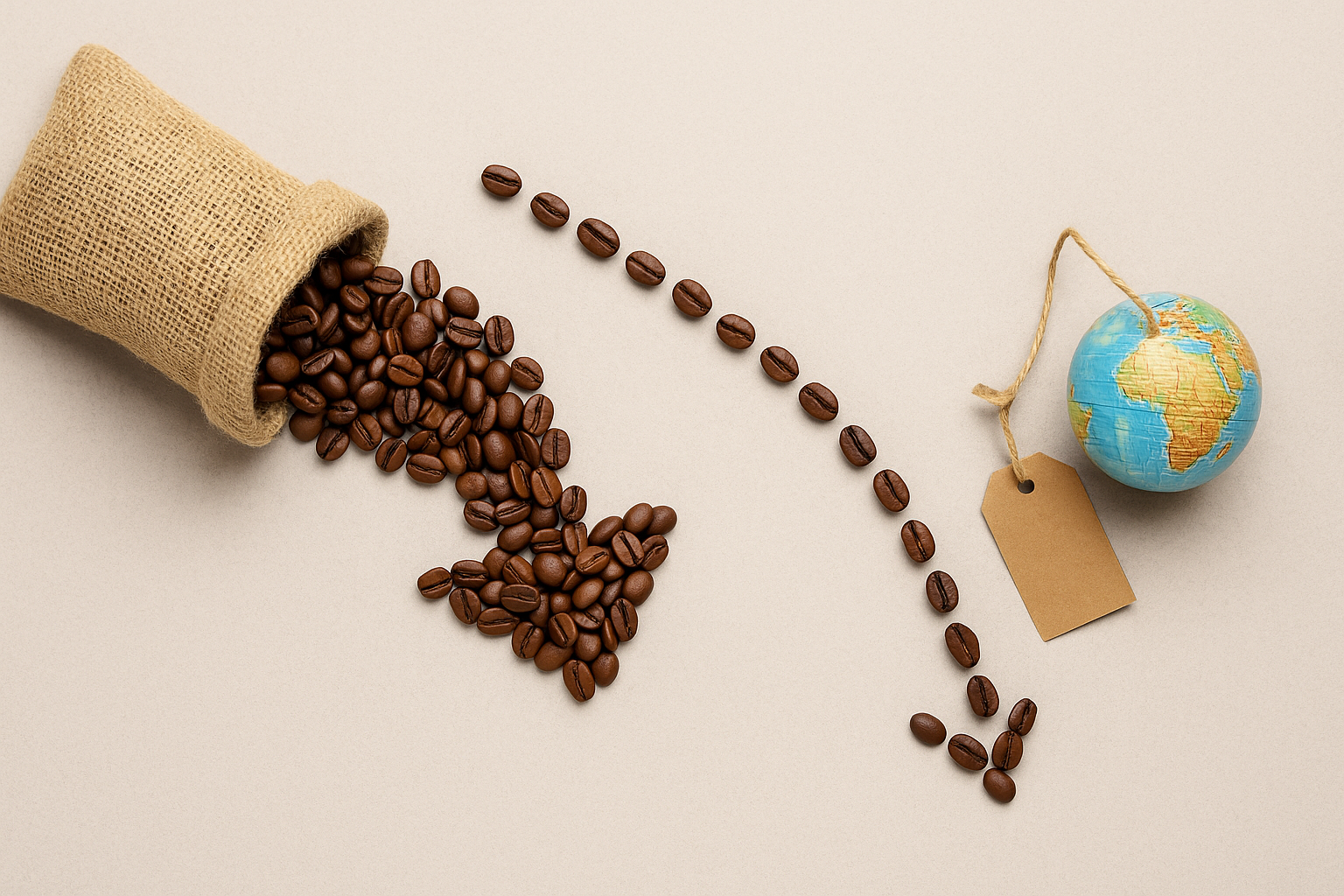
U.S. Tariffs Shake Global Coffee Trade as Key Partners Face New Levies

The United States is once again sending shockwaves through the global coffee industry as the Trump administration rolls out new tariff policies that threaten to upend long-established trade flows. In just one week, a series of tariff-related announcements have cast uncertainty over major coffee-exporting nations—including Brazil, Indonesia, Vietnam, and China’s African trade relations—raising serious concerns among green coffee importers, roasters, and retailers in the U.S.

 Who Pays the Price?

It’s important to note that these tariffs are not paid by exporting countries but by U.S. importers, who must remit the tariffs to U.S. Customs and Border Protection before the goods are cleared. In the specialty coffee sector—where profit margins are already tight—these costs are expected to trickle down to roasters and ultimately to consumers.

U.S.–Indonesia: Tariff Deal Finalized at 19%

On July 15, former President Donald Trump confirmed a tentative agreement with Indonesia, finalizing a 19% tariff on Indonesian imports to the United States. This is a reduction from the previously threatened 32% rate announced in April.

The agreement reportedly includes broader trade components, with Indonesia committing to purchase U.S. energy, agricultural products, and Boeing aircraft. However, Indonesian coffee is not exempt from the new tariffs, which are slated to take effect August 1.

As the world’s fourth-largest coffee producer and third-largest Robusta supplier, Indonesia plays a vital role in the global supply chain. In the 2024/25 cycle, the U.S. imported approximately 726,000 60-kg bags of coffee from Indonesia.

50% Tariff Threat on Brazilian Imports

In a more severe move, the Trump administration has proposed a sweeping 50% tariff on all goods imported from Brazil—the world’s largest coffee-producing country—also set to begin August 1.

Brazil supplies roughly 30% of all green coffee consumed in the United States. A tariff of this magnitude would significantly raise import costs and has already sparked alarm within the industry.

The Brazilian Council of Coffee Exporters (CECAFÉ) warned that such a policy would inevitably lead to higher prices for U.S. roasters and consumers, who rely heavily on Brazilian Arabica and Robusta beans for everything from espresso blends to instant coffee.

China Expands Duty-Free Access for African Coffee

In a move that could reshape African coffee exports, China announced plans to eliminate all tariffs on goods imported from all 53 African countries with which it maintains diplomatic relations.

This follows a December 2024 policy that removed tariffs for 33 Least Developed Countries (LDCs) on the continent. The new extension brings 20 additional nations into China’s preferential trade framework.

Analysts believe the decision could significantly boost African coffee exports to China—a rapidly growing consumer market—potentially diversifying revenue streams for coffee-producing nations like Ethiopia, Uganda, Kenya, and Rwanda.

Vietnam Tariff Holds at 20%

After months of uncertainty and the threat of a 46% tariff, the U.S. and Vietnam reached an agreement earlier this month to implement a 20% import tariff, effective August 1. As with Indonesia and Brazil, coffee is not excluded from this policy.

Vietnam is the world’s second-largest coffee producer, specializing in Robusta, and the U.S. is its second-largest export market, trailing only Germany.

The new tariff is expected to increase costs for U.S. roasters that rely on Vietnamese Robusta for instant coffee blends and commercial-grade espresso.

A Brewing Crisis for Importers and Roasters

These developments mark a volatile moment for the U.S. coffee industry. With four major supplier nations facing tariffs and no clear exemptions for coffee, the market is bracing for price increases, sourcing disruptions, and supply chain realignments.

For small importers and specialty roasters—many of whom operate on thin margins—the financial impact could be significant. Some may be forced to pass rising costs on to cafés and consumers, while others could reconsider sourcing strategies altogether.

As August 1 approaches, the global coffee sector is watching closely. The decisions made in Washington, Brasília, Jakarta, Hanoi, and Beijing could define the pricing, sourcing, and availability of coffee in the U.S. for years to come.

Coffee Buckets Are Overflowing — And So Is the Internet: Inside 2025’s Boldest Café Trend

In an age where coffee culture meets digital virality, a bold new beverage format is taking the spotlight: the coffee bucket. This supersized drink, often holding between 1 to 1.5 liters of iced latte, cold brew, or flavored coffee, has rapidly moved from a social media curiosity to a retail reality, reshaping café menus and consumer habits across multiple countries.

From Seoul and Bangkok to Connecticut and Oregon—and now making inroads into the Gulf—bucket-sized coffee is no longer just a novelty. It’s a booming trend that reflects the growing intersection of experience-based consumption, social media dynamics, and coffee’s ever-adaptable identity.

A Trend Born for the Algorithm

The origin of the coffee bucket is widely traced to Southeast Asia, where cafés in Thailand and South Korea began serving iced drinks in literal plastic or acrylic buckets—complete with lids, handles, and jumbo straws. These drinks were often creatively topped with whipped cream, colorful syrups, marshmallows, or even entire slices of cake.

The visual impact was immediate and irresistible: a drink so exaggerated in size and style that it demanded attention on platforms like TikTok and Instagram. Young consumers, especially Gen Z, embraced it not only for its shareability but also for the communal experience it offered—bucket drinks are often enjoyed by two or more people.

By 2024, the trend had crossed continents. In the United States, a coffee shop in Waynesville, Ohio—Taylor’s Coffee & Creamery—launched a 34-ounce “Coffee Bucket” for Independence Day, featuring four shots of espresso, milk, and flavored syrups. The product sold out within hours and has since become a daily staple for the shop, often posted online by eager customers.

The Industry Response: Pragmatic Optimism

While some in the specialty coffee community have raised eyebrows over the trend’s perceived excess, many café operators are embracing it as a business opportunity. High-margin, high-volume, and irresistibly photogenic, the coffee bucket offers cafés a creative way to stand out in a competitive market—especially during the summer.

“We’ve seen a 30% increase in foot traffic since launching our 36-ounce buckets,” says a café manager in Connecticut, where several local businesses now offer their own interpretations. “It’s not just a drink—it’s a moment.”

Others see it as a gateway to broader experimentation. Several shops in the UAE are reportedly testing “Arabic coffee buckets” with saffron milk, while in Indonesia and Malaysia, there are emerging versions that blend cold brew with condensed milk and tropical fruits.


The Critics: Questions of Quality and Sustainability

Despite its popularity, the coffee bucket trend is not without controversy. Specialty coffee professionals argue that the massive format risks diluting the principles of origin-focused, carefully measured brewing. “You lose balance when the serving size becomes the spectacle,” notes a certified Q Grader based in Dubai.

Environmentalists, too, have voiced concerns—particularly over the use of disposable plastic containers. In response, some cafés have begun introducing reusable or stainless-steel bucket options, offering discounts for return customers or cup-sharing programs to mitigate waste.

More Than a Gimmick?

Analysts suggest that the coffee bucket trend taps into larger shifts in consumption. Post-pandemic consumer behavior shows strong preference for immersive, memorable experiences—especially those that translate well to digital platforms. In this context, a bucket-sized iced latte becomes more than a drink; it becomes a story, an image, a moment of identity.

Moreover, the trend reflects the blending of traditional coffee culture with contemporary pop aesthetics. “We’re witnessing a new wave,” says a café consultant in Singapore. “Where the third wave focused on flavor and origin, this new phase is driven by personalization, spectacle, and emotional engagement.”

A Future Full of Flavor—and Volume

While it’s too early to say whether coffee buckets will become a long-term fixture or fade like previous fads (remember dalgona?), what’s clear is that they’ve captured the imagination—and wallets—of a global audience.

Cafés that adapt creatively and responsibly may find in this trend a powerful tool for both marketing and community building. And for consumers? The coffee bucket is a reminder that even in a craft-focused industry, joy, fun, and a little exaggeration still have a place in the cup.


Traders Rush to Land Brazilian Coffee in U.S. Before 50% Tariff Takes Effect

Coffee traders are racing to ship Brazilian coffee into the United States before a new 50% tariff—announced by former President Donald Trump—takes effect on August 1. The rush comes as U.S. consumer prices continue to rise, and coffee importers scramble to avoid steep cost increases.

Some companies are rerouting vessels mid-journey and canceling planned stops to ensure their cargo arrives before the deadline. Others are redirecting coffee stockpiled in Canada or Mexico to the U.S. market. U.S. importers have already begun adjusting wholesale prices in anticipation of the tariff.

“We redirected some shipments to arrive sooner in the U.S., but not all cargos could be accelerated,” said Jeff Bernstein, managing director at RGC Coffee.

The U.S. imports about a third of its coffee from Brazil—the largest supplier—while producing only around 1% domestically. The market had already seen a sharp rise in prices due to a 70% spike last year caused by production shortages. The new tariff is expected to push prices even higher.

“It’s a form of taxation hurting American businesses,” said Steve Walter Thomas, CEO of Lucatelli Coffee. “This tariff is an existential threat to importers like me.”

Brazilian coffee cooperative Expocacer confirmed that contracts scheduled for delivery after August 1 cannot be renegotiated. “The tax is internal to the U.S., so the importer bears the cost and passes it to consumers,” said Expocacer President Simao Pedro de Lima.

If the tariff is implemented, global coffee trade flows may be reshaped. Brazilian beans may be redirected to Europe and Asia, while the U.S. turns to suppliers in Africa and Central and South America. However, traders warn that such a transition will be expensive and logistically complex.

One unnamed trader noted that Brazilian beans are critical to blends used by major coffee chains such as Dunkin’ Donuts, Tim Hortons, and Starbucks. None of the companies responded to requests for comment.

The U.S. National Coffee Association declined to comment on the tariff but emphasized that coffee is a daily essential for two-thirds of American adults. The association has formally requested the Trump administration to exempt coffee from the new tariff list.

Black Rifle Coffee Company (BRC Inc.) Announces Proposed Public Offering of Class A Common Stock

BRC Inc. (NYSE: BRCC), the Veteran-founded company behind Black Rifle Coffee, has announced the commencement of an underwritten public offering of its Class A Common Stock, marking a strategic move to bolster its capital base amid continued brand growth and market momentum.

According to the company’s statement issued Wednesday, the offering will include a 30-day option for the underwriter to purchase up to an additional 15% of the shares offered, allowing flexibility depending on investor demand. The size and pricing of the offering have not yet been disclosed and remain subject to market conditions.

D.A. Davidson & Co. has been appointed as the sole book-running manager for the offering.

The sale is being conducted under an existing shelf registration statement filed by BRC Inc. with the U.S. Securities and Exchange Commission (SEC) on March 21, 2023, and declared effective on March 30, 2023. A preliminary prospectus supplement and accompanying prospectus have been filed with the SEC and are available via www.sec.gov.

Interested investors may also obtain copies of the preliminary prospectus from D.A. Davidson & Co., Syndicate Department, 8 Third Street North, Great Falls, MT 59401, by phone at (800) 332-5915, or by emailing [email protected].

The company emphasized that the announcement does not constitute an offer to sell or a solicitation to buy, and that no sale of securities will occur in any jurisdiction where such an offer would be unlawful without appropriate registration.

Strategic Context

The move comes as Black Rifle Coffee Company continues to expand its footprint in the premium beverage segment, capitalizing on a loyal consumer base and a mission-driven brand identity rooted in military values. Founded by former Green Beret Evan Hafer in 2014, the company has built a distinctive lifestyle brand that resonates with Veterans, first responders, and patriotic consumers across the United States.

BRC Inc. has positioned itself at the intersection of e-commerce, retail expansion, and direct-to-consumer coffee culture. While no specific use of proceeds was disclosed in the preliminary documents, capital raised from the offering could support further expansion of the company’s product lines, physical stores, or media content initiatives.

Cautionary Note

In line with SEC regulations, the company also issued a forward-looking statement disclaimer, citing market risks and uncertainties. These include the possibility that the offering may not be completed or may be altered in scope depending on demand and regulatory approvals. Key risk disclosures are available in BRCC’s most recent annual and quarterly reports filed with the SEC.

Black Rifle Coffee Company at a Glance

  • Founded: 2014

  • Founder: Evan Hafer (Green Beret Veteran)

  • Ticker Symbol: NYSE: BRCC

  • Headquarters: Salt Lake City, Utah

  • Mission: Deliver premium coffee while supporting Veterans, active-duty military, and first responders

Balance in the Cup: The Hidden Science of Coffee Harmony

In the world of specialty coffee, few words are praised as often — and understood as little — as “balance.” Baristas champion it. Roasters chase it. Judges score it. But what does balance in coffee really mean?

To the untrained ear, balance may sound like neutrality, a lack of extremes. But to the sensory professional or curious enthusiast, balance is something much deeper — a dynamic harmony between opposing forces: sweet and bitter, acidic and smooth, sharp and mellow. It is not about muting flavors but orchestrating them.

From Biology to the Brew: Understanding Taste

Our experience of balance begins with biology. The human tongue detects four primary tastes: sweet, sour, salty, and bitter. Each is sensed more intensely in specific regions of the tongue — sweetness at the tip, bitterness at the back, and saltiness and sourness along the sides.

But coffee, like wine, is more than the sum of its taste parts. It is shaped by interactions — modulations — that change how we perceive those core flavors. Acidity can amplify sweetness, salt can mellow bitterness, and sugar can mask sharp sour notes. These taste interactions are where the magic of balance begins.

The Six Modulations: Crafting a Cohesive Cup

According to sensory research and practices endorsed by the Specialty Coffee Association, six primary taste interactions determine the flavor profile of a cup:

  1. Acids + Sugars → Acidy
    A bright, juicy cup — like a lightly roasted Ethiopian — where acidity enhances fruity sweetness.

  2. Salts + Sugars → Mellow
    Found in low-acid or Brazilian coffees, where natural salts soften sharpness and smooth out the flavor.

  3. Sugars + Acids → Winey
    Prominent in fermented or honey-processed coffees. Sweetness softens acidity, evoking wine or dried fruit notes.

  4. Sugars + Salts → Bland
    When sugar dominates too much, the cup feels flat and underwhelming. Complexity is lost.

  5. Acids + Salts → Sharp
    A common issue in underdosed espresso or overly bright brews. Lacking sweetness, the acidity and saltiness clash.

  6. Salts + Acids → Soury
    Overly mineral-heavy or dark roasted coffees may dampen acidity, leading to a dull finish.

These modulations aren’t just curiosities. They’re tools for roasters, baristas, and tasters who want to shape a balanced experience. And they underscore a critical truth: balance isn’t accidental — it’s engineered.

The Roaster’s Role: Designing for Balance

In the roastery, balance begins with green coffee selection. A washed Guatemalan coffee with bright acidity may be paired with a naturally processed Brazil for body and sweetness. Roast curves are carefully adjusted to retain or mute specific acids. Post-roast, blending becomes a strategic act of flavor engineering.

And yet, balance is not reserved for blends. A single-origin can be balanced too — if the inherent sugars, acids, and salts are in the right proportion, and the roast development nurtures their harmony.

Barista and Brewer: The Final Sculptor

Once roasted, brewing becomes the final step in modulating balance. Brew ratio, temperature, grind size, and water quality all influence how each taste emerges. Too coarse, and sweetness is lost. Too fine, and bitterness overwhelms. A well-calibrated pour-over reveals not only the origin but also the balance that was coaxed throughout the process.

Why Balance Matters

In coffee competitions, balance is often the deciding factor between a high-quality cup and a great one. It reflects a coffee’s completeness — a seamless transition from start to finish, with no single note dominating. A balanced cup feels structured, intentional, and elegant.

For everyday drinkers, balance matters because it makes coffee enjoyable. A well-balanced brew is more forgiving, more memorable, and more emotionally satisfying. It doesn’t fatigue the palate or require explanation. It simply feels “right.”

Final Brew Thought

As coffee drinkers, we’ve learned to praise complexity and intensity. But complexity without balance can feel chaotic. True balance is the mark of craftsmanship — from farm to roastery to cup.

In the words of seasoned cuppers, the best coffee doesn’t just taste good — it feels whole.