Global Coffee Prices Surge Due to Climate Challenges

Global coffee prices have experienced a significant surge, driven by adverse weather conditions in major coffee-producing countries, according to multiple sources including Bloomberg, DW, Nasdaq, and Food Digital.

In the first half of 2024, the price of robusta coffee rose by 40%. This sharp increase is attributed primarily to a prolonged drought in Vietnam, the largest exporter of robusta beans, which has faced poor harvests for the fourth consecutive year. Brazil, the leading producer of arabica coffee, has also seen its crop yields affected by unusual weather patterns, including heavy rains followed by dry spells.

The supply shortages from these two key producers have pushed prices up on major exchanges in London and New York. Analysts note that the speed of robusta’s price increase is the fastest since 2008. The National Coffee Association had anticipated a 10% reduction in yields due to dry weather last year, but the actual decline has been closer to 20%​ (DW)​​ (World’s No.1 Food Magazine)​.

Fairtrade International and GEPA, Europe’s largest importer of fair-trade food, highlight that while higher prices might seem beneficial for farmers, the volatility and sudden price changes can cause significant strain. Climatic uncertainties, disruptions in trade routes, and speculative investments have created a challenging environment for both producers and consumers​ (Fairtrade)​​ (World’s No.1 Food Magazine)​.

Brazil’s ambassador to Russia noted efforts to increase coffee exports to Russia, with a hopeful increase of 20% despite the complex global situation. This sentiment was echoed during the St. Petersburg International Economic Forum, emphasizing the unpredictability of coffee prices due to climate change and other factors​ (DW)​​ (World’s No.1 Food Magazine)​.


Mokha Revival Project: Revitalizing Coffee-Producing Communities in Yemen

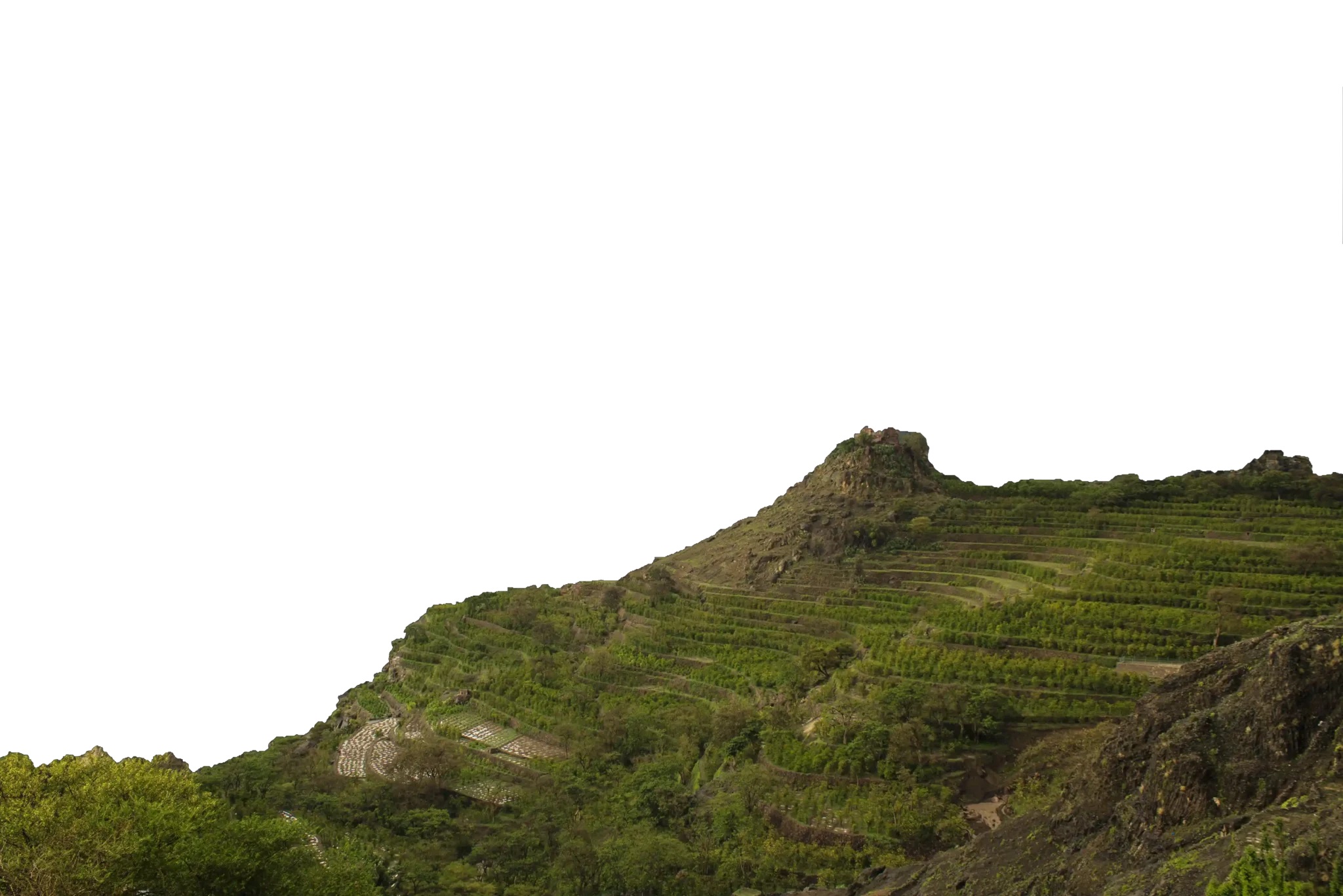
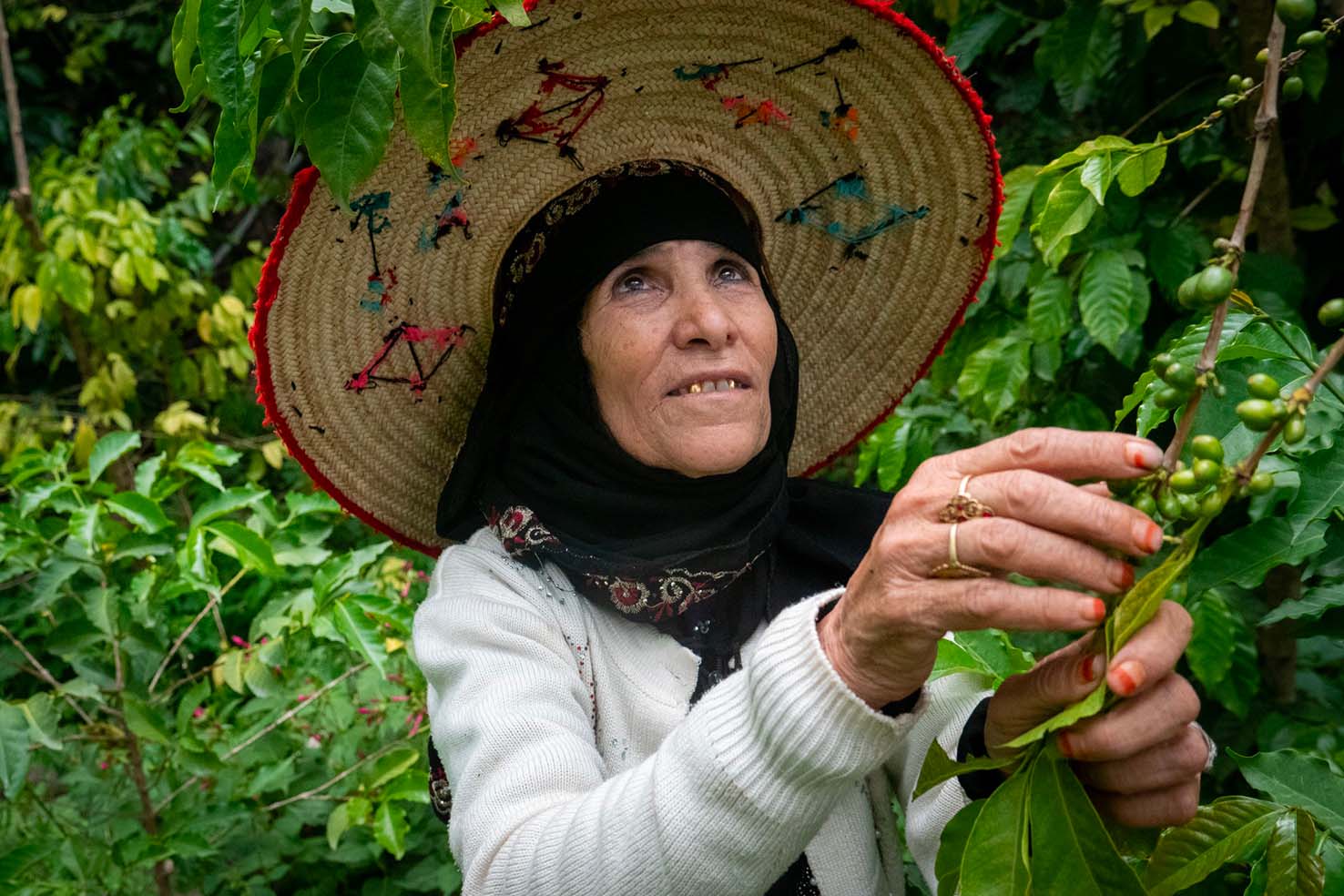
Under the banner of “Mokha Revival,” an ambitious project in Yemen aims to address social and economic challenges in the coffee sector. Led by the Lavazza Foundation in collaboration with the Qima Foundation and GIZ, the project began in 2023 and will run until 2025, focusing on the Yemeni provinces of Taiz and Yafa’a. The initiative seeks to rejuvenate and transform the coffee industry from the ground up, from improving agricultural practices to promoting and enhancing the final product.

Project Objectives

The “Mokha Revival” project aims to achieve several key objectives:

  1. Improving Farm-Level Practices: This includes implementing modern, sustainable agricultural practices to increase the productivity and quality of coffee.
  2. Promoting the Final Product: Enhancing and marketing Yemeni coffee globally to increase its economic value.
  3. Data Collection: Gathering comprehensive information on coffee cultivation through a national survey of 145 households to understand the dynamics of agricultural and household economies.

Key Achievements

Some of the significant achievements of the project so far include:

  • Signing a Memorandum of Agreement (MoA): A MoA was signed with the Yemeni Minister of Agriculture to foster development and research in the coffee industry through comprehensive training programs.
  • Involving Women: 65 women have actively participated in training programs aimed at enhancing their role in the coffee industry.
  • Training Youth: More than 1,160 hours have been dedicated to training young people in essential skills for coffee cultivation and production improvement.

Details and Partnerships

Technical Details of the Project

  1. Geographical Focus: The project concentrates on the provinces of Taiz and Yafa’a, which are significant coffee-growing areas in Yemen.
  2. Project Duration: The project spans from 2023 to 2025.
  3. Beneficiaries: The project targets over 265 farmers and their families.

Partnerships

  1. Qima Foundation: Provides field support and expertise necessary for project implementation.
  2. GIZ: The German international cooperation agency contributes funding and technical expertise.
  3. Yemeni Ministry of Agriculture: Offers government support and oversight for the implementation of training programs.

Project Components

  1. Sustainable Agriculture: Implementing modern and sustainable agricultural techniques.
  2. Training and Education: Providing training programs for farmers and youth to enhance their agricultural skills.
  3. Marketing and Promotion: Elevating the profile of Yemeni coffee in global markets.

Community Impact

The “Mokha Revival” project aims to achieve sustainable economic and social benefits for local communities by:

  1. Increasing Productivity: Improving agricultural practices to boost farm productivity.
  2. Empowering Women: Enhancing women’s roles in the coffee industry through active participation in training programs.
  3. Youth Development: Providing educational and training opportunities to empower the youth economically.

Future Expectations

The “Mokha Revival” project serves as a model that can be replicated in other regions of Yemen and possibly in other coffee-producing countries. The project is expected to:

  • Ensure Sustainable Production: Provide sustainable agricultural practices that enhance coffee productivity and quality.
  • Empower Communities: Empower women and youth through training programs that improve their skills and economic opportunities.
  • Boost Local Economy: Increase the value of Yemeni coffee in global markets, contributing to local economic growth.

Conclusion

The “Mokha Revival” project represents a significant step towards revitalizing the coffee industry in Yemen and enhancing the local economy by focusing on improving agricultural practices, promoting the product, and empowering local communities. Through the collaboration between the Lavazza Foundation and local and international partners, the project provides a model for sustainable development that can serve as a valuable reference for researchers and policymakers.

Sources

This report provides a comprehensive overview of the “Mokha Revival” project, serving as a valuable reference for anyone researching this field and contributing to a broader understanding of the project’s positive impact on Yemeni communities.

Global Coffee Markets Navigate Complex Interplay of Climatic Challenges and Economic Dynamics

In the intricate dance of global commodity trading, coffee markets continue to exhibit volatility driven by a complex interplay of climatic events and economic trends. On Thursday, the coffee trading session closed with mixed results, as September arabica futures (KCU24) saw a modest uptick of 0.89 percent, while September ICE robusta futures (RMU24) experienced a slight decrease of 0.30 percent.

Arabica’s Resilience Amidst Adversity

The day’s trading was heavily influenced by concerns emanating from Brazil, the world’s leading producer of arabica coffee. Reports from Expocacer, a prominent cooperative, highlighted that Brazilian farmers are harvesting unusually small beans this season—a consequence of prolonged periods of heat and drought that stunted bean development. This development underpins concerns about reduced quality and yield affecting the overall supply chain.

Further complicating the market landscape, StoneX released projections indicating a global 2024/25 coffee surplus of merely 2 to 3 million bags, starkly lower than the USDA’s forecast of 5.6 million bags. This discrepancy points to a potentially tighter global supply than initially anticipated, providing upward support to arabica prices.

Economic Shifts and Their Impact

On the economic front, the Brazilian real’s significant depreciation—to a two-and-a-half-year low—spurred a surge in export activity. While beneficial for Brazilian exporters leveraging favorable exchange rates, this has injected additional volumes into the global market, exerting downward pressure on prices.

Robusta’s Struggles and Global Concerns

Conversely, robusta coffee, primarily cultivated in Vietnam, faces its own set of challenges. A report from Volcafe raised alarms about Vietnam’s upcoming 2024/25 robusta harvest potentially being the smallest in thirteen years. This dire prediction stems from poor rainfall, which has caused “irreversible damage” to coffee blossoms, threatening to significantly constrict global robusta supplies.

This concern is echoed by recent statistics from Vietnam’s agriculture department, which forecasted a 20% drop in the country’s coffee production for the 2023/24 crop year due to ongoing drought conditions. These developments suggest a looming deficit in the robusta market, further complicated by a consecutive fourth year of expected robusta bean deficits.

Market Dynamics and Future Outlook

As the Brazilian coffee harvest accelerates—reported by Safras & Mercado to be 44% complete, outpacing both last year’s progress and the five-year average—market sentiments are mixed. While a faster harvest generally suggests ample supply reducing price support, the specific context of smaller bean sizes and potential quality issues could counterbalance this effect.

Moreover, the inventory levels at ICE also provide insight into broader market dynamics. After reaching historically low levels, both arabica and robusta coffee inventories have seen significant recoveries, suggesting a temporary easing of supply constraints. However, these fluctuations underscore the ongoing uncertainty and sensitivity of coffee markets to both climatic conditions and economic policies.

Conclusion

As stakeholders from farmers to traders navigate these turbulent waters, the global coffee market remains a focal point of interest due to its significant economic implications and the direct impact of environmental factors on production. With the situation continually evolving, market participants remain vigilant, closely monitoring weather patterns and economic indicators to strategize their next moves in this high-stakes market.

Winners of the Best New Product Awards at World of Coffee Copenhagen 2024 Announced

The Specialty Coffee Association recently unveiled the winners of the 2024 Best New Product Awards at the World of Coffee event in Copenhagen, highlighting a wave of innovative products shaping the future of coffee. Judges at this prestigious competition were thoroughly impressed by the high quality and standards of the entries this year.

In the category of Consumer Coffee Preparation & Serving, Fellow emerged victorious with their “Aiden Precision Coffee Maker,” a cutting-edge device that promises precision and ease in coffee making. Visitors can explore this product at Booth #CH-011.

For Commercial Coffee Preparation & Serving Equipment, Bellwether Coffee took the top spot with their “Bellwether Shop Roaster,” designed to transform the roasting experience with its state-of-the-art technology. Attendees can check out this revolutionary roaster at Booth #EF-002.

Beyond the Bean triumphed in the Specialty Coffee Beverage Additive category with their “Sweetbird Popcorn Syrup,” offering a unique twist to coffee flavors. This inventive syrup can be found at Booth #CB-007.

In the realm of Specialty Non-Coffee Beverages, DRYK impressed the judges with their “DRYK Pea Barista,” an innovative plant-based milk alternative tailored for baristas. This product is showcased at Booth #DA-004.

The Coffee Accessories category saw Hauck Tamper winning with their “Vibra Tamper,” an accessory that ensures perfect coffee packing through innovative vibration technology. Coffee enthusiasts and professionals can view this tool at Booth #DF-015.

Lastly, in the Open Class category, Kavekalmar stood out with their “ROASTINO Manual Roaster,” a product that brings roasting back to the basics with a manual approach, available for viewing at Booth #CJ-035.

The event continues to be a hub for innovation and excellence in the coffee industry, with these winners setting new standards. Stay tuned for the upcoming announcement of the Best New Product People’s Choice Award, which will be declared later this week.

Lavazza Foundation Revitalizes Coffee-Producing Communities in Yemen

The Lavazza Foundation, in collaboration with the Qima Foundation and Deutsche Gesellschaft für Internationale Zusammenarbeit (GIZ), has launched an ambitious project named “Mokha Revival” to tackle social and economic challenges in Yemen’s coffee sector. This initiative, which began in 2023 and will run until 2025, focuses on the Yemeni provinces of Taiz and Yafa’a, aiming to rejuvenate and revolutionize the coffee industry from the ground up.

Project Objectives and Achievements

The “Mokha Revival” project aims to improve farm-level practices and enhance the quality and value of the final coffee product. One of the project’s significant milestones is the signing of a Memorandum of Agreement (MoA) with the Yemeni Minister of Agriculture. This agreement is set to foster development and research in the coffee industry through extensive training programs. The project has already made notable progress:

  • Data Collection: Information has been gathered from 145 households to better understand coffee cultivation and economic dynamics.
  • Training: Over 1,160 hours have been dedicated to training young people, with a special focus on including women—65 women have been actively involved in the training programs.
  • Community Impact: By enhancing agricultural practices and promoting the coffee produced, the project is designed to bring sustainable economic benefits to local communities.

Partnerships and Support

The Lavazza Foundation works alongside the Qima Foundation and Deutsche Gesellschaft für Internationale Zusammenarbeit (GIZ) GmbH to implement this project. These partnerships are crucial for amplifying the project’s reach and effectiveness, ensuring that the real needs of the people and the environment are addressed effectively.

Broader Impact and Future Plans

The Lavazza Foundation has a long history of supporting coffee-producing communities globally, with active projects in 20 countries across three continents. Their mission is to enhance coffee productivity and quality while fostering entrepreneurship and improving living conditions. This holistic approach is evident in their Yemen project, which not only aims to boost the local economy but also to empower individuals through education and training.

For more detailed information on the “Mokha Revival” project and other initiatives by the Lavazza Foundation, you can visit their official website​ (Lavazza Foundation)​​ (Lavazza Foundation)​​ (Lavazza Foundation)​.

China and Brazil Forge a Groundbreaking $500 Million Coffee Partnership

In a significant move for the global coffee industry, China’s Luckin Coffee has entered into a Memorandum of Understanding (MoU) with the Brazilian government, a deal that’s set to reshape market dynamics. This agreement, valued at $500 million, involves the purchase of 120,000 tons of Brazilian coffee through 2026. This strategic partnership aims to solidify the coffee trade relations between China and Brazil, positioning them as formidable players in the global arena.

Over the past year, China has ascended from being the 20th to the 6th largest importer of Brazilian coffee, a leap facilitated by a tripling of its imports. This surge underscores China’s burgeoning role as a pivotal market force in the coffee sector.

According to Vinícius Estrela, Executive Director of the Brazil Specialty Coffee Association (BSCA), “This agreement is a triumph for the Brazilian coffee value chain, representing a commitment of one million bags annually over the next two years. Luckin’s planned imports approximate the entire coffee import volume of China in 2023.”

Brazil, known for its rich coffee heritage and vast production capabilities, offers a favorable price-quality ratio that makes it an attractive partner for China. The MoU, facilitated by the Brazilian Trade and Investment Promotion Agency (ApexBrasil), not only supports Luckin Coffee’s market expansion but also enhances supply chain efficiencies and broadens China’s access to premium coffee varieties.

Mau Perez, Purchasing Manager for Shanghai Cooway Trading Co.,Ltd., highlighted the importance of government-backed agreements like this MoU in fostering trust among industry stakeholders. “Brazil accounts for over 38% of China’s total green bean imports, a testament to the strategic nature of this partnership,” Perez noted.

The broader implications of this partnership extend beyond mere transactional exchanges. It includes eight intergovernmental instruments and 30 outcomes, along with 11 private sector agreements, signaling a deep economic integration and cooperative spirit between China and Brazil.

“This is more than a coffee deal; it’s a larger partnership reflecting strategic economic alliances,” remarked Omar Ali, Managing Director at Ocean Grounds Coffee Roasters in China. “Such initiatives not only diversify China’s coffee sources but also introduce Chinese consumers to new flavors and quality standards, enhancing the cultural and economic ties between the two nations.”

As global market dynamics evolve, with traditional markets facing constraints due to inflation and regulatory pressures, China’s strategic pivot to Brazilian coffee could herald a new era in international coffee trade, fostering technological innovation and cross-cultural exchanges that benefit the entire coffee value chain.

This landmark agreement between China and Brazil marks a pivotal chapter in their trade relations, setting the stage for a sustained partnership that could significantly influence the global coffee industry’s future.

Major Partnership Announced at World of Coffee Copenhagen

The Cup of Excellence (CoE) and the Alliance for Coffee Excellence (ACE) have officially partnered with the Specialty Coffee Association (SCA). This collaboration was formalized today with the signing of a Memorandum of Understanding (MoU) at the World of Coffee Copenhagen trade show.

Historically, CoE, ACE, and SCA have worked independently, with occasional collaborations on smaller projects. This formal partnership leverages their combined strengths to create a significant impact on coffee producers, the industry, and consumers alike.

Erwin Mierisch, Executive Director of Cup of Excellence and Alliance for Coffee Excellence, highlighted the partnership’s potential: “For too many years, our organizations have walked separate paths. This long-awaited partnership is just the beginning of the positive impact expected for farmers, producing countries, and roasters searching for high quality. From education to quality analysis to outreach and information-sharing, huge opportunities abound to drive specialty coffee in the right direction.”

The initial focus of the partnership will be to integrate the descriptive and scoring portions of the CVA analysis protocol into the Cup of Excellence competition structure. CoE professional head judges and staff, along with the SCA technical team, will jointly assess, refine, and adapt the CVA form to the competition, ensuring fair and impartial judging and sensory analysis of competition and auctioned coffees.

Education and cupper certification will also be pivotal in this partnership. The aim is to enhance the skills and recognition of in-country cuppers, whose expertise is crucial to the foundation of specialty coffees.

Yannis Apostolopoulos, CEO of the Specialty Coffee Association, remarked, “This partnership goes beyond improving quality assessment; it aims to enhance the entire coffee ecosystem. By collaborating and sharing expertise, we will set new standards that benefit everyone from producers to consumers, ultimately making coffee better for all.”

The World of Coffee Copenhagen event, where the MoU signing took place, served as an ideal backdrop for this announcement. The synergy between the organizations promises significant positive changes to the industry, showcasing award-winning coffees and the remarkable work of CoE and ACE in discovering and rewarding producers.

The 12 Most Exquisite and Expensive Coffees in the World

Most people prefer to start their day with a cup of hot, aromatic coffee. This non-essential product has become a significant expense. The culture of grabbing coffee to go, inspired by American celebrities, further adds to the cost. Reasonable questions arise: why is coffee so expensive, and which are the most expensive varieties? Let’s delve into this with experts.

Coffee as a Commodity

Coffee is a commodity traded on the stock market, with Arabica setting the tone for trade. Its price has remained relatively low and stable. In 2014, a kilogram of Arabica was priced at $4.4, and in 2023, it maintained the same average price. However, history has seen price spikes, such as in 2022 when it rose to $5.63 per kilogram. Robusta is cheaper, trading at $2.4 per kilogram in 2024. Yet, some varieties command prices exponentially higher than the average market rates. The most expensive can fetch $600, $1000, or even $1500 per pound (about 450 grams). Why is this the case?

“The most expensive varieties are usually the rarest. This is similar to precious gemstones: the more unique the gem, the higher its price. These coffee varieties include Rume Sudan, Laurina, Wush Wush, Purpurascens, Maragogipe, Pacamara, Villa Sarchi, and others. They have vivid and distinguishable descriptors, meaning taste and aroma. Their balanced qualities earn high scores from the Specialty Coffee Association (SCA). Prices for these lots start at $20 per kilogram of green beans and can reach up to $2000.”

Rare varieties are sold at special auctions, making it difficult to predict their prices. Farmers bring their best beans to auctions, usually held near plantations. The most famous auctions are Cup of Excellence (COE) and Best of Panama.

There’s no definitive ranking of the most expensive coffee varieties, as prices fluctuate and new varieties emerge. However, annual statistics can be compiled. Insider Monkey journalists created a consolidated ranking for 2023, featuring the 12 most expensive coffee varieties. The ranking was based on information from major publications (CNBC, Times, Luxe Digital, and Ventured) and official producer websites. Prices are listed per pound (lb), equivalent to 454 grams. Here are the top favorites of 2023, from the least to the most expensive.

  1. Molokai Coffee — $45/lb Named after Molokai (Hawaii), where it is grown and produced. This small island with a population of 7500 has a 150-acre plantation and a mill in the village of Kualapuu. It’s the only place that produces this variety. Molokai Coffee primarily comes from the red Catuai tree, a Brazilian hybrid known for its flavorful beans. Its appeal lies in its rarity and unmatched taste, with a blend of strong nutty notes, blackberry aroma, and dark chocolate.
  2. Greenwell Jeni K Premier Roast Coffee — $65/lb This Kona variety (a type of Arabica) comes from Greenwell Farms. While it’s grown in Kenya and other regions, the Hawaiian variety is the most expensive due to the complexity of harvesting. Plantations are located between two volcanoes, complicating logistics, and only red coffee beans are suitable for picking, which must be done by hand, increasing the cost. Grown at over 2000 feet, these trees are subjected to cooler temperatures, frequent rains, and cloud cover, allowing the beans to develop unique flavors.
  3. Kona Extra Fancy — $65/lb Another Kona variety from Hawaii, known for its complex flavor, rich chocolate notes, and vibrant aroma.
  4. Fazenda Santa Ines Coffee This Brazilian variety is renowned for its sweet taste and rich aroma, grown on a small farm, making it rare and expensive.
  5. El Injerto Mocca — $60/lb This rare Arabica variety from Guatemala is meticulously washed, removing the skin and pulp before drying, enhancing its qualities. It boasts a rich, creamy aroma with a sweet, smooth taste reminiscent of dark chocolate, with notes of tea, rose, tamarind, coconut, and sweet fruits.
  6. Jamaican Blue Mountain Peaberry Coffee — $92/lb Jamaican Blue Mountain is a registered trademark, monitored by the Jamaican Coffee Industry Board. It is celebrated in festivals and special events in Jamaica. Grown in a single location on plantations at varying altitudes, its price ranges from $50 to $120 per pound. Known for its smooth flavor and lack of bitterness.
  7. Hacienda el Roble Coffee — $225/lb One of the rarest coffees in the world, with an annual yield of just 22 kg. Produced in Colombia, the owner originally thought the trees were of the Geisha variety, but they turned out to be different, resulting in a completely unique coffee. It is only available from one roasting company in Australia, and its flavor profile is kept secret. Described as tasting of peach, mango, and cream, with a delicate floral aroma reminiscent of lilies and roses.
  8. Hacienda La Esmeralda Emerald Geisha — $250/lb Made from the Geisha variety of Arabica, this Panamanian coffee sold for $10005 per kilogram at a 2023 auction. Known for its delicate, floral profile with berry or tropical fruit notes, Geisha is challenging to grow, with a small yield, driving up its price. Grown at optimal altitudes of 500 meters above sea level, only a few farms can produce it.

    Tatiana Kramchenkova, an SCA trainer and Q-grader, explains: “Geisha (whether Panamanian, Ethiopian, or Colombian) is expensive primarily because of its outstanding flavor quality. It has a floral, delicate profile, often with berry or tropical fruit notes. It’s a worthy choice for expanding one’s coffee horizons. Geisha is difficult to grow, with a smaller yield compared to other coffee varieties, contributing to its high price.”

  9. Kaya Kopi Luwak Coffee — $300/lb A Guinness World Record holder, this coffee was long among the most expensive. In 2001, Kopi Luwak set a record at $300 per pound of beans. Produced in Indonesia, mainly on Java and Sumatra, its unique fermentation process involves the Asian palm civet, which eats ripe coffee cherries. The beans are partially digested and excreted by the civet, then collected, washed, roasted, and sold as one of the world’s most expensive coffees. This fermentation process is believed to enrich the beans with amino acids, making them less bitter and more aromatic.

    However, there is controversy surrounding this coffee. Animal rights activists argue that civets are subjected to cruelty, being kept in cages and force-fed cherries to increase production.

    Tatiana Kramchenkova comments: “Coffee professionals don’t drink Luwak; you won’t find it at major international exhibitions like World of Coffee. This isn’t due to its rarity but because its flavor doesn’t justify its high price. Fermentation of green coffee beans can now be done more effectively and humanely, using methods like aerobic, anaerobic, lactic, and hot fermentations. Kopi Luwak is a thing of the past, appealing only to tourists in Indonesia. The Specialty Coffee Organization does not support using animals for coffee fermentation.”

  10. Saint Helena Coffee — $330/lb Popularized by Napoleon Bonaparte, this variety has been grown on Saint Helena since the early 18th century. Today, production remains small, making it expensive. For instance, Starbucks sold it for $145 per pound. Annual production is just 660 pounds.
  11. Black Ivory Coffee — $1500/lb Named after its production process, Black Ivory involves elephants eating Arabica beans, which are then collected from their waste, washed, roasted, and sold. The rarity comes from only one sanctuary’s elephants producing these beans. It is sold exclusively through the Golden Triangle Asian Elephant Foundation in Thailand, ensuring ethical production.
  12. Ospina Gran Café — $1700/lb Grown in the high Andes, this coffee benefits from volcanic soil, abundant rainfall, and sunlight, giving it a unique flavor. Handpicked at peak ripeness, the beans undergo special wet milling. Ospina uses the rare Typica variety of Arabica, known as the “Champagne of Coffee” for its refined taste and smoothness. These beans make up less than 1% of global Arabica production, making them extremely valuable. Each batch undergoes over 20 quality checks to meet Ospina’s uncompromising standards.

Brazilian Real’s Decline Drives Coffee Prices Down Amid Global Supply Concerns

In recent developments, the coffee market has experienced a notable decline in prices. September arabica coffee (KCU24) fell by -5.15 (-2.25%), and July ICE robusta coffee (RMN24) decreased by -83 (-1.89%). The primary driver behind this trend is the weakness in the Brazilian real (BRL), which has tumbled to a 19-month low against the US dollar. This devaluation has incentivized Brazilian coffee producers to increase export sales, exerting downward pressure on coffee prices.

Additionally, forecasts predicting rain in Brazil’s coffee-growing regions have eased drought concerns, further weighing on coffee prices. Earlier this week, coffee prices had surged to two-week highs due to fears that prolonged dry conditions would negatively impact Brazil’s coffee crops. Notably, Somar Meteorologia reported that Brazil’s Minas Gerais region, which produces approximately 30% of the country’s arabica coffee, received no rainfall for the third consecutive week.

Global Production and Market Dynamics

Robusta coffee prices remain supported by concerns over excessive dryness in Vietnam, a significant producer of robusta coffee beans. Coffee trader Volcafe recently projected that Vietnam’s 2024/25 robusta coffee crop might drop to 24 million bags, marking a 13-year low due to poor rainfall causing irreversible damage to coffee blossoms. Despite a projected global robusta deficit of 4.6 million bags for 2024/25, this is a reduction from the 9-million-bag deficit seen in 2023/24, marking the fourth consecutive year of robusta shortages.

The USDA’s bi-annual report from last Thursday provided a bearish outlook for coffee prices. The report projected a 4.2% year-on-year increase in global coffee production for 2024/25, totaling 176.235 million bags. This includes a 4.4% rise in arabica production to 99.855 million bags and a 3.9% increase in robusta production to 76.38 million bags. The report also forecasts a 7.7% rise in 2024/25 ending stocks to 25.78 million bags from 23.93 million bags in 2023/24. Specifically, Brazil’s arabica production is expected to grow by 7.3% year-on-year to 48.2 million bags due to higher yields and expanded planted acreage.

The pace of Brazil’s coffee harvest has accelerated, contributing to the bearish sentiment in the market. Safras & Mercado reported that Brazil’s 2024/25 coffee harvest was 44% completed by June 18, surpassing last year’s 39% completion rate and the 5-year average of 40%.

Inventory Levels and Export Trends

Rising inventories of ICE-monitored coffee further add to the downward pressure on prices. ICE-monitored robusta coffee inventories recovered from a record low of 1,958 lots on February 21 to an 11.5-month high of 5,995 lots last Thursday. Similarly, ICE-monitored arabica coffee inventories rebounded from a 24-year low of 224,066 bags on November 30 to a 16-month high of 842,434 bags as of Tuesday.

Vietnam’s tight robusta coffee supplies remain a bullish factor. The Vietnam Coffee Association reported that the country’s coffee production in the 2023/24 crop year would decline by 20% to 1.472 million metric tons (MMT) due to drought conditions. Additionally, Vietnam’s 2023/24 coffee exports are projected to drop by 20% year-on-year to 1.336 MMT. Recent reports from Vietnam’s Customs Department indicated that May coffee exports fell by 47% year-on-year to 79,358 metric tons, the lowest for May since 2009.

Export News and Global Consumption

Recent export data has also influenced market dynamics. Cecafe reported a 90% year-on-year surge in Brazil’s May green coffee exports to 4 million bags. The International Coffee Organization (ICO) reported a 16.8% year-on-year increase in global April coffee exports to 10.24 million bags, with October-April global coffee exports up by 11.1% year-on-year to 80.99 million bags. Brazil’s exporter group Comexim raised its 2023/24 coffee export estimate to 44.9 million bags from 41.5 million bags.

El Nino Impact and ICO Projections

The ongoing El Nino weather event has had a bullish impact on coffee prices by bringing drought conditions to Vietnam’s coffee-growing regions. However, the ICO projected a 5.8% year-on-year increase in 2023/24 global coffee production to 178 million bags due to an exceptional off-biennial crop year. Global coffee consumption is expected to rise by 2.2% year-on-year to 177 million bags, resulting in a 1 million bag surplus.

Conclusion

The interplay of currency fluctuations, weather conditions, production forecasts, and inventory levels continues to shape the coffee market. As the Brazilian real remains weak and weather patterns evolve, stakeholders in the coffee industry must navigate these complexities to optimize their strategies and outcomes.

What is the EU Deforestation Regulation (EUDR)?

The EU Deforestation Regulation (EUDR) is a legislative measure aimed at combating deforestation and land degradation globally by regulating imports into the European Union. This regulation is set to come into force on December 30, 2024, and requires companies importing products into the EU that are considered “main drivers for deforestation” to provide a due diligence statement. This statement must confirm that the imports have not contributed to forest degradation anywhere in the world after December 31, 2020.

Why was EUDR Introduced?

The EUDR initiative is part of the European Union’s efforts to enhance environmental policies and preserve biodiversity. Deforestation is one of the largest threats to the global environment, leading to habitat loss, species extinction, and climate change. EUDR aims to reduce the environmental impact of the EU by ensuring that imported products do not contribute to deforestation.

Targeted Products

The products targeted under EUDR include coffee, cocoa, palm oil, paper, and wood, as these products are major contributors to deforestation. The regulation requires importers to provide evidence that their supply chains are free from deforestation after the specified date.

How Does EUDR Work?

Companies importing the targeted products must submit a due diligence statement to the relevant EU authorities. This statement includes detailed information about the supply chain, including satellite data and environmental reports. The goal is to ensure that imported products have not contributed to deforestation or land degradation.

Challenges Facing EUDR

Despite the noble goals of EUDR, there are several challenges it faces, including:

  1. High Compliance Costs: Companies need significant investment in satellite technology and data systems to verify their supply chains.
  2. Technical Challenges: There are stringent technical requirements that may be difficult to implement, especially for small businesses and developing countries.
  3. Impact on Trade: The regulation could lead to increased costs and reduced competitiveness for exporters outside the EU.

Objections and Calls for Delay

Several stakeholders, including senior US trade officials and industry associations such as the American Forest and Paper Association (AF&PA), have called for a delay in the implementation of EUDR. These opponents argue that the regulation in its current form imposes “unachievable requirements” and “significant technical barriers” that could affect trade between the US and the EU. The European Coffee Federation (ECF) and International Coffee Partners (ICP) have also expressed concerns that EUDR will restrict small coffee-producing nations in Africa and Asia from accessing the EU market, potentially causing significant disruptions in coffee supply chains.

Positive Responses and Support for EUDR

On the other hand, proponents of EUDR argue that the regulation is long overdue and represents a crucial step towards decoupling key commodities from forest degradation. They believe that supporting biodiversity and ensuring the long-term sustainability of agricultural production globally is essential for protecting the environment and promoting sustainable agriculture worldwide.

The Future of EUDR

As the debate over EUDR continues, all stakeholders are closely monitoring how the European Commission will respond to these calls and objections. If the regulation is implemented as scheduled, it could have a significant impact on trade practices and compliance requirements across various sectors, potentially reshaping how many industries operate and enhancing global environmental protection.

US Officials Urge EU to Postpone EUDR Implementation

Senior US trade officials have called on the European Union to delay the implementation of the EU Deforestation Regulation (EUDR), which is set to come into force on December 30, 2024. In a letter to the European Commission, US Secretary of Commerce Gina Raimondo, US Secretary of Agriculture Thomas Vilsack, and US Trade Representative Katherine Tai highlighted the “critical challenges” the regulation poses for US producers, particularly in the timber, paper, and pulp industries.

The EUDR will require businesses importing products into the EU that are considered “main drivers for deforestation” — including coffee, cocoa, palm oil, paper, and wood — to provide a due diligence statement confirming that imports have not contributed to forest degradation anywhere in the world after December 31, 2020.

“We urge the European Commission to delay the implementation of this regulation and subsequent enforcement of penalties until these substantial challenges have been addressed,” the letter stated. The American Forest and Paper Association (AF&PA) also voiced concerns, stating that the current EUDR laws would impose “unachievable requirements” and “significant technical barriers” on producers, thereby putting US-EU trade at risk.

While the US objections to the EUDR are primarily focused on the timber, paper, and pulp industries, the implications of the regulation extend to other sectors, including coffee. The European Coffee Federation (ECF) and International Coffee Partners (ICP), which represent major European coffee companies such as Löfbergs, Lavazza, Tchibo, illycaffè, JDE Peet’s, and Nestlé, have expressed concerns that the EUDR in its current form will restrict smaller coffee-producing nations in Africa and Asia from accessing the EU market. This, they argue, could cause significant disruptions to coffee supply chains.

There are additional concerns within the coffee industry regarding the cost and availability of satellite and data systems needed to comply with the EUDR. Higher administration and import fees are also expected to impact coffee businesses in both producing and consuming countries.

Advocates of the EUDR argue that the regulation is long overdue and represents a vital step towards decoupling key commodities from forest degradation. They assert that supporting biodiversity and ensuring the long-term viability of agricultural production globally is essential.

The calls for a delay are significant given the potential ramifications for various industries. If the EUDR is implemented as scheduled, it could reshape trade practices and compliance requirements for numerous sectors, including the critical coffee industry. As the debate continues, stakeholders on both sides are closely watching to see how the European Commission responds to these latest appeals.

Exploring the Truth About Bulletproof Coffee

ALESSANDRA SIGNORELLI published a story on Vogue saying that if you follow wellness trends, you’ve probably noticed there’s something going on with coffee. No longer is it enough to drink a simple fair trade brew with organic non-dairy milk or sip a single-origin pour-over espresso; these days, it’s all about adding body-benefitting extras. A tablespoon of collagen, for example. Or, adaptogenic mushrooms like lion’s mane or chaga.

In that vein, there’s one coffee concoction that many health enthusiasts (including Shailene Woodley) swear by: “bulletproof coffee,” also known as “butter coffee.” It’s been around for several years and shows no sign of going anywhere soon. For the uninitiated, it’s essentially coffee that’s been mixed with organic, grass-fed butter, ghee, and/or MCT oil instead of your favorite milk. According to devotees—especially followers of ketogenic and paleo diets or intermittent fasting—this intriguing combo boosts energy and concentration. They also say it contributes to maintaining a healthy weight.

What is Bulletproof Coffee?

Bulletproof coffee is coffee enriched with fats such as unsalted, grass-fed butter or ghee and MCT oil (medium chain triglycerides) extracted from coconut oil. These fats are metabolized by the body into ketones, which are said to increase satiety and provide rapid energy to the brain.

Bulletproof coffee is actually a trademarked recipe—it’s the invention of entrepreneur, author, and biohacker Dave Asprey, who is also the creator of the “Bulletproof Diet,” a keto-like diet that is high in protein and fat. Asprey came across this coffee idea during a trip to Tibet, where he tasted a traditional tea enriched with yak butter that locals consume before trekking at high altitudes to experience renewed energy and mental clarity. Asprey’s experience with yak butter-enriched tea inspired him to create his own version. The result? Bulletproof coffee. (Asprey also sells his own brand of toxin-free coffee beans under the brand name Bulletproof; for the purpose of this article, we’ll use the term bulletproof coffee to refer to the general butter-and-MCT-oil concoction Asprey popularized in 2009.)

The Benefits of Bulletproof Coffee

According to fans, fat-infused coffee provides a quick source of energy that does not create glycemic peaks—unlike breakfasts rich in carbohydrates and simple sugars, which can leave us exhausted and longing for a sweet mid-morning snack. It also provides a sense of satiety that makes it easier to skip carb-heavy morning classics (croissants, bagels, granola, etc). While the drink isn’t calorie-free, it is carbohydrate-free and can therefore replace breakfast without taking you out of ketosis (a state in which the body burns fat for energy instead of glucose), so that you can continue intermittent fasting. For these reasons, it’s a go-to for those following a ketogenic or low-carb diet who say it provides plenty of energy to get them through the morning. They also say it increases clarity, focus, and mental performance.

Does Bulletproof Coffee Work?

While it is true that coffee, grass-fed butter, ghee, and MCT oil derived from coconut each have their own health benefits—including vitamins, minerals, and omega-3 fatty acids—there actually isn’t a ton of research that supports the claims surrounding bulletproof coffee. In fact, most of the health claims are anecdotal and the scientific research that does exist is pretty mixed. One recent study that investigated the effects of high-fat coffee beverages containing MCT oil and ghee on cognitive function and satiety found that “there may be no benefit of bulletproof coffee over black coffee for improving cognitive performance,” but did note that bulletproof coffee “does appear to increase feelings of fullness and result in a reduction in perceived prospective food consumption after three hours.”

A scientific review that looked at multiple studies on bulletproof coffee published between 2021-2023 had similar findings: “Although bulletproof coffee remains a popular choice for many, current scientific evidence does not support the claimed benefits…we found no significant improvements in cognition, alertness, or energy levels in studies when bulletproof coffee was compared with regular coffee,” it stated. “The alleged effects of bulletproof coffee on hunger, satiety, resting energy expenditure, and fat oxidation remain equivocal, primarily due to the additional calorie intake associated with the beverage offsetting any potential benefits.”

Does Drinking Bulletproof Coffee Have Any Risks?

While it’s probably fine for healthy individuals to drink bulletproof coffee occasionally, it’s important to note that the drink is pretty high in calories (about 230 per cup) and saturated fat (about 21 grams). Therefore, it’s not a great option for those who are concerned about their cholesterol levels or have other health concerns. This was also noted in the scientific review mentioned above, which stated that there was “some evidence” of possible elevation in serum cholesterol reported following the consumption of bulletproof coffee” as well as “gastrointestinal intolerance.”

In short, it seems that further research is needed to support most of the health claims for bulletproof coffee and to determine if there are any long-term health risks associated with regular consumption. “Exploring the impact of regular bulletproof coffee consumption on hydration status, kidney stones, reflux, gallstones, blood pressure, sleep quality, gastrointestinal motility, and hyperlipidemia is also required. Such research would significantly contribute to our understanding of the impacts of this beverage, informing public health recommendations and individual dietary choices,” the review found.

Regardless, it is also entirely possible to consume too much caffeine—whether it’s enriched with butter or not—and even a little bit of caffeine can have adverse effects on some people.

How Does Bulletproof Coffee Impact Body Weight?

Because this coffee concoction improves satiety and reduces appetite, it might be helpful for those who are looking to maintain their weight. And, because it could keep your body in ketosis (fat-burning instead of glucose-burning), it is a favorite hack among those who are following an intermittent fasting plan.

But keep in mind that this mix is high in calories; something to consider if you’re looking to reduce your overall daily caloric intake.

Should I Drink Bulletproof Coffee?

If you’re following a ketogenic or paleo diet and/or experimenting with intermittent fasting (all of which have their own risks), you might enjoy drinking bulletproof coffee—just make sure you’re well aware of (and feel okay with) the downsides and the lack of scientific research that supports its claims. If you have high cholesterol, are pregnant, or have other health concerns, you should definitely speak to your doctor to determine what’s best for you.

All that said, it might be better to just eat a nutritious, high-protein breakfast instead. A meal such as Greek yogurt with berries, eggs with vegetables, or unsweetened oats with fruit, almonds, seeds, and nuts—allows you to fill up on a variety of vital nutrients and all-important fiber right at the start of the day.

How to Prepare Bulletproof Coffee

Still want to try bulletproof coffee? Here’s the recipe:

  1. Prepare a cup (about 8 oz) of quality coffee, using whichever method you prefer.
  2. Add 1-2 teaspoons of unsalted grass-fed butter or ghee.
  3. Add 1-2 teaspoons of MCT oil, or possibly organic coconut oil.
  4. Mix everything in a blender until you obtain a creamy consistency, or combine the ingredients in a shaker.

You can also replace the coffee with matcha, decaf coffee, or make it vegan by skipping the butter or ghee and sticking to MCT oil only.

If you want to make your bulletproof drink even creamier, mix it with the electric whisk you’d use to froth the milk to obtain a foam similar to that of a cappuccino.

When to Drink Bulletproof Coffee

Fans of bulletproof coffee recommend consuming it in the morning to replenish energy and prevent breaking an intermittent fast, but it can also be enjoyed mid-afternoon to avoid the classic afternoon slump—that is, if you are not too sensitive to caffeine and don’t mind the potential of a sleepless night.

Regardless of the time of day you drink it, keep in mind the risks listed above and make the choice that is right for you.