Coffee Futures Contracts Reach Highest Levels Since the 1970s Amid Global Supply Disruptions

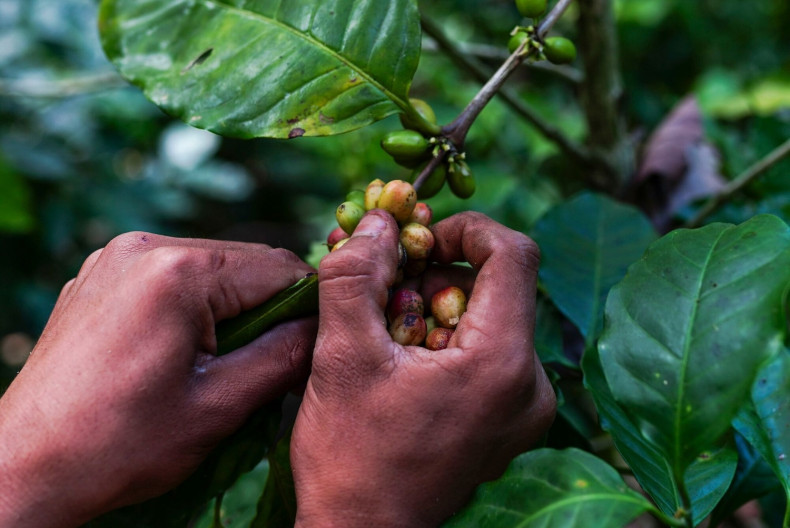
Coffee futures contracts in New York have continued their significant rise, with Arabica coffee prices reaching $3.1845 per pound today, marking their highest level since 1977, and an increase of 70% since the beginning of the year. This surge reflects growing concerns over global supplies amid severe weather conditions affecting major producing countries, particularly Brazil and Vietnam. Brazil, the world’s largest coffee producer, experienced severe droughts that impacted Arabica production, while Vietnam faced dry conditions in key coffee-growing regions followed by heavy rains during the harvest season, further complicating global market supplies.

Robusta coffee prices, used in instant coffee as a more economical option, have also reached record highs not seen since the 1970s, driven by increased demand due to declining Arabica supply. Analysts predict that next season’s production is under threat due to the continued effects of drought in Brazil. A report by “Rabobank” highlighted that months of insufficient rainfall have harmed current coffee crops, with doubts about the stability of blossoms essential for fruit development in the coming months.

This situation has placed significant pressure on the global market, with many companies and roasters raising product prices to cope with rising costs. Coffee stocks in Brazil have dropped to their lowest levels in years, heightening concerns over the availability of coffee in global markets. At the same time, supply chains are grappling with logistical challenges, such as port congestion and container shortages, further exacerbating the supply crisis.

This sharp rise in coffee prices signals a profound impact on consumers, with premium coffee under threat of becoming an increasingly expensive commodity. Expectations suggest this upward trend will continue if the climatic and logistical challenges facing the global coffee industry persist.

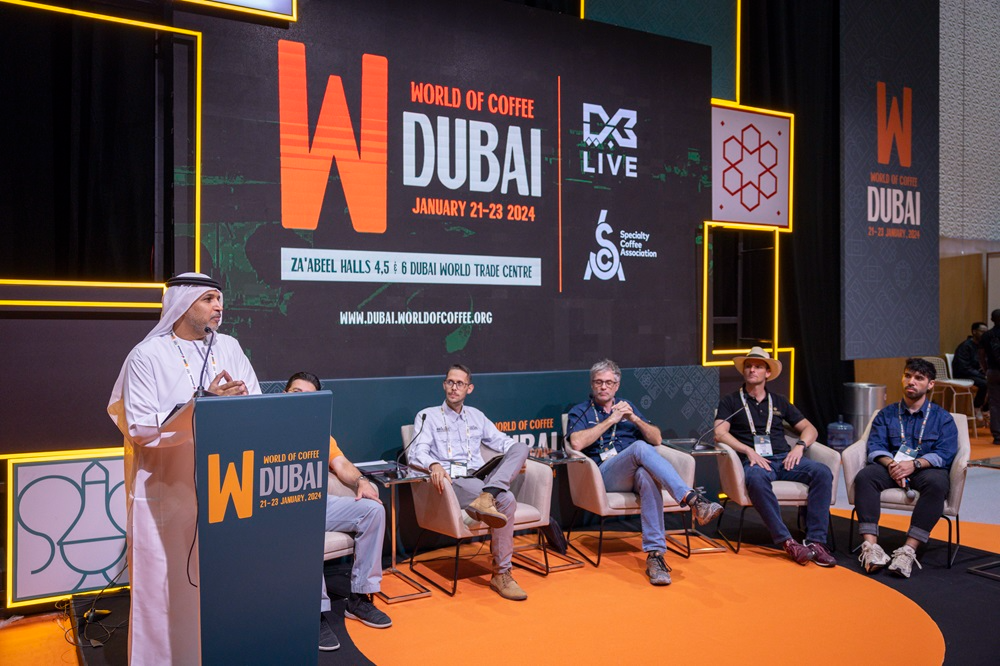
DMCC Coffee Center to Host Coffee Legends Barista Competition at World of Coffee Dubai 2025

Excitement is building for World of Coffee Dubai 2025 as the organizers, DXB LIVE, in collaboration with the Specialty Coffee Association (SCA), announce a major highlight for this year’s event. The DMCC Coffee Center will host the Coffee Legends Barista Competition, an event that celebrates the artistry, innovation, and inclusivity of coffee-making.

The competition provides a unique platform for baristas from around the globe to showcase their skills, creativity, and passion for coffee. Held at the state-of-the-art DMCC Coffee Center, this event underscores Dubai’s growing prominence as a global hub for the coffee community.

World of Coffee Dubai will take place from February 10 to 12, 2025, at the Dubai World Trade Centre. The event brings together coffee professionals, enthusiasts, and businesses, offering a vibrant space where the world of coffee comes to life. This year’s program features key attractions, including the Roaster Village, Cupping Rooms, Brew Bar, SCA lectures and training sessions, and the UAE National Championships, which highlight the finest coffee talents in the region.

Following the success of previous editions, World of Coffee Dubai 2025 promises an even more exceptional experience, with over 400 exhibitors and 13,500 visitors expected to participate from across the globe.

The collaboration between DXB LIVE, known for its expertise in organizing world-class events, and the Specialty Coffee Association, the global authority on specialty coffee, ensures a seamless and enriching experience for all attendees. Together, they aim to foster connections, innovation, and growth within the coffee industry.

Dubai continues to strengthen its position as a key player in the global coffee industry. With its thriving specialty coffee market, projected to grow at an annual rate of 3.6%, the city offers unparalleled opportunities for professionals and businesses. Its dynamic economy, diverse population, and booming tourism sector further establish Dubai as a strategic hub for the global coffee community.

World of Coffee Dubai 2025 invites coffee enthusiasts, baristas, and industry leaders to discover the future of coffee. From exciting competitions to inspiring lectures and unparalleled networking opportunities, the event promises a unique and unforgettable experience.

For the latest updates and information, please visit the official website or contact the organizers. https://dubai.worldofcoffee.org/newfront

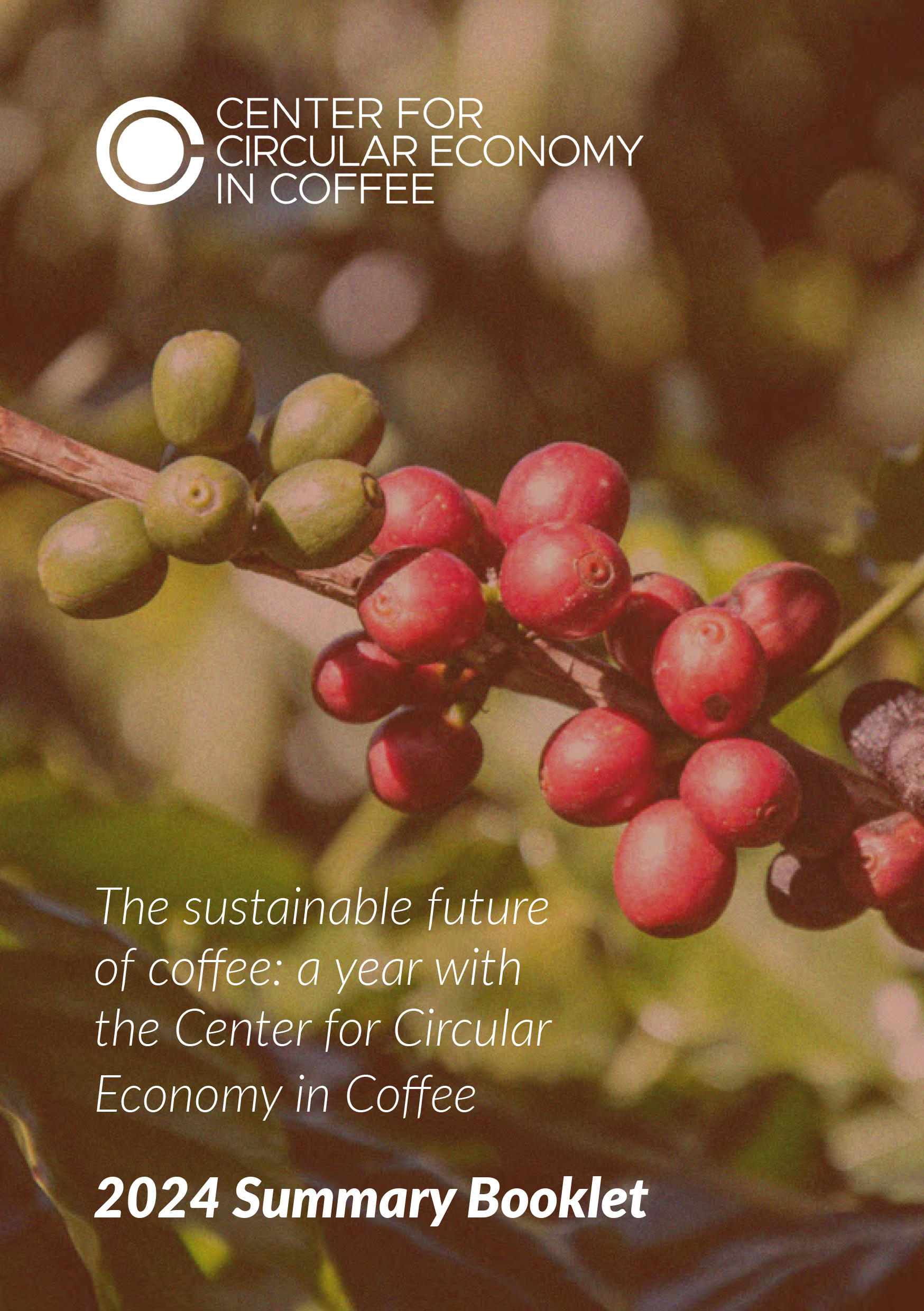
The Coffee Circle Economy Center Unveils Its 2024 Annual Booklet, Revealing Plans for 2025

The Coffee Circle Economy Center (C4CEC) has released its highly anticipated annual booklet, detailing the center’s impactful activities and achievements throughout 2024. This comprehensive report highlights C4CEC’s mission to integrate circular economy principles into the coffee sector, emphasizing sustainability, collaboration, and innovation as key drivers for change.

Throughout 2024, C4CEC has emerged as a global platform connecting coffee industry stakeholders—from farmers to multinational enterprises—while fostering knowledge-sharing, advancing research, and implementing sustainable solutions. Headquartered in Turin, the center has established itself as a vital hub for promoting circular economy practices across the coffee value chain.

The booklet reflects a year of remarkable achievements, including C4CEC’s active participation in eight major international events, such as the World of Coffee in Copenhagen, the ICO Global Leaders Forum in London, and the SCA Expo in Chicago. These events provided critical opportunities to present research, share best practices, and explore innovative solutions to the pressing sustainability challenges facing the coffee industry.

A significant highlight of the publication is the introduction of an interactive map showcasing 23 innovative practices within the coffee supply chain. This map, which features diverse strategies such as waste repurposing, community empowerment, and sustainable business development, serves as a testament to the groundbreaking efforts being adopted to redefine the sector’s approach to sustainability.

C4CEC’s collaboration with academic institutions like Politecnico di Torino and Raffles Milano has also been pivotal. Through these partnerships, students have undertaken projects addressing key challenges in coffee sustainability, including promoting local consumption in Kenya and developing innovative uses for coffee by-products. These initiatives reflect the center’s commitment to empowering the next generation of sustainability leaders.

The report sheds light on the staggering volume of biomass generated globally by coffee production—approximately 41 million tonnes in 2022-2023. This figure underscores the immense potential for transforming coffee waste into valuable products and energy sources, which can simultaneously lower production costs and create new income opportunities for farmers.

In addition to celebrating its achievements, C4CEC’s booklet outlines ambitious plans for 2025. These include publishing three annual reviews of best practices to provide stakeholders with actionable insights, expanding pilot projects to regions such as Asia and Central America, and strengthening collaboration through webinars, workshops, and global events. Furthermore, the center aims to establish a dedicated global fund to support investments in circular practices, ensuring financial sustainability for its initiatives.

C4CEC’s membership has grown significantly, now encompassing over 50 organizations across 18 countries and six continents. This diverse coalition includes small and medium-sized enterprises, multinational corporations, public institutions, academic bodies, and non-governmental organizations, all united in their dedication to transforming the coffee industry through circular economy principles.

Vanusia Nogueira, Executive Director of the International Coffee Organization, praised C4CEC’s efforts, stating, “By repurposing ‘waste’ into new products and alternative energy sources, we can unlock significant income opportunities while lowering production costs. We encourage all coffee stakeholders to join this platform and work towards a resilient, inclusive, and sustainable coffee sector.”

The annual booklet not only celebrates the progress made by C4CEC in 2024 but also serves as a call to action for the global coffee community. It invites all stakeholders to embrace circular economy practices and collaborate toward a sustainable future for coffee. For more information about the center and its initiatives, visit www.circulareconomyincoffee.org.

10 Rules for Making Great Coffee: Everything You Didn’t Know About Moka Pots, Pods, and Ground Coffee

Dubai – Qahwa World

Making an excellent cup of coffee is an art and a science. Whether you prefer using a moka pot, coffee pods, or pre-ground coffee, these ten tips will help you perfect your brew and enhance your coffee experience.

  1. Choosing Between Moka, Pods, and Capsules
    Your preference matters. Moka coffee tends to have a stronger flavor, capsules offer consistency, and pods are the more sustainable choice.
  2. Checking Your Moka Pot’s Condition
    Run your finger along the inside rim of the moka pot’s boiler. If it feels rough instead of smooth, it’s time for a replacement.
  3. Espresso vs. Hyper-espresso Capsules
    Hyper-espresso capsules include a special chamber to prevent water leakage, mimicking barista-quality coffee at home. However, they are less environmentally friendly than standard capsules.
  4. Storing Ground Coffee
    After opening, consume ground coffee within six days for peak freshness. Storing it in the fridge can extend the flavor and aroma for up to 21 days.
  5. The Moka Pot Technique
    For moka lovers, ensure the water level in the boiler stays below the safety valve. Turn off the heat just before the coffee starts to sputter.
  6. Coffee Crema: A Quality Indicator
    The crema—the frothy layer on top—dissipates within 3-4 minutes. The longer it lasts, the better the coffee quality. Ideally, it should be a hazelnut shade with hints of dark brown.
  7. Barista Timing for Espresso
    At a café, espresso extraction should take 20 to 27 seconds, with a shot volume of 13 to 26 grams in the cup.
  8. Caffeine Content: Long vs. Short Shots
    Contrary to popular belief, the caffeine content in a long shot and a ristretto is the same. The difference lies in extraction time, not quantity.
  9. Grinding and Storing Coffee Beans
    Grind beans in 7-9 gram portions for immediate use. Ground coffee loses 65% of its aroma within 15 minutes. To preserve whole beans, store them in airtight containers to prevent the oils from oxidizing.
  10. Sugar or Sweeteners? Go Natural
    To fully appreciate the coffee’s flavor, skip sugar and sweeteners. Drinking it plain allows the true aroma and taste to shine.

By following these simple yet essential rules, you can elevate your coffee-making skills and enjoy a superior cup every time. Whether you’re a moka enthusiast or a pod aficionado, small adjustments can make a big difference.

Coffee Terminology Explained: Pods, Capsules, and Moka Pots
Understanding the key differences between coffee-making methods and tools can enhance your brewing experience. Here’s a quick guide:

  • Moka Pots: A classic stovetop method that produces strong, espresso-like coffee. Best for those who enjoy bold flavors and hands-on brewing techniques.
  • Coffee Pods: Compact, paper-based packages compatible with multiple machines. They are eco-friendlier than capsules but less effective in preserving coffee freshness.
  • Coffee Capsules: Vacuum-sealed, single-use containers made of aluminum or plastic. Known for maintaining freshness and delivering consistent results, though typically compatible with specific machines like Nespresso or Keurig.

These distinctions serve as a foundation for choosing the method that suits your taste and lifestyle, whether you’re a moka enthusiast, a sustainability advocate, or someone who values convenience and precision.

Home-Brewed Iced Coffee: A Growing Trend Challenging Coffee Shops

Making iced coffee at home has long been a challenge for coffee lovers. The homemade versions often turn out watery, overly bitter, or simply fail to match the quality of an $8 barista-crafted beverage. However, leading brands like Nestlé and Keurig are betting big on changing that perception by bringing café-quality iced coffee into households.

In 2024, Keurig Dr Pepper introduced a dedicated iced coffee maker designed to produce a chilled beverage in under three minutes. Priced at $199, the machine promises to deliver café-style drinks without the risk of being diluted by melting ice. Using advanced technology, it rapidly cools the freshly brewed coffee, preserving its flavor and richness.

Nestlé, the parent company of renowned coffee brands like Nespresso and Nescafé, has also stepped up its game. Earlier this year, Nescafé launched an espresso concentrate in markets such as Australia and China, specifically formulated for iced drinks like lattes and Americanos. Meanwhile, Nespresso machines now feature modes for cold coffee creations, complemented by a new Starbucks blend dedicated to iced coffee, canned cold brews, and Coffee Mate cold foams for added convenience.

Despite these advancements, many experts argue that homemade iced coffee still falls short of café standards. Christopher Hendon, a chemistry professor at the University of Oregon, explains that single-serve machines typically use less coffee in their pods compared to the amount used for cold brews in cafés. This results in weaker drinks that lack the bold flavor many consumers expect.

Furthermore, cold brew coffee made in cafés benefits from a longer extraction process—often steeped overnight—while capsule machines brew in a matter of minutes, leading to a different taste profile.

This surge in innovation comes as iced coffee continues to gain popularity among younger consumers. A growing number of Americans are recreating coffeehouse favorites at home, driven by financial pressures and a desire for customization. Jennifer Creevy, director at WGSN Food & Drink, notes that younger generations view coffee as a way to express their personalities and experiment with flavors.

Nestlé has observed a significant shift in consumer behavior, with indulgence surpassing stimulation as the primary reason for drinking coffee. Cold coffee, particularly as an afternoon pick-me-up, has become a key driver of growth. The company estimates that one in three cups of coffee consumed globally is now cold, with younger generations leading this trend.

Iced coffee is not just a passing trend; it represents a lucrative opportunity for companies. According to Nestlé, coffee was the biggest contributor to its growth during the first nine months of 2024. Despite rising coffee prices—driven by climate challenges affecting production—brands remain optimistic about the demand for cold coffee products.

While the demand for at-home iced coffee solutions is on the rise, converting loyal coffee shop patrons remains a challenge. Keurig’s K-Brew+Chill, launched this fall, faced mixed reviews from users who reported issues such as limited functionality for brewing truly cold coffee.

Nevertheless, nearly a quarter of Americans now prefer their coffee cold, and coffee shop spending remains robust, with consumers shelling out $32.9 billion annually, according to the National Coffee Association.

As brands continue to innovate, the battle between coffee shops and at-home brewing systems intensifies. Whether these machines can truly replicate the coffeehouse experience remains to be seen, but the push for convenience and affordability ensures that the iced coffee trend is here to stay.

Coffee Prices Set to Surge Amid Supply Chain Disruptions

Coffee lovers around the world may face higher prices as adverse weather conditions in top coffee-producing nations Brazil and Vietnam threaten next year’s crops. The disruptions are raising concerns about global supply chains and fueling a surge in coffee prices.

Arabica coffee futures for March delivery reached a 13-year high of $3.03 per pound last Friday, marking the first time since 2011 that prices have surpassed the $3 mark. Arabica, the primary coffee variety consumed in countries like Australia, has seen its price climb nearly 60% this year, making it one of the strongest-performing commodities.

Brazil, the world’s largest coffee producer, has faced significant challenges due to unfavorable weather. Dry conditions earlier this year resulted in fewer coffee cherries, which hold the beans, while a recent drought and high temperatures have raised concerns about the 2025/2026 harvest. Although the country experienced higher-than-average rainfall in October, particularly in the key coffee-growing region of Minas Gerais, analysts fear that previous weather extremes may have already damaged the crop.

Citi estimates that Brazil’s poor weather over the past three years may have led to a loss of up to 20 million bags of coffee beans. The current low soil moisture levels could further hamper the development of flowers and cherries crucial for upcoming harvests.

As supply falters, global demand for coffee continues to grow. Consumer preferences are shifting toward coffee-intensive options such as cold brew and ready-to-drink beverages, which require significantly more coffee grounds than traditional methods. Cold brews, for instance, use twice as many coffee grounds per batch compared to regular coffee.

Nitro brews, infused with nitrogen gas, and other pre-packaged coffee products are also driving demand, particularly in supermarket aisles. This dynamic of increasing demand and tightening supply has kept the physical coffee market in deficit for the past three years.

The surge in bean prices has prompted companies like Nestlé, which produces Nescafé and Nespresso, to raise prices. Nestlé’s head of coffee brands, David Rennie, acknowledged the pressures on the company’s bottom line, stating that further price hikes are likely.

“We are not immune to the price of coffee,” Rennie said during the company’s recent capital markets day. “But we have priced, and we will price.”

Commodity analysts predict that arabica prices could rise even further. Citi commodity strategist Arkady Gevorkyan revised the firm’s three-month price target for arabica coffee to $3.10 per pound, citing ongoing risks to supply from Brazil and Vietnam.

While analysts anticipate a potential surplus in the coffee market by 2025, the current uncertainties around Brazil’s crop health and ongoing production challenges could lead to a structural deficit. Citi has upgraded its 2024 arabica price forecast to $2.80 per pound, with a normalization to $2.65 per pound expected by 2026.

The rise in coffee prices is part of a broader rally in soft commodities such as cocoa and sugar, posing challenges for central banks in controlling inflation. In Australia, core inflation stood at 3.5% in the September quarter, remaining above the Reserve Bank’s 2% to 3% target.

For now, coffee enthusiasts and businesses alike must brace for rising costs as the industry grapples with weather-induced supply shocks and growing consumer demand.

The Journey of Coffee Aromas: From Soil to Cup

Coffee, more than a simple beverage, carries within it a symphony of aromas, a complexity that defines its character and captivates millions around the world. Yet, these aromas don’t appear by chance. They are the result of a meticulous journey—a combination of nature’s influence and human intervention—that transforms humble coffee cherries into a cup that delights. For those leading coffee businesses, understanding this journey isn’t just fascinating; it’s critical. It offers the tools to influence quality, enhance flavour, and create unforgettable coffee experiences.

At the heart of coffee’s aromatic allure lies a hidden story of chemical precursors. These are the foundational compounds — amino acids, sugars, and lipids — present in green coffee beans. During roasting, these precursors undergo a dramatic transformation through processes like the Maillard reaction and caramelisation, resulting in the hundreds of volatile compounds that give coffee its distinctive aroma. This transformation, however, is the culmination of a long journey shaped by every decision made along the coffee supply chain.

It all begins with the soil. Coffee’s aromatic potential is deeply rooted in the environment where it is grown. Altitude, soil composition, and climate come together to determine the chemical composition of the beans. Arabica coffee, often cultivated in high-altitude regions, benefits from cooler temperatures that slow maturation, allowing sugars and acids to develop fully. These compounds become the precursors for complex and nuanced flavours. Shade-grown coffee further enriches this process. Reduced sunlight slows photosynthesis, creating a balanced sugar profile in the beans and fostering the formation of unique aromatic compounds.

Once the cherries are harvested, their aromatic potential hinges on the choices made during post-harvest processing. Natural processing, where the coffee is dried within the fruit, can produce beans with pronounced fruity and earthy notes, though it carries the risk of fermentation flaws. Washed processing, by contrast, removes the fruit and mucilage before drying, resulting in a cleaner cup that highlights floral and citrus aromas. Honey processing, a middle ground, retains some of the fruit’s mucilage during drying, contributing sweetness and a fuller body to the final flavour. Each method offers unique outcomes, and for those selecting beans, understanding these processes provides the key to achieving desired flavour profiles.

The journey doesn’t end at the farm. The conditions under which green coffee is stored and transported can make or break its quality. Temperature fluctuations, exposure to oxygen, or excessive moisture can degrade the precursors, resulting in off-flavours. For roasters and green coffee buyers, investing in robust logistics and demanding transparency in storage practices is non-negotiable.

When green coffee finally reaches the roaster, the grand reveal begins. Roasting is where the magic happens, where the precursors formed during growth and processing are unlocked and transformed into the aromas that define coffee’s character. The Maillard reaction, responsible for the nutty, chocolaty, and toasted notes, works alongside caramelisation to generate the complex bouquet of volatile compounds. The roast level — light, medium, or dark —further refines this expression. Light roasts preserve acidity and floral notes, medium roasts offer balance and body, while darker roasts enhance bittersweet flavours at the potential cost of subtler aromas. For roasters, understanding the chemical composition of their beans and tailoring the roast accordingly is both an art and a science.

Modern technologies are helping businesses refine this process even further. Gas chromatography-mass spectrometry (GC-MS) and electronic noses allow roasters and quality controllers to analyse aroma compounds with precision, offering insights that were once unavailable. These tools enable consistency and provide a scientific basis for decisions that once relied solely on experience. For forward-thinking coffee leaders, such technologies represent not just an edge in quality but an opportunity to innovate in an increasingly competitive market.

Ultimately, the journey of coffee aromas is a testament to collaboration—between farmers, processors, buyers, and roasters. Each stage, each decision, adds another layer to the final product. For those at the helm of coffee companies, recognising the importance of this journey offers more than just a pathway to better coffee; it’s a strategy for differentiation. By asking the right questions — about varietals, processing methods, and storage conditions — and prioritising quality over cost, coffee businesses can unlock new levels of flavour and create products that stand out.

Coffee’s aromatic story, from soil to cup, is a reminder of how interconnected the world of coffee truly is. It’s about understanding the science, respecting the craft, and embracing the responsibility of shaping an experience that customers will remember long after the last sip. For decision-makers in the coffee industry, this isn’t just an opportunity; it’s a call to action. The choices made today will define the aromas that consumers enjoy tomorrow.

Written by Dr. Stephen Schwartz


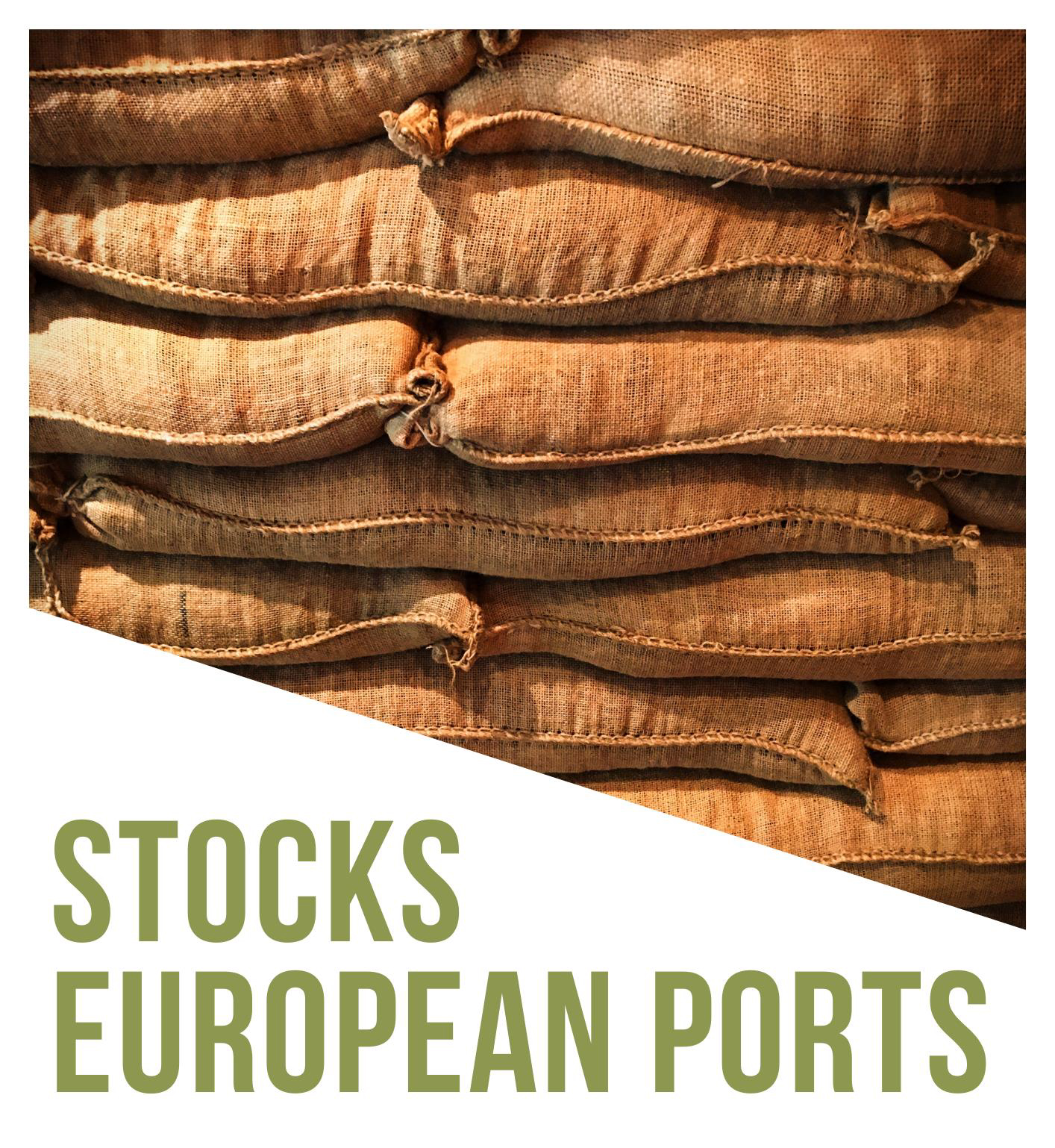
European Coffee Federation Releases Comprehensive Green Coffee Stock Data for 2024

The European Coffee Federation (ECF) has released its bi-monthly report on green coffee stocks across major European ports. With Europe being the largest coffee market and producer globally, this data is crucial for understanding market trends and ensuring transparency for stakeholders in the coffee industry. The report, spanning January to June 2024, provides insights into the levels of Robusta, Natural Arabica, and Washed Arabica, as well as overall stock trends.

2024 Stock Trends: Green Coffee in Numbers

The report highlights significant changes in green coffee stock levels across the first half of 2024. Here’s a detailed breakdown:

Month Robusta (tons) Natural Arabica (tons) Washed Arabica (tons) Total Europe (tons)
31-Jan-24 124,156 125,653 162,140 411,949
29-Feb-24 114,117 126,150 161,520 401,787
31-Mar-24 107,661 111,371 165,208 384,240
30-Apr-24 135,387 119,781 169,692 424,860
31-May-24 174,993 134,313 173,549 482,855
30-Jun-24 183,755 141,523 179,368 504,647

Key Observations

  • Robusta Coffee:
    • Starting at 124,156 tons in January, Robusta stocks showed a substantial increase to 183,755 tons by June, marking a growth of 48.1%.
  • Natural Arabica Coffee:
    • Stocks fluctuated, beginning at 125,653 tons in January and reaching 141,523 tons in June, representing a 12.6% increase.
  • Washed Arabica Coffee:
    • Steady growth was recorded, with stocks climbing from 162,140 tons in January to 179,368 tons in June, an increase of 10.6%.
  • Total European Stocks:
    • Overall, total green coffee stocks increased by 22.5%, rising from 411,949 tons in January to 504,647 tons in June.

A Year-on-Year Perspective

The data also reveals significant year-on-year trends:

  • January Stocks:
    • January 2022: 708,988 tons.
    • January 2023: 703,478 tons.
    • January 2024: 411,949 tons.
    • A notable decline in January stocks over the years underscores challenges such as global supply chain issues and changing market demands.
  • Seasonal Patterns:
    • Stock levels typically increase mid-year, aligning with harvest and shipping periods. The substantial growth in Robusta and Washed Arabica stocks by June reflects this pattern.

Ports Leading the Coffee Trade

The data covers major European ports, which serve as crucial hubs for coffee trade. The report consolidates information from:

  • Antwerp
  • Hamburg
  • Le Havre
  • Barcelona
  • Trieste
  • Genoa
  • Napoli
  • Tallinn
  • London
  • Felixstowe
  • Bremen (partially).

These ports contribute both ICE-certified and non-exchange stocks, providing a holistic view of the green coffee landscape.

Implications for the Coffee Industry

The data serves as a valuable resource for stakeholders, enabling them to:

  • Forecast market trends and manage supply chains.
  • Enhance transparency in the coffee trade.
  • Strengthen the connection between producers, manufacturers, and consumers.

The report is not just a snapshot of stock levels but an essential tool for analyzing historical trends, understanding market behaviors, and fostering sustainability within the coffee industry.

Future Updates

The European Coffee Federation has scheduled the next report for September 30, 2024. This continued transparency aims to further support the industry in navigating evolving market dynamics.

For more detailed statistics and to access the full report, visit the European Coffee Federation’s official website.

The Barista League Returns to Dubai: A Night of Coffee, Creativity, and Community

Get ready, Dubai! On December 11, 2024, The Barista League is making its highly anticipated return to Earth Coffee Roastery, promising an electrifying evening filled with coffee competitions, engaging activities, and a celebration of coffee culture. As the event draws closer, the lineup of incredible coffee experts and special guests adds even more excitement to what’s set to be an unforgettable night.

Meet the Special Guests and Judges

The Barista League is more than just a competition; it’s a platform for coffee enthusiasts to come together and learn from some of the best in the business. Here’s who you’ll see:

  • Pratama Winarto (@pratamarkh): Head of Coffee at @eatx.journal and Dubai’s 2024 Barista League Champion, Pratama is celebrated for his expertise in roasting and innovative specialty coffee techniques.
  • Amna Almansoori (@am.almansoorii): A passionate SCA brewing professional and experienced competitor, Amna brings her skill and insights to the judging panel.
  • Hootan Salemi (@zhandrock): Iran’s 2024 Barista Champion, sensory judge, and CQI lecturer, Hootan will share his wealth of knowledge from years of judging and educating.
  • Daria Vorslova (@darya_vorslova): With 18 years of experience, Daria is a Q Arabica Grader and WCE-certified judge, specializing in green coffee and sensory evaluation.
  • Waleed Hannoun (@waleedhannoun): Representing @85.plus, Waleed is a green coffee expert with a strong passion for quality and sustainability in the coffee industry.
  • Jane Espante (@jane_espante): A UAE National Champion in Coffee in Good Spirits and an Authorized SCA Trainer, Jane combines competition expertise with training to inspire baristas.
  • Ali Husnain (@nawab_ali_dabb): Owner of @coffeetoolz.me, Ali’s decade-long experience in coffee equipment and his enthusiasm for specialty coffee make him a highlight of the event.
  • Dammy Samson (@noblebarista_dammy): An independent barista and @oatly market developer, Dammy’s energy and charisma will keep the event lively throughout the evening.
  • Lemal P Nelson (@lpnspectrum.ent): Adding to the vibrant atmosphere, Lemal will provide high-energy beats to keep the party vibe going strong.

What to Expect

The Barista League is not your typical barista competition. Teams of two will battle it out in fast-paced challenges that test real-world barista skills. From crafting espressos and cold brew mocktails to navigating sensory challenges, this event is designed to showcase talent in a fun, inclusive environment. The grand prize? An all-expenses-paid Mystery Coffee Vacation to a coffee origin destination alongside other 2024 champions.

For attendees, there’s just as much to enjoy:

  • Sample some of the finest coffee at the Brew Bar, thanks to leading roasters and partners like Baratza.
  • Compete in fun challenges such as Toddy’s Cold Brew Comparison or Oatly’s Corn Hole Game, and win exciting prizes.
  • Take part in Coffee Journey to Dubai, an interactive game hosted by Sucafina and DMCC that explores the green coffee supply chain.
  • Indulge in a curated menu from Earth Roastery, catering to all dietary needs.

Event Details

📍 Location: Earth Coffee Roastery, 6th St, Al Quoz 3, Dubai
📅 Date: December 11, 2024
⏰ Time: 6:00 PM
🎟 Tickets: Early Bird: 21 AED | General Admission: 33 AED

Whether you’re a seasoned coffee professional or just someone who loves a great cup of coffee, this event is for you. Don’t miss the chance to be part of a night that celebrates the art, skill, and creativity behind every brew.

Tickets are limited, so grab yours now and get ready to experience the ultimate coffee event in Dubai!

New Report Highlights Major Shifts in European Coffee Trade for 2023/2024

The European Coffee Report 2023/2024 reveals profound changes in Europe’s coffee trade dynamics, highlighting a sharp decline in green coffee imports and the emergence of new export markets for European producers. Published by the European Coffee Federation, this report captures the challenges facing the sector, including economic pressures, geopolitical disruptions, and shifting coffee consumption patterns.

Statistics indicate that total green coffee imports into Europe are projected to reach 3.3 million tonnes in 2023, marking a 20% drop compared to the peak in 2016. This sharp decline can be attributed to the European economic slowdown and changes in maritime trade priorities. Ports like Rotterdam in the Netherlands have taken precedence over traditional hubs such as Antwerp in Belgium. Germany, still Europe’s largest green coffee importer, reported a significant 17.1% decrease in imports, reflecting mounting pressures on the region’s largest economy.

On the supply side, Brazil and Vietnam have maintained their dominance as Europe’s primary coffee suppliers. However, Brazil saw an 11.5% drop in exports due to frost that severely impacted crops. Vietnam, on the other hand, strengthened its market share to 23.9%, driven by robust robusta production. Remarkably, Papua New Guinea recorded a 32% growth in exports, while China’s coffee exports to Europe plummeted by 69% due to its increasing focus on the domestic market.

Exports tell a different story, with European coffee increasingly finding new markets. Post-Brexit, the United Kingdom emerged as the largest importer of roasted coffee from the EU, accounting for 18.2% of total exports. Countries like Türkiye and the UAE have also shown substantial growth in their imports of European coffee, reflecting a rising demand for high-quality products. Türkiye, in particular, recorded a 10.8% increase in roasted coffee imports, showcasing the dynamism of its market in absorbing European goods.

The report also highlights the growing popularity of soluble coffee, with EU exports of this segment rising by 7.1% in 2023. Key markets such as the United States and Türkiye played a pivotal role in driving this growth, fueled by shifting consumption habits that favor at-home brewing. Meanwhile, geopolitical tensions have negatively impacted coffee trade, with exports to Russia falling by 15.2% and Ukrainian imports decreasing by 11%, underscoring the sector’s vulnerabilities amid political instability.

The European Coffee Report 2023/2024 provides a comprehensive overview of a sector undergoing a transformative phase. As trade patterns shift and new markets emerge, stakeholders must focus on innovation, adopt sustainable practices, and adapt to new challenges to ensure the sector’s resilience in an evolving landscape.

6600 Dirhams for a Cup of Coffee: Dubai’s Luxury at Its Finest

A newly opened café in Dubai is turning heads with its lavish gold-infused menu. Located in the Emirates Financial Towers at DIFC, Boho Café has quickly become the talk of the town for its extravagant offerings.

On Friday, a European tourist indulged in the café’s royal menu, spending a whopping Dh6,600 on a single order. The splurge included gold souvenir coffee, four gold croissants, and two scoops of gold-infused ice cream. The receipt reveals the breakdown: coffee at Dh4,761.90, croissants at Dh1,142.86, and ice cream at Dh380.95.

A Unique Blend of Luxury and Affordability

Since opening last month, Boho Café has gained widespread attention for its innovative dual menu. The café offers a mix of affordable Indian street food and indulgent luxury items, making it a destination for a diverse range of customers.

Owner Sucheta Sharma explained the vision behind the café: “Our goal was to create something unique—an experience that caters to those looking for extravagance, while still offering affordable options for the community.”

Luxurious Offerings That Spark Curiosity

Boho Café’s royal menu includes several standout items:

Gold Karak Tea priced at Dh150
Gold Water available for Dh300
Gold souvenir tea and coffee, presented in silver cups and saucers that customers can keep as a memento.

This innovative approach has made the café a must-visit spot for locals and tourists alike, blending traditional flavors with a touch of opulence.

The café’s extravagant offerings reflect Dubai’s flair for luxury and innovation, making it an exciting addition to the city’s culinary landscape. Whether you’re seeking an affordable meal or an indulgent golden treat, Boho Café promises an unforgettable experience.

How Do Coffee Drinking Habits Affect the Gut Microbiome? A Recent Study Answers

A recent study published in Nature Microbiology (2024) has unveiled a profound link between coffee consumption and the composition of the human gut microbiome. The study revealed that individuals who drink coffee regularly have significantly higher levels of a specific gut bacterium known as Lawsonibacter asaccharolyticus compared to those who do not. This groundbreaking finding sheds light on the intricate relationship between dietary habits and gut health, offering potential explanations for coffee’s long-recognized health benefits.

Coffee and the Microbiome

The study, one of the largest of its kind, analyzed stool and blood samples from over 22,800 participants across the United Kingdom and the United States. Additionally, it integrated data from 211 international cohorts, encompassing 54,200 individuals from diverse populations. By comparing the gut microbiomes of coffee drinkers with non-drinkers, the researchers found a consistent and global correlation—coffee drinkers exhibited up to eight times more Lawsonibacter asaccharolyticus than non-drinkers. This correlation was robust across different geographies and population groups, emphasizing its universality.

Why Coffee?

Coffee was chosen as the focus of this study for two primary reasons. Firstly, it is one of the most widely consumed beverages globally, making it an ideal candidate for studying dietary impacts. Secondly, coffee consumption is typically habitual—people either drink it daily or not at all—eliminating inconsistencies in data collection and interpretation.

The researchers also noted that coffee’s unique chemical composition and its strong association with health outcomes made it a perfect model to study dietary influences on the gut microbiome.

Lawsonibacter asaccharolyticus

Identified for the first time in 2018, Lawsonibacter asaccharolyticus remains relatively unexplored. However, its significant presence in coffee drinkers’ gut microbiomes suggests it may play a crucial role in mediating coffee’s health benefits. Laboratory experiments supported these observations, showing that coffee stimulates the growth of L. asaccharolyticus in vitro, regardless of whether the coffee is caffeinated or decaffeinated.

The researchers attributed this stimulatory effect to coffee’s bioactive compounds, particularly quinic acid and trigonelline. These compounds likely create an environment conducive to the growth of L. asaccharolyticus, enhancing its abundance in the gut.

Coffee’s Biochemical Influence

One of the study’s key findings was that coffee’s impact on the gut microbiome is not solely dependent on caffeine. Both caffeinated and decaffeinated coffee were found to influence the microbiome similarly, suggesting that other components, such as polyphenols, play a more significant role.

Polyphenols, particularly chlorogenic acid, are known for their antioxidant and anti-inflammatory properties. In the gut, these compounds are metabolized into bioactive substances like quinic acid, which interact with gut microbes, fostering an environment that promotes health.

Global and Cultural Implications

The study highlighted striking differences in the prevalence of L. asaccharolyticus across populations. In Westernized societies with high coffee consumption, the bacterium was notably abundant, whereas in rural, non-industrialized communities with limited coffee access, its presence was minimal. This disparity underscores the influence of dietary habits on gut microbiome diversity.

Interestingly, even moderate coffee consumption—defined as three cups per day—was sufficient to boost L. asaccharolyticus levels significantly. However, increasing coffee intake beyond this threshold did not yield proportional increases in the bacterium’s abundance.

Coffee and Its Broader Health Benefits

The health benefits of coffee have long been recognized. Studies have linked it to reduced risks of cardiovascular diseases, Type 2 diabetes, certain cancers, and improved metabolic health. This new research adds another dimension, suggesting that coffee’s impact on the gut microbiome, particularly its stimulation of L. asaccharolyticus, could be a contributing factor to these health outcomes.

The exact role of L. asaccharolyticus in health remains unclear, but its strong association with coffee consumption highlights the need for further investigation. Does this bacterium directly mediate health benefits, or does it act in conjunction with other gut microbes to enhance overall well-being?

Methodological Rigor and Technological Insights

To ensure the robustness of their findings, the researchers employed advanced machine learning models to analyze the data. These models successfully classified participants into three categories—non-drinkers, moderate drinkers, and high drinkers—based on their microbiome compositions. The accuracy of these classifications underscores the distinct microbiome signatures associated with coffee consumption.

Additionally, the study utilized multi-omic approaches, integrating microbiome data with plasma metabolomics. This comprehensive analysis provided a detailed understanding of coffee’s biochemical interactions with the gut.

Key Findings

  1. Microbiome Composition: Coffee drinkers’ microbiomes were markedly different from non-drinkers, characterized by a significantly higher abundance of L. asaccharolyticus.
  2. Dose-Response Relationship: Moderate coffee consumption significantly boosted L. asaccharolyticus levels, but higher intake showed diminishing returns.
  3. Caffeine Independence: Decaffeinated coffee had similar effects on the microbiome, highlighting the role of non-caffeine components.
  4. Global Consistency: The findings were consistent across diverse populations, reinforcing the universality of the coffee-microbiome link.

Future Directions and Potential Applications

This groundbreaking study opens up new avenues for research and practical applications. By identifying the specific dietary components that influence gut microbiota, scientists can develop targeted dietary interventions to improve gut health. For example, individuals with specific microbiome imbalances could benefit from personalized nutrition strategies that include coffee or its bioactive components.

Moreover, the study emphasizes the need for further exploration of L. asaccharolyticus. Understanding its metabolic pathways and interactions with other gut microbes could pave the way for novel therapeutic approaches, potentially leveraging this bacterium to treat or prevent certain diseases.

Coffee: A Daily Dose of Health?

For coffee enthusiasts, these findings offer additional reassurance about the health benefits of their favorite beverage. While moderation remains key, the study underscores the profound impact a simple dietary habit can have on the intricate ecosystem of the gut microbiome.

Conclusion

The link between coffee consumption and gut health is a testament to the complex interplay between diet and microbiota. This study not only reinforces coffee’s role as a health-promoting beverage but also highlights its potential to inform future microbiome-focused therapies. As researchers continue to unravel the mysteries of the human gut, coffee stands out as a fascinating example of how everyday habits can shape our inner ecosystems and influence our overall well-being.

With its scientific depth and global relevance, this research marks a significant step forward in understanding the powerful connections between what we consume and how it impacts our health.