20 Facts About Coffee: A Journey from Myth to Reality

Coffee is more than just a beverage; it’s a story that spans centuries, cultures, and continents. From the Ethiopian legend to the cultural centers of the Islamic world, from Yemen’s coffee trade to the vast plantations of Latin America, coffee has influenced civilizations and economies. In this article, we’ll explore 20 fascinating facts about coffee, combining myths with scientific and cultural realities, highlighting its unique place in the world.

1. Kaldi and the Discovery of Coffee: Myth and Reality

The journey of coffee begins with the famous legend of the Ethiopian goat herder Kaldi in the 9th century AD. Kaldi observed that his goats became unusually energetic after eating red cherries from a certain shrub in the Kaffa region. He took the cherries to a monastery, but a monk deemed them “the work of the devil” and threw them into the fire. The fragrant aroma that emerged caught everyone’s attention, prompting the monk to retrieve the roasted beans and pour hot water over them, creating the first invigorating cup of coffee.

  • Scientific Reality: Ethiopia is the original home of wild Arabica coffee plants, which thrive in mountainous regions. Scientific studies confirm Ethiopia’s role as the primary genetic reservoir for coffee plants.

2. Coffee as a Fruit

Coffee beans are not ordinary seeds; they are the seeds of a fruit resembling cherries, known as “coffee cherries.” This fruit is rich in vitamins and antioxidants, and its byproducts are now used to create sustainable and health-focused products.

3. Yemen: The First Gateway for Coffee to the World

In the 15th century, coffee cultivation and processing began in Yemen, particularly in the coastal city of Mocha, which became a global hub for the coffee trade.

  • Yemeni Contributions: The book Inas Al-Safwa fi Anfas Al-Qahwa documented Yemen’s pivotal role in developing coffee as a global commodity, highlighting the Yemeni figures who facilitated its spread.

4. Sufis and Coffee

Yemeni Sufis were the first to use coffee as a stimulant to help them stay awake during night prayers. They carried coffee during their trade and religious travels, spreading it across the Arabian Peninsula and the Islamic world.

5. Ali bin Umar Al-Shadhili

Al-Shadhili, a Sufi scholar, is credited with promoting coffee among his followers. Some accounts suggest he brought coffee from Ethiopia and used it to enhance focus during worship.

6. Muhammad Al-Dhabhani

Al-Dhabhani was one of the first to transport coffee from Ethiopia to Yemen. This Sufi scholar played a significant role in spreading coffee throughout the Islamic world.

7. Abu Bakr Al-Aydarus

One of the earliest figures to recognize coffee’s stimulating properties, Al-Aydarus helped document and promote its use, earning him the title “Patron of Coffee.”

8. The Dutch and Coffee

In the 17th century, the Dutch introduced coffee plants from Yemen to their colonies in Java and Ceylon.

  • Trade Impact: The Dutch broke the Arab monopoly on the coffee trade, facilitating its spread throughout Europe.

9. Baba Budan and India

According to legend, Baba Budan smuggled seven coffee beans from Yemen and planted them in the hills of Chikmagalur in India, marking the beginning of coffee cultivation in the region. Today, this area is known as the Baba Budan Hills.

10. Coffee in France and Latin America

The French introduced coffee cultivation to the Caribbean and Latin America. A single coffee plant brought to Martinique in the 18th century became the ancestor of millions of coffee trees in the Americas.

11. Coffee in the Islamic World

Coffeehouses emerged in Mecca, Cairo, and Damascus as centers of intellectual and social gatherings. Coffee became known as the “drink of thought” for its role in stimulating mental activity.

12. Coffee and the Global Economy

Today, coffee is the second most traded commodity in the world after oil, with approximately 10 million tons produced annually. Over 25 million people worldwide depend on coffee as their primary source of income.

13. The Name ‘Mocha’

The famous Mocha coffee derives its name from the Yemeni port of Mocha, which served as a key coffee-exporting hub during the golden age of trade.

14. Coffee in Literature and Culture

Coffee has been a symbol of creativity in European and Arab literature. Writers like Honoré de Balzac and Voltaire credited coffee for its influence on their work, while Johann Sebastian Bach composed the “Coffee Cantata” inspired by his love for the beverage.

15. The Oldest Coffeehouse in the World

The first coffeehouse opened in Istanbul in 1554, quickly becoming a cultural hub for intellectual discussions and social interactions.

16. Coffee and the Development of Varieties

Yemen, India, and the Dutch were pioneers in developing new coffee varieties, contributing to the flavor diversity and quality we enjoy today.

17. Coffee as a Source of Inspiration

Many writers and artists, including Balzac, who consumed dozens of cups daily, found coffee to be a source of inspiration during their creative processes.

18. Climate Change and Coffee

Climate change poses a significant threat to coffee production. Initiatives like the “Global Coffee Platform” focus on sustainable practices to protect coffee crops from global warming.

19. Coffee and Clean Energy

Several companies have started using coffee waste as biofuel to power vehicles and generators, promoting circular economy practices.

20. The Future of Coffee

With advancements in technology, artificial intelligence is now used to analyze soil and optimize coffee cultivation, ensuring the sustainable production of this beloved beverage for future generations.

European EUDR Monitoring and Enforcement Authorities Visit Espírito Santo to Explore Sustainable Agriculture Initiatives under AL-INVEST Verde


A high-level delegation of European monitoring and enforcement authorities from Spain, Italy, Belgium, and Ireland conducted a field mission to Espírito Santo, Brazil, from December 6 to 9. The visit focused on examining traceability and sustainable agricultural practices supported by the AL-INVEST Verde programme and the state’s innovative approaches to sustainable production, particularly in alignment with the European Deforestation-Free Regulation (EUDR).

The visit was coordinated by AL-INVEST Verde in partnership with Espírito Santo’s Secretariat of State for Agriculture, Supply, Aquaculture, and Fisheries (SEAG). It included field visits, stakeholder meetings, and presentations highlighting Espírito Santo’s commitment to sustainability and traceability in agricultural production.

Strengthening EU-Brazil Cooperation on Sustainability

Espírito Santo’s governor, Renato Casagrande, underscored the importance of collaboration with the European Union in addressing deforestation concerns. He remarked, “This partnership strengthens our position as a global leader in sustainable agriculture while aligning with international standards like the EUDR.”

Similarly, Enio Bergoli, the Secretary of State for Agriculture, highlighted Espírito Santo’s leadership in Brazil’s sustainable agricultural practices. “This visit demonstrates our potential to showcase cutting-edge initiatives and attract investment that values sustainability,” Bergoli said.

Andrea Monaco, AL-INVEST Verde programme manager, praised the state’s efforts: “Espírito Santo holds tremendous potential to become a benchmark for sustainable practices across Latin America.”

Key Initiatives Presented

During the visit, Espírito Santo showcased its socio-environmental traceability platform, Selo Verde, developed in collaboration with the Espírito Santo Research and Innovation Support Foundation (FAPES) and the Territorial Intelligence Centre of the Federal University of Minas Gerais (CIT/UFMG). This initiative maps production areas for coffee, cocoa, and planted forests, ensuring compliance with environmental and socio-economic standards.

Representatives of the International Coffee Organisation (ICO), CECAFÉ, and Espírito Santo’s Forestry Monitoring Centre also participated, presenting tools and frameworks enabling adherence to EUDR requirements in the coffee sector.

Exploring Sustainable Practices

The European delegation visited several sites demonstrating sustainable agricultural practices. Key stops included:

  • Linhares: The Women of Cacao project, promoting gender equality in cocoa production, and the cabruca system, an agroforestry method integrating cocoa trees into the Atlantic rainforest.
  • São Gabriel da Palha: COOABRIEL, Brazil’s largest robusta/conilon coffee cooperative, supporting over 8,000 small-scale producers.
  • Vila Valério: Demonstrations of cutting-edge sustainable coffee production practices.
  • Tristão Trading in Vitória: Brazil’s first instant coffee production facility, showcasing Espírito Santo’s coffee innovation.

About AL-INVEST Verde

AL-INVEST Verde, an initiative of the European Union, promotes sustainable growth and job creation in Latin America by advancing low-carbon, resource-efficient, and circular economies. Under its second component, led by FIIAPP in partnership with IILA, the programme supports public policies, multi-stakeholder dialogues, and regulatory frameworks to enhance sustainable agricultural value chains and trade.

This mission reaffirmed Espírito Santo’s role as a key player in sustainable agriculture, bridging the gap between Latin America’s production capabilities and Europe’s regulatory standards. The initiatives presented not only underscore the region’s leadership but also strengthen global cooperation toward a more sustainable agricultural future.

The Specialty Coffee Association Launches a New Tasting Protocol: The Coffee Value Assessment (CVA)

The Specialty Coffee Association (SCA) has unveiled a groundbreaking new framework for evaluating coffee—the Coffee Value Assessment (CVA). This innovative system is poised to redefine the way the industry assesses and communicates coffee’s value, moving beyond traditional sensory attributes to offer a holistic perspective. This is a major evolution of the widely used 2004 SCA Cupping System, a globally recognized standard that has served the coffee industry for two decades.

The Need for a New System

The 2004 SCA Cupping Form has long been the backbone of coffee evaluation, focusing primarily on intrinsic sensory attributes such as aroma, flavor, and body. However, the traditional system reduced these complexities into a single numerical score, often overlooking vital elements like a coffee’s story, certifications, and sustainability practices. These factors have grown increasingly important in the specialty coffee market. Recognizing these limitations, the SCA embarked on a multi-year research project to create a more comprehensive and transparent protocol that reflects the evolving needs of the industry.

What is the Coffee Value Assessment?

The CVA is a multi-dimensional system designed to assess coffee holistically across four distinct dimensions:

  1. Physical Assessment:
    • Focuses on intrinsic attributes such as bean size, color, moisture content, and defects.
    • Incorporates modern tools like moisture meters calibrated to ISO standards.
    • Ensures unbiased sensory evaluations by separating physical assessments from sensory tests.
  2. Descriptive Sensory Assessment:
    • Captures objective sensory attributes, including fragrance, aroma, flavor, aftertaste, acidity, sweetness, and mouthfeel.
    • Introduces innovative techniques like “check-all-that-apply” (CATA) sensory tests.
    • Employs tools like the World Coffee Research Sensory Lexicon and the Coffee Taster’s Flavor Wheel.
  3. Affective Assessment:
    • Records subjective impressions of quality using a nine-point scale.
    • Reflects market preferences and individual tastes.
    • Addresses the evolving market demand for unconventional flavors and sensory defects now seen as desirable in certain contexts.
  4. Extrinsic Attribute Assessment:
    • Evaluates external attributes such as origin, processing methods, certifications, and storytelling elements.
    • Highlights transparency and traceability, which are increasingly valued by consumers.

The Journey to Development

The development of the CVA system began with a thorough evaluation of the 2004 Cupping System. This included an extensive three-year research phase involving literature reviews, user surveys, and qualitative interviews. Feedback from more than 1,500 cupping system users and insights from nearly 800 participants in the Early Adopter program played a critical role in shaping the new protocol.

Key findings highlighted the need to separate descriptive and affective assessments to reduce bias and increase clarity. The research also revealed the importance of integrating extrinsic attributes into the evaluation process, recognizing their growing influence on consumer behavior.

Enhancements in Testing and Mechanics

The CVA retains the traditional cupping mechanics (often referred to as the “hardware” of the process) while introducing significant advancements in assessment methodology (the “software”). The updated mechanics include:

  • Sample Preparation:
    • Enhanced roasting and grinding protocols to minimize variability.
    • Use of precise tools and techniques to ensure uniformity across samples.
  • Cupping Steps and Sections:
    • Structured steps for fragrance, aroma, and liquoring assessments.
    • Inclusion of detailed sensory categories, such as acidity and mouthfeel.

The system also provides flexibility, allowing users to choose between separate or combined assessments. While separate assessments are recommended for accuracy, combined forms are available for practical scenarios, such as limited time or resources.

Scientific Foundations and Challenges

The CVA is deeply rooted in sensory science, distinguishing between objective analytical measurements and subjective value judgments. For instance, taste intensity and body level are evaluated objectively, while preferences and impressions of quality remain subjective. This dual approach reflects the nuanced nature of coffee evaluation and addresses long-standing debates about the objectivity of cupping.

To ensure scientific rigor, the SCA collaborated with organizations like World Coffee Research and the Coffee Science Foundation. These partnerships helped refine the CVA’s methodology, including sensory references for descriptors and improved tools for measuring physical attributes.

Voices from the Industry

The CVA’s development was guided by extensive industry feedback. Users appreciated the new system’s potential to provide a “high-resolution” picture of coffee quality. However, concerns were raised about the complexity of implementation and the potential impact on producers. To address these issues, the SCA emphasized transparency and inclusivity throughout the process.

Respondents also highlighted the importance of aligning the CVA with market needs. By incorporating attributes like sustainability and certification, the system ensures that specialty coffee’s unique qualities are recognized and rewarded in the marketplace.

Transition and Future Implications

The CVA is being introduced gradually, with the descriptive and affective assessments expected to become industry standards by 2025. During this transition period, the SCA is providing training and resources to help stakeholders adapt to the new protocol. The CVA’s long-term goal is to replace the single-dimensional cupping score with a multi-faceted evaluation framework that better serves the entire coffee value chain.

A Holistic Perspective on Coffee Value

The Coffee Value Assessment represents a paradigm shift in how the specialty coffee industry evaluates and communicates value. By combining physical, sensory, affective, and extrinsic assessments, the CVA offers a comprehensive and transparent approach to understanding coffee. It empowers producers, traders, and consumers to make more informed decisions and fosters a deeper appreciation for the complexity of coffee.

As the specialty coffee industry continues to evolve, the CVA positions itself as a vital tool for discovering, documenting, and celebrating the unique attributes that make coffee one of the world’s most cherished beverages.

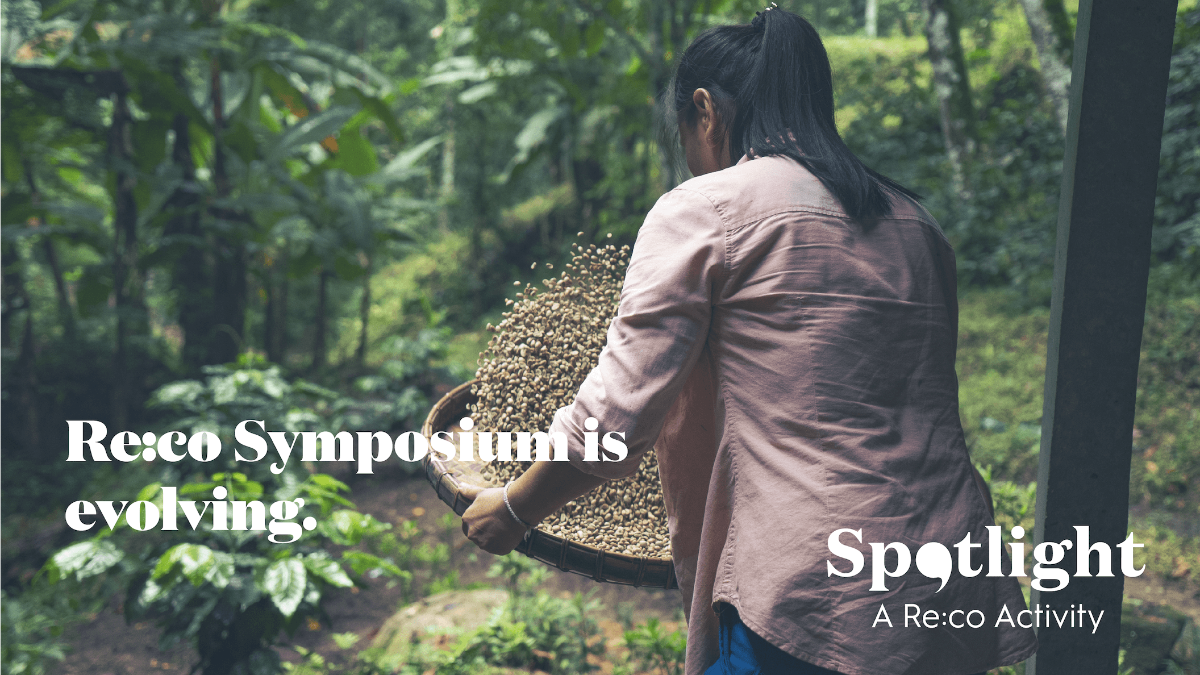
Spotlight: A Reimagined Re:co Activity Focused on Green Coffee Identity

The Specialty Coffee Association (SCA) has unveiled an exciting new concept for the Re:co Symposium ahead of the 2025 Specialty Coffee Expo in Houston. Named “Spotlight”, this initiative represents a fresh approach to tackling the pressing challenges of the specialty coffee industry. Designed as an interactive, hands-on engagement, Spotlight aims to bring together a small group of experts and passionate participants to collaboratively address complex questions surrounding the identity of green coffee.

Shaping the Future of Green Coffee Identity

As the specialty coffee industry continues to evolve, so does the SCA’s Re:co experience. Spotlight, a concentrated engagement activity, is set to redefine the way the coffee community collaborates to create a shared understanding of critical topics like green coffee identity. Participants will delve into economic, ethical, legal, and human considerations, contributing their expertise to help shape the future of the industry.

This exclusive gathering will take place April 23–24, 2025, just before the Specialty Coffee Expo in Houston. It will prioritize small group discussions, presentations, tastings, and collaborative exercises designed to foster innovative solutions and build a common language around green coffee identity.

Who Should Apply?

Spotlight is open to practicing coffee processors, producing institutions, subject matter experts, and passionate individuals who can demonstrate a strong connection between green coffee identity and their work. Applicants should reflect on how the outcomes of this activity might directly impact their roles or perspectives within the industry.

Given the interactive nature of the event, participation is highly selective, with only a limited number of applicants being invited. The selection process will ensure a diverse range of voices and perspectives, enriching the dialogue and fostering meaningful collaboration.

Time Commitment and Expectations

Participants will engage in preparatory activities before the event, including community discussions, a categorization exercise, and approximately an hour of pre-reading. During the event, attendees will participate in tastings, presentations, and small group exercises, ultimately contributing to the larger discussion. After the event, participants will be expected to share insights with their communities and stakeholders to advance the development of green coffee identity.

Application Process

Applications are now open, with the selection process managed by the Re:co Symposium Team and the SCA Standards Development Panel. Notifications will be sent to successful applicants by February 2025, depending on the number of applications received. Selected participants must complete their registration, including a nominal fee of $75, within five working days of notification.

Looking Ahead: Expanding Re:co’s Reach

The SCA is committed to fostering innovation and collaboration in the specialty coffee sector. Following the success of initiatives like Retail Buyers Lounge and Green Coffee Connect, Spotlight marks another milestone in Re:co’s evolution. Plans are underway to expand this interactive, problem-solving approach to a broader audience in 2026, with more details to be shared in the coming months.

For those passionate about shaping the future of specialty coffee, Spotlight offers a unique opportunity to engage with like-minded individuals and drive meaningful change. Apply now and be part of the conversation that will help redefine the coffee industry’s future.

The Specialty Coffee Association Announces the Opening of Nominations for the 2025 Sustainability Awards


The Specialty Coffee Association (SCA) has announced the opening of nominations for the prestigious 2025 Sustainability Awards, which celebrate innovation and leadership in advancing sustainability within the coffee sector. Organizations and projects that have significantly contributed to creating positive change in the industry are invited to apply or be nominated for this highly respected recognition.

Since their inception in 2004, the Sustainability Awards have highlighted the extraordinary efforts of companies and non-profit organizations tackling some of the industry’s most pressing challenges, including climate change, gender inequality, and community development. The awards not only honor achievements but also inspire others across the coffee value chain to adopt sustainable practices.

Recognizing Game-Changers in the Coffee Industry

The 2025 awards will honor both for-profit and non-profit organizations that demonstrate groundbreaking approaches and collaborative efforts that drive sustainability while benefiting the entire coffee community. This year’s winners will be celebrated at the SCA Expo, scheduled to take place in Houston, USA, from April 25 to 27, 2025.

Award Categories

  1. For-Profit Sustainability Award
    This category recognizes for-profit companies that have been operational for at least three years and have played a pivotal role in advancing sustainability within the coffee sector. The focus is on long-term business practices that contribute positively to environmental, social, and economic sustainability.
  2. Non-Profit Sustainability Award
    This category celebrates non-profit organizations or projects with a minimum of three years of impactful operations. These entities are recognized for their contributions to sustainability initiatives within the coffee industry, showcasing innovative solutions that benefit both producers and consumers.

The Road Ahead for Individual Recognition

While the SCA has traditionally acknowledged individuals making significant contributions to sustainability, the Individual Award will be paused for 2025 as the association refines its approach to better identify and celebrate these personal achievements.

Submission and Selection Process

Applications will be evaluated based on specific judging criteria that emphasize measurable impact, innovation, and replicability across the coffee sector. Winners will be provided an international platform at the SCA Expo to share their stories, inspire others, and receive well-deserved recognition for their efforts.

Organizations and projects meeting the eligibility criteria are encouraged to participate in this global celebration of sustainability. For more information or assistance with the submission process, contact [email protected].

The 2025 SCA Sustainability Awards aim to shine a spotlight on trailblazers and champions of sustainability, reinforcing the importance of collective action in shaping a more equitable and sustainable coffee industry.

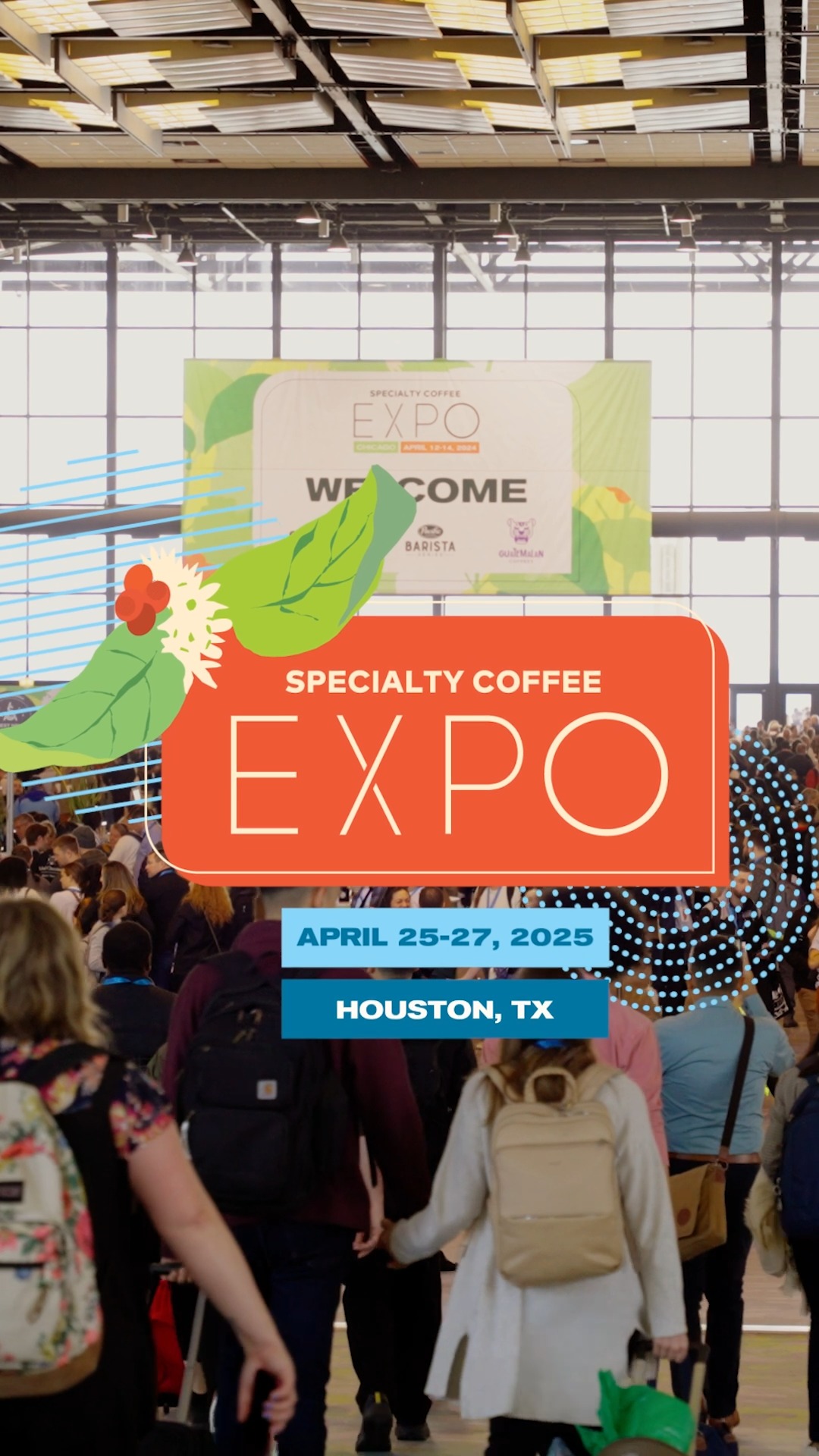
Registration Now Open for 2025 Specialty Coffee Expo Houston!

The Specialty Coffee Association (SCA) is thrilled to announce its flagship North American Specialty Coffee Expo will take place in Houston, TX at the George R. Brown Convention Center, April 25–27, 2025. This extraordinary gathering will welcome more than 17,000 attendees from 85 countries, showcasing the best in coffee innovation, culture, and sustainability as well as several networking opportunities supporting the commerce side of the trade business. Proudly supported by Title Sponsor Middleby Coffee Solutions Group, Diamond Sponsor Sanremo Coffee Machines and Platinum Sponsor Pacific Barista Series. Coffees from Peru will be featured as the Portrait Country with unique cultural activations, and a pop-up café experience.

“Specialty Coffee Expo is more than an event—it’s where the global coffee industry comes together to tackle today’s challenges and celebrate its future. In 2025, resilience will be key as we navigate the impacts of climate change, rising costs, and evolving consumer demands. Expo 2025 will showcase innovative solutions, from advanced brewing technologies to sustainable products, and foster meaningful connections across the coffee value chain,” said Yannis Apostolopoulos, CEO of the Specialty Coffee Association. “It’s the premier North American event for innovation, collaboration, and business in specialty coffee.”

The expansive Exhibition Hall will feature 600+ exhibiting companies offering the industry’s most innovative and cutting edge coffee products. Coffee professionals representing the entire value chain including roasters, retailers, buyers, producers, wholesalers, equipment manufacturers, baristas and more will have the opportunity to learn about integrating specialty coffee into their existing business plan, and easily make purchasing decisions face to face on the show floor.

The 2025 education program will feature 20+ workshops and 60+ lectures from top industry experts who will focus on core topics including Emerging Sustainability Regulations (e.g., EU Deforestation Legislation); E-commerce Strategies; Consumption Trends and Dynamics; and Technology, Automation, and Innovation. There will also be scientific poster sessions, updates on research from the Coffee Science Foundation including presentations from World Coffee Research, roast color research, insights on the current green coffee training ecosystem and the SCA Coffee Value Assessment.

Throughout the three-day event there will be several Special Events, including:

  • World Coffee Roasting Championship, the only world coffee competition in North America in 2025, where attendees can witness dozens of elite roasters from around the world compete for the championship title in a thrilling three-day event.

  • Awards: Attendees will be able to discover new products and innovations through the Best New Product Awards, Coffee Design Awards and Sustainability Awards.

  • Interactive Experiences: The Roaster Village and Cupping Exchange will be two areas to discover amazing new coffees from boutique roasters and green coffee importers from around the world.

  • Networking Opportunities: From happy hours with fellow industry peers to evening receptions, parties and meet-ups, attendees and exhibitors will have several ways to network.

  • Retail Buyers Lounge: Network with industry peers and enjoy curated programming designed for retail professionals.

  • Green Coffee Connect – Learn about the issues facing the fascinating world of green coffee production from experts in the field and discover new ways to interact with this critical sector.

 “Middleby Coffee Solutions is honored to be the Title Sponsor of the 2025 Specialty Coffee Expo in Houston, a prestigious show that has a reputation for showcasing the latest innovation and emerging trends in the coffee industry. Our brands are committed to delivering the highest quality coffee solutions to our customers with a focus on innovation, performance, and reliability. As the coffee industry continues to evolve, we are proud to support specialty coffee operators with product advancements, outstanding customer service and experienced, readily available support. We understand the importance of personal customer relationships with their cafes, and our goal is to strengthen these ties by supporting operators as they deliver an exceptional experience, every time,” said Tim FitzGerald, Middleby Corporation CEO. 

Attendees from around the world enjoy participating in Specialty Coffee Expo.  These are a few testimonials following the 2024 event.  “I am a coffee producer in Colombia and was very excited to attend the Specialty Coffee Expo.  It was very valuable for me to see the development of the coffee value chain worldwide,” said a first-time attendee. “Our company has been attending the SCA Expo since 2010, which is the main reason we manage to stay updated. There is no better investment than attending the SCA Expo,” an international attendee commented. “SCA Expo weekend is still the premier annual space for professionals from around the globe to come and network with each other. It can’t be skipped,” one attendee added.

Registration for the Specialty Coffee Expo is now open at www.coffeeexpo.org.   Register before March 14, 2025 for early bird discounts.  All SCA members receive a discount on registration. For sponsorship, exhibitor, or registration inquiries, email [email protected] or visit Specialty Coffee Expo.

Rules & Regulations Released for the 2025 World Coffee Championships in Geneva

The Specialty Coffee Association is delighted to release updated Rules & Regulations for the 2025 World Latte Art (WLAC), World Coffee in Good Spirits (WCIGS), World Cup Tasters (WCTC) and Cezve/Ibrik (CIC) Championships. The updated rules and scoresheets follow the 2025 World Coffee Roasting Championships and World Brewers Cup Rules and Regulations announced last month. The updated Rules & Regulations will be used at the at the 2025 World Latte Art, World Coffee in Good Spirits, World Cup Tasters and Cezve/Ibrik Championships at World of Coffee Geneva, from June 26-28, 2025.

This round of updates primarily clarifies and formalizes existing practices. Key changes include updated preparation time in the WLAC when using fully-automatic espresso machines, and clearer language around the optional use of a technical judge for Competition Bodies. Adjustments in the WCIGS competition permit minor repositioning of espresso machines, along with clearer guidelines for drink temperature evaluation. To align with SCA standards, the WCTC increases the coffee-to-water ratio and reorganizes rules for better clarity. In the CIC, judging criteria now align more closely with the World Barista Championship (WBC) and integrate updated evaluation details reflecting the Coffee Value Assessment (CVA).  Additionally, in alignment with all 2025 World Coffee Championships, the appeals and complaints process at both Competition Body and World-level events has been streamlined, now requiring submissions via an online form.

Updates to the rules & regulations are overseen by the WCC Competitions Strategic Committee. The rules documents, summaries of changes, scoresheets, and new appeals form are now available at the new website for the World Coffee Championships on the Rules & Regulations page.

Make sure to join us — either in-person or online — at the 2025 World Coffee Championships this season:

Houston World Coffee Championships

April 25-27 at the Specialty Coffee Expo in Houston, TX, USA

Featuring the World Coffee Roasting Championship

Jakarta World Coffee Championships

May 15-17 at World of Coffee in Jakarta, Indonesia

Featuring the World Brewers Cup

Geneva World Coffee Championships

June 26-28 at World of Coffee in Geneva, Switzerland

Featuring the World Latte Art, World Coffee in Good Spirits, World Cup Tasters, and Cezve/Ibrik Championships

Milan World Coffee Championships

October 17-21 at HostMilano in Milan, Italy

Featuring the 25th World Barista Championship

Researchers Develop Groundbreaking AI Algorithm for Coffee Defect Detection

International researchers have developed an advanced artificial intelligence (AI) algorithm capable of detecting and classifying defects in green coffee beans with unprecedented accuracy. This significant achievement for the global coffee industry was revealed in a study titled “Comparative Analysis of YOLO Models for Green Coffee Bean Detection and Defect Classification”, published in Scientific Reports, Volume 14, 2024.

The research team, from Sylhet Agricultural University in Bangladesh and Gifu University in Japan, led this project, focusing on applying YOLO (You Only Look Once) models to detect defects. The study aims to enhance coffee production efficiency by providing an automated system that ensures consistent quality and reduces labor costs.

The quality of green coffee beans plays a critical role in determining the flavor and commercial value of the final product. Traditionally, inspecting the quality of green coffee beans has relied on manual labor—a time-consuming, labor-intensive process prone to human error. These challenges highlight the urgent need for automated solutions to ensure quick and accurate inspections.

The study demonstrates how AI models can replace manual inspection by offering an automated system capable of detecting and classifying defects, such as black, broken, faded, and sour beans.

The research team comprised Hira Lal Gope, Hidekazu Fukai, Fahim Mahafuz Ruhad, and Shohag Barman. They utilized a dataset of more than 4,500 annotated images to evaluate the performance of six YOLO models, including YOLOv3, YOLOv4, YOLOv5, YOLOv7, YOLOv8, and the custom YOLOv8n model developed specifically for this study.

Green coffee bean samples were collected from farmers in Timor-Leste and photographed using a standardized setup to ensure consistency. Preprocessing techniques, such as enhanced lighting, brightness adjustments, and rotations, were also applied to improve model accuracy.

The custom YOLOv8n model demonstrated outstanding performance, achieving a precision of 0.977, recall of 0.990, and an f1-score of 0.983. Additionally, it recorded a mean Average Precision (mAP) of 0.995, highlighting its ability to detect even subtle defects with exceptional accuracy.

The model’s innovations included:

  • Improved Feature Extraction: Adjustments to the model’s internal architecture allowed it to detect detailed features of defects.
  • Multi-Scale Detection: Design modifications enabled the model to detect defects of varying sizes and characteristics.
  • Customized Bounding Boxes: Tailored to match the unique dimensions of green coffee beans.
  • Parameter Optimization: Enhanced learning rates and other settings to improve overall performance.

The study highlighted several practical advantages of using AI in coffee production:

  • Enhanced Efficiency: Faster image processing compared to manual inspection, reducing operational costs.
  • Consistency: Eliminating human error ensures uniform quality.
  • Scalability: The model can adapt to multiple bean types and defect categories across different coffee-producing regions.

The researchers noted that this system could also be applied to other agricultural products, such as detecting crop diseases or assessing the quality of fruits and vegetables.

The study classified defects into four main categories:

  1. Black Beans: Resulting from unripe or damaged cherries.
  2. Broken Beans: Damaged during the pulping process.
  3. Faded Beans: Losing color due to rapid drying or aging.
  4. Sour Beans: Caused by overripe cherries or improper fermentation.

The model was trained using the Stochastic Gradient Descent (SGD) optimization technique on an NVIDIA Tesla T4 GPU. This approach achieved optimal performance after 150 training epochs.

Despite the success of the custom model, the researchers acknowledged some challenges, including:

  • Long Training Times: Addressing this requires additional optimizations.
  • Dataset Diversity: Collecting more diverse samples could enhance the model’s generalizability.
  • Integration with IoT Technologies: Combining the model with IoT sensors could enable real-time quality monitoring.

Future research aims to address these challenges to develop more comprehensive and scalable solutions.

Developing this AI algorithm marks a significant step toward improving quality standards in the coffee industry. With the unprecedented accuracy provided by the custom YOLOv8n model, producers can achieve excellence in a global market that demands the highest levels of efficiency and consistency.

As this technology continues to evolve, it promises a new era in coffee quality assurance, where producers and consumers alike can look forward to unprecedented levels of efficiency and innovation.

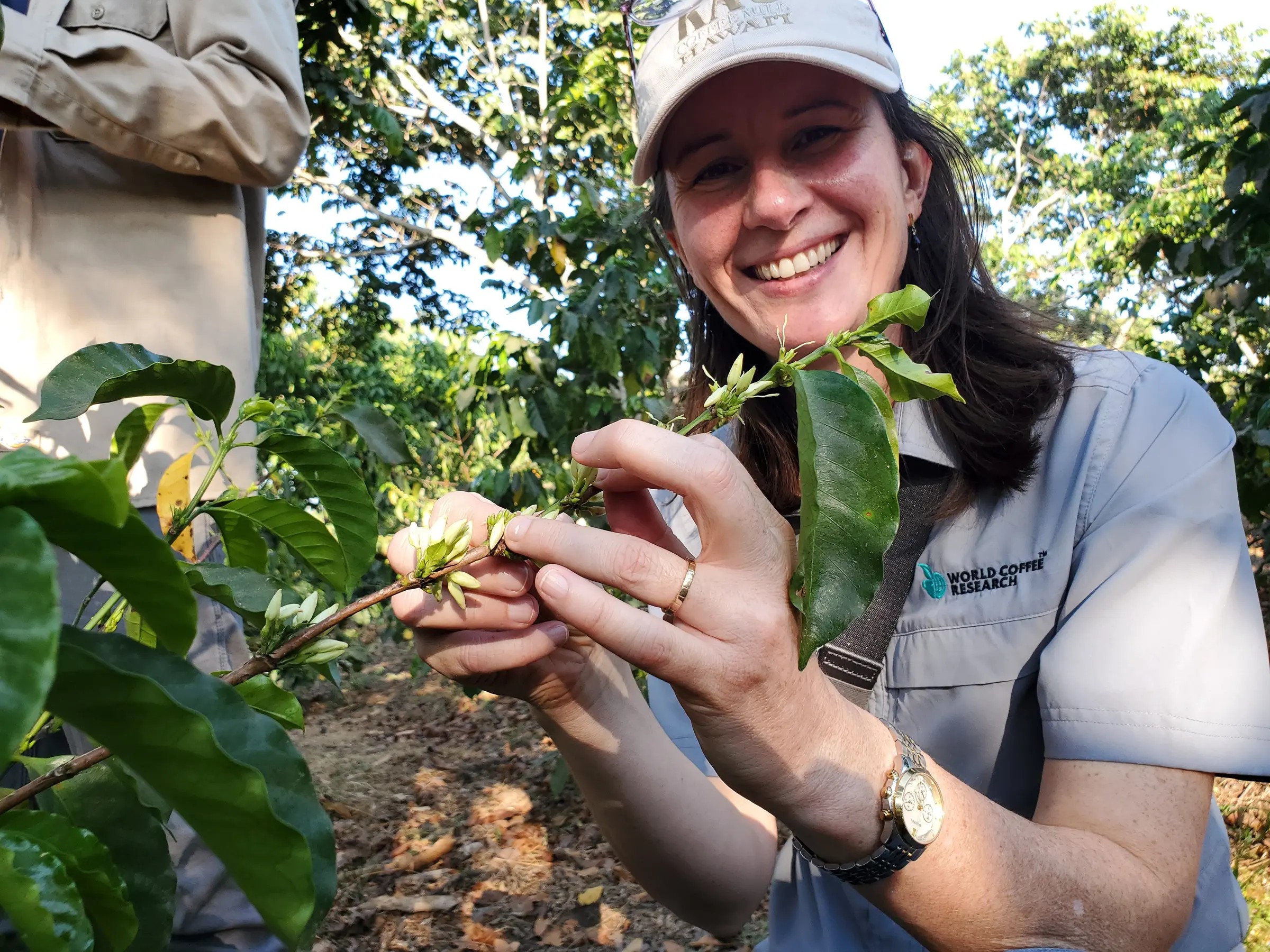
World Coffee Research CEO Highlights the Organization’s Achievements for 2024

Dr. Jennifer Vern Long, CEO of World Coffee Research (WCR), confirmed that the organization concluded 2024 with remarkable achievements in coffee variety development, partnership strengthening, and farmer-focused solutions. She pointed out that these successes came in a year filled with global agricultural challenges, underscoring the organization’s role as a leader in enhancing coffee’s resilience and ensuring its sustainability for the future.

In her annual update, Dr. Vern Long reviewed the progress made in addressing pressing challenges faced by coffee farming communities worldwide, stating:
“At a time when unprecedented challenges to coffee cultivation are accelerating, it is inspiring to see what we can achieve through collaboration to develop science-based solutions that enhance resilience and create opportunities for farmers worldwide.”

Dr. Vern Long outlined the key achievements of World Coffee Research for 2024 as follows:

Launch of the Innovea Global Arabica Breeding Network

World Coffee Research accomplished a major milestone by establishing field trials for the Innovea Global Arabica Breeding Network. After two years of development, the program introduced 5,000 genetically diverse and high-performing coffee trees across multiple regions. These trials aim to tackle specific climate challenges and provide farmers with innovative solutions to protect their crops.

Strengthening Partnerships for Robusta Variety Development

World Coffee Research expanded its impact to robusta-producing countries by formalizing partnerships with Vietnam, Uganda, and Ghana—key robusta-producing nations. These partnerships are part of the organization’s broader strategy to advance robusta variety development, with further expansion expected ahead of the network’s official launch in 2025.

Multi-Million Dollar Investments in Research and Development

The organization launched a groundbreaking program in collaboration with Cornell University, backed by $5 million in funding from the United States Agency for International Development (USAID). The program focuses on enhancing the resilience and productivity of coffee farmers through partnerships with global institutions, including Colombia’s CENICAFÉ, Kenya’s KALRO, and Rwanda’s RAB. Additionally, a pilot project in Peru aims to improve farmers’ access to high-quality planting materials.

Improved Access to High-Performing Coffee Varieties

In Peru, World Coffee Research worked closely with partners to establish 10 new seed production sites capable of producing 4 million improved coffee trees annually. In Uganda, the organization distributed 100,000 disease-resistant seedlings and provided training to over 100 nursery operators and seed producers, significantly enhancing seed sector capacity in the region.

Dr. Vern Long emphasized that these achievements represent the beginning of a transformative journey for the coffee industry. She highlighted that through innovation, collaboration, and targeted investments, the organization is addressing fundamental challenges while paving the way for long-term stability and growth.

She stated: “The progress achieved this year is evidence of the powerful change we can create by working together. This journey is certainly the path that will lead us to where we need to be as a global coffee community.”

World Coffee Research remains committed to advancing coffee agriculture through science, partnerships, and innovation. For more information about the organization’s programs and achievements, visit their official website.

Drinkit Team Elevates Service Standards Through Calibration

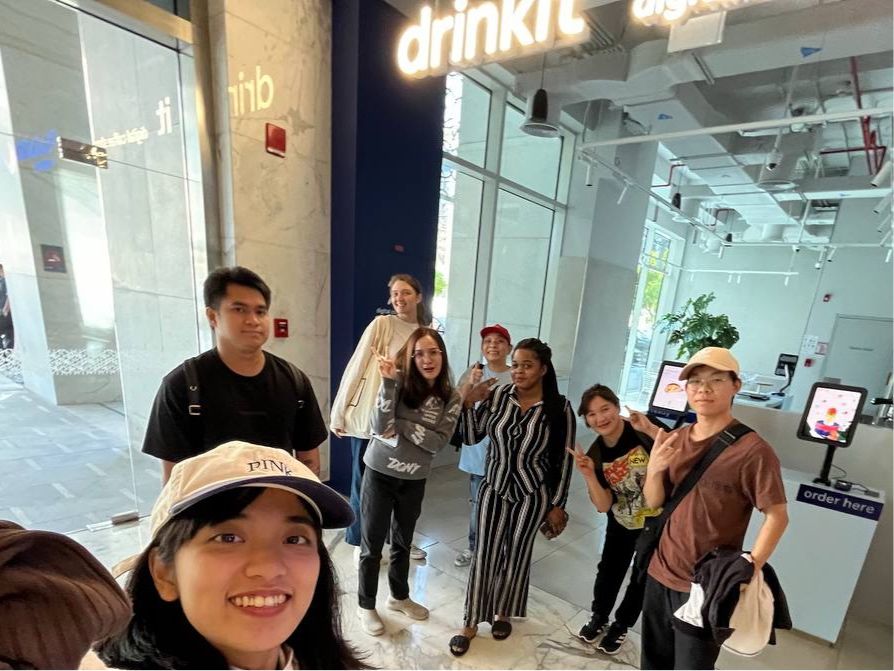
In a strategic move to enhance customer experience and elevate operational standards, the Drinkit training team, led by Learning and Development Manager Elena Gess, visited several coffee shops across Dubai. This service calibration initiative provided valuable insights into industry practices while fostering team development and growth.

The Key Goals of Service Calibration

1. Strengthening Team Bonds
The initiative offered team members the chance to step outside their daily work environment and engage in collaborative learning. “Exploring new spaces together allowed us to bond and gain fresh perspectives,” said Elena Gess.

2. Enhancing Observational Skills
Using a structured checklist, the team evaluated critical elements such as cleanliness, barista behavior, and guest interactions. This process sharpened their attention to detail, enabling them to identify the small yet impactful factors that influence guest satisfaction.

3. Competitor Analysis in a Competitive Market
Dubai’s dynamic coffee industry demands continuous adaptability. Observing the operations of other coffee shops allowed the team to analyze emerging trends and best practices, helping Drinkit remain competitive and innovative.

4. Highlighting Standards of Excellence
The visits underscored the importance of consistency and quality. From bar organization to drink presentation, the initiative reaffirmed Drinkit’s commitment to delivering exceptional service.

Core Evaluation Focus Areas

During their visits, the team assessed the following aspects:

  • Cleanliness: In guest areas and behind-the-bar operations.
  • Bar Equipment: Organization, maintenance, and functionality.
  • Team Dynamics: Speed, interaction, and friendliness of staff.
  • Hygiene Standards: Compliance with safety and cleanliness protocols.
  • Drink Quality: Balance of flavors, milk texture, and artistic presentation.
  • Guest Farewell: Ensuring a positive and lasting impression.

Valuable Insights and Next Steps

Following the visits, team discussions focused on standout practices, areas of inspiration, and opportunities for improvement within Drinkit. Gess emphasized the importance of these sessions in aligning the team with Drinkit’s service philosophy.

“Stepping into the guest’s shoes and learning from others helps us stay competitive and adaptable in a fast-evolving industry,” said Gess. “This process will remain a cornerstone of our strategy moving forward.”

Raising the Bar in Dubai’s Coffee Scene

As the hospitality sector evolves, initiatives like service calibration are essential to maintaining a competitive edge. By analyzing competitor practices and reconnecting with the guest perspective, Drinkit continues to set the standard for exceptional coffee experiences in Dubai.

World of Coffee Dubai 2025 Now Accepting Entries for the Best New Product Competition!


The organizers of World of Coffee Dubai 2025, the largest and most influential event in the coffee industry, have officially announced the opening of submissions for the Best New Product Competition. This competition provides a unique opportunity for innovators to present groundbreaking ideas that aim to transform the coffee experience and shape its future.

If you have a pioneering product that could revolutionize the coffee industry, this competition, held as part of the World of Coffee Dubai 2025 event from February 10 to 12, is your chance to showcase your idea to the world.

Competition Categories:

  • Coffee Accessories: Innovations related to coffee equipment and serving.
    Commercial Coffee Preparation & Serving: Tools and solutions designed to support the professional coffee sector.
    Consumer Coffee Preparation & Serving: Devices or solutions that enhance home coffee brewing.
    Open Class: Creative ideas that go beyond traditional classifications.
    Specialty Coffee Beverage Additive: Ingredients or enhancements that elevate the flavor of coffee beverages.
    Specialty Non-Coffee Beverages: Unique beverages presented as innovative alternatives to coffee.

Submission Deadline:

The organizers invite innovators and interested companies to submit their applications before December 31, 2025. Don’t miss the opportunity to showcase your innovations at one of the largest global gatherings for coffee enthusiasts.

The Best New Product Competition is an integral part of World of Coffee Dubai 2025. The event provides a global platform that brings together coffee industry leaders and innovators, offering them the chance to present their products to a broad audience, including coffee professionals, investors, and enthusiasts.

The World of Coffee Dubai 2025 exhibition will take place over three exciting days, gathering coffee experts, global brands, and coffee lovers under one roof. The event will feature educational workshops, stimulating competitions, and exclusive tasting sessions, alongside opportunities to explore the latest trends and advancements in the coffee world.

This event is an ideal platform for participants to strengthen their market presence, expand their brand reach, and celebrate their passion for coffee in one of the most influential destinations for hospitality and innovation.

How to Register:

For more information about the competition and to submit your application, visit the official website of World of Coffee Dubai or follow its social media accounts.

Get ready to showcase your innovations and compete for the title that could transform your journey in the coffee industry!

Dubai to Host First Auction of the World’s Most Exclusive Coffees at World of Coffee 2025

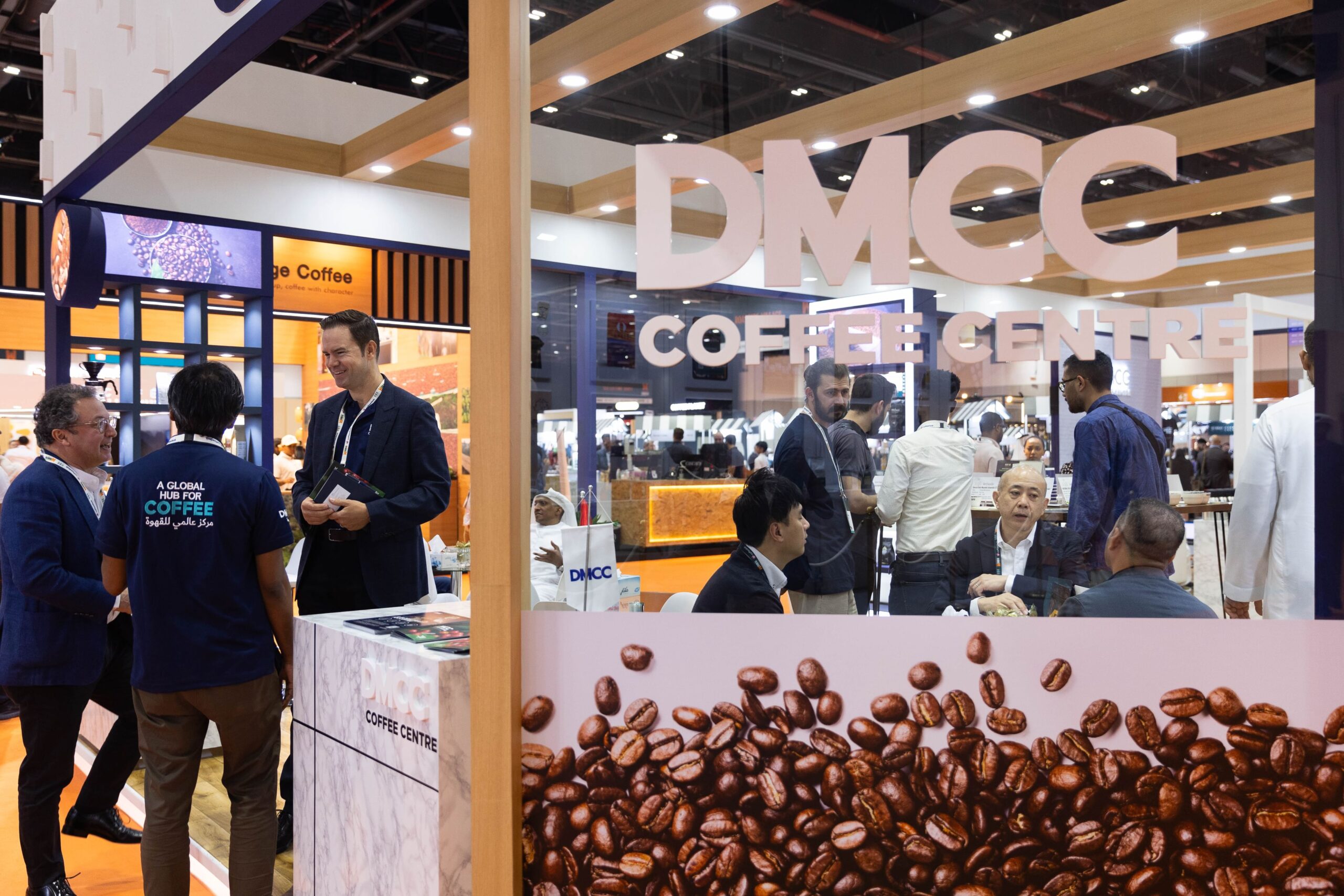
Dubai is set to become the center of attention for coffee enthusiasts and industry leaders as it hosts the first-ever DMCC Specialty Coffee Auction during World of Coffee (WOC) Dubai 2025. This groundbreaking event, scheduled for February, will see some of the rarest and finest coffee beans globally go under the hammer for eager buyers.

The auction is the result of a strategic collaboration between WOC Dubai and the Dubai Multi Commodities Centre (DMCC). It will feature around 20 exclusive lots of rare, specialty-grade coffee beans. Buyers worldwide, including top global producers, will participate either in person or remotely via a state-of-the-art digital auction platform.

Specialty coffee is defined as coffee scoring 80 points or above on the Specialty Coffee Association’s 100-point scale. However, the beans featured in this auction boast scores of 92 and above. Coffee prices for high-quality lots have skyrocketed, with records continuously being broken. Earlier this year, the Elida Geisha Natural Torre from the Lamastus Family Estate set a new record, selling for $10,013 per kilogram.

Among the rarest coffees in the world are Thailand’s Black Ivory, which sells for about $1,500 per kilogram, and Indonesia’s Kopi Luwak, which can reach prices of up to $1,200 per kilogram.

Ahmed Bin Sulayem, Executive Chairman and CEO of DMCC, stated:
“The launch of the inaugural DMCC Coffee Auction at World of Coffee Dubai 2025 reflects our commitment to shaping the future of one of the world’s most valued commodities. By presenting these exceptional coffees, this event could establish new benchmarks for specialty coffee pricing while cementing Dubai’s role as a global coffee trade hub. We are proud to bring together producers, traders, and coffee lovers from across the globe to foster growth, sustainability, and innovation in the industry.”

This highly anticipated auction will serve as a key feature of World of Coffee Dubai 2025, the region’s largest coffee trade show. Returning for its fourth edition from February 10–12, 2025, at the Dubai World Trade Centre, WOC Dubai is expected to welcome over 13,500 visitors and 400 international exhibitors.

With the coffee market in the MENA region projected to reach a value of $11.5 billion by 2025, WOC Dubai comes at a critical time, reflecting the region’s rapid growth and influence within the coffee industry.

Khalid Al Hammadi, Senior Vice President of DXB LIVE, commented:
“World of Coffee Dubai has become a vital platform for uniting coffee professionals, enthusiasts, and businesses worldwide. Hosting this auction highlights Dubai’s increasingly pivotal role in the global coffee trade and its reputation as a hub for innovation, opportunity, and collaboration within the industry.”

The coffee industry has seen a remarkable increase in value, with prices reaching their highest levels in 47 years. This surge is driven by rising global demand—particularly in Asia—and challenges in supply, including adverse weather conditions affecting key coffee-producing nations like Brazil and Vietnam. These factors make events like the DMCC Specialty Coffee Auction essential, as they connect industry leaders while providing insight into emerging trends and opportunities.