Cup of Excellence: The World’s Most Prestigious Coffee Award Explained

Have you ever sipped a coffee so distinct, so remarkable, that it stood apart from anything you’ve tasted before? It may have been a Cup of Excellence winner — the highest accolade a coffee can receive on the global stage.

Despite being a cornerstone of the specialty coffee world for over two decades, many consumers are still unfamiliar with the Cup of Excellence (CoE). Yet this competition has reshaped how coffee is evaluated, sourced, and celebrated worldwide.

A Global Movement Rooted in Quality and Fairness

The Cup of Excellence began in 1999 as a bold initiative by the International Coffee Organization (ICO), originally as part of the Gourmet Coffee Project in Brazil. Its goal was simple but revolutionary: recognize and reward the best coffees from each origin through a rigorous competition and a global auction platform.

Coffee farmers at the time were producing exceptional beans but receiving low prices, especially in the wake of collapsing commodity markets. The Cup of Excellence sought to change that by shining a spotlight on producers and connecting them directly with international buyers willing to pay top dollar for quality.

Key figures like Marcelo Vieira, Susan Spindler, Hidetaka Hayashi, Silvio Leite, Don Holly, and George Howell played foundational roles in launching the first competition. Since then, the initiative has grown significantly, expanding beyond Latin America to include origins in Africa and Asia. Today, the competition is organized by the non-profit Alliance for Coffee Excellence (ACE), which operates out of Houston, Texas.

How the Cup of Excellence Works

The CoE is more than just a tasting competition — it’s a rigorous, multi-stage process that assesses coffee quality with scientific precision.

  1. Entry Submission
    Farmers submit their best lots — often small microlots — for evaluation. Samples are carefully prepared to standardized specifications for consistent assessment.

  2. Preselection Round
    National juries cup and score all entries using the CoE Cupping Form. Only coffees scoring 86 points or higher move on.

  3. National Jury Evaluation
    A second round of cupping by national experts narrows down the field to the top 40 coffees.

  4. International Jury Evaluation
    An elite panel of international Q Graders, roasters, and green coffee buyers conduct blind tastings over several days. Only coffees scoring above 87 qualify as Cup of Excellence winners. Coffees that score 90 or above receive the Presidential Award.

  5. Auction and Awards
    Winning coffees are sold via a global online auction. Crucially, 100% of the proceeds go to the producers, offering them not just income but visibility and long-term market opportunities.

What Judges Look For

The competition uses a standardized Cupping Form tailored for CoE. It evaluates:

  • Flavor and aftertaste

  • Body and acidity

  • Sweetness, balance, and cleanliness

  • Overall uniformity and aroma

Each coffee is blind-tasted and scored out of 100. Coffees that don’t meet the minimum 86-point standard are eliminated early — making this one of the most selective competitions in the industry.

Why the Cup of Excellence Matters

The CoE is one of the few coffee awards that significantly impacts producers’ livelihoods. Winners often gain access to direct-trade deals, secure premium prices, and receive global recognition.

For buyers, CoE streamlines the search for exceptional coffee. It identifies unique lots with transparency, traceability, and verified quality. For consumers, it opens the door to experiencing truly extraordinary coffees — many of which were previously undiscovered.

Most importantly, the CoE helps elevate the standards of the entire coffee supply chain by emphasizing clarity in flavor, traceable sourcing, and excellence in post-harvest practices.

Notable Winners

2024 Highlights:

  • Brazil – Sítio Santa Luzia, Minas Gerais
    Score: 92.32 | Variety: Yellow Catucaí | Process: Natural

  • El Salvador – La Bendición, Alotepeque-Metapan
    Score: 92.00 | Variety: Pacamara | Process: Honey

  • El Salvador – Los Morales
    Score: 91.8 | Variety: Gesha | Process: Natural

2023 Highlights:

  • El Salvador – Finca Mileydi
    Score: 91.82 | Variety: Pacamara | Process: Semi-washed

  • Honduras – Finca Pino de Oro
    Score: 91.78 | Variety: Pacamara | Process: Natural

  • Nicaragua – Finca Los Alpes
    Score: 91.6 | Variety: Gesha | Process: Natural

Coffee of Excellence FAQs

What Is Cup of Excellence Rating?
Cup of Excellence rating is a scoring system that evaluates eight core coffee attributes — including roast color, sweetness, cleanliness, aroma, acidity, balance, defects, and overall appearance — on an 8-point scale. The judges add 36 to the accumulated score, resulting in a total out of 100. To qualify as a Cup of Excellence coffee, a sample must score at least 86 points.

How To Become a Cup of Excellence Judge?
Becoming a CoE judge requires deep expertise in coffee — including cupping, roasting, importing, and quality control. Ideal candidates often have certifications from institutions such as the SCA or CQI and a track record in assessing coffee quality. Judges are selected by invitation from the Cup of Excellence organizers.

Where Is the Cup of Excellence Held?
The Cup of Excellence began in Brazil, where Central and South American countries initially dominated. Since 2020, the competition has expanded globally, with events hosted in Rwanda, Ethiopia, Indonesia, Colombia, Peru, Mexico, and more. Each year, competitions rotate among top coffee-producing nations.
From Oversupply to Strategic Shift: The Coffee Industry Between Challenge and Adaptation

As prices fall and Robusta exports surge, the world’s coffee market enters a delicate dance between abundance and anxiety. What’s really brewing behind the beans?

For the first time since December 2024, global coffee prices have dipped below the 300 US cents per pound threshold. The June 2025 ICO Composite Indicator Price (I-CIP) fell sharply to an average of 295.06 US cents/lb—an 11.8% drop from the previous month. But the price movement is just one piece of a much larger picture: a complex, shifting landscape where oversupply is challenging assumptions and rewriting strategies from São Paulo to Saigon.

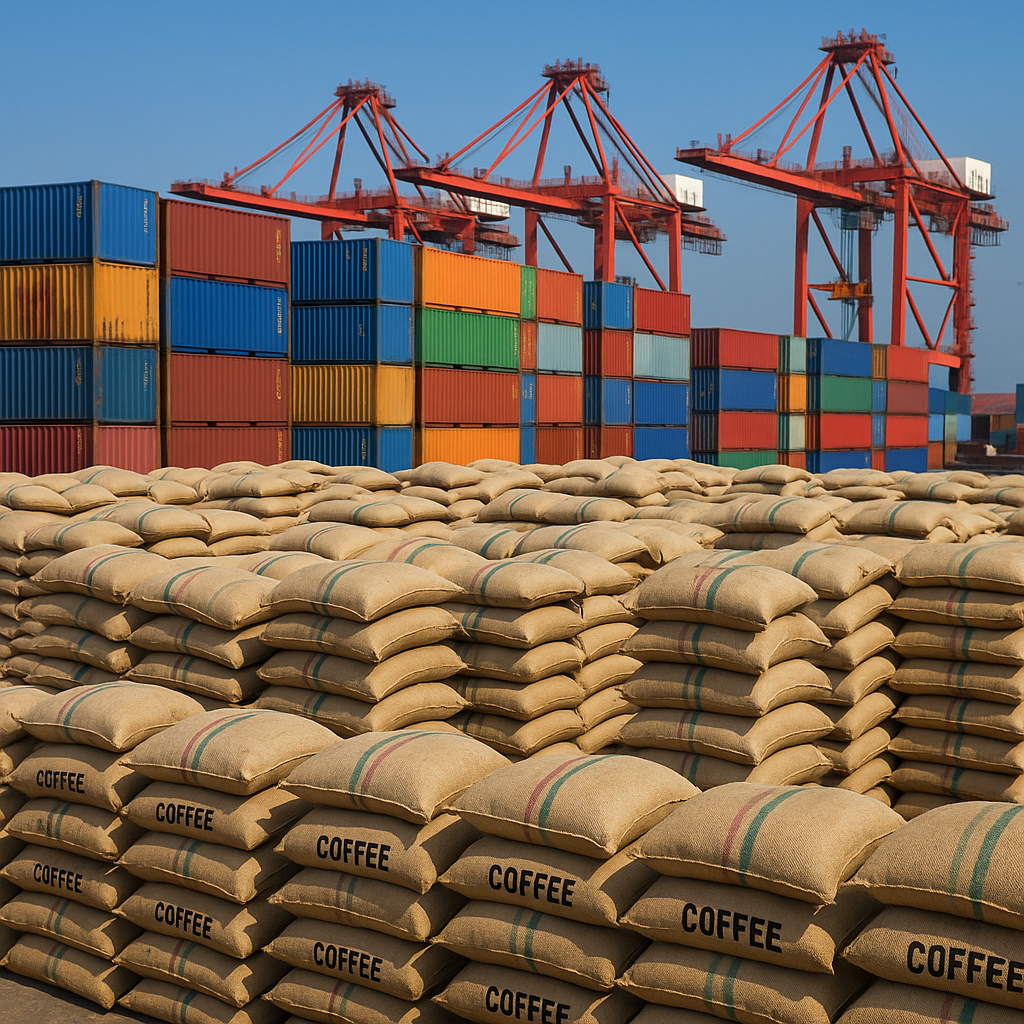
Behind the falling prices lies a surprising culprit: abundance. According to the latest USDA estimates, the world is heading for a surplus of 9.32 million bags for the 2025/26 coffee year—on top of an already massive 7.88 million bag surplus from 2024/25. Meanwhile, certified stockpiles have climbed to multi-month highs before dipping slightly, feeding negative sentiment across trading floors.

Even traditionally resilient segments like Colombian Milds saw a drop, while Robusta prices fell dramatically—down 17.5% to 196.21 US cents/lb, breaking below the critical 200 mark for the first time since January 2024. But perhaps most telling is the global export behavior: Robusta shipments surged 20.1% year-over-year in May 2025, with Vietnam increasing its exports by a stunning 87.3%. Indonesia and Uganda followed suit with triple- and double-digit growth.

At first glance, it might appear that Robusta is finally claiming its place at the table—but this isn’t necessarily a triumph. The shift is partly due to Brazil’s normalization after an exceptional season and Vietnam’s recovery from prior drought-driven losses. It’s a short-term reshuffling of cards, not a redefinition of the game.

Meanwhile, Arabica exports, despite comprising 62.9% of total green coffee exports, saw more muted performance. The Colombian Milds group—long viewed as a beacon of quality and stability—suffered its first contraction after 19 months of steady growth. Colombia, the group’s anchor, experienced its second straight monthly downturn.

But the volatility goes beyond numbers. On June 23rd, frost fears in Brazil briefly reignited price spikes—only to quickly subside with improved weather reports. It was a stark reminder of how climate still wields enormous power over coffee’s fate, even in an age of data-driven markets.

The story of this month’s coffee market is not simply about decline—it’s about strategic adaptation. Roasted coffee exports, for example, rose by 46.8% year-over-year, and soluble coffee exports were up 15.4%, with Brazil leading the instant boom. Markets are clearly trying to adjust by adding value, diversifying offerings, and leaning into convenience.

So what does this all mean for the coffee industry?

Producers are under pressure to manage surpluses without collapsing prices. Exporters are pivoting toward soluble and roasted markets. Roasters are forced to navigate narrowing price gaps between specialty and commercial coffee, as consumers weigh quality against affordability. And climate still lingers as the great unknown.

In a world where more coffee is not always better, the real winners may be those who learn not just to grow or roast—but to read the market. As the lines between origin, quality, and pricing continue to blur, the ability to anticipate and adapt is becoming the industry’s most valuable currency.

Inside the Roast: Unlock the Secrets of Precision Roasting at the Link Roaster Experience in Dubai

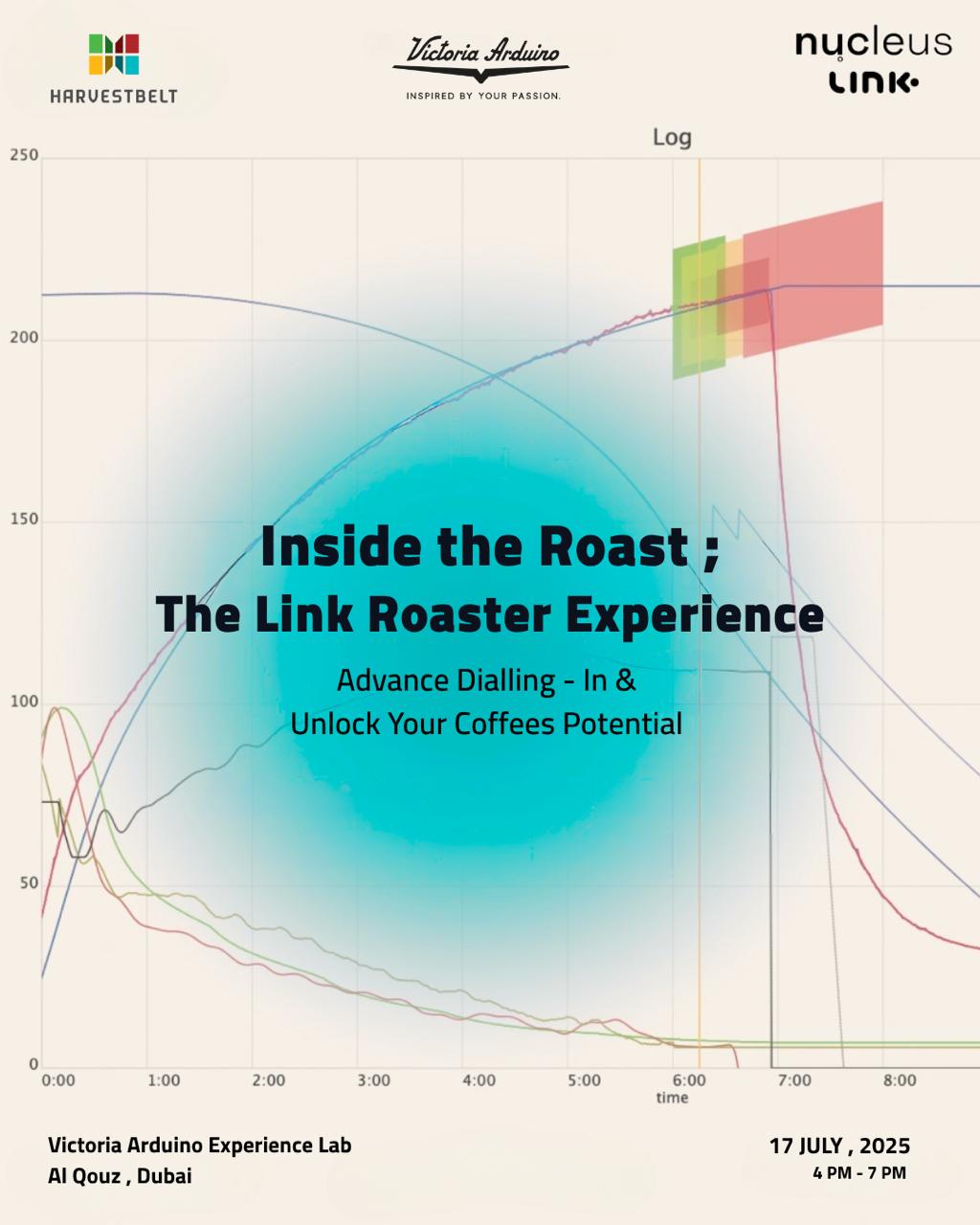
On July 17, 2025, the Victoria Arduino Experience Lab in Al Quoz, Dubai, will host Inside the Roast: The Link Roaster Experience, an exclusive event that delves deep into advanced coffee roasting. Organized by Nucleus Link in collaboration with Victoria Arduino and Harvestbelt, the session offers a hands-on exploration of roast profiling, live cupping, and brewing excellence.

The art and science of coffee roasting take center stage this July as Dubai’s specialty coffee community prepares for Inside the Roast: The Link Roaster Experience. Set to take place at the Victoria Arduino Experience Lab in Al Quoz on July 17 from 4 PM to 7 PM, the event promises an immersive journey into the world of precision roasting and flavor unlocking.

Organized by Nucleus Link, in partnership with Victoria Arduino and Harvestbelt, the event is designed to help participants master “advanced dialling-in” techniques—transforming raw beans into exceptional brews through intelligent profiling and sensory evaluation.

From live cupping sessions to guided roast curve analysis, attendees will witness how even subtle adjustments in roast parameters can dramatically reshape the coffee experience. The session highlights the capabilities of the Link Roaster system, renowned for its innovation in heat control and real-time data visualization.

“Whether you’re a seasoned professional or just beginning your roasting journey, this is your moment to roast like a world champion,” organizers said. “The event will walk you through how to optimize your roast curve, tailor it to your green coffee, and achieve extraction perfection.”

Each roast will be extracted on Victoria Arduino machines, demonstrating the powerful synergy between elite roasting technology and world-class brewing equipment. Participants will also engage in a flavor exploration to understand how roast development directly impacts taste, body, and complexity in the cup.

The event is open to a limited number of 50 participants, with registration now live via the official Google Form.

Event Details:

  • 📍 Victoria Arduino Experience Lab, Al Quoz, Dubai

  • 📅 Date: 17 July 2025

  • Time: 4 PM – 7 PM

  • 👥 Minimum capacity: 50 participants

  • 🎟 Limited seats available

  • 🔗 Register here

With limited seats and high interest expected from Dubai’s thriving coffee community, early registration is strongly encouraged. Don’t miss your chance to unlock your coffee’s full potential and experience the Link Roaster like never before.

What Is the International Coffee Agreement 2022, and What Has Changed?

In response to the growing challenges facing the global coffee sector—ranging from price volatility and climate change to farmer poverty and supply chain disruptions—the International Coffee Agreement (ICA) 2022 was introduced as a modernized global framework for cooperation. Adopted by the International Coffee Council under the International Coffee Organization (ICO), the ICA 2022 marks a significant evolution from previous agreements, laying the foundation for a new era of inclusive, sustainable, and equitable governance in the coffee industry.

What Is the International Coffee Agreement 2022?

The ICA 2022 is a multilateral treaty signed between ICO member countries. It aims to strengthen international cooperation in the production, trade, and consumption of coffee, support producer livelihoods, promote environmental sustainability, and improve market transparency. The agreement was opened for signature in October 2022, with the ratification window extending until July 2023. It entered into force once the minimum required number of exporting and importing countries completed their ratification procedures.

What Has Changed in This Agreement?

Compared to its predecessors, the ICA 2022 introduces several key innovations:

  1. Official Inclusion of the Private Sector
    For the first time, private companies—including traders, roasters, retailers, and NGOs—can formally participate as observers and contributors in working groups and policy discussions.

  2. More Inclusive Governance
    Decision-making is no longer limited to governments. The agreement creates mechanisms that engage a broader spectrum of stakeholders throughout the coffee value chain, increasing transparency and responsiveness.

  3. Stronger Focus on Sustainability and Climate Resilience
    ICA 2022 prioritizes environmental protection, sustainable farming practices, and climate adaptation, especially for smallholder producers in vulnerable regions.

  4. Encouragement of Value Addition at Origin
    The agreement supports the development of domestic processing (e.g., roasting and packaging) in producing countries to enhance local economies and increase producer income.

  5. Enhanced Data Systems and Transparency
    The ICO will strengthen its data collection, market analysis, and reporting frameworks to inform evidence-based policymaking and early warning systems.

  6. Flexible and Fair Contribution Structure
    The financial contribution model has been revised to make participation more accessible, especially for developing countries, while ensuring the financial sustainability of the ICO.

Who Are the Members?

More than 40 coffee-producing countries have signed or ratified the ICA 2022, including Brazil, Vietnam, Colombia, Ethiopia, Honduras, Indonesia, and Yemen. Key importing members include the European Union, Japan, the United Kingdom, Switzerland, and Norway.
This diverse membership reflects a broad global commitment to reshaping the future of coffee through cooperative engagement.


What Does It Mean for a Country to Be a Member?

Joining the ICA 2022 brings with it a set of tangible benefits and responsibilities for any country—whether it is a coffee producer or consumer:

Benefits of Membership

  • Influence in Global Coffee Policy
    Member states participate in the International Coffee Council, the decision-making body of the ICO, where they help shape global trade policies, sustainability priorities, and development initiatives.

  • Access to Market Intelligence and Data
    Members gain full access to ICO’s data systems and market reports, which provide critical insights into global coffee trends, pricing, production, and consumption patterns.

  • Technical and Development Support
    Members can benefit from ICO-led or ICO-supported projects focused on farmer training, climate resilience, access to finance, digital tools, and sustainable farming practices.

  • Promotion of Sustainable and Fair Trade
    The agreement helps position member countries as responsible participants in the global market—especially important under emerging international regulations like deforestation laws or due diligence standards.

  • Opportunities for Regional and Global Collaboration
    Membership facilitates partnerships with other countries, NGOs, and private sector actors for research, market development, and cross-border initiatives.

  • Support for Smallholder Livelihoods
    ICA 2022 seeks to ensure fair income for coffee farmers through transparency, better pricing systems, and global campaigns focused on living income benchmarks.

Responsibilities of Membership

  • Annual Financial Contribution
    Based on the country’s status (producer or importer) and its coffee trade volume.

  • Data Reporting and Transparency
    Members are expected to provide accurate and timely information on production, trade flows, and domestic coffee policies.

  • Active Participation
    Member countries are encouraged to engage in ICO meetings, working groups, and to adopt the policy recommendations adopted under the agreement.


Why Is This Agreement Considered Strategic?

For the first time, the ICO has moved beyond a purely intergovernmental dialogue to create a global platform that includes all relevant voices: farmers, cooperatives, government agencies, NGOs, and private companies.
It addresses the root causes of crises in the coffee sector—not just their symptoms—by focusing on systemic reforms, equitable economics, and climate action.

By aligning with today’s sustainability goals and governance standards, the ICA 2022 positions itself as a vital tool for ensuring that the future of coffee is not only profitable but also just, inclusive, and resilient.

Lavazza Celebrates 130 Years of Passion and Innovation: From a Small Grocery in Turin to a Global Coffee and Social Legacy

This year, Lavazza marks 130 years since its founding — a journey that began in 1895 in a small grocery store in Turin, where Luigi Lavazza, driven by curiosity and care, began experimenting with coffee blends. What started as one man hand-selecting beans has evolved into a global company fueled by tradition, innovation, and a deeply rooted commitment to quality, people, and the planet.

Though Lavazza has grown into a global group, its headquarters — Nuvola — remains not far from where it all began. Over the decades, Lavazza has celebrated countless milestones, but its mission remains the same: to always do better. To do more. To lead responsibly.

To commemorate its 130th anniversary, Lavazza has launched a special retrospective titled “Yesterday, Today and Tomorrow – A Tradition of Innovation”, showcasing iconic moments and values that have defined the brand across time. From heritage and creativity to community and design, the curated exhibits include:

  • A City in Search of an Author – Turin, Capital of Business Culture

  • Inspiring Chefs – Revolutionizing Traditions

  • Homecoming – Journey to the Roots of Coffee

  • The Porcelain Queen – The Espresso Coffee Cup

  • From Factory to Nuvola – The Rising Light of Turin’s Aurora

  • The Memory of Spaces – SANTOMMASO 10

  • Beyond the Alps – Lavazza Coffee Without Borders

  • The Sustainability Perspective – Views on Lavazza’s Origins

  • Coffee School – Spreading Espresso Culture Globally

  • Lavazza Readings – Corporate Publishing and Culture

  • Styling Coffee – Evolution of Packaging and Marketing

  • Lavazza Loves Design – The Shape of Coffee

  • Generations and Regenerations – Horizons from Elsewhere

  • Amigos, che profumo! – South America in a Coffee Cup

  • Lavazza Calendars – Over 25 Years of Iconic Photography

  • A Women’s History of Coffee – Social Roles and Heritage

  • Lavazza Picture Cards – An Encyclopedia in a Cup

  • Lavazza & Sport – Supporting Great Feats with Passion

The display includes rare artifacts like a 1950s ground coffee tin, original blend notebooks from 1932, commemorative stamps and logos, and new innovations such as the 2025 Tablì capsule-free coffee tabs. All reflect the continuous evolution of Lavazza’s coffee identity.

Coffee and Tennis: A Perfect Match

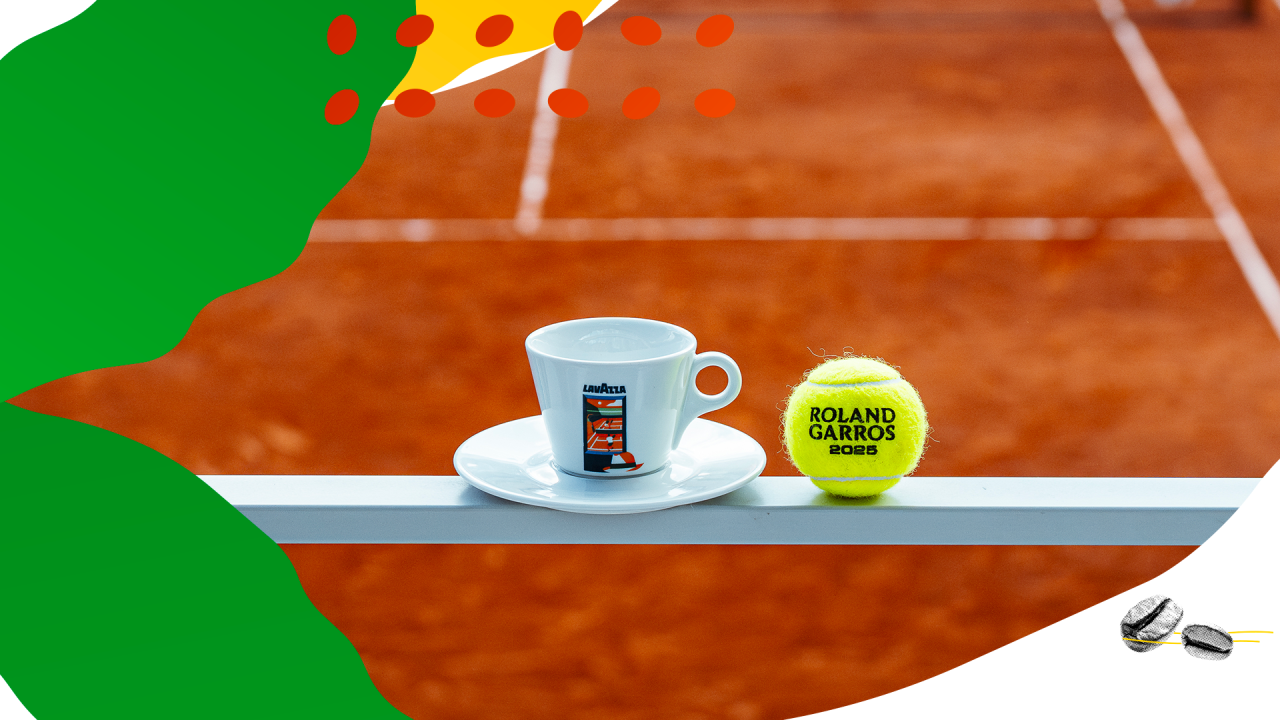
Since 2011, Lavazza has also maintained a deep connection with the world of tennis — a partnership built on shared values like precision, ritual, excellence, and global appeal.

The journey began on the grass courts of Wimbledon and expanded to Roland Garros in 2015, then to the US Open and Australian Open — making Lavazza the only brand to partner with all four Grand Slam tournaments up to 2020. In 2021, Lavazza deepened this commitment as the Platinum Partner of the Nitto ATP Finals in its hometown, Turin, continuing through 2025.

The brand’s global reach extended further in 2023 with its sponsorship of the Rolex Shanghai Masters, the only coffee brand present at this major Chinese tennis event. In 2024, Lavazza also partnered with Mutua Madrid Open, Spain’s most important tennis tournament, reinforcing its focus on international expansion and excellence.

As Giuseppe Lavazza puts it: “A good coffee is like a perfect passing shot — it requires precision, attention to detail, and a pursuit of excellence. Coffee, like tennis, has tradition and a ritual.”

Through this lasting relationship with tennis, Lavazza has served over 10 million cups of espresso across 12 years of tournaments, delivering the true Italian coffee experience to millions of fans. Among Lavazza’s brand ambassadors is Jannik Sinner, the youngest Italian ever to break into the ATP Top 10. His spectacular 2024 season featured 73 wins out of 79 matches, including three victories at the Davis Cup Finals in Málaga — a shining symbol of focus and flair.

To enhance fan experiences, Lavazza has hosted activations like the A Modo Mio Home of Masters at the Nitto ATP Finals in Turin, with appearances from top chefs, athletes, and entertainers celebrating excellence in all its forms.

A Cup of Learning: Brewing Opportunity

In addition to sport, Lavazza champions social responsibility — most notably through its flagship education initiative, A Cup of Learning.

Launched in 2017, A Cup of Learning is a free global training program dedicated to empowering youth and refugees with skills to work in the coffee sector. Beyond vocational training, the initiative spreads coffee culture and helps young people turn passion into profession.

The program offers two tailored tracks:

  • One focused on green coffee, covering sensory analysis, processing techniques, origin-based tastings, and blend creation.

  • The other trains students in espresso preparation, from grinding and tamping to extraction methods and latte art — treating the cup as a canvas for flavor and creativity.

Delivered by Lavazza’s expert trainers in coffee-producing countries and at the Lavazza Training Center in Turin, the program is hands-on, immersive, and transformative.

Since its founding, A Cup of Learning has trained over 600 individuals across Italy, Brazil, India, Haiti, Peru, Albania, the Dominican Republic, Ecuador, the Ivory Coast, Cuba, Honduras, Australia, the UK, and most recently, the United States. In Italy, it supports the “A.A.A. – Welcomes, Approaches, Accompanies” project in partnership with Rete Italiana di Cultura Popolare, targeting asylum seekers and local youth in Turin’s historic Aurora district, where Lavazza was born and still operates.

UNHCR Recognition

In 2024, Lavazza was once again honored by the United Nations High Commissioner for Refugees (UNHCR) with the “Welcome. Working for Refugee Integration” award. This recognition celebrates the company’s exceptional efforts in providing employment opportunities to refugees — many of whom continued working at the same cafés where they trained.

Since 2017, this national initiative has helped more than 50,000 refugees find jobs in Italy, with A Cup of Learning standing as one of its most successful corporate programs.

New Chapter: Naples Stop

The most recent milestone came in Naples, where Lavazza collaborated with CESVI’s House of Smiles to train eight vulnerable youth at the Lavazza Training Center in Torre del Greco. Participants learned directly from Lavazza professionals and graduated with official certificates — taking a vital step toward employment and dignity.

CESVI’s “Houses of Smiles” provide safety, education, and support for at-risk children and teenagers, and Lavazza’s involvement brings not just training, but renewed hope.

A Message for the Future

Reflecting on this 130-year journey, Giuseppe Lavazza shared: “These have been years of change, challenges, and growth. But above all, years we have lived together. A company, first and foremost, is made of people. Today, we are over 5,500 individuals across the world. Our results come from a unique blend: a meeting of stories, knowledge, and perspectives. This diversity, rooted in a shared vision, is our greatest strength — and our guide to build the future with confidence and determination.”

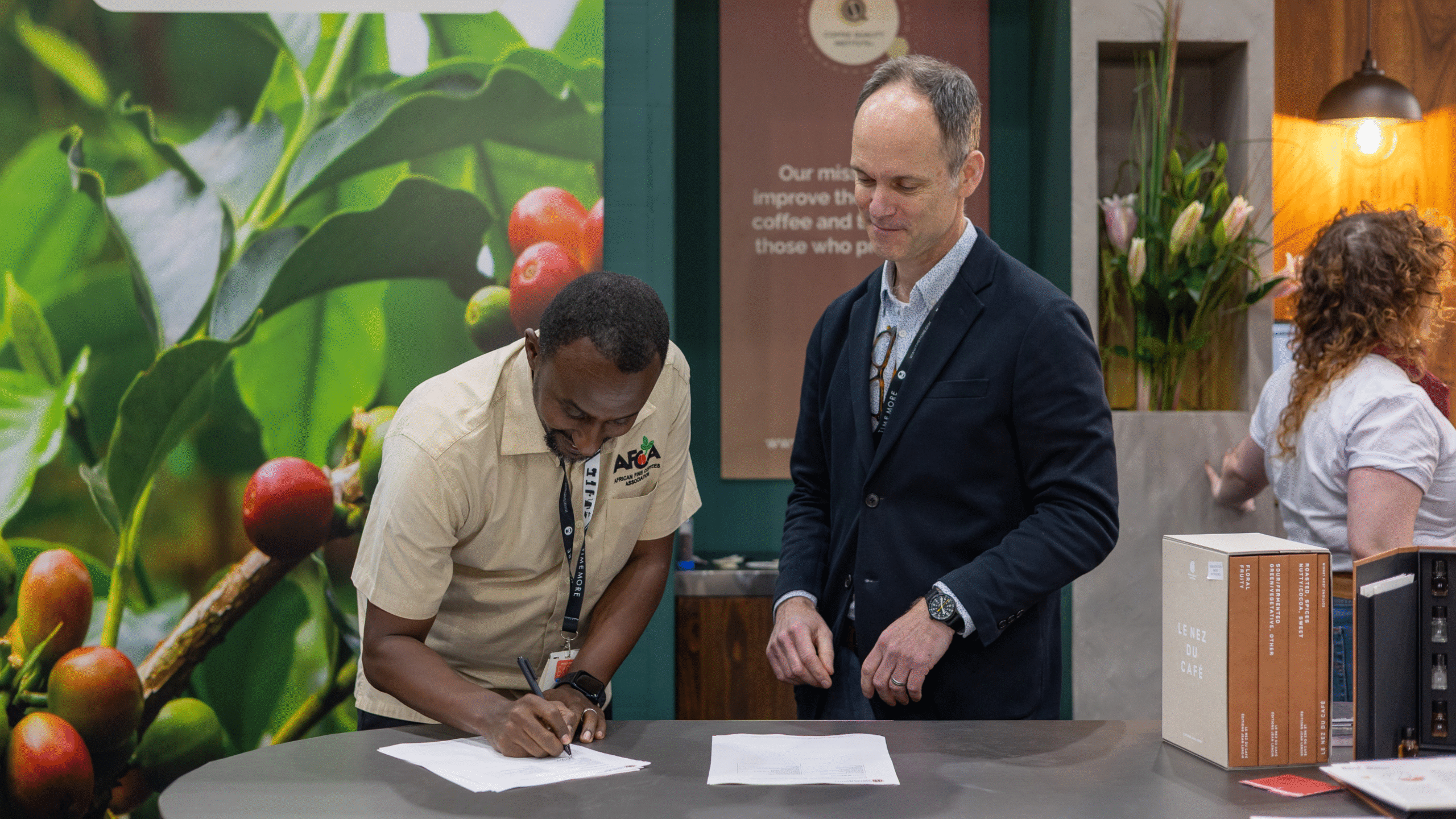
CQI CEO Michael Sheridan Shares Key Updates on Q Program Transition and 2025 Initiatives

In a recent message addressed to the global CQI community, Michael Sheridan, CEO of the Coffee Quality Institute (CQI), outlined critical updates regarding the ongoing transition of the Q Grader program to the Specialty Coffee Association (SCA), along with CQI’s broader plans for the remainder of 2025.

Sheridan opened his message with a note of solidarity to all coffee professionals:

“Wherever you are and whatever you do in coffee, I hope that this finds you well.”

Q Program Transition Timeline

Sheridan reminded the community that the transition of the Q program’s leadership from CQI to SCA is scheduled to be completed on October 1, 2025, and encouraged those interested in earning or renewing their Q Grader certification through CQI to act swiftly.

“Since my last email, our team has been working hard to help learners and educators take advantage of the ‘fast-track’ opportunity that SCA has offered to members of our community to transition to the next phase of the Q.”

The message includes a clear warning: those who wish to complete their certification under CQI must refer to the CQI database for available courses before the October deadline.

SCA Fast-Track Certification Offer

Sheridan emphasized the six-month window remaining for the SCA’s fast-track offer, which allows current and lapsed Q Graders to transition by completing just the two-day CVA for Cuppers class. This opportunity will expire on December 31, 2025.

Starting January 1, 2026, obtaining Q Grader certification from SCA will require completion of the more intensive and costly six-day Q course based on the CVA.

He provided a step-by-step call to action for interested professionals:

  1. Consult the SCA course listings to find an upcoming CVA for Cuppers class near them.

  2. Register with SCA so that current Q status can be validated and certification processed promptly.

Sheridan added,

“For more information on the Q program transition, consult our FAQs here. If you still have questions after reviewing them, please don’t hesitate to reach out to us.”

Second-Half 2025 Initiatives

The second half of the message turned to CQI’s ongoing and upcoming efforts in other areas of its work, beginning with its Post-Harvest Processing (PHP) program.

“We are currently overhauling the three courses that comprise our core PHP progression — Intro to Post-Harvest Processing, Quality Processing 1 Generalist, and Quality Processing 2 Professional — and we are looking for your help.”

Sheridan explained that in the coming weeks, CQI will gather feedback from PHP educators regarding updates and rearrangements to the course structure. A group of senior instructors will be selected to conduct a field test of the new QP2 course before its official release in 2026.

Projects in Coffee-Producing Countries

CQI is also working on new project concepts focused on improving both coffee quality and producer livelihoods in coffee-growing regions. Sheridan expressed appreciation for those already involved and hinted at forthcoming announcements during the second half of the year.

“We are grateful for your collaboration and look forward to announcing new initiatives in coffee-producing countries during the second half of the year.”

Global Listening Tour and Community Engagement

Lastly, Sheridan highlighted CQI’s efforts to engage with the community through a “study tour” approach. During events like World of Coffee Jakarta, CQI sat down with Indonesian coffee producers to better understand how to support quality-driven development.

The organization will also be launching a short survey and conducting phone interviews with stakeholders including producers, traders, roasters, educators, nonprofits, and other coffee organizations.

“The results of these conversations will shape the future of CQI. We will let you know about future opportunities to participate and thank you in advance for your guidance.”

Closing Note

Sheridan concluded his message with gratitude and a forward-looking sentiment” “Thank you for everything you do to help advance CQI’s mission. I look forward to working with you to write the next chapter in CQI’s story.

 For full details, course listings, and updates, stakeholders are encouraged to visit the CQI website.


UAE Coffee Innovation Summit Charts the Future of the Sector and Launches a Professional Dialogue on Education and Training

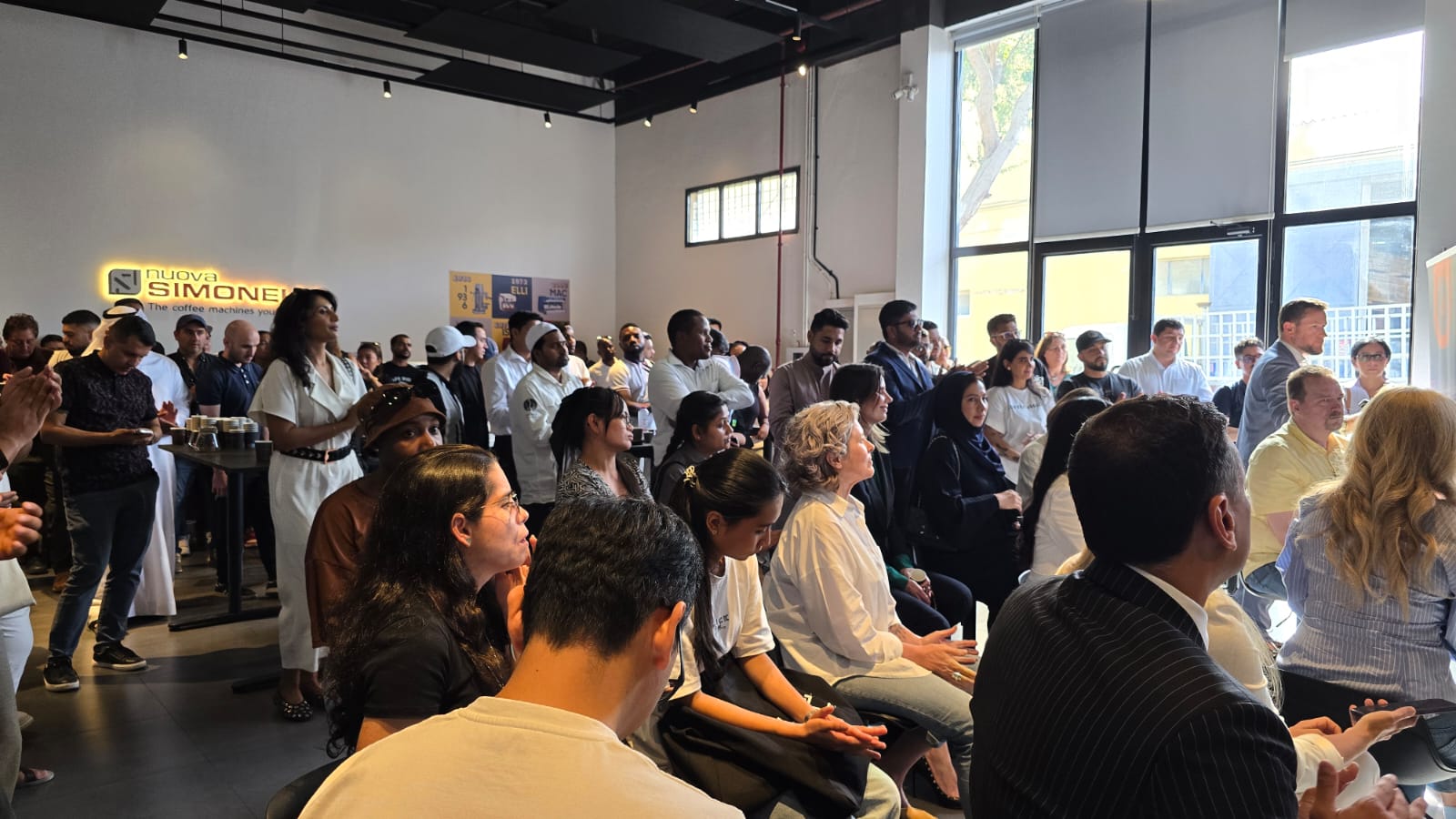
On Monday, June 23, 2025, Dubai hosted the UAE Coffee Innovation Summit, held at the Simonelli and Victoria Arduino Experience Lab. The event brought together a wide range of industry stakeholders—including café owners, roasters, baristas, coffee professionals, and other key players in the UAE coffee ecosystem—for a first-of-its-kind, open-format gathering designed to discuss innovation, development, and the future of the coffee industry both locally and globally.

Unlike traditional conferences, the summit featured no speeches or panel discussions. Instead, it fostered an open, interactive environment where attendees were encouraged to exchange ideas and experiences freely. Organizers emphasized that the event was non-political, created to bring the community together around one core question: How can we become better as a coffee community?

Throughout the summit, a wide range of ideas and viewpoints were shared, particularly around innovation and the challenges facing the industry—most notably in the area of education and training. Participants widely agreed that improving education and professional development is essential to the long-term sustainability and growth of the sector. Several practical proposals were raised, many of which will be explored further in upcoming features on Qahwa World.

Garfield Kerr: Dubai Has Rewritten the Global Coffee Playbook

The summit was opened by Garfield Kerr, President of the Specialty Coffee Association (SCA) and founder of Mokha 1450 café. Kerr emphasized that the UAE, and Dubai in particular, now stands as one of the world’s premier specialty coffee destinations. “I believe the UAE is leading the global specialty coffee industry,” he stated. “You can find the rarest beans and all brewing methods here—something not easily available even in markets once considered global leaders like Australia or the UK.”

Kerr highlighted the pivotal role the UAE has played in unifying the SCA globally. “Had it not been for a country like the UAE,” he noted, “there would be no unified global association. It would still be a collection of regional entities in the U.S. and Europe.” He also revealed that World of Coffee, once limited to Europe and America, was first held outside those regions in Dubai—an event so successful it helped globalize the show.

He added that the current global branding of the World of Coffee show was actually developed in Dubai, which has since become the official identity of the global exhibition—further cementing Dubai’s position as a driver of innovation in the industry.

Discussing the UAE’s current coffee community, Kerr said: “We enjoy great diversity in brewing methods. In UAE cafés, you’ll find Chemex, syphon, ibrik, and other rare tools. You won’t see that in most other markets.” He concluded: “More importantly, we must act as a community—with mutual trust, clear rules, and a shared ethical framework.”

Mohammed Essa Al Ghurair: Competition Must Be Fair, Not Destructive

Mohammed Essa Al Ghurair, CEO of Karam Foods Industries, stressed the importance of fair and constructive competition within the coffee sector. “Yes, we need competition—barista vs. barista, roaster vs. roaster—but not to eliminate one another. Healthy competition creates better products, but only when it’s rooted in respect and integrity,” he said.

Al Ghurair reflected on his personal journey, entering the coffee industry in 2013 after working in commodity trading. “I used to trade odorless, colorless, tasteless cooking oil,” he said. “Today, I work with a product rich in flavor, aroma, and color—and the community around it should be just as vibrant and diverse.”

He emphasized the value of collective engagement: “Even if you’re not Emirati, if your business was born here, you’re an unofficial representative of the UAE when you go abroad.” He called for open, honest dialogue across the sector: “Let’s sit together and speak frankly. If you don’t like my coffee, tell me. I’ll improve. That’s how we grow together.”

Kim Thompson: No Future Without Training and Empowerment

Ms. Kim, Co-founder at RAW Coffee Company, delivered a candid reflection on her beginnings in coffee. “There wasn’t any specialty coffee or business plan when we started—I didn’t even know what an entrepreneur was,” she said. “Maybe my naivety was my strength at the time. It pushed me to learn and evolve.”

Kim identified one of the sector’s key challenges as the disconnect many café workers have with the profession. “A large portion of the workforce is here simply to earn and send money home,” she explained. “Without real training and empowerment, no company can succeed—regardless of how great the coffee is.”

She highlighted the UAE’s geographic advantage in sourcing green beans and expressed concern about the long-term future of producing countries. “Supporting origin countries must be a top priority for everyone in the industry,” she said.

Kim also voiced skepticism toward competitions: “They don’t address the real challenges. What matters to me is whether we’ll be able to keep buying coffee from origin countries in the future.”

She concluded with a call to action: “What counted as success 15 years ago doesn’t cut it today. We need real innovation. We can’t keep repeating the past if we want to evolve.”

Summit Takeaway:

The UAE Coffee Innovation Summit exposed both the pressing challenges and the tremendous potential for collaboration and creativity within the sector. Discussions underscored a growing awareness of the need to invest in education, empower professionals, and create ethical frameworks for engagement.

Qahwa World will continue to explore the summit’s key takeaways and proposals in a series of in-depth articles—ensuring the summit marks not just a milestone, but a turning point in shaping the future of coffee in the UAE.

Protein Coffee: The Smart Morning Upgrade for Coffee Lovers and Fitness Enthusiasts

In the evolving landscape of coffee innovation and wellness trends, one drink has emerged as a notable hybrid of function and flavor: protein coffee, also known as proffee. By blending brewed coffee with protein powder, this beverage offers an efficient way to combine alertness with nutrition—making it increasingly popular among athletes, busy professionals, and health-conscious consumers.

What Is Protein Coffee?

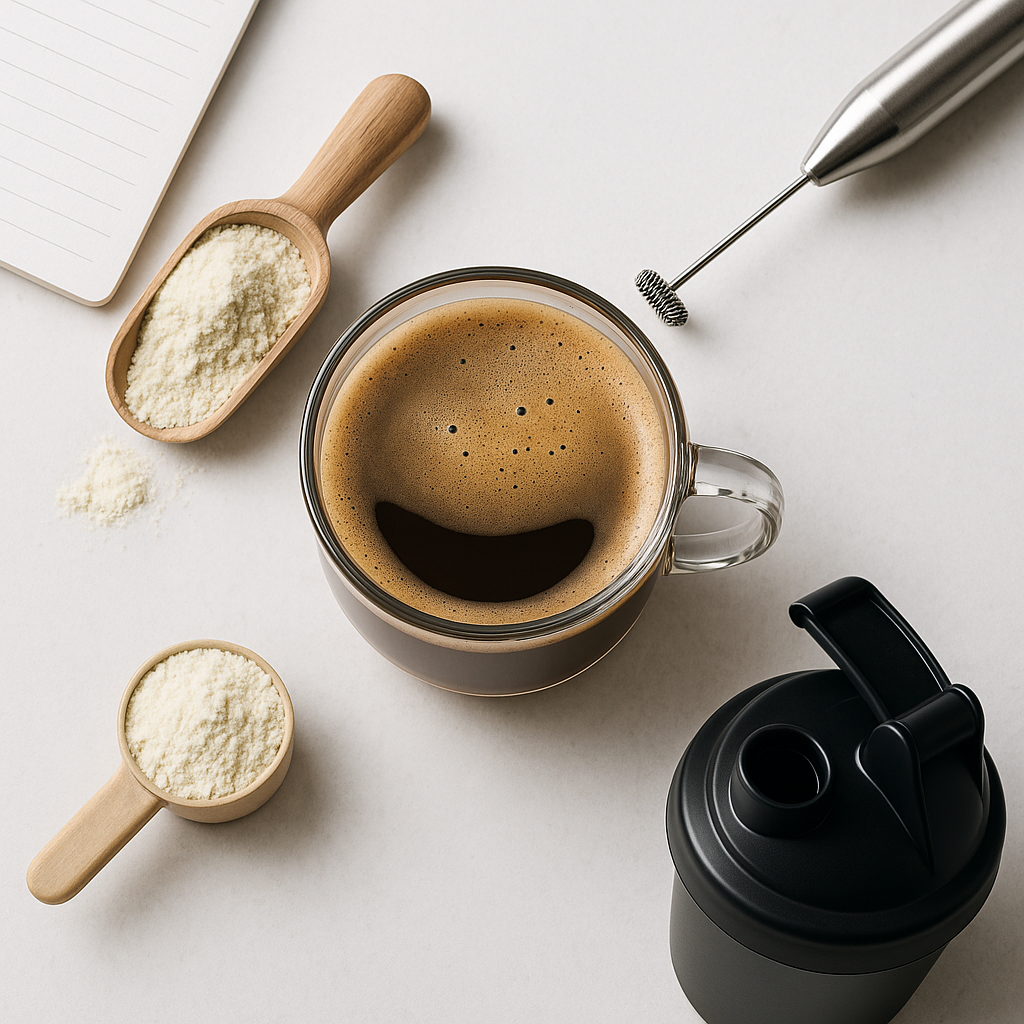
Protein coffee is a simple concept: a cup of coffee combined with a scoop of protein powder or a pre-made protein shake. This combination delivers two essential benefits—caffeine for energy and protein for satiety and muscle support.

According to Beth Linder-Moss, a certified sports nutritionist, this drink is especially useful for individuals who skip traditional breakfasts. “It provides a quick and effective way to get 25 to 30 grams of protein in the morning,” she explains. This makes it a practical option for anyone looking to streamline their morning routine without compromising nutritional intake.

Is It a Meal Replacement?

While convenient and nutritionally valuable, protein coffee should not be viewed as a complete substitute for a balanced meal. Registered dietitian Valerie Agyeman, host of the Flourish Heights podcast, advises that whole foods such as eggs, yogurt, or oats are still essential. However, for those who struggle with eating early in the day, protein coffee can serve as a bridge that provides energy and satiety until the first meal.

Why Is Protein Coffee Gaining Popularity?

1. Pre-Workout Utility

Protein coffee serves as an ideal pre-exercise beverage. The caffeine component enhances focus and energy, while the protein supports muscle maintenance and recovery. For early-morning workouts, it offers a convenient and light alternative to heavier meals.

2. Enhanced Flavor without Empty Calories

Using flavored protein powders such as vanilla, mocha, or chocolate can replace traditional creamers and syrups, adding taste without excess sugar or fat. Personal trainer and nutritionist Cara Carmichael notes that flavored protein powders offer a dual advantage: nutritional value and improved taste.

3. Better Digestive Experience

Some people find that black coffee alone causes jitteriness or digestive discomfort. Combining it with protein and a small amount of milk can reduce the harsh effects of caffeine, resulting in a smoother and more balanced beverage.

4. Supports Weight Management

A high-protein breakfast can stabilize blood sugar levels and reduce hunger throughout the day. Agyeman points out that proffee may help individuals maintain consistent energy levels and avoid unnecessary snacking, particularly during sedentary workdays.

How to Make Protein Coffee That Tastes Good

Proper preparation is key to a smooth and enjoyable result. Experts recommend the following steps:

Tools

  • Handheld frother

  • Blender

  • Shaker bottle with mixing ball

Ingredients

  • One cup of brewed coffee (hot or iced)

  • One scoop of high-quality protein powder (whey or plant-based)

  • Milk or plant-based milk (optional)

Method

  1. Mix the protein powder with a small amount of milk or water.

  2. Use a frother, blender, or shaker bottle to eliminate clumps.

  3. Combine with the brewed coffee and stir well.

For those seeking an extra caffeine boost, caffeinated protein powders are also available and can replace a second shot of espresso.

Recommended Products

  • Promix Madagascar Vanilla Whey Protein

  • Orgain Chocolate Plant Protein

  • Ka’Chava Nutrition Shake

  • Momentous 100% Plant Protein

  • Zulay Handheld Milk Frother

Final Thoughts

Protein coffee is more than a fleeting trend—it represents a practical, adaptable, and health-conscious evolution in coffee culture. It provides a means of combining daily caffeine consumption with nutritional goals, particularly for those leading fast-paced or fitness-focused lifestyles.

While not a replacement for balanced meals, protein coffee is a strong addition to a thoughtful daily routine. With the right ingredients and preparation, it delivers both taste and functionality in a single cup.

From Art to Appetite: D.C.’s 5 Best Museum Cafés Blend Culture with Culinary Excellence

Washington, D.C., is home to some of the world’s finest museums—but beyond the exhibits lies another treasure: exceptional museum cafés. From soul food rooted in history to indigenous cuisine and award-winning pastries, these cafés offer more than just a meal—they serve a cultural experience on every plate.

Whether you’re exploring artifacts from the African diaspora or admiring impressionist paintings, the nation’s capital invites you to take a break—and take a bite. Museum cafés in Washington, D.C., have elevated the dining experience, offering visitors menus that are as thoughtfully curated as the exhibitions themselves. Here’s a look at the top five museum cafés that are winning over both food lovers and culture seekers alike.

1. Sweet Home Café – National Museum of African American History and Culture
More than just a stop for lunch, Sweet Home Café delivers a culinary journey through African American history. Featuring regional dishes such as buttermilk fried chicken, shrimp and grits, and Caribbean-inspired oxtail pepperpot, the café reflects the museum’s commitment to telling stories through food. A James Beard semifinalist, it has become a must-visit destination for both tourists and locals.

2. Mitsitam Native Foods Café – National Museum of the American Indian
Mitsitam, meaning “let’s eat” in the native languages of the Americas, lives up to its name. This café offers authentic dishes from five indigenous regions across the Western Hemisphere, including wild rice salad, bison chili, and tamales wrapped in corn husks. It’s a powerful way to connect with Native American cultures through the rich tradition of indigenous cuisine.

3. Bread Furst at The Phillips Collection
Located inside America’s first museum of modern art, Bread Furst serves as an oasis of warmth and artisanal simplicity. Created by acclaimed baker Mark Furstenberg, the café offers fresh quiches, Middle Eastern spreads, sandwiches, and pastries—all in a quiet, artsy setting. With no ticket required to dine, it’s also a favorite neighborhood escape in Dupont Circle.

4. Hillwood Café – Hillwood Estate, Museum & Gardens
This lesser-known gem offers elegance and tranquility within the historic Hillwood Estate. Guests can enjoy refined dishes like coronation chicken, salmon tartines, and Russian-style soups. The café is surrounded by lush gardens and opulent interiors, making it a popular spot for tea service and quiet reflection after a tour of the estate’s extensive collection.

5. Café at the National Museum of American History
Formerly known as America’s Table, this café offers a nostalgic menu that includes American comfort food staples—mac and cheese, burgers, sandwiches, and salads. While the offerings are more conventional, the setting and accessibility make it a convenient and family-friendly dining stop in the heart of the Smithsonian complex.

A Cultural Experience Beyond the Galleries
Each of these museum cafés offers something unique—whether it’s a history lesson served alongside smoked brisket or a freshly baked scone enjoyed between galleries. As visitors explore D.C.’s rich cultural institutions, these cafés serve as a reminder that food, too, is a powerful medium for storytelling.

Explore more of D.C.’s museum gems—culinary and cultural—on your next visit.

CTA: Discover the full guide to D.C.’s top museum cafés here.

From a School Dropout to the Founder of Shin Coffee: A Journey Brewed in Hardship

As part of my daily search for meaningful stories from the world of coffee and its influential figures, I came across a remarkable profile on Vietnam, a multilingual platform dedicated to promoting Vietnam’s culture, business, and innovation. It told the inspiring story of Nguyen Huu Long, the visionary behind Shin Coffee, one of Vietnam’s most recognized specialty coffee brands. His journey from manual labor on a farm to building an internationally respected coffee label is nothing short of extraordinary.

Nguyen Huu Long’s story began in 1993 when he was just 11 years old. Forced to leave school in grade two, he moved with his family from the poor Ha Tinh province to Gia Lai, where they found work on a coffee plantation. Each day, Long dug trenches, pruned trees, and picked cherries—yet amidst the physical hardship, a quiet dream took root: one day, he would build a future through coffee.

By 1999, Long had moved to Ho Chi Minh City, where he worked first at a café, then at a restaurant. One day, a Japanese customer who frequented the establishment noticed him and, struck by Long’s resemblance to his late son, decided to get to know him. Learning of his background, the man adopted Long, funded his education, and personally taught him Japanese. After completing high school and becoming fluent in the language, Long began working as a translator and gradually saved up enough capital to revisit his dream of entering the coffee business.

His first business venture—selling roasted coffee with a friend—failed quickly due to inexperience. That failure taught him a lesson: passion alone isn’t enough. Determined to succeed, he enrolled in the Business Administration program at the University of Economics in Ho Chi Minh City. Upon graduation, he launched a new café business with a partner, only to experience another failure due to conflicting visions. The loss was devastating—Long not only lost his investment, but also the small home he had worked hard to earn. Out of options, he turned to Japan once again, this time as a labor export worker with the intention of rebuilding from scratch.

From Japanese Industry to Organic Coffee Philosophy

In Japan, Long found a stable job and decent salary, but his passion for coffee remained. He enrolled in organic agriculture training courses and began researching global coffee origins, particularly those present in the Japanese market. It struck him as ironic that while Vietnam was one of the world’s largest coffee exporters, Vietnamese-origin coffee was nearly absent from shelves in Japan. The realization fueled his drive.

He balanced his job with his studies—at times even skipping shifts to attend training and making up for the lost hours later. His diligence caught the attention of a Japanese coffee import-export company, which invited him to join as a manager. The role offered him deep insight into global coffee logistics, quality control, and branding—experiences that would later shape his next move.

In 2015, Long returned to Vietnam and launched his third coffee venture. He named it Shin Coffee, in honor of his adoptive father, and set out to create his own raw material supply chain. He began with 50 hectares in Trang village, eventually expanding to 100 hectares. What set his farms apart was the complete rejection of chemical inputs. He relied exclusively on organic compost made from cow manure and coffee husks, and natural pesticides derived from fish oil. This unorthodox approach met initial resistance from local farmers accustomed to conventional methods, but the results were undeniable.

Yields rose to 6 tons per hectare—compared to the regional average of 3 to 4 tons—and Shin Coffee paid farmers 15% to 20% above local market prices. Even members of the Ba Na ethnic minority, initially hesitant, adopted the model. In time, the cooperative’s farms received organic certification from both the European Union and the United States.

A Vietnamese Coffee Brand on the Global Stage

Today, Shin Coffee is recognized not only for its commitment to organic practices, but also for its quality and consistency. The brand offers over 20 distinct products and retails in Ho Chi Minh City for between 80,000 and 150,000 VND per cup. Shin Coffee is exported to Japan, the United States, and most European markets. In 2020, the prominent economic group PAN selected Shin Coffee as the official diplomatic gift for heads of state attending the ASEAN Summit hosted by Vietnam.

And yet, despite his remarkable success, Nguyen Huu Long holds no formal executive title in the cooperative he founded. Instead, he serves as a mentor and advisor. Asked why, he says:
“I wanted to leave space for younger generations to lead. We’re facing great opportunities and serious challenges, and it’s time for new energy and vision to take over. My role is to ignite the spark—not to control it.”

UAE Coffee Innovation Summit to Brew Global Industry Dialogue on June 23

This June, the UAE will host a groundbreaking event that brings together leading voices from across the coffee sector—locally and globally—to shape the future of the coffee industry. The UAE Coffee Innovation Summit, taking place on June 23 at Victoria Arduino’s Experience Center in Dubai, aims to spark strategic dialogue, collaboration, and innovation in one of the world’s most dynamic and fast-growing industries.

On June 23, Dubai will welcome a pivotal moment for the coffee world: the UAE Coffee Innovation Summit, a first-of-its-kind gathering designed to bring together coffee professionals, thought leaders, and entrepreneurs to address the future of the global coffee industry.

Held at Victoria Arduino’s Experience Center in Al Quoz, the summit will run from 3:00 PM to 6:00 PM, welcoming café owners, roasters, trainers, baristas, importers, and innovators from across the UAE and beyond.

More than just another industry event, this summit serves as a strategic platform for deep dialogue and collaborative planning. It seeks to explore how innovation, education, and sustainability can be integrated into the global coffee value chain—and how the UAE can contribute meaningfully to that evolution.

“As coffee continues to evolve into a global cultural and economic force, this summit comes at a crucial time to rethink the direction we are all heading,” say the event’s organizers. “The UAE, with its diversity, openness, and ambition, is the perfect location to host this critical conversation.”

Key themes include:

  • Addressing global challenges in sourcing, sustainability, and climate

  • Elevating barista training and professional development

  • Strengthening connections between café culture, technology, and education

  • Creating collaborative ecosystems between local and international coffee actors

  • Positioning the UAE as a hub for innovation, not just consumption

The timing of the summit reflects the rapid momentum building in the coffee space—not just within the UAE, but globally. From rising consumer awareness and specialty growth to new roasting techniques and sustainability demands, the landscape is shifting fast.

Why this summit matters:
The UAE Coffee Innovation Summit offers a rare opportunity to pause and reimagine the industry’s future—by bringing together those who live and lead coffee every day. It’s a chance to listen, share, and shape what’s next for one of the world’s most beloved and impactful beverages.

Event Details:

location: Victoria Arduino’s Experience Center

Address: 39 Umm Suqeim Street, Al Quoz, Dubai

Date: Monday, June 23, 2025 | 3:00 PM – 6:00 PM

Final Word:
Whether you’re a café founder, a roaster, a barista, or an entrepreneur invested in the future of coffee—this summit is your space. Join the dialogue. Shape the future. Let’s reimagine coffee together.

Giving Technicians the Stage They Deserve: The Story Behind the Nuova Simonelli Technicians Competition

“Technicians are a vital link in the coffee value chain but too often, they go unrecognized.” This observation by Nicolas Poirot Crouvezier, General Manager of Nuova Distribution France (Simonelli Group’s Lyon branch) and the main promoter of the initiative, sparked a mission: to finally shine a spotlight on the essential professionals who ensure espresso machines deliver perfection, cup after cup.

While baristas command competition stages and applause, the skilled technicians maintaining the complex machinery remained largely behind the scenes. Recognizing this gap, the Nuova Distribution France team developed an idea: a dedicated platform to celebrate technicians’ vital contribution. “Creating a competition dedicated to technicians was a natural decision,” Poirot explains. “They have the expertise and pressure-handling skills that deserve a spotlight. We chose this format because we truly want to crown a legitimate French Champion, through a serious and meaningful competition.”

Thus, the Championnat de France des Techniciens was born – a live, head-to-head challenge demanding not only deep technical mastery, but also pinpoint precision, sharp problem-solving, and unflappable calm under pressure. The response was immediate and emphatic. “Overwhelmingly positive,” says Poirot. “From early interest by partners like Collectif Café to growing support from leading French coffee companies… It even sparked local and regional initiatives interested in hosting qualifiers.”

But the vision extended far beyond France. Nuova Simonelli aimed to take this powerful format global, influencing technical training approaches worldwide. This ambition crystallized into the internationally branded Nuova Simonelli Technicians Competition.

A Global Stage and the “Culture of Service”
The competition’s global debut took place in April 2025 at the Experience Lab in Dubai, marking a significant milestone. Federico Ortile, Simonelli Group Middle East General Manager who hosted the event, highlighted its deeper purpose: “This event was more than just a competition. It was about creating awareness about the ‘culture of service’, where great service means not just fixing problems, but preventing them; understanding the full machine ecosystem, from water quality and cleaning to preventive maintenance and spare parts management.”

Defining the Champion
The competition seeks the complete technician. The ideal winner blends deep technical skills with interpersonal abilities, meticulous precision, and the proven capacity to perform flawlessly under intense pressure – live on stage, often with colleagues, employers, and peers watching.

Why the Spotlight Belongs Here
For Nuova Simonelli, technicians are fundamental to daily cup quality. Their behind-the-scenes work ensures equipment operates at its peak, providing baristas with reliable tools. This dedication is the critical first step toward achieving long-lasting equipment, consistent coffee excellence, and ultimate customer satisfaction. The Nuova Simonelli Technicians Competition is a direct investment in showcasing and rewarding this indispensable know-how and strategic role.

The Stage Expands
Having successfully launched globally in Dubai, the format conceived in France is now firmly on the world stage. The next major event is set for France during the upcoming Paris Coffee Show, promising another exciting chapter in recognizing the technicians who keep the coffee flowing perfectly.

Answer the Call
Technicians worldwide inspired to test their skills and gain the recognition they deserve are invited to follow www.nuovasimonelli.com and the Instagram page @nuovasimonelliofficial for updates on upcoming challenges and qualifiers for the Nuova Simonelli Technicians Competition. The stage, finally dedicated to them, awaits.