Innovea Global Arabica Trials Advance in Seven Countries, Paving the Way for a New Era in Coffee Breeding

By the end of 2024, a major milestone was reached in the global coffee sector: six countries successfully installed the first field trials of the Innovea Global Arabica Breeding Network, marking a transformative step toward the future of coffee genetics. These trials bring to life the long-planned vision of accelerating genetic innovation in Arabica coffee and addressing critical challenges such as climate change, disease resistance, and the preservation of origin-linked diversity.

The installed field trials represent the foundation for developing market-responsive, high-performing coffee varieties tailored to local needs. Each tree planted in this initiative is part of a scientifically designed population that carries never-before-accessible genetic diversity—unlocking possibilities for coffee-producing countries to breed more resilient, productive, and high-quality varieties.

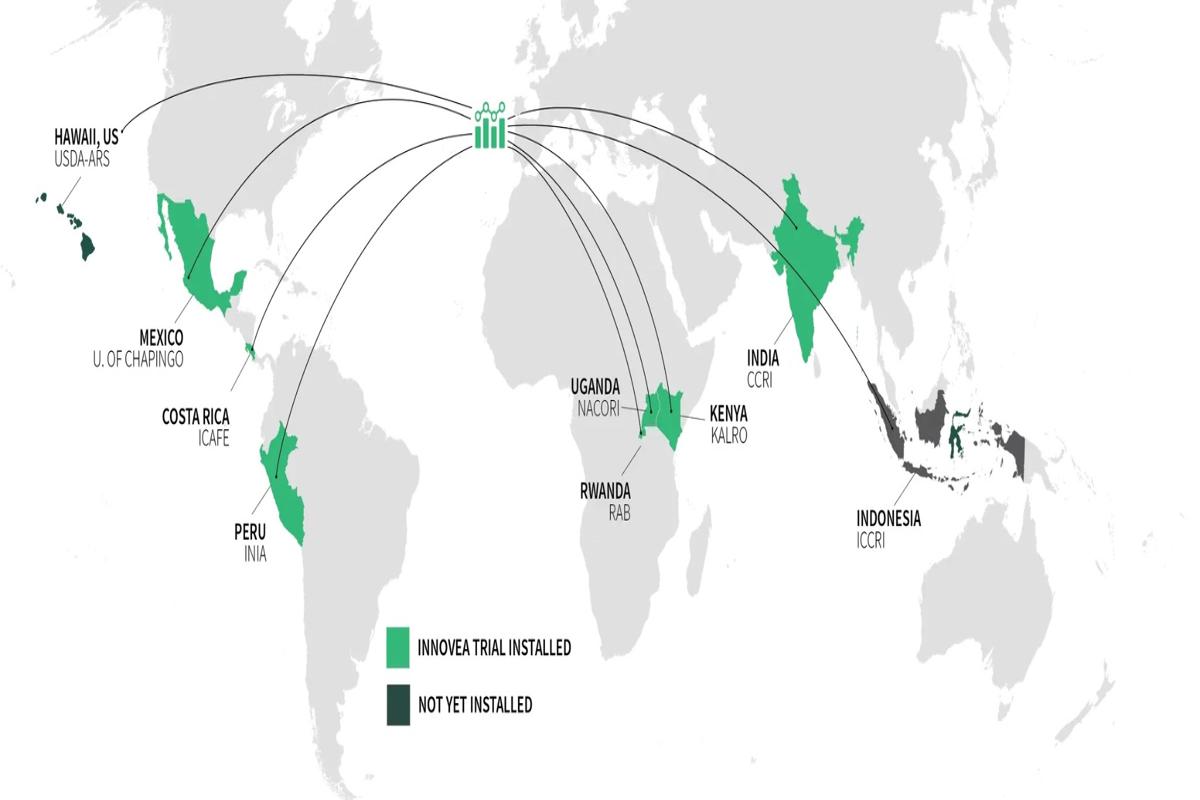
Across these six pioneering countries—Costa Rica, Mexico, Peru, Uganda, Kenya, and Rwanda—partner institutions have installed the trials in 2024. India is expected to complete installation by the end of the year, and an eighth country will follow in 2025. In total, over 5,000 trees have been planted under the Innovea program. Over the next six years, comprehensive performance and genetic data will be collected from each tree to assess its potential for inclusion in future breeding and variety release programs.

Costa Rica’s Instituto del Café (ICAFE) was among the first to install its trial in May 2024. Shortly after, the University of Chapingo in Texcoco, Mexico, followed in November. Peru’s Instituto Nacional de Innovación Agraria (INIA) completed its setup in December. Meanwhile, the National Coffee Research Institute (NaCORI) in Uganda and the Kenya Agricultural and Livestock Research Organization (KALRO) both launched their trials in April. Rwanda’s Agriculture Board (RAB) completed its installation in March, and India’s Central Coffee Research Institute (CCRI) finalized its participation in December.

Each participating research institution is not only planting trees but contributing to a collaborative global dataset that will drive the next generation of Arabica breeding. Unlike traditional regional approaches, Innovea’s international network enables a shared scientific platform that facilitates cross-country learning, faster innovation cycles, and localized adaptation—all while maintaining a focus on quality, sustainability, and resilience.

The Innovea network now spans nine countries, uniting breeders, scientists, and policymakers in a collective mission to future-proof Arabica coffee. As global demand for coffee continues to grow and climate pressures increase, such innovations are vital for ensuring that coffee producers remain competitive and sustainable.

This unprecedented collaboration reflects a shift in how the coffee sector is approaching innovation—prioritizing shared knowledge, inclusive access to genetic resources, and a science-based response to the complex pressures facing modern coffee agriculture.

As the trials grow and data collection continues through 2030, the global coffee community will watch closely to see which promising varieties emerge—potentially reshaping the genetic landscape of Arabica coffee for decades to come.

Indonesia Adopts SCA’s Coffee Value Assessment as Official Protocol, Advancing Specialty Coffee Standards and Education

The Specialty Coffee Association of Indonesia partners with the SCA to implement the Coffee Value Assessment as Indonesia’s official quality standard, enhancing transparency, global market access, and coffee education.

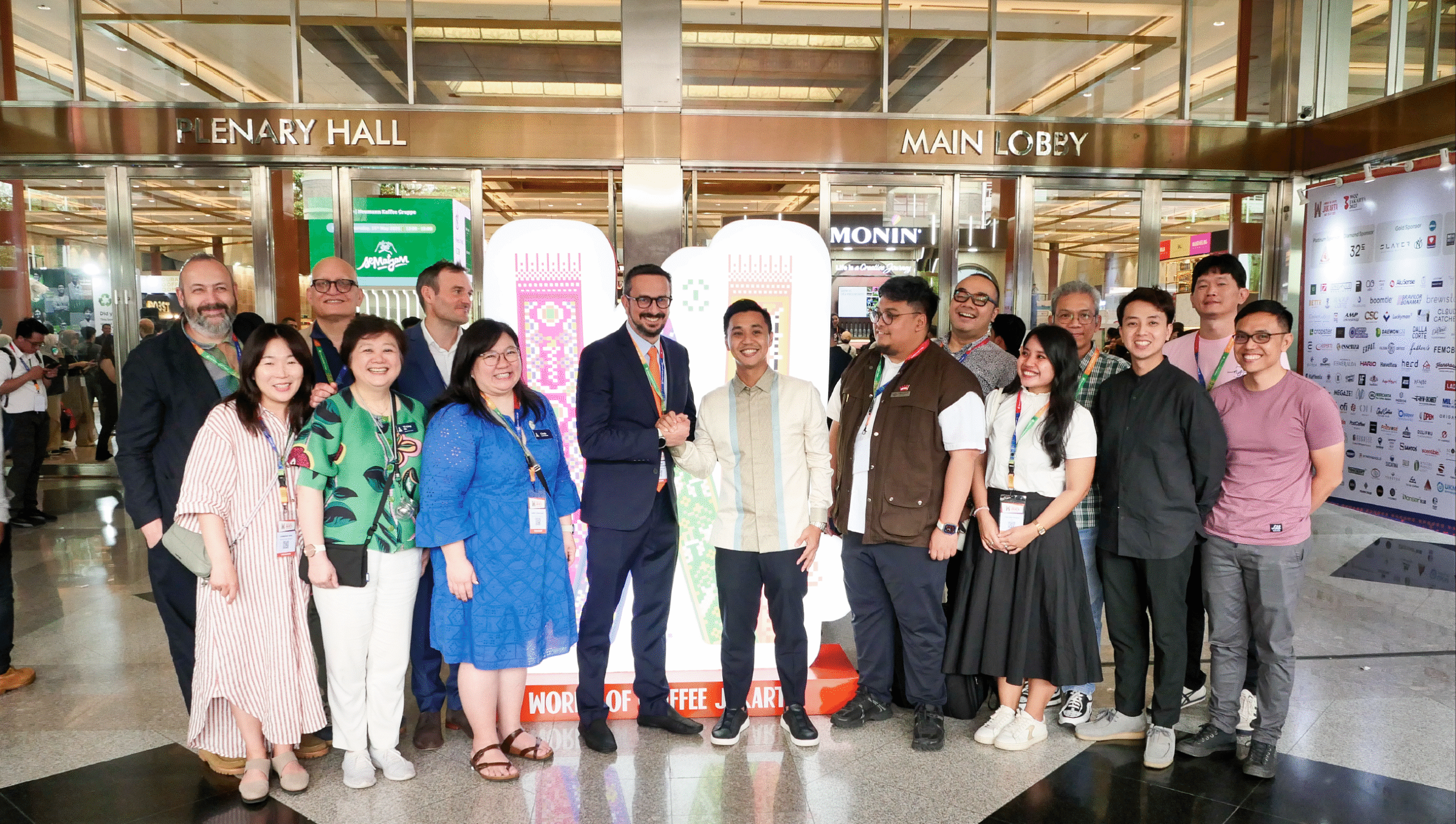
In a move set to redefine the future of Indonesian specialty coffee, the Specialty Coffee Association of Indonesia (SCAI) has signed a landmark Memorandum of Understanding (MoU) with the Specialty Coffee Association (SCA) to formally adopt the Coffee Value Assessment (CVA) as the national protocol for evaluating specialty coffee. This collaboration marks a pivotal step toward raising quality standards, boosting transparency, and expanding education for coffee professionals across Indonesia.

As Asia’s second-largest coffee producer, Indonesia is renowned for its diverse coffee origins, spanning regions such as Sumatra, Java, Sulawesi, and Bali. By aligning with global protocols such as the CVA—already adopted by Brazil and Colombia—Indonesia solidifies its role as a forward-thinking leader in the specialty coffee industry.

The Coffee Value Assessment is an innovative, multi-dimensional framework created by the SCA to evaluate coffee across physical, affective, descriptive, and extrinsic attributes. Unlike traditional cupping forms focused solely on taste, CVA encourages a more holistic and inclusive understanding of coffee value—enabling better storytelling, traceability, and equity for producers and stakeholders throughout the supply chain.

Under the terms of the agreement, the SCA will provide technical support to SCAI, including educational content, training for local cuppers and educators, and global promotion of Indonesian coffee. SCAI will take the lead on national implementation, integrating CVA into competitions, quality control systems, and certification programs.

“This partnership is a milestone for Indonesia’s coffee community,” said Daryanto Witarsa, President of SCAI. “Adopting the Coffee Value Assessment gives our producers the tools to tell the full story of their coffee. We’re advancing quality, equity, and market opportunity for everyone involved in our vibrant coffee sector.”

As part of the rollout, Indonesian coffee professionals will gain broader access to SCA Education programs, including certifications and workshops designed to align with the CVA framework. These initiatives aim to empower producers, exporters, roasters, and baristas with internationally recognized knowledge and credentials.

The CVA will also be embedded into national competitions, allowing Indonesian coffees to be judged and promoted using the same globally accepted language of quality. This alignment with international standards is expected to open new doors for export growth and improved value recognition on the world stage.

“This partnership brings our mission to life,” said Yannis Apostolopoulos, CEO of the Specialty Coffee Association. “The adoption of the Coffee Value Assessment by SCAI is more than just a protocol change—it’s a statement of Indonesia’s commitment to transparency, sustainability, and the celebration of every hand in the value chain.”

The agreement builds on a longstanding relationship between SCA and SCAI and signals a deepened commitment to shared goals in quality assurance, research, and sustainability. As global demand for traceable, high-quality coffee grows, Indonesia’s integration of the CVA places it at the forefront of a global shift toward inclusive value systems in coffee production.

By embedding education, evaluation, and equity into one framework, the CVA ensures that Indonesian coffee can not only meet but lead in global specialty coffee trends.

To learn more about the Coffee Value Assessment and this new chapter in Indonesian coffee, visit:
🔗 www.sca.coffee
🔗 www.scaindonesia.or.id

Sage Expands in the Middle East with Launch of Oracle Jet and Barista Touch Impress

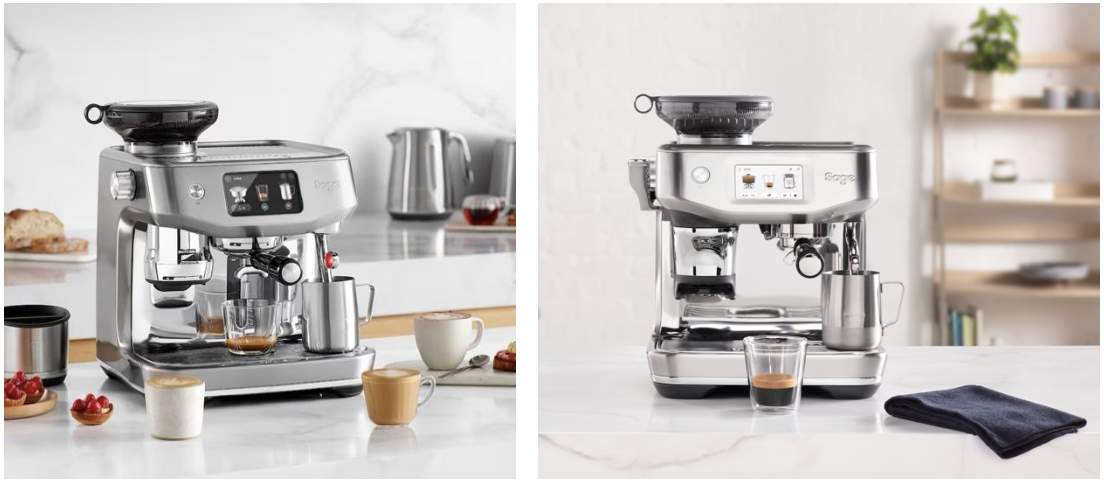
Sage Appliances, the globally recognized manufacturer of high-performance home coffee machines, has officially expanded its presence in the Middle East with the launch of two new models: the Oracle Jet and the Barista Touch Impress. These new machines aim to redefine home coffee brewing, offering users barista-level results with intuitive, automated features—without requiring professional skills.

The expansion adds to Sage’s advanced portfolio of espresso machines and responds to growing demand in the region for high-quality, easy-to-use home coffee solutions. The Oracle Jet introduces a streamlined workflow, upgraded interface, and the company’s first built-in Wi-Fi capability for seamless updates. It also offers cold beverage options, including cold brew and cold espresso, designed specifically for consumers seeking café-style variety at home.

A Strategic Step into the Middle East Coffee Market

Sage’s launch signals a strategic entry into a region where coffee plays a central cultural role and continues to see innovation and investment in specialty consumption. Known for its engineering precision and commitment to quality, Sage is targeting consumers who value both traditional brewing and cutting-edge convenience.

“The Middle East has a vibrant coffee culture that blends heritage with modernity,” said Michael Aldendorff, Managing Director of Sage Appliances Middle East. “By introducing the Oracle Jet and the Barista Touch Impress, we are not only providing top-tier espresso machines but also responding to regional trends in cold coffee preferences. These machines allow users to enjoy both hot and cold beverages at home with professional-level precision,” added Lucy Martyn, Global Communications General Manager at Breville Group.

Oracle Jet: Advanced Features for the Home Barista

The Oracle Jet sets a new standard for home espresso machines. It incorporates the ThermoJet heating system, which is up to 32% more energy-efficient than previous models. The system heats up in seconds and supports both brewing and steaming functions. An additional ThermoJet unit within the group head maintains a stable extraction temperature of 93°C throughout the process, with user-adjustable controls in 1°C increments.

The machine includes an integrated precision grinder developed in Europe by Baratza, which grinds, doses, and tamps automatically with 45 grind settings. It also features Barista Guidance, a smart function that alerts the user to under- or over-extracted espresso shots and suggests adjustments to grind size for better results.

With a high-resolution 5-inch touch display, users can choose from 11 pre-programmed beverages, including cold brew and cold espresso. The device also incorporates the Auto MilQ system for milk frothing and a new Auto Queue feature that automates the next step in preparation for greater efficiency.

The Oracle Jet is also the company’s first Wi-Fi-enabled coffee machine, allowing for remote updates and feature enhancements over time. “We are proud to present our most advanced portafilter machine to date,” said Con Psarologos, Portfolio General Manager for Coffee at Sage. “The Oracle Jet represents the future of intuitive, smart espresso technology.”

The Oracle Jet is priced at AED 6,999.

Barista Touch Impress: Intelligent Entry to Specialty Coffee

In parallel with the Oracle Jet, Sage has introduced the Barista Touch Impress, a user-friendly yet sophisticated machine that combines automation with hands-on control. It features a touchscreen interface with real-time feedback, guiding users on grind size and extraction flow to help perfect each shot.

One of its standout innovations is the Auto MilQ system, which froths dairy and plant-based milks by adapting to the unique properties of each type, such as oat, almond, and soy milk. This allows for better microfoam texture and consistent flavor, ideal for latte art and smooth beverages.

The machine also features the Impress Puck System, which ensures precise dosing and tamping to avoid mess and improve shot consistency. Additional drink options include hot chocolate, tea, and babyccino, offering broad appeal across household members.

The Barista Touch Impress also supports cold brew and cold espresso preparation. The cold brew is ready in under three minutes, while the crema-topped cold espresso can be prepared in just under two—expanding the variety of cold recipes users can enjoy.

The Barista Touch Impress is priced at AED 5,299.

Costa Rica’s Coffee Sector Faces a New Crisis: Declining Production and Rising Costs

Costa Rica’s coffee industry is bracing for a challenging season in 2025/26, with production projected to fall by 10% year-over-year to 1.17 million 60-kg bags, according to the latest USDA report from FAS/San José. The anticipated decline follows a strong harvest in 2024/25, which benefited from favorable weather patterns and increased yields, but now enters the lower phase of the country’s biennial production cycle.

While higher global coffee prices may offer some relief, the report highlights deeper structural issues threatening Costa Rica’s position as a premium arabica producer. Chief among them: a strengthening Costa Rican Colón, labor shortages, volatile weather, and long-term shifts in the composition of the grower base.

Strong Currency Undermines Export Earnings

Despite Costa Rican arabica commanding a premium in international markets, the appreciation of the Colón against the U.S. dollar has slashed growers’ earnings by nearly 20% since 2022/23. Given that the vast majority of Costa Rica’s coffee is exported and contracts are priced in dollars, this currency imbalance remains a major pain point for producers.

“Even with elevated international prices, local growers are struggling,” notes the report. “Years of low profitability, high debt levels, and input costs have compounded the pressure, especially for smallholders.”

Labor Shortages and Compressed Harvests

The ongoing labor shortage is another critical concern. The 2024/25 harvest saw significant losses—estimated at 150,000 bags—due to persistent rain and a reduced pool of available workers. Unlike previous years when Nicaraguan migrants formed the core workforce, labor now relies heavily on the Ngäbe-Buglé indigenous group from Panama. However, shifting rainfall patterns have caused fruit to ripen simultaneously across multiple regions, straining the reduced labor force.

Long-Term Area and Farmer Decline

According to the Costa Rican Coffee Institute (ICAFE), the number of coffee farmers fell to 25,549 in 2023/24—a nearly 50% decline compared to a decade ago. Eighty-five percent of these farmers cultivate less than 10 hectares and produce under 100 bags per year. A 2022 survey also confirmed that the total area planted dropped by 11.9%, with some regions—like Guanacaste and Turrialba—experiencing reductions of 30–45%.

2024/25: A Strong But Uneven Year

The 2024/25 marketing year was more productive than expected, with output reaching 1.298 million bags—a 12% increase from the previous season. Early flowering due to La Niña weather conditions and favorable rainfall in the first half of the year helped push development forward by nearly a month. Yet excessive rain later in the year led to fungal diseases such as Anthracnose and “ojo de gallo” in key regions, underscoring the unpredictable impact of climate volatility.

Consumption Stalls Amid High Prices

Domestic consumption remains flat at 305,000 bags for both 2024/25 and 2025/26. High retail prices—nearly 40% above pre-2022 levels—have slowed sales. ICAFE reported a 25% drop in locally consumed Costa Rican coffee in 2023/24, falling to just 156,807 bags, as consumers turned to more affordable alternatives, including imported blends.

Exports Shift Toward the EU as U.S. Share Shrinks

Costa Rican coffee exports for 2025/26 are projected to decline to 1.06 million bags, following a higher forecast of 1.15 million in 2024/25. Export prices surged 52% year-over-year to $465.65 per bag, driven by tight global supply and premium market positioning. However, the premium traditionally earned by Costa Rican coffee appears to be narrowing.

While the U.S. has long been the leading market, its share dropped to 38% in 2023/24. In contrast, the European Union surpassed the U.S., accounting for 41.5% of total exports. Belgium, Germany, and Italy emerged as key destinations, as international buyers increasingly favor Costa Rica’s traceable, environmentally sustainable, and socially responsible beans.

Compliance with EU Green Deal in Focus

Costa Rica is proactively aligning its coffee sector with the EU’s deforestation-free regulations. In March 2024, it exported its first verified “deforestation and degradation-free” shipment to Italy, involving 69 growers in a pilot program supported by ICAFE and the UNDP. However, scaling compliance across the country’s thousands of small farms remains a significant hurdle.

Conclusion

Costa Rica’s coffee sector stands at a crossroads. While still highly regarded for quality and ethics, external economic pressures and internal structural weaknesses could undermine its future competitiveness. The shift in export destinations, changing weather conditions, and new regulatory frameworks will require innovative solutions—and policy support—if the country is to preserve its global reputation in specialty coffee.

Moscow Exchange to Launch Coffee Futures Trading on May 20

Starting May 20, 2025, the Moscow Exchange (MOEX) will introduce futures trading for Arabica coffee, marking a significant expansion of its commodity derivatives offerings. The contracts will be settled in Russian rubles and are designed for both professional traders and businesses involved in the import, processing, and sale of green coffee.

Key Contract Specifications:

  • Trading Code: COFFEE (short code: KC)

  • Underlying Asset: Arabica coffee traded on international exchanges

  • Quotation: USD per pound

  • Lot Size: 10 pounds (approx. ₽3,100)

  • Settlement Months: February, April, June, August, and November

  • Initial Contracts: June and August 2025 expiries

  • Settlement Currency: Russian rubles

According to MOEX, the contracts will reflect global price dynamics for coffee beans sourced from Africa, Central and South America, and other producing regions.

Volatility Attracts Interest

Historically, coffee has shown high price volatility, which makes it an appealing asset for traders seeking short-term opportunities. The exchange notes that coffee futures will also serve as a risk management tool for market participants whose business relies on green coffee imports, helping them mitigate the impact of price swings.

Growing Commodity Derivatives Market

The launch of coffee futures follows the successful debut of cocoa futures in September 2024. MOEX also plans to introduce futures on orange juice in the first half of 2025. Maria Patrikeeva, Managing Director of the MOEX Derivatives Market, said the expansion of the commodity futures lineup is a natural next step.

Global Coffee Market: Trends and Context

Coffee is actively traded on multiple global platforms, with Intercontinental Exchange (ICE) being the most prominent. In 2024, ICE-listed Arabica futures surged by 70%, and have already gained over 17% since the beginning of 2025. Robusta contracts climbed more than 80% last year.

In January 2025, Brazil’s agricultural agency Conab forecasted a 4.4% decline in national coffee output for the 2025/26 season, to a three-year low of 51.81 million bags. Two weeks later, Arabica futures hit an all-time high of $4.30 per pound ($9.48/kg) on ICE.

Globally, coffee is cultivated in about 40 countries. Arabica accounts for around 70% of global production, with Brazil contributing nearly half of that. Robusta, typically used in instant coffee, is dominated by Vietnam, which produces roughly 40% of the world’s robusta beans.

Market Snapshot

Currently, the MOEX derivatives market offers more than 150 futures and options contracts across asset classes including equities, currencies, indices, precious and industrial metals, energy, and interest rates. The addition of coffee strengthens its position as a diversified hub for commodity trading in Russia.

Coffee Prices Drop Sharply Amid Rising Supply and Weak Demand Outlook

Global coffee futures tumbled on Wednesday as traders reacted to forecasts of abundant supply and ongoing concerns about demand. July arabica coffee closed down 11.55 cents (-3.07%) to reach a three-week low, while July robusta coffee declined by $119 (-2.32%) to hit a five-week low.

The sharp downturn follows several updates pointing to a surge in production across major coffee-producing countries. The U.S. Department of Agriculture (USDA) recently projected Honduras, Central America’s top coffee producer, to grow 5.8 million bags in the 2025/26 season, marking a 5.1% year-on-year increase.

Brazil, the world’s largest coffee producer, also revised its figures upward. Forecasts from Safras & Mercado now estimate Brazil’s 2025/26 output at 65.51 million bags, up from 62.45 million. Brazil’s official crop agency, Conab, raised its 2025 arabica and robusta production estimate to 55.7 million bags, up from a prior 51.81 million.

Adding further pressure on prices, coffee inventories are increasing. ICE-monitored stocks of robusta rose to a 7.5-month high of 4,626 lots, while arabica inventories climbed to 844,473 bags, the highest in nearly three months.

Demand-side fears are also weighing on the market. Global buyers like Starbucks, Mondelez, and Hershey have flagged rising costs due to the U.S. government’s 10% baseline import tariff, warning that this could impact retail pricing and consumption volumes.

Still, there are signs of tightening in some segments. Brazil’s green coffee exports in April fell 28% year-on-year to 3.05 million bags, according to Cecafe. Cumulative exports from January to April are also down 15.5%, totaling 13.19 million bags.

Concerns about Brazil’s future supply persist due to drought conditions. Rabobank estimates a 13.6% drop in Brazil’s 2025/26 arabica crop to 38.1 million bags, citing weak flowering caused by prolonged dry weather. Rainfall in Minas Gerais, the country’s key arabica-growing region, was just 0.8 mm last week—only 16% of the seasonal average.

On the robusta front, Vietnam—the top producer of the variety—is also facing challenges. The country’s Jan-Apr 2025 coffee exports dropped 9.8% to 663,000 metric tons, according to the National Statistics Office. Production for the 2023/24 season fell by 20% to 1.472 million metric tons, the lowest in four years. The Vietnam Coffee and Cocoa Association now forecasts 2024/25 output at 26.5 million bags, down from a previous 28 million.

However, Brazil’s robusta outlook remains bullish. Rabobank projects a 7.3% increase in Brazil’s 2025/26 robusta output to a record 24.7 million bags.

The long-term export outlook remains mixed. Brazil’s 2024 coffee exports surged 28.8% year-on-year to a record 50.5 million bags, according to Conab. But globally, the International Coffee Organization (ICO) reported a 2.1% drop in coffee exports for the first six months of the 2024/25 season, totaling 67.73 million bags.

USDA’s biannual report in December painted a nuanced picture. While total world coffee production for 2024/25 is expected to rise 4% to 174.86 million bags, ending stocks are forecast to decline by 6.6% to just 20.87 million bags—a 25-year low.

Additionally, Volcafe has cut its Brazil 2025/26 arabica production forecast to 34.4 million bags, down 11 million from a previous estimate, due to the effects of prolonged drought. The firm now projects a global arabica deficit of 8.5 million bags for 2025/26, up from a 5.5 million bag shortfall the previous year—marking the fifth consecutive year of global arabica deficits.

Despite near-term pressure from rising inventories and bearish forecasts, long-term concerns over weather, tariffs, and export bottlenecks continue to cast uncertainty over the coffee market’s trajectory.

SCA Reshapes Global Coffee Education with New Inclusive Pricing Model

The Specialty Coffee Association (SCA) has unveiled a transformative pricing model for its education programs, aimed at making coffee learning more accessible and equitable worldwide. The model adjusts costs based on local economic conditions, reducing fees for learners and trainers in lower-income countries. This strategic shift will launch in 2025, further expanding access following the association’s move to offer free global membership in 2024.

Explore the full details of SCA’s educational evolution here.

A New Chapter in Coffee Education: SCA Introduces Region-Based Pricing to Make Learning More Accessible

In a major move set to democratize access to specialty coffee education, the Specialty Coffee Association (SCA) has announced a groundbreaking pricing model that adjusts course and trainer fees based on a country’s economic standing. The initiative, which takes effect in 2025, is designed to remove financial barriers and expand educational opportunities in emerging markets and underserved communities across the globe.

For decades, the SCA has been a global standard-bearer in coffee knowledge—developing tools, guidelines, and curricula that have empowered professionals from seed to cup. Yet as the coffee industry evolves and expands, so too does the demand for more affordable, inclusive education.

Why Now?

“Education serves as the foundation for careers, leadership, and innovation throughout the value chain,” said Yannis Apostolopoulos, CEO of the SCA. “After years of dedicated work, we are proud to introduce a new model designed to make our education more accessible and widely available.”

This announcement follows a similar move by the SCA last year to eliminate membership fees, making access to its global community free of charge. The new pricing model represents the next step in ensuring coffee professionals everywhere—regardless of location or income—can grow their careers through SCA certification.

How the Model Works

Using economic data from the International Monetary Fund and the Purchasing Power Parity per Capita Index, the SCA has grouped countries into five tiers. Education fees will be scaled accordingly:

  • A learner in Group 5 (high-income countries) will pay $50 per course.

  • A learner in Group 1 (lower-income countries) will pay just $8.

Similarly, the annual license fee for Authorized SCA Trainers (ASTs) will be:

  • $975 in Group 5 countries.

  • Only $115 in Group 1 countries.

This regionally adjusted model applies across all SCA certificate programs, including the renowned Q Program. While trainers still retain the ability to set their own prices, this structure offers a consistent and transparent baseline that reflects economic realities.

Building a More Inclusive Coffee Community

The goal, according to the SCA, is to meet learners where they are—geographically, financially, and professionally. By doing so, the association aims to foster a more equitable and empowered global coffee industry.

The pricing changes are also backed by a range of partnerships with key industry institutions that are helping the SCA expand access while leveraging local expertise. Among these partners are:

  • Coffee Quality Institute (CQI)

  • Colombian Coffee Growers Federation (FNC)

  • Brazil Specialty Coffee Association (BSCA)

These collaborations ensure that educational offerings remain rooted in regional context while maintaining global quality standards.

What’s Next?

The full pricing matrix is now live on the SCA Education website, and a series of online and in-person info sessions are planned in the coming weeks. The first will take place at World of Coffee Jakarta on May 17 at 12:00pm in the Kakatua Room—with no registration required.

The rollout of the new pricing structure is scheduled to begin in the coming months. With this bold step, the SCA is not only modernizing its educational framework but reaffirming its mission: to make coffee better—together.

El Salvador’s Coffee Sector Grapples with Structural Challenges Amid Modest Growth in Production and Exports

El Salvador’s coffee industry is showing signs of modest recovery, with production projected to increase in the 2025/26 marketing year. However, systemic obstacles including climate vulnerability, aging coffee trees, labor shortages, and insufficient financial support continue to hinder the sector’s full resurgence. According to the USDA’s latest Coffee Annual Report (May 2025), coffee production in El Salvador is expected to rise from 561,000 sixty-kilogram bags in 2024/25 to 597,000 bags in 2025/26 — a 6.4% increase largely attributed to anticipated favorable weather conditions.

Despite this marginal growth, yields remain critically low at an average of 4.75 bags per hectare, well below regional benchmarks. The underlying issue lies in the lack of a comprehensive national strategy to revitalize the sector, compounded by limited access to credit, particularly for medium and large-scale producers who are responsible for 85% of the country’s coffee cultivation.

Coffee Area and Producer Shifts

El Salvador’s total coffee area has stagnated at 118,000 hectares, a figure unchanged since 2023/24 and forecast to remain flat in 2025/26. The country’s banking sector remains hesitant to finance coffee operations due to perceived risks, pushing many farmers to shift toward alternative crops like cocoa and white corn or even exit farming altogether.

Smallholders, who operate on less than 3.5 hectares and receive most government support, represent just 15% of the total coffee-growing area. Although the government continues to distribute seedlings and fungicides to these farmers, many seedlings go unplanted due to lack of resources and support infrastructure.

Climate Impacts and Input Challenges

The December 2024 torrential rains — over 400 mm in 24 hours — devastated yields, causing widespread berry drop and negatively impacting bean quality. While the upcoming season anticipates better climatic conditions, the sector remains highly vulnerable to extreme weather events, including droughts and floods, which exacerbate pest and disease outbreaks like coffee leaf rust and the coffee berry borer.

Input availability is another constraint. Most farmers lack access to fertilizers, pest control, and biofertilizers, and the state’s distribution programs only reach a fraction of those in need. Labor shortages — driven by rural-to-urban migration and construction job demand — further restrict essential farm work such as pruning, fertilization, and harvesting.

Specialty Coffee: A Silver Lining

El Salvador continues to bolster its presence in the specialty coffee market. Sales of micro-lots (5–100 bags) and nano-lots (under 5 bags) are gaining traction among international buyers from the U.S., Europe, and Asia. The 2024 Cup of Excellence showcased exceptional Geisha and Pacamara varieties scoring in the 90-point range.

Prominent cafes like Viva Espresso and The Coffee Cup are gaining ground locally, while global brands such as Starbucks, McCafé, and Juan Valdez are expanding their footprint. In a notable achievement, café Alquimia placed 14th in the 2025 World Coffee Bar competition, highlighting the international recognition of El Salvador’s specialty coffee scene.

Domestic Consumption and Import Trends

Domestic coffee consumption is projected to grow by 2% to reach 316,000 sixty-kilogram bags in 2025/26, driven by increased tourism and growing café culture. However, soluble coffee — mostly imported from Mexico, Brazil, and Colombia — still dominates the market, accounting for around 262,000 bags.

While local brands like Coscafe and D’Cafe compete in the roasted segment, affordability and convenience keep instant coffee in high demand. The Salvadoran Coffee Institute (SCI) is working to shift this trend through marketing campaigns and quality awareness programs.

Exports and Market Diversification

Coffee exports in 2024/25 are estimated at 578,000 bags — a 25% increase from the previous season — and are projected to climb to 583,000 bags in 2025/26. The U.S. remains the top export destination, importing 47% of El Salvador’s coffee, followed by Belgium (12%), Italy (7%), Germany (4%), and Saudi Arabia (4%). New markets like the UK and Australia are gradually increasing their share.

Premium specialty coffees continue to command attractive prices, often $100 to $300 per hundredweight above standard market rates. Electronic auctions organized by SCI, including the Cup of Excellence, help connect Salvadoran growers with international buyers seeking high-quality beans.

Certification initiatives also strengthen El Salvador’s export appeal. Over 230 farms and 34 mills now carry Rainforest Alliance certification, with growing adoption of programs like Starbucks Café Practices, Fair Trade, and Geographical Indications (GIs). These certifications support higher incomes for farmers and bolster the country’s sustainability credentials.

Policy Landscape: Fragmented and Underfunded

Despite multiple government programs, the coffee sector lacks a unified, long-term development policy. Current support is heavily skewed toward smallholders, while medium and large producers — who drive the bulk of national production — are left behind.

Past proposals like the Café-Proyecto País and the 2021 Coffee Rescue Program aimed to address structural issues such as debt, replanting, and research. However, most initiatives have stalled due to fiscal constraints and the lingering effects of the COVID-19 pandemic.

The Salvadoran Coffee Association estimates that 30 million high-quality, rust-resistant seedlings need to be planted annually for the next decade to rejuvenate the industry. Many existing coffee trees are over 25 years old, well beyond their productive lifespan.

Meanwhile, processing costs remain high, at approximately $80 per hundredweight. Combined with increasing imports of cheap soluble coffee, this further squeezes profit margins for domestic producers.

Economic and Environmental Implications

The decline in coffee production has led to a sharp drop in rural employment. For every 100,000-quintal decline in production, approximately 10,000 jobs are lost. This not only fuels migration to urban centers but also threatens environmental sustainability, as abandoned farms are converted to low-density agriculture or sold for development, reducing forest cover and water retention.

Coffee stocks are expected to drop to 17,000 bags in 2025/26 as farmers take advantage of high prices. However, without systemic reform and broader access to credit, the sector risks a continued decline in competitiveness and relevance.

A Path Forward

El Salvador’s coffee industry stands at a crossroads. Incremental gains in production and export volumes are encouraging but insufficient. A robust, inclusive recovery plan that addresses credit access, replanting, labor shortages, and climate resilience is essential. Public-private collaboration, donor engagement, and international partnerships — such as the MOCCA project with USDA and TechnoServe — offer hope. But sustained political will and funding are required to turn potential into lasting recovery.
Trump and Saudi Coffee Hospitality: A Sip That Stirred Controversy?

A seemingly simple gesture by  U.S. President Donald Trump sparked widespread debate after his arrival at King Khalid International Airport in Riyadh. Cameras captured Trump holding a traditional Arabic coffee cup without taking a sip — a moment that quickly drew attention on social media platforms. However, during the official reception at Al-Yamamah Palace, he was later seen drinking the coffee, according to the official Saudi Press Agency, which noted that all attendees partook in the tradition.

This moment gained traction due to Trump’s well-known stance on abstaining from certain substances. Throughout his public life, Trump has repeatedly stated that he avoids alcohol, cigarettes, and coffee, and has advised his children to do the same.

In a 2011 interview with CNN, Trump said, “I’ve never done drugs, never smoked cigarettes, and never had coffee.” He reiterated this commitment in his book The America We Deserve, writing: “I’ve lived my life as an open book. I don’t pretend to be something I’m not. What you see is what you get. I’ve never used drugs, never had a drink of alcohol, never smoked a cigarette, and never had a cup of coffee.”

The apparent contradiction left observers divided: some argued that Trump may have simply been honoring Saudi hospitality traditions, while others questioned whether he had softened his long-standing personal rules. Though Trump has not made any comment on the incident, the scene continues to spark discussion about the balance between personal principles and diplomatic courtesy.


View this post on Instagram


A post shared by عالم القهوة (@qahwaworld)

CorpHQ and Ingenious Roasters Launch High-Capacity RTD Coffee Line with Functional Health Ingredients

Southern ITS International (OTC: SITS), doing business as CorpHQ, has announced the completion of a high-volume ready-to-drink (RTD) coffee production line at its Miami-based manufacturing facility. The new installation, developed in partnership with MiaCorp and specialty coffee collaborator Ingenious Roasters, marks a significant leap into the functional beverage market with a capacity to produce approximately 1.2 million cans per month.

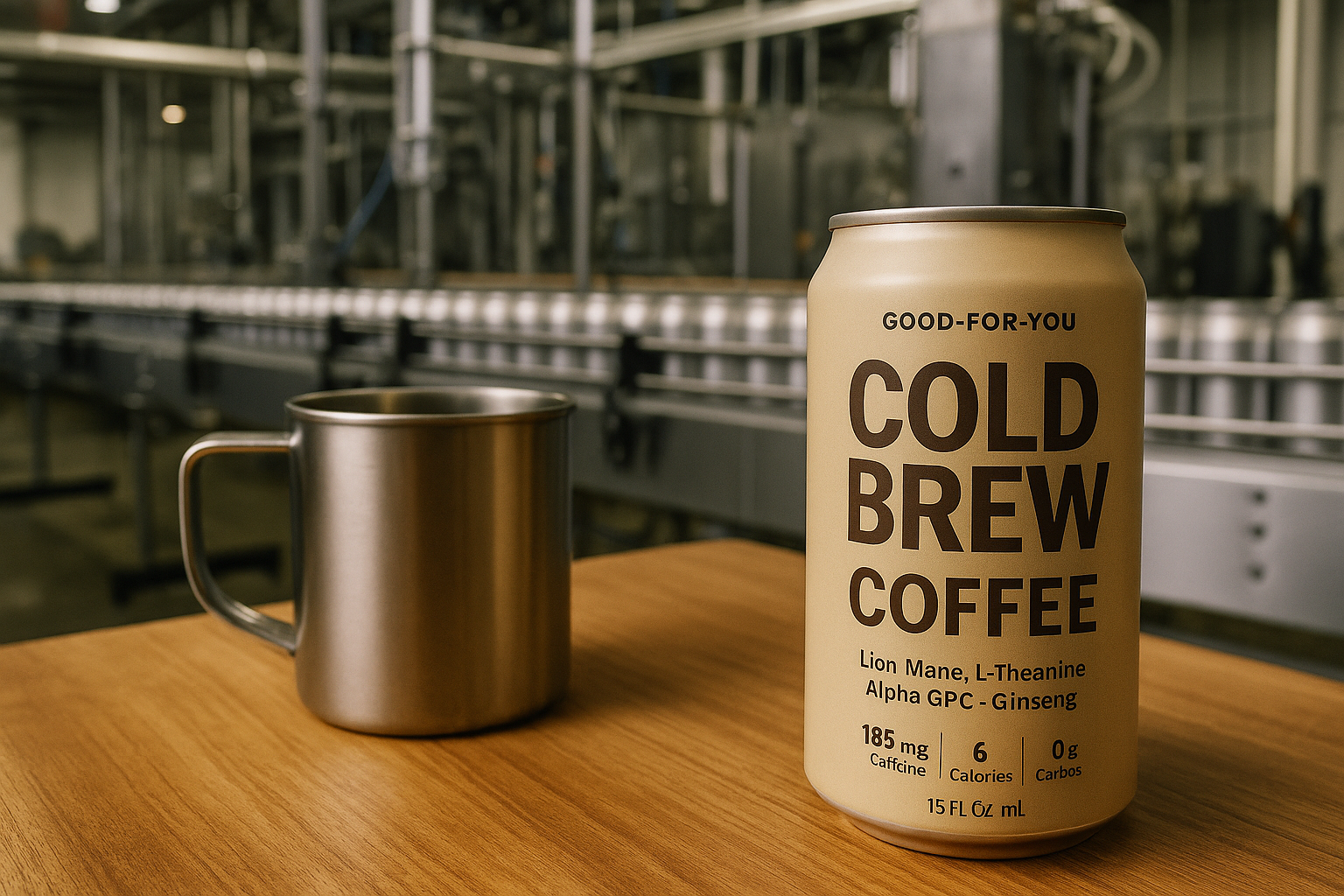
Led by MiaCorp President Joe Lopez, a veteran with nearly 30 years of experience in coffee roasting and packaging, the new line is designed to meet growing global demand for healthy, performance-enhancing coffee beverages. The project’s first product—an innovative canned cold brew—will launch under a “good-for-you” beverage concept, blending specialty-grade coffee with a nootropic formula aimed at improving mental focus and vitality.

“This has been our vision from the start: to produce high-quality specialty coffee at scale, and now it’s finally possible,” said Lopez. “Thanks to our collaboration with Ingenious Roasters and the infrastructure provided by CorpHQ, we’re building a beverage line that brings functional, health-forward coffee to global markets.”

The cold brew formula includes ingredients such as Lion’s Mane, L-Theanine, Alpha GPC, and Ginseng—compounds known for cognitive benefits—while maintaining a clean nutritional profile: 185 mg of caffeine, just 6 calories, and zero carbohydrates per can.

International distribution is set to begin in early 2025 with initial shipments to Puerto Rico, the Dominican Republic, Venezuela, and the Bahamas. Preparations for the U.S. market are already underway, with brand development and packaging expected to be revealed by mid-2025. While the official product name remains undisclosed, CorpHQ hinted at a bold and disruptive brand tailored for the premium health beverage category.

The new canning line is not only a manufacturing milestone but also a signal of strategic intent. By investing in scalable infrastructure and leveraging deep industry partnerships, CorpHQ aims to position itself as a competitive player in the global RTD coffee market—a segment experiencing rapid growth driven by convenience, wellness trends, and specialty flavor innovation.

Southern ITS International, through its brand CorpHQ, continues to evolve as a diversified holding company supporting growth-stage businesses in key sectors including beverages, health, and e-commerce. The company’s operational approach includes infrastructure development, strategic alliances, and active oversight to empower its subsidiaries and partners.

As functional beverages become a cornerstone of modern consumption, CorpHQ’s entry with a specialty RTD coffee line reflects a timely and calculated move, blending innovation, wellness, and market readiness.

Reborn Coffee and Tori AI Partner to Launch Smart AI-Powered Café Experience

Reborn Coffee Inc. (NASDAQ: REBN), a leader in the specialty coffee sector, has announced the signing of a Memorandum of Understanding (MOU) with Tori AI, a cutting-edge artificial intelligence company. This strategic collaboration aims to revolutionize the modern coffeehouse by integrating advanced AI technologies that enhance customer experiences and optimize store operations.

With this agreement, Reborn Coffee is preparing to usher in a new era of intelligent cafés, where real-time data drives personalized service and automation reshapes efficiency. The partnership will allow Reborn to integrate Tori AI’s plug-and-play systems across select locations, introducing capabilities such as dynamic ordering prompts, automated inventory tracking, smart staff allocation, and personalized menu suggestions—all designed to streamline operations and improve customer satisfaction.

Jay Kim, CEO of Reborn Coffee, emphasized that the collaboration goes beyond simply introducing technology. “Tori AI brings systems that can reduce labor costs, increase upselling based on data, and build a responsive CRM that adapts to each customer’s habits and preferences,” he said. “This is about transforming how we manage and grow our stores.”

A highlight of this partnership will be the debut of an AI-powered drive-thru experience at Reborn’s upcoming Las Vegas location at 5050 W Russell Rd. This site will serve as the testing ground for Tori AI’s autonomous ordering platform, offering a seamless, data-enriched interaction from arrival to checkout. The drive-thru will leverage AI infrastructure to deliver faster service, improve order accuracy, and learn from user behavior over time.

Tori AI is already active in high-efficiency sectors like hospitality and food retail. Its platform delivers smart automation tools and behavioral analytics that help brands respond instantly to customer needs. By implementing Tori’s system, Reborn Coffee aims to increase operational agility while maintaining its hallmark handcrafted approach to coffee.

This MOU further solidifies Reborn Coffee’s position as a tech-forward innovator in the café industry. As part of a broader strategy, the company continues to invest in solutions that blend tradition and innovation to elevate the specialty coffee experience.

Although non-binding, the memorandum signals both companies’ commitment to explore scalable integration. Formal agreements will follow as implementation progresses and testing milestones are met.

Reborn Coffee’s move into AI-powered retail aligns with growing consumer demand for personalized, efficient, and immersive coffee experiences. With additional initiatives on the horizon, this partnership with Tori AI sets the tone for how next-generation cafés may operate in the years ahead.

About Reborn Coffee
Reborn Coffee Inc. is a California-based specialty coffee retailer known for its premium quality, innovation, and expanding global presence. Listed on NASDAQ under the ticker REBN, Reborn Coffee is committed to redefining the coffeehouse model through sustainability, technology, and handcrafted excellence.

About Tori AI
Tori AI is an artificial intelligence company focused on transforming physical spaces through smart automation. With proven solutions in the retail, hospitality, and food sectors, Tori AI helps brands gain operational efficiency and real-time insights while delivering personalized customer experiences.

Coffee Prices Rebound as Brazilian Real Strengthens and Export Volumes Decline

Coffee prices rallied on Tuesday, May 13, 2025, recovering from a sharp decline in the previous session, as support from Brazil’s currency and reduced export volumes reignited market momentum. July arabica futures rose by 1.29% (+4.80 points), while July robusta futures gained 1.41% (+71 points), reversing Monday’s losses that pushed both contracts to multi-week lows.

The upswing was largely driven by the strengthening of the Brazilian real, which climbed to a five-week high. A stronger real typically makes Brazilian coffee more expensive in global markets, discouraging producers from selling and slowing down export flows. This shift sparked short covering in coffee futures, creating bullish momentum after the prior day’s drop.

The Brazilian export slowdown added further support. According to Cecafe, Brazil’s green coffee exports in April dropped by 28% year-on-year to 3.05 million bags. For the first four months of 2025, total exports declined by 15.5% compared to the same period in 2024, totaling 13.186 million bags. These figures surprised the market, especially after forecasts earlier in the year had pointed toward a supply rebound.

Despite this bullish news, the global coffee market remains under pressure from broader supply growth. The USDA recently projected a 5.1% increase in Honduras’ 2025/26 coffee production, reaching 5.8 million bags. Safras & Mercado raised its estimate for Brazil’s upcoming crop to 65.51 million bags, while Brazil’s official agency, Conab, now expects 55.7 million bags for 2025, up from 51.81 million previously.

Inventory levels are also on the rise, contributing to bearish sentiment. ICE-monitored robusta stocks climbed to a 3.5-month high of 4,557 lots, and arabica inventories reached 844,473 bags last week—their highest level in nearly three months. These growing reserves may counterbalance short-term supply concerns.

Vietnam’s robusta supply continues to face tightness. From January to April 2025, Vietnam’s coffee exports fell 9.8% year-on-year to 663,000 metric tons. Drought has already slashed the 2023/24 harvest by 20%, the lowest output in four years. The Vietnam Coffee and Cocoa Association cut its 2024/25 forecast to 26.5 million bags, down from 28 million. However, Brazil may offset this with a projected 7.3% rise in robusta production, reaching a record 24.7 million bags.

Longer-term projections point to continued market tightening. Rabobank forecasts a 13.6% decline in Brazil’s 2025/26 arabica crop to 38.1 million bags due to dry weather affecting flowering. Volcafe has echoed this concern, lowering its arabica production forecast to 34.4 million bags and projecting a global deficit of 8.5 million bags—the fifth consecutive year of arabica shortages.

Meanwhile, demand concerns remain a risk factor. Companies such as Starbucks and Mondelez have warned that the U.S. 10% import tariff could push prices higher and suppress sales volumes. Rising costs at the consumer level may dampen demand just as supply conditions start to tighten again.

Weather conditions in Brazil add another layer of uncertainty. Somar Meteorologia reported that Minas Gerais, Brazil’s largest arabica-producing region, received just 0.8 mm of rain in the week ending May 10, only 16% of the historical average. The lack of rainfall may impact flowering and yield for future harvests, particularly in the 2025/26 season.

The global coffee market remains in a delicate balance between short-term supply recovery and structural tightening. While stronger currency dynamics and slowing exports have lifted prices this week, rising inventories and production forecasts continue to weigh on the outlook. Traders will be watching weather conditions, government data, and trade flows closely in the coming weeks to assess the sustainability of the current rebound.

Explore more coffee market insights and updates on Qahwa World here.