G7 Commitment to Coffee Sustainability and Economic Development

At the recent G7 summit in Apulia, world leaders reaffirmed their commitment to sustainable development with a strong focus on coffee. Recognizing the critical role coffee plays in the economies and livelihoods of many countries, the G7 has launched a significant initiative aimed at bolstering the resilience and sustainability of the coffee sector.

G7 Private-Public Initiative on Coffee The G7 leaders announced the formation of a comprehensive private-public initiative designed to enhance the sustainability, productivity, and economic viability of coffee production worldwide. This initiative aims to support smallholders and family farmers, who are the backbone of the coffee industry, by promoting sustainable practices and ensuring fair economic returns.

Key Components of the Initiative:

  1. Policy Advancement: The G7 will work with global partners to develop policies that support sustainable coffee production. This includes addressing environmental challenges, such as deforestation and climate change, which significantly impact coffee-growing regions.
  2. Sustained Investments: The initiative will drive investments into the coffee sector, particularly focusing on research and innovation. This includes exploring new coffee varieties that are more resilient to climate change and pests.
  3. Partnerships and Blended Finance: Leveraging multi-stakeholder partnerships, the initiative will harness both public and private finance to support coffee farmers. This blended finance approach aims to maximize the impact of investments and ensure long-term sustainability.
  4. Circular Economy: Efforts will be made to promote a circular economy within the coffee sector, enhancing value addition and reducing waste throughout the coffee value chain.
  5. Global Private-Public Fund: The feasibility of establishing a global private-public fund on coffee will be examined. This fund would aim to provide financial support for sustainable coffee initiatives, ensuring that resources are available to address both immediate and long-term challenges.

Support for Smallholders and Family Farmers The initiative places a strong emphasis on supporting smallholders and family farmers. By providing access to better resources, education, and financial support, the G7 aims to empower these farmers to adopt sustainable practices, improve productivity, and enhance their economic resilience.

Climate Resilience and Environmental Sustainability Addressing the climate-food systems nexus is a critical component of the initiative. The G7 leaders highlighted the need for coherent policies and investments that not only enhance the sustainability of coffee production but also contribute to broader climate goals. This includes initiatives to improve soil health, promote sustainable farming practices, and support the development of climate-resilient coffee varieties.

Global Cooperation The G7’s commitment to coffee is part of a broader effort to support sustainable development globally. By working with international partners, including the African Union and other global stakeholders, the G7 aims to align this initiative with existing global and regional plans for sustainable agriculture and food security.

Conclusion The G7’s commitment to coffee sustainability marks a significant step towards ensuring the long-term viability of the coffee sector. By supporting smallholders, promoting sustainable practices, and driving investment, the initiative aims to create a more resilient and equitable coffee industry that can thrive in the face of global challenges.

This renewed focus on coffee highlights the importance of this crop not only as a global commodity but also as a vital source of livelihood for millions of people around the world. The G7 leaders’ commitment is expected to drive positive change and foster a more sustainable future for coffee production.

Additional Commitments from the G7 Leaders The G7 leaders also emphasized the importance of addressing the broader issues of sustainable development, food security, and climate resilience. Notable initiatives include:

  • The Apulia Food Systems Initiative (AFSI), which aims to overcome structural barriers to food security and nutrition, building resilient and productive agriculture and food systems globally.
  • Energy for Growth in Africa Initiative, launched alongside several African partners, to drive clean energy investments across the continent, supporting sustainable and inclusive growth.
  • Commitment to Gender Equality, unlocking significant investments to boost women’s empowerment and economic participation.

These initiatives demonstrate the G7’s holistic approach to tackling global challenges and promoting sustainable development, with coffee sustainability as a pivotal focus.

With these comprehensive measures, the G7 aims to ensure that coffee production remains sustainable and profitable, benefiting millions of smallholder farmers and contributing to global economic stability and environmental health.

Historic Achievement: G7 Recognizes Coffee as a Strategic Sector

The International Coffee Organization (ICO) is pleased to announce the outcomes of the 50th G7 Summit held from 13 to 15 June 2024 at the Borgo Egnazia resort in Fasano, Apulia, Italy. The gathering convened leaders from the G7 member states alongside representatives from the European Council and European Commission (EU), focusing on critical global issues including climate change, economic recovery, and international relations.

Prior to the event, in April 2024, the G7 Ministers’ Meeting on Climate, Energy, and Environment, together with the Italian Presidency of the G7, acknowledged the challenges faced by the coffee sector and advocated for a public-private partnership initiative designed to foster sustainable, resilient, circular, and regenerative coffee value chains.

Central to the latest summit was the leaders’ commitment to policies and investments aimed at addressing climate-related food supply disruptions. Of notable significance, they pledged to support multi-stakeholder programmes, including an innovative private-public initiative on coffee, as recommended earlier. This proposal aims to advance policy, investment, research, innovation, partnerships, and blended finance to boost resilience, sustainability, value addition, and the circularity of the coffee global value chain (C-GVC). It will also seek to support smallholders and family farmers in coffee-producing countries and examine the feasibility of establishing a dedicated global fund.

Vanúsia Nogueira, Executive Director of the ICO, commented on this milestone, stating: “The ICO is committed to achieving a diversified global coffee sector and to economic and social development through sound value distribution in the C-GVC and by enhancing income opportunities in producing and consuming countries. We are proud that the ‘coffee diplomacy’ efforts of the ICO and our Coffee Private-Public Task Force have resulted in coffee being recognized as a key strategic sector by the G7 leaders. This is proof that a strong ICO amplifies the voices of farmers and empowers coffee stakeholders, bringing hope to millions worldwide.”

Building on the endorsements made at the summit, the ICO will continue its efforts and collaborate with the Italian presidency of the G7 and other partners to develop a robust and concrete proposal to mobilize funding and resources aimed at fostering the coffee sector’s journey towards sustainability, inclusion and climate change mitigation, as well as achieving a living and prosperous income for producers.

The proposal is expected to be presented at the upcoming G7 Ministers’ Meeting on Development in October, informed by the ICO and partners’ recent report on global coffee funding mechanisms: “Sustainability & Resilience of the Global Value Chain: Towards a Coffee Investment Vehicle.”

For further insights, please refer to the official G7 Leaders’ Communique from the Apulia Summit, available here.

The International Coffee Organization (ICO) is dedicated to supporting exporting and importing countries in improving the sustainability of the coffee sector. It provides a platform for public and private stakeholders, offers official statistics on coffee production, trade, and consumption, and facilitates technical cooperation projects and public-private partnerships.

More information at: http://www.icocoffee.org/

Discover Thailand’s Specialty Coffees at World of Coffee Copenhagen 2024

Coffee enthusiasts and industry professionals will have a unique opportunity to experience Thailand’s finest Arabica and Robusta coffees at a special tasting event hosted by the Coffee Quality Institute (CQI). This exclusive event is part of the World of Coffee Copenhagen 2024, held at the Bella Center Copenhagen.

Event Details:

  • Date: Friday, June 28, 2024
  • Time: 4:00 PM – 5:00 PM CEST
  • Location: Room 2, Bella Center Copenhagen, 5 Center Boulevard, 2300 København, Denmark

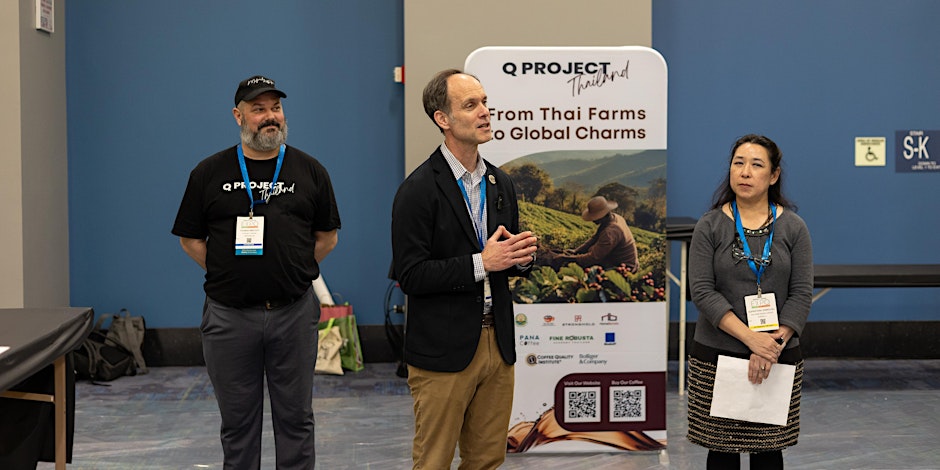
The CQI will host a cupping event to showcase Thailand’s growing specialty coffee sector. Attendees will taste a variety of Arabica and Robusta coffees, each highlighting different processing methods and flavors. The event aims to promote the Q Project Thailand, an initiative designed to elevate the quality and international profile of Thai specialty coffees.

Event Highlights:

  • Exclusive Tasting: Sample a diverse range of specialty Arabica and Robusta coffees from Thailand.
  • Insightful Learning: Understand the impact of CQI’s Post-Harvest Processing and Quality Evaluation training on Thai coffee quality.
  • Networking Opportunities: Engage with Thai trade representatives and other coffee industry professionals.

The featured coffees come from three cohorts of Thai coffee producers who have completed CQI’s comprehensive training programs. These programs, supported by Bolliger & Company (Thailand), various Thai government entities, and local coffee businesses, focus on post-harvest processing best practices and quality standards.

In addition to the cupping event, CQI will brew Thai coffees at their booth (CE 14B) throughout the World of Coffee Copenhagen show, providing further opportunities to explore the unique flavors and quality of Thai specialty coffees.

World of Coffee Copenhagen 2024 is one of the most anticipated events in the global coffee calendar, organized by the Specialty Coffee Association (SCA). This annual event brings together thousands of coffee professionals from around the world to explore the latest trends, innovations, and developments in the coffee industry.

Key Features of World of Coffee Copenhagen 2024:

  • Dates: June 27-29, 2024
  • Location: Bella Center Copenhagen, 5 Center Boulevard, 2300 København, Denmark
  • Entry: Tickets are available for purchase on the official World of Coffee Copenhagen 2024 website.

The event features a vast exhibition floor showcasing cutting-edge products, equipment, and services from leading coffee brands and suppliers. Attendees can interact with exhibitors, discover new products, and learn about the latest innovations in the coffee world. Prestigious coffee competitions, including the World Barista Championship, World Brewers Cup, and World Cup Tasters Championship, will take place, featuring the best baristas, brewers, and coffee tasters from around the globe. Educational sessions will offer a comprehensive program of workshops, lectures, and panel discussions led by industry experts, covering various aspects of coffee production, brewing techniques, sustainability, business strategies, and more. Networking events will provide numerous opportunities for attendees to connect with fellow coffee professionals, industry leaders, and influencers.

The Coffee Quality Institute is committed to improving coffee quality and the lives of coffee producers. Through initiatives like Q Project Thailand, CQI provides essential training and resources to help producers achieve high-quality standards and access new markets.

Don’t miss this opportunity to discover the rich and diverse world of Thai specialty coffee. Mark your calendar for June 28, and join us at World of Coffee Copenhagen 2024 for an unforgettable coffee experience.

For more information and to register, visit the official World of Coffee Copenhagen 2024 website.

Forging a Sustainable Future: Innovations and Milestones in Coffee Research 2023

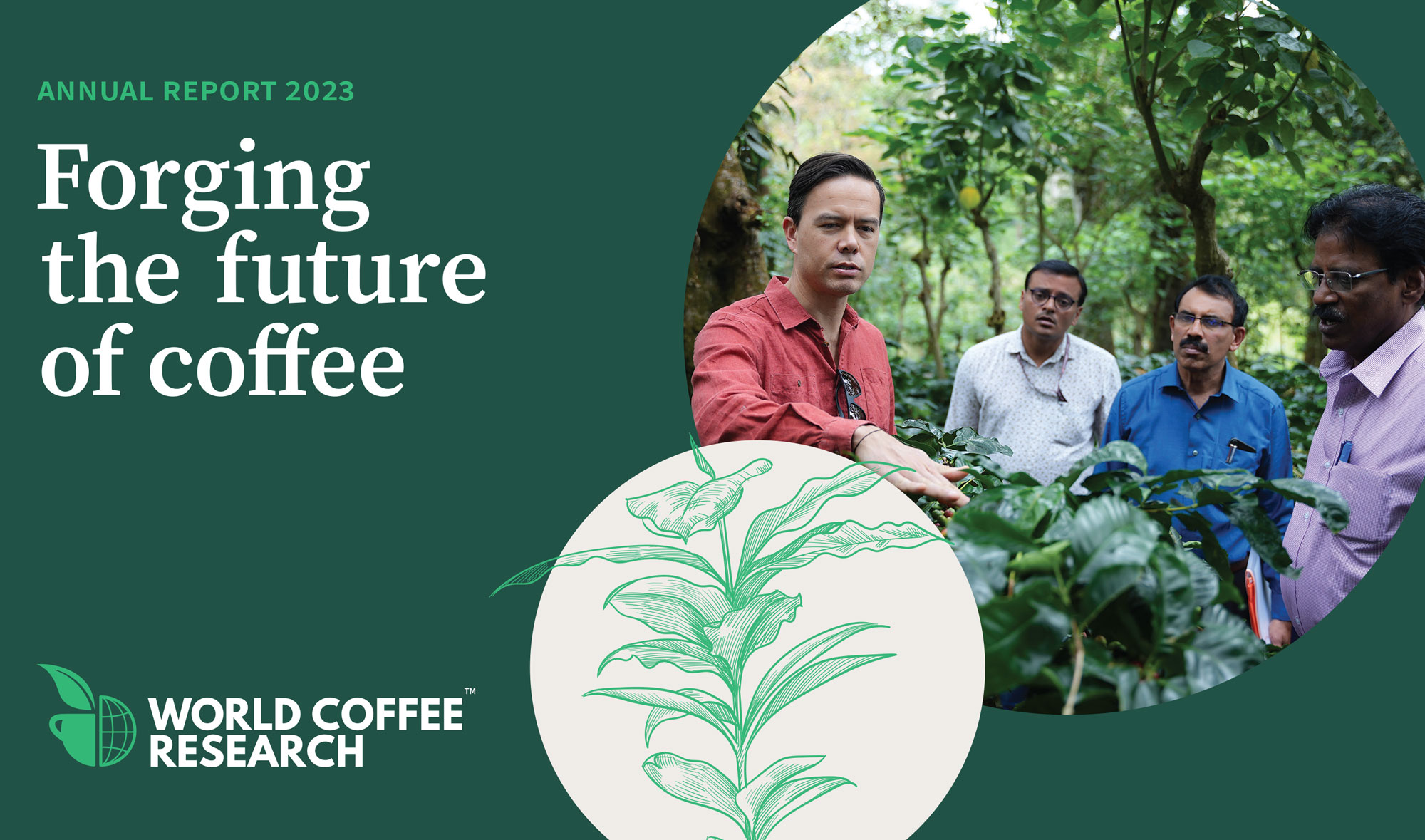
World Coffee Research Releases 2023 Annual Report

The newly released 2023 annual report from World Coffee Research (WCR) provides an insightful overview of the organization’s significant achievements and progress over the past year, highlighting major program areas and global initiatives.

A Brighter Future Through Innovation

In 2023, WCR reinforced its core mission: a brighter future for coffee through innovation. The organization’s team, spread across 17 countries, continued to generate actionable, science-based solutions for farmers and coffee-producing nations. This work is crucial in the face of climate change and the looming investment gap in agricultural research and development (R&D).

“Creating better coffee varieties gives farmers choices, fills consumers’ cups with joy, and creates the foundation for flourishing and sustainable coffee businesses for generations to come,” said Chief Executive Officer Dr. Jennifer “Vern” Long. “In short, innovation allows us to define the world we want to live in and to use science as a tool to get us there. This year, with strong backing from our member companies and national research partners around the world, we’ve forged ahead in this journey, making a brighter future not only possible but probable.”

2023 Global Highlights

This year, WCR made substantial progress across its four major program areas—breeding, trials, nursery, and global leadership:

  1. Breeding and Genetic Improvements
    • Arabica Breeding and the Innovea Network: Launched in 2022, the Innovea Global Coffee Breeding Network continued its work in 2023 by shipping and germinating 5,000 novel and genetically unique arabica seeds to six countries. The network aims to modernize variety improvement systems and provide farmers with more resilient and diverse coffee varieties.
    • Robusta Breeding: WCR laid the groundwork for a global robusta breeding network, conducting a comprehensive study on robusta genetic improvement and establishing a breeding collection at its research farm in El Salvador.
  2. Trials and Testing
    • F1 Hybrids Trial: Four hybrid candidates advanced to pre-commercial testing, with research trials showing up to 30% yield gains. The next phase of trials will begin in 2024.
    • International Multilocation Variety Trial (IMLVT): The world’s largest coffee variety trial, with 31 varieties and 50,000 plantlets across 22 sites in 15 countries, was extended for six years to continue data collection and analysis.
  3. Nursery and Seed Sector Work
    • In Latin America, WCR tested 28,540 tree samples from 81 seed lots for genetic purity and supported 22 seed lots for clean-up.
    • In Uganda, the organization established 10 demonstration robusta nurseries, trained 393 nursery operators, and supplied nearly 50,000 coffee wilt disease-resistant plants to farmers.
  4. Global Leadership and Advocacy
    • WCR expanded its advocacy efforts to include governments in Japan, Australia, Canada, Germany, and the EU. The organization participated in two international coffee development projects, targeting 103,700 farmer beneficiaries and investing $60 million.

Resources and Knowledge Sharing

WCR’s knowledge products, including the Coffee Varieties Catalog and Sensory Lexicon, were accessed over 150,000 times in 99 countries. New resources launched in 2023 include a robusta variety catalog and an open-access DNA fingerprinting database for arabica coffee.

Financial Overview

In 2023, contributions from the coffee industry totaled $4,056,000, supporting WCR’s various programs. The organization’s total expenditures were $5,419,000, with significant investments in breeding, trials, nursery, and global leadership.

Looking Ahead

WCR’s efforts in 2023 have laid a robust foundation for future advancements in coffee research. By addressing critical challenges such as climate change, genetic improvement, and the global investment gap, WCR is driving transformative change in the coffee industry. The collaborative approach involving global partners and member companies ensures a sustainable and prosperous future for coffee farmers and the entire supply chain.

To reflect on this past year’s progress and celebrate what’s to come for the future of coffee, access the full annual report on the World Coffee Research website. Spanish, German, and Japanese versions of the report will be available in the coming weeks.

Saudi Arabia Completes Procedures to Join the International Coffee Agreement 2022

In a significant move for the global coffee community, the Kingdom of Saudi Arabia has officially completed the procedures to become a member of the International Coffee Agreement 2022. This membership follows the deposit of an instrument of ratification, marking a major step in Saudi Arabia’s involvement in the international coffee value chain. The International Coffee Organization (ICO) and its members have warmly welcomed Saudi Arabia’s commitment to the coffee industry and look forward to collaborating on enhancing the global coffee sector.

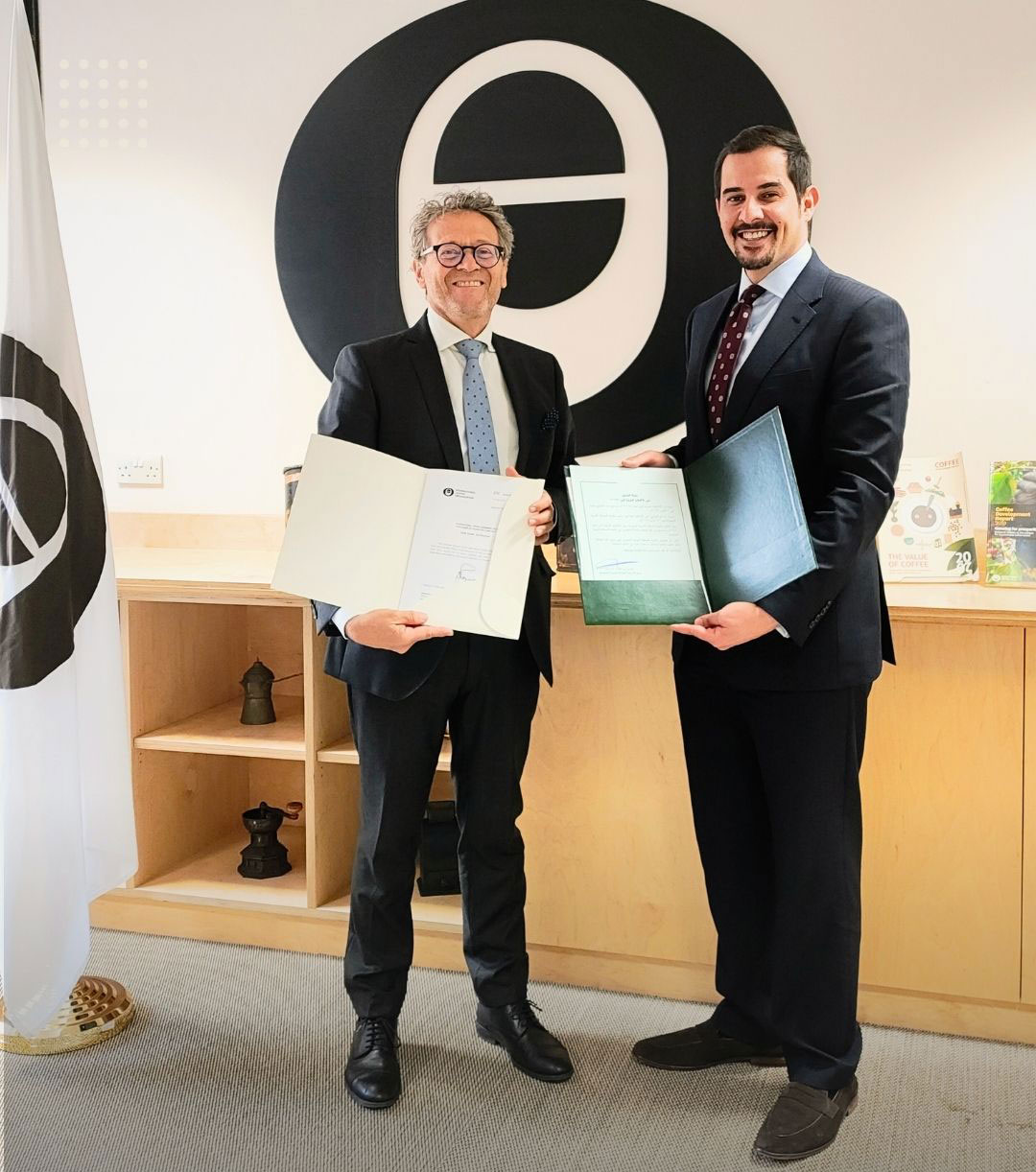
The Kingdom of Saudi Arabia made history by signing the International Coffee Agreement (ICA) 2022 at the ICO headquarters in London. This is the first time the country has formally joined the ICO, an organization with a rich history spanning 60 years. The signing ceremony was attended by representatives from the Saudi Embassy in London, including HRH Prince Khalid Bin Bandar Bin Sultan Bin Abdulaziz Al Saud, Ambassador of Saudi Arabia to the United Kingdom, who signed the trade treaty.

Coffee holds a deep cultural significance in Saudi Arabia. Historically, it was cultivated by the ancient tribes of Khawlan, who lend their name to the prized Khawlani coffee typical of the Jazan region. The cultivation practices of Khawlani coffee are inscribed on the UNESCO Representative List of Intangible Cultural Heritage. Saudi Arabia’s coffee culture blends modernity and tradition, with the buzz of state-of-the-art espresso machines in Riyadh’s coffee outlets intertwining with the comforting echoes of ancestral practices in homes across the nation. The serving of qahwa, often flavored with cardamom and poured into small ornate cups called finjan, is a distinctive cultural ritual and a symbol of the Kingdom’s rich history and hospitality.

The ICO Executive Director, Vanúsia Nogueira, expressed her enthusiasm for Saudi Arabia’s membership, highlighting the potential for enhanced international cooperation and sustainability in the coffee sector. HRH Prince Khalid Bin Bandar Bin Sultan Bin Abdulaziz Al Saud emphasized the importance of this step for the Kingdom, noting the growth and future plans of the Saudi coffee industry.

Public Investment Fund (PIF) launched the Saudi Coffee Company in May 2022, investing $319 million over the next ten years to boost national coffee production from 300 tons per year to 2,500 tons per year, with a focus on sustainability across the production, distribution, and marketing aspects of the coffee supply chain. In recent years, Saudi Arabia’s coffee consumption has seen a substantial increase, with the market growing at an annual rate of 9%. By 2030, the country aims to be a leading producer of high-quality coffee, contributing significantly to the global market.

The ICO, the only intergovernmental organization supporting exporting and importing countries to improve the sustainability of the coffee sector, provides a high-level forum for all public and private stakeholders. It offers official statistics on coffee production, trade, and consumption, and supports the development and funding of technical cooperation projects and public-private partnerships. The ICA 2022, the eighth agreement since the ICO’s establishment, engages exporting and importing governments, the private sector, and civil society to achieve a more sustainable and prosperous coffee sector.

Coffee Prolongs Office Workers’ Lives: A Chinese Study Supported by Global Research

A recent study conducted by scientists at Suzhou University in China has confirmed that drinking 2-3 cups of coffee daily can reduce the risk of death from serious diseases among office workers by up to 33%. The study involved over 10,000 volunteers who were monitored over a period of ten years. Participants provided information about their sitting habits, exercise routines, and the number of cups of coffee they consumed daily.

Health Benefits of Coffee

The study showed that office workers who spent at least 6 hours daily sitting and drank 2-3 cups of coffee daily had a reduced risk of death from sedentary lifestyle-related diseases such as diabetes, heart disease, and cancer. This is attributed to the antioxidant and anti-inflammatory properties of coffee.

Support from Global Research

These findings are supported by numerous other studies conducted in the United States and Europe. For instance, a study involving half a million people in Britain found that coffee consumption was associated with a 14% lower risk of death for those who drank up to eight cups daily​ (Harvard School of Public Health)​. Additionally, research conducted in ten European countries confirmed that coffee improves liver function and helps control blood glucose levels​ (Imperial College London)​.

Expert Recommendations

Renowned Russian physician Dr. Alexander Myasnikov praised the health benefits of coffee, noting that it is part of the cancer chemoprevention program and helps prevent the development of liver cancer. He also highlighted its role in reducing the risks of arthritis, diabetes, and heart rhythm disorders​ (livescience.com)​​ (ScienceDaily)​.

Conclusion

These combined findings suggest that moderate coffee consumption can have significant positive health effects, especially in mitigating the negative impacts of a sedentary lifestyle. However, researchers emphasize the importance of consuming coffee in moderation as part of a balanced diet and healthy lifestyle.

For more details on the study, you can visit the Biomedcentral website.

Home Coffee Brewing Booms in Russia with Specialized Devices

Russians have been turning to home coffee brewing more frequently, aided by various coffee gadgets, according to industry sellers and coffee machine vendors. Over the past year, sales of such devices have grown by one-third. Consumers aim to recreate café-quality coffee at home, driving demand for advanced, multifunctional, yet cost-effective machines.

In 2023, sales of coffee machines and makers in Russia increased by over 30% compared to 2022, reaching 29.4 billion rubles. Around 2 million coffee preparation devices were sold, a record figure. In the first quarter of 2024, sales rose by 37% in units and 50% in value, totaling 613,000 units worth 9 billion rubles. Over the past five years, the coffee electronics market has tripled.

The pandemic has significantly boosted coffee’s popularity, shifting consumption to homes and increasing the demand for functional, automated models, now accessible in the mid-price range. The first quarter of 2024 saw a one-third increase in demand for coffee machines, with a 32% rise in revenue and a 34% increase in orders compared to the previous year. The interest in coffee makers also grew, with a 22% increase in revenue and a 9% rise in orders.

Year after year, there’s a steady increase in the demand for coffee machines and related equipment, a trend likely to continue. The main reasons include a love for coffee among consumers, the still small household penetration of coffee machines, and the gradual shift from basic drip and capsule devices to more advanced automatic machines.

Economic confidence is rising across the country, with people willing to spend on technology and premium food products, noted Svetlana Televnaya from Metro. The trend towards ready-made food solutions has also led to increased sales of coffee capsules and drips, observed in both B2B and B2C segments.

Wildberries reported a 217% increase in coffee machine sales in the first quarter of 2024 compared to the same period in 2023. Ozon saw a 57% increase in units sold and an 89% rise in revenue. Despite a 22% drop in average prices, consumer preference has shifted towards Russian brands, with a notable rise in demand for affordable drip coffee makers.

Retail data indicates steady coffee bean sales growth of 2–4% annually, with higher figures in discount stores. Ground and capsule coffee sales remain stable, while ready-to-go coffee in retail networks grew by over 20% year-on-year. Sales of espresso blends for home use have doubled, with increased interest in filter coffee.

The rising demand for coffee machines is attributed to ongoing coffee consumption growth in Russia, current trends, and consumers’ desire for quality coffee at home. The pandemic popularized hybrid and remote work, with many preferring office-quality coffee at home. Technological advancements in coffee preparation also play a role.

Content-Review’s Sergey Polovnikov noted that coffee machine demand growth is linked to the transition from capsule machines to full-fledged coffee makers due to cost savings and desired taste. Eldar Murtazin from Mobile Research Group highlighted that salary increases have led to first-time purchases of coffee machines, further boosting coffee sales. The anticipated price rise for coffee due to global supply issues also influences consumer behavior.

Pavel Komarov from Avito pointed out that rising grain prices and the desire for customized coffee at home drive the purchase of coffee machines. The cultural development of coffee consumption in Russia continues to grow, supporting this trend.

Record Surge in Uganda’s Coffee Exports: May 2024 Report Highlights

In May 2024, Uganda saw a significant surge in its coffee exports, marking a notable growth in both quantity and value. According to the Uganda Coffee Development Authority (UCDA) report, a total of 553,529 60-kilo bags of coffee were exported, valued at $127.3 million. This represents a remarkable 22.16% increase in quantity and a substantial 73.81% rise in value compared to May 2023.

Robust Growth in Robusta Exports

Robusta coffee led the charge, with exports increasing by 44.23% in quantity and a staggering 136.28% in value year-over-year. In May 2024, Uganda exported 473,693 bags of Robusta, generating $107.92 million. The surge is attributed to the peak harvest of the main crop in the Masaka and South Western regions.

Decline in Arabica Exports

In contrast, Arabica coffee exports declined by 35.98% in quantity and 29.68% in value compared to the previous year. Uganda exported 79,836 bags of Arabica worth $19.38 million. The decrease is linked to a smaller harvest in the Elgon region.

Yearly Performance

For the twelve months ending in May 2024, Uganda exported a total of 6.02 million bags of coffee, valued at $1.07 billion. This marks a 5.17% increase in quantity and a substantial 27.85% rise in value compared to the previous year. The export performance underscores Uganda’s growing prominence in the global coffee market.

Market Prices

The average export price in May 2024 was $3.83 per kilo, up from $3.62 per kilo in April 2024 and $2.69 per kilo in May 2023. Robusta fetched an average price of $3.80 per kilo, with Organic Robusta achieving the highest price of $4.43 per kilo. Arabica averaged $4.05 per kilo, with Mt. Elgon A+ commanding the highest price at $5.27 per kilo.

Exporter Performance

The top 10 exporting companies accounted for 72% of the total coffee exports in May 2024. Ugacof (U) Ltd led the market with a 16.44% share, followed by Export Trading Company (U) Ltd with 8.68% and Ideal Quality Commodities Ltd with 8.66%. The competition among exporters remains intense, reflecting the dynamic nature of Uganda’s coffee industry.

Global Market Dynamics

Globally, coffee production for 2023/24 is forecasted to reach 171.4 million bags, up by 6.9 million bags from the previous year, driven by higher outputs in Brazil, Colombia, and Ethiopia. Global exports are expected to rise by 8.4 million bags to 119.92 million bags, primarily due to increased shipments from Brazil. Global consumption is forecasted at 169.5 million bags, with significant increases in the European Union, the United States, and Brazil. Ending inventories are projected to tighten to a 12-year low of 26.5 million bags.

Promoting Domestic Coffee Consumption

UCDA actively promoted domestic coffee consumption through various events, including the European Union day celebrations, Women’s Day celebrations in Sembabule, and the Pearl of Africa Tourism Expo. These events featured demonstrations of different brewing techniques and provided over 10,000 cups of coffee for tasting, highlighting the rich diversity of Ugandan coffee.

Future Outlook

Looking ahead, coffee exports for June 2024 are projected to be around 550,000 60-kilo bags. The peak harvesting season south of the equator and ongoing harvesting of the fly crop north of the equator are expected to contribute to this robust performance.

Conclusion

Uganda’s coffee export growth in May 2024 highlights the country’s strong position in the global coffee market. With significant increases in both quantity and value, Uganda continues to cement its reputation as a key player in the coffee industry. The UCDA’s efforts in promoting both domestic and international markets, along with ongoing improvements in coffee cultivation and processing, are set to further enhance Uganda’s coffee sector in the coming years.

Victoria Arduino to Showcase Cutting-Edge Coffee Technology at World of Coffee Copenhagen

From June 27 to 29, Victoria Arduino will make its mark at the World of Coffee (WOC) in Copenhagen as the official sponsor of the Roaster Village South, presenting the innovative E1 Prima EXP espresso machine. This renowned Italian brand, known for its exceptional espresso machines that blend striking design with top-tier performance, invites baristas, roasters, and coffee enthusiasts to stand CE-008. Here, visitors can explore the latest advancements in coffee extraction, grinding, and steam production, all wrapped in Victoria Arduino’s sleek, contemporary style.

Experience E1 Prima EXP: A Hub of Creativity

E1 Prima EXP, a 1-group espresso machine, is designed for those who cherish creativity and innovation in coffee. This machine is not just a tool but a partner for explorers of taste, allowing baristas to craft a wide range of espresso and Pure Brew recipes effortlessly. Its state-of-the-art technologies enhance every ingredient, making it a must-see at the Roaster Village South.

Introducing the E1 Prima PRO

Victoria Arduino is also unveiling the E1 Prima PRO, a professional espresso machine that encapsulates the brand’s most advanced technologies in a uniquely versatile design. The E1 Prima PRO features PBTech and VIS (Virtual Intelligent Scale), ensuring perfect balance of flavor and texture with precise, consistent dosing every time. This new model is a testament to Victoria Arduino’s commitment to pushing the boundaries of coffee technology.

Savor Unique Flavors with Pure Brew+

At stand CE-008, visitors can indulge in a sensory journey with Pure Brew+, a new technology that enhances the tasting experience of coffee, tea, botanicals, and other ingredients. Featured coffees from esteemed producers like Lost Origin, Los Pirineos, and Cafè Granja will be showcased, highlighting the potential of this innovative brewing technology.

Black Eagle Maverick: A Hub of Innovation

The Black Eagle Maverick, known for its cutting-edge espresso extraction technologies like T3 Genius and PBtech, will be a highlight at the stand. Throughout the event, roasters including Kalve, Good Life, Standout, Gemini, and La Cabra will demonstrate its capabilities, offering an immersive sensory experience that showcases the full spectrum of coffee flavors.

Eagle Tempo: Revolutionizing Steam Technology

Visitors will also experience the new Easycream technology with Eagle Tempo, designed for faster workflows and consistent drink preparation. The updated system allows baristas to set up to nine latte or plant-based drink recipes directly from the display, streamlining the process with a user-friendly push-and-pull steam lever. At WOC, Eagle Tempo will feature a diverse drink menu, including innovative options like matcha latte.

Limited Edition: Eagle One Copenhagen

Victoria Arduino will debut the Eagle One Copenhagen Special Edition, a limited run featuring sustainable, biodegradable natural fiber. This edition blends warm, natural hues with a fabric that showcases the beauty and texture of different yarns, embodying the essence of the Eagle One series.

Mythos Masterclass: A Deep Dive into Grinding Excellence

Don’t miss the Mythos Masterclass at stand CE-008, where Victoria Arduino will delve into the evolution of the Mythos grinder. Known as the official grinder of the World Barista Championship, Mythos has set new standards in grinding quality and consistency, shifting focus from speed to extraction excellence. Join the Victoria Arduino team to explore its journey and innovations.

Victoria Arduino at WOC Copenhagen promises an exciting showcase of innovation, quality, and design. Visit stand CE-008 to discover the future of coffee technology and experience firsthand the brand’s dedication to excellence.

How Many Cups of Cappuccino Can Be Made in One Hour?

Morning coffee is a staple for many of us, providing that much-needed energy boost to start the day. While nutritionists recommend consuming no more than one serving of coffee daily, we often exceed this limit, especially when socializing with friends and family at a café. The coffee always seems to taste better there than the one we make at home. But have you ever wondered how long it takes to make a cup of cappuccino?

According to many baristas, it takes about 3 minutes to prepare one serving of coffee with milk. So, how many cappuccinos can be made in one hour? A simple calculation suggests around 20 servings. However, this estimate is misleading. In fact, there’s a Guinness World Record for the highest number of cappuccinos made in just 60 minutes.

According to Marina Mikhalap, a reporter for “Belnovosti,” the record is held by professional barista Lisa Thomas from Australia. In April 2019, she attempted to set the record for the most cappuccinos made in one hour using a standard coffee machine, capable of making up to 4 servings at a time. In the allotted hour, Lisa managed to prepare 420 cups of coffee. To date, no other barista in the world has been able to break this record.

Additional Information

  1. Lisa Thomas’ Background: Lisa Thomas is a renowned barista from Melbourne, Australia, known for her precision and speed in coffee preparation. She has participated in several barista competitions and has been recognized for her skills in latte art and espresso brewing.
  2. The Record-Breaking Event: The event took place in a popular café in Melbourne, where Lisa’s attempt was witnessed by a crowd of coffee enthusiasts and official representatives from the Guinness World Records. The preparation process was meticulously documented to ensure all guidelines were met.
  3. Impact on the Coffee Community: This record has inspired many baristas around the world to improve their skills and speed. It has also highlighted the importance of efficient workflow and equipment in achieving such feats.
  4. Guinness World Records: The Guinness World Records organization has stringent criteria for setting and breaking records. Lisa’s achievement is listed under the category of “Most Cappuccinos Made in One Hour” and includes detailed documentation and verification by official adjudicators.

Genetic Factors Influence Coffee Consumption, Study Finds

A recent study published in the American Journal of Clinical Nutrition reveals that genetic factors significantly influence coffee consumption habits. Conducted by a team of Australian scientists, the study examined nearly 400,000 individuals aged between 39 and 73. The researchers concluded that people instinctively regulate their coffee intake, independently of medical guidelines about its potential harms.

The study suggests that human genes actively help in understanding the required amount of coffee, thereby protecting against excessive consumption. Additionally, multiple studies have shown that caffeine improves mental performance, alertness, general motor skills, learning, and memory. Previous research also indicated that coffee consumption could induce genetic changes within DNA, potentially passing these changes to future generations.

A related report from Harvard T.H. Chan School of Public Health highlights that genetic variants linked to coffee drinking may increase caffeine metabolism, helping people modulate their intake to experience optimal effects​ (Harvard Public Health)​.

This groundbreaking research highlights how genetics can influence habitual behaviors, providing a deeper understanding of individual differences in coffee consumption. For more details, you can refer to the original study in the American Journal of Clinical Nutrition and related reports from the Harvard T.H. Chan School of Public Health​ (Harvard Public Health)​.

Injaz International Signs Exclusive Agreement to Supply Ugandan Coffee to the Saudi Market

Ali Al-Suwaih, Chairman of Injaz International, a subsidiary of Injaz Global Group and Special Advisor for Trade, Investment, and Employment Abroad for the Republic of Uganda, recently signed an exclusive agreement to supply premium Ugandan coffee products to the Kingdom of Saudi Arabia. This step was taken under the directives of the Ugandan leadership and was formalized in a ceremony attended by Ugandan President Yoweri Museveni himself.

On the sidelines of the signing ceremony, President Yoweri Museveni expressed his pride and support for this agreement, emphasizing that it represents an important step towards advancing the Ugandan coffee sector and supporting local farmers. He noted that this agreement is part of the Ugandan government’s efforts to enhance its agricultural exports and open new markets for its products.

Uganda is one of the largest coffee producers in the world, with production for the 2023/2024 year estimated at approximately 6.85 million 60-kilogram bags, a 4% increase from the previous year. This growth is attributed to favorable weather conditions and the maturation of coffee trees planted prior to the COVID-19 pandemic. Ugandan coffee exports are expected to rise by 4% to 6.52 million bags, strengthening Uganda’s presence in global markets​ (Daily Coffee News by Roast Magazine)​​ (NUCAFE)​​ (USDA Foreign Agricultural Service)​.

Regarding coffee consumption in Saudi Arabia, the Kingdom is one of the largest coffee consumer markets in the region, having witnessed significant growth in recent years. Coffee consumption in Saudi Arabia is estimated at around 28,000 tons annually, with an increasing number of coffee shops and a growing coffee culture among the Saudi population. This agreement comes at a time when the Saudi market is experiencing rising demand for premium coffee, providing an excellent opportunity for Ugandan coffee to expand and compete in this promising market.

It is noteworthy that this step aligns with Saudi Arabia’s Vision 2030, which aims to diversify the economy and increase trade cooperation with African countries, thereby opening new horizons for partnership and cooperation in various economic fields.