Ernesto Illy International Coffee Award 2024: Shaping the Future of Coffee at the United Nations

  • Global Experts Rally in New York to Address Coffee’s Climate Crisis and Drive Investment in Regenerative Agriculture through Public-Private Partnerships

Amid rising climate challenges, the future of coffee faces profound risks, from droughts sweeping Brazil to intensifying storms in Vietnam. Over 12.5 million coffee growers worldwide, primarily smallholders, are on the frontline of these environmental shifts, bearing the brunt of coffee’s fragile relationship with a warming planet. The Ernesto Illy International Coffee Award 2024 gathered top industry leaders at the United Nations Headquarters to confront a pressing question: How can coffee’s future be secured amidst these socio-environmental threats?

The roundtable event, orchestrated by illycaffè under the banner of the Ernesto Illy International Coffee Award, was led by Clare Reichenbach, CEO of the James Beard Foundation. The distinguished panel included Andrea Illy, Chairman of illycaffè and co-Chair of the Regenerative Society Foundation; Massimo Bottura, celebrated chef and UN Goodwill Ambassador; Jamil Ahmad, Director of the UNEP New York Office; Andrea De Marco, Project Manager at UNIDO; Raina Lang, Senior Director of Sustainable Coffee at Conservation International; and Vanusia Nogueira, Executive Director of the International Coffee Organization.

A central theme emerged: the necessity of a regenerative approach in coffee cultivation, designed to boost resilience, support farmers, and reduce environmental impact. Key to this initiative is the establishment of a $10 billion public-private fund over the next decade, aimed at bolstering smallholder coffee farmers in climate-vulnerable tropical regions.

Andrea Illy emphasized the urgency, stating, “Since Expo 2015, we have tirelessly worked to build a protective framework for coffee. Regenerative agriculture has proven it can yield high-quality crops while replenishing our natural resources. To meet these challenges globally, we must act quickly to scale regenerative solutions. We know they work and deliver positive outcomes.”

Throughout the discussion, panelists stressed the importance of uniting stakeholders from governments, international organizations, and the private sector to drive impactful and lasting change in coffee-growing communities. Reichenbach underscored the role of consumer awareness in supporting the industry’s sustainability journey.

Chef Massimo Bottura, who also serves as UNEP Goodwill Ambassador, added his unique perspective: “Coffee is about emotion, heritage, and enjoyment. We must transform drinking coffee from a routine act into a conscious choice. This shift directly impacts the livelihoods of those cultivating it, laying the foundation for a sustainable future for coffee-growing communities.”

Vanusia Nogueira, Executive Director of the International Coffee Organization, highlighted the challenges facing coffee-producing communities. “Smallholder farmers are bearing the weight of climate change, endangering both their way of life and their cultural heritage. This fund is a critical step toward resilience and sustainable livelihoods. Through public-private partnerships and global commitment, we can empower these communities to adapt and thrive.”

Clare Reichenbach closed the roundtable with a call to action: “As leaders in food and sustainability, we are responsible for championing models that can secure vital systems like coffee. It was an honor to moderate this discussion and witness the dedication of thought-leaders in sustainability.”

The roundtable concluded with a resounding message to the coffee community, financial institutions, and consumers: substantial investment and cooperation are essential to cultivate scalable, sustainable agricultural practices. This envisioned fund aims to support coffee farmers in the transition to regenerative methods, paving the way for a resilient, economically viable, and climate-conscious future for the coffee industry.

Kutubna Cultural Center Launches “A Journey Through the Five Senses” to Celebrate Emirati Heritage

In celebration of the UAE’s rich cultural heritage and just ahead of National Day, Kutubna Cultural Center, Dubai’s newest independent bookstore and cultural hub, introduces its latest immersive program, “A Journey Through the Five Senses: Exploring Emirati Culture.” Running from November 21 to December 19, 2024, this hands-on experience engages expats and locals alike, offering a multi-sensory exploration of Emirati arts, music, coffee, fragrance, and storytelling.

Each of the program’s five sessions is carefully curated to activate one of the senses—taste, sound, sight, smell, and touch—allowing participants to connect deeply with Emirati traditions. From savoring authentic flavors to experiencing the aromatic allure of bukhoor, the program promises an intimate and interactive experience, transforming the cultural understanding of participants beyond conventional exhibitions or lectures.

Throughout the program, participants will learn from Emirati experts, including award-winning artists, storytellers, and cultural practitioners, each bringing unique insights into Emirati heritage. These guided sessions offer vibrant narratives, live demonstrations, and visual storytelling, fostering a more meaningful connection with the UAE’s cultural identity.

Session Highlights:

  1. Touch: The Timeless Craft of Theatre with Naji Al Hai – November 21, 7:30 PM
    Esteemed playwright and theater director Naji Al Hai will share the depth of Emirati theater, guiding participants through emotional storytelling rooted in local folklore. This session highlights the role of theater in preserving and passing down Emirati culture.
  2. Sound: The Voices of UAE with Al Anood Bukhammas – November 28, 7:30 PM
    Graphic design instructor Al Anood Bukhammas merges her visual arts expertise with her love for traditional Emirati music. Her session will present a journey through the rhythms and narratives of Emirati heritage, providing a visually rich exploration of UAE’s musical traditions.
  3. Taste: The Art of Hospitality with Medina Ilyas – December 5, 7:30 PM
    Arabic coffee expert Medina Ilyas will lead a session on the cultural significance of Arabic coffee, weaving together history, tradition, and storytelling to illustrate the beverage’s place as a symbol of Arab hospitality.
  4. Sight: Capturing the Beauty of UAE with Hussain AlMoosawi – December 12, 7:30 PM
    Designer and photographer Hussain AlMoosawi offers his perspective on UAE’s architectural beauty, sharing insights on how urban spaces shape Emirati identity. Through his visual journey, he explores the evolving narratives found within the UAE’s landscapes.
  5. Smell: The Art of Fragrance with Mike Metzger – December 19, 7:30 PM
    Bukhoor expert Mike Metzger will immerse attendees in the art of traditional Emirati fragrance, guiding them through a hands-on session in mixing these iconic scents, symbolic of warmth and hospitality in Emirati homes.

Building Bridges Through Shared Cultural Experiences

Shatha Almutawa, the founder and director of Kutubna Cultural Center, envisions “The Five Senses” as a powerful platform for intercultural dialogue. “This program is not just about experiencing Emirati heritage—it’s about building a community that values and understands it on a deeper level,” she explained. “Our goal is to create lasting connections through impactful experiences that resonate with Dubai’s diverse residents and visitors. By activating all five senses, we offer an experience that moves beyond passive observation to active engagement.”

For additional information, visit www.kutubna.ae and join the conversation with #Kutubna5Senses.

The Coffee Club Begins Its African Journey with a Flagship Restaurant in Kenya

Liwa Minor Food & Beverages LLC, the franchise hub for The Coffee Club in the Middle East, Africa and Eastern Europe, has entered into a key partnership with Luqman Petroleum LTD to bring The Coffee Club – Australia’s favourite café experience, to East Africa. This exclusive franchise agreement grants Luqman Petroleum the rights to expand The Coffee Club brand across Kenya, Tanzania and Uganda, marking the brand’s first entry into the African continent.

The partnership highlights The Coffee Club’s commitment to establishing a lasting presence in East Africa’s dynamic Food & Beverage sector. The inaugural store is set to open in Nairobi by mid-2025, underscoring the brand’s dedication to growth and community connection in this promising region.

A Strategic Collaboration for Regional Growth

The Coffee Club’s partnership with Luqman Petroleum, a trusted leader with extensive expertise in East Africa, strategically paves the way for success as it enters this promising market. With a deep understanding of local consumer preferences and market dynamics, Luqman Petroleum will ensure smooth operations and respond effectively to local needs. This partnership aligns with The Coffee Club’s commitment to sustainability and community engagement, laying a strong foundation for meaningful impact across the region. Over the next decade, The Coffee Club plans to establish 25 stores across Kenya, Tanzania and Uganda, creating local jobs, supporting economic growth and enhancing the Food & Beverage landscape.

“We are thrilled to announce our partnership with Luqman Petroleum as we bring The Coffee Club to East Africa. This marks a significant milestone in The Coffee Club’s expansion journey, and we couldn’t envision a better partner to lead the way in Kenya, Tanzania and Uganda. Luqman Petroleum’s deep local expertise and our shared commitment to quality and service excellence align perfectly with our vision to bring exceptional Food & Beverages experiences to the communities we serve,” said Charl Badenhorst, CEO at Liwa Minor Food & Beverages LLC.

A New Era for Café Culture in Nairobi

The first African outlet of The Coffee Club will launch in Nairobi in early 2025, offering a unique café experience that blends the brand’s Australian heritage with local flavours. With a menu that highlights locally sourced ingredients and a warm, welcoming atmosphere, the new store will serve as a community hub for coffee lovers and families alike. It will underline The Coffee Club’s vision to become a go-to destination across East Africa, where guests can enjoy a blend of quality, comfort and connection.

“For us it is a lot more than opening a café—it’s about creating a place where people feel they belong,” said Abdullahi A. Mohamed, Managing Director of Luqman Petroleum. “We’re thrilled to introduce a fresh take on café culture to East Africa, inspired by the region’s vibrant energy and sense of community. This partnership marks a strategic step in redefining the coffee experience here in Nairobi and beyond. By focusing on quality, local ingredients, and a welcoming environment, we’re not just serving coffee, we’re building a space for connection.”

As The Coffee Club takes its first step into Africa, this partnership signifies a long-term commitment to supporting local suppliers, generating employment and providing high-quality hospitality experiences. Together with Luqman Petroleum, The Coffee Club aims to foster a thriving café culture across East Africa, inviting communities to share in the brand’s hallmark experiences of good food, great service and excellent coffee.

World of Coffee Dubai 2025 Returns with New Features and Exciting Opportunities

World of Coffee Dubai 2025, the largest and most significant event for the coffee industry in the Middle East, is returning from February 10 to 12, 2025, at the Dubai World Trade Centre, in Za’abeel Halls 1, 4, 5, and 6. In its fourth edition, the event promises three days of networking, championships, educational sessions, and a grand celebration of specialty coffee.

Introducing Green Coffee Connect

A major highlight this year is Green Coffee Connect, a dedicated space for green coffee enthusiasts, farmers, processors, traders, and experts to connect, exchange ideas, and explore the latest trends in sourcing strategies. This platform offers the perfect opportunity for those interested in sustainable and inclusive business practices to forge partnerships and share knowledge with industry leaders, helping shape the future of green coffee.

Diverse Exhibition Options for All Participants

This year, World of Coffee Dubai 2025 offers a variety of participation options tailored to suit different needs:

  • Space Only: Starting at AED 2,000 per square meter for standard locations, exhibitors can customize their booths with a minimum area of 12 sqm.
  • Standard Package: Priced at AED 300 per square meter (minimum 9 sqm), this package includes essential items such as tables, chairs, lighting, and power.
  • Hybrid Stands: Starting at AED 780 per square meter, exhibitors can combine custom designs with the standard package.

All options include exhibitor badges, public liability insurance, and a 15% discount on stands constructed by the exhibition’s exclusive partner, DXB LIVE.

Unique Experiences in Tasting, Roasting, and Cupping Rooms

The exhibition also offers unique opportunities for tasting and roasting. The Brew Bar allows brands and baristas to showcase their coffee, offering tastings to visitors. The cost is AED 2,000 for a 3-hour slot.

The Roaster Village is a hub for micro-roasters to demonstrate their roasting techniques and offer tastings. The cost is AED 9,000, including a counter, bar stool, power, drainage, and water supply.

The Cupping Rooms remain a key feature of the exhibition, providing space for exclusive tastings for a select group of participants at AED 1,600 per hour. All necessary equipment will be provided.

Visitor Registration & Early Bird Discounts

For those looking to attend, single-day tickets start at AED 75 for SCA members and AED 80 for non-members, while three-day tickets are available for AED 200 for SCA members and AED 220 for non-members with early registration until January 19, 2025. Onsite tickets will also be available during the event.

Book Your Spot Now!

From green coffee trading to micro-roasting, World of Coffee Dubai 2025 offers unlimited opportunities for learning, networking, and discovering the latest trends in specialty coffee. Don’t miss your chance to be part of this key regional event—book your stand, get your tickets, and join us in Dubai for the coffee celebration of the year!

Coffee Prices Decline as Global Supply Surges

Coffee prices took a dip on Friday as signs of increasing global supply influenced the market. December Arabica coffee futures (KCZ24) closed down -7.05 (-2.71%), while January ICE Robusta coffee (RMF25) fell by -110 (-2.45%).

Following a sharp rally on Thursday, coffee prices receded significantly, driven by an uptick in global supply. The International Coffee Organization (ICO) reported a substantial increase in coffee exports, with September figures showing a 25% year-over-year rise, totaling 10.76 million bags. The coffee year, running from October to September, saw total exports reach 137.27 million bags—a rise of 11.7% compared to the previous year. These figures are placing downward pressure on prices.

Although prices fell, underlying support stems from ongoing climate concerns in key coffee-producing countries. In Brazil, unusually dry conditions threaten to impact coffee yield. Minas Gerais, the nation’s largest Arabica-producing region, reported only 64% of its typical rainfall levels last week, according to Somar Meteorologia. These continued dry spells have damaged coffee trees during the crucial flowering stage, potentially reducing Brazil’s 2025/26 Arabica output.

Meanwhile, robusta prices remain buoyed by reports of heavy rainfall in Vietnam’s Central Highlands, raising fears of potential flooding. The region, currently entering harvest season, faces challenges from excessive rain that could impact production in Vietnam, the world’s largest robusta coffee producer.

Coffee inventories monitored by the ICE highlight a tightening supply environment. Although Arabica inventories earlier recovered from last year’s 24-year low, robusta stocks have recently reached a six-month low, adding further support to prices.

Despite short-term supply fluctuations, longer-term projections indicate a potential surplus. The ICO anticipates a 5.8% increase in global coffee production for the 2023/24 season, reaching a record 178 million bags. The USDA’s Foreign Agriculture Service (FAS) projects world coffee production in 2024/25 to rise by 4.2%, with increases in both Arabica and Robusta. This growth is anticipated to lead to a 7.7% rise in global ending stocks.

Brazil’s crop forecasting agency, Conab, reduced its production forecast for 2024 from 58.8 million bags to 54.8 million due to climate conditions. However, USDA estimates show Brazil’s Arabica production could see a 7.3% increase in 2024/25, with improved yields and expanded acreage.

In sum, coffee prices face a tug-of-war between immediate supply pressures and longer-term production growth, influenced by weather patterns and regional yields. These dynamics suggest that market volatility may persist as traders navigate these global trends.

Competitors Announced for the 2024 UAE National Brewers Cup Championship

The Specialty Coffee Association of the UAE has announced the official list of competitors for the 2024 UAE National Brewers Cup Championship, which will take place as part of the Abu Dhabi International Food Exhibition at the Abu Dhabi National Exhibition Centre from November 26 to 28.

This year’s championship promises fierce competition among 14 elite coffee brewers in the UAE, representing a mix of independent professionals and top baristas from renowned cafes and roasteries across the country.

The list of competitors includes:

  • Waqar Alhammadi (Independent)
  • Puja Thapaliya from South Coffee Roastery
  • Ibrahim Al Mallouhi from The Espresso Lab
  • Jane Cabusas Espante from Behind The Cup
  • M Khadafi Anggara from Cypher Urban Roastery
  • Lalibell Bajarias from La Gente Roastery
  • Alpha Kibunja from Baitna
  • Bagus Heru Setiawan from White Mantis Roastery
  • Adeola Peter Akingbade from Laura Coffee
  • Abdallah Alobaidly from Roast Story
  • Mariam Erin Pinza from Brewing Gadgets
  • Humaid Mohammed Al Shehhi (Independent)
  • Nora Aboelkher (Independent)
  • Amna Almansoori (Independent)

The competition, held under the supervision of World Coffee Events (WCE), follows strict standards to ensure high-quality judging and competitive integrity.

The Specialty Coffee Association of the UAE invites coffee lovers and the UAE coffee community to participate in this exceptional event by registering for entry tickets via the Abu Dhabi International Food Exhibition website. Community members can support and cheer for the competitors during the championship.

The association has also announced volunteer opportunities and sponsorship options for interested companies, including main sponsorships and Brew Bar sponsorships, offering brands a chance to connect with the coffee community and enhance their presence.

For more information about the event, registration, or sponsorship opportunities, please contact: [email protected].

The International Coffee Organization Unveils Challenges Facing the Global Coffee Sector

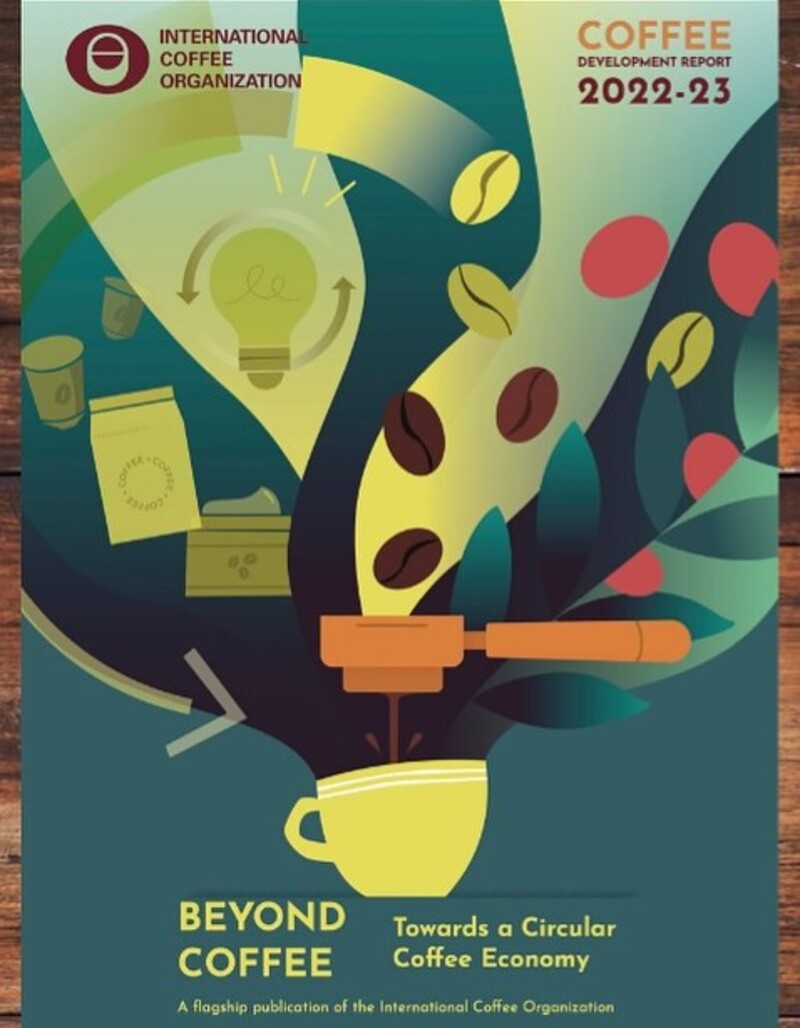
In its latest report, the International Coffee Organization reveals key insights and crucial details about the coffee sector, which is a fundamental part of daily life for billions worldwide. The “Coffee Development Report” (CDR) for 2022-2023 highlights growing global challenges facing the sector, from severe price fluctuations, production and export declines, to the increasing need to adopt circular economy practices as a means to support sustainable resources and develop new economic opportunities.

Price Fluctuations

During the 2022-23 season, the International Coffee Organization’s composite price index (I-CIP) began at 190.18 cents per pound, peaking at 194.92 cents in October 2022. However, prices later fell sharply to 145.54 cents in January 2023, reflecting a significant average fluctuation rate of 8.8%. In comparison, futures contracts in New York exhibited even greater volatility at 11.3%, underscoring the intense volatility that has dominated global coffee markets.

Variation in Major Coffee Types

The prices of major coffee types showed notable differences; robusta coffee, widely used in blends, saw an increase of 5.1% from 106.89 to 112.39 cents per pound. Meanwhile, Colombian coffee experienced a sharp decline of 25.2%, dropping from 289.38 to 216.50 cents per pound. This disparity reflects significant challenges for farmers, particularly arabica producers who face climate impacts and rising production costs.

Decline in Exports

Global coffee exports saw a marked decline of 5.7%, with total exports reaching 122.9 million 60-kg bags. Green coffee beans held the largest share at 90.1%, equivalent to 110.7 million bags. The share of arabica in green coffee exports fell from 63.6% to 60.4%, indicating a market shift towards the more affordable robusta, due to economic pressures and rising living costs, pushing consumers to reduce spending on premium coffee.

Global Production

Global coffee production during 2022-23 reached approximately 165.5 million bags, a slight decline of 0.04% compared to the previous year. Production rates varied by region, with Asia and Oceania seeing a 3% drop, particularly in Vietnam due to adverse climate conditions. Meanwhile, South America achieved a slight increase of 1.2% due to Brazil’s agricultural cycle. At the variety level, arabica production fell sharply by 10.4% to 74.6 million bags, underscoring the vulnerability of this type to climate change and pests. In contrast, robusta production increased by 2.7% to 43.8 million bags, reflecting increased reliance on this hardier, more adaptable variety.

Decline in Consumption

According to the report, global coffee consumption declined by 1.9% to 173.0 million bags, reflecting the impact of rising prices and decreased consumer purchasing power. Non-coffee-producing countries, which represent the largest portion of demand, saw a consumption decline of 4.0%, reaching 117.5 million bags. While Russia experienced a 7.1% increase in consumption, Canada saw a significant 9.5% drop, illustrating the strong economic impact on coffee spending in certain countries.

Circular Economy as an Opportunity for Sector Sustainability

The report highlights the increasing importance of adopting circular economy practices in the coffee sector, which generates about 40.68 million tonnes of biomass annually, including by-products such as coffee husks and production waste. The report points out that natural coffee production methods yield around 14.68 million tonnes of coffee husks, while washed methods produce about 6.92 million tonnes. The report emphasizes the sector’s potential to transform this waste into valuable economic resources that support sustainability, through products like organic fertilizers, biofuels, and cosmetics. For example, coffee husks can be used as organic mulch or in the production of charcoal or natural fertilizers, contributing to sustainable agricultural practices and enhancing the sector’s economic value.

Towards Complete Sustainability

The International Coffee Organization’s 2022-23 report provides a comprehensive view of the coffee sector amidst current challenges, from price fluctuations to climate changes and market pressures. With growing interest in the circular economy, the sector has an opportunity to strengthen its sustainability and create a more efficient and resilient production environment. The report underscores the importance of collaboration among all parties to achieve a sustainable future for coffee, through innovation and integration between production, recycling, and waste management. Coffee remains an integral part of life for millions around the world, and the sector faces a constant challenge that calls for practices that protect the environment, support farmers, and contribute to an economic balance that serves everyone and enhances the sector’s resilience to future challenges.

Optimizing Water Quality: The Hidden Key to Perfect Espresso Flavor

In the intricate world of espresso, every detail influences the final taste. Recent research highlights the significant role of water quality—specifically pH and Total Dissolved Solids (TDS)—in crafting the perfect espresso experience. By studying how water affects the release of carbon dioxide (CO₂) during brewing, scientists are uncovering new insights into enhancing espresso’s flavor and aroma.

When coffee beans are roasted, CO₂ becomes trapped inside. During brewing, this gas is gradually released, affecting aroma, crema, and flavor. High-quality water enables a controlled CO₂ release, leading to a smoother, more balanced espresso. In contrast, water with suboptimal qualities can disrupt this process, resulting in uneven texture and taste.

The Impact of pH on Espresso’s Flavor Profile

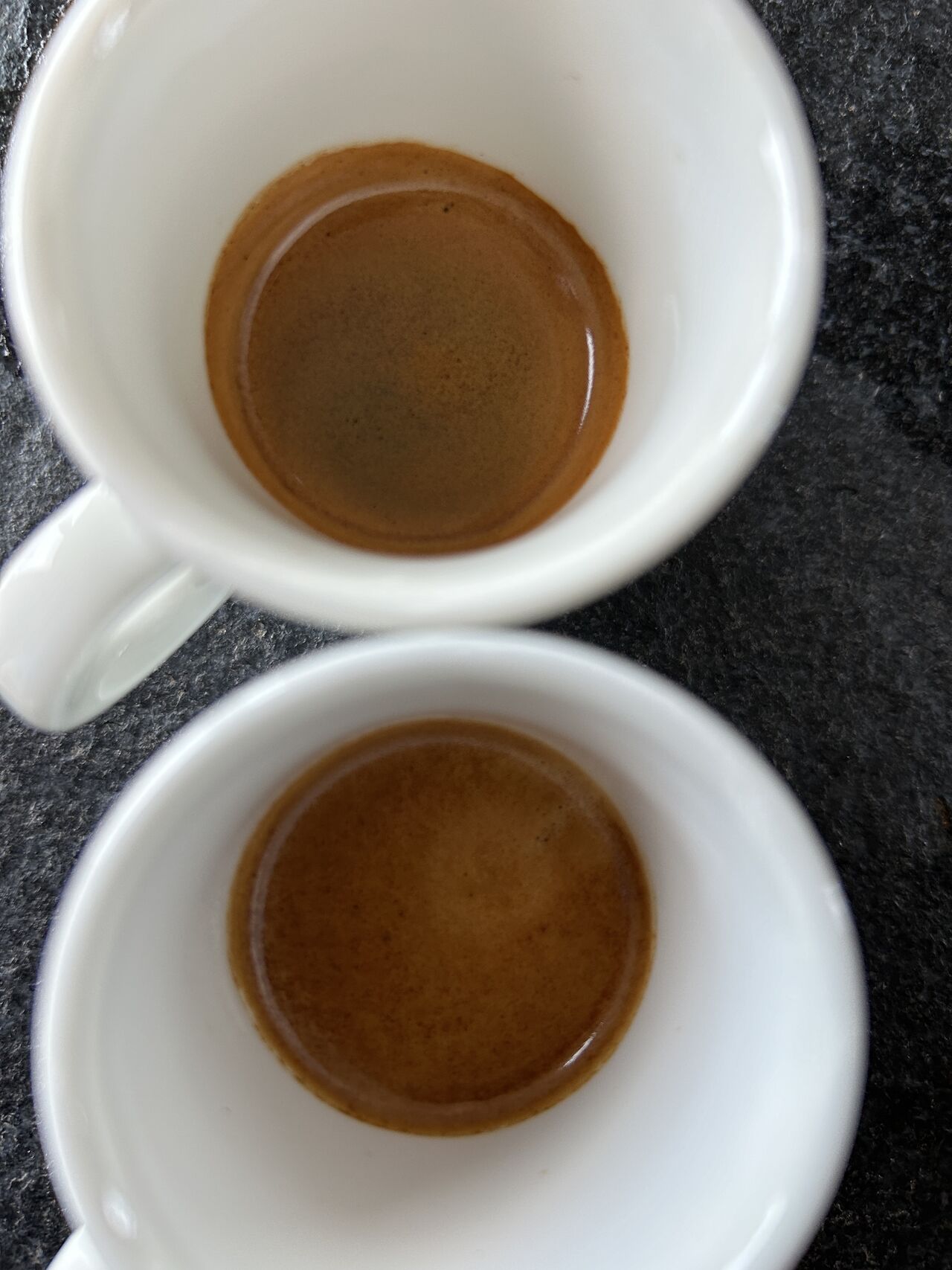
Water’s pH level influences acid extraction, affecting espresso’s brightness and mouthfeel. Alkaline water retains more CO₂, creating a thicker crema and fuller body, while highly acidic water speeds up CO₂ release, leading to a thinner crema and more pronounced acidity in the flavor profile.

Balancing Minerals for Optimal Flavor Extraction

The mineral content in water, measured by TDS, further shapes flavor extraction. High-TDS water amplifies complex flavor notes but can also intensify bitterness, whereas low-TDS water results in a lighter, smoother espresso. Striking the right mineral balance is essential for unlocking desirable sensory qualities in espresso.

Water Quality and Key Espresso Attributes

Water quality impacts core espresso characteristics, such as aroma, sweetness, bitterness, body, and crema persistence. Moderately degassed water brings out balanced flavors with pleasant acidity and smooth mouthfeel, while excessive degassing can result in bitterness and sharp acidity, diminishing aromatic complexity.

The Art of Water Selection for Espresso

Choosing water for espresso is more than a technical decision; it’s about creating harmony in the cup. With optimized water, baristas and coffee enthusiasts can bring out subtle sweetness, balance acidity, and achieve a stable, rich crema. By mastering water quality, coffee professionals gain greater control over every element in the cup, transforming the espresso experience.

Water quality is a powerful, often overlooked tool in espresso preparation, allowing coffee lovers to elevate flavor and capture the true essence of each bean.

Written by: Dr. Steffen Schwarz

AeroPress vs. Chemex: Which Brews a Better Coffee?

If you’re even a little into coffee, chances are you’ve come across the AeroPress and Chemex. These two brewing methods have captivated coffee enthusiasts worldwide, each offering unique qualities that make them among the top choices for at-home brewers. So, which one is better? Let’s break it down based on a few key factors.

AeroPress: Bold, Portable, and Versatile

  • Brewing Style: The AeroPress uses a combination of immersion and pressure. You steep the coffee grounds in hot water, then press them through a filter (either paper or metal, depending on preference). This method creates a coffee with a robust, concentrated flavor that some compare to espresso.
  • Flavor Profile: The result is a full-bodied coffee with rich flavors and a clean finish. Many baristas love the AeroPress for its versatility; it can yield anything from a lighter brew to a more concentrated, espresso-like shot.
  • Customization: With AeroPress, you have control over grind size, water temperature, and brewing time. There’s even an “inverted” method that changes the brewing dynamics, making it a dream for anyone who likes to experiment.
  • Brewing Time: AeroPress is quick — typically taking around 1-2 minutes, making it convenient for busy mornings.
  • Portability: The AeroPress is compact and durable, ideal for travel or outdoor brewing. If you’re the kind who loves a great cup on the go, this could be the brewer for you.

Chemex: Stylish, Elegant, and Clean

  • Brewing Style: The Chemex is a pour-over method, where coffee grounds are placed in a thick paper filter. The design allows water to pour over slowly, capturing oils and fine particles to create a clean cup.
  • Flavor Profile: Chemex is known for its smooth, light flavor, making it ideal for highlighting the subtleties of single-origin beans. The coffee it produces is balanced and bright, making it a favorite for those who appreciate a delicate, refined brew.
  • Customization: With Chemex, you control the grind size and pour speed, though it doesn’t offer as much experimentation as the AeroPress.
  • Brewing Time: It takes a bit longer, about 3-5 minutes, so it’s perfect for those who don’t mind spending a little more time crafting their coffee.
  • Aesthetic Appeal: Chemex’s elegant, hourglass-shaped glass and wooden collar make it as much a display piece as a coffee brewer.

Side-by-Side Comparison

Which One is Easier to Use?

AeroPress has a bit of a learning curve, particularly with its need for quick movements (pouring, stirring, and pressing within seconds). But once you get the hang of it, it’s straightforward and fun. You can even make a cold brew in the AeroPress with a few adjustments.

Chemex, on the other hand, is simple and intuitive. Place the filter, add grounds, pour, and wait. It’s perfect for those who want an elegant, easy routine with a slow, relaxing brewing process.

Flavor Showdown

The AeroPress edges out slightly in terms of a richer, more complex flavor. The coffee has a soft, airy quality with depth, making it almost “creamy” in texture. Chemex’s flavor, by contrast, is lighter and balanced, with a clean, bright taste that’s perfect for savoring nuanced single-origin beans.

Cleaning and Maintenance

AeroPress is relatively easy to clean — you just “pop” the grounds out with the plunger. However, if you have the Premium version, handwashing is recommended. Occasionally, grounds might stick, but a quick rinse usually does the trick.

Chemex wins in simplicity here: remove the filter and grounds, rinse with hot water, and it’s ready for the next brew. Its design makes it easy to clean without touching coffee grounds.

Verdict: Which One Should You Choose?

If you crave versatility, experimentation, and a bolder coffee, AeroPress might be the one for you. Its quick brew time and compact design make it ideal for travel or quick, rich brews at home. However, if you prefer a light, clear cup and enjoy the elegance of slow pour-over brewing, Chemex is the way to go.

In truth, both are stellar coffee makers. Each brings something unique, and the decision comes down to your coffee preference and lifestyle. Why not have both and enjoy the best of both worlds?

Top 10 Largest Coffee Companies of 2024: Who’s Leading the Global Market

The global coffee industry is booming, with an estimated 170 million 60-kilogram bags produced in the 2023/24 coffee year, according to the International Coffee Organization (ICO). Despite fluctuating coffee prices, which have hovered between $1.50 and $2 per pound over the past year, demand continues to grow, driven by evolving consumer tastes and an increasing preference for specialty coffee. The coffee market, projected to reach $562 billion by 2026, remains one of the world’s most resilient sectors, deeply rooted in daily life across regions and cultures.

As consumer interest in premium and sustainable coffee options rises, companies are adjusting their strategies to align with the market’s direction. From Switzerland to the United States and India, the top 10 largest coffee companies are innovating, expanding their offerings, and exploring new markets to meet demand. Here’s a look at the companies that lead the coffee world in 2024.

  1. Nestlé S.A.
    • Overview: A Swiss multinational conglomerate, Nestlé leads the global coffee market with a diverse portfolio.
    • Key Brands: Nescafé, Nespresso, Starbucks (licensed products), Blue Bottle Coffee.
    • Market Strategy: Nestlé focuses on product innovation, premiumization, and expanding its presence in the specialty coffee market, leveraging its extensive distribution network and strong brand recognition. (thebeveragebusiness.com)
  2. JDE Peet’s
    • Overview: Formed from the merger of Jacobs Douwe Egberts and Peet’s Coffee, this Dutch company is a major force in the coffee industry.
    • Key Brands: Jacobs, Douwe Egberts, Peet’s Coffee, L’OR.
    • Market Strategy: JDE Peet’s offers a diverse product range, including premium and specialty coffee, with a strong presence in both retail and out-of-home channels. The company invests in sustainability and innovation to meet evolving consumer preferences. (thebeveragebusiness.com)
  3. Starbucks Corporation
    • Overview: An American multinational, Starbucks is the largest coffeehouse chain globally, known for its high-quality coffee and unique customer experience.
    • Key Brands: Starbucks.
    • Market Strategy: Starbucks emphasizes brand experience, store expansion, and product diversification, focusing on creating a premium experience, introducing new product lines, and expanding into emerging markets. (thebeveragebusiness.com)
  4. The Kraft Heinz Company
    • Overview: An American food and beverage giant with a significant presence in the coffee market through its well-known brands.
    • Key Brands: Maxwell House, Gevalia, Tassimo.
    • Market Strategy: Kraft Heinz emphasizes strong brand heritage, competitive pricing, and convenience, leveraging its extensive distribution network to maintain a robust presence in the global coffee market. (thebeveragebusiness.com)
  5. Lavazza Group
    • Overview: An Italian coffee company known for its premium products and strong focus on quality and tradition.
    • Key Brands: Lavazza, Carte Noire, Merrild.
    • Market Strategy: Lavazza positions itself as a premium brand, investing in sustainable practices and expanding its international footprint, focusing on high-quality coffee and innovative product offerings to attract discerning consumers. (thebeveragebusiness.com)
  6. Tchibo
    • Overview: A German company and one of the largest coffee roasters globally, known for its unique retail model combining coffee and non-food items.
    • Key Brands: Tchibo, Davidoff Café.
    • Market Strategy: Tchibo employs a unique retail concept, fostering strong brand loyalty and focusing on high-quality coffee, leveraging its innovative retail approach to differentiate itself in the competitive coffee market. (thebeveragebusiness.com)
  7. Keurig Dr Pepper
    • Overview: An American beverage company with a significant presence in the coffee market through its Keurig single-serve coffee systems.
    • Key Brands: Keurig, Green Mountain Coffee, Donut Shop.
    • Market Strategy: Keurig Dr Pepper focuses on convenience, innovation, and partnerships with major coffee brands, catering to consumers seeking variety and ease in their coffee choices. (thebeveragebusiness.com)
  8. The J.M. Smucker Company
    • Overview: An American food company with a strong coffee portfolio through its acquisition of several well-known brands.
    • Key Brands: Folgers, Dunkin’ (licensed products), Café Bustelo.
    • Market Strategy: The company leverages brand heritage, competitive pricing, and expanding product offerings, maintaining a strong presence in the retail coffee market. (thebeveragebusiness.com)
  9. Strauss Coffee
    • Overview: An Israeli company and one of the largest coffee manufacturers in Central and Eastern Europe.
    • Key Brands: Doncafé, Fort, Ambassador.
    • Market Strategy: Strauss Coffee focuses on emerging markets, offering a range of products from instant to premium coffee, and emphasizes local tastes and preferences. (expertmarketresearch.com)
  10. Tata Consumer Products Limited
    • Overview: An Indian multinational with a significant presence in the coffee and tea markets.
    • Key Brands: Tata Coffee, Eight O’Clock Coffee.
    • Market Strategy: Tata focuses on sustainability and ethical sourcing, expanding its product portfolio to cater to both domestic and international markets. (expertmarketresearch.com)

Global Coffee Market Analysis

The coffee market’s landscape is evolving as companies emphasize sustainability and premium offerings. With climate change posing challenges for coffee production, many companies have pledged to source responsibly and invest in agricultural research to support farmers. Consumers, particularly in North America and Europe, are increasingly interested in how their coffee is produced, driving demand for fair trade and organic options.

Coffee consumption is also on the rise in Asia, with young urban populations adopting the coffee culture in countries like China and India. Meanwhile, Brazil, Vietnam, and Colombia remain the largest producers globally, supplying both raw coffee and finished products to meet worldwide demand.

In 2024, the market remains dynamic, shaped by innovation, sustainability, and shifting consumer values. As these top companies lead the charge, the coffee industry is set for a vibrant and competitive year ahead, with emerging markets playing an increasingly crucial role in shaping its future.

Russia’s Coffee Market Booms with Growing Demand for Instant Coffee, Capsules, and Beans

In recent years, Russia’s coffee market has seen significant growth across various segments, including instant coffee, coffee capsules, and whole coffee beans. According to the latest data from OFD Platform, an analytics company, sales of these coffee types have risen compared to last year and over the past five years, reflecting a broader consumer shift towards premium and specialty coffee products.

In the first nine months of 2024, the median price of instant coffee reached 345 rubles, an 8% increase from 2023 and a substantial 85% rise from 2019. Purchases have also surged, with a 10% increase from 2023 and a 37% jump since 2019. Despite a slight decline in market share over the past few years, instant coffee continues to be a major component of Russia’s coffee consumption. According to market research, Russia’s instant coffee market is expected to grow at a compound annual growth rate (CAGR) of 4.42%, potentially reaching a value of US$2.86 billion by 2027.

The market for coffee beans, including whole and ground varieties, has likewise expanded. The median price of coffee beans was 844 rubles, 11% higher than last year and 54% above 2019 levels, with sales volumes up by 7% compared to last year and by 45% over five years. This shift highlights a preference for higher-quality and specialty coffee among Russian consumers, particularly in urban areas. Forecasts project the roasted coffee segment, encompassing both whole and ground coffee beans, to grow at over 6% CAGR from 2024 to 2029, further supporting this trend.

Coffee capsules, popular for their convenience, have also gained traction. The median price for capsules reached 588 rubles, marking a 12% increase from last year and a 69% rise since 2019. Purchases grew by 11% year-on-year and by an impressive 119% compared to 2019, underscoring the appeal of single-serve systems despite their higher cost. Leading brands like Nespresso and Dolce Gusto are capitalizing on this demand, offering variety and ease to an increasingly convenience-driven market.

Interestingly, the OFD Platform report also reveals insights into ground coffee, which saw a median price of 375 rubles in 2024, 6% higher than the previous year and 37% above 2019 levels. However, sales for ground coffee declined by 7% year-on-year, though they remain 17% above the 2019 level, suggesting a fluctuating yet resilient demand in this segment.

Overall, Russia’s coffee market dynamics are shaped by evolving consumer preferences, economic shifts, and a growing café culture in urban centers. Dmitry Batyushenkov, CEO of OFD Platform, attributes the steady demand for coffee in Russia to its embedded role in daily life, enabling continuous sales despite rising raw material costs for varieties like Arabica and Robusta.

Additionally, the demand for home coffee machines has surged, with sales increasing by over 25% in the first three quarters of 2024, highlighting the expanding culture of home coffee brewing among Russian consumers.

As Russia’s coffee market continues to evolve, it is clear that consumer interest is steadily moving toward quality and variety, indicating a promising future for both local and international coffee brands seeking to capture this dynamic market.

ICO Hosts Successful 24th Plenary Meeting of ISO/TC 34/SC 15 Coffee Working Group

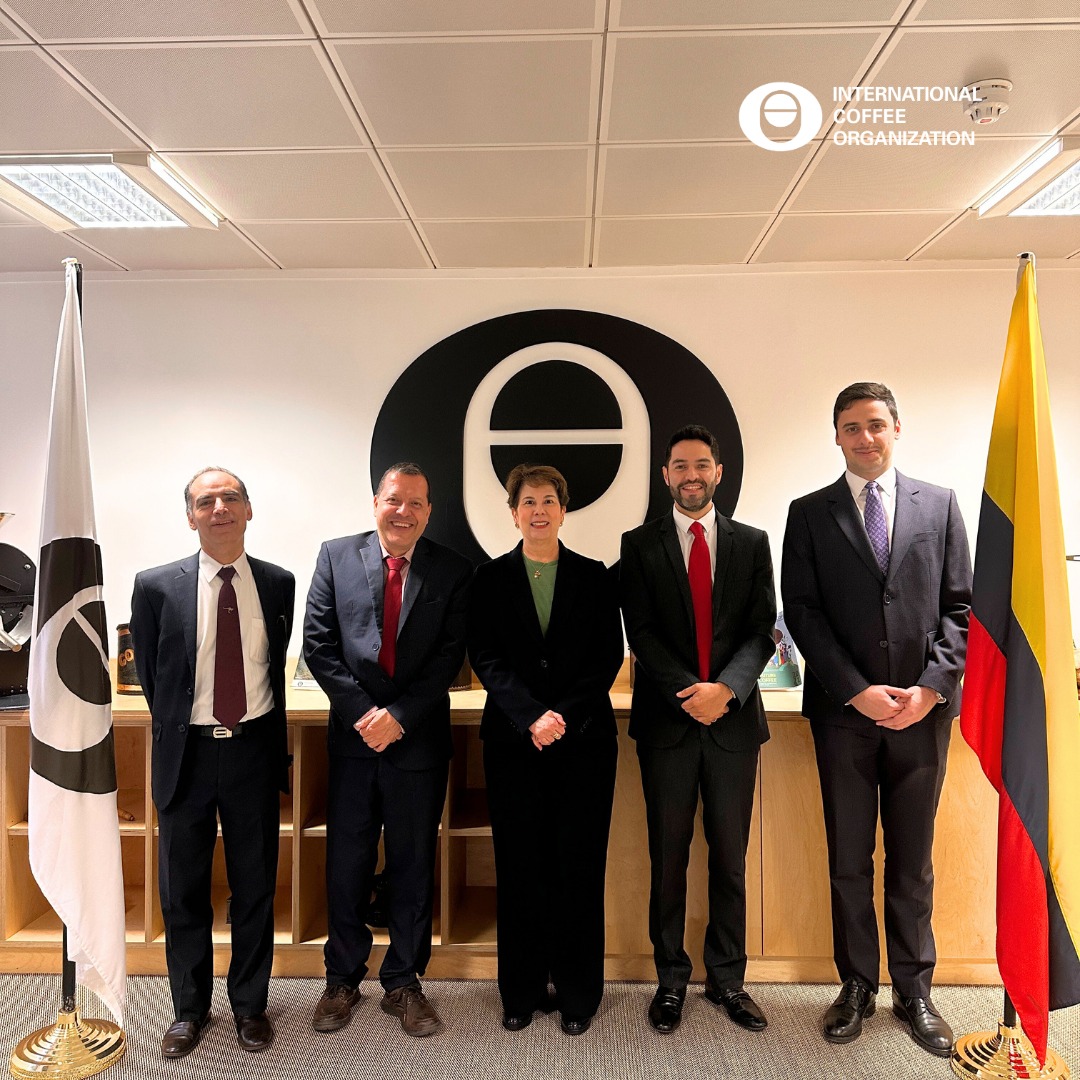
The International Coffee Organization (ICO) concluded hosting the 24th Plenary Meeting of the ISO/TC 34/SC 15 Coffee Working Group, which took place from October 28 to November 1, 2024, at its headquarters in London. This annual event brought together coffee industry experts and representatives from 15 countries, including Colombia, Costa Rica, and ICONTEC Secretariat delegates, with others joining virtually. The discussions focused on establishing and refining international coffee standards critical to the industry.

As an active member of this technical group, the ICO is dedicated to the ongoing effort of standardizing practices across the coffee value chain, from green coffee processing to final consumption. Topics addressed at the meeting included terminology, sampling and test methods, product specifications, and guidelines for packaging, storage, and transportation to ensure that coffee quality is preserved at every stage.

The outcomes of the 24th Plenary Meeting will play a key role in shaping future international standards for coffee. These standards are expected to support quality, safety, and sustainability initiatives worldwide, benefiting producers, exporters, and consumers alike.