FAO: Global Coffee Prices Increased by Nearly 40% in 2024

Global coffee prices surged nearly 40% in 2024 due to supply disruptions caused by adverse weather conditions in key producing countries. According to a new study by the Food and Agriculture Organization of the United Nations (FAO), coffee prices reached a multi-year high, rising by 38.8% compared to the previous year’s average.

Sharp Increase in Arabica and Robusta Prices

According to FAO’s market analysis, in December 2024, Arabica—the most sought-after coffee variety—was 58% more expensive than a year earlier. Meanwhile, Robusta, primarily used for instant coffee production, saw a 70% price hike. This resulted in the smallest price gap between the two major coffee varieties since the mid-1990s.

Outlook for 2025: Prices May Continue to Rise

FAO experts predict that export coffee prices may continue to rise in 2025 if major producing regions face further supply reductions.

Key factors contributing to the price surge:

  • Vietnam’s Export Decline: Prolonged drought led to a 20% drop in coffee production, with exports shrinking by 10% for the second consecutive year.
  • Reduced Output in Indonesia: Excessive rainfall in 2023 damaged coffee cherries, causing a 16.5% decline in production and a 23% decrease in exports.
  • Weather Conditions in Brazil: Hot and dry weather prompted a downward revision of coffee production forecasts. Instead of the expected 5.5% growth, production is now projected to shrink by 1.6%.

Additional Factors: Rising Transportation Costs

Beyond supply constraints, increasing transportation costs also contributed to rising coffee prices. In December 2024, this led to higher consumer coffee prices:

  • In the U.S. – up 6.6%.
  • In the European Union – up 3.75%.

FAO: High Prices Should Encourage Industry Development

“High coffee prices should serve as an incentive for investment in technology, research, and sustainable agricultural practices, which are crucial for small-scale farmers,” said Boubaker Ben-Belhassen, Director of the FAO Markets and Trade Division. He emphasized that climate change has long-term implications for coffee production.

FAO supports coffee-producing nations by helping farmers implement climate-resilient cultivation methods that also promote biodiversity restoration.

Global Coffee Market: Key Facts

  • Leading Producers: Brazil and Vietnam account for nearly 50% of global coffee production.
  • Role of Small Farmers: Approximately 80% of the world’s coffee is produced by smallholder farms.
  • Economic Significance:
    • Global coffee production is valued at over $20 billion annually.
    • The global coffee trade exceeds $25 billion per year.
    • In 2023, global coffee production reached 11 million tons.
    • The largest coffee importers: the European Union and the U.S.
    • The coffee industry generates over $200 billion annually.

FAO emphasizes the importance of market transparency and international cooperation to ensure the sustainable growth of the global coffee sector and protect the livelihoods of millions of small-scale farmers worldwide.

Melbourne International Coffee Expo 2025: Last Chance for Pre-Event Ticket Pricing

Coffee enthusiasts and industry professionals are gearing up for the much-anticipated Melbourne International Coffee Expo (MICE) 2025, set to take place from March 20 to 22 at the Melbourne Convention and Exhibition Centre (MCEC). With less than a week to go, organizers are urging attendees to secure their pre-event pricing before it’s too late.

As one of the largest and most influential coffee expos in the Asia-Pacific region, MICE 2025 will bring together coffee roasters, baristas, equipment manufacturers, and industry leaders for three days of exhibitions, educational sessions, and networking opportunities. Attendees who purchase their tickets now can benefit from discounted prices and avoid long queues at the venue.

Ticketing Options

MICE 2025 offers two ticket categories, catering to both casual coffee lovers and serious industry professionals:

  • All Day Access – $43.95 per day
    • Full-day access to the exhibition floor and education series.
    • Live demonstrations and interactive coffee experiences.
    • Entry to the Melbourne Coffee Festival featuring bars, DJs, and entertainment.
  • Access All Areas – $78.95 (Full Event Access)
    • Access to the exhibition floor and educational sessions for all three days.
    • Exclusive access to demonstration stages and interactive experiences.
    • Entry to the Melbourne Coffee Festival and the official MICE After-Party, with a drinks voucher included.

For those seeking in-depth industry insights, ticket upgrades are available to include access to the prestigious GCR Leaders Symposium 2025, where global coffee experts will discuss the latest market trends and innovations.

A Prime Location for a Global Event

The Melbourne Convention and Exhibition Centre (MCEC) is centrally located, offering easy access via public transport, including trams, buses, and trains. For attendees arriving by air, the venue is a convenient 30-minute drive from Melbourne International Airport.

Why Attend MICE 2025?

MICE has established itself as the world’s premier coffee trade event, showcasing the latest in coffee technology, roasting techniques, and market trends. Industry leaders, café owners, and coffee aficionados alike will find unparalleled opportunities for networking and business growth.

With limited time left to secure pre-event ticket pricing, coffee professionals and enthusiasts are encouraged to act fast and lock in their access before prices increase.

Don’t miss your chance to be part of the future of coffee. Secure your tickets now and get ready for an unforgettable coffee experience at MICE 2025.

Get Your Tickets Here

Coffee Production Thrives Against Challenges: How Yemen, Ethiopia, and Colombia Are Defying the Odds

The World Coffee Report has published an important study titled “Against Challenges: Where Coffee Production Thrives?” written by April Hawksworth. Given the significance of this study, we at Qahwa World have decided to republish its key findings. The report explores the countries where coffee production is flourishing despite climate challenges that have significantly impacted major coffee-growing regions.

While major producers such as Vietnam and Brazil have suffered setbacks leading to soaring coffee prices, some nations have managed to defy the odds through innovation, resilience, and strategic government initiatives.

Yemen: A Genetic Lifeline for Coffee’s Future

Yemen is emerging as a crucial player in safeguarding coffee’s future, not only for its historical significance but also for its remarkable genetic coffee diversity. Despite being one of the driest regions in the world, Yemen’s coffee trees continue to thrive, offering an essential solution to climate-induced challenges.

“At least 60% of wild Arabica species are at risk due to climate stress and low genetic diversity,” explains Faris Sheibani, founder of Qima Coffee. “Yemen’s coffee plants possess a unique resilience that could hold the key to safeguarding coffee production worldwide.”

Genetic Research Unlocking a Climate-Resistant Future

Yemeni researchers, in collaboration with international scientists, are leading genetic mapping projects to study the traits of Yemeni coffee varieties, including their flavor, climate adaptability, pest resistance, and disease tolerance. These insights will shape the future of climate-resilient breeding programs, supported by the Yemeni government.

While Yemen’s official annual coffee production is estimated at 20,000 tons, experts believe the true figure is higher due to the existence of a black market trade. Yet, one thing remains certain: Yemeni coffee is gaining international recognition for its exceptional quality and genetic importance.

“Yemen’s coffee traditions date back centuries,” Sheibani adds. “Now, as climate change threatens global coffee supplies, the country’s genetic resources offer a crucial lifeline to coffee farmers worldwide.”

Ethiopia: A Coffee Giant Expanding Production Despite Droughts

As Africa’s largest coffee producer, Ethiopia continues to assert its dominance in both export markets and domestic consumption. Under the leadership of Prime Minister Abiy Ahmed, Ethiopia has doubled its coffee production over the past five years, defying extreme drought conditions.

Ethiopia’s coffee export revenue surged from US$900 million in 2018 to US$1.4 billion in 2023, with ambitions to reach US$2 billion by 2025.

Government Policies Pushing the Coffee Boom

According to Israel Degefa, CEO of Kerchanshe Trading, Ethiopia’s largest coffee exporter, the Ethiopian government’s agricultural policies have played a vital role in sustaining coffee production:

  • The Green Legacy Initiative, launched in 2019, has planted 25 billion trees, expanding coffee cultivation across new regions.
  • Farmers now have duty-free access to advanced agricultural equipment, including irrigation systems, tractors, and harvesters.
  • Export reforms have enabled Ethiopian coffee exporters to retain 50% of their foreign currency earnings, reinvesting in infrastructure and productivity.

At Kerchanshe Trading, coffee farms have undergone a major transformation, shifting from traditional rain-fed farming to high-density, fully irrigated farms. These modern techniques have significantly boosted yields, producing four to five times more coffee per hectare than conventional Ethiopian farms.

“We’ve moved away from rain-dependent farming,” says Degefa. “By adopting modern irrigation systems, we’ve secured a sustainable and profitable future for Ethiopian coffee.”

Additionally, Ethiopia has invested heavily in logistics, including a dedicated railway for agricultural exports, ensuring that Ethiopian coffee reaches global markets faster than ever before.

Colombia: A Resilient Powerhouse in the Global Coffee Market

Colombia, the world’s third-largest coffee producer, continues to strengthen its position in the global market despite ongoing climate challenges. Coffee remains a pillar of Colombia’s economy, supporting 560,000 families and employing 2.5 million people.

In 2024, Colombia’s coffee production surged by 23%, reaching 14 million 60-kilogram bags, with a total crop value of 14 trillion pesos (US$3.14 billion).

According to German Bahamon, CEO of the Colombian Coffee Growers Federation (FNC), the country’s resilience stems from its advanced pest management strategies, climate adaptation programs, and extensive replanting efforts.

“Eighty-seven percent of our coffee farms now cultivate climate-resilient coffee varieties developed by Cenicafé, ensuring greater protection against pests and unpredictable weather patterns,” Bahamon explains.

Technology-Driven Coffee Growth

Colombia has leveraged advanced geolocation technology to track and optimize farm performance, ensuring precise replanting and fertilization strategies. In 2024 alone, the FNC oversaw the replanting of 90,000 hectares, equivalent to 11% of the country’s total coffee plantation area.

Through targeted subsidies and credit programs, Colombian farmers now have greater access to fertilizers and soil enhancement techniques, leading to stronger coffee plants and higher yields.

“Our commitment to quality and sustainability is unwavering,” says Bahamon. “We’re not just focused on the U.S. market—we’re actively expanding into Europe, the Middle East, and China, where demand for Colombian coffee is on the rise.”

With nearly a century of expertise, the FNC remains a central force in ensuring Colombia remains one of the most reliable and innovative coffee producers worldwide.

The Global Coffee Industry: A Story of Resilience and Adaptation

Despite climate volatility and shifting market dynamics, the coffee industries of Yemen, Ethiopia, and Colombia stand as models of innovation and resilience. Through scientific research, government-backed programs, and modern farming techniques, these nations have not only survived but thrived.

As the world’s appetite for coffee continues to grow, these trailblazing strategies will help shape the future of sustainable coffee production for years to come.

Tariffs Threaten Coffee Supply in North America

Coffee industry leaders across North America are grappling with potential trade disruptions as uncertainty looms over tariffs on coffee imports, particularly from South America. The escalating trade tensions initiated by former U.S. President Donald Trump’s administration have raised concerns about the impact on roasting, packaging, and trading operations spanning the United States, Canada, and Mexico.

Major coffee companies strategically operate facilities across borders to streamline supply chains and optimize production. However, potential U.S. tariffs—and any retaliatory measures from trade partners—could force businesses to rethink their operations.

Mexico, a key supplier of high-quality green coffee to the U.S. and Canada, also exports significant quantities of instant coffee. The CEO of one of the region’s largest coffee companies, who requested anonymity due to the sensitivity of the issue, emphasized the deep integration between U.S. and Canadian coffee operations.

“Many roasting and retail supply operations function across the U.S.-Canada border. Any shifts in the political or tariff landscape will require strategic adjustments,” the executive stated.

Starbucks (SBUX.O), for example, roasts coffee for its Canadian stores in the United States. Addressing potential trade disruptions, Starbucks Chief Executive Brian Niccol told shareholders, “As the political environment and tariff structures evolve, we will adapt to navigate the regulatory conditions effectively.”

Although the U.S. has postponed 25% tariffs on most goods from Canada and Mexico, coffee appears to be largely excluded from the U.S.-Mexico-Canada Agreement (USMCA). Some coffee traders are already incorporating tariff clauses into contracts to mitigate risk.

“We’ve added a clause requiring buyers to cover an additional 25% tariff if it applies. Most traders are following suit,” said Jeff Bernstein, managing director of Quebec-based coffee trading firm RGC.

Bernstein noted that one client in Oakland, California, recently accepted these terms for a coffee shipment from Mexico.

Industry leaders fear that U.S. tariffs could soon extend to South American coffee imports, with Brazil— the world’s largest coffee producer—potentially in the spotlight.

“Trump mentioned Brazil in one of his tariff speeches, albeit briefly. It’s definitely on the radar,” said Andre Acosta, director of Commodity Solutions Latam at brokerage firm Marex.

Brazilian Vice President Geraldo Alckmin recently met with U.S. Secretary of Commerce Howard Lutnick to discuss trade policies, signaling early-stage consultations on potential tariffs.

Bill Murray, president of the U.S. National Coffee Association, is calling for coffee to be exempt from additional tariffs, warning of widespread economic consequences.

“Tariffs on coffee would impact three in four Americans. Many believe exports benefit the U.S. economy, but the reality is that we cannot grow coffee domestically,” Murray stated.

Meanwhile, global coffee giant Nestlé (NESN.S) has been heavily investing in Mexico’s instant coffee sector, working with thousands of farmers to boost robusta coffee production. The company declined to comment on the potential impact of tariffs.

As trade tensions persist, the coffee industry remains on edge, bracing for possible policy shifts that could reshape North America’s coffee supply chain and pricing structures.

“Caramel Apple Pie Latte” – A Dessert-Like Coffee Experience

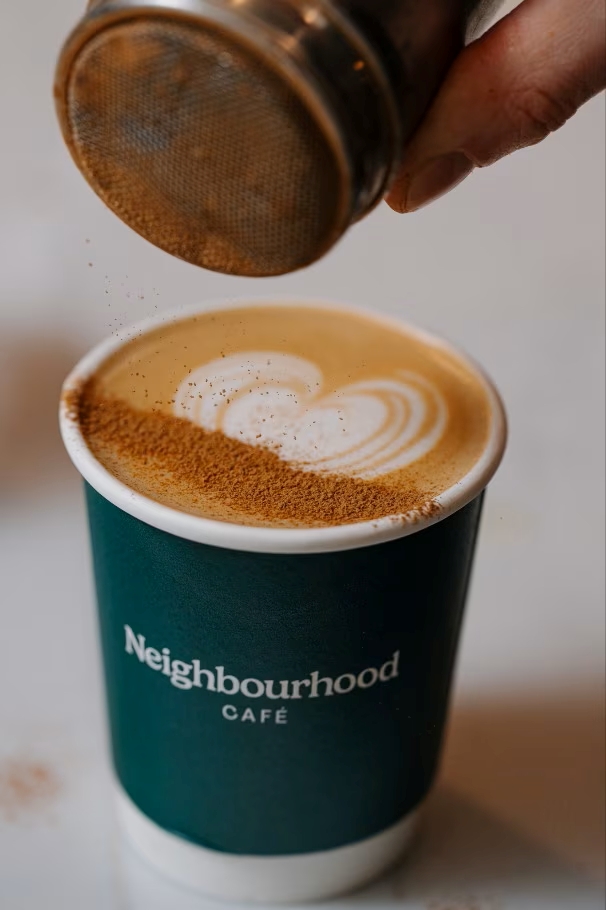
The Financial Times has published a report on the “Caramel Apple Pie Latte”, a coffee drink that is gaining popularity in specialty cafés. This beverage blends the rich flavors of caramelized apples, warm spices, and bold coffee, offering a unique experience for coffee enthusiasts. It is part of a growing trend of innovative coffee creations that go beyond traditional offerings.

The Origins and Evolution of the Drink

The Caramel Apple Pie Latte draws inspiration from North American cuisine, where apple pie with caramel is a beloved dessert, especially in the United States and Canada during the autumn season. In the early 2000s, cafés began experimenting with incorporating these flavors into coffee, influenced by the success of the pumpkin spice latte, which was introduced by a major coffee chain in 2003 and became a seasonal favorite.

Initially introduced as a limited-time offering, the overwhelming demand encouraged specialty coffee shops to make it a permanent menu item. The drink is crafted using slow-cooked caramelized apples, cinnamon, nutmeg, milk, and high-quality coffee, resulting in a warm and indulgent flavor profile.

A Wave of Innovative Coffee Flavors

This trend is not limited to one café. Around the world, specialty coffee shops are embracing bold new flavors. In London, some cafés serve cold brew infused with hazelnut and cardamom, while others in Brooklyn experiment with pear syrup and brown sugar lattes. In Los Angeles, a café offers spiced cold brew with cinnamon, chili, and sweetened cream, and in Belfast, a local café features a honey latte made with locally sourced Irish honey.

In Belfast, the café Established takes the concept even further with its Caramel Apple Pie Latte, topped with a spiced crumble, making it as much a dessert as it is a coffee drink.

Commitment to Quality Ingredients

Despite their playful nature, these drinks maintain a strong emphasis on quality. Cloe de la Vega, co-founder of a London-based specialty café, states that their syrups are handcrafted rather than store-bought, ensuring superior taste and authenticity. At Doubloons, a single batch of cherry syrup takes three hours to perfect, showcasing the dedication to craft. Similarly, Ivana Somorai, co-founder of Rhythm Zero, spent considerable time fine-tuning the maple sea-salt latte to achieve the ideal balance of sweetness and saltiness.

Coffee as a Social Experience

This wave of inventive coffee drinks also aligns with the increasing popularity of low- and non-alcoholic beverages. Many coffee shops have evolved into social hubs, providing a relaxed alternative to bars and restaurants. Some, like Abuelo and Maru, offer refined interior designs that create a sophisticated ambiance, while Rhythm Zero features black marble accents and modern seating, giving it a high-end lounge feel while maintaining a cozy atmosphere.

Registration Now Open for World of Coffee Jakarta 2025

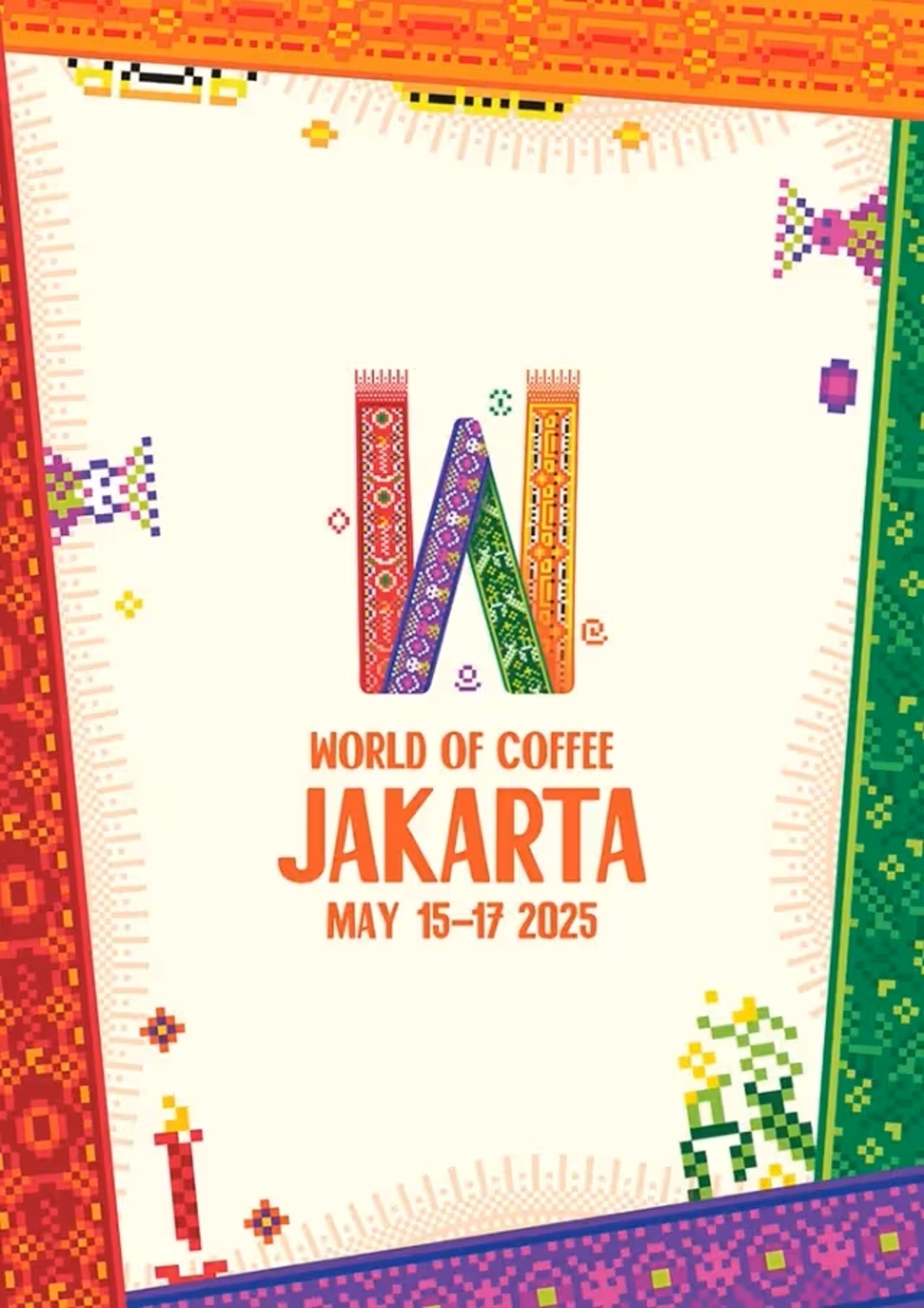
Registration is now officially open for World of Coffee Jakarta 2025, the premier event for coffee professionals and enthusiasts in Asia. Set to take place at the Jakarta International Convention Center (JICC) from May 15 to 17, 2025, this highly anticipated gathering offers a unique opportunity for roasters, baristas, producers, and entrepreneurs to connect with the rapidly growing coffee industry in one of the world’s largest coffee-producing nations.

A Gateway to Asia’s Coffee Culture and Innovation

World of Coffee Jakarta 2025 will feature a vibrant trade show floor, where leading brands and innovators will showcase the latest advancements in coffee technology, roasting, and brewing. The event also includes the Roaster Village, highlighting specialty coffee from across the region, and the SCA Lecture Series, where industry experts will share valuable insights into emerging trends shaping the future of coffee.

One of the major highlights of the event will be the World Brewers Cup 2025, an international competition that celebrates the art of manual brewing, bringing together top baristas from around the globe to showcase their expertise.

Registration & Ticket Options

Attendees can take advantage of early bird pricing until April 27, 2025:

  • 1-day pass: $10
  • 3-day pass: $20

Regular registration will be available from April 28 to May 11 online and on-site from May 15 to 17 at:

  • 1-day pass: $15
  • 3-day pass: $30

Note: All ticket sales are final and non-refundable.

Why Attend?

World of Coffee Jakarta is the ultimate platform for coffee professionals to explore Asia’s thriving coffee scene, discover new market opportunities, and engage with industry leaders. Whether you’re looking to expand your business, showcase your brand, or simply experience Jakarta’s rich coffee heritage, this event is your gateway to the heart of the Asian coffee market.

📅 Don’t miss your chance to be part of Asia’s most exciting coffee event!

🔗 Register now: Click here

Drought in Brazil Drives Coffee Prices Higher

Coffee prices surged on Tuesday as ongoing drought conditions in Brazil continued to impact supply. May Arabica futures rose by 2.54%, while May Robusta futures increased by 3.29%.

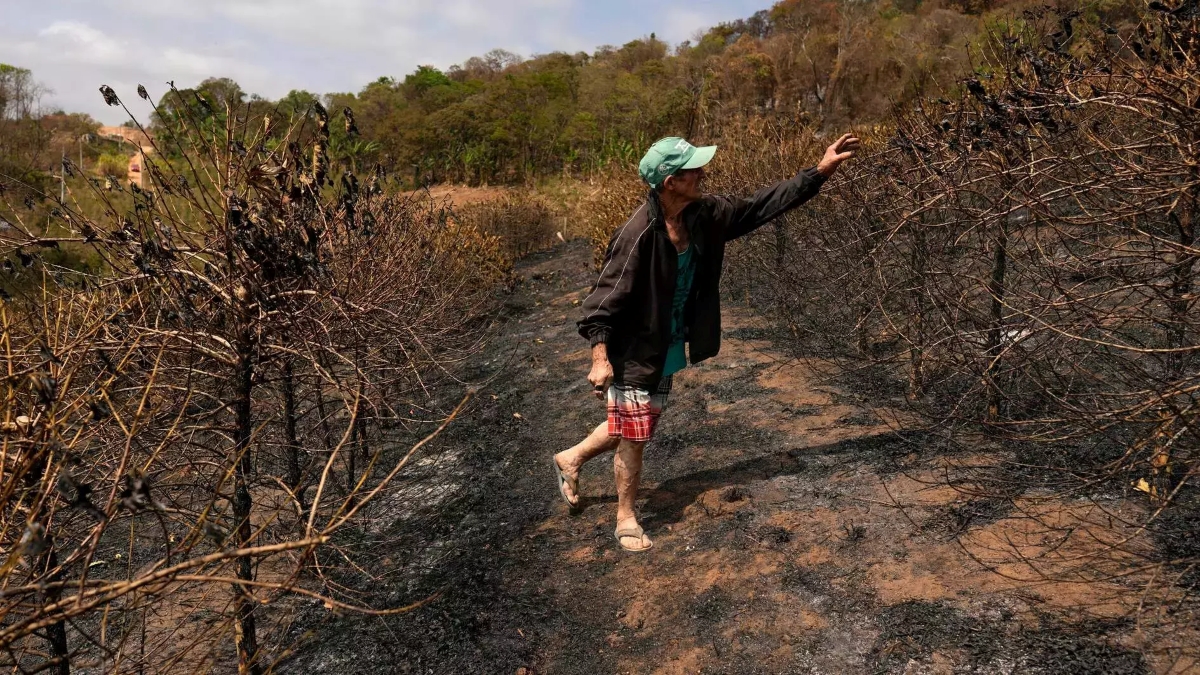
Meteorological reports indicated that Minas Gerais, Brazil’s largest Arabica coffee-producing region, received only 1.1 mm of rainfall during the week ending March 8, representing just 2% of the historical average. Additionally, the decline in the value of the U.S. dollar further supported coffee prices, making commodities more attractive to investors.

Despite the price increase, rising global coffee inventories have exerted downward pressure on the market. Arabica coffee stocks monitored by ICE climbed to a one-week high of 803,032 bags, while Robusta stocks reached a one-month high at 4,356 lots.

Market analysts predict that the global coffee surplus for the 2025/26 season could expand to 1.2 million bags, up from 200,000 bags in the 2024/25 season, potentially limiting further price gains in the long term.

Robusta prices faced additional pressure following an increase in Vietnamese coffee exports. According to Vietnam’s General Statistics Office, Vietnam’s February coffee exports rose by 6.6% year-on-year, reaching 169,000 metric tons. As the world’s largest producer of Robusta coffee, higher Vietnamese exports contribute to increased global supply, affecting price stability.

On the other hand, supply concerns continue to support coffee prices. Recent reports indicate that Brazil’s green coffee exports in January declined by 1.6% year-on-year, totaling 3.98 million bags. Additionally, Brazil’s official crop forecasting agency projected that the country’s 2025/26 coffee production will fall by 4.4% to 51.81 million bags, marking a three-year low.

Environmental reports suggest that Brazil is experiencing its driest weather since 1981, affecting the crucial flowering stage of coffee plants and reducing yield prospects for future harvests. Meanwhile, Colombia, the world’s second-largest Arabica producer, is still recovering from last year’s El Niño-induced drought.

Robusta production in Vietnam has also seen a significant decline. The country’s 2023/24 Robusta crop fell by 20% to 1.472 million metric tons, marking a four-year low. Forecasts indicate a slight decline in production for the 2024/25 season, with output expected to fall to 27.9 million bags from 28 million bags the previous season.

Brazil’s coffee exports have also played a significant role in shaping market dynamics. The country’s 2024 coffee exports increased by 28.8% to a record 50.5 million bags, according to industry reports.

However, global coffee shipments have declined. Data from the International Coffee Organization (ICO) revealed that December 2023 global coffee exports fell by 12.4% to 10.73 million bags, while total exports from October to December declined by 0.8% year-on-year, reaching 32.25 million bags.

Global coffee production forecasts have presented a mixed outlook. Reports suggest that global coffee production for the 2024/25 season will rise by 4% to 174.85 million bags, driven by a 1.5% increase in Arabica output to 97.84 million bags and a 7.5% rise in Robusta production to 77.01 million bags.

At the same time, global coffee stockpiles are projected to decline by 6.6% to 20.86 million bags by the end of the 2024/25 season, marking a 25-year low. Additionally, Brazil’s 2024/25 coffee production forecast was lowered to 66.4 million metric tons, down from the previous estimate of 69.9 million metric tons.

For the 2025/26 season, new estimates indicate that Brazil’s Arabica production will drop to 34.4 million bags, a reduction of 11 million bags from previous projections, highlighting the severe impact of prolonged drought conditions. Analysts expect a global Arabica coffee deficit of 8.5 million bags for 2025/26, widening from the 5.5 million bag shortfall in the 2024/25 season, marking the fifth consecutive year of global deficits.

With climate fluctuations and declining inventories affecting supply, coffee prices remain volatile. While strong global demand continues to support the market, increasing exports could limit further price surges in the near term.

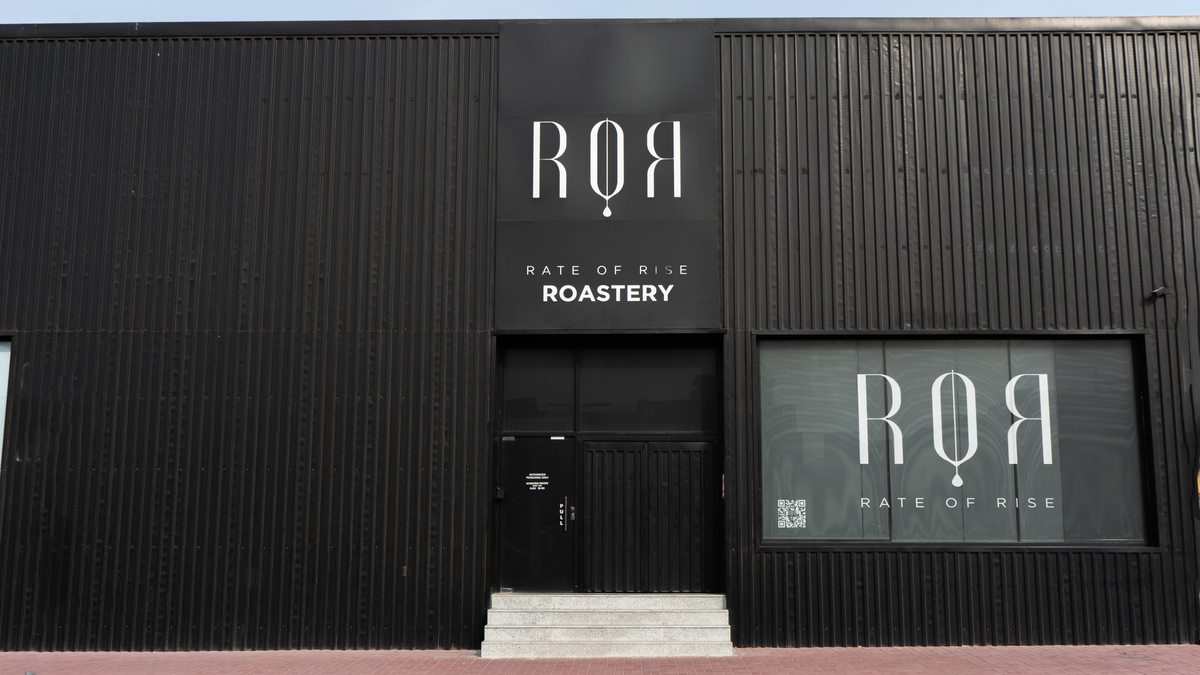
ROR Coffee Solutions Secures AED 30 Million Investment for Regional and Global Expansion

ROR Coffee Solutions, an Emirati-owned specialty coffee company, has secured a landmark AED 30 million investment to drive its expansion and innovation strategy over the next five years. The funding will support the company’s growth across the MENA region and Europe, reinforcing its commitment to sustainability, ethical sourcing, and technological advancements in specialty coffee.

As global demand for premium, responsibly sourced coffee continues to rise, ROR Coffee Solutions aims to enhance its market position through strategic investments in infrastructure, advanced roasting technology, and workforce development. The company plans to expand its presence in key markets, particularly Saudi Arabia and select European countries, while diversifying its business portfolio to include corporate coffee solutions, premium retail offerings, and event-driven experiences.

The investment will also enable the establishment of state-of-the-art roasting and production facilities designed to improve efficiency and consistency. Additionally, ROR Coffee Solutions is set to develop operational hubs and training centers across its target regions, providing barista training, quality assurance programs, and consumer education initiatives to elevate industry expertise.

Sustainability remains a central pillar of the company’s expansion strategy, with initiatives focused on eco-friendly packaging, waste reduction, and the introduction of electric delivery fleets to minimize carbon emissions. The company is also strengthening direct trade relationships with coffee farms to support ethical sourcing and sustainable agricultural practices. Plans to implement a coffee packaging recycling program and achieve carbon-neutral operations further underscore its environmental responsibility.

Beyond infrastructure and sustainability, ROR Coffee Solutions is expanding its collaborations with global coffee farms and leading equipment manufacturers to enhance its product offerings. A significant portion of the investment will be allocated to workforce growth, creating new roles in operations, sales, and training. To attract and retain top industry talent, the company will introduce international barista certification programs and career development initiatives, positioning itself as a leader in specialty coffee expertise.

Aaron Marshall, General Manager of ROR Coffee Solutions, highlighted the significance of this investment, stating: “This marks a defining moment for ROR Coffee Solutions and the future of specialty coffee in the region. Our vision goes beyond delivering exceptional coffee—we are creating an ecosystem where innovation, sustainability, and craftsmanship thrive. By expanding into new markets, integrating advanced roasting technology, and reinforcing ethical sourcing practices, we are not just elevating coffee quality but also empowering businesses and professionals to grow alongside us. This is more than expansion; it’s about reshaping how coffee is sourced, brewed, and experienced.”

With a strong focus on market expansion, customer experience enhancement, and sustainable business practices, ROR Coffee Solutions is poised to set new industry standards. Through its ambitious growth strategy, the company aims to redefine the specialty coffee sector, ensuring that businesses and consumers alike have access to world-class coffee solutions.

Global Coffee Bean Market to Reach $61.6 Billion by 2033 Amid Rising Demand for Specialty Coffee

The global coffee bean market is projected to grow significantly, reaching $61.6 billion by 2033, up from $34.89 billion in 2024, according to the latest report by Renub Research. The market is expected to expand at a CAGR of 6.52% from 2025 to 2033, driven by increasing global coffee consumption, the rising popularity of specialty coffee, and expanding coffee culture worldwide.

Key Drivers of Growth

  1. Surge in Global Coffee Consumption
    The growing demand for coffee, particularly in emerging markets across Asia and Africa, is fueling market expansion. Lifestyle shifts and an increasing preference for premium coffee experiences have led to a rise in specialty coffee consumption.

  2. Specialty Coffee on the Rise
    Consumers are increasingly seeking high-quality, single-origin coffee with distinct flavor profiles. The third-wave coffee movement, which emphasizes artisanal brewing and direct trade, continues to shape market dynamics.

  3. Sustainability and Innovation in Coffee Processing
    Advances in coffee processing, such as improved wet and dry processing techniques, are enhancing bean quality. Additionally, eco-conscious consumers are driving demand for sustainable and ethically sourced coffee, including fair trade and organic-certified beans.

Challenges Facing the Industry

  • Climate Change Impact
    Extreme weather conditions, including droughts and erratic rainfall, threaten coffee production in key regions like Central and South America. These disruptions may affect crop yields, impact pricing, and pose long-term challenges for farmers.

  • Market Volatility and Price Fluctuations
    The coffee industry remains vulnerable to fluctuating market prices, driven by supply chain issues, labor costs, and currency exchange rates. Price instability makes income predictability difficult for farmers.

Regional Market Insights

  • European Union: A Key Consumption Hub
    Europe remains a dominant market for coffee consumption, with countries like Italy, Germany, and France driving demand. Specialty coffee, sustainability initiatives, and evolving consumer preferences continue to shape the EU coffee sector.

  • Arabica vs. Robusta Production Trends
    Brazil, Colombia, and Honduras are leading Arabica coffee producers, while Vietnam dominates Robusta production, supplying nearly 40% of the global market. The increasing demand for high-caffeine Robusta beans is benefiting emerging coffee markets.

  • U.S. Coffee Imports Continue to Rise
    The United States remains one of the largest coffee importers, primarily sourcing Arabica beans from Brazil, Colombia, and Honduras. The shift toward premium, ethically sourced coffee is reshaping the U.S. market.

  • India’s Growing Role in Coffee Exports
    India has strengthened its position in the roast and ground coffee export market, supplying major regions including Europe, the Middle East, and the U.S. Indian coffee, known for its distinct flavor profiles, is increasingly sought after in specialty coffee markets.

Market Forecast and Industry Players

The report highlights that leading global coffee companies such as Starbucks, Nescafé, The Kraft Heinz Company, J.M. Smucker, Coca-Cola, Dutch Bros, and JDE Peet’s N.V. are influencing industry trends through innovation, expansion, and sustainability efforts.

With specialty coffee gaining traction and sustainability initiatives becoming a priority, the coffee bean market is poised for sustained growth over the next decade.

Explore the latest insights on the global coffee market trends [here].

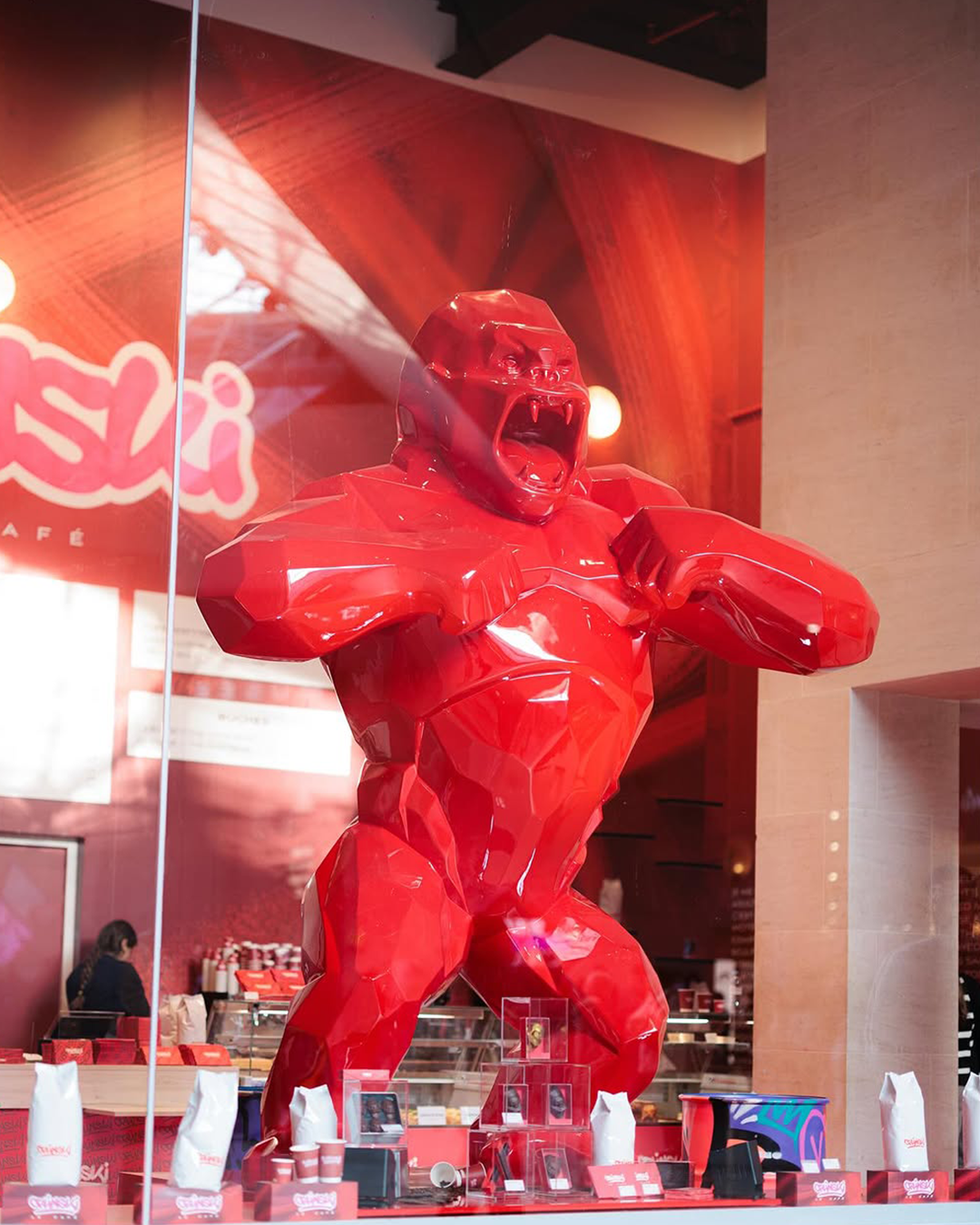
Orlinski – Le Café: Where Art and Coffee Collide at the Carrousel du Louvre

In the heart of Paris, within the prestigious Carrousel du Louvre, a unique fusion of art and exceptional coffee has been unveiled: Orlinski – Le Café. This exclusive pop-up café, crafted by world-renowned contemporary artist Richard Orlinski, is more than just a place to enjoy coffee—it’s an immersive experience where every cup tells a story of artistry and craftsmanship.

Orlinski, famous for his striking sculptures that blend boldness and iconoclasm, has integrated his artistic vision not only into the displayed works of art but also into the design and preparation of the coffee itself. The café offers visitors an opportunity to experience coffee as a multi-sensory creation, transforming a simple cup of espresso into a work of art.

Innovative Design and Coffee Excellence: The Eagle One by Victoria Arduino

To ensure an extraordinary coffee experience, Orlinski chose to feature the Eagle One two-group espresso machine from Victoria Arduino, a brand known for its cutting-edge coffee technology. The Eagle One was specially customized for Orlinski – Le Café, aligning the machine’s design with the artist’s iconic vision.

The Eagle One espresso machine is not only a design marvel but also a leader in coffee technology, offering:

  • NEO (New Engine Optimization) technology: Ensures energy efficiency by reducing waste and delivering consistent, high-quality espresso with each shot.
  • Sustainable materials: The machine is crafted from eco-friendly materials, reflecting the café’s commitment to reducing its environmental footprint.
  • Compact design: Perfectly suited for modern, dynamic spaces, the machine’s efficient design doesn’t compromise the quality of coffee.
  • Iconic customisation: The Orlinski edition of the Eagle One integrates the artist’s bold aesthetic, turning the machine into a true collector’s item.

Orlinski – Le Café is more than just a place to enjoy coffee. It’s a living, breathing gallery where each dish served is a masterpiece to be savoured. The café blends art and gastronomy, offering patrons a unique sensory experience, enhanced by Orlinski’s artistic creations and paired with expertly brewed coffee.

Every cup of coffee, thanks to the Eagle One, becomes an invitation to explore the senses, bringing together the high-end artistry of coffee with Orlinski’s avant-garde, pop culture-inspired designs.

Orlinski’s Artistic Vision

Richard Orlinski is known for his bold and multifaceted sculptures, often inspired by animals that symbolize freedom, power, and passion. His work, animated by vibrant pop colours, has captivated audiences around the world. Orlinski – Le Café offers a taste of his signature style, where everyday objects and dynamic sculptures meet to inspire both the coffee world and art lovers alike.

Stay updated on the latest news from Victoria Arduino by visiting victoriaarduino.com and following them on Instagram at @victoriaarduinoofficial.

CoffeeFest Madrid 2025 Attracts 43,000 Visitors, Confirms 2026 Edition

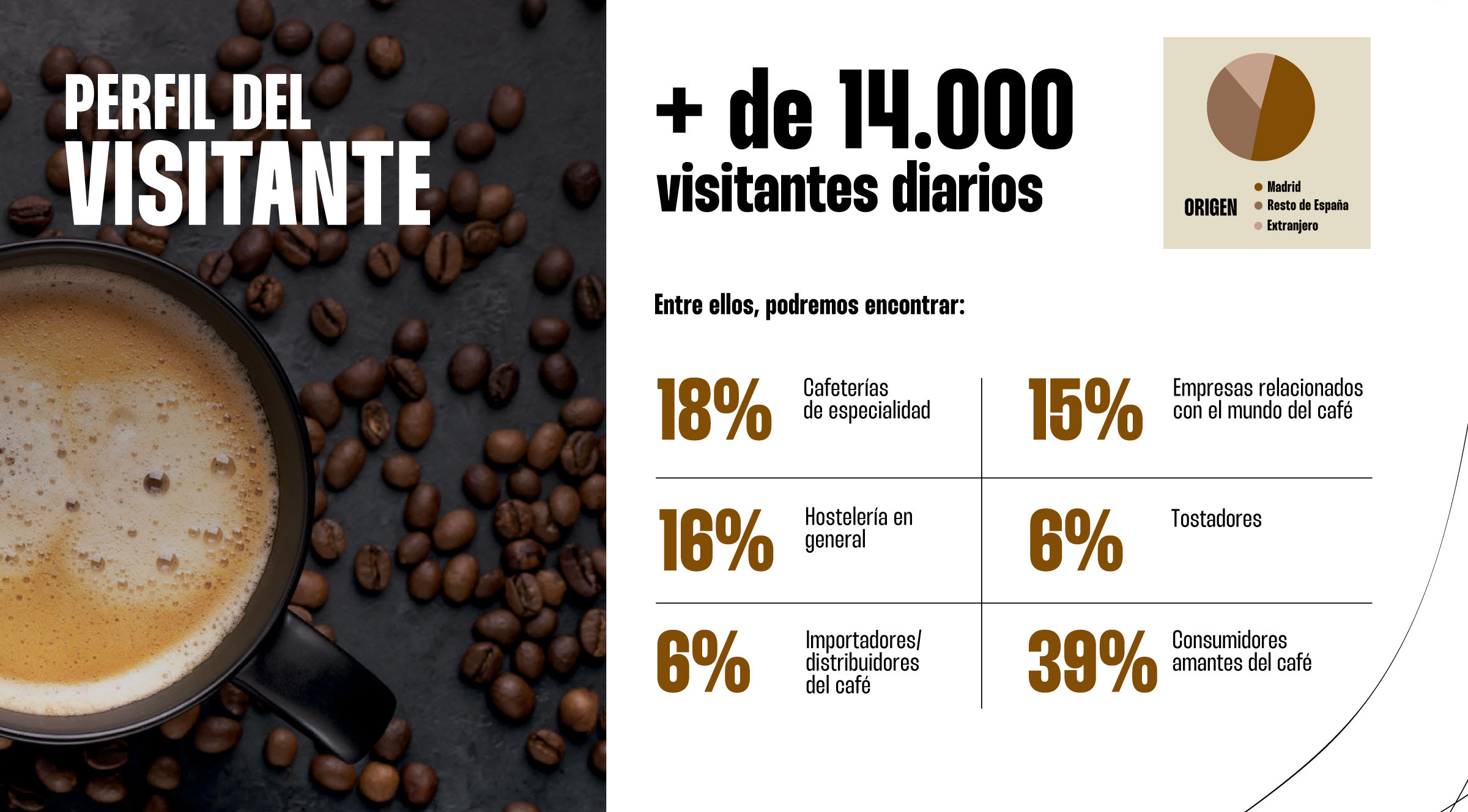
The third edition of CoffeeFest Madrid concluded with a record-breaking attendance of over 43,000 visitors, reinforcing its position as one of Europe’s leading coffee industry events. Held from February 15 to 17, the festival brought together coffee professionals, business leaders, and enthusiasts, offering a platform for networking, competitions, and industry insights.

Strong Industry Representation

The event attracted a diverse audience, including:

  • 39% coffee consumers and enthusiasts
  • 18% specialty coffee shop owners
  • 16% hospitality professionals
  • 15% representatives of coffee-related businesses
  • 6% coffee roasters
  • 6% importers and distributors

With attendees from Madrid, across Spain, and international markets, the festival highlighted the growing demand for specialty coffee and the industry’s ongoing expansion.

Event Highlights

This year’s CoffeeFest featured:
The World’s 100 Best Coffee Shops Gala, celebrating top coffee destinations.
The first European Green Coffee Auction, in partnership with the Caucá Coffee Committee and Supra Café.
Two SCA Spain championships, showcasing barista excellence.
The CoffeeFest Madrid Summit, focusing on trends, innovation, and sustainability.

Key Figures from CoffeeFest 2025

43,000 visitors
149 exhibitors
52 national and international speakers
3 conference stages
2 cupping zones
3 competition areas

Looking Ahead: CoffeeFest 2026 Announced

Following this year’s success, CoffeeFest Madrid 2026 is scheduled for February 14-16, 2026. Organizers aim to expand the event further, bringing more global industry leaders, innovative concepts, and specialty coffee pioneers to Madrid.

Arabica Strengthens Its Market Dominance as Robusta Declines

The Global Coffee Market Report for February 2025, published by the International Coffee Organization (ICO), reveals a major shift in global coffee exports. Arabica coffee has gained a larger market share, while Robusta faces a sharp decline in exports.

Historic Decline in Robusta Exports

According to the report, Arabica now accounts for 65.4% of total green coffee exports, up from 60.5% in the previous year. This shift is primarily due to the continuous drop in Robusta exports, particularly from Vietnam, the world’s largest producer of this variety.

Vietnam’s Robusta exports plunged by 43.8% in January 2025, marking the lowest January export level in six years. The ICO attributes this decline to supply shortages, financing constraints, and logistical challenges affecting shipments.

Global Coffee Prices Reach Record Highs

This decline in Robusta supply comes at a time when global coffee prices are reaching unprecedented levels. The ICO Composite Indicator Price (I-CIP) surged to 354.32 US cents per pound in February 2025, reflecting a 14.3% increase from January, making it the highest monthly average on record.

The report also highlights significant price increases across different coffee categories:

  • Colombian Milds rose 16.7% to 410.64 US cents per pound.
  • Brazilian Naturals increased by 18.3% to 401.10 US cents per pound.
  • Robusta prices climbed 7.2% to 263.08 US cents per pound, despite supply challenges.

The ICO also noted rising market volatility, driven by economic uncertainty, higher trade financing costs, and shifting demand patterns.

The Impact of Robusta’s Decline on the Global Coffee Market

The sharp decline in Robusta exports has forced coffee buyers to reevaluate their sourcing strategies, leading to greater dependence on Arabica. As a result:

  • Arabica producers are experiencing stronger demand, driving prices even higher.
  • Roasters may have to absorb higher costs, especially for blends that traditionally rely on Robusta.
  • Consumers may see higher prices for espresso and instant coffee, both of which heavily depend on Robusta.

Meanwhile, some coffee-producing countries outside Vietnam, such as Indonesia and Uganda, have ramped up Robusta exports in an effort to compensate for the shortfall. However, experts warn that these increases may not be sufficient to fully offset Vietnam’s declining supply, keeping the market under sustained pressure.

What’s Next for the Global Coffee Industry?

As Arabica’s dominance continues to grow and Robusta faces long-term supply risks, the coffee industry is entering a new phase of market realignment. Analysts are closely watching key developments, including:

  • Will Vietnam recover its Robusta exports, or will other nations fill the gap?
  • How will coffee roasters adjust their strategies in response to these changes?
  • Could Arabica’s growing dominance lead to higher prices for premium coffee?

The global coffee market stands at a critical juncture, with new trade patterns emerging and prices reaching historic highs. The coming months will be crucial in determining the long-term impact of these shifts.