NUO Capital Acquires Renowned Italian Coffee Maker Bialetti

NUO Capital, a Luxembourg-based company affiliated with Hong Kong’s Pao Cheng family, has announced the acquisition of Italy’s famed Bialetti, the creator of the iconic octagonal Moka coffee pot, a deal that will result in the company being delisted from financial markets.

Founded in 1933, Bialetti gained international acclaim for its Moka pot, considered a hallmark of Italian industrial design and featured in New York’s Museum of Modern Art. Despite its illustrious history, the company has faced economic challenges in recent years due to competition from capsule coffee machines, the COVID-19 pandemic, and unsuccessful expansions into kitchen utensils and retail stores. In 2024, Bialetti reported losses of €1.1 million, with adjusted financial debts totaling approximately €81.9 million.

Under the new agreement, NUO Capital will purchase 78.6% of Bialetti’s shares for €53 million, with the deal expected to finalize by the end of June. NUO Capital will also subsequently offer to buy the remaining shares at a minimum price of €0.467 per share, significantly above the recent closing price of €0.279.

The acquisition is subject to approval by Italian regulatory authorities, which have the power to impose conditions or reject foreign takeovers under national protection regulations.

Additionally, the agreement includes a comprehensive debt refinancing plan for Bialetti through joint loans, including a junior loan of up to €30 million provided by Illimity and AMCO, and a senior loan of up to €45 million from Banco BPM, BPER Banca, and Banca Ifis. NUO Capital will also inject at least €49.5 million in equity capital.

Egidio Cozzi will continue as CEO of Bialetti following the acquisition, ensuring managerial stability amid the ownership transition.

The name “Moka” associated with Bialetti’s famous pot is derived from the Yemeni city of Mokha, historically a major global coffee trading hub from the 16th to the 19th century.

Brankovan Milos Secures Second Place at the Lavazza Barista Challenge 2025 in Turin

In a spirited display of creativity and talent, Brankovan Milos proudly represented the United Arab Emirates at the Lavazza Barista Challenge 2025 finals in Turin, Italy — taking home second place among 17 top baristas from 17 different countries. In addition to this individual achievement, Milos and his team clinched first place in the highly anticipated “Mystery Box Challenge,” one of the standout segments of this year’s event.

Held from April 8 to 10 at La Centrale within the Nuvola Lavazza headquarters, the international competition brought together elite baristas who had qualified through national and regional rounds. The finals served as a global celebration of technical skill, storytelling, and innovation in coffee preparation.

George Nikolopoulos from Greece was crowned first place after beginning his journey by winning the national championship in his country and continuing to shine until securing a spot on the podium in Turin. George expressed his gratitude to his team and coach for their constant support, emphasizing that this experience marks the beginning of a new chapter of excellence in his professional journey.

Third place went to Ștefan Manole, who represented Romania and impressed the judges with his creativity, technical skill, and positive spirit. He also received the Audience Choice Award as the most beloved barista among attendees, earning the highest number of votes — blending professional recognition with public admiration.

In the Mystery Box Challenge, baristas teamed up with a trainer and two Lavazza team members to create a unique beverage using surprise ingredients revealed only at the moment of the challenge. The drink had to be built around Lavazza coffee, requiring teams to think fast, collaborate effectively, and showcase their creativity under pressure. The UAE team impressed the judges with a harmonious and inventive composition that stood out for its balance and originality.

This year’s edition of the Lavazza Barista Challenge introduced new dimensions to the competition. Beyond traditional espresso-based performances, finalists were tasked with presenting signature drinks that reflected their personalities, techniques, and cultural backgrounds. A key innovation was the Cold Coffee Challenge, which required competitors to create original cold brew recipes using Lavazza’s Tales of Italy blends — a nod to both Italy’s coffee heritage and modern preferences.

An esteemed international judging panel evaluated the entries based on creativity, technical execution, flavor balance, and the narrative behind each drink. The panel included:

  • Fabrizio Fiorani – Pastry Chef, Zucchero x Fabrizio Fiorani (Rome)

  • Lauro Fioretti – Coffee Expert, Simonelli Group

  • Dario Tortorella – Mixologist, L’Antiquario (Naples)

  • Federico Zanasi – Chef, Condividere (Turin)

Reflecting on the experience, Brankovan Milos shared:

“It was a great honor to stand alongside such inspiring talents and represent the UAE. Winning second place and sharing the top spot in the Mystery Box Challenge felt like a collective victory. The diversity of stories, techniques, and creativity on stage reminded us that while we may come from different parts of the world, we are united by one passion — coffee.”

Lavazza emphasized that the Barista Challenge is “more than a competition; it’s a platform to honor creativity, commitment, and the passion baristas bring to every cup.” The 2025 finals reaffirmed the company’s mission to support the next generation of coffee professionals and nurture a vibrant global coffee culture.

20 Iconic Museum Cafes in the UK You Need to Visit

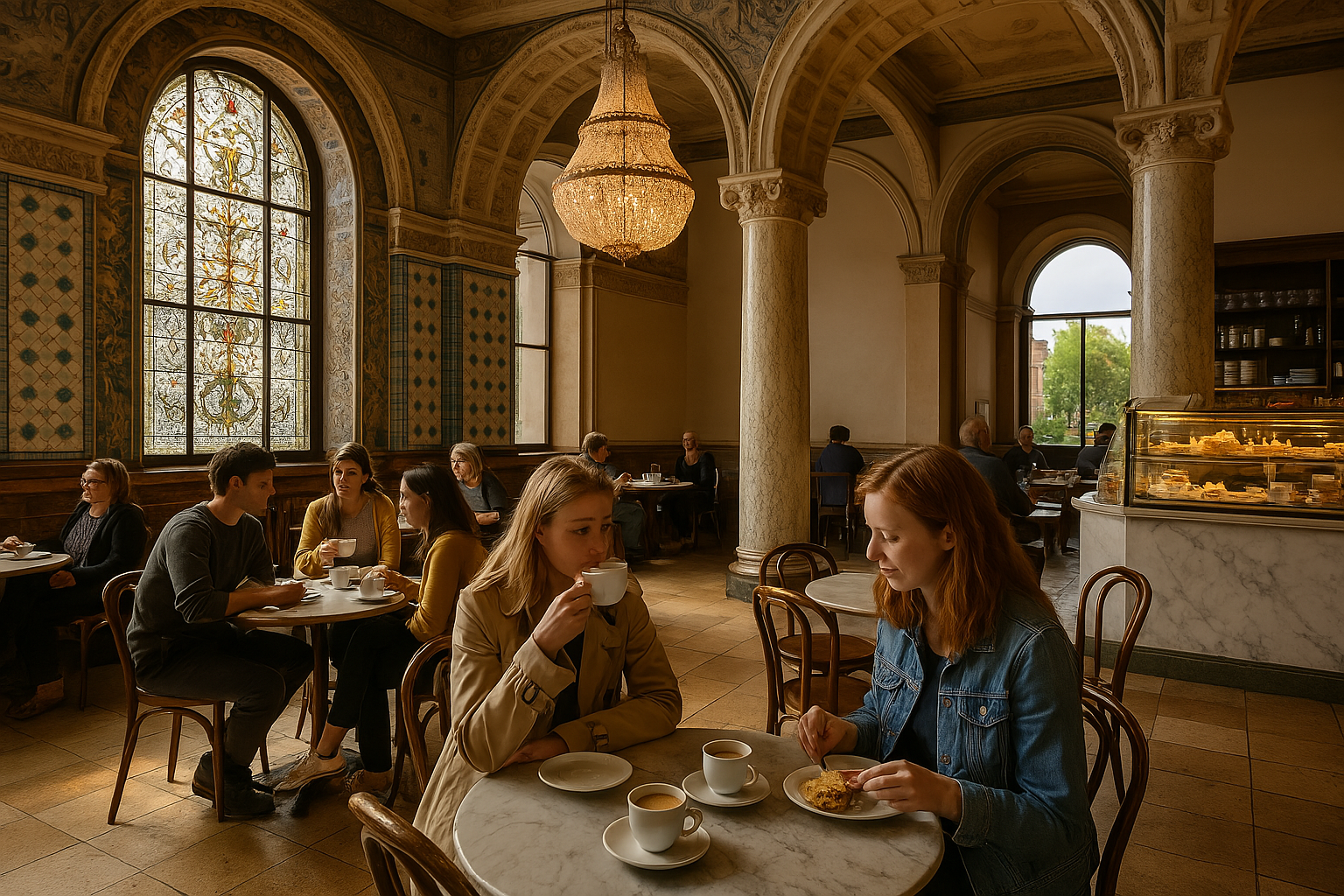
In a world filled with the rapid pace of life and daily routines, many places not only satisfy the taste buds but also tell stories rich in art and culture. Museum cafes in the UK are not just pit stops for a quick snack, but artistic destinations that open new doors for understanding history and culture. You might assume these places only serve sandwiches or fast food, but some of these cafes offer a full experience worth exploring, where flavor blends with artistic and historical creativity.

In this context, The Guardian presents a list of the top 50 museum cafes in the UK. However, we decided to bring you the 20 most iconic ones that combine the charm of art galleries, tranquility, and delicious food that enhances your cultural experience. We’ve chosen these spots to be your guide in discovering places that not only satisfy your taste but also invite you to dive deep into British history and art. Whether you’re looking for a luxurious experience or a quiet break between exhibitions, these cafes offer more than just food – they offer the memory of the place and its stories that unfold with every sip.

1. The Gamble Room Café, Victoria and Albert Museum, London

The Gamble Room Café at the Victoria and Albert Museum in London is one of the most iconic spots. Designed to extend the culture and history of the museum itself, visitors can enjoy delicious snacks in a setting that dates back to 1868.

2. The Garden Café, Garden Museum, London

Located in the heart of London, The Garden Café at the Garden Museum offers a calm atmosphere where you can enjoy a cup of coffee surrounded by beautiful gardens and historic buildings.

3. Louie Café, South London Gallery

Louie Café at the South London Gallery is a lively spot that draws visitors from all over. The café serves great coffee and a varied menu, and is a popular gathering place for local artists and students.

4. The Garden Café, Garden Museum, London

Another iconic Garden Café in London that provides a perfect blend of coffee and tranquility amidst the natural beauty of the gardens surrounding the museum.

5. Corner Café, Tate Modern, London

Corner Café at the Tate Modern provides a unique experience with a beautiful view of the Thames River. The café offers a variety of light meals and snacks, making it the perfect stop for visitors exploring the galleries.

6. Art Café, Courtauld Gallery

Inspired by the vibrant colors and bold abstract designs of the Bloomsbury Group, Art Café at the Courtauld Gallery offers a perfect place to enjoy coffee after visiting the gallery’s exquisite art collections.

7. Caffè Estorick, Estorick Collection

Located in a Georgian house near Highbury and Islington, Caffè Estorick is a café that offers a mix of Italian food and contemporary art. The café’s minimalist menu includes delightful dishes like spinach and ricotta ravioli.

8. The Wallace Collection Café, London

Situated inside a stunning 18th-century townhouse, The Wallace Collection Café is an ideal place for a light lunch or afternoon tea, all while surrounded by the museum’s beautiful rococo masterpieces.

9. Crispin at Studio Voltaire, London

Crispin at Studio Voltaire is a serene restaurant located in a former Victorian mission hall in Clapham, offering a seasonal menu that features delicate dishes like Montgomery cheddar croquettes and gurnard with fennel.

10. The Town Square Café, Young V&A

Located in the former Museum of Childhood, The Town Square Café offers a simple menu that includes soups, sandwiches, and kid-friendly meals, making it a perfect stop for families.

11. Waterside Café, Weald & Downland Living Museum, West Sussex

Nestled near a beautiful lake, Waterside Café at the Weald & Downland Living Museum provides a picturesque setting for breakfast or lunch, with options like Welsh rarebit and jumbo fish finger sandwiches.

12. Louie on Sea, Turner Contemporary, Margate

Louie on Sea at Turner Contemporary offers an excellent seaside view and serves a small but carefully crafted menu that includes burrito bowls, homemade quiches, and crispy pizza.

13. Rooftop Restaurant, Ashmolean Museum, Oxford

With stunning views of Oxford, the Rooftop Restaurant at the Ashmolean Museum serves traditional afternoon tea and sophisticated dishes such as pea and broad bean risotto, making it a perfect pit stop after sightseeing.

14. Pallant Café, Pallant House Gallery, Chichester

Located in Chichester, Pallant Café offers a unique experience with an art-inspired interior and a variety of delicious meals, including focaccia with caponata and classic Sunday roasts.

15. Café at the Museum of Rural Life, Reading

At the Museum of Rural Life, this café serves simple, homemade dishes like soup and sticky buns, and offers a peaceful atmosphere surrounded by the museum’s historical farmyard paraphernalia.

16. Light Café, Towner Eastbourne

Light Café at Towner Art Gallery in Eastbourne offers a fresh, Scandinavian-inspired lunch menu with smørrebrød (open sandwiches) and small plates like burrata with rhubarb jam, perfect for a sunny day.

17. Stone Café, Perth Museum, Scotland

Stone Café at Perth Museum offers a traditional Scottish menu, including haggis, neeps, and tatties, all while you enjoy the museum’s historic atmosphere.

18. Coliseum Coffee House, Ceredigion Museum, Aberystwyth

The Coliseum Coffee House offers a cozy and light-filled space to enjoy homemade cakes and Welsh specialties like cawl and rarebit, all while immersing yourself in the museum’s rich local heritage.

19. The Dylan Thomas Boathouse Café, Laugharne, Carmarthenshire

The Dylan Thomas Boathouse Café offers spectacular views of the Taf Estuary and serves a variety of simple yet delightful dishes, including cream tea, Welsh cakes, and sandwiches.

20. Miners’ Canteen, Big Pit National Coal Museum, Blaenafon

The Miners’ Canteen at Big Pit National Coal Museum serves traditional Welsh miners’ fare, including pies, pasties, and chips, all while providing a glimpse into the region’s coal mining history.

Facing the Inevitable: How to Raise Prices Without Losing Customers

In an economic climate marked by soaring costs—rising raw material prices, increased wages, tax hikes, surging energy bills, and property expenses—coffee business owners are facing tough decisions. Among them: whether to raise prices.

But is increasing prices the only viable path forward? And if so, how much should you raise them—and how do you do it without alienating loyal customers?

Industry veteran and Coffee Knowledge Hub (CKH) curator Andrew Tolley explores these questions and offers a framework for navigating pricing decisions in today’s rapidly evolving business landscape.

Profitability Under Pressure

For any coffee shop, roastery, or café group, profitability isn’t just about financial gain—it’s a necessity for long-term sustainability. As Tolley points out, “You have an obligation to yourself, your team, and your customers to run the business sustainably. In most cases, that means profitably.”

But achieving higher profit margins isn’t simply about raising prices. It’s about optimizing the three key drivers of revenue:

  • Unit Sales: The number of customers you serve

  • Average Transaction Value (ATV): The value of each sale

  • Frequency: How often each customer returns

Increase any one, and your revenue goes up. Increase all three, and your business grows. But, warns Tolley, raising prices might boost ATV at the expense of unit sales and frequency—creating an unintended negative effect.

What to Do Before You Touch the Price Tag

Before making any pricing decisions, Tolley advises business owners to take a hard look at their margins. For each product on your menu, ask:

  • Do I really need to offer this item?

  • Can I reduce the cost without compromising quality?

  • Would a slight price increase be acceptable to customers and improve both margin and revenue?

If the answer to any of these is yes, you’re already one step ahead.

Alternative Levers for Growth

Raising prices isn’t the only way to improve financial performance. Tolley outlines several strategies coffee businesses can use to grow revenue without risking customer goodwill:

1. Increase Unit Sales

  • Invest in marketing to attract new customers or promote underperforming items.

  • Streamline operations to reduce service bottlenecks.

  • Train your team to improve product knowledge and upselling—asking simple questions like “Can I get you anything else?” can work wonders.

2. Increase Visit Frequency

  • Launch loyalty programs to reward returning customers.

  • Diversify your product range to attract visits across different times of day.

  • Re-engage your customer base with timely, targeted promotions.

A Matter of Trust and Communication

Even when a price increase is the right move, execution matters. “We don’t live in a cold, rational world,” Tolley notes. “We have relationships with our customers.” Price hikes, even minor ones, must be handled with transparency and empathy.

From Tolley’s experience, price increases that are well-communicated tend to succeed. Customers generally understand the need—especially when it’s tied to higher quality, better service, or improved sustainability. “Most of the time the amount is so small they might not even notice,” he says. “But it’s still important to let them know. That relationship matters.”

The Bottom Line: Value is the Real Currency

In a challenging market, price increases may be inevitable—but they shouldn’t be the only lever you pull. Enhancing customer value, optimizing operations, and nurturing relationships can all contribute to stronger margins without risking brand trust.

As coffee businesses adapt to economic realities, those who focus on long-term value creation—not just short-term fixes—will be the ones to thrive.

The 10 Best U.S. Cities for Coffee Lovers in 2025

Coffee is more than a beverage—it’s a cultural identity. In the United States, its legacy stretches from revolutionary acts in the 18th century to daily rituals in modern cities. Each city has its own relationship with coffee, filled with traditions and innovation. As of 2025, these ten American cities stand out for their rich coffee scenes, offering a unique blend of flavor, history, and community. Here’s a tour of the top U.S. coffee destinations this year:

1. Los Angeles: Creative and Diverse in Every Sip

Los Angeles leads the list with its vibrant, experimental coffee culture. Cafés range from architecturally stunning spaces to minimalist neighborhood stands. From Mexican-inspired café de olla lattes to pineapple espresso tonics, L.A. offers a global mix of flavors. Whether you sip in Chinatown, Pasadena, or Boyle Heights, every cup reflects the city’s cultural mosaic.

2. New York City: Coffee at the Speed of Life

New York’s love affair with coffee goes back centuries, from early trading hubs to today’s bustling third-wave cafés. Whether it’s a to-go cup with a breakfast sandwich or a hand-poured single-origin espresso in Brooklyn, NYC offers a full range of coffee experiences. The city is a global melting pot, and its coffee scene follows suit.

3. Seattle: Home of Starbucks, Heart of Independents

Seattle’s rainy weather and creative spirit fuel its deep connection to coffee. While the original Starbucks opened here in 1971, today’s Seattle is also home to a thriving community of independent roasters and neighborhood cafés. Coffee is a way of life here, and exploring its many offerings is a must for enthusiasts.

4. Portland: Pioneer of the Third Wave

Portland helped lead the third-wave coffee movement and remains one of the most passionate coffee cities in the U.S. Locals are fiercely loyal to their favorite cafés, which serve everything from traditional pour-overs to lattes with seasonal, herbal infusions. A walk through Portland is an adventure in taste, discovery, and cozy coffee corners.

5. New Orleans: Old World Charm Meets Southern Boldness

Coffee in New Orleans is part of its soul. Introduced by the French and enriched with chicory during historical trade shortages, café au lait remains a must-try—especially paired with beignets at Café du Monde. The city’s cafés now balance heritage with inventive drinks, adding layers of flavor to this timeless ritual.

6. San Francisco: Gold Rush to Specialty Roasts

San Francisco has a long-standing coffee history—from supplying miners during the Gold Rush to birthing West Coast espresso culture. Today, it boasts a mix of iconic roasters, historic cafés, and forward-thinking coffee labs. The city’s scene is a beautiful intersection of past and present.

7. Boston: Revolutionary Roots, Modern Revival

Boston has deep ties to coffee, dating back to its rejection of tea during the American Revolution. Today, with its strong academic presence and four-season climate, the city thrives with both cozy cafés and cutting-edge coffee houses. From honey blossom lattes to single-origin espressos, Boston balances warmth with sophistication.

8. Miami: Latin Flair and Cuban Soul

Coffee in Miami is inseparable from its Cuban heritage. Coladas, cortaditos, and café con leche are daily staples, especially in neighborhoods like Little Havana. Alongside these traditions, a wave of specialty cafés brings bold new twists—some even serve espresso drinks with gold leaf or tropical garnishes.

9. Honolulu: Island-Grown and Locally Brewed

Hawaii is the only U.S. state that grows coffee commercially, and Honolulu celebrates that heritage proudly. Many cafés serve beans grown in Kona and nearby regions. Island flavors like coconut, honey, and taro find their way into drinks, creating a coffee experience infused with aloha spirit.

10. San Juan, Puerto Rico: Reviving a Coffee Legacy

Puerto Rico was once among the world’s top coffee exporters, and San Juan is embracing a modern revival. Local cafés craft drinks like miel de avena (honey-oat lattes) with native spices and partner with nearby farms to bring fresh, locally grown beans into the city. It’s a vibrant fusion of old traditions and new energy.

Share Your City

This journey across America’s top coffee cities reveals one truth: coffee is never just a drink—it’s a story, a culture, and a community. Which city inspired you the most? Have your own unforgettable coffee experience to share? Join the conversation and help us uncover the next hidden coffee gem.


A Global Tribute to Women in Coffee: Vanusia Nogueira Named One of Brazil’s Most Powerful Women by Forbes

As Women’s History Month came to a close this March, Forbes Brazil honored Vanusia Nogueira, Executive Director of the International Coffee Organization (ICO), by including her in its prestigious list of Brazil’s Most Powerful Women of 2025. The recognition celebrates her leadership and tireless efforts to champion women across the coffee value chain.

Women’s History Month, officially recognized by the U.S. Congress in 1987, has since become an international moment of reflection and celebration, highlighting women’s contributions in politics, science, economics—and agriculture. This year, the International Coffee Organization marked the occasion with a remarkable digital campaign that illuminated the vital yet often overlooked role of women in the coffee industry throughout history.

ICO’s “Women in Coffee History” Series

To honor the month, the ICO launched a dedicated Instagram series titled “Women in Coffee History,” which traced the legacy of influential women who have shaped coffee culture across the ages. The series began with the discovery of coffee and its journey from Yemen to the rest of the world, following its trade through major historical ports like Mokha and its expansion into Africa, the Ottoman Empire, Europe, and beyond.

Each post in the series spotlighted a specific woman who made a meaningful impact in her era—whether in farming, trade, science, entrepreneurship, or social reform. The ICO’s goal was to rebalance a narrative that has historically favored male figures, by restoring visibility to the many women who helped shape the global coffee landscape.

A Well-Deserved Honor for Vanusia Nogueira

Vanusia Nogueira’s inclusion in the Forbes list reflects her groundbreaking role as the first woman to lead the ICO, an intergovernmental organization that plays a central role in shaping global coffee policies. At the Forbes Power Lunch event held on March 28 at Fasano Jardins in São Paulo, Vanusia delivered a powerful message:

“My work today is to amplify the challenges women in agriculture face and to ensure that young people take pride in working in the fields—while also earning a prosperous income.”

The International Coffee Organization responded to the announcement with a heartfelt message: “We couldn’t think of a better way to conclude our Women’s History Month special series than with this incredible news: our Executive Director has been named one of Brazil’s Most Powerful Women by Forbes. We extend our heartfelt congratulations to Vanusia and all the inspiring women recognized with this prestigious award!”

A Celebration of Female Leaders Across Industries

The Forbes Brazil event honored 13 women leading in fields ranging from energy and finance to education and digital innovation. Notable names on the list included Magda Chambriard, President of Petrobras; Patricia Muratori, YouTube’s Director for Latin America; and Geyze Diniz, Chair of the Pact Against Hunger.

Vanusia’s recognition is especially significant for the global coffee sector, where millions of women—from farmers to cuppers to exporters—play essential roles but rarely receive the spotlight. Her leadership represents a broader shift in the industry: a move toward equity, inclusion, and sustainability that puts people—especially women—at the center.

Qahwa World’s Perspective: A Message for the Future

At Qahwa World, we view this recognition not simply as a personal achievement, but as a symbolic moment for all women in coffee. Vanusia Nogueira stands not only as a leader, but as a representative of countless women who have worked in the background of the global coffee story—often without recognition.

This award affirms that there can be no truly sustainable future for coffee without empowering women, acknowledging their labor, and granting them the voice and visibility they have long deserved.

Exploring Oman, One Coffee Shop at a Time

Every time my friend Syed Naveed publishes a new post on his blog “The Need for Coffee,” I’m struck by how effortlessly he turns personal journeys into stories worth sharing. His choice of words, his eye for detail, and the emotions he captures in his writing always leave an impression. He doesn’t just write about coffee — he tells stories that make you feel like you’re right there, cup in hand.

In this piece, he takes us on a journey through Oman, visiting specialty coffee shops during multiple work trips. But this isn’t just about the cafés — it’s about the people, the spaces, and the experiences that define a growing coffee scene.

Here is the story, as told by Syed Naveed:

“This year,” says Naveed, “I’ve traveled to Oman several times for work, and with every trip, it’s become harder to leave. In the evenings, I’d wander the city, visiting different coffee shops and soaking in a culture that reminded me of Dubai, yet had its own quiet charm.”

“My most recent visit — just before Ramadan — lined up with a special moment. Thanks to Andrew, I was invited to attend the very first gathering of the Oman Coffee Community.”

“It brought together baristas, roasters, coffee lovers, and industry professionals to taste coffees from various roasteries. Even more significant, the event also marked the election of the country’s first official board for the specialty coffee community — a major step toward a more organized and promising coffee future in Oman.”

Azura Coffee

“When asking around for recommendations, one name always came up — Azura, The Coffee Company. Naturally, it became my first stop.”

“Shoutout to Leo for brewing me a beautiful Rwandan coffee from Rwacof growers. With its floral notes, passion fruit brightness, and a touch of citrus, it went beyond anything I expected.”

La Cabra

“My last experience with La Cabra was in House of Wisdom — though without their signature bakery items, something felt incomplete.”

“So when someone recommended their location in Oman, my expectations were sky-high — maybe unfairly so. But this time, the experience not only met but exceeded them.”

“The olive lemon cake paired with the Cerro Azul filter coffee created the perfect harmony. Add to that the minimalist interior and elegantly understated exterior — every detail contributed to a well-rounded and memorable experience.”

Sector Seventeen

“One café in particular really stood out — Sector Seventeen. It’s a space born from childhood memories.”

“The founders grew up in Sector 17 of Chandigarh, India — once a visionary urban hub designed by Le Corbusier. The café reflects that legacy through design: clean lines, rounded corners, and a logo inspired by the number 17 in Punjabi.”

“Subtle grid patterns are integrated into the furniture, walls, and even the manhole cover at the entrance — a quiet tribute to the city’s architectural soul.”

“And the coffee? I had The Secretariat, their take on an espresso martini, using washed Ethiopian beans. Balanced, floral, fruity — an excellent cup.”

“Even the food menu had a story. Everything was curated under Simran’s Kitchen, led by a local culinary expert known for food blogging and workshops. And what amazed me most was that everything — the design, branding, menu, and social media — is managed by the Dhanju family. A complete family-run concept executed with passion.”

Black Haze

“For something different, I turned to Reddit, where one café came up repeatedly — Black Haze. Its moody atmosphere intrigued me.”

“The space felt more like a nightclub — dim lighting, neon yellow around the bar, a bold ambiance.”

“Behind the bar was Ahyad — a modest but skilled coffee mixologist. He served me the Black Pearl, a dark and creamy coffee mocktail that looked as mysterious as it tasted.”

“Then came a washed coffee from Los Pirineos, roasted by Tim Wendelboe. A perfect finale to what had been an otherwise ordinary day.”

Kaleem

“Kaleem was another name that kept surfacing in local recommendations. From the outside, it looked like a concrete block on the edge of a park. But once inside, I discovered a beautiful blend of nature and modernism.”

“The triangular entrance, asymmetrical pathways, and perfectly arranged brewing station all pointed to thoughtful design.”

“Although I usually lean toward washed coffees, I couldn’t ignore their natural anaerobic offerings. I ended up with a Guatemalan — tropical, clean, with a hint of unripe berries and a candy-like sweetness that lingered.”

“Brewed by @donquixotedudeee and @_lvcifxr, who also gave me a quick tip on coffee-to-water ratios — the kind of exchange you’d expect in a café in Dubai. A true coffee conversation.”

La Cava

“La Cava was the perfect place to unwind after a long workday. Thanks again to Andrew for the tip — this one delivered.”

“Minimalist interiors made the space easy on the eyes, while quirky wall accents gave it personality. It’s the kind of café you unintentionally spend more time in than planned.”

“Oman’s specialty scene keeps impressing me. The quality is consistent, and each new spot feels like a win.”

Aram

“Walking into Aram reminded me of my favorite local cafés back in Dubai. Nestled in a vibrant, artsy neighborhood, the café overlooks the House of Musical Arts — so beautiful that it kept stealing my attention away from the people I was with.”

“Inside, the calm and cozy interiors perfectly matched the peaceful exterior.”

“I ordered a Panama Geisha on filter — superb. The Yemeni coffee, however, cost twice as much and didn’t quite live up to the price.”

“But the Tiramisu? Probably the best I’ve ever had. Especially alongside the Geisha.”

“This is the kind of café I’ll keep coming back to every time I’m in Muscat.”

What’s Next?

Naveed concludes: “My visits to Oman aren’t over, and I’m already looking forward to the next one. I know there are so many amazing cafés — both in and outside Muscat — that I haven’t yet explored.”

“So I need your help. Which specialty coffee shops should I visit next? Whose story deserves to be told in a follow-up post? Send me your suggestions — I’ll be sure to check them out on my next trip.”

Brewed to Perfection: 5 Classic Ways to Enjoy Espresso Coffee

Espresso is more than just a shot of coffee — it’s the heartbeat of coffee culture worldwide. For the true connoisseur, espresso offers a gateway into a world of aroma, body, and complexity, where every milliliter counts. Whether you’re a café regular or a home brewer with a portable espresso machine, like those from Aroama Coffee, mastering the five foundational ways to enjoy espresso can elevate your daily ritual into an art form.

This story was inspired by a recent post from Lauren O’Brien, Owner & Director of Aroama Coffee, whose passion for coffee and innovation continues to shape how we experience espresso today. Through her advocacy for portable brewing and love for tradition, Lauren celebrates both modern convenience and timeless methods — a balance that perfectly mirrors these five ways to enjoy espresso.

1. Espresso (30ml – Single Shot)

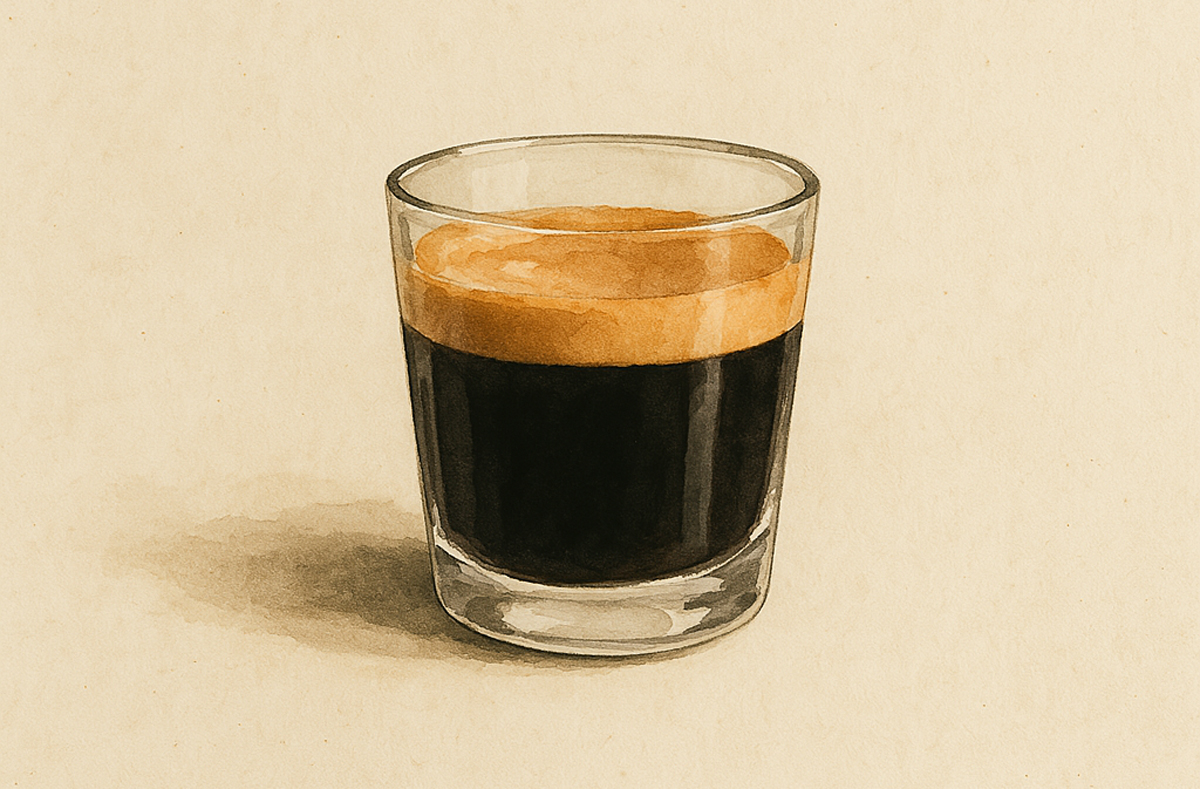
The cornerstone of modern coffee culture, the espresso shot is a 30ml pour of pure intensity. Brewed under high pressure using finely ground coffee, it delivers a bold, concentrated flavor with a balanced profile of acidity, sweetness, and bitterness. It’s topped with a silky layer of crema — a sign of a well-extracted shot. Whether enjoyed solo or as a base for other drinks, espresso embodies the essence of the bean.

Expert Tip: Use freshly ground beans with a precise grind size to ensure optimal extraction — around 25–30 seconds for a classic shot.

2. Espresso Doppio (60ml – Double Shot)

A “doppio” is simply double the espresso, offering twice the intensity. With 60ml of liquid gold, this is the go-to for those who crave a bolder caffeine kick without compromising on flavor. It’s also the standard shot used in most café beverages.

Did You Know? The term “doppio” is Italian for “double,” and it’s the standard in specialty coffee shops, replacing the single shot in most espresso-based drinks.

3. Ristretto (22ml – Concentrated Shot)

Italian for “restricted,” a ristretto is a shorter, more concentrated shot of espresso — typically only 22ml. Brewed with the same amount of coffee but less water, it produces a syrupy, sweeter profile with reduced bitterness. It’s the drink of choice for those seeking depth and complexity in a smaller sip.

Tasting Notes: Expect fruit-forward brightness and chocolate undertones, with a rich mouthfeel and lower perceived acidity.

4. Short Macchiato (30ml or 60ml Espresso with Foamed Milk)

“Macchiato” means “stained” or “marked” in Italian — in this case, espresso marked with a dollop of foamed milk. A short macchiato tempers the intensity of espresso without diluting its character, making it ideal for those who appreciate both strength and softness.

Variants: Use a single or double shot as the base. The milk is usually textured, not steamed flat, adding a luxurious touch to the finish.

5. Espresso Con Panna (30ml or 60ml Espresso with Cream)

A decadent twist on the classic shot, Espresso con Panna is topped with a generous layer of whipped cream. The contrast between the bitter espresso and the sweet, velvety cream creates a dessert-like indulgence, popular across Europe and the U.S.

Perfect For: Afternoon pick-me-ups or those exploring espresso but not quite ready for the full punch of a straight shot.

The Modern Espresso Movement

Today’s espresso experience goes beyond cafés and baristas. As Lauren O’Brien highlights, the coffee world is evolving through tech-driven brewing solutions — with portable espresso machines redefining how and where we enjoy our daily shots. Aroama Coffee’s commitment to making espresso accessible anywhere speaks to a growing global love affair with quality coffee and convenience.

From sustainably sourced beans to smart brewing tools, coffee lovers are now more empowered than ever to recreate café-quality espresso wherever their journey takes them.

Conclusion
Espresso is the foundation of coffee culture — versatile, expressive, and deeply personal. These five classic preparations offer something for every palate, whether you’re chasing complexity, intensity, balance, or indulgence. And with portable innovations like those from Aroama Coffee, that perfect shot is never out of reach.

Which style is your favorite — bold ristretto, creamy con panna, or the classic espresso? Explore them all, and let your taste buds lead the way.

Arada Launches ‘The Reformatory Lab’ Coffee Brand in the UAE

Arada has introduced a fresh brew to the UAE’s coffee scene with the launch of the renowned Australian concept The Reformatory Lab, expanding its growing portfolio of consumer-focused brands and bringing a globally inspired specialty coffee experience to local audiences.

Founded in Sydney by fourth-generation Colombian coffee farmer and comic book enthusiast Simon Jaramillo, The Reformatory Lab began as a bold vision to transform a former garage into the iconic “Bat Cave” café. It quickly became a hub in Surry Hills, offering coffee lovers a unique lab-style experience that showcased innovative brewing methods and the freshest beans — from farm to cup.

Now debuting in Dubai, The Reformatory Lab has opened its first UAE outlet at the W Residences Sales Center in Dubai Harbour, near the Dubai Harbour Yacht Club. Arada plans to open 10 additional locations across Dubai, Sharjah, and Abu Dhabi over the next three years, alongside a central roasting facility in Dubai.

Ahmed Alkhoshaibi, Group CEO of Arada, stated:
“The Reformatory Lab meets the growing demand for elevated coffee experiences in the UAE. Through this launch, we aim to offer our customers something truly distinctive.”

Simon Jaramillo, General Manager of The Reformatory Lab, added:
“We want to bring something different to the UAE’s coffee culture and show how a great cup of coffee can brighten anyone’s day.”

The brand offers a diverse range of premium coffee blends sourced from Colombia, India, Indonesia, Costa Rica, Panama, Ethiopia, Kenya, Burundi, El Salvador, Java Island, and Brazil — each crafted through five distinct processing methods to ensure a rich, multi-layered flavor profile.

Long Black… A New Experience for Lovers of Intense Coffee

For years, the flat white and cortado have dominated coffee menus, but a new contender is gaining attention: the long black. While popular in Australia and New Zealand for decades, this espresso-based drink is now making waves in the UK, attracting a growing number of enthusiasts.

What is a Long Black?

A long black is made by pouring a double shot of espresso over hot water, preserving the espresso’s crema—the rich, golden foam on top. This distinguishes it from an Americano, where hot water is added after the espresso, often dissipating the crema and diluting the flavor.

According to Edwin Harrison, co-founder of Artisan coffee shops in London, the long black offers a smoother, silkier texture compared to the more diluted Americano. “It maintains the integrity of the espresso, allowing for a fuller flavor and better mouthfeel,” he explains.

How to Make a Long Black

A well-made long black requires careful preparation. Baristas typically pull a double espresso shot into a separate glass before gently pouring it over 150ml to 200ml of hot water in the serving cup. This technique helps preserve the crema and ensures a balanced flavor profile. In contrast, an Americano is often made with a higher water ratio, creating a much longer drink with a milder taste.

Why the Sudden Popularity?

The rising interest in the long black may stem from a broader shift in consumer preferences. As coffee prices continue to rise, many drinkers are becoming more discerning about quality. “People are looking for better coffee experiences, not just larger drinks,” says Laura Smith, director of Flat White in Soho, London.

The appeal also extends beyond taste. Black coffee is often more affordable than milk-based options, making it an attractive choice amid cost-of-living concerns. Additionally, the long black provides a more leisurely drinking experience than a quick espresso shot, allowing for greater appreciation of a coffee’s unique flavors.

Exploring Other Black Coffee Variations

For those looking to refine their black coffee experience further, variations like the “quart black” and ristretto are gaining traction. The quart black—a double shot of espresso with an equal measure of hot water—offers a more concentrated taste, while a ristretto is a shorter, more intense espresso with a bold flavor.

Where to Find a Great Long Black

Curious to try a long black? These coffee shops are known for serving expertly crafted versions:

  • Artisan (London)
  • Flat White (Soho, London)
  • Kaffeine (London)
  • Black Sheep Coffee (Nationwide)
  • Laynes (Leeds)
  • Little Perth (Bournemouth)
  • Tamp Coffee (Chiswick, London)
  • The Scandinavian Coffee Pod (Cheltenham)
  • Algerian Coffee Stores (Soho, London)

As black coffee continues to evolve, the long black stands out as a refined, flavorful alternative to the traditional Americano. Whether you’re a seasoned coffee enthusiast or exploring new brewing styles, this rising favorite is well worth a try.

A Ramadan Evening Celebrating Mexican Coffee at the Coffee Museum in Dubai

On a serene Ramadan night, when the aroma of coffee blended with the spirit of the holy month, the Coffee Museum in Dubai opened its doors for a special evening uniting history and culture. In collaboration with the Mexican Business Council, a unique Suhoor gathering was held, featuring authentic Mexican coffee and cacao—fragrant beverages that go beyond a simple drink to become symbols of deep-rooted heritage.

It is no surprise that a cup of coffee can be the starting point for deep conversations connecting people across different cultures. This ancient beverage has always been a companion of reflection and gatherings. In this context, the Mexican Business Council emphasized the importance of cultural exchange and strengthening ties between nations, stating that coffee and cacao are more than just drinks; they are means of opening new opportunities for communication and business. As part of the event, the Council also presented authentic Mexican cacao, including the endemic variety of white Criollo Mexican cacao, which captured the audience’s interest. This rare and valuable variety highlights Mexico’s rich agricultural heritage and its unique flavor combinations with coffee.

The event brought together numerous coffee enthusiasts and entrepreneurs eager to immerse themselves in the world of Mexican coffee and cacao—treasures that many may not have been familiar with. Guests enjoyed tastings of beverages made from the finest coffee beans grown in the highlands of Chiapas and Veracruz, where generous nature meets the expertise of farmers to create flavors that carry the warmth of the sun and the essence of the soil.

Melisa Urtuzuastegui warmly welcomed the guests, expressing her joy at this unique gathering and inviting everyone to indulge in the experience of Mexican coffee and cacao, each sip carrying centuries of history.

Khalid Al Mulla, founder of the Coffee Museum in Dubai and president of the UAE Specialty Coffee Association, led the guests on an enchanting tour through the museum. Among rare artifacts and historical tools, Al Mulla narrated the story of coffee from its discovery by a Yemeni Sufi in the 15th century to its journey across continents, becoming an integral part of human life.

The tour was not just a display of exhibits but a journey through time, where Al Mulla infused his storytelling with passion and knowledge, using scientific evidence and historical anecdotes that immersed the attendees in the world of coffee as if they were witnessing its birth themselves.

A special part of the evening was dedicated to showcasing Mexican coffee and cacao in all their glory—from rare varieties to traditional preparation methods. Guests were served beverages inspired by the traditions of the Maya and Aztecs, some of the earliest civilizations to use coffee beans and cacao in their sacred rituals.

Mexico has long been one of the world’s leading producers of both coffee and cacao, thanks to its diverse climate that gives its beans unique flavor profiles ranging from dark chocolate notes to aromatic spices. A particularly popular preparation method is “Café de Olla”, where coffee is slowly brewed in a clay pot with cinnamon and brown sugar, creating a warm and captivating taste. Meanwhile, Mexican cacao, especially the white Criollo variety, boasts a refined taste and historical significance, complementing the rich coffee experience.

During the event, the guests’ deep enthusiasm for exploring coffee and cacao culture was remarkable. Khalid Al Mulla remarked that these beverages have never been just refreshments—they have always served as ancient social platforms, akin to the “social media” of past centuries.

By the end of the night, guests departed with more than just rich flavors and empty cups; they carried stories of the past and a deeper understanding of Mexican coffee and cacao—a culture that is told not only in words but in every sip, revealing centuries of passion and tradition.

Located in the historic Al Fahidi district, the Coffee Museum tells the story of coffee through the ages, blending heritage and modernity. Visitors can explore roasting and brewing methods from different cultures, including Arabic, Ethiopian, and Japanese traditions. The museum also houses a collection of antique tools used throughout history, along with a literary library filled with rare books on coffee.

More than just a museum, it serves as a gateway to the world of coffee in all its details. Visitors can stroll through its exhibits and discover how this beverage has become an inseparable part of cultures worldwide.

In the end, coffee and cacao remain more than just warm drinks—they are stories to be told, a heritage to be celebrated, and a bridge connecting people. This Ramadan evening perfectly embodied that spirit, bringing together the essence of Mexico and the pulse of Dubai under one roof—in the presence of coffee and cacao.


The Rise of Yemeni Coffee Culture in the U.S… A Phenomenon Worth Noting

In recent years, the discussion surrounding the spread and popularity of Yemeni coffee culture in the United States has gained remarkable traction. Once a niche aspect of Middle Eastern tradition, Yemeni coffeehouses have become a growing phenomenon, catching the attention of major American media outlets, including The New York Times and other influential publications. These cafés, with their unique brewing methods, rich history, and deeply rooted social traditions, are transforming the coffee scene across the country.

Most recently, Bon Appétit published an in-depth report highlighting this trend, detailing how Yemeni coffeehouses are reshaping American café culture. From Michigan to California, these establishments are not just places to grab a cup of coffee but vibrant cultural spaces that bring communities together. Their late-night ambiance, traditional drinks, and authentic Yemeni aesthetics have contributed to their rapid expansion. Given the significance of this evolving movement, we at Qahwa World have chosen to republish the report, offering our readers insight into the growing influence of Yemeni coffee in the American market.

A Flourishing Presence Across the U.S.

On a late Saturday night in Memphis, a group of young customers gathers at a Yemeni café, sipping fragrant coffee infused with cardamom and cream. Over 400 miles away in Richardson, Texas, baristas pour teapot after teapot of aromatic Adeni chai in a bustling 3,000-square-foot coffee shop. Further north in Dearborn, Michigan, families search for seats in a packed coffeehouse, eager to enjoy traditional honeycomb bread alongside steaming cups of qishr—a drink made from dried coffee cherry husks.

Scenes like these are becoming increasingly common as Yemeni coffeehouses establish themselves as essential third spaces in American cities. More than just cafés, they serve as community hubs where diaspora and immigrant communities come together, preserving cultural traditions while attracting a wider audience of coffee enthusiasts.

A Market on the Rise

The expansion of Yemeni coffeehouses is driven by a combination of cultural preservation, a growing demand for unique coffee experiences, and the increasing popularity of Yemeni coffee itself. According to Amr Abozaid, director of the merchants’ enrollment program at the Yemeni American Merchants Association (YAMA), these factors have fueled the rapid spread of Yemeni cafés across the U.S.

Today, there are approximately 30 Yemeni-owned coffeehouse brands with active locations and franchises in states such as Michigan, New York, California, and Texas. Some cafés, like Aldar Cafe in Tennessee, remain independent, while others, such as Qahwah House, have expanded into national chains. Many of these entrepreneurs maintain direct connections to coffee farms in Yemen, ensuring that their offerings remain authentic and high quality.

For these businesses, the mission extends beyond selling premium coffee. They aim to provide alcohol-free social spaces, particularly appealing to young Muslim patrons, and support Yemeni coffee farmers, reinforcing a deep-rooted cultural legacy.

“Yemeni coffee is our identity,” said Mohamed Algushaa, who co-founded Aldar Cafe with his father in early 2024.

A Unique Coffeehouse Experience

Although these cafés operate similarly to Western-style coffee shops, they differ in key aspects. Many stay open late into the night, serve an extensive menu of traditional Yemeni beverages, and integrate cultural elements into their design and service. Over time, they have become lively social spaces with a loyal customer base.

“The U.S. market for Yemeni coffee shops is still in its infancy, but there’s plenty of room for growth,” said Faris Almatrahi, co-founder of Arwa, the first Yemeni coffeehouse in North Texas.

Most Yemeni cafés share common characteristics: spacious, beautifully designed interiors with traditional décor, comfortable seating, and intricate mosaic walls. They emphasize traditional presentation, serving roasted Yemeni coffee beans in glass or ceramic cups, often accompanied by honeycomb bread and other pastries.

Their menus highlight distinctive Yemeni drinks, including:

  • Jubani – A coffee beverage made with the husk of coffee cherries, cardamom, ginger, and cinnamon.
  • Mofawar – Coffee brewed with cardamom and cream.
  • Qishr – A lightly spiced infusion made from steeped coffee cherry husks, ginger, and cinnamon.
  • Adeni Chai – A rich Yemeni black tea with cardamom, nutmeg, and milk.

Beyond the drinks, Yemeni cafés prioritize ambiance. Many feature earthy tones, gold-accented décor, and geometric patterns inspired by Yemeni architecture. Arwa Yemeni Coffee in Texas, for example, includes design elements reflecting Queen Arwa Mosque, one of Yemen’s oldest mosques.

“Our coffeehouses are not just cafés; they are elegant, immersive spaces designed to showcase Yemeni culture while providing a family-friendly, alcohol-free environment,” Almatrahi said.

Bringing Yemeni Coffee Back to Its Historical Significance

One of the major drivers behind the rise of Yemeni coffeehouses is the desire to reintroduce Yemen’s historical role in coffee cultivation. Ibrahim Alhasbani, founder of Qahwah House, immigrated from Yemen to New York in 2011 and opened the first Yemeni coffee shop in Dearborn, Michigan, in 2017. Coming from a long lineage of coffee farmers, he felt compelled to highlight the overlooked history of Yemeni coffee.

“Many people don’t even know where Yemen is, let alone its role in coffee history,” Alhasbani said.

While Ethiopia is often credited as the birthplace of coffee, historical records indicate that Yemen was the first country to cultivate coffee commercially. The famous port of Mokha, which inspired the term “mocha,” was once the heart of the global coffee trade.

Determined to reclaim this legacy, Alhasbani rapidly expanded Qahwah House, which now operates 26 locations nationwide, with plans to reach 100 by 2027.

A New Model of Coffee Culture

Unlike major coffee chains such as Starbucks and Tim Hortons, Yemeni coffeehouses offer a more personalized experience, emphasizing hospitality and tradition.

“When you walk into a Starbucks, no one welcomes you. You order, grab your coffee, and leave,” said Hamzah Nasser, founder of Haraz Coffee House. “But in a Yemeni coffeehouse, the atmosphere is completely different. You have Arabic music playing, a welcoming ambiance, and a space to truly relax.”

Nasser, a third-generation Yemeni immigrant, has witnessed a shift in customer demographics. Initially, Haraz Coffee House catered to predominantly Muslim communities, but expansion into cities like Charlotte, North Carolina, has attracted a diverse clientele.

“There’s a growing demand for alternative social spaces—places where young professionals can gather without alcohol,” Nasser said.

With 27 locations already operating and 167 additional locations in development, he believes that Yemeni coffeehouses are on track to become a major part of the U.S. coffee scene.

“By 2030, people will be able to drive just a few miles and find a Yemeni coffee shop, just like Starbucks,” he said.

Almatrahi agrees that the future is bright. “As more people discover what we have to offer, the growth of Yemeni coffeehouses will only accelerate,” he said.

Three Notable Yemeni Coffeehouses in the U.S.

Aldar Cafe (Memphis, Tennessee)
A family-run café offering an extensive menu of Yemeni coffee and pastries. The café also hosts coffee-tasting classes.
Address: 4514 Summer Ave #1, Memphis, TN 38122

Bab Al-Yemen Cafe (Fresno, California)
Known for its fresh, spice-infused Yemeni coffee and a warm, welcoming atmosphere.
Address: 3173 W Shaw Ave, Suite 102A, Fresno, CA 93711

Arwa Yemeni Coffee (Richardson, Texas)
A coffeehouse featuring intricate Yemeni-inspired designs and a menu rich in cultural flavors.
Address: 888 S Greenville Ave, Suite 223, Richardson, TX 75081

The Yemeni coffee movement in America is growing rapidly, and its influence is only beginning to be fully realized. As these coffeehouses continue to expand, they bring with them a legacy of tradition, craftsmanship, and community that is reshaping the café culture across the country.