Weather Risks in Brazil Push Coffee Prices Higher

Dubai, July 25, 2025 (qahwaworld) — Global coffee prices rose on Thursday as weather concerns in Brazil raised fears of crop damage during a critical phase of the harvest season.

According to meteorologist Climatempo, a cold front moving through Brazil’s main coffee-growing regions this week has increased the risk of frost — a threat that could severely impact Arabica crops in areas like Minas Gerais, the country’s largest coffee-producing state.

Adding to the bullish sentiment is persistent dryness. Weather service Somar Meteorologia reported that Minas Gerais received no rainfall during the week ending July 19, exacerbating stress on coffee trees and further tightening supply outlooks.

Market Movement and Fund Positioning

On Thursday, September Arabica futures rose by +0.60%, while September Robusta climbed +1.27%. Analysts noted that speculative funds continue to hold excessive short positions in Robusta, which could spark a strong short-covering rally if prices break higher. As of July 15, funds increased their net short positions in Robusta to 1,294 contracts, the highest level in two years.

Harvest Pressures and Inventory Fluctuations

Despite weather risks, harvest pressure is capping gains. According to a report by Safras & Mercado, Brazil’s 2025/26 coffee harvest was 77% complete as of July 16 — ahead of last year’s pace of 74% and the five-year average of 69%. Robusta harvest was 93% complete, and Arabica reached 67% by July 9. Brazil’s largest coffee cooperative, Cooxupé, reported its members had harvested 59% of their crop by July 18.

In terms of inventories, ICE-monitored Robusta stockpiles climbed to a one-year high of 6,519 lots on Thursday, while Arabica inventories fell to a three-month low of 806,062 bags.

Export Decline Adds Support

Brazil’s green coffee exports also declined sharply. According to Cecafé, June exports fell by 31% year-over-year to 2.3 million bags, with Arabica exports down 27% and Robusta plunging 42%. The lower export volume helped support prices despite harvest pressure.

Geopolitical Risks and Trade Tensions

Market sentiment was also influenced by geopolitical developments. Former U.S. President Donald Trump announced a 50% tariff on imports from Brazil, effective August 1, raising concerns about disruptions to the global supply of Arabica — for which Brazil is the world’s leading producer.

Mixed Outlook from USDA and Vietnam Data

On the macro side, the USDA’s June report projected that global coffee production will rise 2.5% year-over-year in the 2025/26 season to a record 178.68 million bags. Arabica output is expected to decline 1.7% to 97.02 million bags, while Robusta is forecast to increase 7.9% to 81.66 million bags.

The USDA also expects ending stocks to rise 4.9% to 22.82 million bags in 2025/26.

Meanwhile, Vietnam’s Coffee and Cocoa Association reduced its 2024/25 crop estimate to 26.5 million bags, down from a prior forecast of 28 million. However, exports during the first half of 2025 were up 4.1% year-over-year to 943,000 metric tons, according to Vietnam’s General Statistics Office.

Deficit Warning

Despite the overall production outlook, Volcafe projected a global Arabica deficit of 8.5 million bags in 2025/26 — wider than the 5.5 million bag deficit in 2024/25 — marking the fifth consecutive year of supply shortfall for Arabica.

Reborn Coffee Signs $1.7 Million Licensing Deal with Arjomand Group for Global Expansion

July 25, 2025 – Dubai (qahwaworld) — Reborn Coffee (NASDAQ: REBN) has signed a $1.7 million master licensing agreement with the Arjomand Group, paving the way for the brand’s expansion into key international markets across the Middle East, Europe, and the MENA region.

Under the agreement, the Arjomand Group will develop Reborn-branded retail stores and product lines in high-growth markets, supporting Reborn’s broader international growth strategy. The deal features a milestone-based payment structure designed to foster long-term collaboration.

Reborn Coffee CEO Jay Kim described the partnership as a strategic turning point, stating that the agreement combines Reborn’s premium lifestyle identity with Arjomand’s established regional expertise.

As part of its entry into the Gulf market, Reborn is set to launch a flagship drive-thru store at the headquarters of Abu Dhabi Group. The brand will also expand its distribution footprint to 17 hotels and thousands of corporate employees throughout the UAE, significantly enhancing its visibility and consumer reach.

On Thursday, REBN shares closed at $2.89, marking a 10.31% increase. In after-hours trading, the stock dipped slightly to $2.8817, down 0.29% on the Nasdaq Capital Market (NasdaqCM).

Historic Record Set at Ethiopia’s First Signature Coffee Auction

Dubai, July 23, 2025(qahwaworld) – Ethiopia has made coffee history with the successful launch of the first-ever Faysel Abdosh Signature Auction, where a standout lot fetched a record-breaking price for Ethiopian coffee.

Organized by Testi Specialty Coffee in partnership with M-Cultivo, the auction took place on July 16, drawing global attention to the country’s specialty coffee potential. The highlight of the event was the Sidama Keramo Super Natural lot, which sold for an astonishing US$1,604 per kilogram to Black Gold Coffee—the highest price ever recorded for Ethiopian coffee.

Faysel Abdosh, the founder of Testi Specialty Coffee, described the auction as a transformative moment:

“This achievement is not only a milestone for our company, but also for Ethiopia’s coffee-producing communities. The support behind our Project Direct initiative shows what’s possible when we unite behind farmers.”

Black Gold Coffee’s founder, Wang Hsin Chun, called the purchase a meaningful investment in both quality and purpose.

“Testi’s approach to community empowerment is truly admirable. Beyond the exceptional coffee, this auction is a celebration of values—uplifting people and supporting a sustainable future for Ethiopia’s producers.”

Through Project Direct, proceeds from the auction will help fund educational opportunities, women’s health services, and infrastructure development in rural coffee regions.

This debut auction also marks a major milestone for Testi Specialty Coffee as it steps into the international spotlight with a private auction format that champions both quality and traceability.

David Paparelli, CEO of M-Cultivo, commended the event’s success:

“It’s been an honour to collaborate with Testi on this project. The results reflect the incredible work being done in Ethiopia and the potential for even greater impact in the years to come.”

As Ethiopia continues to solidify its place in the specialty coffee world, this auction represents a powerful example of how quality, transparency, and community investment can elevate both producers and buyers.

Indonesia’s Specialty Coffee Surge: A Nation on the Rise

By Daniel Woods 

Indonesia is already one of the world’s top four coffee producers. But with a booming specialty scene, growing domestic consumption, and government backing, the country is positioning itself for even greater global prominence.

During the World of Coffee Asia in Jakarta (May 2025), Indonesia’s Coordinating Minister for Food Affairs, Zulkifli Hasan, made headlines by declaring his ambition: for Indonesia to overtake Vietnam in coffee production. While Vietnam currently ranks second globally, drought conditions and market challenges have tempered its short-term outlook. Indonesia sees this as a moment to strengthen its position.

Building Momentum Across the Islands

Indonesia produced roughly 6% of the world’s coffee in the 2024/25 season, according to the USDA—amounting to 10.9 million 60kg bags. That places it just behind Colombia (7%) and significantly behind Vietnam (17%) and Brazil (38%).

However, unlike the flatter, large-scale farms of Brazil or Vietnam, Indonesia’s coffee is grown across a sprawling archipelago of volcanic islands. Regions such as Sumatra, Java, and Sulawesi are being joined by emerging specialty zones in Bali and Flores.

The diverse terroir, combined with a strong internal market and a shift toward quality, gives Indonesia a unique edge. As Shae Macnamara, Founder of Expat. Roasters, puts it:

“Right now, there is this amazing balance between coffee production and consumption in a fast-growing, dynamic economy. With a large Muslim population that avoids alcohol, specialty coffee has become the social beverage of choice.”

Macnamara, whose business serves over 700 wholesale partners and is expanding internationally, believes Indonesia is experiencing a “perfect storm” of opportunity—production, consumption, and innovation all converging at once.

The Role of Specialty Roasters

Companies like Expat, Koro Roasters, and Tanamera Coffee are helping shape this momentum.

Tanamera, operating for over a decade, focuses on improving farm yields and bean quality through direct farmer engagement. Co-founder Ian Criddle notes that while Indonesia’s per-hectare yields (300–1200 kg/ha) fall behind Brazil’s average (2500 kg/ha), the emphasis should shift from volume to value.

Koro Roasters takes a different approach—seeking out farmers already using sustainable practices. Founder Alain Scialoja, a former robotics engineer, argues Indonesia may never match Vietnam’s output in volume, but it could surpass it in quality and value.

“Indonesia already produces more Arabica than Vietnam, has more land under coffee, and a much stronger domestic market. The next step is premium positioning—traceable, high-quality coffee rooted in origin.”

Education, Sustainability, and Smallholder Power

John Lee, Director at Tanamera Coffee, stresses the importance of education. His team works hand-in-hand with smallholders across Sumatra, Flores, and beyond, offering tools, feedback, and training.

“We want to make sustainability tangible. If a farmer sees better yields from pruning, fertilizing, or post-harvest practices, they’re more likely to adopt those methods.”

Scialoja adds that many Indonesian farms are already “inherently sustainable”—small-scale, mixed-crop, and often organic by default. The challenge is helping farmers document and communicate these practices to global buyers—without overwhelming them.

Cultural Connection to Origin

Indonesia’s coffee culture is more than a trend—it’s deeply rooted. Unlike many Western countries, where cafes highlight the roaster’s name, Indonesian consumers often identify coffee by its origin—Sumatra, Toraja, Flores.

Macnamara says this awareness is tied to geography and identity:

“Baristas here often come from coffee-growing regions. There’s a direct connection to origin that’s rare globally.”

This cultural connection, paired with rising domestic demand, is bolstering local industry. Farmers are increasingly motivated to stick with coffee rather than rotating crops, especially as prices remain strong.

“We want to keep Indonesian coffee in Indonesia,” says Macnamara, “but soon, you’ll be seeing a lot more of it on menus worldwide.”

Summary:
Indonesia is poised for growth in its coffee industry, driven by a booming specialty market, government support, and a strong domestic culture. While Vietnam still leads in volume, Indonesia’s diverse regions, sustainable practices, and focus on quality could make it a global leader in high-value coffee.

Read The original story   

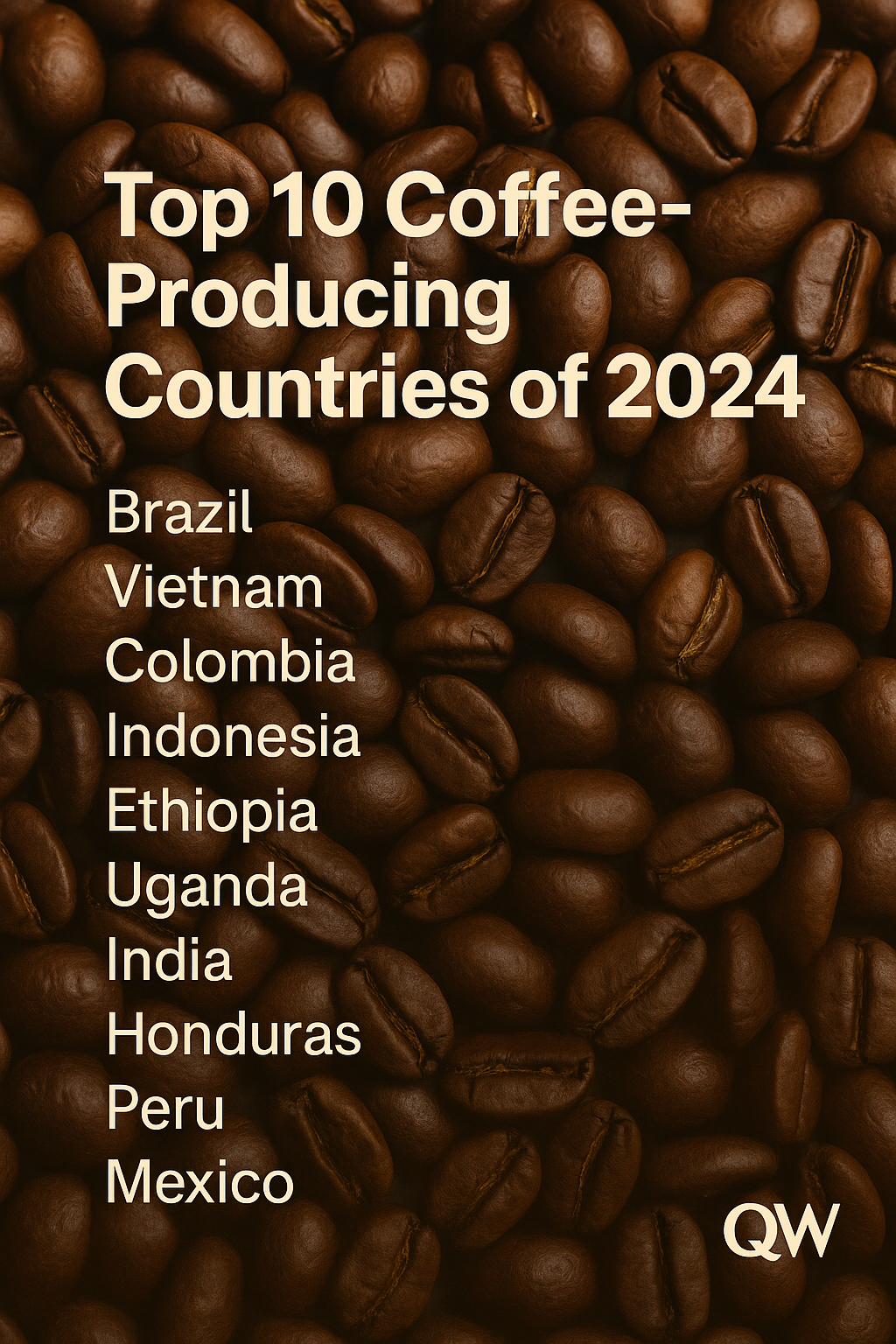
The Top 10 Coffee-Producing Countries of 2024

Verified data reveals Brazil’s continued dominance, while Vietnam and Colombia hold strong amid global pressures

Dubai, July 2025 (Qahwa World) – Verified figures for the 2023/24 coffee year confirm that global coffee production reached approximately 11.1 million metric tons, with ten countries accounting for nearly 89 percent of total output. Brazil remains firmly in the lead, while Vietnam, Colombia, and Ethiopia continue to shape the global supply chain.

This updated overview presents the actual production results for 2024, following the close of the international coffee year in September and the release of final reports. It offers a factual reflection on which countries led the world’s coffee output and how they adapted to rising climate, trade, and sustainability challenges.

Brazil – 3.98 million metric tons

Brazil produced an estimated 3.98 million metric tons of coffee in 2024, maintaining its position as the world’s largest supplier. The majority of the output came from Arabica plantations in Minas Gerais, São Paulo, and Paraná, while Robusta production remained concentrated in Espírito Santo.

Despite its lead, Brazil’s coffee sector continues to face mounting challenges, including prolonged droughts, labor shortages, and increased pressure from global sustainability expectations. Farmers are responding with investment in irrigation systems, reforestation initiatives, and the introduction of climate-resilient varieties.

Vietnam – 1.81 million metric tons

Vietnam remained the world’s second-largest coffee producer, delivering approximately 1.81 million metric tons. Robusta dominates the country’s production, especially in the Central Highlands provinces of Dak Lak and Lam Dong.

With much of its output serving the instant coffee and commodity markets, Vietnam is now expanding investment in sustainable farming methods, improved irrigation, and replanting programs to combat drought and declining soil productivity.

Colombia – 774,000 metric tons

Colombia’s total production reached 774,000 metric tons in 2024, reaffirming its status as the leading producer of washed Arabica. High-altitude regions such as Huila, Antioquia, and Nariño continued to supply international roasters with beans known for their distinctive balance and acidity.

The country’s coffee industry faces climate volatility and labor scarcity, prompting renewed efforts by the National Federation of Coffee Growers to promote farm renovation, improve traceability, and enhance farmer support programs.

Indonesia – 654,000 metric tons

Indonesia produced an estimated 654,000 metric tons, consisting of both Robusta and Arabica. Key coffee-growing islands include Sumatra, Sulawesi, and Java, each offering distinct flavor profiles shaped by local processing techniques.

Although the sector remains dominated by smallholders, investment in post-harvest infrastructure and marketing of origin-based coffees is helping Indonesia expand its footprint in specialty markets.

Ethiopia – 502,000 metric tons

Ethiopia, the historic origin of Arabica coffee, contributed around 502,000 metric tons in 2024. The country’s unique heirloom varieties, cultivated in regions such as Sidama and Yirgacheffe, continue to command premium prices in global markets.

Despite infrastructure limitations and climatic shifts, Ethiopia’s reliance on traditional, organic farming methods and its focus on traceability and quality have helped maintain its reputation as a top-tier coffee origin.

Uganda – 384,000 metric tons

Uganda recorded an output of 384,000 metric tons, primarily Robusta, with smaller volumes of Arabica produced in higher-altitude areas such as Mount Elgon and the Rwenzori Mountains.

The government’s long-term plan to double coffee exports is supported by replanting programs, farmer education initiatives, and improvements in post-harvest processing.

India – 372,000 metric tons

India produced approximately 372,000 metric tons, with both Arabica and Robusta cultivated in the southern states of Karnataka, Kerala, and Tamil Nadu. Much of the country’s coffee is shade-grown and intercropped with spices.

India is gaining traction among specialty buyers, especially with unique offerings such as Monsooned Malabar. Domestic consumption is also on the rise, supporting internal market stability.

Honduras – 318,000 metric tons

Honduras remained Central America’s top coffee exporter with 318,000 metric tons in 2024. Arabica accounts for the entirety of the country’s commercial production, with key growing regions including Copán and Santa Bárbara.

The country has made significant strides in improving quality control, with many farmers participating in micro-lot programs and international competitions. Coffee remains one of Honduras’s most important economic pillars.

Peru – 261,000 metric tons

Peru produced an estimated 261,000 metric tons, primarily organic Arabica grown in the Andean regions of Cajamarca, Junín, and Cusco. The country’s cooperative model continues to provide smallholders access to fair trade and organic markets.

While Peru faces infrastructure and transport challenges, its reputation for sustainable production and diverse cup profiles keeps demand high among specialty roasters.

Mexico – 232,000 metric tons

Mexico closed out the top ten with 232,000 metric tons of Arabica coffee, grown mainly in Chiapas, Oaxaca, and Veracruz. Following a period of decline due to leaf rust, the sector is now recovering through replanting efforts and rising domestic demand.

Producers are increasingly targeting specialty buyers by improving processing methods and offering traceable, single-origin lots.

Global Coffee Production in 2024 – Country Breakdown

1. Brazil
• Estimated output: 3,980,000 metric tons
• Share of global production: ~38%

2. Vietnam
• Estimated output: 1,810,000 metric tons
• Share of global production: ~17%

3. Colombia
• Estimated output: 774,000 metric tons
• Share of global production: ~7%

4. Indonesia
• Estimated output: 654,000 metric tons
• Share of global production: ~6%

5. Ethiopia
• Estimated output: 502,000 metric tons
• Share of global production: ~5%

6. Uganda
• Estimated output: 384,000 metric tons
• Share of global production: ~3.5%

7. India
• Estimated output: 372,000 metric tons
• Share of global production: ~3.3%

8. Honduras
• Estimated output: 318,000 metric tons
• Share of global production: ~2.8%

9. Peru
• Estimated output: 261,000 metric tons
• Share of global production: ~2.4%

10. Mexico
• Estimated output: 232,000 metric tons
• Share of global production: ~2.1%

Outlook

While Brazil and Vietnam continue to account for more than half of global coffee production, the rise of origin-focused, sustainability-driven producers like Ethiopia, Honduras, and Peru signals an evolving industry. Climate adaptation, investment in infrastructure, and transparency across supply chains will remain critical as the sector responds to increasing demand and growing environmental stress.

As the coffee year 2024/25 gets underway, the performance of these ten countries will once again shape the direction of global prices, availability, and innovation across the value chain.
Frost Fears in Brazil Ignite Global Coffee Price Surge

São Paulo, July 23, 2025 (qw) – Global coffee markets rebounded sharply on Tuesday, as forecasts of a cold front threatening Brazil’s key coffee-growing regions triggered concerns over crop damage and renewed volatility in prices.

September contracts for arabica coffee closed up by 1.51%, while robusta futures surged 3.20%, reversing earlier losses as traders responded to a new weather alert. Brazilian meteorological agency Climatempo warned that a significant cold front is expected to sweep across the country’s coffee belt later this week, potentially bringing frost conditions capable of harming maturing crops.

This potential disruption in Brazil—the world’s largest producer of arabica coffee—was enough to drive speculative buying and short covering in both markets.

Harvest Pressure Gives Way to Weather Risk

Earlier in the day, both arabica and robusta futures had hit new lows. September robusta dropped to a contract low, while near-term robusta futures fell to their lowest levels in over a year. Market sentiment had been weighed down by a rapid harvest in Brazil.

According to data from Safras & Mercado, Brazil’s 2025/26 coffee harvest was 77% complete as of July 16, ahead of both last year’s pace (74%) and the five-year average (69%). The breakdown reveals that 93% of the robusta crop and 67% of the arabica crop had been harvested.

In addition, Brazil’s largest coffee cooperative, Cooxupé, reported that its members’ harvest was 59% complete by July 18. Such fast-paced harvesting had exerted downward pressure on prices earlier in the week.

Inventory Trends Paint Mixed Picture

While robusta prices have been under pressure from increasing inventory levels, with ICE-monitored stocks climbing to an 11.5-month high, arabica inventories told a different story—falling to a three-month low of just over 807,000 bags. This divergence has contributed to differing market dynamics for the two main coffee types.

Analysts also point to an unusually large short position by hedge funds in robusta futures. According to ICE Futures Europe, funds increased their net-short positions to the highest level in two years by mid-July. This positioning raises the possibility of a short-covering rally if weather conditions continue to deteriorate.

Drought, Tariffs, and Trade Data Add Complexity

The threat of frost isn’t the only weather concern. Brazil’s Minas Gerais region, responsible for over 30% of the country’s arabica output, received no rainfall in the week ending July 19, according to Somar Meteorologia. Prolonged dryness could further stress crops during critical development stages.

Meanwhile, geopolitical factors are adding to market uncertainty. A recent announcement by former President Donald Trump revealed plans to impose a 50% tariff on U.S. imports from Brazil, effective August 1. This raised fears of possible disruptions to arabica coffee flows into the U.S. market.

On the export front, Brazil’s total green coffee shipments in June fell 31% year-on-year to 2.3 million bags, according to Cecafé. Arabica exports dropped 27%, while robusta exports plummeted 42%.

Vietnam’s Role in the Global Balance

In Vietnam, the world’s largest producer of robusta coffee, supply signals remain mixed. After a severe drought, the country’s 2023/24 crop was down 20% year-on-year, marking a four-year low. The Vietnam Coffee and Cocoa Association has since revised its 2024/25 output forecast downward to 26.5 million bags, from a previous estimate of 28 million.

Despite these challenges, Vietnam’s January–June 2025 exports were up 4.1% year-on-year, indicating a potential recovery in trade flow.

USDA Forecast: Record Production, Yet Arabica Deficit Looms

On June 25, the U.S. Department of Agriculture (USDA) released its biannual report projecting global coffee production to reach a record 178.68 million bags in 2025/26—a 2.5% increase over the previous year. While robusta output is expected to rise by 7.9%, arabica production is forecasted to decline by 1.7%.

Despite this headline growth, the ending stock estimate for the marketing year is relatively tight at 22.82 million bags, up from 21.75 million in 2024/25. Moreover, coffee trader Volcafe projects an arabica supply deficit of 8.5 million bags for 2025/26—widening the gap from the previous year and marking the fifth consecutive annual shortfall for arabica beans.

Outlook

As frost threats loom and supply tensions intensify, traders and industry watchers remain on high alert. While global production is forecast to hit record highs, regional risks—from Brazilian weather to geopolitical barriers—are complicating an already delicate balance.

The coming weeks will be critical for determining the real impact of Brazil’s weather patterns and trade policies on global coffee flows.

Luckin Coffee to Reveal Q2 2025 Results as Expansion Momentum Builds

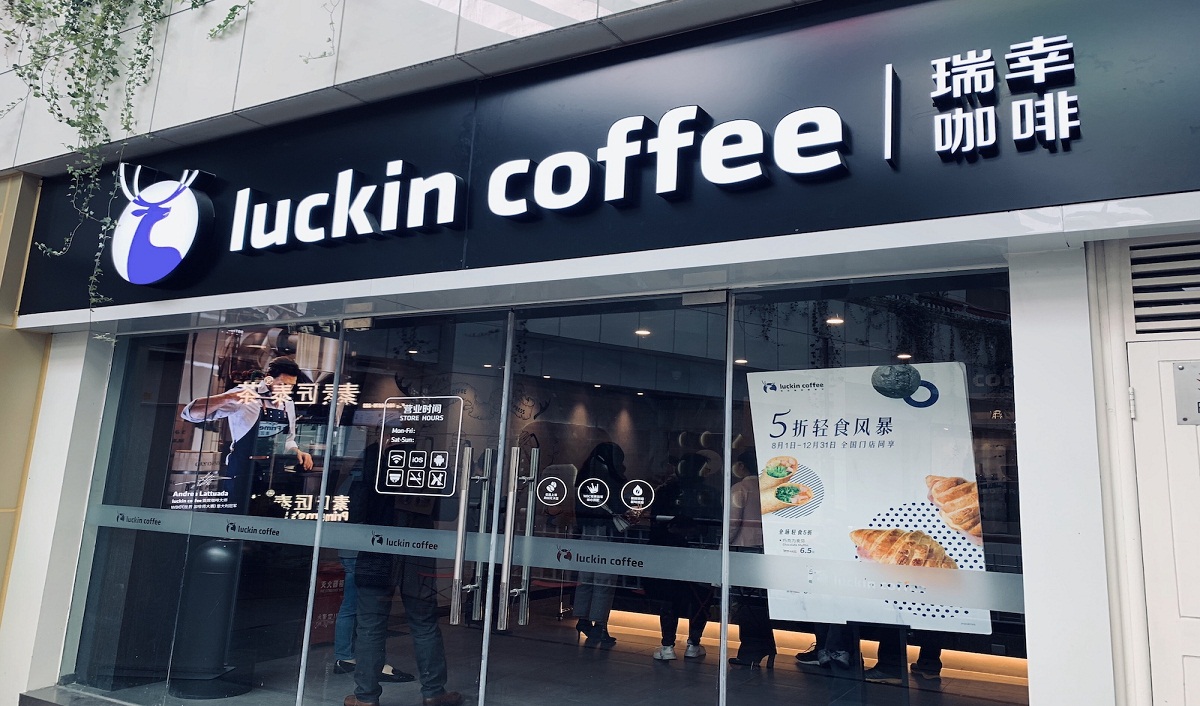
Beijing, July 23, 2025 (qw) – China’s homegrown coffee giant, Luckin Coffee Inc. (OTC: LKNCY), has announced it will release its second-quarter 2025 financial results on Wednesday, July 30, before U.S. markets open.

A conference call is scheduled on the same day at 8:00 a.m. Eastern Time (8:00 p.m. Beijing Time), during which the company’s leadership will review the performance highlights and share updates on strategy, growth, and outlook. Full details and webcast access will be available on Luckin Coffee’s investor relations website.

This quarterly disclosure is highly anticipated by market observers, as Luckin continues its aggressive store expansion and deepens its footprint across both major cities and second-tier markets in China. The results are expected to reveal how the company is navigating evolving consumer trends, intensifying competition, and growing operational complexity.

From Crisis to Comeback: Luckin’s Remarkable Rebound

Founded in 2017, Luckin Coffee has rebuilt its reputation through a bold mix of technology-driven retail, efficient delivery infrastructure, and affordable pricing, positioning itself as a formidable rival to global coffee chains. After navigating early controversies, the company has focused on transparency, digital innovation, and customer-centric strategies that resonate with China’s increasingly coffee-savvy population.

With a menu that blends international-style espresso beverages and local flavor preferences, Luckin has built a model that merges convenience with cultural relevance. Its mobile-first ordering and pick-up strategy remains a cornerstone of its growth.

What to Watch in Q2 2025

Industry analysts and investors will closely watch the company’s:

  • Store growth trajectory

  • Revenue and margin performance

  • Consumer retention metrics

  • New product rollouts or regional strategies

The results may also provide insight into how Luckin is positioning itself against emerging local competitors and international brands vying for market share in China’s booming coffee landscape.

Conclusion

As one of the most influential players in Asia’s coffee economy, Luckin Coffee’s Q2 2025 report is more than a financial disclosure — it’s a barometer of where the Chinese coffee market is heading. Qahwa World will continue to monitor and analyze the implications following the official release.

For further information, readers can visit: investor.lkcoffee.com

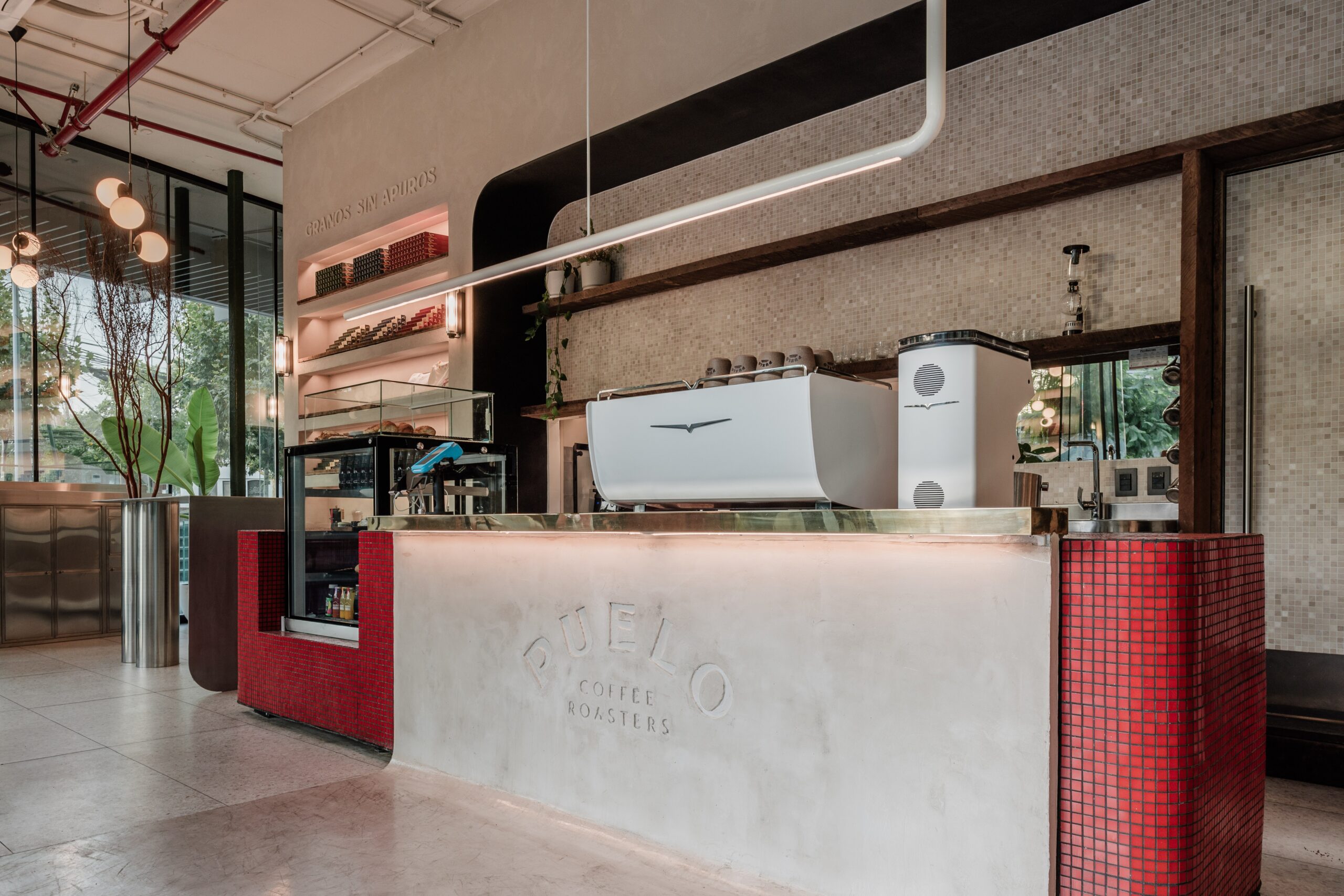
Slow Coffee, Smart Technology: The Journey of Puelo Coffee Roasters with Victoria Arduino

Dubai, 23-07-2025 (QW): – At the heart of Puelo Coffee Roasters is a story of origin, identity, and purpose. Named after the tranquil Río Puelo and inspired by the unspoiled landscapes of southern Chile, the brand was created not just to serve excellent coffee, but to offer a moment of pause—an invitation to slow down.

For Puelo, coffee is far more than a beverage. It is a ritual, a rhythm, a daily opportunity to reconnect with what truly matters. This philosophy—”Slow Coffee”—guides every aspect of their work, from sourcing traceable green beans to roasting with patience, never rushing quality, never compromising flavor.

What Is "Slow Coffee"?

What is “Slow Coffee”?

In a world that moves fast, Puelo Coffee Roasters chooses to go slow—deliberately. Slow Coffee is about honoring every step of the coffee journey, from farm to cup. It means mindful sourcing, gentle roasting, clean brewing, and intentional service.

It’s also about creating space for reflection. As co-founder Tomás Guilisasti explains:

“When you drink a specialty coffee, you’re not just having a drink—you’re giving yourself time. Just like the kingfisher—our symbol—waits patiently to fish, we take the time to roast, brew, and serve with purpose.”

Why Victoria Arduino?

Why Victoria Arduino?

To bring this vision to life, Puelo needed technology that could support their values of performance, precision, and sustainability. That’s why they chose Victoria Arduino.

“The Black Eagle Maverick delivers efficiency without haste, precision without pressure,” says Tomás. “Its minimalist design and low environmental impact make it the perfect partner for our Slow Coffee philosophy.”

The machine’s energy-saving technologies and thermal consistency ensure excellent performance and reliability, allowing baristas to focus more on the customer and less on the mechanics.

Equally essential is the Mythos grinder.

“With temperature control and dosing accuracy, Mythos preserves the full potential of every bean. Its consistency under heavy use has made it indispensable, whether during the morning rush or at high-profile events,” Tomás notes.

“In specialty coffee, even the best beans and roast need the right tools to shine. Black Eagle Maverick and Mythos help us preserve and honor the coffee’s story—all the way to the cup.”

More Than a Brand: A Way of Living Coffee

More Than a Brand: A Way of Living Coffee

Puelo Coffee Roasters operates across two flagship locations in Santiago’s Vitacura neighborhood: their original café—a full-service, restaurant-style coffee bar—and a dedicated roastery that offers public tastings and educational experiences. Each space embodies the same values: transparency, quality, and a deep connection to nature.

Architect Cristobal Fell, who designed the cafés, explains:

“The project blends the natural essence of southern Chile—especially the Puelo River region—with modern specialty coffee design. Industrial elements with clean lines and neutral tones are balanced by warm, native materials like pellín oak and myrtle wood.”

The roastery itself is experience-driven. A glass-walled production area places the roaster at the center of the narrative, while a coffee tasting lab adds a sensory dimension.

“The space is designed to offer more than coffee—it delivers a full, immersive journey,” says Fell.

Precision, Design, and Intention

More than just a café or a roastery, Puelo Coffee Roasters is a living embodiment of the Slow Coffee movement. With a growing community in Santiago and the launch of South America’s first electric roastery, the brand is helping to shape a new culture around specialty coffee.

And with Victoria Arduino as their technological partner, they’re achieving it with precision, beauty, and purpose.

“You can have the best coffee in the world,” says Tomás, “but without the right tools, you risk losing its essence. Black Eagle Maverick and Mythos are more than equipment—they’re part of our team.”

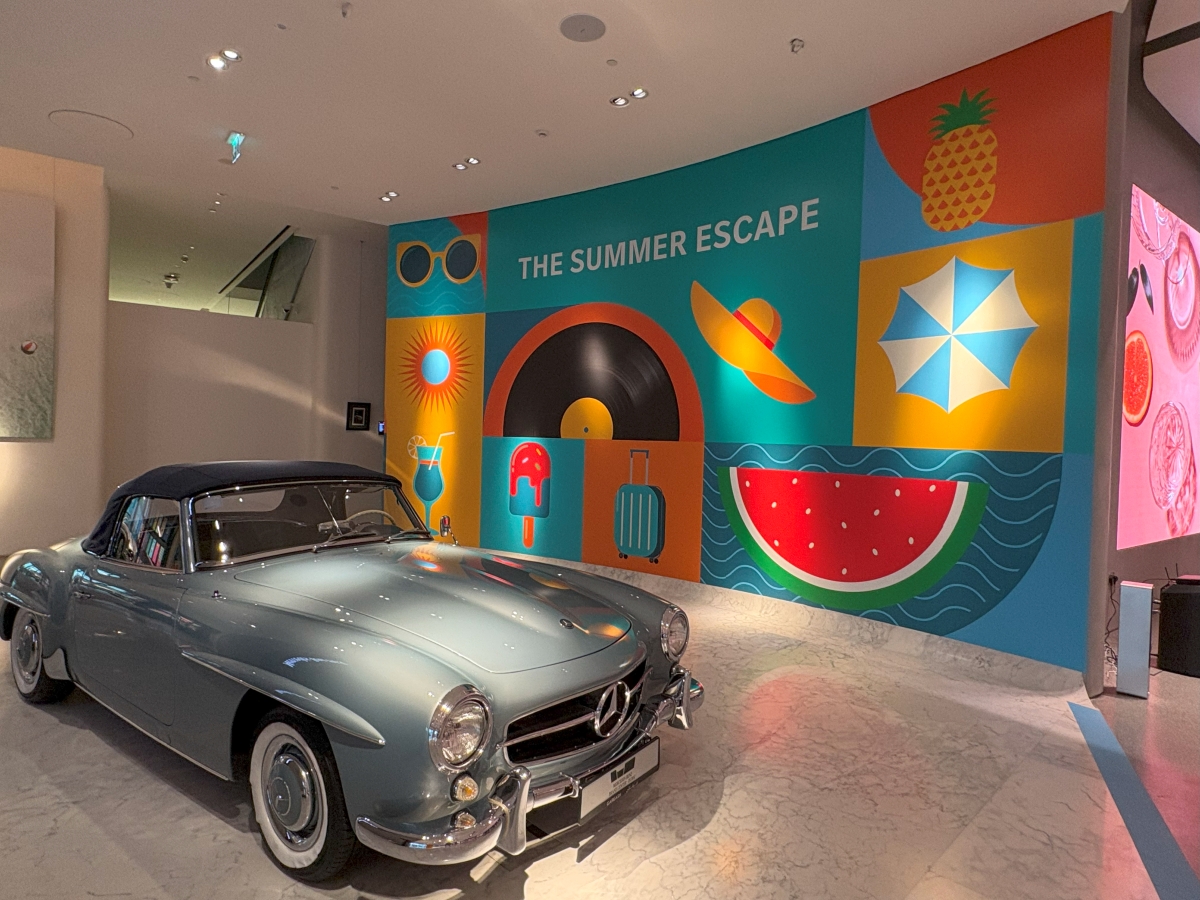
The Mercedes-Benz Brand Center presents “The Summer Escape” – A Vibrant Seasonal Experience in the heart of Dubai Design District

This summer, the Mercedes-Benz Brand Center at Dubai Design District (d3) invites visitors to immerse themselves in “The Summer Escape”, a curated series of immersive events, workshops, and cultural experiences running throughout July, August, and September. More than just an automotive destination, the Brand Center transforms into a vibrant lifestyle hub where design, wellness, entertainment, technology, and gastronomy come together in one sophisticated space.

The Summer Escape offers something for every age and interest. Guests can indulge in seasonal menus and refreshing beverages while exploring the stunning art installations set across the venue and AMG Kaffeehaus and enjoying summer shopping opportunities with Lumena Maison, Surf House, Loud Mood, Codee 11 Art, Narae, By Almeeth and more. Children and families are welcomed with an engaging series of educational and creative workshops — from juice mixology and chess training to coloring experiences and the “Color My Future Mercedes” activity. Meanwhile, wellness seekers can begin their day with sunrise Pilates or enjoy calming yoga and meditation sessions under the natural light of the center’s open architecture.

Cultural moments are woven throughout the program, including live discussions on music trends, screenings of major sporting events like the British and Belgian Formula 1 Grand Prix, and a decadent chocolate and coffee pairing workshop to celebrate World Chocolate Day. For gaming enthusiasts, high-energy PlayStation tournaments featuring FC25 and Gran Turismo will unfold on the Town Square’s massive screen, drawing in a vibrant community of competitive players and fans. Visitors are also invited to take part in a center-wide smartphone photography challenge — “The Brand Center is Yours” — where they can submit their best photos of the space for a chance to win exciting prizes, with winners announced in September.

Commenting on the summer program, Benoit Turibe, Director of Programs and Chief Curator at the Mercedes-Benz Brand Center, said: “This summer, weve reimagined the Brand Center as a refreshing and colorful escape destination in the heart of the city…a space of discovery to escape the heat and engage in curated experiences that reflect the spirit of Mercedes-Benz. From motorsport to mindfulness, and from culinary creativity to youth engagement, The Summer Escape is about offering more than just a visit — its about creating lasting moments.”

Since its opening, the Mercedes-Benz Brand Center has redefined what a modern luxury lifestyle brand experience looks like. With features like the iconic Car Wall, the immersive Maybach Lounge, and the Mercedes-Benz Off-Road Experience Center, the center has quickly become a symbol of automotive excellence, design innovation, and cultural engagement in the UAE. Built with sustainability in mind — from solar-powered energy systems to a full showcase of all-electric EQ models — the facility also reflects the brand’s future-forward vision.

Novikov Café Dubai Unveils Tropical Summer Delights: Mango Crazy and Amalfi Lemon Take Center Stage

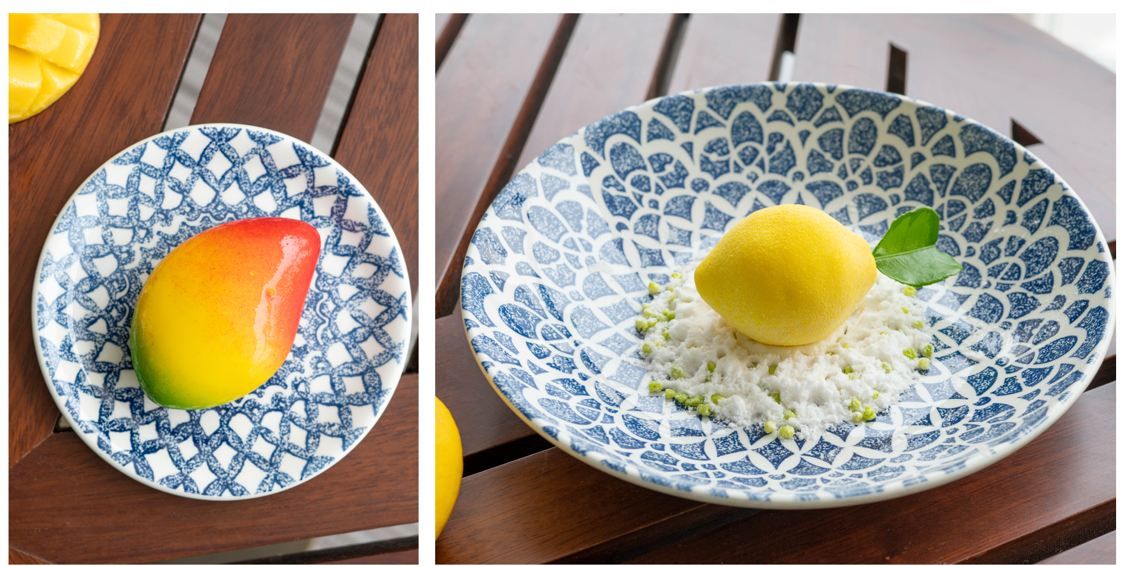
Dubai, 22-07-2025 (QW):- Novikov Café Dubai is turning up the heat this summer with the launch of two limited-edition desserts that blend tropical inspiration with culinary artistry. The newly introduced Mango Crazy and Amalfi Lemon promise a refreshing retreat from the summer sun—inviting guests to savour seasonal flavours in spectacular style.

Designed to delight both the eyes and palate, these innovative creations are a celebration of summer fruits, crafted with precision and a touch of playfulness.

Mango Crazy pays homage to the mango—often hailed as the king of fruits. This tropical indulgence features a smooth mango mousse layered with tangy passionfruit compote and a light biscuit base, all enveloped in a glossy mango-shaped glaze. The result is a dessert that’s as elegant as it is exuberant.

For those craving citrusy freshness, Amalfi Lemon delivers a Mediterranean escape in every bite. Sculpted to mimic a real lemon, the dessert combines a creamy yuzu monte ganache with lemon and mint jam, complemented by white chocolate and served atop a bed of white chocolate crumble and fizzy candy. It’s a vibrant, zesty experience layered with texture and brightness.

Presented with artistic finesse and served daily at Novikov Café Dubai, located in the heart of Fashion Avenue, both desserts offer a perfect summer indulgence—whether as a midday treat or a stylish finish to a meal.

Available for a limited time only, these tropical creations are not to be missed as the summer season reaches its peak.

Is Coffee Helping or Hurting Your Heart? New Study Reveals Its Complicated Relationship with Blood Lipids

Dubai, 22-07-2025 (QW):- For many, coffee is more than just a morning ritual—it’s a daily lifeline. But a new comprehensive study spanning 15 years and over 12,000 participants raises important questions about whether this beloved beverage is quietly altering our cardiovascular health, for better or worse.

Researchers from the Chengdu University of Traditional Chinese Medicine have published one of the most detailed investigations to date into the relationship between coffee consumption and serum lipid profiles, using data from the U.S. National Health and Nutrition Examination Survey (NHANES) from 2005 to 2020. The findings, published in Frontiers in Nutrition, reveal a nuanced, gender-sensitive, and dose-dependent picture of how coffee interacts with key markers of cardiovascular health.

A Double-Edged Sword in a Cup

At the heart of the study lies a central paradox: coffee appears to both harm and help aspects of our lipid profile—a key determinant of heart disease risk.

On one hand, increased coffee consumption was associated with elevated levels of total cholesterol (TC) and low-density lipoprotein cholesterol (LDL-C), both well-established contributors to atherosclerosis and cardiovascular disease. Specifically, each additional cup of coffee per day was linked to a 1.23 mg/dL increase in TC and a 1.22 mg/dL rise in LDL-C. Among heavy drinkers (≥3 cups/day), the effect was more pronounced—up to 8.45 mg/dL higher in TC and 7.86 mg/dL higher in LDL-C compared to non-drinkers.

On the other hand, the beverage seemed to benefit levels of high-density lipoprotein cholesterol (HDL-C)—commonly known as “good” cholesterol—and triglycerides (TG), but only under certain conditions and primarily in specific gender groups. In women, HDL-C rose with coffee intake up to 2.6 cups/day before declining—a phenomenon the authors describe as an “inverted U-shaped curve.” In men, a similar non-linear relationship was found with triglycerides, which peaked at 3 cups/day before trending downward.

A Gendered Effect: Why Men and Women Respond Differently

This study is particularly valuable for highlighting gender differences in how coffee consumption affects lipid profiles—an area often underrepresented in nutritional research.

In men, the relationship between coffee and both total cholesterol and LDL-C followed a nonlinear curve: lipid levels increased steadily up to a threshold (5.3 cups/day for TC, 6.4 cups/day for LDL-C), after which the trend plateaued. The authors suggest that testosterone’s anti-inflammatory properties may play a protective role, counteracting the cholesterol-raising effects of coffee compounds like cafestol and kahweol.

In contrast, women did not exhibit such plateauing trends. However, they showed clear sensitivity in HDL-C levels, which improved with modest consumption (peaking at 2.6 cups/day) but declined at higher intake levels.

The Mechanism Behind the Brew

So why does coffee have these effects?

The researchers point to diterpenes—compounds found in unfiltered coffee like cafestol and kahweol—as the likely culprits for increasing LDL-C and total cholesterol. These compounds are known to interfere with liver enzymes that regulate cholesterol metabolism and bile acid production. On the beneficial side, moderate coffee consumption may stimulate HDL-C production, though this effect appears to be offset at higher doses, possibly due to inflammation.

Indeed, the study discusses inflammation as a key mechanism. Elevated coffee consumption has been associated with increases in inflammatory markers like C-reactive protein and IL-6, which in turn can suppress HDL-C levels. This suggests that moderate intake may offer anti-inflammatory benefits, while overconsumption may reverse them.

Filtered vs. Unfiltered, Additives, and Caffeine: What’s Missing

While the study provides rich insights, it also acknowledges key limitations. It does not differentiate between brewing methods (filtered vs. unfiltered), which significantly affect diterpene content. Nor does it control for additives like sugar, milk, or cream—common accompaniments that could also influence lipid levels. Additionally, the role of caffeine versus decaf remains unclear due to a limited sample of decaffeinated coffee drinkers.

A Call for Balanced Consumption

The study concludes with a cautionary yet balanced message: while coffee may offer some cardiovascular benefits, especially in moderation, excessive consumption poses measurable risks, particularly in raising LDL-C and total cholesterol.

Clinicians, nutritionists, and public health policymakers should consider these nuanced findings when issuing dietary advice. Importantly, recommendations should account for individual cardiovascular risk profiles, gender differences, and consumption patterns.

Why This Study Matters

This research is among the most comprehensive of its kind, using nationally representative U.S. data over 15 years and robust statistical methods including restricted cubic spline regression and sensitivity analyses. With cardiovascular disease still a leading cause of death globally, understanding the subtle ways in which dietary habits like coffee consumption shape our health is crucial.

For coffee lovers, the takeaway is not to quit the habit—but to drink wisely. For healthcare professionals, it offers fresh insights into how one of the world’s most consumed beverages could be a tool—or a trap—depending on how it’s used.

Summary: Coffee consumption influences blood lipid levels in complex, gender-specific ways. While moderate intake may boost “good” cholesterol and offer some protection, heavy consumption appears to raise “bad” cholesterol and total cholesterol. The balance of benefit versus risk may depend on how much—and how—you drink.

Explore the full study here.

Barista Terminology | Episode 9: Sensory Evaluation

We’re thrilled to continue our “Barista Terminology” series on QahwaWorld.com—your go-to resource for mastering the craft of coffee. In Episode 9, we delve into the art of Sensory Evaluation, the professional practice of tasting coffee with intention and precision. From aroma and acidity to mouthfeel and aftertaste, this episode introduces the essential language baristas use to evaluate quality and uncover the unique character of every cup. Whether you’re developing your palate or deepening your sensory skills, these terms are key to truly understanding coffee.

Tasting coffee is more than just a sip — it’s a professional process of assessing aroma, flavor, texture, and aftertaste. Sensory evaluation allows baristas to identify quality, detect defects, and appreciate the depth of a coffee’s profile. In this episode, we explore the essential sensory terms used to describe and evaluate coffee in the most refined way.

1. Aroma

The smell of brewed coffee. It includes notes like floral, fruity, nutty, spicy, caramel, and chocolate. Aroma gives the first impression of a coffee’s character.

2. Flavor

The overall combination of taste and aroma. A complete flavor profile considers acidity, sweetness, bitterness, and balance.

3. Acidity

Often misunderstood — acidity is a positive trait when it brings brightness and vibrancy to the cup. It can be described as crisp, lively, or juicy.

4. Sweetness

A natural taste that softens acidity and bitterness. Sweetness suggests proper ripening and careful processing.

5. Bitterness

A basic taste that can add depth when balanced but becomes unpleasant if overpowering. Often linked to dark roasts or over-extraction.

6. Balance

The harmony between acidity, sweetness, and bitterness. A balanced cup has no single dominant trait.

7. Complexity

Describes a coffee with multiple, distinct flavors that unfold over time — for example, a mix of berries, spices, and floral notes.

8. Body

The physical weight or texture of coffee in the mouth. It can be light, medium, or full-bodied.

9. Mouthfeel

The tactile experience of coffee on the palate — creamy, smooth, gritty, or watery.

10. Aftertaste

The flavor that remains after swallowing. Can be pleasant (sweet, clean) or undesirable (bitter, ashy).

11. Clarity

How distinctly the coffee’s flavors are perceived. High clarity reveals the true nature of the bean and origin.

12. Clean Aftertaste

A lingering finish that leaves no off-flavors. Indicates proper processing and brewing.

13. Intensity

Refers to the strength or vividness of the flavor. A high-intensity coffee is bold and expressive; low intensity may feel flat or muted.

14. Uniformity

Consistency across multiple cups or sips of the same brew. Important in cupping and quality control.

15. Defects

Unpleasant flavors like moldy, fermented, or rubbery notes. Usually caused by poor processing, storage, or roasting.


Related Stories:

Barista Terminology | Episode 8: Customer Service Language in the Café

Barista Terminology | Episode 7: Water & Temperature Control

Barista Terminology | Episode 6: Grind & Extraction Variables

Barista Terminology | Episode 5: Milk Texturing & Latte Art

Barista Terminology | Episode 4: Brew Methods Explained

Barista Terminology | Episode 1: The Coffee Bean – From Seed to Roast

Barista Terminology | Episode 2: Barista Tools & Equipment

Barista Terminology | Episode 3: Espresso Basics