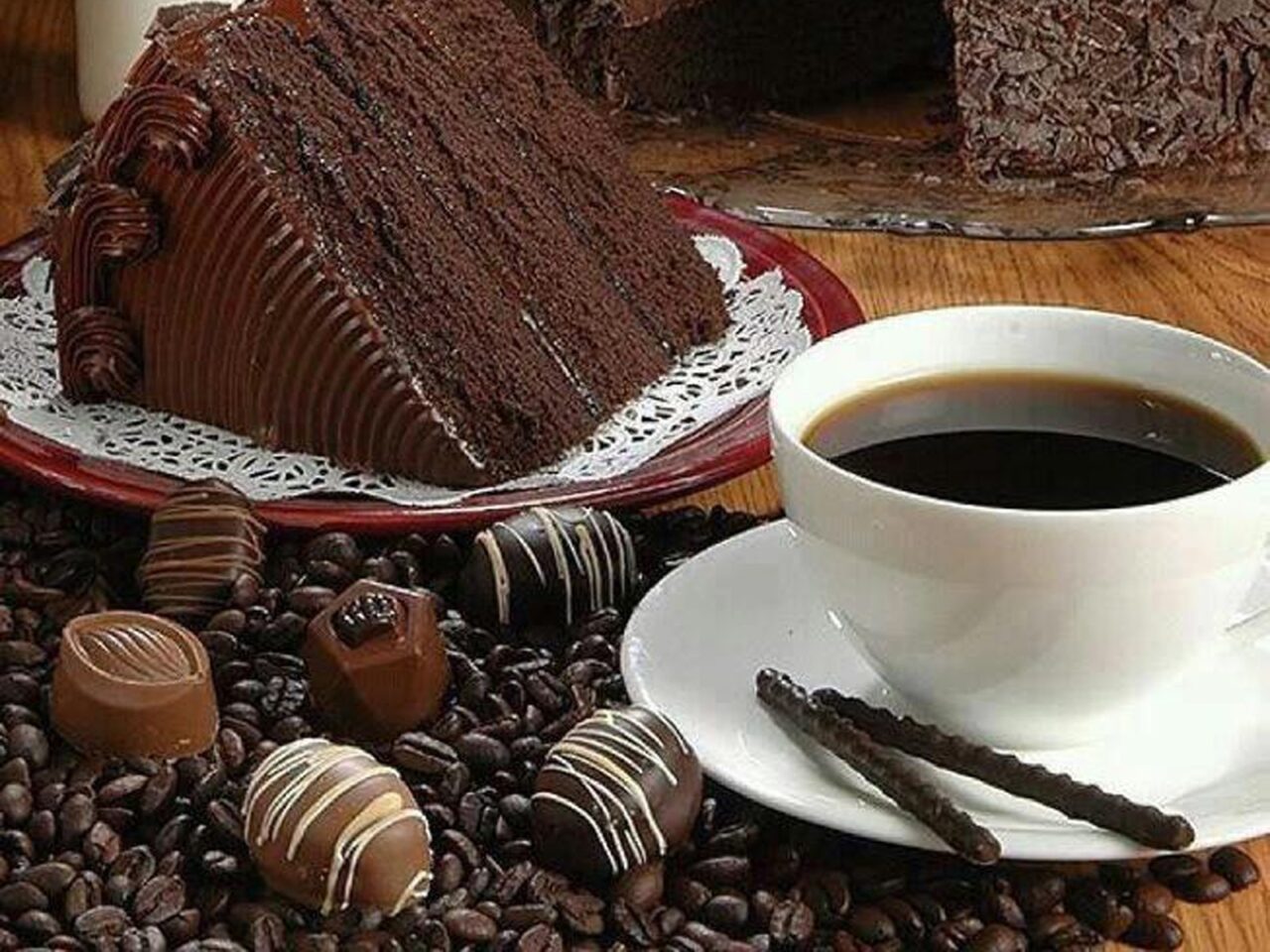
The love of black coffee and dark chocolate may be in your DNA

If you like your coffee black, it could be that your grandpa or your great-aunt did, too.

A preference for black coffee and also for dark chocolate seems to lie in a person’s genes, scientists report.

It’s not the taste that these individuals actually love, but it’s because their genes enable them to metabolize caffeine faster and they associate the bitter flavor with mental alertness.

“That is interesting because these gene variants are related to faster metabolism of caffeine and are not related to taste,” said study author Marilyn Cornelis, an associate professor of preventive medicine in nutrition at Northwestern University Feinberg School of Medicine in Chicago. “These individuals metabolize caffeine faster, so the stimulating effects wear off faster as well. So, they need to drink more.

“Our interpretation is these people equate caffeine’s natural bitterness with a psycho-stimulation effect,” Cornelis said in a university news release. “They learn to associate bitterness with caffeine and the boost they feel. We are seeing a learned effect. When they think of caffeine, they think of a bitter taste, so they enjoy dark coffee and, likewise, dark chocolate.”

Dark chocolate also contains a small amount of caffeine but predominantly theobromine, a caffeine-related compound, which is also a psychostimulant.

Past research on coffee’s benefits have relied on epidemiological studies that showed an association with the benefits rather than a causal link. This new research shows that these genetic variants can be used more precisely to study the relationship between coffee and health benefits, according to the study.

Previously, scientists were using the genetic markers for coffee drinkers in general, but the new findings suggest they are stronger markers for particular types of coffee drinkers, such as black coffee drinkers.

“Drinking black coffee versus coffee with cream and sugar is very different for your health,” Cornelis said. “The person who wants black coffee is different from a person who wants coffee with cream and sugar. Based on our findings, the person who drinks black coffee also prefers other bitter foods like dark chocolate. So, we are drilling down into a more precise way to measure the actual health benefits of this beverage and other food.”

Benefits attributed to dark chocolate and two to three cups of coffee per day include a lower risk of Parkinson’s disease, type 2 diabetes, heart disease and several types of cancer.

What is a flat white & how is it different from a latte?

Flat whites have become a staple on specialty coffee menus worldwide, offering a robust espresso experience complemented by steamed milk and a delicate layer of microfoam. But, as you savor this no-nonsense coffee option, do you truly understand its roots, how it’s crafted, and what distinguishes it from the ubiquitous latte? This exploration delves into the history of the flat white, its evolution, and the ongoing debate over its uniqueness compared to other popular espresso-based beverages.

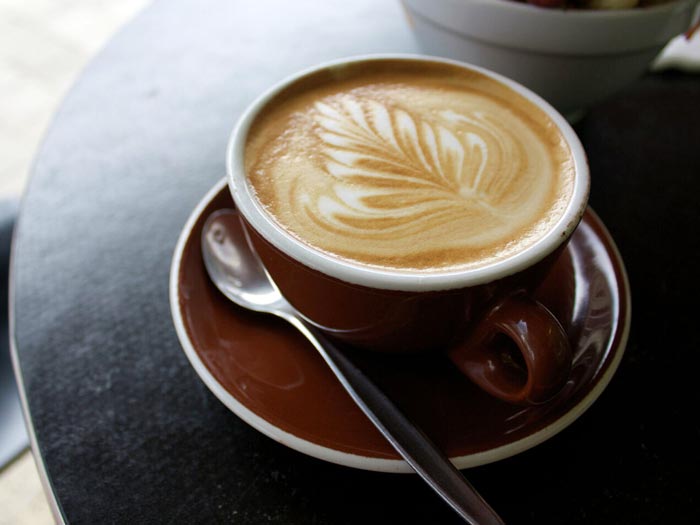
A flat white is an espresso-based beverage featuring steamed milk, providing a powerful coffee taste with a creamy mouthfeel. Crafted with a small amount of steamed milk and a thin layer of microfoam, the flat white is the go-to choice for those seeking a rich coffee experience without compromising the indulgence of steamed milk.

Origins and Evolution:

Debates persist regarding the flat white’s origin, with claims from both Australia and New Zealand. Emerging in the 1980s, it transitioned from a regional specialty to a global café standard. Ben Bicknell, Strategic Projects Manager at Five Senses Coffee in Melbourne, suggests that the flat white naturally evolved in response to consumers shifting from instant coffee to espresso-based beverages. The request for a “flat” coffee, as opposed to the foamy cappuccino of the time, led to the creation of the flat white.

Understanding Latte and Cappuccino:

To distinguish the flat white, one must navigate the intricate world of espresso-based drinks, including lattes and cappuccinos. The term “latte” gained popularity in the 1980s, describing a coffee with warm milk, typically featuring a shot of espresso and topped with steamed and foamed milk. A cappuccino, on the other hand, is smaller and stronger, comprising one shot of espresso and a thick layer of milk foam.

Decoding the Differences:

Navigating the fine line between a flat white and a latte can be challenging, as each café may interpret these drinks differently. Traditionally, a latte is served in a 200 ml glass, while a flat white finds its home in a 180 ml ceramic cup, with slightly less dilution. Over time, variations in foam levels between the two have diminished, adding to the confusion.

Individual Perspectives on the Flat White:

The definition of a flat white can vary based on location and individual barista preferences. Jonathan Prestidge, Managing Director at Repack Espresso in Bath, UK, emphasizes the milk-to-coffee ratio as the key differentiator between a latte and a flat white. Felipe Cisneros, owner of Traviesa Coffee in Quito, Ecuador, suggests that the popularity of these drinks can depend on the coffee shop’s wave and the barista’s personal touch.

Size Matters, but Preferences Differ:

While the size of the cup and the coffee-to-milk ratio may differ, a consensus emerges—flat whites are generally smaller than lattes and contain a higher concentration of espresso. This makes them an ideal choice for those who appreciate the nuanced flavors of specialty coffee while still enjoying a dairy-based drink. However, the subjective nature of taste ensures there is no objective “better” option.

Strength and Sensory Experience:

Is a flat white stronger than a latte? The answer lies in its concentrated nature, offering a bolder coffee taste with the use of two espresso shots. The flat white expertly combines the intensity of espresso with the velvety mouthfeel of steamed milk. For those opting for plant-based alternatives, these can work well with flat whites, though they may produce less foam than dairy.

Final Thoughts:

Understanding what sets a flat white apart is valuable when placing an order, but personal preferences play a significant role. As Ben Bicknell notes, the crucial question extends beyond the drink’s definition: “Do coffee drinkers appreciate 80+ specialty coffee in their lattes and flat whites? And are they willing to pay a sustainable price for it?” In the end, the flat white remains a testament to the evolving coffee culture, inviting enthusiasts to explore and savor the diverse world of espresso-based beverages.

What is the pistachio latte?.. lets get to know

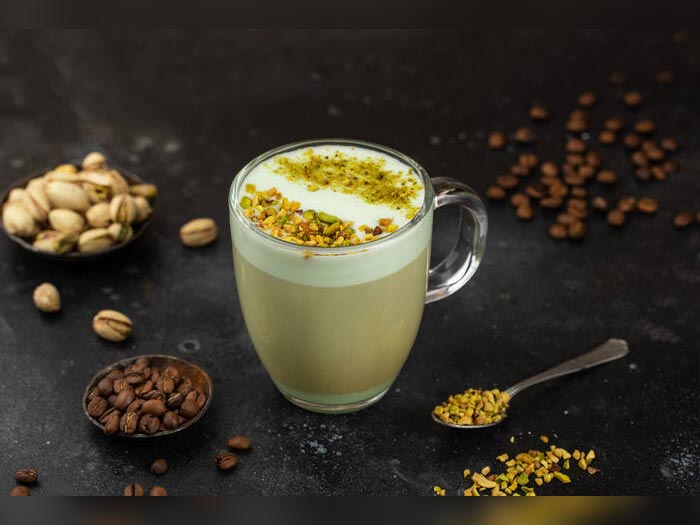
The pistachio latte, a rich and comforting milk-based drink infused with the warm, sweet essence of pistachios, has captivated coffee enthusiasts. With roots in Middle Eastern and Italian culinary traditions, pistachios have been a timeless ingredient.

Starbucks, inspired by the success of hazelnut-flavored beverages, introduced a syrup-based pistachio and rose mocha in the Middle East, Europe, and Africa, preceding the launch of the pistachio latte in North America by about five years.

Though not a groundbreaking concept, the pistachio latte has found a place on coffee shop menus, particularly in the Middle East, where it is enjoyed both iced and warm. This reflects the historical significance of pistachios in Middle Eastern cuisine, reaching back to 7,000 BC.

In London, Jolt Coffee serves a pistachio latte year-round, drawing inspiration from its Middle Eastern heritage and sourcing premium pistachio paste from Sicily. Dessert Oasis Coffee Roasters in Detroit introduced the pistachio latte, inspired by a manager’s morning pistachio ice cream indulgence.

Both coffee establishments craft their pistachio latte with a house-made pistachio and condensed milk sauce, available hot or iced. The flavor profile is a delightful blend of sweet, nutty, and slightly menthol-caramel notes reminiscent of high-quality pistachios.

Complementing the pistachio latte, recommended coffee pairings include the Costa Rica/El Salvador blend or infused El Salvador coffee from Nude Coffee Roasters, and a natural process single variety Yellow Bourbon from Fazenda Sertão in Brazil for Dessert Oasis.

The pistachio latte has become a beloved and Instagram-worthy beverage, with Jolt Coffee considering it a staple on their menu. Dessert Oasis plans to keep it as a permanent offering, recognizing its enduring popularity.

As the pistachio latte trend extends beyond the Middle East, the UK, and the US, it is making its mark in coffee cultures across Europe. With global acclaim, consumers can anticipate encountering this flavorful creation in more coffee shops worldwide.

Looking forward, there’s anticipation for the rise of pistachio milk as a potential alternative in the coffee sector, hinting at the possibility of a vegan pistachio milk latte—a fresh twist to the cherished pistachio latte appealing to an even broader audience.

How to get the health benefits of coffee?

Drinking a moderate amount of Black Coffee, three to five cups a day, reduces the risk of many diseases, including Parkinson’s disease, heart disease, Type 2 diabetes, and many types of cancer, a health expert said.

Marilyn corellis, assistant professor of Preventive Medicine at Northwestern University’s Feinberg School of Medicine, stressed that these benefits are likely to be more pronounced if coffee is free of milk, sugar and other flavors that are commonly added.

The benefits of coffee vary by type. Coffee with milk and sugar contains more calories, which means it causes more harm to the body than black coffee without additives.

SOURCE: UfacityNews.ru

How much coffee You Should Drink in 2022?

study after study seems to suggest the coffe has significant long-term health benefits. Among a few of the highlights:

A 2018 study of 500,000 British adults over a full decade showed that coffee drinkers were 10 percent to 15 percent less likely to die from any cause than non-drinkers, possibly according to the study authors, because, “coffee contains more than 1,000 chemical compounds including antioxidants, which help protect cells from damage.”

In 2017, researchers funded by the American Heart Association and the University of Colorado School of Medicine found that every additional cup of coffee people drink each day drops their risk of heart failure or stroke by 8 percent.

A smaller study from Stanford University suggested that people who drink caffeinated coffee (but not decaf, sorry) live longer, perhaps because the caffeine counteracts naturally occurring inflammation, which is in turn associated with “90 percent of all noncommunicable diseases of aging,” according to the study’s author.

Another big study, from the Harvard School of Public Health, which 200,000 doctors and nurses over 30 years, found a correlation between increased coffee consumption and lower risk of death from heart disease, stroke, diabetes, neurological diseases—even suicide.

Finally, drinking “even more coffee” provides an incremental benefit over drinking “more coffee,” up to a surprisingly high count, according to a 10-year study of almost 20,000 people over 10 years. (“Our findings suggest that drinking four cups of coffee each day can be part of a healthy diet in healthy people,” said one of the study’s authors.)

Truly we could go on and on, but let’s be sure to add one of the newest studies, which also suggests a short-term benefit many coffee drinkers might be familiar with: better moods.

A study of 5,000 European adults suggested that drinking a cup of coffee (containing about 75 milligrams of caffeine) every four hours can result in feeling better moods during the day.

In our enthusiasm, we should add a caveat: Stop at five cups. Once you get past that, according to a study of nearly 350,000 coffee-drinkers from the University of South Australia, you might start to increase the risk of heart disease.

“Based on our data, six [cups] was the tipping point where caffeine started to negatively affect cardiovascular risk.

Ministry of Culture launches “Year of Saudi Coffee” logo and website

The Ministry of Culture unveiled the visual identity and website for its latest initiative, the ‘Year of Saudi Coffee’.

The logo was inspired by the “Finjal” or the small coffee cup used for drinking coffee in the Middle East, which is also considered a symbol for Saudi generosity and hospitality.

A range of initiatives and events will take place over the course of 2022, organized by the Ministry of Culture and the Culinary Arts Commission, in partnership with other government entities, the private sector, hotels, restaurants, coffee shops, and other stakeholders. Designed to raise awareness about its unique qualities, they will encourage the export of Saudi coffee to new international markets.

Saudi coffee is an essential part of Saudi culture, and by celebrating Saudi coffee year-round, the Ministry aims to share this aspect of Saudi culture with the whole world and invite them to learn about the unique way coffee is prepared in the Kingdom.

The branding and visuals for the campaign reflect the Kingdom’s renowned hospitality and signify an important component of Saudi identity. Those who are interested in learning more about the events and activities taking place throughout the course of the year are encouraged to visit the new website at https://engage.moc.gov.sa/year-of-saudi-coffee, which will be updated on a regular basis.

Saudi Arabia is known in the region for the production of a diverse range of coffee beans and the different ways coffee beans are roasted and brewed across its 13 regions.

One of its finest is the Saudi Khawlani coffee bean, which comes from the mountainous region of Jazan in the southwestern corner of the Kingdom. Other Saudi coffee beans come from Al Baha and Aseer regions, which are also known for their production of coffee.

The initiative was announced earlier this month by Prince Badr bin Abdullah bin Farhan Al Saud, the Minister of Culture. It comes as part of the Quality of Life program, one of Vision 2030’s realization programs.

coffee with lemon or vinegar saves from high pressure

The problem of high pressure is known to many. In Japan, they told about an unusual way to reduce it. This will require acetic acid and one very popular drink that is found in every home. The Japanese doctor assures: the result will not keep you waiting!

The doctor explains which ingredients should prevent the development of atherosclerosis and how many cups a day you need to drink

coffee is one of the drinks that can lower blood pressure. The book “50 tips for Lowering blood pressure without medication” explains why coffee is recommended for people with hypertension.

Director of the clinic “Sibaura” Hiroshige Hiroshige Itakura told us about the ways of drinking coffee, which will have a positive effect on the body. If you are concerned about your health, be sure to try them.

Recent studies have shown that coffee is a health drink. Add vinegar or lemon to it

Three to four cups of coffee a day to hold the action of polyphenols

There are many drinks that help lower blood pressure, coffee is one of them, and all thanks to the strong antioxidant effect of chlorogenic acid, a type of polyphenol.

Chlorogenic acid, which gives the bitterness and color of coffee, has a number of useful properties, including antibacterial action in the intestine, prevention of liver function decline, as well as myopia and presbyopia.

It also helps to burn more fat, which leads to an increase in energy consumption. In addition, this acid suppresses inflammation in the body, reduces the formation of plaques on the walls of blood vessels and protects endothelial cells in them, helping to maintain their elasticity.

It stabilizes blood pressure and also prevents the development of atherosclerosis, Dr. Itakura emphasizes. In the course of research conducted by the beverage manufacturer Nestlé among Tokyo housewives, it was found that coffee is the source of 47% of consumed polyphenols.

Although polyphenols can be obtained from other beverages and foods, coffee contains twice as much of them as green or black tea, and three times more than tomato juice, so it is recommended to drink three to four cups a day.

The action of polyphenols lasts only for a few hours after consumption, so it is recommended to drink coffee at certain intervals, for example, during a meal or snack.

Some consider caffeine to be the cause of poor health, but if taken in the right amounts and at the right time, it can have a number of positive effects, for example, eliminate drowsiness and provide a boost of energy. For those who are still in doubt, as well as for pregnant women, decaf coffee will be a good alternative.

It contains the same amount of polyphenols as regular coffee, so the effect will be similar, Itakura notes.

Add a teaspoon of vinegar to the coffee

If you want to enhance the effect of chlorogenic acid in coffee, we recommend drinking it with vinegar. The effect becomes stronger than from vinegar and coffee separately. Acetic acid also helps to lower blood pressure by gently stimulating its hormonal regulation in the body. Some may doubt the combination of coffee and vinegar, but a teaspoon of vinegar does not significantly affect the taste of an invigorating drink.

On the contrary, a slight sourness is combined with the bitterness of coffee, giving it a soft and deep taste, Dr. Itakura notes. Meanwhile, it is better to drink it warm, because in cold form it becomes more acidic. It is possible to brew coffee in a drip way, but even in a soluble product, chlorogenic acid does not lose its useful properties. If you are not used to drinking coffee, then start with instant, and then gradually switch to drip.

If you don’t like vinegar, then you can add thinly sliced lemon or lemon juice — you will get lemon coffee.

This fruit contains polyphenols – eriocitrin, which prevents the absorption of fats and prevents obesity, and narirutin, which helps prevent runny nose and sneezing. Together they are very good for health.

In addition, hesperidin strengthens capillaries and improves blood flow, so it is assumed that it prevents atherosclerosis.

Chlorogenic acid in coffee:

– Gives a strong antioxidant effect

– Suppresses inflammation in the body

– Protects endothelial cells of blood vessels and maintains their elasticity

– Reduces blood pressure

– And acetic acid and hesperidin from lemon further enhance the latter effect!

Features of coffee with vinegar

You can use instant or drip coffee. Add one teaspoon (five milliliters) of vinegar to one cup. Up to four cups a day, but it’s best to drink three cups a day. Choose vinegar to taste. You can also add a little brown sugar or honey to the drink.

Features of lemon coffee

Coffee can be instant or drip. Lemon can be cut (one or two slices), squeezed or bought in the store lemon juice. The recommended amount of juice is one teaspoon (five milliliters) per cup. It is worth noting that lemon is very useful together with the peel.

Profile 

Hiroshige Itakura is a doctor of medicine. Certified clinical nutritionist. Graduated from the Medical Faculty of the University of Tokyo. He took up his current post after working as a lecturer at the Department of Pediatrics at the University of Tokyo and Director of Clinical Nutrition Research at the National Institute of Health and Nutrition.

He has published several papers, among them – “Nutrition in terms of blood sugar, blood pressure and high cholesterol.”

Coffee reduces the risk of chronic liver disease

British scientists have found that coffee reduces the risk of chronic liver disease

Also during the study, experts found that those who consumed this drink had a 20% lower risk of steatosis. Drinking coffee has a positive effect on the functioning of the human liver. The Mirror writes about this, referring to scientists from the Universities of Southampton and Edinburgh.

Experts took the data of 495,585 people from the UK Biobank. 80% of them drank ground or instant coffee, and 20% did not use it at all. As a result, the researchers concluded that lovers of this drink had a 21% lower risk of chronic liver disease, and the probability of avoiding death increased by 40%.

The study also found that coffee drinkers had a 20% lower risk of steatosis. Scientists explained this effect by the substances contained in the drink – caveols and kafestols.

“We conclude that coffee has a preventive effect, protecting against chronic liver diseases. This is very valuable for low-income countries, where people have fewer opportunities to receive quality medical services and where the burden from chronic liver diseases is the highest,” said Oliver Kennedy, lead author of the study.

Earlier, neurophysiologist Tatiana Blokhina explained how to increase the invigorating effect of coffee. In particular, you can drink a cup of drink and take a nap in the afternoon, then after waking up there will be a double effect, she advises.

Starbucks projects $3bn gift card sales over the festive period

Starbucks is hoping to achieve another record year of sales for its Starbucks Cards gift programme during the festive period.

The coffee chain is projecting that nearly $3bn will be loaded on the cards in the US and Canada between October and December 2021, with 23 December anticipated to be the busiest day for card purchases.

In 2020, more than 46 million physical and digital Starbucks Cards were purchased over the festive period, with the coffee chain saying it was “on track” for another record year of sales.

“For more than 20 years, Starbucks Cards have made the perfect gift for loved ones during the holiday season, and we’re on track for another record performance of Starbucks Card sales. We are predicting that December 23 will be our busiest day of the year for Starbucks Card sales as customers finalise their holiday gifting,” said Starbucks Chief Marketing Officer Brady Brewer.

The coffee chain also highlighted data from the National Retail Federation, which indicates 46% of US consumers intend to purchase gift cards during the festive season, with total gift card sales expected to reach $28.1bn.

Starbucks introduced the most recent version of its gift cards in 2001 but has offered a gift card programme since 1994. The coffee chain was among the first major US retailers to introduce a reloadable gift card, with nearly 200,000 sold in the first week of sales in 2001.

Since then, the number of Starbucks Cards sold over the festive period has steadily sharply, with two million sold in 2012, growing to nearly 2.5 million in 2014 before reaching record levels of 46 million in 2020.

In 2020, more than 46 million physical and digital Starbucks Cards were purchased over the festive period, with the coffee chain saying it was “on track” for another record year of sales.

“For more than 20 years, Starbucks Cards have made the perfect gift for loved ones during the holiday season, and we’re on track for another record performance of Starbucks Card sales. We are predicting that December 23 will be our busiest day of the year for Starbucks Card sales as customers finalise their holiday gifting,” said Starbucks Chief Marketing Officer Brady Brewer.

The coffee chain also highlighted data from the National Retail Federation, which indicates 46% of US consumers intend to purchase gift cards during the festive season, with total gift card sales expected to reach $28.1bn.

Starbucks introduced the most recent version of its gift cards in 2001 but has offered a gift card programme since 1994. The coffee chain was among the first major US retailers to introduce a reloadable gift card, with nearly 200,000 sold in the first week of sales in 2001.

Since then, the number of Starbucks Cards sold over the festive period has steadily sharply, with two million sold in 2012, growing to nearly 2.5 million in 2014 before reaching record levels of 46 million in 2020.

Vietnamese coffee exports to decline 2,7% in calendar year 2021

The General Bureau of Statistics of Vietnam (Gso) expects that coffee exports will decrease in December by 6,5% compared to the same period last year and will amount to 130 tons, or 000 bags of 2 kg.

Thus, total exports in calendar year 166 will amount to 667 million tons, which is 60% less than a year earlier.

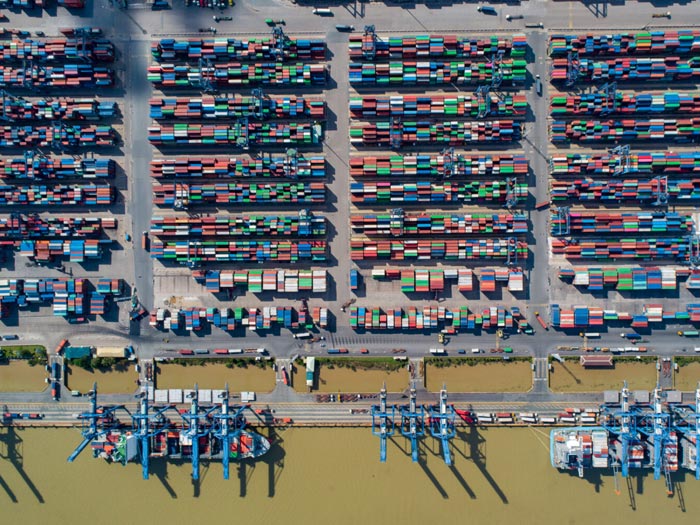
The sharp rise in transport costs and the limited availability of shipping containers have led to a decline in coffee exports from Vietnam.

The report also says that coffee exports are likely to grow 9,4% this season to about $ 3 billion.

Earlier this week, at its annual Congress, the Vietnam Coffee and Cocoa Association (VICOFA) set a goal to expand roasted instant coffee exports and increase export revenues to $ 5-6 billion by 2030 under the slogan “productivity, quality, added value.”

What is the 5th Wave of coffee?

The 5th Wave™ reflects a powerful new era of scaled boutique hospitality and is the current ideology shaping business trends across the global coffee industry. Put simply, 5th Wave implies scaling up consistent high quality to achieve a highly successful, customer-centric and sustained business outcome.

The concept of 5th Wave was developed by Allegra Strategies consultancy and refined within Allegra World Coffee Portal following two decades of coffee industry research and analysis. 5th Wave is the culmination of all four previous ‘waves’ of industry development as laid out in the World Coffee Portal Stages of Coffee Industry Development Framework (above).

The 1st Wave describes traditional 20th century coffee drinking and reflects differing historical cultures and geographies. The 2nd Wave is typified by the early growth of lifestyle branded chains, such as Starbucks Coffee Company, 3rd Wave by craft or artisan coffee, and the 4th Wave by the ‘science of coffee’. Each era has its merits and has added significantly to the depth and growth of coffee enjoyment.

A reflection of the era in which we live, the 5th Wave represents a quantum leap in the calibre of vision and execution required to meet the desires, needs and aspirations of today’s highly savvy and technically engaged millennial audience and tomorrow’s Gen Z.

Today’s 5th Wave businesses create and consistently deliver highly engaging and aspirational experiences to clearly defined customer target audiences. These forward-thinking businesses are highly commercial and possess the mindset to constantly strive toward excellence, meticulously engineering and refining every process. They are typically run by ambitious, well-funded entrepreneurial professionals who understand the importance of people culture, of streamlined systems and process, of training and development and investment into seamless, enabling technology – not for ease, but because of their obsession with winning positive customer experience.

Quality and scale can be relative. 5th Wave does not necessarily mean an offering needs to be inordinately expensive, nor does it need to be expanded across hundreds of outlets.

Scaling quality for each and every customer interaction requires unflinching discipline, herculean stamina, authentic flair and relentless innovation. 5th Wave is not just limited to the coffee sector. Numerous other industries deeply identify with today’s need to ‘scale up’ quality and heighten client experience in order to maintain a competitive advantage.

These include sectors from retail to restaurants and hotels to fitness and technology. In the coffee sector, brands such as Blue Bottle, Bluestone Lane, Caravan, Department of Coffee, and many others, are examples of smart businesses setting new benchmarks for quality and customer engagement. Equally, the Starbucks Reserve concept creates a new dimension of customer experience within the world’s largest coffee operator.

Further detail will follow on the definition and characteristics of 5th Wave companies. No doubt this is only the beginning of the journey. In the meantime, keep your eye on the next big step in global coffee shop evolution – the 5th Wave, a new era for The Business of Coffee.

source : Allegra World Coffee Portal

Expo 2020 hosts coffee world Dubai 2022

From 12 to 14 January 2020, the city of Dubai in the United Arab Emirates will host the world of coffee Dubai in its first edition, which will be held at the Dubai Exhibition Centre at Expo 2020 Dubai.

To enhance communication between coffee producers, manufacturers, retailers, traders and industry professionals, coffee world Dubai is designed for coffee companies in the UAE and those who want to enter the emerging world of coffee in the Middle East. ⠀

Coffee world Dubai features a host of great features, most notably:

The roasting house⠀

Espresso and filtration stand

Coffee tasting rooms⠀

Training programs and educational lectures from the competent Coffee Association⠀

Coffee Association lounge and shop

Jug tournaments (r /r Br)

The exhibition will offer many dynamic creative presentations, cultural information, and opportunities to make several business deals.⠀

The event will provide an opportunity to meet many specialists and experts in the field of specialty coffee, get acquainted with new information and knowledge, as well as many other things.⠀

Each year, the Specialty Coffee Association’s flagship exhibition takes place in a different European city during June, and is now expanding into the Middle East, landing in Dubai .

The coffee World Expo is the premier event for coffee professionals and appeals to the loyal audience of the global coffee community.

The size and prestige of the event has more than tripled over the past six years, with the number of visitors to the event increasing from 3,000 visitors and 45 exhibitors to 10,945 visitors and over 240 exhibitors.

The Middle East and Africa region is experiencing a CAGR of 7.5% during the forecast period (2020-2025) and rising income has significantly helped the coffee market to grow in the region.

There is a growing demand for the culture of coffee shops and cafes in countries such as the United Arab Emirates, Saudi Arabia, Bahrain, Kuwait and others.

Moreover, the number of specialized cafes in this region continues to increase year by year to meet consumer demands.

More than 2.25 billion cups of coffee are consumed globally every day, while the global market value of the beverage is expected to experience an annual growth rate of 5.5 % .

Superbly located just 300m from the heart of the Expo 2020 Dubai site, the Dubai Exhibition Centre (DEC) is a state-of-the-art multipurpose venue.

Through world-class hospitality services and a transformative atmosphere DEC will support you in connecting and networking with Expo 2020’s exciting mix of world leaders, countries, educational institutes, businesses, innovators, thinkers and artists.

World of Coffee at a glance

VISITOR PROFILE

Café owners

Retailers

Roasters

Baristas

Green Coffee Importers & Exporters

Coffee & Tea Growers & Producers

Procurement from hospitality, restaurants & catering

Coffee Enthusiast

Exhibitor Profile

Coffee & Tea Accessories

Coffee & Tea Brewing Equipment

Espresso Machines

Roasting Equipment

Café Décor, Art & Furniture

Coffee Roasters and Roasted Bean suppliers

Coffee Traders, Suppliers and Exporters

Dairy & alternate milk manufactures & suppliers

Confectionery and Bakery Products

Flavours and Syrups

Franchising Opportunities

Beverage Packaging Equipment

Specialty Cafés

Industry Trade Publications

Shipping companies

Water Filtration Systems and Bottled Water Suppliers

AN ESTABLISHED BUSINESS COMMUNITY

The SCA is proud that World of Coffee has become such an important fixture in the coffee calendar each year.

Visitor Roles

29% Roastery

22% Coffee Bar/Cafe

19% Coffee Enthusiast

13% Trader

8% Grower NGO-Not for Profit Agency

Top Reasons for Attending

Network

Research New Products

Sense of Community

SCA Education

show features

Join us this January as World of Coffee comes to Dubai for the first time, packed with all the same features:

Trade Floor

Taking place at the brand new Dubai Exhibition Centre at Expo 2020, the show floor will be focused entirely on exhibitors and delegates from the Specialty Coffee & Tea industry.

UAE National Championships

The UAE National Championship competitions are set to take place at the World Of Coffee Dubai.

Roaster Village

The Roaster Village is the place where micro roasters meet customers, coffees are roasted, brewed and tasted. The Village offers visitors the opportunity to see the latest trends in coffee sourcing, handling, roasting, brewing, and distribution, not to mention coffee tasting!

Brew & Espresso Bar

Taste the world of coffee at the Brew Bar or the Espresso Bar! Beverages will be kindly prepared and served by skilled baristas.

Cupping Corner

The Tasting Rooms are a vibrant part of the World of Coffee. Made up of glass walls, businesses can hire the space to present their coffees to a select group of customers and tasters, both inside and outside of the room. Batch brewers and manual brew devices will be available. Tasting Room rentals are only available for exhibiting companies to rent.

Best New Product

The Best New Product (BNP) Competition and Display recognizes new products judged on their quality and value to the specialty coffee and tea industry. Awards are presented to the winners of exhibiting companies during World of Coffee.

SCA Lectures

Each year, World of Coffee welcomes industry respected experts who inspire, educate, and motivate near 7,000 coffee professionals to reach for their goals and expand their coffee knowledge.

SCA Lounge & Store

A unique opportunity to connect with leaders in the global coffee community, and stock up on the latest research and posters from the Specialty Coffee Association.