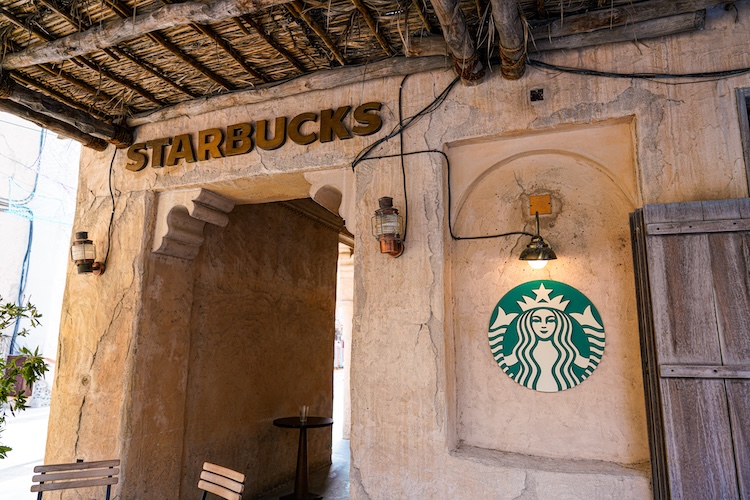
Starbucks Q2 2025 Earnings: Revenue Up, Profits Down

Starbucks Corporation (NASDAQ: SBUX) reported its financial results for the second quarter of fiscal year 2025, posting a 2% increase in revenue to $8.8 billion, even as profitability dropped sharply due to rising costs and restructuring tied to its ongoing “Back to Starbucks” strategy.

The quarter, which ended on March 30, 2025, saw GAAP earnings per share fall 50% to $0.34, while non-GAAP EPS declined 40% to $0.41. Operating margin also compressed significantly amid investments in labor, technology, and corporate restructuring.

Key Q2 2025 Financial Highlights

  • Revenue: $8.8 billion (up 2% YoY, or 3% in constant currency)

  • GAAP EPS: $0.34 (down 50%)

  • Non-GAAP EPS: $0.41 (down 40%)

  • GAAP Operating Margin: 6.9%

  • Non-GAAP Operating Margin: 8.2%

  • Global Comparable Store Sales: Down 1%

  • Net New Stores: 213

  • Total Global Stores: 40,789

Starbucks CEO Brian Niccol expressed confidence in the company’s transformation strategy, saying, “My optimism has turned into confidence that our ‘Back to Starbucks’ plan is the right strategy to turn the business around and unlock opportunities ahead.”

North America: Higher Ticket Size, Fewer Transactions

Starbucks’ North America segment, which includes its core U.S. market, saw revenue increase just 1% to $6.47 billion. Comparable store sales declined 1%, with a 4% drop in transactions partially offset by a 3% rise in average ticket size.

Operating income fell 35% year-over-year to $748 million, as labor investments and lower transaction volume weighed on margins, which dropped from 18.0% to 11.6%.

International Markets: Growth with Pressure

The International segment performed better, with revenue rising 6% to $1.87 billion and 2% growth in comparable sales, driven by increased customer visits. However, average ticket dropped by 1%.

China, the company’s second-largest market, saw flat same-store sales as 4% more transactions were fully offset by a 4% decline in average ticket. China now accounts for 19% of Starbucks’ store count with 7,758 locations.

Operating income for the international segment decreased 7% to $217 million, and operating margin fell to 11.6%, impacted by increased promotions and organizational restructuring.

Channel Development and Consumer Packaged Goods

Starbucks’ Channel Development segment, which includes ready-to-drink and retail packaged coffee sold through grocery and convenience channels, saw a 2% decline in revenue to $409 million. Operating income fell 11% to $193.5 million, affected by higher product costs and lower contributions from partnerships.

Global Expansion and Store Footprint

Starbucks added 213 net new stores in the quarter, bringing the total to 40,789 locations across more than 80 countries. The U.S. and China together now represent 61% of the company’s global presence, with 17,122 stores in the U.S. and 7,758 in China.

Leadership and Organizational Updates

In March, Starbucks appointed Cathy Smith as Chief Financial Officer, replacing Rachel Ruggeri. The company also reduced 1,100 corporate support roles earlier in the quarter to streamline operations as part of its turnaround plan.

At its 33rd Annual Meeting of Shareholders, Starbucks recognized the retirement of long-time board member Mellody Hobson, with Jørgen Vig Knudstorp taking over as lead independent director.

Commitment to Shareholders

Despite profitability challenges, Starbucks continues its dividend streak, declaring a cash dividend of $0.61 per share payable on May 30, 2025. This marks the company’s 60th consecutive quarterly dividend, reflecting long-term shareholder value commitment.

Outlook: Recovery in Progress

Commenting on the results, CFO Cathy Smith noted: “While our financial results are far from Starbucks’ potential, we are building back a better business. We are developing new capabilities to test, iterate, and scale quickly, in service of long-term, durable growth.”
Coffee Prices Slide on Demand Worries and Supply Optimism

Global coffee prices fell sharply on Tuesday, pressured by concerns over weakening demand and improving supply prospects.

July arabica futures (KCN25) dropped by 2.50% to close down 10.25 cents, while July robusta futures (RMN25) declined 2.12%, down $115. The downturn came despite an early rally, as market sentiment shifted following new data showing that U.S. consumer confidence fell to its lowest level in nearly five years. The sharp decline raised concerns that discretionary spending, including coffee consumption, could soften in the months ahead.

Additional pressure on prices came from Brazil, the world’s largest coffee producer, where above-average rainfall has significantly improved soil moisture levels. Meteorological agency Somar reported that Minas Gerais, Brazil’s main arabica-growing region, received 38.7 mm of rain last week—nearly 490% above historical averages.

Increased stock levels also weighed on the market. ICE-monitored arabica coffee inventories rose to 826,304 bags on Monday, reaching a 2.5-month high.

Geopolitical and trade tensions added further uncertainty. The prospect of increased tariffs has raised fears that higher retail prices could suppress coffee demand in the U.S.

Despite Tuesday’s losses, arabica futures had earlier hit a 2.5-month high, while robusta touched a one-month high. This initial rally was fueled by a revised forecast from Rabobank, which projects Brazil’s 2025/26 arabica harvest will decline by 13.6% year-on-year to 38.1 million bags due to dry weather limiting the flowering phase of coffee trees. However, robusta supply may grow, with the bank estimating a 7.3% year-on-year increase to 24.7 million bags—a record high.

Currency fluctuations also played a role. A stronger Brazilian real reached a 3.5-week high against the U.S. dollar, discouraging exports from Brazilian growers and offering some support to prices.

Meanwhile, Brazil’s coffee export figures continue to show volatility. March exports fell 26% year-on-year to 2.95 million bags, according to Cecafe. In January, Brazil’s crop forecasting agency Conab estimated that the country’s 2025/26 coffee harvest would drop 4.4% to 51.81 million bags, a three-year low.

Last year’s El Niño weather pattern may continue to have lingering effects on crops in South and Central America. Brazil has experienced its driest conditions since 1981, while Colombia, the world’s second-largest arabica producer, is still recovering from a prolonged drought.

Robusta coffee remains underpinned by tight supplies from Vietnam, the world’s largest robusta exporter. Prolonged drought has led to a 20% drop in the 2023/24 crop year to 1.472 million metric tons, the smallest yield in four years. Vietnamese coffee exports fell 17.1% year-on-year to 1.35 million metric tons. The Vietnam Coffee and Cocoa Association also cut its 2024/25 output forecast to 26.5 million bags, down from an earlier estimate of 28 million.

On the supply side, Brazil reported a record 50.5 million bags in 2024 coffee exports—a 28.8% year-on-year increase. However, global figures remain mixed. The International Coffee Organization (ICO) noted a 12.4% year-on-year decline in December exports, with the first quarter showing a 0.8% annual drop.

The USDA’s December biannual report offered mixed signals. Global coffee production is projected to rise 4.0% year-on-year to 174.9 million bags in 2024/25. While arabica output is expected to grow modestly by 1.5%, robusta is forecasted to increase 7.5%. Yet, ending stocks are projected to fall by 6.6% to a 25-year low of 20.87 million bags.

Looking ahead, Volcafe has lowered its 2025/26 Brazilian arabica production estimate to 34.4 million bags, citing severe drought conditions. The firm also expects a widening global arabica deficit of 8.5 million bags, up from a previous estimate of 5.5 million.

Despite short-term volatility, weather conditions, currency trends, and trade policies will continue to shape the coffee market’s outlook in the months ahead.

Luckin Coffee Reports Strong Q1 2025 Results with Surge in Revenue, Store Growth, and Profitability

Luckin Coffee Inc. has announced robust unaudited financial results for the first quarter ending March 31, 2025, showing significant year-over-year growth across key performance metrics, including revenue, store expansion, and profitability.

Key Financial and Operational Highlights

  • Total net revenue reached RMB 8.87 billion (US$1.22 billion), a 41.2% increase compared to Q1 2024.

  • Same-store sales growth for self-operated stores rebounded to +8.1%, a strong turnaround from -20.3% a year earlier.

  • GAAP operating margin rose to 8.3%, up from a -1.0% margin in Q1 2024.

  • Net income amounted to RMB 525.1 million (US$72.3 million), reversing a net loss of RMB 83.2 million in the prior-year period.

  • New store openings totaled 1,757, pushing the global store count to 24,097, including locations in China, Hong Kong, Singapore, and Malaysia.

  • Monthly active customers reached an average of 74.3 million, up 24% year-over-year.

Dr. Jinyi Guo, co-founder and CEO of Luckin Coffee, commented:
“We delivered strong first-quarter results driven by 41% revenue growth and a return to positive same-store sales performance. Our strategy of scaling rapidly while maintaining operational efficiency continues to show results. As we expand across China and beyond, we remain focused on delivering high-quality coffee at accessible prices.”

Segment Performance

  • Self-operated stores contributed RMB 6.48 billion (US$892.2 million) in revenue, up 41.5% year-over-year.

  • Partnership stores generated RMB 2.08 billion (US$286.5 million), marking a 38% increase.

  • Store-level operating profit for self-operated stores grew 244.8% year-over-year to RMB 1.1 billion, with a margin of 17.1%.

  • Revenue from freshly brewed drinks accounted for nearly 70% of total revenues, rising to RMB 6.16 billion.

  • Operating expenses rose 28.1% to RMB 8.13 billion, mainly due to business expansion, but as a percentage of revenue fell to 91.7% from 101% in Q1 2024.

Leadership Update

In a strategic board transition, Dr. Jinyi Guo stepped down as Chairman while retaining his role as CEO. Hui Li, Chairman and CEO of Centurium Capital and a former Luckin board member, was appointed as the new Chairman.

Mr. Li stated:
“It is a privilege to return to Luckin Coffee at this pivotal time. I look forward to working with Dr. Guo and the management team to guide the company’s next chapter of growth.”

Financial Strength

  • Non-GAAP operating income reached RMB 864.3 million (US$119.0 million), compared to RMB 5.0 million a year ago.

  • Non-GAAP net income jumped to RMB 649.3 million (US$89.4 million), up from a net loss of RMB 13.1 million in Q1 2024.

  • Cash position remains solid at RMB 6.13 billion (US$844.0 million) as of March 31, 2025.

  • Net cash from operating activities totaled RMB 896.6 million (US$123.4 million), reversing a net outflow of RMB 264.4 million in the same quarter last year.

Outlook

Luckin Coffee reaffirmed its commitment to long-term sustainable growth through product innovation, digital integration, and continued store expansion. The company is well-positioned to strengthen its leadership in China’s rapidly evolving coffee market.

A live conference call to discuss the results was scheduled for April 29, 2025. A replay and webcast are available via the company’s investor relations website.

For full financial tables and non-GAAP reconciliations, please refer to the official release on investor.lkcoffee.com.

Westrock Coffee Unveils 2024 Sustainability Report and Outlines Vision for 2030

Westrock Coffee Company (Nasdaq: WEST), North America’s leading producer of private label coffee and tea solutions, has released its 2024 Sustainability Report, highlighting major strides in responsible sourcing, supply chain transparency, and environmental stewardship, while setting an ambitious vision for 2030.

The new report underscores Westrock Coffee’s continued commitment to building a more sustainable and equitable global supply chain, celebrating key milestones that benefit millions of smallholder farmers across its network. Founded on principles of responsible business practices and transparency, the Arkansas-based company supplies coffee, tea, extracts, flavors, and other beverage solutions to some of the world’s top brands in retail, foodservice, hospitality, and consumer packaged goods (CPG) sectors.

“Westrock Coffee was founded to challenge industry norms and create a better future across the coffee supply chain,” said Brooke Cantrell, Vice President of Sustainability at Westrock Coffee. “Our 2024 report reflects the progress we’ve made and charts a clear path toward our 2030 goals.”

Key Highlights from the 2024 Report:

  • A Decade of Raíz Sustainability™:
    Westrock Coffee’s flagship sustainability program marks ten years of impact, promoting sustainable agriculture, fair labor, and equitable supply chains across Latin America. Since its launch in 2015, Raíz has disbursed over $8.5 million in farmer premiums, reached more than 6,800 farmers, and conducted over 67,000 farm visits to provide technical support, demonstrating measurable long-term economic, social, and environmental benefits.

  • Sustainable Manufacturing Leadership:
    In 2024, Westrock Coffee opened the largest roast-to-ready-to-drink (RTD) manufacturing facility in North America. Designed with sustainability at its core, the facility recycles more than one billion gallons of water annually and features energy-efficient roasters that consume 40% less energy while doubling coffee production capacity.

  • Advancing Responsible Sourcing:
    The company made significant progress toward its goal of 100% responsibly sourced coffee and tea by 2025. By the end of 2024, 89% of Westrock Coffee’s coffee and 100% of its tea were responsibly sourced. The company also expanded its Real Roots™ sourcing program and conducted comprehensive audits of strategic suppliers against its Responsible Sourcing Policy.

Looking ahead, the 2024 report outlines Westrock Coffee’s sustainability roadmap through 2030. Strategic priorities include enhancing supply chain transparency, expanding economic development initiatives in coffee-producing regions, and strengthening ecosystem resilience across its operations.

To access the full 2024 Sustainability Report, visit Westrock Coffee – Our Impact.

About Westrock Coffee Company:
Westrock Coffee is a leading integrated provider of coffee, tea, flavors, extracts, and ingredient solutions in the U.S. and globally. With offices in 10 countries and sourcing operations in 35 origin countries, Westrock Coffee delivers comprehensive services across sourcing, product development, roasting, packaging, and distribution to clients in retail, foodservice, hospitality, and other sectors. For more information, visit WestrockCoffee.com.


From Tea Capital to Coffee Hub: China’s Pu’er Shifts Focus as Tastes Evolve

Nestled among the lush green hills of southwestern China, the city of Pu’er — historically renowned for its fermented tea — is undergoing a transformation. With changing consumer preferences, especially among the younger generation, coffee is rapidly gaining ground in a region once defined by centuries of tea tradition.

At his café overlooking steep coffee-covered slopes, 25-year-old barista Liao Shihao brews pour-over coffee for a growing number of curious visitors. “People come here to taste our filtered coffee,” he tells AFP. “They appreciate the variety of flavors. In the past, they mostly drank instant or commercial coffee and were hesitant to try anything new.”

Liao’s family has been cultivating their plot — aptly named Xiaowazi or “Little Valley” — for three generations. The farm sits in a shaded valley where coffee trees form tidy rows on steep terrain, and fresh beans dry on wooden racks. Curious tourists are increasingly making their way to Pu’er’s hillside cafés to sample the region’s emerging specialty coffee.

“It’s excellent,” says 21-year-old visitor Kai Xuen, while sipping on a tasting flight.

According to Chinese government statistics, Pu’er producers now sell tens of thousands of tons of coffee beans annually to major cities across the country.

“No One Knew Coffee Back Then”

While cities like Beijing and Shanghai have embraced a booming café culture driven by urban consumers aged 20 to 40, Pu’er’s journey into coffee is still relatively young.

“Coffee from our region offers a creamy body and a smooth mouthfeel,” explains Liao Shihao.

Widespread cultivation of coffee in Pu’er didn’t begin until the 1980s. For decades, the area remained far more famous for its signature fermented tea, exported throughout East Asia and beyond. Liao’s grandfather, Liao Xiugui, recalls, “No one knew anything about coffee when I first arrived here decades ago.” He was among the few Chinese who studied coffee culture in its early days.

Thanks to the region’s mild climate and high altitude, Pu’er proved to be ideal for coffee cultivation. “Our coffee isn’t overly bitter,” says the 83-year-old, “and it has delicate, fragrant notes and a fruity acidity — all part of its unique character.”

The beans are grown without synthetic pesticides, in biodiverse mixed-crop farms, yielding around 500 tons annually. Xiugui drinks two to three cups a day and credits coffee for his energy and health: “It keeps you young, it improves your health… it slows aging!” he laughs. “And with today’s work pressure, we all need a boost!”

A New Economic Driver

Though China still lags behind coffee giants like Brazil, Vietnam, and Colombia, its domestic coffee production has grown significantly in recent years, with Yunnan Province — bordering Southeast Asia — leading the charge. The Pu’er region is at the heart of this movement.

During a March visit, Chinese President Xi Jinping praised Pu’er coffee as a product that can now “represent China.” In response, local authorities have rolled out policies to support the sector, enhance production, attract investment, and encourage exports.

Officials are also combining coffee with tourism to attract domestic visitors and stimulate local consumption — a key pillar in China’s broader economic recovery strategy.

For farmer Yu Dun, 51, the shift to coffee has changed her life. She diversified her income by organizing guided farm tours, opening a small lodge, and launching a restaurant that serves Dai ethnic dishes paired with her own roasted coffee.

Yu says her income from coffee has increased tenfold since she began roasting beans herself. “People used to say coffee was only for the rich,” she smiles. “Now, everything has changed.”

Arabica Coffee Prices Surge Amid Fears of Smaller Brazilian Crop

Arabica coffee prices soared to a 2.5-month high on Monday, driven by mounting concerns over a potential shortfall in Brazil’s upcoming coffee harvest.

July arabica coffee contracts (KCN25) closed up by 2.55% (+10.20 cents), while July robusta coffee futures (RMN25) edged slightly lower by 0.04% (-2 points). The sharp rise in arabica was primarily fueled by forecasts of a significant decline in Brazil’s 2025/26 arabica coffee crop.

Last week, Rabobank revised its outlook, predicting a 13.6% year-on-year drop in Brazil’s arabica output to 38.1 million bags. The bank cited prolonged dry weather in key coffee-growing regions, which severely hampered the crucial flowering stage of coffee trees. In contrast, robusta coffee prices faced downward pressure after Rabobank projected a 7.3% increase in Brazil’s 2025/26 robusta production, reaching a record 24.7 million bags.

Adding momentum to arabica’s rally was the strengthening of Brazil’s real, which climbed to a three-week high against the US dollar. A stronger real typically discourages Brazilian coffee farmers from exporting, tightening global supply and supporting higher prices.

However, not all weather developments were bullish. Somar Meteorologia reported that Minas Gerais — Brazil’s largest arabica-producing region — received 38.7 mm of rain in the week ending April 19, a staggering 490% above the historical average. Improved soil moisture could alleviate some stress on coffee plants, potentially tempering price gains.

Increased inventories also cast a shadow on the rally. ICE-monitored arabica coffee stockpiles rose to 826,304 bags on Monday, the highest level in 2.5 months, signaling better near-term supply availability.

Meanwhile, broader global trade tensions and fears of higher tariffs on coffee imports threaten to dampen demand, particularly in the U.S., where consumers could face higher retail prices.

Still, underlying supply concerns persist. Brazil’s coffee export agency Cecafe reported a 26% year-on-year decline in March green coffee exports, totaling 2.95 million bags. Earlier this year, Brazil’s crop forecasting agency, Conab, estimated that the 2025/26 coffee crop would shrink by 4.4% year-on-year to a three-year low of 51.81 million bags. Conab also trimmed its 2024 forecast slightly to 54.2 million bags.

The lingering effects of last year’s El Niño-induced drought continue to pose risks across South and Central America. Brazil is enduring its driest conditions since 1981, according to disaster monitoring agency Cemaden, severely impacting coffee tree development. Colombia, the world’s second-largest arabica producer, is also grappling with the aftermath, although recovery efforts are underway.

Robusta coffee markets are likewise feeling the impact of adverse weather. Vietnam, the world’s top robusta producer, reported a 20% decline in coffee output for the 2023/24 season, producing just 1.472 million metric tons — the smallest crop in four years. The country’s coffee exports also tumbled by 17.1% year-on-year to 1.35 million metric tons. The Vietnam Coffee and Cocoa Association recently downgraded its 2024/25 production forecast to 26.5 million bags, from 28 million previously.

Despite these supply challenges, larger export volumes in some regions could weigh on prices. Brazil’s 2024 coffee exports jumped by 28.8% year-on-year to a record 50.5 million bags, according to Conab. Yet, the International Coffee Organization (ICO) noted that December global coffee exports fell by 12.4% year-on-year, suggesting regional variations in trade flows.

The U.S. Department of Agriculture’s (USDA) latest biannual report painted a mixed picture. Global coffee production is projected to rise by 4% to 174.855 million bags in the 2024/25 season, with a 1.5% uptick in arabica output and a 7.5% surge in robusta production. However, global ending stocks are expected to fall by 6.6%, reaching a 25-year low of 20.867 million bags, tightening the overall supply-demand balance.

Looking further ahead, the supply outlook remains precarious. Coffee trader Volcafe recently slashed its forecast for Brazil’s 2025/26 arabica production to 34.4 million bags — 11 million bags lower than its previous estimate. Volcafe also warned of a widening global arabica deficit, predicting a shortfall of 8.5 million bags for the 2025/26 season, compared to a 5.5 million bag deficit in 2024/25. If realized, this would mark the fifth consecutive year of global supply deficits.

% Arabica to Open First Australian Flagship in Bondi

Japanese specialty coffee brand % Arabica has announced the opening of its first Australian flagship store in Bondi, Sydney.

‘Coming Soon’ signage was installed over the weekend at the corner of Hall Street and Campbell Parade, with the store scheduled to open in late 2025. On April 21, % Arabica also launched its official Australia Instagram page, featuring a post about the Bondi location, which is now listed on the brand’s website.

Julie Lanham, COO of Retail Leasing, commented:

“We’re thrilled to announce that our client % Arabica has signed a lease for their first Australian flagship store, opening late 2025 on the most iconic corner in Bondi Beach — Hall Street and Campbell Parade. Once home to the beloved Bates Milk Bar, this landmark site now sits beneath the stunning new Hall & Campbell luxury apartment development.”

Founded by Kenneth Shoji in Kyoto in 2014, % Arabica operates 224 locations worldwide, with new openings planned for Nepal, Spain, Iraq, and Australia. Most of its stores are concentrated in Asia and the Middle East.

“Our dream is to grow % Arabica across unique lands and cultures of the world, so that we can ‘See the World Through Coffee’,” Shoji says on the brand’s website. “We only live once, so let’s explore the world we live in, set goals, and enjoy our time together over an amazing cup of coffee.”

From Australia to the UAE: The Coffee Club’s Menu Gets Even More Exciting

New limited-time steak and matcha offerings, award recognition, and a fresh twist at your favorite café.

Born in Brisbane and brewed in Dubai, The Coffee Club has been Australia’s beloved café destination since 1989—and now it’s officially among the Top 3 Cafés in Dubai, earning a ‘Highly Commended Café’ accolade at the What’s On Awards Dubai 2025. In the UAE, The Coffee Club continues to be the go-to spot where breakfast naturally flows into brunch, and coffee is more than a drink—it’s a ritual.

Steak is Here—and It’s Raising the Bar

Listening to customer cravings, The Coffee Club has introduced a premium steak experience. Now available in selected locations across Dubai and Abu Dhabi, diners can enjoy a rich, juicy South African ribeye steak, served with a choice of sides—mashed potatoes, seasonal vegetables, or French fries—alongside a fresh garden salad, crispy golden onion rings, and a choice of mushroom or peppercorn sauce.
This hearty dish is available for AED 109 for a limited time only.

Matcha Moments and Boba Bliss

Matcha lovers are in for a treat! The Coffee Club is rolling out two new limited-time matcha flavors: Matcha Strawberry and Matcha Mango, available exclusively in Dubai outlets for AED 33.

Meanwhile, in Abu Dhabi, customers can dive into a colorful burst of bubble tea with new flavors including Passion Fruit, Mixed Berry, Mango, and the much-loved Matcha Bubble Tea. Boba is available in Abu Dhabi branches for AED 24 or AED 29, depending on your choice—again, for a limited time only.

Tried, True, and Always Evolving

Celebrating over a decade of serving customers in the UAE, The Coffee Club remains a favorite destination for breakfast catch-ups, leisurely brunches, and quick lunch breaks. These exciting new menu additions are a way of saying thank you to loyal guests for their ongoing support and feedback.

Available for a limited time, the new offerings provide the perfect reason to revisit your favorite location—and maybe discover a new favorite while you’re at it.

Specialty Coffee Expo 2025: An Unforgettable Showcase of Excellence and Innovation

The Specialty Coffee Expo 2025 concluded with resounding success, offering a vibrant platform where the global coffee community came together to celebrate craftsmanship, innovation, and sustainability.

Over three dynamic days, the event showcased not just the best of specialty coffee today, but also charted a bold path for the future, with competitions, workshops, exhibitions, and business networking setting new industry standards.

Spotlight on the World Coffee Roasting Championships

A highlight of Expo 2025 was the World Coffee Roasting Championships, a rigorous three-stage competition where elite roasters were evaluated on green coffee grading, roast profiling, and final cup quality.
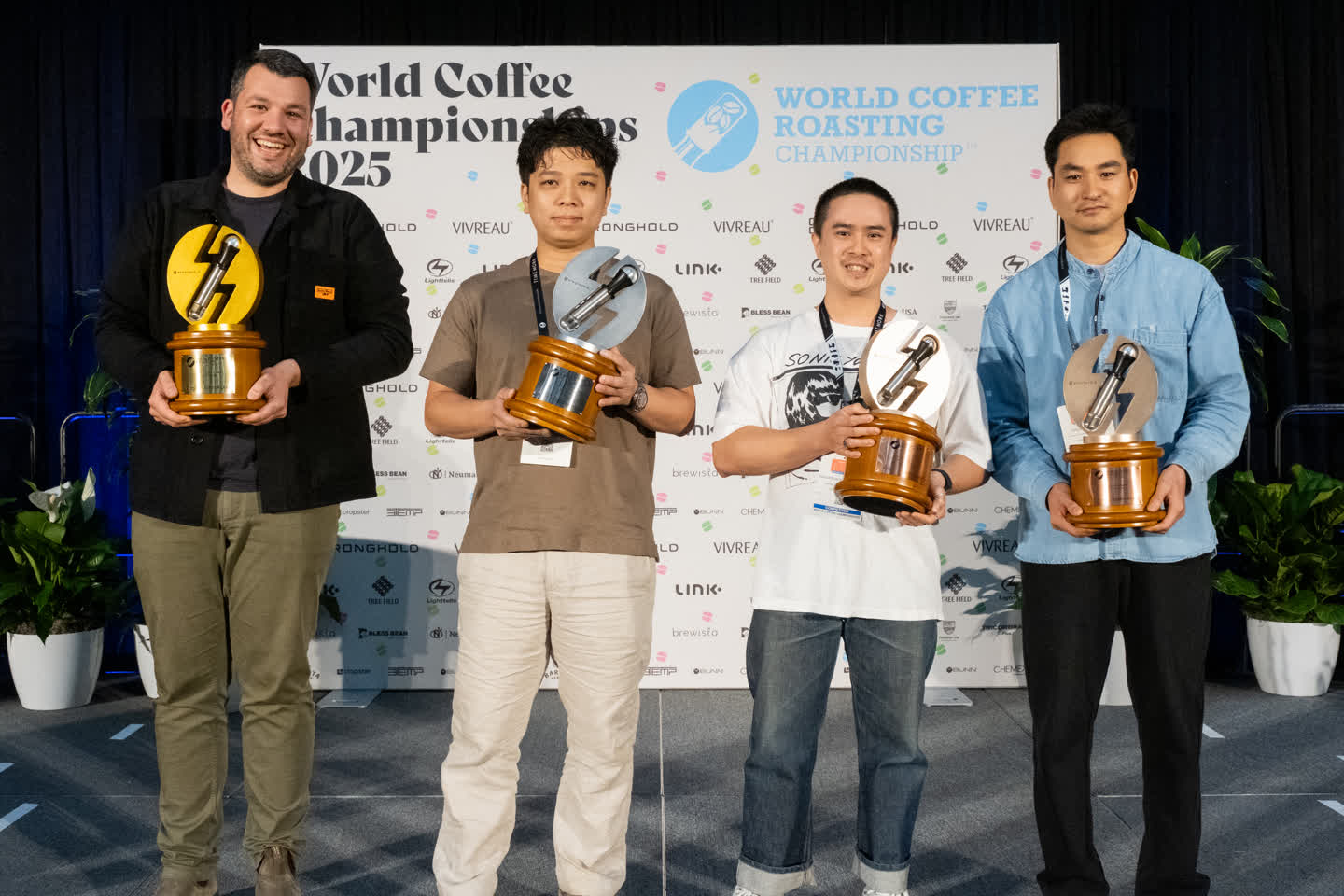
Certified judges assessed dozens of criteria across preparation and production, culminating in the crowning of Mikaël Portannier of France as the 2025 World Coffee Roasting Champion.

Celebrating Creativity: Coffee Design and Best New Product Awards

Innovation was at the forefront of this year’s Expo:

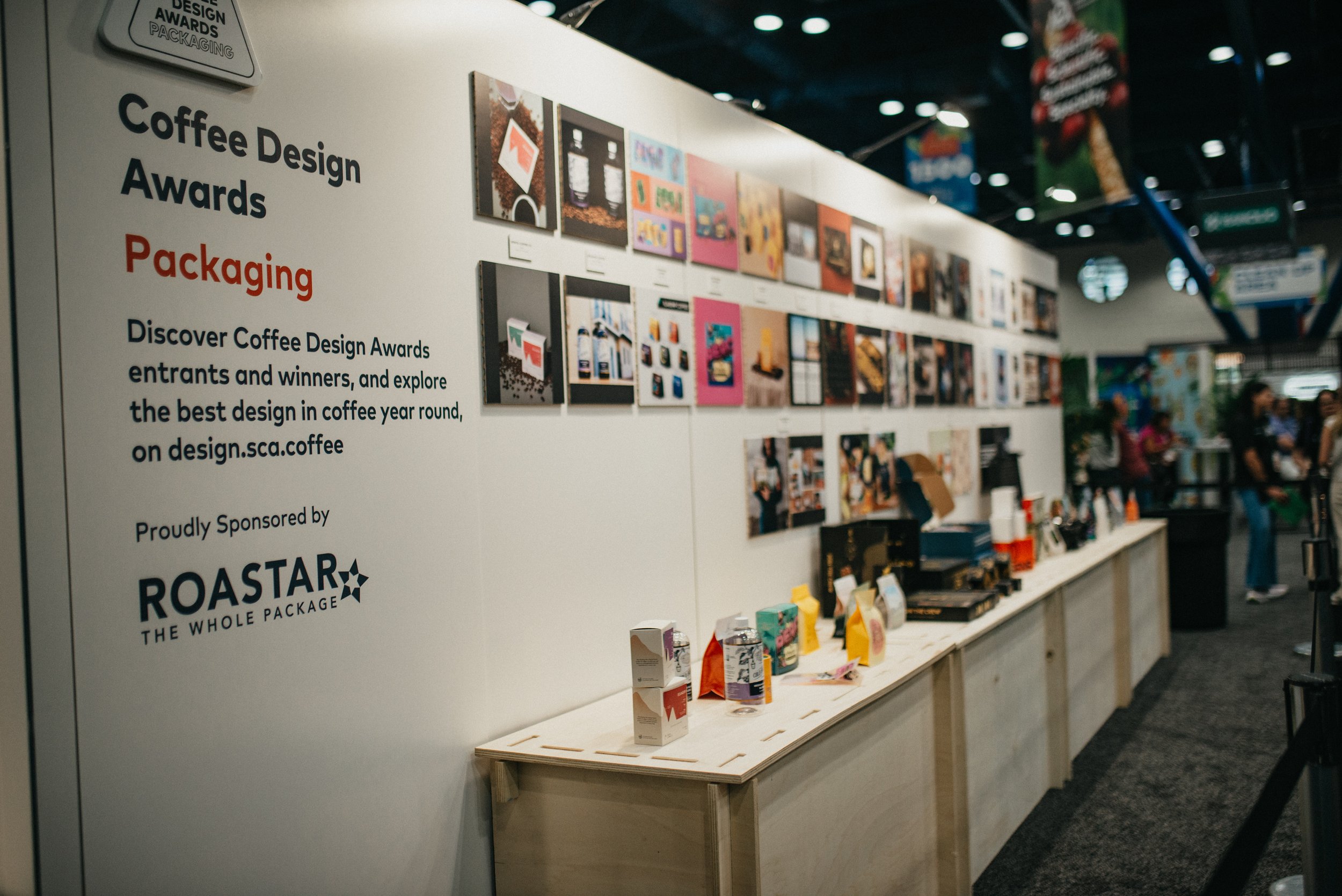
  • The Coffee Design Awards honored groundbreaking achievements in branding, packaging, and spatial design, recognizing visionaries like Puelo Coffee Roasters, Ember Goods, and Yettu: Earth to Cup.

  • The Best New Product Awards celebrated advancements in equipment, accessories, and technology, with attendees actively voting for their favorites, highlighting the democratic spirit of the Expo.

These awards underscored how creativity and storytelling are reshaping the coffee experience.

A Multisensory Journey: From Cupping to Roasting

Expo attendees explored an unparalleled range of experiences:

  • The Cupping Exchange offered curated tastings hosted by producers, exporters, and importers, creating vital sourcing connections while introducing the latest crops and varietals.

  • The Roaster Village showcased innovative roasting techniques and boutique green coffee offerings in a vibrant, café-style environment, allowing direct engagement with some of the world’s leading roasters.

  • Green Coffee Connect, presented by Barista Attitude, enabled in-depth discussions about the green coffee supply chain, featuring expert-led learning sessions.

Knowledge, Strategy, and Community Building

Education remained a cornerstone of Expo programming:

  • The SCA Workshops delivered intensive, hands-on sessions covering topics from roasting innovations to sustainability strategies.

  • The SCA Lecture Series brought together thought leaders who shared insights on market trends, climate resilience, business management, and more, inspiring attendees to tackle challenges with fresh perspectives.

  • The newly launched Coffee Business Lounge provided a dedicated space for strategic networking and collaborative discussions, strengthening professional ties across the industry.

Sustainability Takes Center Stage

Sustainability was not just a theme—it was embedded throughout the entire Expo experience:

  • Sustainability in Focus programming addressed climate resilience, ethical sourcing, waste reduction, and innovative sustainable practices across the coffee value chain.

  • The prestigious SCA Sustainability Awards recognized individuals and organizations making significant environmental, social, and economic impacts.

  • Post-event, the SCA announced a partnership with Sucafina to offset Expo’s carbon footprint by planting 16,000 trees in coffee-growing regions of Burundi, demonstrating a tangible commitment to positive change.

Looking Toward a Sustainable Future

As the final sessions wrapped up and attendees bid farewell, the Specialty Coffee Expo 2025 left a lasting imprint:
A testament to the spirit of collaboration, creativity, and shared responsibility that defines the specialty coffee movement.

The journey continues toward World of Coffee San Diego 2026, where new ideas, new connections, and new opportunities await.

Until then, the passion, innovation, and community spirit ignited in Houston will continue to inspire the global coffee community—one cup at a time.

Exploring the Award-Winning Projects of the 2025 Coffee Design Awards

The 2025 Coffee Design Awards, hosted during the Specialty Coffee Expo in Houston, not only honored outstanding brands in the coffee industry but also celebrated the exceptional creativity, innovation, and sustainability embodied in the winning projects.

From the design of immersive spaces to sustainable packaging and culturally rooted branding, the winning entries of this year’s awards set new benchmarks for design excellence in specialty coffee.
Here’s a closer look at the inspiring projects behind the 2025 Coffee Design Awards winners.

Puelo Coffee Roasters: A Journey into Slow Roasting and Sustainability

Award Category: Spaces | Location: Santiago de Chile

Designed by Estudio Cenit and Cristobal Fell, Puelo Coffee Roasters created a café and roastery that embodies transparency, cultural impact, and respect for the coffee craft.
The space harmonizes rustic materials like reclaimed wood and stainless steel, symbolizing both nature and cleanliness.
The architectural concept connects the spirit of Patagonia with a modern industrial aesthetic, offering an atmosphere where customers can appreciate coffee as a vital nutrient.

The philosophy of “Grain Without Rush” reflects a slower, more mindful approach to roasting and life itself, contrasting today’s fast-paced urban lifestyles.
As the first electric roastery in a residential neighborhood in South America, Puelo stands as a pioneer in sustainable coffee production, using compostable Biotre packaging materials and promoting open, environmentally conscious operations.

Ember Goods: Bringing Campfire Spirit into Coffee Packaging

Award Category: Packaging | Location: Olympia, Washington

Created by designers Logan Smith and Zachary Kiernan, Ember Goods’ winning packaging design draws inspiration from vintage matchboxes and the warm camaraderie of campfires.
The packaging includes a custom coffee box with a compartment containing a fire starter made from recycled coffee grounds, blending functionality, environmental consciousness, and storytelling.

All elements — from eco-friendly coffee bags to wooden shavings used as natural fillers — reinforce a connection to the outdoors and the Pacific Northwest spirit.
Beyond the product, Ember Goods donates 10% of proceeds to wildfire relief efforts, linking their branding to broader environmental stewardship.

Their mission, “Drink good coffee, do good things,” perfectly captures the essence of their design: community, sustainability, and the warmth of shared experiences.

Yettu: Earth to Cup – Bridging Tradition and Modernity through Branding

Award Category: Branding | Location: Tamil Nadu, India

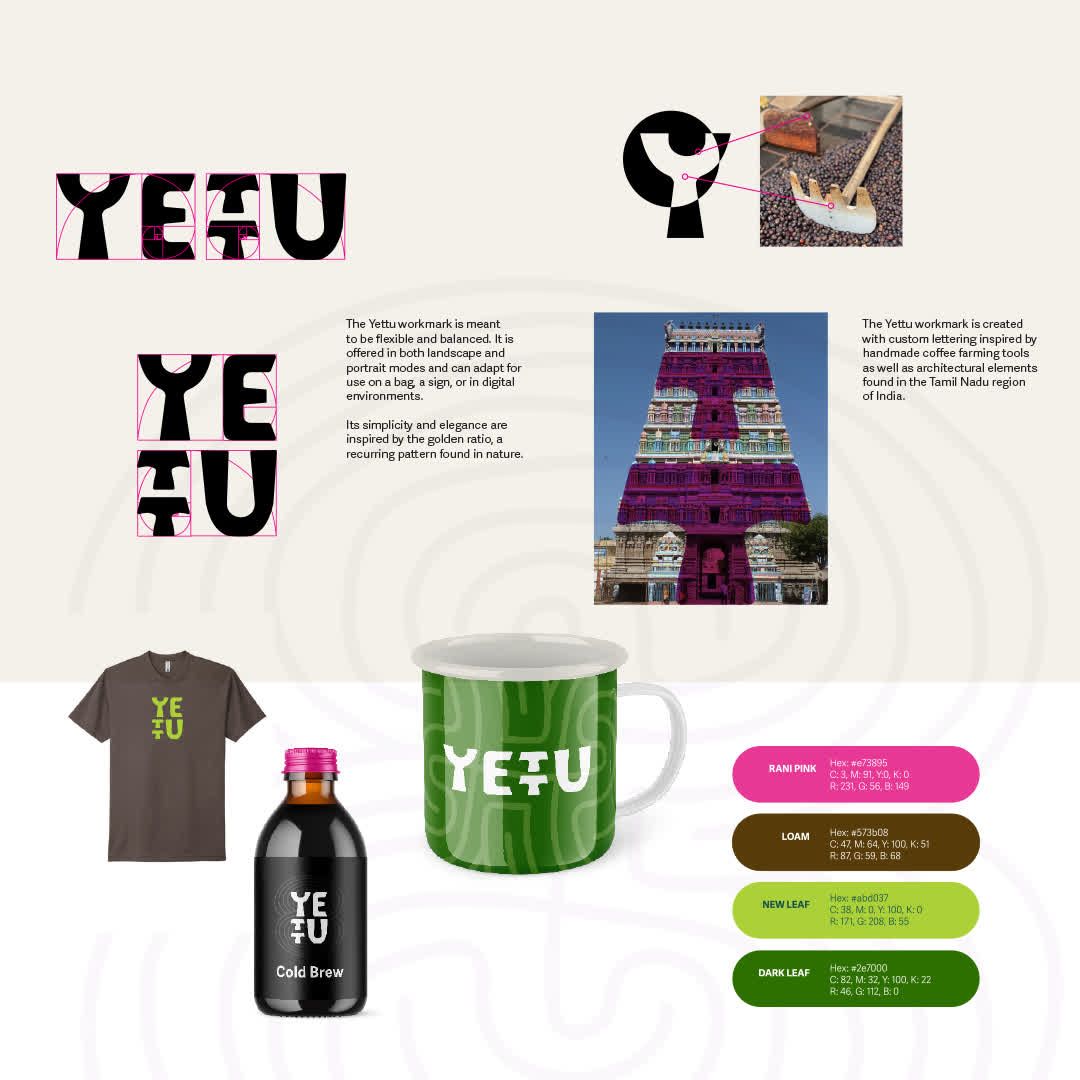
Developed by Tekwani Design Co., Yettu’s branding tells the story of coffee’s journey from earth to cup while honoring India’s rich agricultural heritage.
The logotype, inspired by traditional handmade coffee tools and ancient architectural motifs from Tamil Nadu, reflects authenticity, craftsmanship, and connection to the land.

The branding integrates patterns influenced by the Usgalimal Petroglyphs, creating a visual language where sustainability and cultural legacy meet.
Yettu’s “Earth to Cup” philosophy ensures that every stage of production, from cultivation to packaging, follows environmentally responsible practices, using recyclable papers and soy-based inks.

Through its layered and meaningful visual identity, Yettu bridges Indian coffee culture with global specialty coffee markets, delivering a brand experience as rich and intricate as the coffee it represents.

Redefining Coffee Design for the Future

The 2025 Coffee Design Awards proved that design in the coffee industry goes far beyond aesthetics — it is about values, storytelling, innovation, and responsibility.
These projects reflect the industry’s deepening commitment to sustainability, authenticity, and community engagement.

Each winning project reminds us that specialty coffee is not just a beverage — it is an experience shaped by every detail, from the farm to the final cup.

Mikaël Portannier from France Crowned 2025 World Coffee Roasting Champion

The World Coffee Championships announced today that Mikaël Portannier, representing France, has been crowned the 2025 World Coffee Roasting Champion during the global competition held at the Specialty Coffee Expo 2025 in Houston.

This prestigious event gathered the world’s top coffee roasting talents, celebrating craftsmanship, precision, and innovation in coffee roasting.

Final Rankings

  1. Mikaël Portannier – France

  2. Ashton Huang – Taiwan

  3. Naruepon Wuttipappinyo – Thailand

  4. Song Chundan – China

The World Coffee Roasting Championship tests competitors through rigorous rounds evaluating green coffee analysis, roast profile development, and the sensory quality of roasted coffee.

A Global Celebration of Coffee Roasting Excellence

The World Coffee Championships congratulates Mikaël Portannier and all finalists for their remarkable achievements and contributions to the advancement of coffee roasting.

Special thanks to the event sponsors for their vital support, including Stronghold Roasters, Nucleus Coffee Tools, Vivreau Water, Brita Professional, Treefield Coffee, Lighttells, Fazenda Um Coffee, Cropster, Neumann Gruppe USA, Bless Bean, TricorBraun Flex, and Bunn.

For more information about the World Coffee Championships and upcoming competitions, please visit the official website.

Winners Announced for the Coffee Design Awards at the 2025 Specialty Coffee Expo

The Specialty Coffee Association (SCA) proudly announced the winners of the Coffee Design Awards at the 2025 Specialty Coffee Expo in Houston, recognizing outstanding creativity, innovation, and style in the world of coffee spaces, branding, and packaging.

This year’s awards celebrated three companies whose exceptional design work reflects the evolving spirit and artistry of the specialty coffee industry.

2025 Coffee Design Awards Winners

  • Spaces Category
    Puelo Coffee Roasters
    A distinguished coffee roastery recognized for its innovative and welcoming café environments.

  • Packaging Category
    Ember Goods
    A family-owned coffee and retail shop located in downtown Olympia, celebrated for its creative and sustainable packaging designs.

  • Branding Category
    Tekwani Design Co.
    A specialized brand and design agency noted for crafting the “Yettu: Earth to Cup” concept, blending storytelling with visual excellence.

The Packaging Category at the 2025 Coffee Design Awards was proudly supported by Roastar, reflecting the shared industry commitment to innovation in coffee packaging design.

Honoring Creativity and Vision in Coffee

The Coffee Design Awards highlight how design plays an essential role in shaping the experience, perception, and success of specialty coffee brands.
From store interiors to packaging and brand storytelling, this year’s winners set a new benchmark for creativity in the industry.

The Specialty Coffee Association extends its heartfelt congratulations to all winners and entrants for pushing the boundaries of creativity and inspiring the coffee community worldwide.

For more information about the Specialty Coffee Expo and future award programs, visit the official website.