How Millennials Transformed the Coffee World: 9 Lasting Trends Redefining the Global Coffee Culture

Millennials—those born between the early 1980s and mid-1990s—did more than just embrace coffee; they reshaped the entire culture around it. Their influence turned a morning beverage into a symbol of lifestyle, identity, and even activism. Here’s how this generation brewed up a coffee revolution—one trend at a time.

Coffee Shops Became Cultural Ecosystems

Millennials helped reimagine cafés as more than just places to get a caffeine fix. Today’s coffee shops function as creative spaces, co-working hubs, and community centers. Whether it’s laptop workers typing away in minimalist espresso bars or book clubs meeting in cozy lounges, cafés have become integral to modern urban life. Events like latte art throwdowns, cupping workshops, and coffee tastings are now common, fostering learning and connection.

Coffee Turned Visual and Instagram-Ready

A new visual aesthetic around coffee emerged in the hands of millennials. From glass cups that showcase layered cold brews to handcrafted ceramic mugs and photogenic latte art, presentation became just as important as flavor. This visual transformation, driven by social media culture, propelled baristas to become artisans and coffee shops to become lifestyle destinations.

Coffee Vocabulary Expanded

Before millennials, most consumers were content with ordering a cappuccino or espresso. Today, coffee menus read like a glossary of innovation. Cold brew, nitro coffee, oat milk lattes, and signature drinks like the Moscow-born “raf” have become staples. New brewing methods—Chemex, Aeropress, siphon, and cold drip—have taken center stage, each unlocking new flavor profiles and brewing rituals.

Coffee Embedded in Professional Life

No longer just a break-time beverage, coffee has become central to networking and deal-making. Conferences and corporate events now often invest in high-end coffee setups, understanding that meaningful conversations happen over great brews. For millennials, a coffee bar is as essential as a meeting room.

The Rise of Plant-Based Milks

Millennials were among the first to push for dairy alternatives not only due to dietary preferences but also sustainability concerns. Oat, almond, coconut, and soy milk are now essential café staples, not alternatives. Each type offers unique pairing opportunities that enhance specific coffee origins or roast profiles.

Coffee To-Go Culture Redefined

On-the-go coffee became synonymous with the pace of modern urban life. But unlike the disposable culture of the past, millennials brought a new eco-conscious mindset. Reusable cups, biodegradable lids, and discounts for bringing your own mug reflect their drive for sustainable solutions. The rise of mobile coffee carts and grab-and-go espresso bars further accelerated this shift.

Demand for Transparency and Education

Millennials helped drive a shift toward informed consumption. Today’s coffee bags include detailed information about origin, variety, processing method, and roast level. Cafés meet this demand by offering guided tastings, coffee education, and sourcing transparency. Traceability and ethics are no longer niche concerns—they’re expected.

Subscription Models for Specialty Coffee

Monthly coffee subscriptions have exploded in popularity. Brands like Good Coffee Box and others curate rotating selections of freshly roasted beans, introducing consumers to rare origins and experimental processing methods. It’s a model that supports roasters with steady income and offers subscribers a sense of discovery.

Baristas as Respected Professionals

The status of the barista has evolved dramatically. Once seen as entry-level service roles, baristas today are regarded as skilled professionals, competitors, and even micro-entrepreneurs. Global competitions like the World Barista Championship and Brewers Cup showcase elite talent and bring global recognition. Many baristas go on to launch their own brands, write books, or consult on café openings.

Why These Trends Matter
Millennials didn’t just drink coffee—they redefined its role in society. Their influence stretches across how we prepare, serve, talk about, and engage with coffee. And while trends evolve, the foundational changes brought by this generation have set a new standard that continues to inspire Gen Z and reshape the future of coffee worldwide
From Palm Sugar Lattes to a Billion-Dollar Brand: How Kopi Kenangan Is Redefining Coffee in Southeast Asia

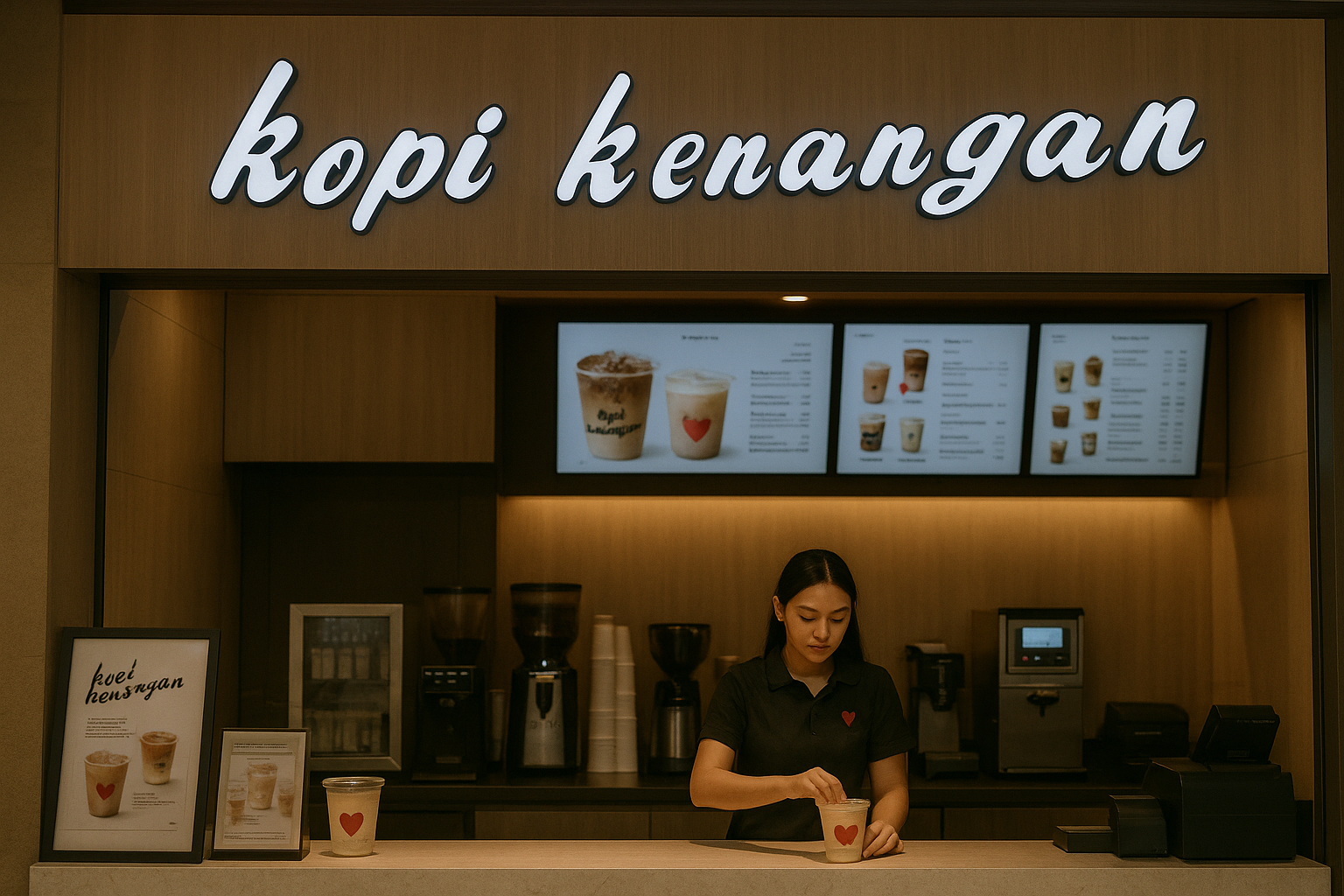
In Jakarta’s buzzing streets, 2017, two friends stood at a coffee counter with a shared idea and just $15,000 to their name. “Let’s not invest in fancy storefronts,” said Edward Tirtanata to James Prananto. “Let’s invest in the product.” That moment of clarity gave birth to Kopi Kenangan — a name meaning “Coffee of Memories” — and launched what would become one of Southeast Asia’s most remarkable startup stories.

Today, Kopi Kenangan is no longer just a kiosk. It’s a billion-dollar coffee empire, a lifestyle brand, and a symbol of Indonesia’s thriving entrepreneurial spirit.

A Disruptive Beginning
Tirtanata was no stranger to business or failure. His first venture, a tea chain named Lewis & Carroll, didn’t survive. But it taught him one thing: success lies in timing, product-market fit, and pricing.

The idea behind Kopi Kenangan was born out of necessity and insight. In Indonesia, global coffee chains like Starbucks were out of reach for many — with a single cup costing nearly 30% of a day’s average income. Edward and James saw an opportunity to bridge that gap: provide affordable, high-quality, locally inspired coffee through small, efficient kiosks.

And so, the first Kopi Kenangan opened — built on hustle, instinct, and the belief that great coffee shouldn’t break the bank.

Smart Model, Fast Growth
The brand’s growth came from a meticulously designed model centered around three pillars:

Grab-and-Go: Quick, no-frills service for mobile urbanites.

Tech-First Approach: Cashless payments, loyalty points, and mobile ordering via a dedicated app.

Local Flavors with Global Quality: From Kenangan Latte with palm sugar to Avocado Kopi, the menu balances nostalgia with novelty.

Strategic pricing was key. The bestselling drink — palm sugar iced coffee — is priced at just 22,000 rupiah ($1.40), roughly half the cost of a similar drink at international chains. Combined with low rental costs, this allowed fast expansion without sacrificing profitability.

By 2023, Kopi Kenangan had more than 800 outlets across Indonesia. By 2024, it had surpassed 1,000 outlets in over 60 cities.

Becoming a Unicorn
In 2021, the company officially reached unicorn status — surpassing a $1 billion valuation — after a $239 million Series C funding round led by Sequoia Capital India, Alpha JWC Ventures, and Horizons Ventures.

Sales skyrocketed to over 6 million cups per month, generating $140 million in revenue in 2024, up 23% from the previous year. Forecasts suggest that revenue could triple to $430 million by 2028.

A Regional Giant in the Making
Kopi Kenangan has also gone global. The brand expanded into Malaysia, Singapore, and the Philippines, with future plans for Thailand. Each market receives tailored flavor profiles based on local preferences — an approach that balances consistency with cultural nuance.

For example, Singapore’s branch offerings differ in sweetness and roast intensity compared to their Indonesian counterparts, based on consumer data gathered before launching.

Rumors swirl about a potential IPO, though the company remains tight-lipped. What’s clear is the ambition: 3,000 outlets by 2028, and recognition as Southeast Asia’s most beloved coffee brand.

Digital, Sustainable, and Culturally Sharp
The brand excels not only in coffee but also in digital strategy and marketing. Sleek, Instagrammable stores, influencer campaigns, and a highly active social media presence have fueled viral growth — especially among millennials and Gen Z.

On the sustainability front, Kopi Kenangan is transitioning to recyclable packaging and reducing plastic usage. It also prioritizes sourcing local ingredients, ensuring both freshness and economic contribution to local communities.

Facing Giants, Staying Grounded
In a competitive landscape that includes global players like Starbucks and % Arabica, as well as local upstarts like Fore Coffee and Janji Jiwa, Kopi Kenangan has carved out a unique niche — between premium and street-level, modern and traditional.

Challenges lie ahead: maintaining quality amid rapid expansion, adapting to diverse markets, and navigating rising expectations. But the brand’s philosophy — value, taste, and emotional connection — remains its guiding compass.

Brewing More Than Coffee
Edward Tirtanata’s story is a lesson in resilience, agility, and understanding your customer. Failure didn’t define him — it refined him. Today, Kopi Kenangan is more than a coffee chain. It’s a memory-maker, a disruptor, and proof that in even the most saturated markets, there’s always room for innovation.

“If you serve a better cup at a better price, people will come,” Edward once said. “That’s where memories begin.”

From Jakarta’s sidewalks to Southeast Asia’s cities, Kopi Kenangan isn’t just serving coffee — it’s brewing a movement.


High Aspirations for the Coffee Sector: SCA Updates Sustainability Awards to Inspire Action and Equity

For over two decades, the Specialty Coffee Association (SCA) has celebrated those at the forefront of sustainability in the coffee world. Now, in a powerful new chapter, the SCA is reshaping its Sustainability Awards to reflect the growing complexity, urgency, and promise of the global coffee sector’s sustainability journey.

In an article titled “High Aspirations for the Coffee Sector,” Andrés Montenegro, the SCA’s Sustainability Director, introduces a set of bold changes that aim to transform how sustainability is recognized and shared across the coffee value chain. The underlying vision: that the greatest barrier to sustainability isn’t climate change or inequality, but the belief that change is out of reach.

“We believe it’s important to see sustainability as a continuous improvement process,” Montenegro writes. “By honoring those who lead, we aim to inspire the entire sector to evolve with them.”

From Recognition to Transformation

Since 2004, the SCA’s Sustainability Awards have honored organizations, projects, and individuals tackling systemic issues—from gender inequity and climate change to financing gaps in coffee production. Past winners have ranged from Uganda’s Bukonzo Joint Cooperative for its gender-focused “GALS” initiative, to Sancoffee in Brazil and Thanksgiving Coffee Company in the United States.

What connects these diverse winners is not only their impact, but their commitment to collaboration. The 2024 awardee Root Capital, for instance, was recognized for its work bridging the “missing middle” of coffee financing by working with institutions and supply chain actors to train and empower coffee producers.

Major Updates to the Awards Program

In response to sector-wide feedback, the SCA introduced three key changes to the program in 2024:

  1. Category Refinement: The awards are now split into “for-profit” and “non-profit” categories to better reflect the varied landscape of sustainability work in coffee.

  2. A New Scoring System: Developed in collaboration with the Doughnut Economics Action Lab (DEAL), the revised system incorporates criteria such as purpose, governance, and stakeholder networks to assess systemic impact more holistically.

  3. Inclusive Evaluation Panel: The judging panel has been expanded to include a broader set of voices, especially from producing countries and academic institutions, with logistical improvements like deadline extensions to ensure deeper participation.

These changes aim to honor not just outcomes, but the processes, values, and coalitions that drive meaningful change.

Amplifying Impact and Learning

Beyond the ceremony, the SCA is investing in new platforms to amplify the work of awardees:

  • Dedicated sessions at SCA trade shows in North America and Europe

  • Webinars exploring winners’ business models and practices

  • Written profiles and articles capturing stories and strategies

  • A forthcoming case study library to document and share replicable sustainability innovations

“Sustainability isn’t static. It’s about mindsets, systems, and long-term resilience,” Montenegro explains. “Our goal is to support the spread of these ideas throughout the industry.”

Looking Ahead: A Sector-Wide Call to Action

At its core, the updated SCA Sustainability Awards reflect a belief that coffee can be a model for a regenerative, equitable global economy. They recognize that the road to sustainability is complex—but filled with examples of hope, leadership, and progress.

Montenegro closes with a message to the sector: change is not only possible—it’s already happening. The job now is to share, adapt, and build on that momentum together.


Gia Lai Coffee Festival 2025: Basalt Unites Three Regions in Celebration of Vietnam’s Coffee Ecosystem

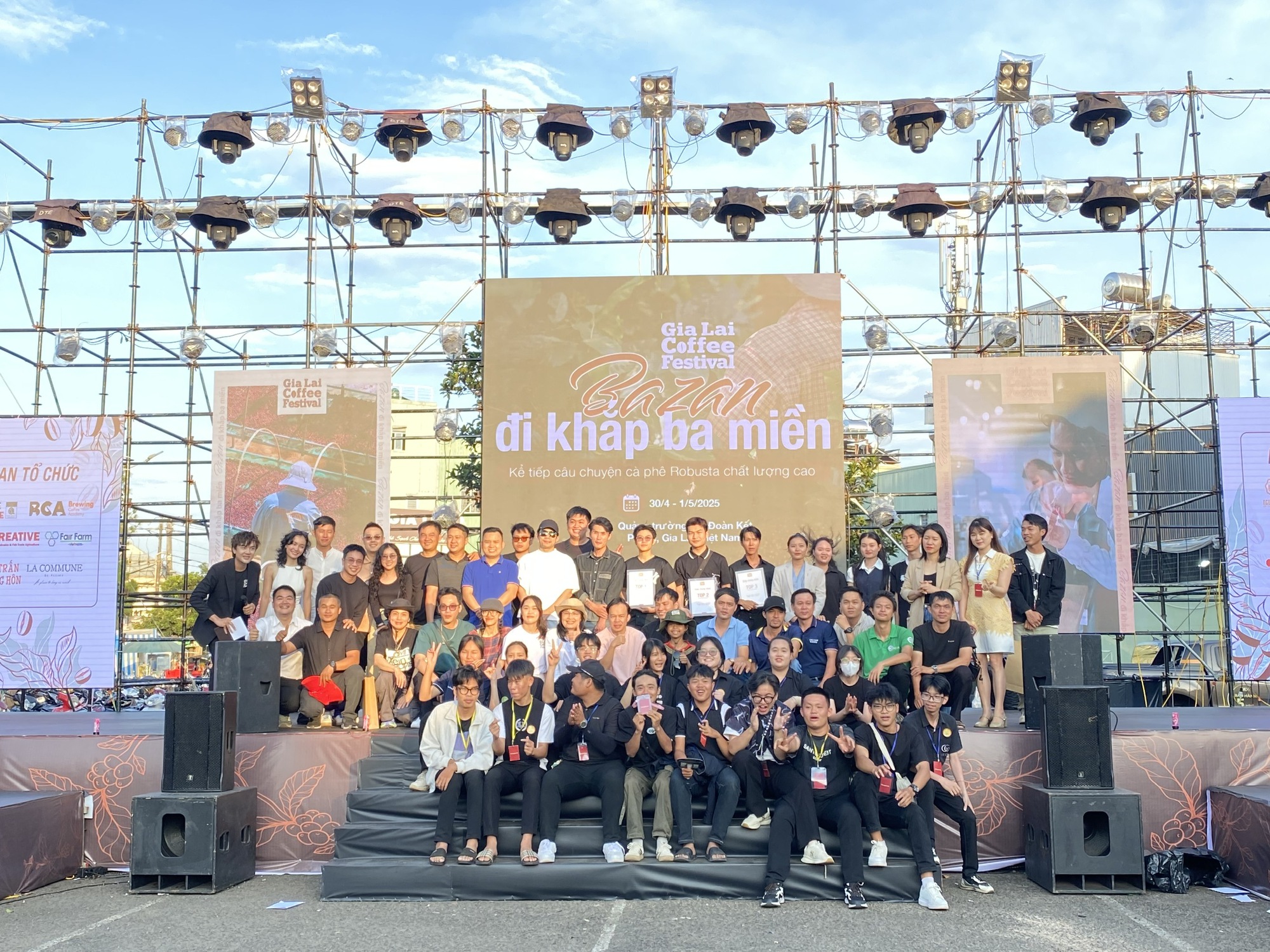
At the beginning of May, the curtains closed on the Gia Lai Coffee Festival 2025, after two consecutive days of rich activities, professional encounters, and sensory experiences held at Dai Doan Ket Square in the heart of Pleiku City. Held under the slogan “Basalt Crosses Three Regions,” the event was more than a metaphor—it was a tangible expression of unity across Vietnam’s north, central, and south, converging through the shared language of coffee.

The festival brought together a wide array of participants from all corners of the coffee world: farmers, roasters, extraction specialists, scientific researchers, and representatives of local and international institutions, along with a passionate audience of coffee lovers from across Vietnam and beyond.

This year’s edition distinguished itself through an immersive lineup of activities that blended technical mastery with cultural expression. Among them were professional cupping sessions to identify top-quality beans; live demonstrations of roasting and brewing techniques grounded in scientific precision; group competitions between barista teams; open forums for dialogue and exchange between local and international experts; and a musical evening inspired by the spirit of Vietnam’s Central Highlands.

More than forty coffee samples were presented throughout the festival, each having undergone rigorous quality assessment by seasoned sensory experts, affirming Gia Lai’s fast-rising status as a hub for high-grade Robusta aligned with specialty standards.

Nguyen Thi Nga, Deputy Director of the Nam Yang Agricultural Service Cooperative in Dak Doa district, remarked:

“Our participation aims to offer pure, high-quality coffee to visitors. This event is not merely promotional—it’s a platform for connection and storytelling, where we can share the journey of Gia Lai coffee with guests from across Vietnam and the world. Through it, we aspire to elevate our coffee to the ranks of the specialty category.”

Nguyen Truong Minh, a resident of Chu Prong district, shared his enthusiasm:

“I was truly impressed by the diversity of flavor profiles among Gia Lai’s coffees. Each variety carries a distinct character, shaped by its roasting and brewing techniques. It was a delightful and inspiring experience.”

From further afield, Swedish visitor Jo-Linn Ryner commented:

“I’m glad to be here. I previously worked on a coffee farm in Gia Lai and saw firsthand how the bean’s journey—from soil to cup—is filled with care and craftsmanship. The people here pour their hearts into what they create, and it shows in the quality of their coffee.”

At the close of the festival, the organizing committee announced the results of the Barista Teamwork Competition:

  • First Prize: Little Snakes Team

  • Second Prize: Sofar Team

  • Third Prize: UR Team

The festival also honored two standout coffee samples:

  • A natural-processed sample from Bien Ho Farm

  • A honey-processed sample from Tamba Farm

Nguyen Thi Thanh Tam, Director of the organizing company and head of the festival’s organizing committee, explained that the event is grounded in the philosophy of “From Farm to Cup.” She added:

“We hope this event helps strengthen the connection between farmers, roasters, and scientific institutions, and showcases the role of young people who have returned to their hometowns to grow clean coffee using modern science and technology, promoting their products through digital trade.”

She emphasized:

“Young people are the cornerstone of the future. They bring with them innovative thinking that fuses traditional agriculture with modern marketing tools—enabling the coffee bean to reach new heights of value.”

Meanwhile, Nguyen Van Hoa, head of the quality assessment lab in Vietnam under the international Coffee Quality Institute, stated:

“We evaluated more than forty samples from Gia Lai producers, and the best among them will be nominated for the upcoming specialty coffee competition. These entries represent a clear shift toward specialization and excellence.”

He noted that this year’s festival marked a significant evolution compared to its inaugural edition in 2023, in terms of activity variety, breadth of participation, and the depth of its message.

There is no doubt that Gia Lai Coffee Festival 2025 has cemented the province’s position as one of the world’s foremost producers of high-quality Robusta. It successfully bridged the full chain of coffee—from the farm to the lab, and from the palate to the market.

Amid the richness of flavors and the depth of dialogue, a new vision of Vietnam’s coffee future emerged—a vision defined by quality, integration, innovation, and identity.

China Strengthens Coffee Culture with 12,000 New Cafés

China’s coffee industry is experiencing unprecedented growth, with nearly 12,000 new coffee shops opening nationwide over the past year. This surge reflects a significant shift in consumer behavior, driven by political endorsements, changing lifestyles, and intense market competition.

According to data from food and beverage research platforms, the total number of coffee outlets in mainland China reached approximately 67,000 by the end of 2024. This net increase highlights the growing appeal of coffee not only in major metropolitan areas but also in rapidly developing urban centers known as “new first-tier” cities.

A notable moment came in March 2024 when President Xi Jinping praised coffee produced in Yunnan province, describing it as a product that “represents China.” This endorsement has bolstered the domestic coffee movement, encouraging broader support for local beans and producers.

International brands are feeling the pressure. Starbucks, once dominant in China’s coffee market, has seen its market share drop from 34% in 2019 to just 14% in 2024. The company also reported an 8% decline in same-store sales in China for the last fiscal year, highlighting the growing challenge it faces in maintaining relevance among increasingly price-sensitive consumers.

Much of the recent growth in the coffee industry has been driven by local chains offering affordable prices and efficient business models. Among them, Nowwa Coffee has emerged as a key player, operating more than 2,000 outlets across China. According to the company’s founder and CEO, the new wave of coffee drinkers includes not only office workers but also service employees, delivery drivers, and young shoppers—groups that previously relied on energy drinks for a quick boost.

Nowwa’s approach focuses on compact, highly efficient store formats—often just 30–40 square meters—situated inside convenience stores, hotels, and other high-traffic retail locations. This model reduces costs and allows for rapid national scaling. In March alone, Nowwa opened hundreds of new locations and saw a sharp increase in revenue.

China’s coffee industry reached a value of 624 billion yuan (US$86 billion) in 2024 and is expected to surpass 1 trillion yuan this year, according to iiMedia Research. However, the rapid expansion comes with challenges: growing market saturation and intense price competition.

The average cost of a cup of coffee in China dropped by 14% to 28 yuan in 2024, as local chains engage in pricing wars to win over customers. “Competitive price wars and promotions have resulted in loss of profits and the closure of smaller coffee shops,” said Nathanael Lim, Asia-Pacific beverage research lead at Euromonitor.

To adapt, many chains are diversifying their offerings. Popular strategies include introducing tea drinks, snacks, and culturally themed beverages, or opening shops in tourist attractions like temples and historic sites to generate social media interest.

As local brands continue to innovate and expand, global companies must adjust their strategies, deepen localization efforts, and seek meaningful partnerships within the local ecosystem. In China’s fast-moving coffee market, adaptability and cultural relevance are becoming as important as quality and branding.

Coffee Quality Institute Launches New Initiatives to Enhance Coffee Quality Worldwide

  • During its annual luncheon in Houston, the CEO of the Coffee Quality Institute, Michael Sheridan, announced major expansions to the Global Coffee Fund, the launch of the “Pennies-per-Pound” program, and a strategic partnership with the Specialty Coffee Association. Discover how CQI plans to make a broader impact in 2025.

At the Coffee Quality Institute’s (CQI) annual luncheon held last Saturday in Houston, CEO Michael Sheridan unveiled three key initiatives that mark a bold step forward in CQI’s mission to improve coffee quality and uplift the lives of coffee producers globally.

While recent headlines have been dominated by broader market challenges, Sheridan reminded the Quality Institute CQI community not to lose sight of the important progress being made — progress that he believes will lay the groundwork for deeper, more sustainable impact in producing countries.

“There have been a lot of headlines over the last week, but I want to make sure that we don’t lose track of some really good news,” Sheridan said.

1. Global Coffee Fund

Originally launched in 2023, the Quality Institute CQI Global Coffee Fund aims to expand access to coffee quality education in origin countries. After supporting 14 initiatives across 11 countries in 2024, CQI is now targeting a $150,000 funding goal for 2025. These funds will provide:

  • Scholarships for individuals seeking post-harvest processing education

  • Fellowships to help build a qualified network of certified trainers

Sheridan emphasized that while the financial scale is still growing, the momentum is real — and Quality Institute CQI is calling on industry stakeholders to co-invest through direct grants to the fund.

2. Pennies-per-Pound

Quality Institute CQI also announced the launch of its Pennies-per-Pound Program, which enables roasters to voluntarily add per-pound contributions to CQI within green coffee contracts — similar to other industry “check-off” models.

Seven green coffee trading companies have already committed to supporting this effort:

  • Atlantic Specialty Coffee

  • Covoya Specialty Coffee

  • Falcon Coffees

  • Royal Coffee

  • RGC Coffee

  • Sustainable Harvest

  • Volcafe Specialty

“This initiative creates a simple and sustainable way for more companies to take part in strengthening quality and supporting producers,” Sheridan noted.

3. Strategic Partnership

In a major development for CQI’s long-term project sustainability, Sheridan announced a new agreement with the Specialty Coffee Association (SCA), which includes annual contributions from SCA to support CQI’s project work. He described the agreement as historic and instrumental in expanding CQI’s global footprint.

A Message from the CEO

“We will be traveling widely in 2025 and look forward to meeting with you to explore ways we can advance this mission together. With kind regards and gratitude for your continued support of CQI and our mission,”
Michael Sheridan, CEO of the Coffee Quality Institute

Call to Action

If you’re a coffee roaster, trader, or industry ally looking to support CQI’s mission, visit [CQI’s Global Coffee Fund page] or reach out to learn how your organization can participate in these new initiatives.

From Jamaica to Türkiye: How Coffee Became the Common Language at Arabian Travel Market Dubai

At the heart of Dubai World Trade Centre, coffee took center stage at Arabian Travel Market 2025. From Turkish delight to Omani halwa and Emirati dates, global cultures connected through a single cup. This journey through five countries proves coffee isn’t just a drink—it’s a passport to culture.

By Serkan Oral

During my visit to Arabian Travel Market (ATM) Dubai 2025, I walked through the pavilions of various countries, where I was warmly welcomed with local coffee and traditional sweets. From Türkiye to Jamaica, from Oman to Italy, every stand offered me a taste of something familiar—coffee—yet served with distinct identity.

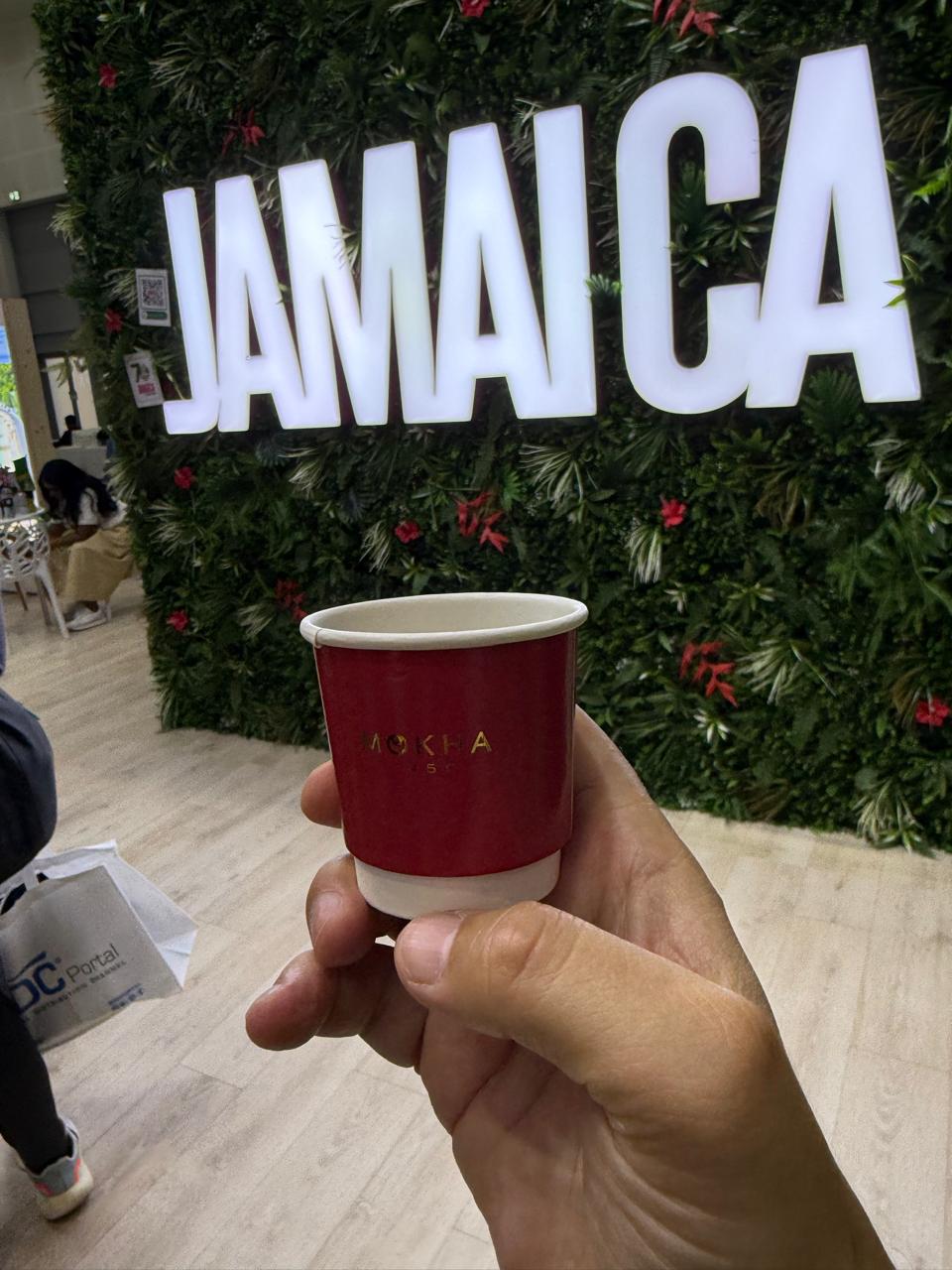
At the Turkish stand, it was Turkish coffee with delight. The UAE pavilion offered Emirati qahwa with Dubai dates. Oman served traditional coffee with halwa, while Jamaica showcased its prestigious 100% Grade One Jamaica Blue Mountain coffee, paired with fine chocolate. Saudi Arabia presented qahwa with Madinah dates, and Italy stood out with its classic espresso served alongside natural gums.

Five countries, five flavors, five coffee traditions.

Coffee, it turns out, is not just a beverage. It’s a cultural ambassador. Every country takes pride in its way of brewing, presenting, and sharing coffee. Whether through flavor, preparation, or the history behind the bean, coffee speaks a universal language.

And at the center of this global coffee culture is Dubai.
Mokha 1450 Luxury Specialty Coffee welcomed ATM visitors with a rare offering—Jamaica Blue Mountain coffee.
“Jamaica Blue Mountain coffee has been traded for hundreds of years and is especially popular in Japan, where 80% of its production is pre-purchased years in advance,” said Garfield Kerr, CEO of Mokha 1450 and President of the Specialty Coffee Association (SCA).

Guests lined up for a chance to taste these unique brews. Fortunately, ATM 2025 provided a single venue where the world’s most iconic coffee styles came together under one roof at Dubai World Trade Centre.

Arabic qahwa is typically strong and slightly bitter, served in small cups with dates to balance the flavor.
Turkish coffee—prepared in a small copper pot called a cezve—is known for its intensity and the saying: “One cup of coffee brings forty years of friendship.”
Italian espresso is about simplicity and precision, a hallmark of coffee culture since the 16th century.
Ethiopian coffee ceremonies, meanwhile, involve roasting, brewing, and serving coffee while sharing proverbs and songs, turning coffee into a sacred social ritual.

From my experience at ATM 2025, it’s clear: coffee is no longer just a drink—it’s a global phenomenon.
It connects people, cultures, and stories. It’s part of national identity, hospitality, and—more than ever before—a part of the travel experience.

If you’re a traveler, coffee should be part of your journey.
Exploring different coffee traditions lets you savor the world, one cup at a time.
Events like ATM 2025 remind us that when coffee meets culture, the result is pure joy.

Starbucks Q2 2025 Earnings: Revenue Up, Profits Down

Starbucks Corporation (NASDAQ: SBUX) reported its financial results for the second quarter of fiscal year 2025, posting a 2% increase in revenue to $8.8 billion, even as profitability dropped sharply due to rising costs and restructuring tied to its ongoing “Back to Starbucks” strategy.

The quarter, which ended on March 30, 2025, saw GAAP earnings per share fall 50% to $0.34, while non-GAAP EPS declined 40% to $0.41. Operating margin also compressed significantly amid investments in labor, technology, and corporate restructuring.

Key Q2 2025 Financial Highlights

  • Revenue: $8.8 billion (up 2% YoY, or 3% in constant currency)

  • GAAP EPS: $0.34 (down 50%)

  • Non-GAAP EPS: $0.41 (down 40%)

  • GAAP Operating Margin: 6.9%

  • Non-GAAP Operating Margin: 8.2%

  • Global Comparable Store Sales: Down 1%

  • Net New Stores: 213

  • Total Global Stores: 40,789

Starbucks CEO Brian Niccol expressed confidence in the company’s transformation strategy, saying, “My optimism has turned into confidence that our ‘Back to Starbucks’ plan is the right strategy to turn the business around and unlock opportunities ahead.”

North America: Higher Ticket Size, Fewer Transactions

Starbucks’ North America segment, which includes its core U.S. market, saw revenue increase just 1% to $6.47 billion. Comparable store sales declined 1%, with a 4% drop in transactions partially offset by a 3% rise in average ticket size.

Operating income fell 35% year-over-year to $748 million, as labor investments and lower transaction volume weighed on margins, which dropped from 18.0% to 11.6%.

International Markets: Growth with Pressure

The International segment performed better, with revenue rising 6% to $1.87 billion and 2% growth in comparable sales, driven by increased customer visits. However, average ticket dropped by 1%.

China, the company’s second-largest market, saw flat same-store sales as 4% more transactions were fully offset by a 4% decline in average ticket. China now accounts for 19% of Starbucks’ store count with 7,758 locations.

Operating income for the international segment decreased 7% to $217 million, and operating margin fell to 11.6%, impacted by increased promotions and organizational restructuring.

Channel Development and Consumer Packaged Goods

Starbucks’ Channel Development segment, which includes ready-to-drink and retail packaged coffee sold through grocery and convenience channels, saw a 2% decline in revenue to $409 million. Operating income fell 11% to $193.5 million, affected by higher product costs and lower contributions from partnerships.

Global Expansion and Store Footprint

Starbucks added 213 net new stores in the quarter, bringing the total to 40,789 locations across more than 80 countries. The U.S. and China together now represent 61% of the company’s global presence, with 17,122 stores in the U.S. and 7,758 in China.

Leadership and Organizational Updates

In March, Starbucks appointed Cathy Smith as Chief Financial Officer, replacing Rachel Ruggeri. The company also reduced 1,100 corporate support roles earlier in the quarter to streamline operations as part of its turnaround plan.

At its 33rd Annual Meeting of Shareholders, Starbucks recognized the retirement of long-time board member Mellody Hobson, with Jørgen Vig Knudstorp taking over as lead independent director.

Commitment to Shareholders

Despite profitability challenges, Starbucks continues its dividend streak, declaring a cash dividend of $0.61 per share payable on May 30, 2025. This marks the company’s 60th consecutive quarterly dividend, reflecting long-term shareholder value commitment.

Outlook: Recovery in Progress

Commenting on the results, CFO Cathy Smith noted: “While our financial results are far from Starbucks’ potential, we are building back a better business. We are developing new capabilities to test, iterate, and scale quickly, in service of long-term, durable growth.”

Rich hotels’ poor coffee policies

By Serkan Oral

I saw Hospitality’s top brands at the iconic Arabian Travel Market Dubai 2025.
However, we witness that many hotels that make huge investments, luxury buildings and offer great tastes do not offer quality speciality coffee.

Well known hotel brands actually consume cheaper coffee beans instead of serving Speciality Coffee.
They often fail to serve quality coffee to customers.
Ok, I ll tell you the difference.
Large equipment is used to roast commercial coffee in bulk while specialty coffee is roasted in small quantities to prevent the burning.
I visited top brands and talked with high level management at ATM Dubai 2025.
Many business meetings, interviews and dates take place in a hotel lobby; the go-to drink is usually coffee.

The lobby of a five-star hotel is a sensory place. Lavish décor highlighted by rich lighting; a myriad of accents mingled with ambient music.

And you can not find specality coffee at these big hotels.

I am in a five-star hotel guy, I am expecting to receive an excellent coffee.

Unfortunately, I didn’t. It was a bitter disappointment.

Nowon I ll judge a hotel by its coffee.

Why hotels do not pay more attention to the type of coffee they serve?
If you have taste you search for the best, even in a hotel.

People should start asking, “How can it be so difficult to find good coffee in a place where everything else is of the highest standard?

Specialty coffee is growing in popularity, and more people are interested in the craftsmanship that transformed the coffee bean into the superb substance that fills their cup.

Mostly hotels have a wine/champagne list with names such as Krug and Dom Pérignon, and some even have a water list, but a coffee list? – A coffee menu? No.

They are away of the world of specialty coffee.

You are expecting high-grade coffee, after all this is a high-class establishment. Your coffee arrives, and it is unexceptional.

Huge investment hotels where I have stayed, served coffee made from Robusta beans, very low-quality Arabica blends

They say some even used coffee in capsules!

Most hotels use low-quality capsule coffee because it is easier for them to manage and cost-effective. While this may work in 3-star hotels, I believe it is unacceptable in a 5-star luxury hotel.

The annual business-to-business exhibition takes place at the Dubai World Trade Centre.
I visited several 5 star hotels places.
And ı have chance to talk on coffee and modern f&b issue.
I m not happy with my hearings.
But they are going to think on for to serve or even keep speciality coffee beans at their lobbies.

Organised in collaboration with Dubai World Trade Centre, ATM 2025’s strategic partners include the Dubai Department of Economy and Tourism (DET) as Destination Partner; Emirates as Official Airline Partner; IHG Hotels & Resorts as Official Hotel Partner.

Arabian Travel Market reflects Dubai’s position as a leading global hub for tourism, travel and hospitality. Jumeirah, Rixos, Marriot, Rotana, Mandarin, Four Seasons, Kempinski, Armani Hotels… etc.

And hope to connect Speciality Coffee and luxury brands in the near future.

From Tea Capital to Coffee Hub: China’s Pu’er Shifts Focus as Tastes Evolve

Nestled among the lush green hills of southwestern China, the city of Pu’er — historically renowned for its fermented tea — is undergoing a transformation. With changing consumer preferences, especially among the younger generation, coffee is rapidly gaining ground in a region once defined by centuries of tea tradition.

At his café overlooking steep coffee-covered slopes, 25-year-old barista Liao Shihao brews pour-over coffee for a growing number of curious visitors. “People come here to taste our filtered coffee,” he tells AFP. “They appreciate the variety of flavors. In the past, they mostly drank instant or commercial coffee and were hesitant to try anything new.”

Liao’s family has been cultivating their plot — aptly named Xiaowazi or “Little Valley” — for three generations. The farm sits in a shaded valley where coffee trees form tidy rows on steep terrain, and fresh beans dry on wooden racks. Curious tourists are increasingly making their way to Pu’er’s hillside cafés to sample the region’s emerging specialty coffee.

“It’s excellent,” says 21-year-old visitor Kai Xuen, while sipping on a tasting flight.

According to Chinese government statistics, Pu’er producers now sell tens of thousands of tons of coffee beans annually to major cities across the country.

“No One Knew Coffee Back Then”

While cities like Beijing and Shanghai have embraced a booming café culture driven by urban consumers aged 20 to 40, Pu’er’s journey into coffee is still relatively young.

“Coffee from our region offers a creamy body and a smooth mouthfeel,” explains Liao Shihao.

Widespread cultivation of coffee in Pu’er didn’t begin until the 1980s. For decades, the area remained far more famous for its signature fermented tea, exported throughout East Asia and beyond. Liao’s grandfather, Liao Xiugui, recalls, “No one knew anything about coffee when I first arrived here decades ago.” He was among the few Chinese who studied coffee culture in its early days.

Thanks to the region’s mild climate and high altitude, Pu’er proved to be ideal for coffee cultivation. “Our coffee isn’t overly bitter,” says the 83-year-old, “and it has delicate, fragrant notes and a fruity acidity — all part of its unique character.”

The beans are grown without synthetic pesticides, in biodiverse mixed-crop farms, yielding around 500 tons annually. Xiugui drinks two to three cups a day and credits coffee for his energy and health: “It keeps you young, it improves your health… it slows aging!” he laughs. “And with today’s work pressure, we all need a boost!”

A New Economic Driver

Though China still lags behind coffee giants like Brazil, Vietnam, and Colombia, its domestic coffee production has grown significantly in recent years, with Yunnan Province — bordering Southeast Asia — leading the charge. The Pu’er region is at the heart of this movement.

During a March visit, Chinese President Xi Jinping praised Pu’er coffee as a product that can now “represent China.” In response, local authorities have rolled out policies to support the sector, enhance production, attract investment, and encourage exports.

Officials are also combining coffee with tourism to attract domestic visitors and stimulate local consumption — a key pillar in China’s broader economic recovery strategy.

For farmer Yu Dun, 51, the shift to coffee has changed her life. She diversified her income by organizing guided farm tours, opening a small lodge, and launching a restaurant that serves Dai ethnic dishes paired with her own roasted coffee.

Yu says her income from coffee has increased tenfold since she began roasting beans herself. “People used to say coffee was only for the rich,” she smiles. “Now, everything has changed.”

Specialty Coffee Expo 2025: An Unforgettable Showcase of Excellence and Innovation

The Specialty Coffee Expo 2025 concluded with resounding success, offering a vibrant platform where the global coffee community came together to celebrate craftsmanship, innovation, and sustainability.

Over three dynamic days, the event showcased not just the best of specialty coffee today, but also charted a bold path for the future, with competitions, workshops, exhibitions, and business networking setting new industry standards.

Spotlight on the World Coffee Roasting Championships

A highlight of Expo 2025 was the World Coffee Roasting Championships, a rigorous three-stage competition where elite roasters were evaluated on green coffee grading, roast profiling, and final cup quality.
Certified judges assessed dozens of criteria across preparation and production, culminating in the crowning of Mikaël Portannier of France as the 2025 World Coffee Roasting Champion.

Celebrating Creativity: Coffee Design and Best New Product Awards

Innovation was at the forefront of this year’s Expo:

  • The Coffee Design Awards honored groundbreaking achievements in branding, packaging, and spatial design, recognizing visionaries like Puelo Coffee Roasters, Ember Goods, and Yettu: Earth to Cup.

  • The Best New Product Awards celebrated advancements in equipment, accessories, and technology, with attendees actively voting for their favorites, highlighting the democratic spirit of the Expo.

These awards underscored how creativity and storytelling are reshaping the coffee experience.

A Multisensory Journey: From Cupping to Roasting

Expo attendees explored an unparalleled range of experiences:

  • The Cupping Exchange offered curated tastings hosted by producers, exporters, and importers, creating vital sourcing connections while introducing the latest crops and varietals.

  • The Roaster Village showcased innovative roasting techniques and boutique green coffee offerings in a vibrant, café-style environment, allowing direct engagement with some of the world’s leading roasters.

  • Green Coffee Connect, presented by Barista Attitude, enabled in-depth discussions about the green coffee supply chain, featuring expert-led learning sessions.

Knowledge, Strategy, and Community Building

Education remained a cornerstone of Expo programming:

  • The SCA Workshops delivered intensive, hands-on sessions covering topics from roasting innovations to sustainability strategies.

  • The SCA Lecture Series brought together thought leaders who shared insights on market trends, climate resilience, business management, and more, inspiring attendees to tackle challenges with fresh perspectives.

  • The newly launched Coffee Business Lounge provided a dedicated space for strategic networking and collaborative discussions, strengthening professional ties across the industry.

Sustainability Takes Center Stage

Sustainability was not just a theme—it was embedded throughout the entire Expo experience:

  • Sustainability in Focus programming addressed climate resilience, ethical sourcing, waste reduction, and innovative sustainable practices across the coffee value chain.

  • The prestigious SCA Sustainability Awards recognized individuals and organizations making significant environmental, social, and economic impacts.

  • Post-event, the SCA announced a partnership with Sucafina to offset Expo’s carbon footprint by planting 16,000 trees in coffee-growing regions of Burundi, demonstrating a tangible commitment to positive change.

Looking Toward a Sustainable Future

As the final sessions wrapped up and attendees bid farewell, the Specialty Coffee Expo 2025 left a lasting imprint:
A testament to the spirit of collaboration, creativity, and shared responsibility that defines the specialty coffee movement.

The journey continues toward World of Coffee San Diego 2026, where new ideas, new connections, and new opportunities await.

Until then, the passion, innovation, and community spirit ignited in Houston will continue to inspire the global coffee community—one cup at a time.

Exploring the Flavors of the World: My Trip to the Moscow Coffee, Tea, and Cacao Exhibition 2025

Writer: Sonam Sherpa


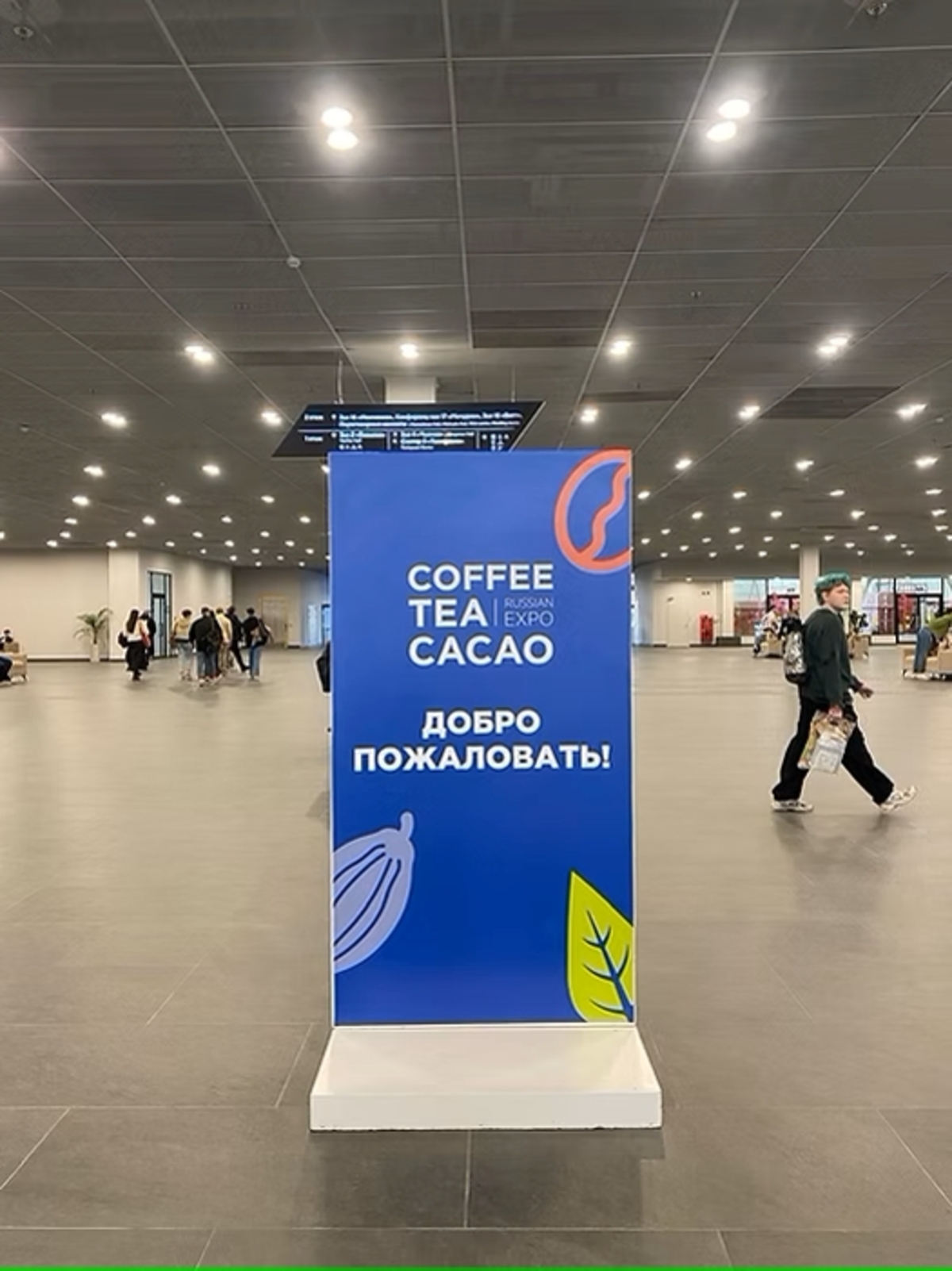
Visiting Moscow for the first time last week felt like a dream come true. From the moment I arrived in Russia’s capital, I was amazed by its grand beauty, rich history, and the warmth of its people. My trip centered around attending the Russian Coffee, Tea & Cacao Expo at the Timiriazev Center, but what I experienced went far beyond a simple trade show — it became a journey into the vibrant heart of an extraordinary city.

From the very first day at the expo, I was struck by the incredible passion and creativity that filled the halls. The event was not just about showcasing products; it was about sharing stories, traditions, and innovations. Each booth felt like a window into a different culture — from the rich single-origin coffees of Ethiopia to the delicate teas of China and the artisanal chocolates crafted across Russia. It was clear that behind every product, there was a story, and every exhibitor aimed to connect, inspire, and share.

One of the highlights of my trip was the opportunity to taste and compare different varieties of single-origin coffees. The expo also introduced me to new roasting techniques and innovative brewing methods presented by both international and Russian roasters. It was fascinating to see how different cultures approach coffee — from roasting styles to brewing preferences — and how coffee is perceived in everyday life.

Interestingly, I noticed that batch brewing was more prominent than pour-over brewing at many booths. Seeing batch brew celebrated so widely was very exciting; it shows how the coffee industry is embracing consistency, efficiency, and accessibility without compromising on flavor quality. Batch brewing was not just a practical choice — it was elevated and celebrated for its ability to deliver exceptional coffee to large crowds with consistency and integrity. This shift highlights where the specialty coffee industry is heading: making excellence scalable while preserving craftsmanship.

Batch Brew by Kojocoffee.ru

Meeting Russian coffee professionals was another incredibly enriching part of my experience. Our conversations delved into brewing styles, roasting philosophies, market dynamics, and the evolving perception of coffee culture in Russia and globally.

It wasn’t just the exhibitors and professionals who impressed me; the visitors themselves were deeply engaged. There was a vibrant curiosity among them — people asked thoughtful questions, sampled coffees with intention, and demonstrated a genuine passion for learning more about coffee.

It became clear to me that Russia’s specialty coffee scene is thriving, driven by a new generation of enthusiasts blending technical expertise with fearless creativity.

Russian Barista Championship Winners 2025

As a competitor myself, one of the most thrilling parts of the expo was watching the Barista of the Year competition and the Tea Tasting Challenge. Watching skilled baristas perform live — crafting stunning and complex beverages under pressure — was incredibly inspiring. The atmosphere buzzed with focus, tension, creativity, and an undeniable love for the craft. Every competitor brought their own style, technique, and storytelling into each cup they served. It was a powerful reminder that barista competitions are not just about technique — they embody passion, creativity, and resilience.

Witnessing their precision and artistry reignited my own appreciation for the delicate balance between art and science that defines world-class coffee making.

The Russian Coffee, Tea & Cacao Expo 2025 was an eye-opening experience that left a lasting impact on me. I realized that coffee, tea, and cacao are not just products; they are vessels for stories, culture, history, and human connection.

I discovered new roasting methods and brewing innovations, learning how small adjustments can dramatically transform a cup’s flavor — unlocking new textures, aromas, and experiences. I saw how batch brewing is reshaping the future of specialty coffee by making excellence more accessible and efficient. I deepened my understanding of how coffee is perceived differently across cultures, evolving as a symbol of creativity, hospitality, and craftsmanship.

But perhaps most importantly, I was reminded that beyond all the techniques, equipment, and trends, it’s the community — the shared love for the craft — that truly drives the coffee world forward.